South Africa Safari Guide: Essential Tips, Best Reserves, and What to Expect
From walking safaris and boat trips to wellness retreats and even running adventures, South Africa's legendary reserves and national parks cater to every type of big game viewing experience.
Whether you're a first-timer or seasoned traveler, this Safari 101 guide covers the essentials to spot the Big Five (lion, leopard, rhinoceros, elephant, and Cape buffalo). Discover top safari options, now more accessible than ever with nonstop flights from Newark to Cape Town on United Airlines' 787-9 Dreamliners.
Game Reserve or National Park?
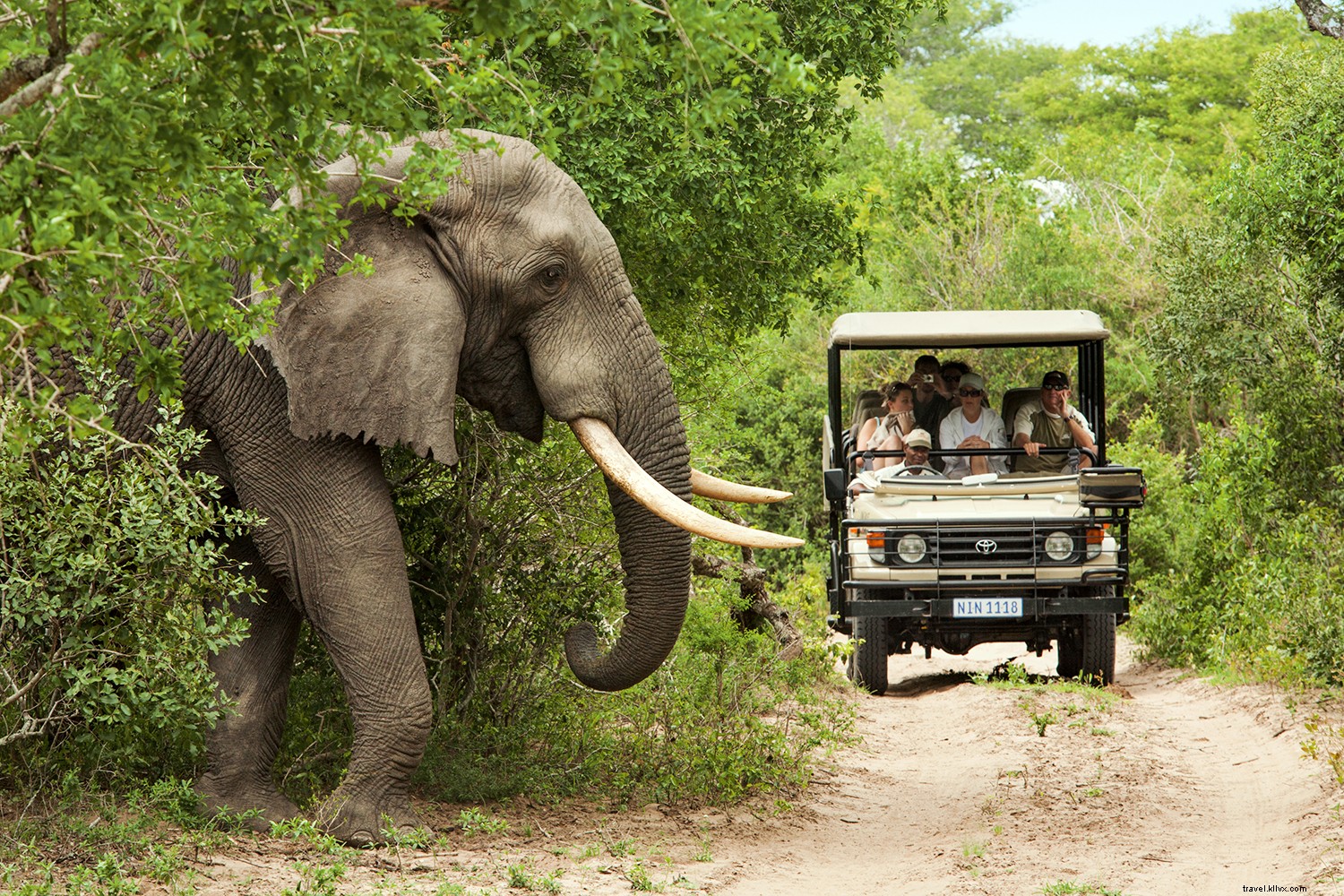
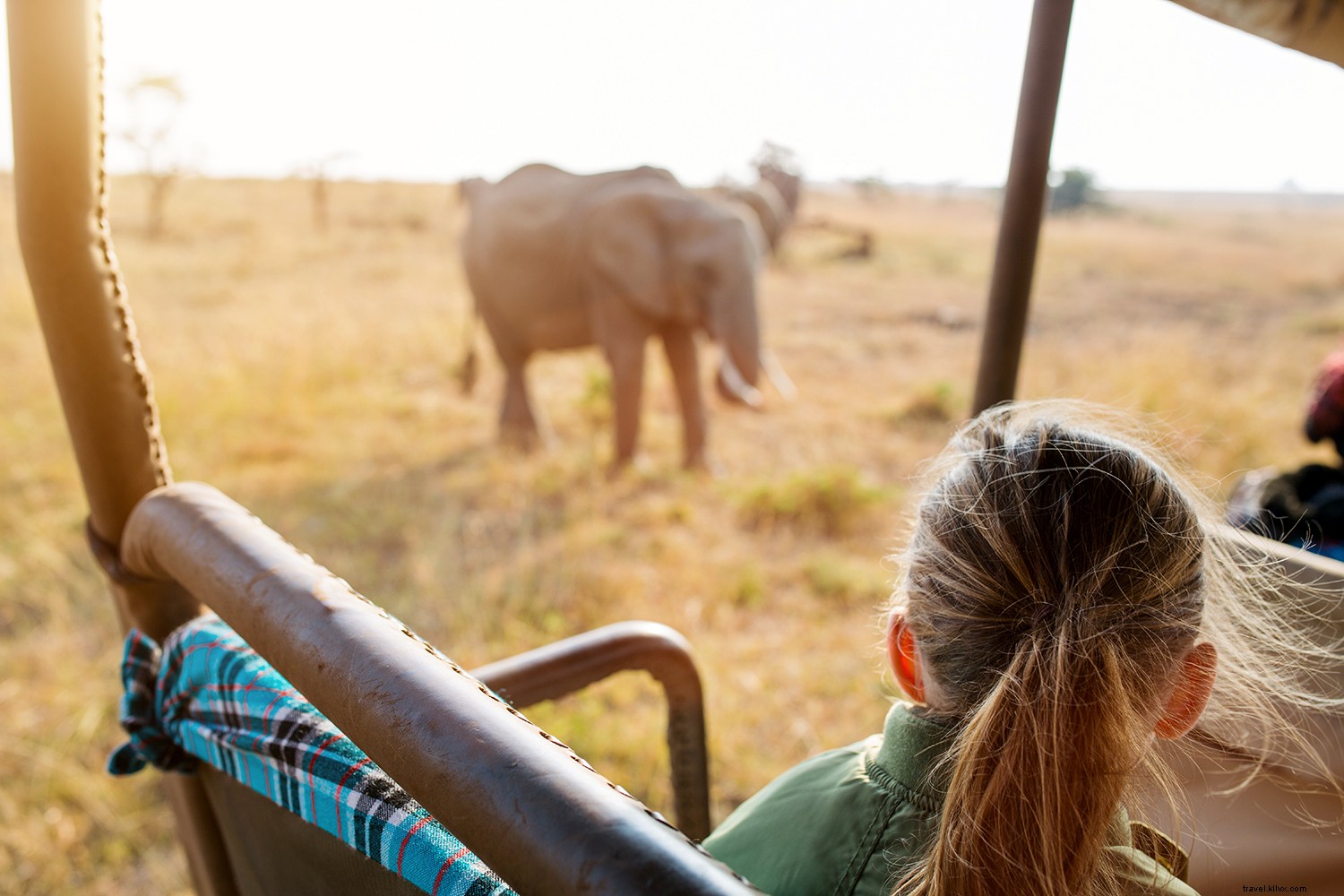
Both deliver bucket-list experiences, so your choice depends on priorities. Private reserves allow off-road driving for closer animal encounters—not permitted in government-run national parks—yet national parks still offer thrilling sightings like elephants approaching your vehicle.
Private reserves emphasize luxury, while national parks offer camping, self-drive options, and budget lodges with guides. Some private reserves, like those in Kruger National Park (South Africa's largest, comparable to New Jersey in size), such as renowned Sabi Sand, lie within park boundaries. Animals roam freely, but sticking to one reserve means missing diverse landscapes.
Both are exceptional—budget often decides. Most lodges recommend two-night stays, especially when lodge-hopping. Consult safari specialists to customize your trip.
A Typical Day at a Safari Lodge
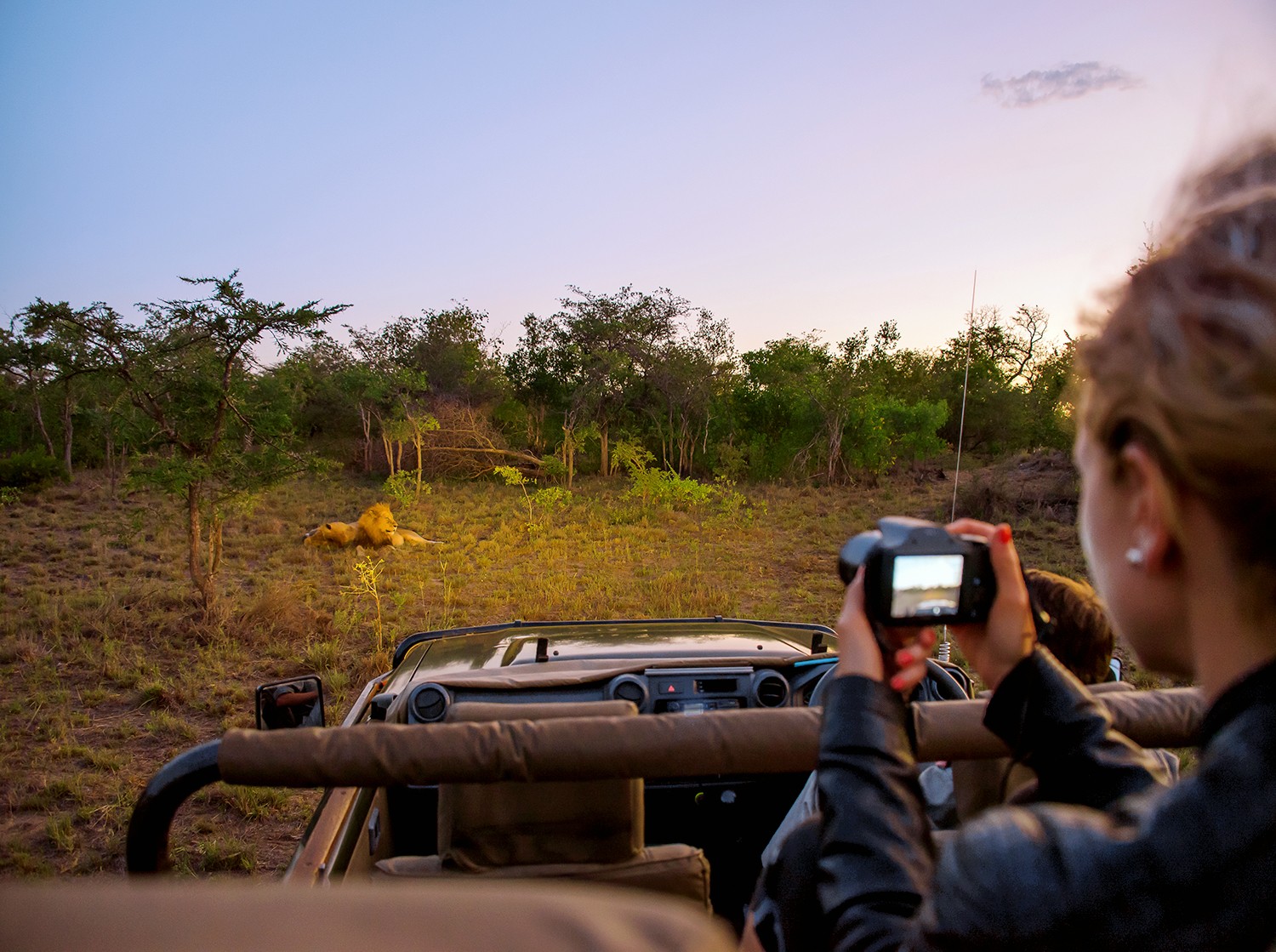
Forget sleeping in: Dawn game drives (starting 5:30-6 a.m.) are prime for wildlife. Lodges provide pre-drive coffee and tea. You'll join a 4x4 safari vehicle—open-sided with tiered seating and pop-top roofs—with fellow guests (or opt for private).
 Guides use fresh intel to track the Big Five and more: cheetahs, hippos, zebras, gazelles, hyenas, and warthogs. Elusive sightings add thrill. Return by 10-10:30 a.m. for breakfast, then relax with spas, pools, or Instagram.
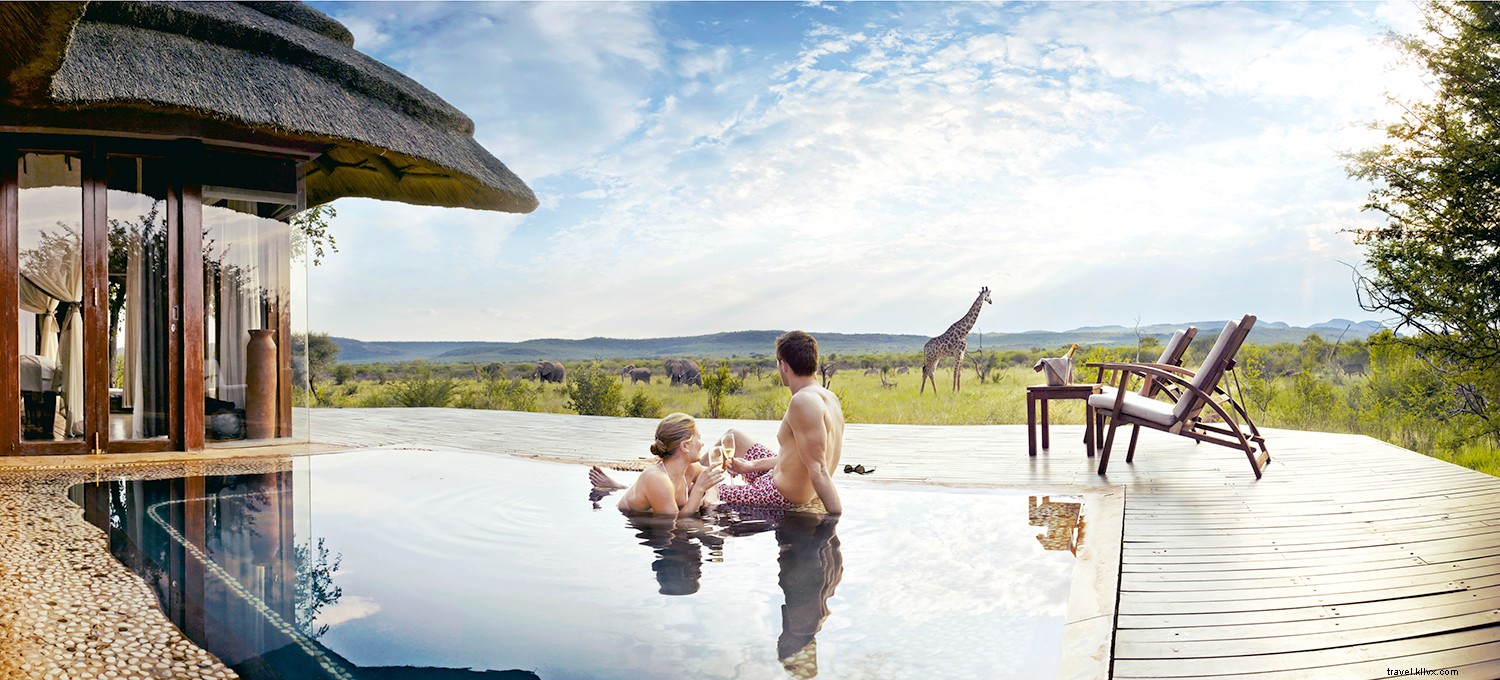 Afternoon drives (around 4:30 p.m.), walks, or boat safaris lead to sundowners: drinks amid stunning sunsets. Evenings feature dinner, storytelling, and stargazing, often with live music.
Village visits offer cultural immersion—bring small bills for authentic crafts.
Best Time to Visit?
South Africa is a year-round destination, though patterns hold: Dry, cooler months (May-September) excel for game viewing. July-August for whales; November-February (rainy north) for birding.
Family-Friendly? Taking Kids?
Policies vary (ages 5+ at some, teens need approval elsewhere). Experts suggest 8+ for engagement and better behavior on drives and at lodges.
Standout Safari Lodges
Luxury evolves: In Kruger, The Royal Portfolio's Farmstead at Royal Malewane offers three one-bedroom suites and a private villa with plush indoor-outdoor spaces overlooking passing herds.
The Farmhouse villa includes a pool, chef, butler, vehicle, ranger, and tracker—ideal for groups.
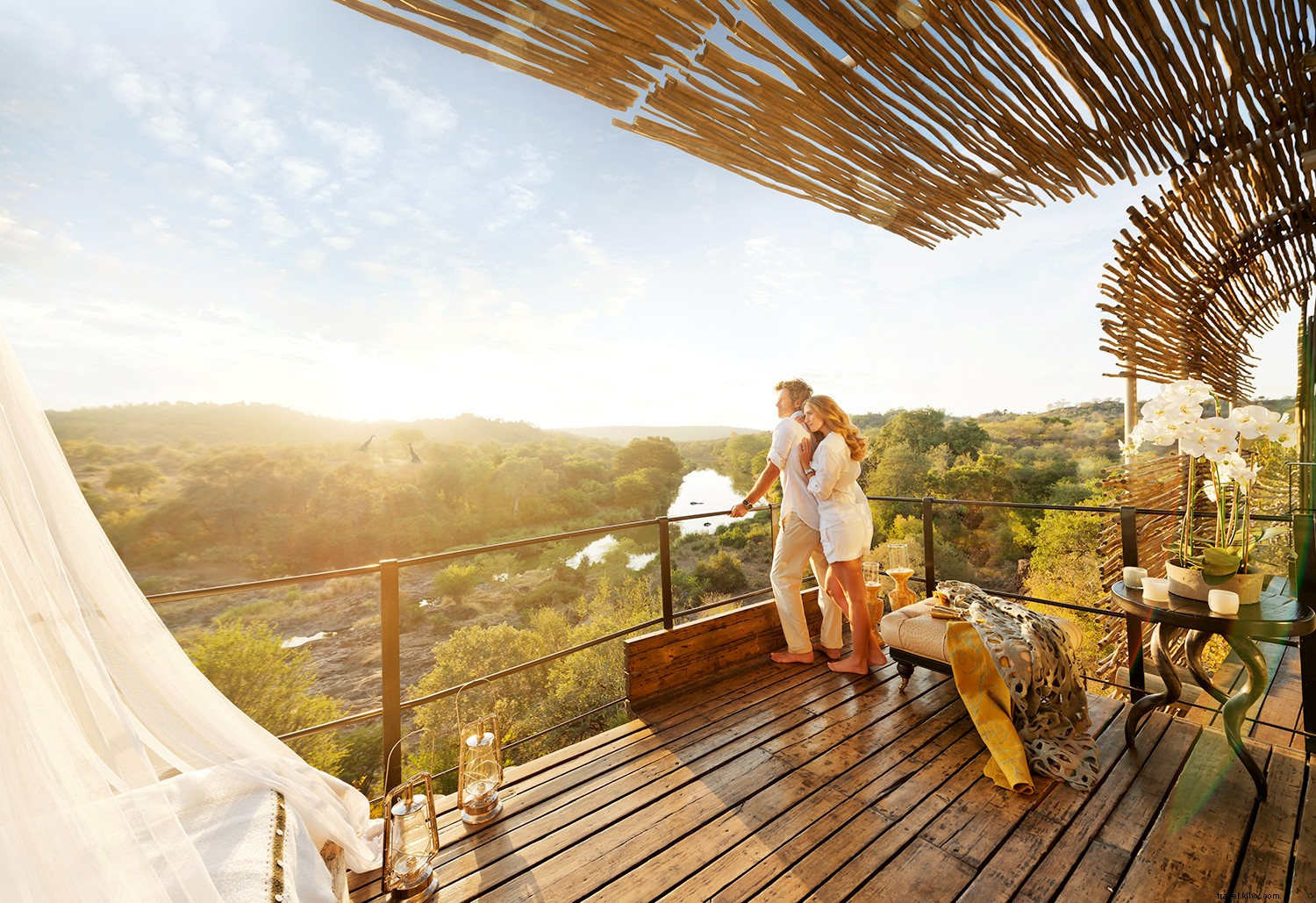
At &Beyond Ngala Private Game Reserve in Kruger, the elevated Ngala Treehouse provides secluded luxury with starlit or canopied sleeping options.
In the Eastern Cape, Shamwari Private Game Reserve's Sindile luxury tented camp features nine elevated glamping suites with plunge pools and tubs for panoramic views.
Practical Packing and Travel Tips
- Use soft-shell luggage (40 lbs max typical; check specifics).
- Bring personal binoculars—don't rely on shared ones.
- Pack lightweight, neutral-toned, moisture-wicking clothes (laundry often free).
- Essential: Wide-brim hat, sunscreen.
- Consult a travel doctor for vaccinations/meds.
- Direct U.S. flights to Johannesburg/Cape Town; connect to reserves.