Ultimate Self-Drive Safari in Namibia: Expert 2-Week Itinerary
Embark on the adventure of a lifetime with a self-drive safari through Namibia's vast, breathtaking landscapes. This African gem offers unparalleled safety, epic scenery, and abundant wildlife, making it the ideal destination for independent explorers.
Namibia's low population density ensures uncrowded roads, with well-maintained tar and gravel routes accessible by standard 2WD rental sedans—even in Etosha National Park, one of Africa's top wildlife destinations. Opt for affordable 4WD vehicles for smoother travels and access to remote areas. Accommodations span from remote campsites to luxury lodges and tented camps, suiting every budget. For campers, intersperse stays with comfortable lodges. Rent your vehicle in advance and follow this curated two-week itinerary for an unforgettable journey.
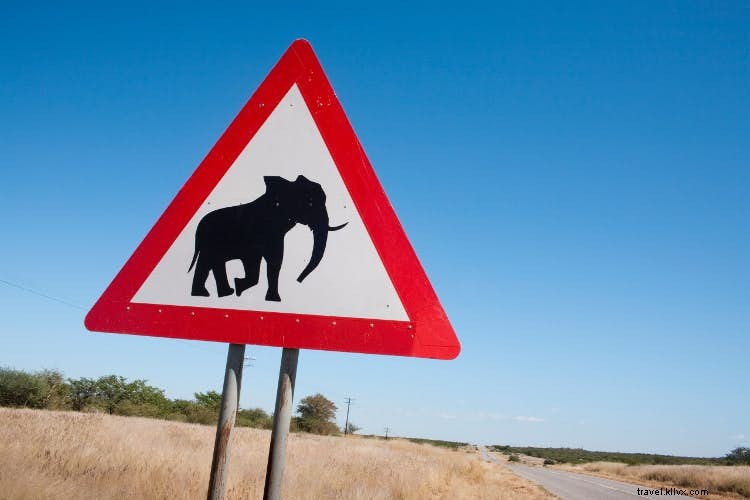
Windhoek
Begin in Windhoek, Namibia's vibrant capital blending modern skyscrapers and shopping malls stocked with premium South African imports. Collect your pre-booked rental car or 4WD, stock up at a supermarket, then drive 280km north to Waterberg National Park. For dinner (non-vegetarians), savor local game meats like ostrich, springbok, oryx, gemsbok, crocodile, or kudu at the iconic Joe's Beer House.
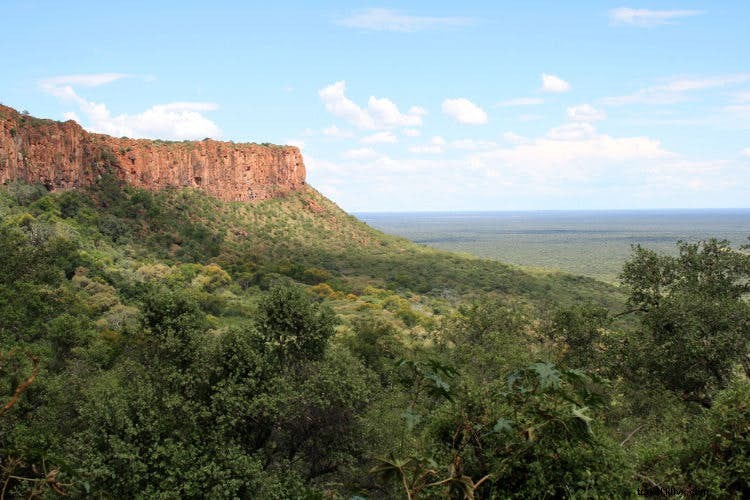
Waterberg National Park
The imposing 200m-high red sandstone Waterberg Plateau spans 50km, visible from afar. Largely inaccessible except by foot, it protects endangered species like roan and sable antelopes, plus rare flora such as karee and weeping wattle trees. Obtain maps at the visitor center for self-guided trails or book guided hikes from Waterberg Camp at the plateau's base. Summit views reveal sweeping plains resembling a undulating sea dotted with rocky outcrops. Campers: Secure gear against nocturnal baboons. Nearby, visit the Cheetah Conservation Fund research center (cheetah.org) near Otjiwarongo, and Okonjima's AfriCat Foundation (africat.org) for cheetah and leopard tracking experiences, including on-foot options.
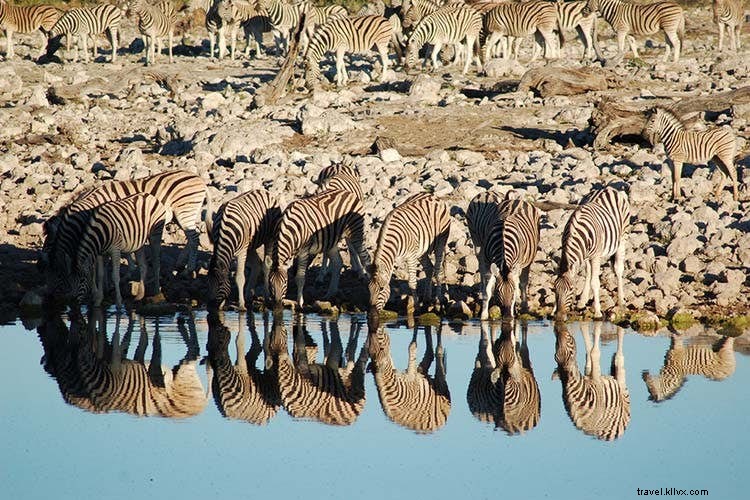
Etosha National Park
Boasting 114 mammal species—including the world's largest black rhino population—Etosha ranks among Africa's elite wildlife parks. Located 300km north of Waterberg, its 5,000-sq-km calcrete pan ('place of dry water') lacks dense vegetation, drawing herds to waterholes from June to November. Base yourself at Namutoni, Halali, or Okaukuejo camps, featuring floodlit waterholes for night viewing (guided night drives available). The western section, opened in 2014 via Galton Gate, adds more exploration. 2WD vehicles suffice on well-graded gravel roads (60km/h speed limit enforced).
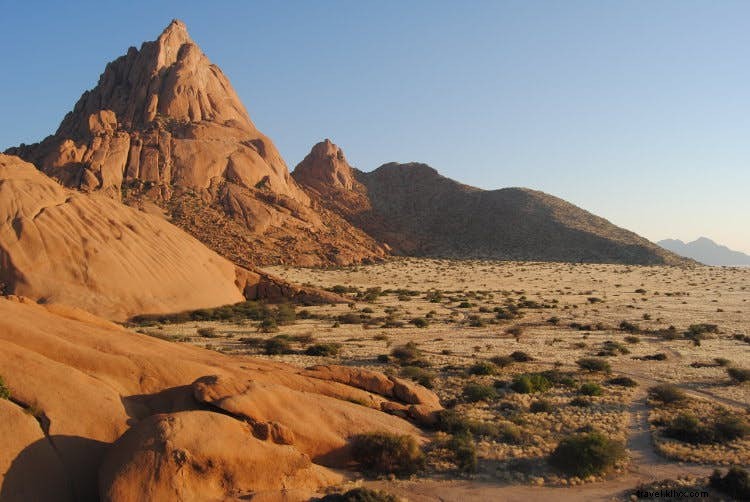
Damaraland
Exit Etosha via Anderson Gate near Okaukuejo and venture west into Damaraland's rugged escarpments, dry river valleys, and volcanic peaks, from the Hoanib River to Swakopmund. Though not a formal park, private reserves host Namibia's desert-adapted lions, elephants, and more. Discover San rock art, including the 'White Lady' at Brandberg (Namibia's highest peak) and 2,500-year-old Twyfelfontein petroglyphs. Southward, Spitzkoppe—the 'Matterhorn of Africa'—rises 700m above the plains, ideal for climbers and surreal camping.
Swakopmund
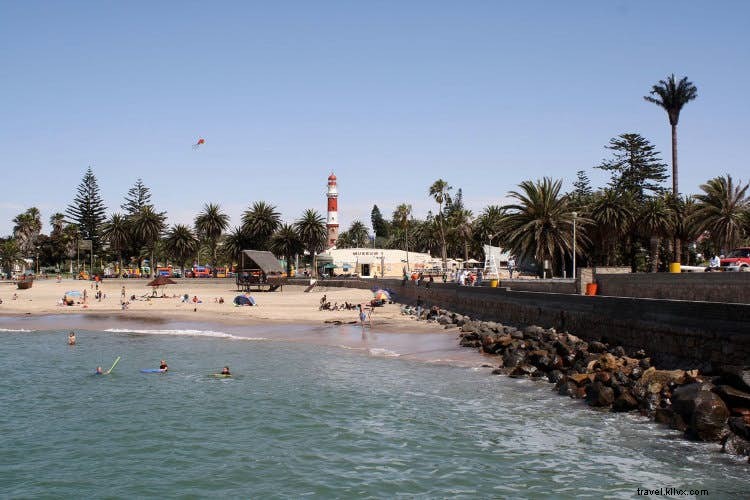
After dusty trails, relax in coastal Swakopmund, Namibia's adventure hub. Day trips include Cape Cross seal colony (70km north), Walvis Bay flamingos (35km south), or local thrills like skydiving, sandboarding, and kitesurfing.
Sossusvlei
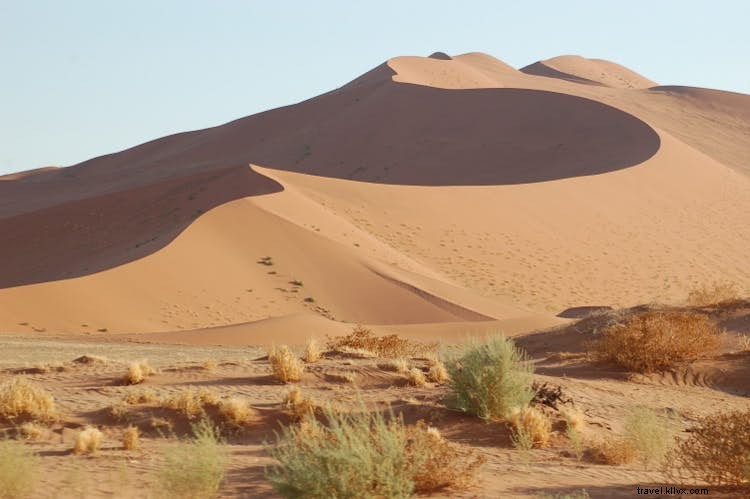
South across the Namib Desert (Namib-Naukluft National Park, ~50,000 sq km) await planet's most iconic dunes. At Sossusvlei, winds sculpt towering orange-red parabolic dunes. Stay inside the park at Sesriem Campsite or Sossus Dune Lodge for pre-dawn dune climbs. 2WD access to Dune 45 via tar and graded roads; shuttle or walk to Sossusvlei pan (4km further), framed by dunes and the Tsauchab River. Rare floods create mirror-like reflections. Nearby Deadvlei features cracked clay, Big Daddy dune (330m), and 500-600-year-old blackened acacia skeletons. Return to Windhoek from Sesriem Gate: 300km, ~4.5 hours.
This article was originally published in May 2012 and updated in October 2014 with research by Matt Phillips, ensuring reliable, expert-guided insights.