Ultimate Guide to Hiking Namibia's Fish River Canyon: An Epic 85km Adventure
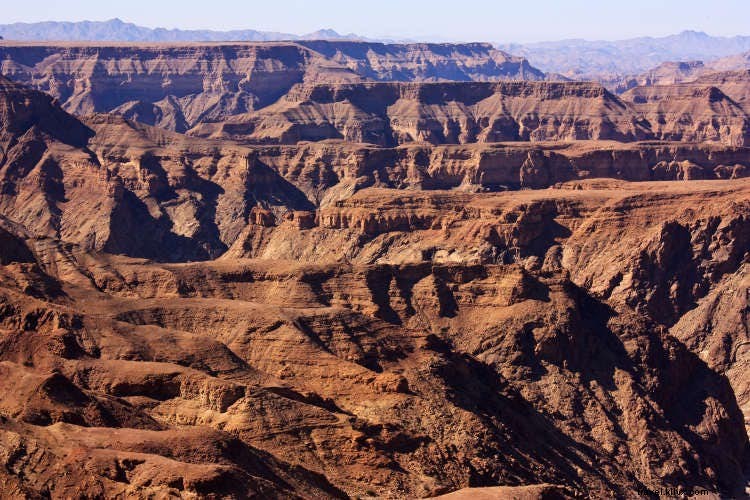
Embark on an unforgettable multi-day trek through the world's second-largest canyon. Nestled in southern Namibia, the awe-inspiring Fish River Canyon plunges 550m deep, spans 27km wide, and stretches 160km long. This demanding 85km trail unveils 1.5 billion years of geological history and is only open from May to mid-September due to extreme heat the rest of the year.
Stage 1: The Descent
Local legend claims the canyon's winding path was carved by a dragon's tail lash. At the trailhead, 12km south of Hobas campsite—your base the night before—the canyon dramatically slices through the flat, arid Koubis plateau. The challenging half-mile descent to the floor takes 1-2 hours, eased by chains embedded in the rock. Tackle it in late afternoon when rocks glow vivid red and the day's heat fades. Camp on the expansive soft sandbank and rest for the days ahead.
Stage 2: Palm Springs
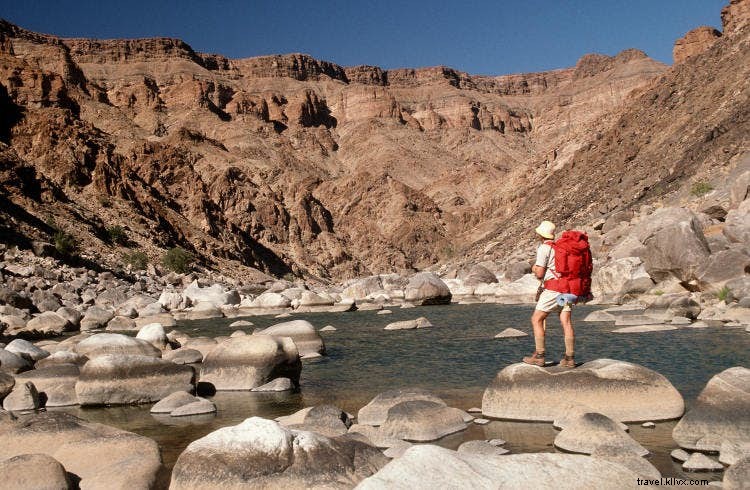
This 13km stretch through the upper canyon showcases dramatic scenery with towering walls of twisted gneiss formations—layers forged 1.5 billion years ago during the tectonic rifting of Gondwana into South America, Africa, and Antarctica. Navigate giant boulders from ancient glacial melts and refreshing shaded rock pools perfect for swimming. Pause at the Palm Springs sulphur pools for a revitalizing foot soak, then camp away from the fumes. Boulder fields may require splitting into two days.

Stage 3: Three Sisters
The easier 16km section crisscrosses the gravel riverbed—trekking sandals recommended—and wades through reed-lined pools teeming with wildlife like klipspringer antelope, hyrax, and rare Hartmann's mountain zebra. Marvel at surreal rock formations, including a miniature Table Mountain and the striking Three Sisters towers, which glow orange at sunset—an ideal campsite.
Stage 4: Von Trotha’s Grave
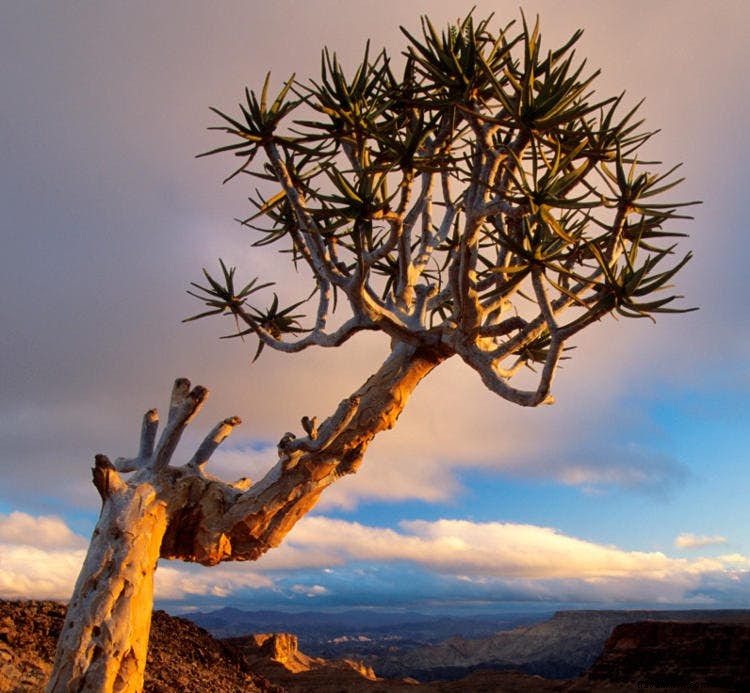
For intimate views of unique geology, backtrack slightly from Three Sisters and ascend the left-hand track. Discover Four Finger Rock, weathered pinnacles crowning the canyon. The 20km continues with quirky flora like the quiver tree (Namibia's national tree, blooming May-July) and possible sightings of wild horses descended from German colonial herds post-WWI. Along the way, find the grave of Second Lieutenant Thilo von Trotha, killed in 1905 during clashes with Nama people. Camp near a reliable water source.

Stage 5: The Causeway to Ai-Ais
The final 30km along the Fish River's alluvial plain is flat and straightforward, completable in one day or leisurely over two. It leads to Ai-Ais springs—'burning water' in Nama dialect—feeding the hot pools at the luxurious /Ai/Ais Hot Springs Spa. Arrange transport back to Hobas to retrieve your vehicle.
Practical Information
- Reserve via Namibia Wildlife Resorts (NWR) in Windhoek: N$130 per hiker; park entry N$30 per person.
- Book Hobas campsite and Ai-Ais accommodation through NWR in advance.
- Provide a medical fitness certificate (valid within 40 days) and NWR indemnity form.
- Strong fitness required: 7-8 hours walking daily.
- Self-sufficient: carry all gear, food, water, medical kit. Purify canyon water.
- Guided 7-day options via Cardboard Box Travel Shop in Windhoek.
- Post-trek luxury at Cañon Lodge (20km from Ai-Ais, Gondwana Collection), offering mule treks.
This article was first published in May 2012, refreshed October 2014. Additional research by Matt Phillips.