Discover Gansu: Epic Silk Road Adventures West of the Yellow River
Picture endless silence broken only by the whisper of wind against distant rock formations. Beneath a vivid blue sky, the sun bathes China's remote Gansu Province in a hazy glow, evoking a dreamlike detachment from the world.
Gansu ranks among China's least populous provinces. While its capital, Lanzhou—a city of over 4 million—buzzes with energy, the real draw is the profound sense of isolation amid vast landscapes.

This slender Silk Road corridor offers glimpses of the Great Wall's western end, traces Buddhism's serene spread across Asia, and invites you to follow Marco Polo's path through breathtaking terrain.
Recent infrastructure upgrades—high-speed rail, enhanced sites, and smoother roads—have transformed travel here. With fewer crowds, now is ideal to experience Gansu's expansive wonders solo.
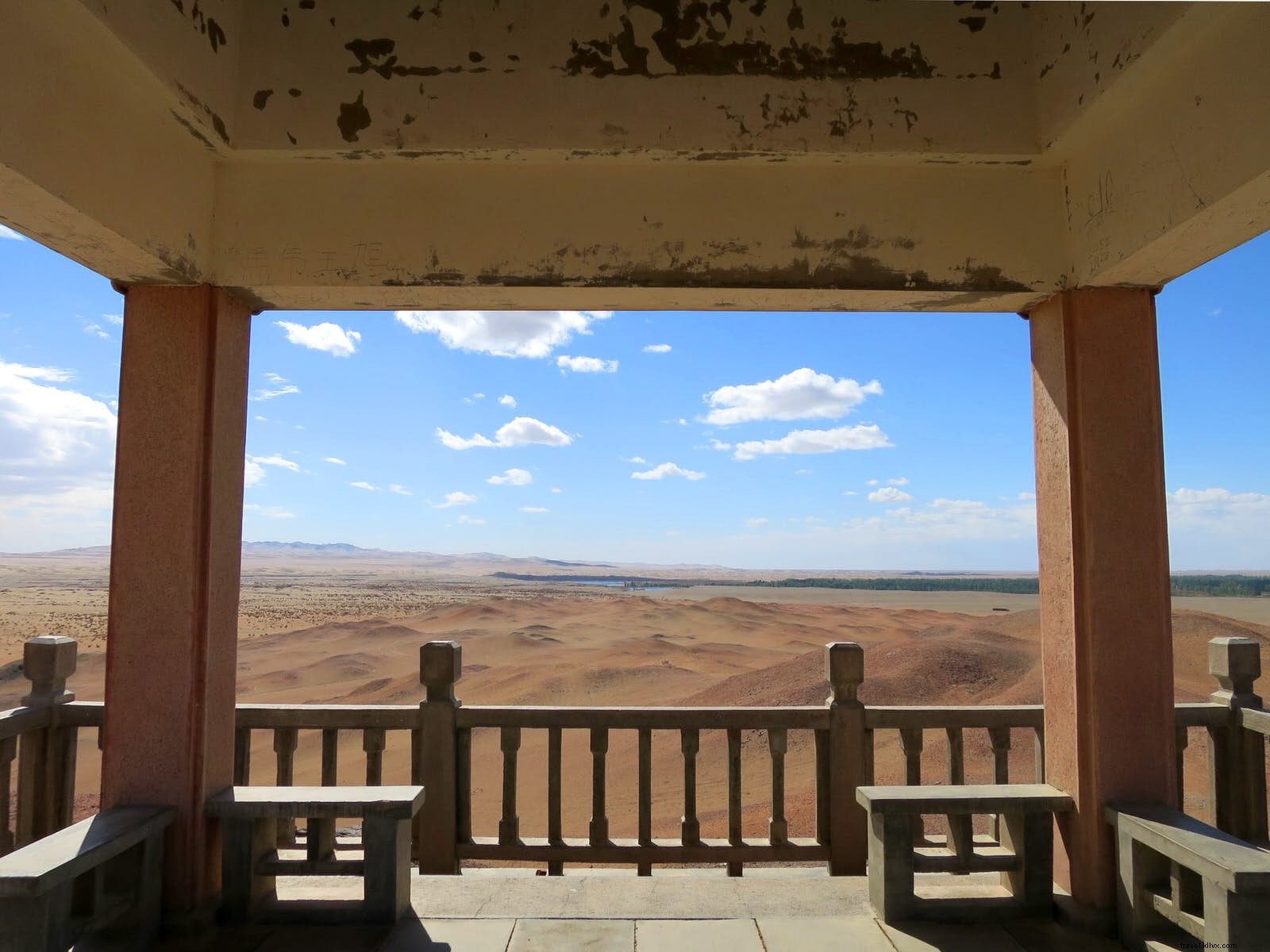
Surreal Dunes and Otherworldly Terrain
Gansu's dramatic arid expanse rises from the Gobi Desert's sandy flats to the Qilian Mountains' 5,500m peaks. Its gourd-shaped form narrows into the Hexi Corridor—west of the Yellow River (河西)—flanked by arid hills, a historic gateway for exiles leaving ancient China. Rivers carve deep ravines, while summer monsoons sculpt autumn-hued hills into fantastical shapes.
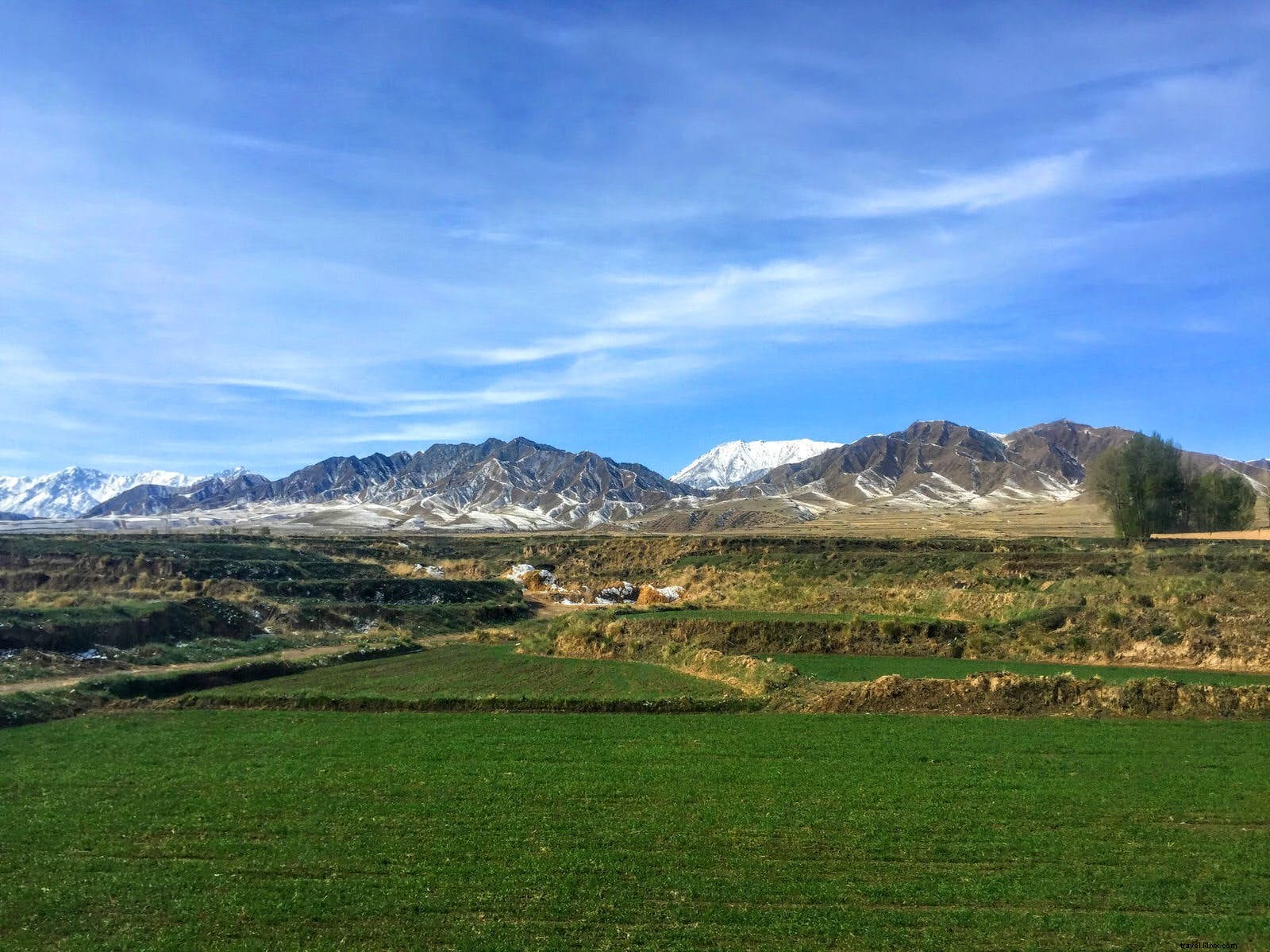
Gansu's iconic landscapes include the elegant Mercury-Red Park, vast Connecting Mountains, and striking Red Cloud Landform. Near Linxia, follow the Yellow River to Bingling Si's dam, where sharp grey hills rise above a serene reservoir, guarded by a majestic Buddha. In Dunhuang, ascend the Singing Sands Dune—where winds elicit melodic sands—overlooking the endless Taklamakan. Descend via sand-sledding for an exhilarating rush.
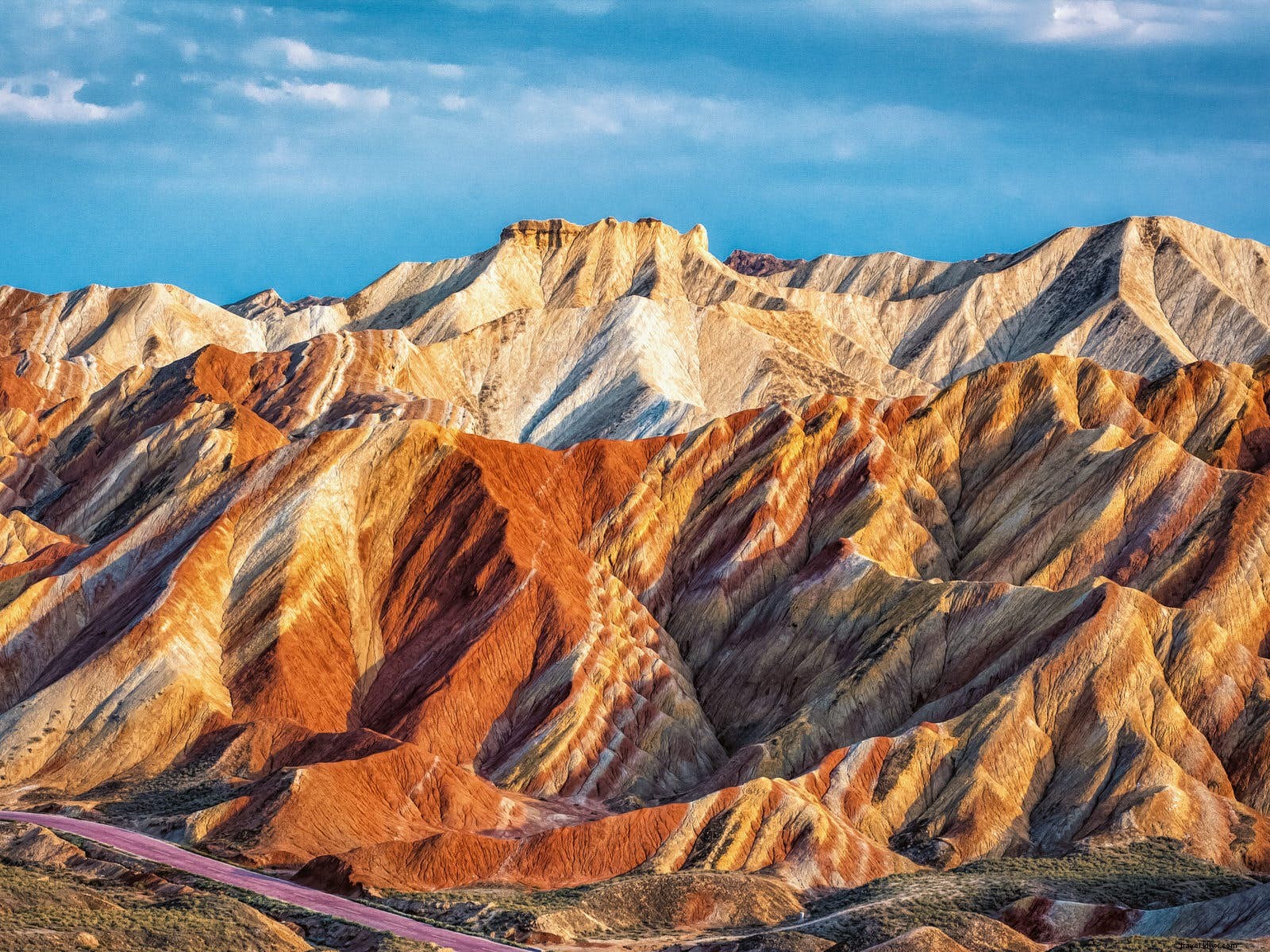
West of Zhangye, the 'rainbow rocks' of Danxia National Geopark dazzle with layered orange, red, yellow, and blue strata resembling fiery sunsets. New walkways, buses, and railings ensure safe access while preserving this fragile geology. Visit at dawn for ethereal light and pack layers against unexpected chills.
Nearly 200km from Dunhuang, Yadan National Park's eerie eroded rocks—featured in Zhang Yimou's Hero—emerge from the dust. Access requires passing the Jade Gate Pass, the Han Dynasty (202BC–220AD) endpoint of the Great Wall.
Noodle Haven in Lanzhou
Lanzhou's hand-pulled noodles (拉面, lāmiàn) are a national icon. Master noodle-makers stretch dough into delicate strands, served in rich beef broth with chili and herbs. Ubiquitous street eateries offer bowls for pennies, but try Mazilu Beef Noodles—perfected since 1954—for authenticity.

Lanzhou's vibrant food scene explodes at night markets under glowing bulbs: skewered meats, grilled veggies, crispy potatoes, even sheep heads, paired with Huanghe Beer.
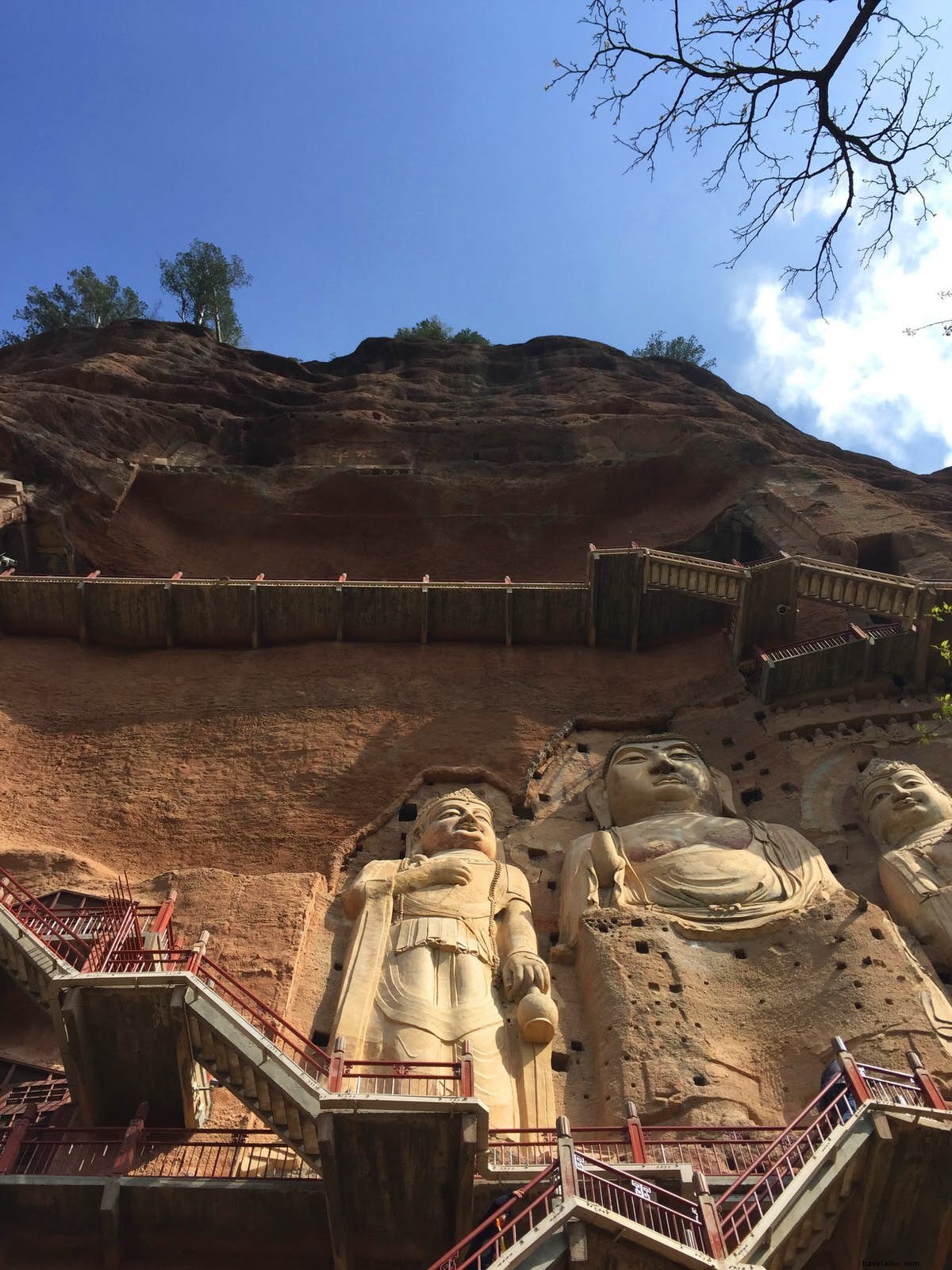
Iconic Grottoes and Giant Buddhas
Gansu's Silk Road legacy shines in its grottoes and Buddha statues lining the Hexi Corridor. Buddhism traveled from India, blending with Chinese traditions to create vibrant, unique deities.
Highlights: Bingling Si's massive Sakyamuni and pristine grottoes (low visitors); Tiantishan's serene Buddha overlooking a reservoir; Maiji Shan's cliffside giants linked by daring scaffolds; Mati Si's flag-draped mountain caves.
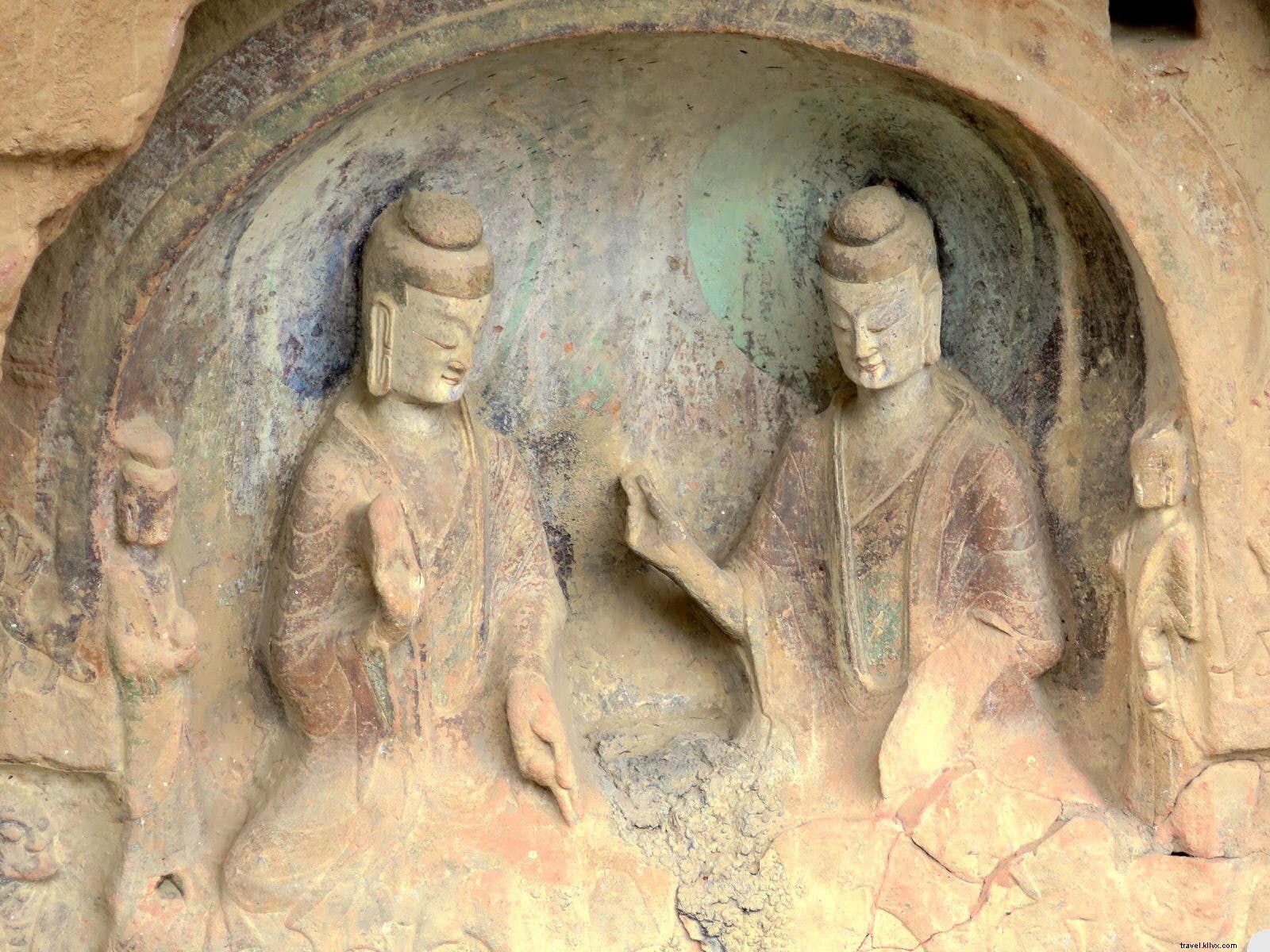
Mogao Grottoes, the crown jewel, house the Diamond Sutra— the world's oldest dated printed book. Explore illuminated caves with lapis lazuli murals. Upgraded since 2015 with a modern visitor center.
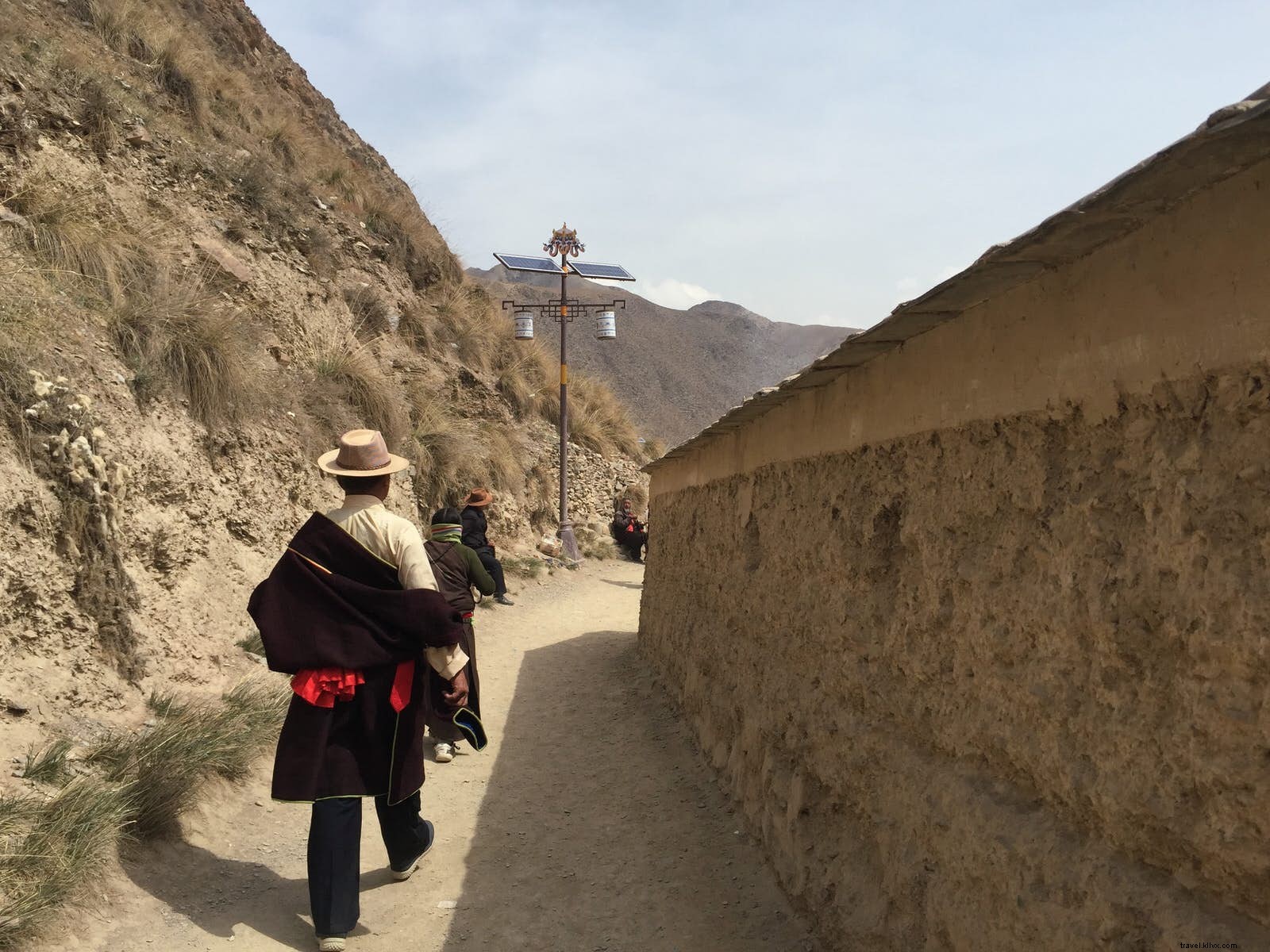
Southern Gansu's Labrang Monastery, Tibet's largest outside the region, buzzes with pilgrims on the kora. Nearby Langmusi offers authentic Tibetan vibes in high-altitude havens.
Scenic High-Speed Rail Journeys
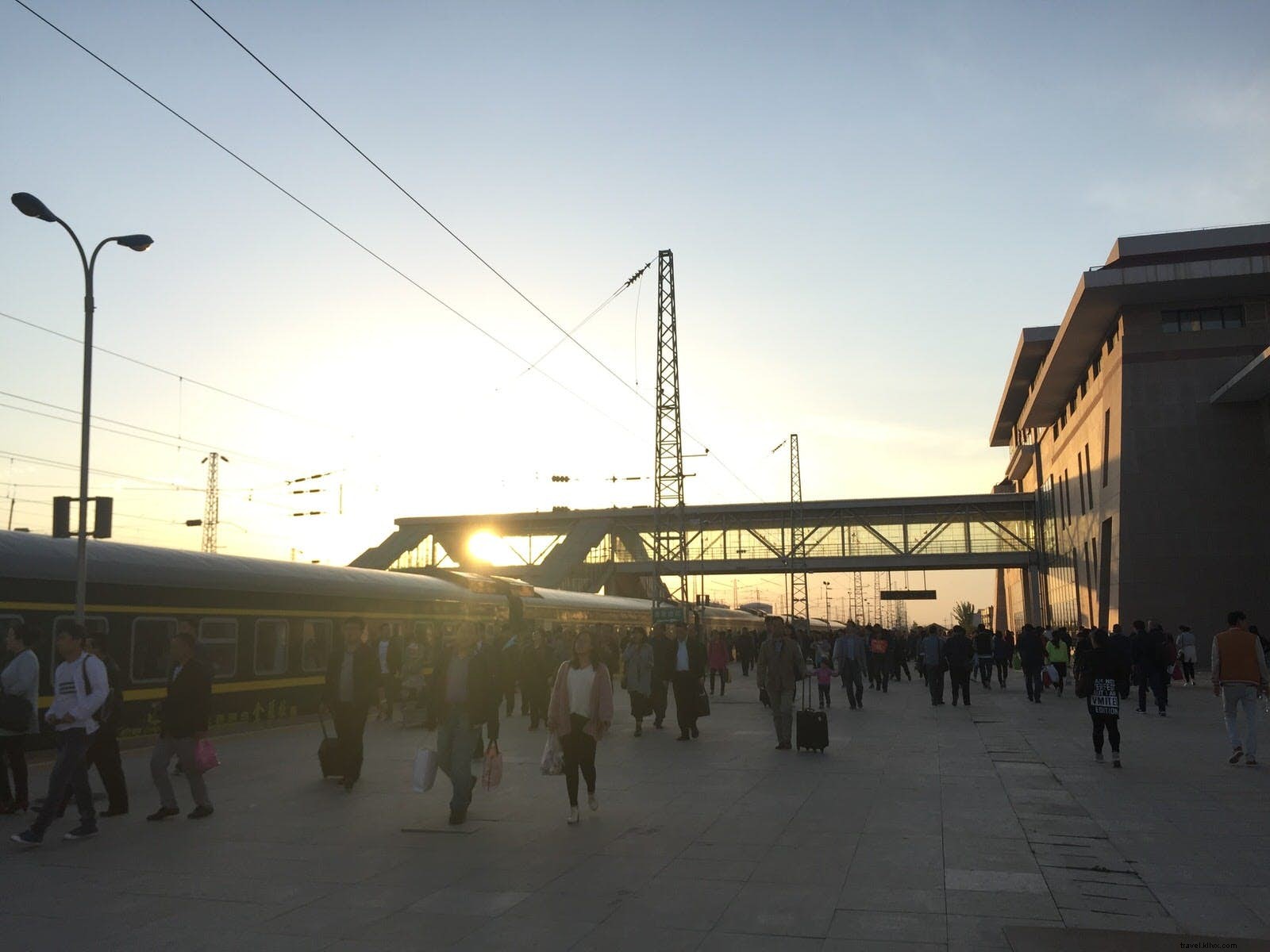
Gansu's revamped rail network—high-speed lines and tourist sleepers—makes traversal effortless. Gaze at Gobi sunsets turning to starry skies from your window for cinematic immersion.

Three weeks covers it all; 10 days hits highlights. Fly into Lanzhou (now with efficient metro), bus/train to Tianshui's Maiji Shan, Bingling Si, Xiahe, and Langmusi.
Take the tourist sleeper Y667 across the desert to Dunhuang for dunes, Mogao, and Yadan. High-speed rail east to Jiayuguan Fortress, Zhangye's Danxia, Wuwei's remote Buddha—swift, comfortable stops maximizing exploration, noodles, and stargazing.