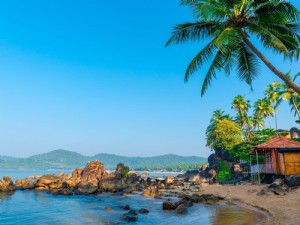

Top Cultural Destinations for July: Festivals, Traditions, and Iconic Experiences
From sequined revelers and wrestlers in shiny pants to sacred pilgrimages and historic towns, July brims with immersive cultural experiences for discerning travelers.
Antigua's electrifying carnival, Mongolia's Naadam Festival of 'manly arts,' daring high dives from Bosnia and Herzegovina's iconic bridge, and the spiritual ascent of Japan's Mount Fuji offer a perfect blend of action and reflection.
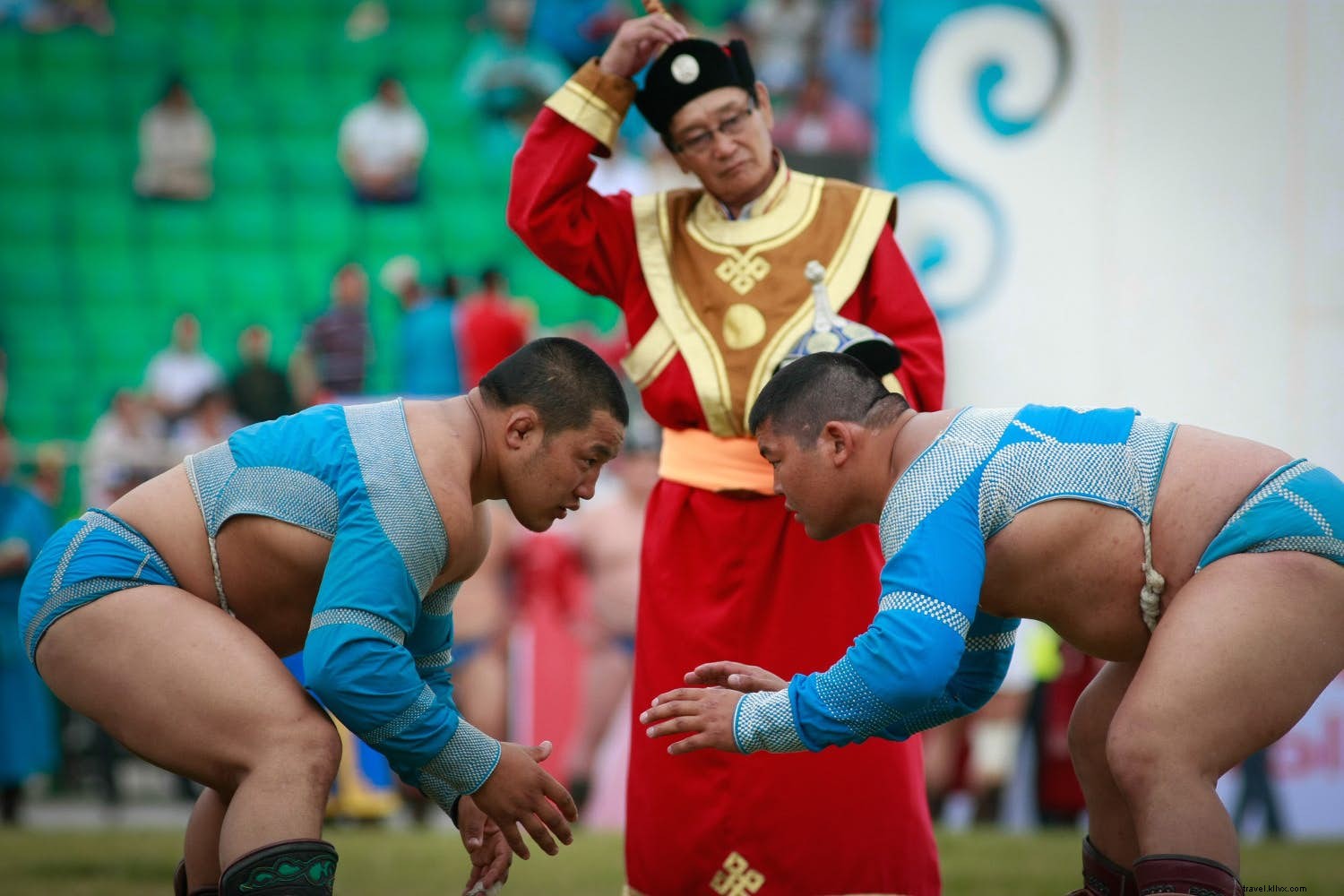
Witness Wrestlers in Traditional Shiny Pants at Mongolia's Naadam Festival
Ulaanbaatar, the world's coldest capital, is best avoided in winter. July, Mongolia's hottest month, brings temperatures up to 30°C (86°F)—even higher in the Gobi Desert—making it ideal for the nation's premier cultural event: Naadam.
Held from July 11 to 13, this festival celebrates the 'three manly games' of wrestling, horse racing, and archery. Nomads flock to the capital for parades and traditional games with shagai (sheep ankle bones), offering an authentic glimpse into Mongolian heritage. Ger camps in the Gobi open seasonally, or explore cooler northern sites like Karakorum's ruins and Lake Khövsgöl for boating, hiking, and reindeer herder encounters.
- Trip plan: Begin in Ulaanbaatar, fly south to Dalanzadgad (Gobi), then 4WD north to Lake Khövsgöl via dunes, dinosaur fossils, and ancient ruins. Return via flight from Mörön.
- Need to know: The Trans-Mongolian train from Moscow to Beijing stops in Ulaanbaatar.
- Other months: May-Oct – warm/hot (Jul-Aug busiest); Nov-Apr – bitterly cold.
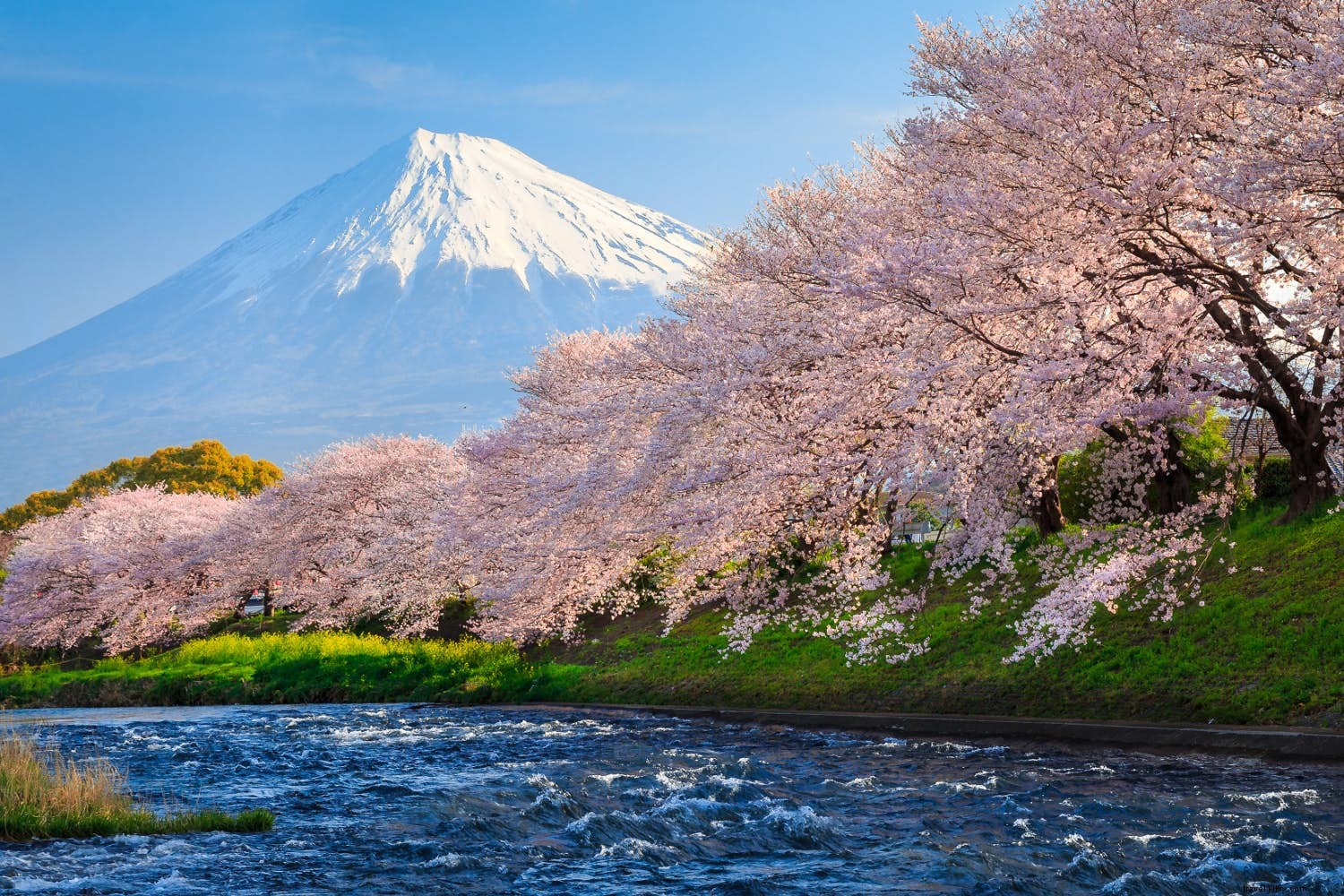
Embark on a Sacred Pilgrimage to Japan's Iconic Mount Fuji
Mount Fuji, Japan's sacred 12,388ft (3,776m) volcano—depicted on the ¥1,000 note—draws pilgrims during the official climbing season from July 1 to September 14, when trails are snow-free and huts operational. Though crowded, the shared camaraderie, summit vending machines, and dawn goraiko (sunrise) create a profound cultural journey.
July's warm weather also suits Kyoto's month-long Gion Matsuri, where massive 10-tonne floats parade historic streets.
- Trip plan: Start in Tokyo, detour to Hakone for Fuji access, then Kyoto before shinkansen back to Tokyo.
- Need to know: Public transport reaches trailheads; four routes lead to the summit.
- Other months: Jul–mid-Sep – climbing season; Sep-Oct – fall colors; Nov-Mar – cold/snow; Mar-Apr – cherry blossoms; May-Jun – warm.
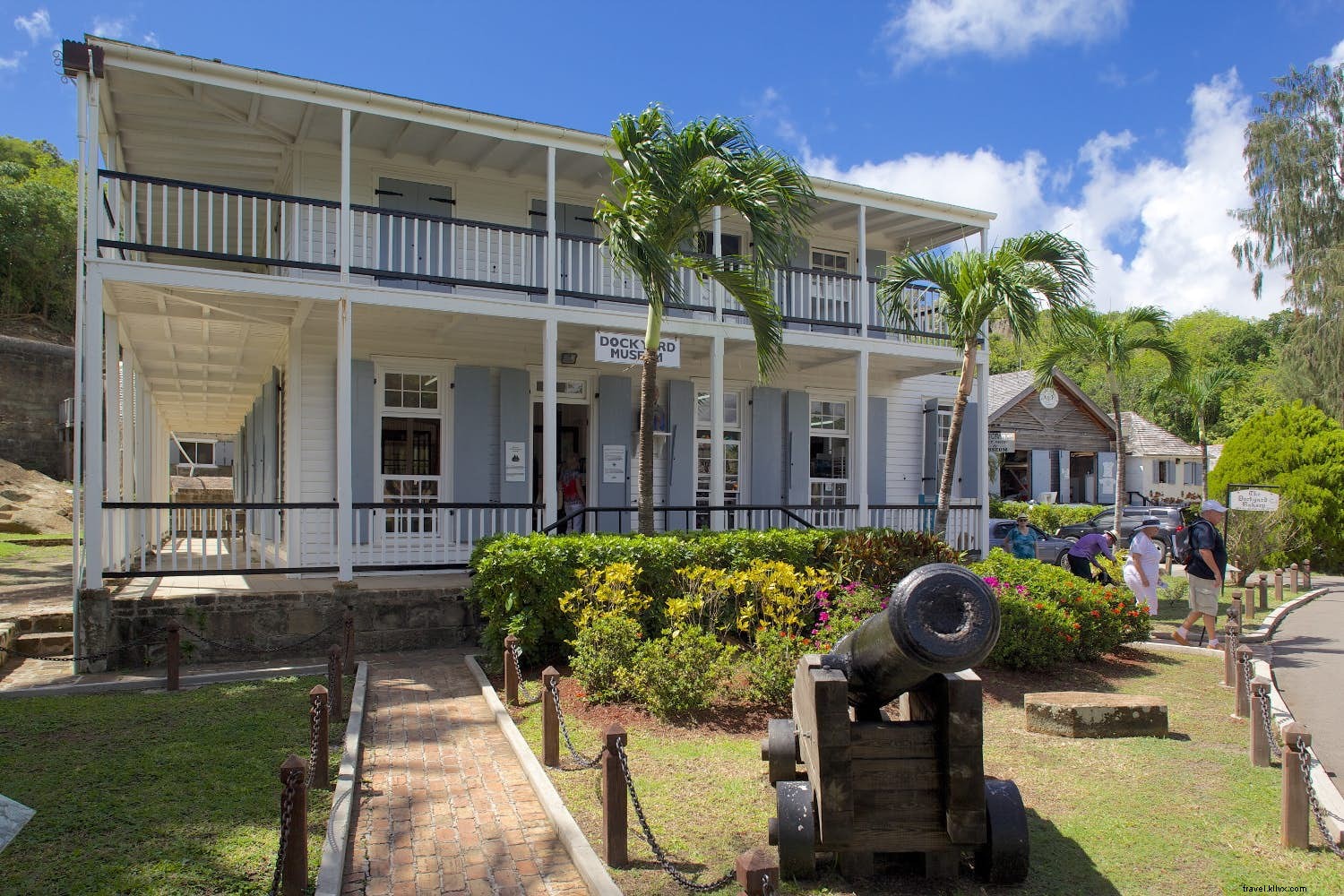
Experience Antigua's Carnival Frenzy and Caribbean Sunshine
Though hurricane season spans July to November, early July in Antigua often delivers hot, sunny days with minimal rain. Boasting nearly 365 beaches, palm-fringed shores, and rum bars, the island balances relaxation with culture: explore Georgian-era Nelson's Dockyard—where Admiral Nelson once served—and catch a cricket match, the national passion.
Antigua Carnival (late July–early August) explodes with soca, steel bands, parties, and feathered parades—grab a Wadadli beer and dive in.
- Trip plan: Visit mid-July for quieter vibes; snorkel and drive the scenic Old Road to volcanic hills.
- Need to know: Turtle nesting: June–November.
- Other months: Dec-Apr – dry/cool; May-Jun – hotter; Jul-Nov – hurricane risk (peaks Aug-Oct).
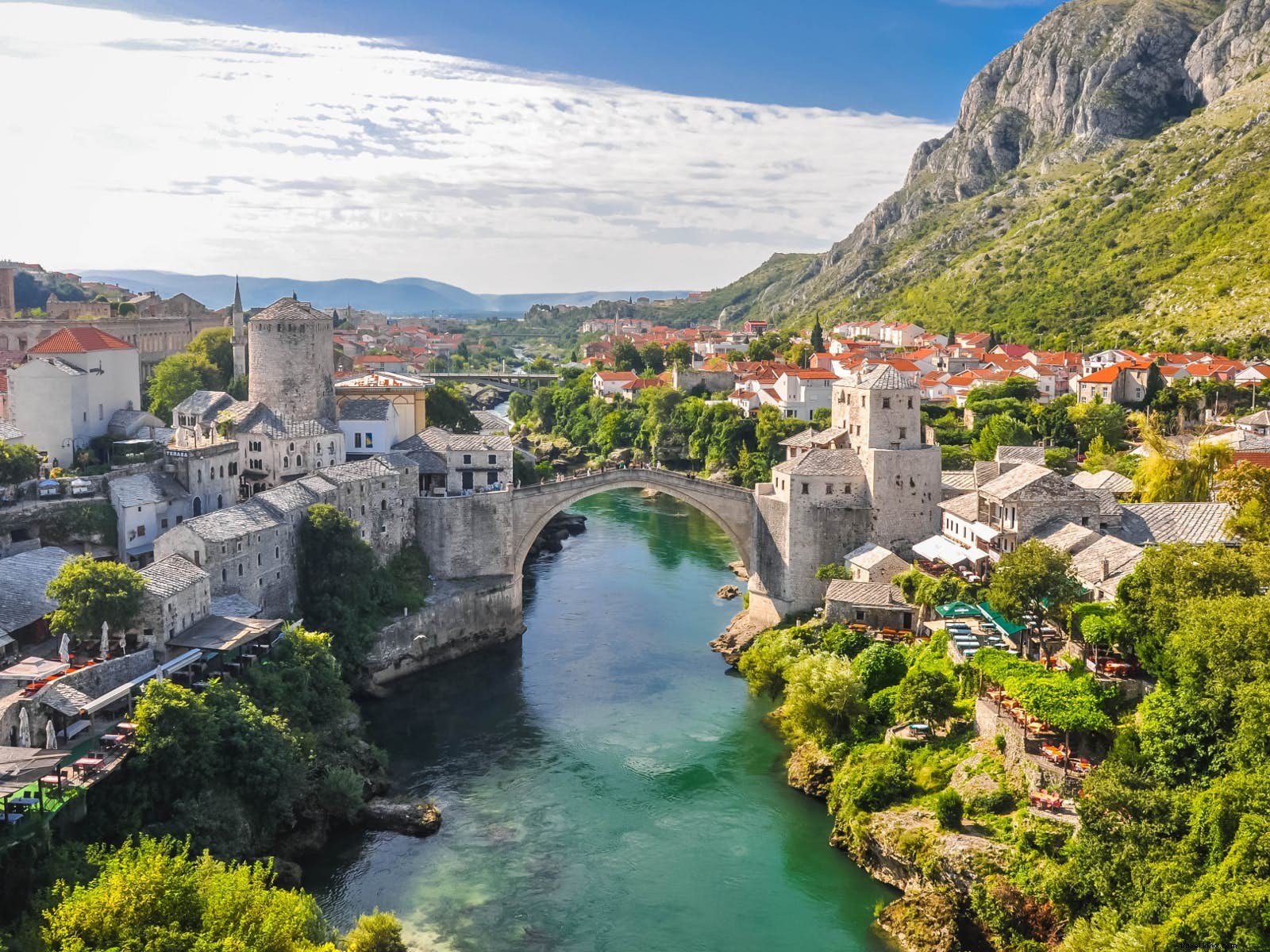
Discover History and High Dives in Bosnia and Herzegovina's Sun-Drenched Cities
Mostar's Stari Most, a 16th-century Ottoman bridge over the Neretva River, embodies Bosnia and Herzegovina's East-West fusion. Destroyed in 1993 and rebuilt in 2004, it symbolizes resilience. Summer brings daring 69ft (21m) dives; late July's Red Bull Cliff Diving World Series draws global crowds.
Pair with Sarajevo's Ottoman bazaars, siege-scarred communist architecture, vibrant nightlife, and resilient spirit.
- Trip plan: Split time between cities; 2.5-hour drive via Neretva Canyon.
- Need to know: Buses from Dubrovnik to Mostar (3 hours).
- Other months: Jun-Sep – hot; Mar-May/Oct-Nov – mild, floral/foliage; Dec-Feb – snow/skiing.
Need more ideas? Discover 360 ultimate escapes in our book Where To Go When, from family adventures to wildlife and retreats.