Peru's Culinary Odyssey: Exploring Iconic Food Hotspots from Lima to the Andes and Amazon
In 2013, Peru emerged on the global culinary map when London's Lima restaurant earned its first Michelin star, and Lima's Astrid y Gastón topped the inaugural Latin America's 50 Best Restaurants list. The excitement around this cuisine—featuring diverse tubers, bright citrus, and ají chilies—continues unabated. In 2017, the top two spots in the awards went to Peruvian establishments.
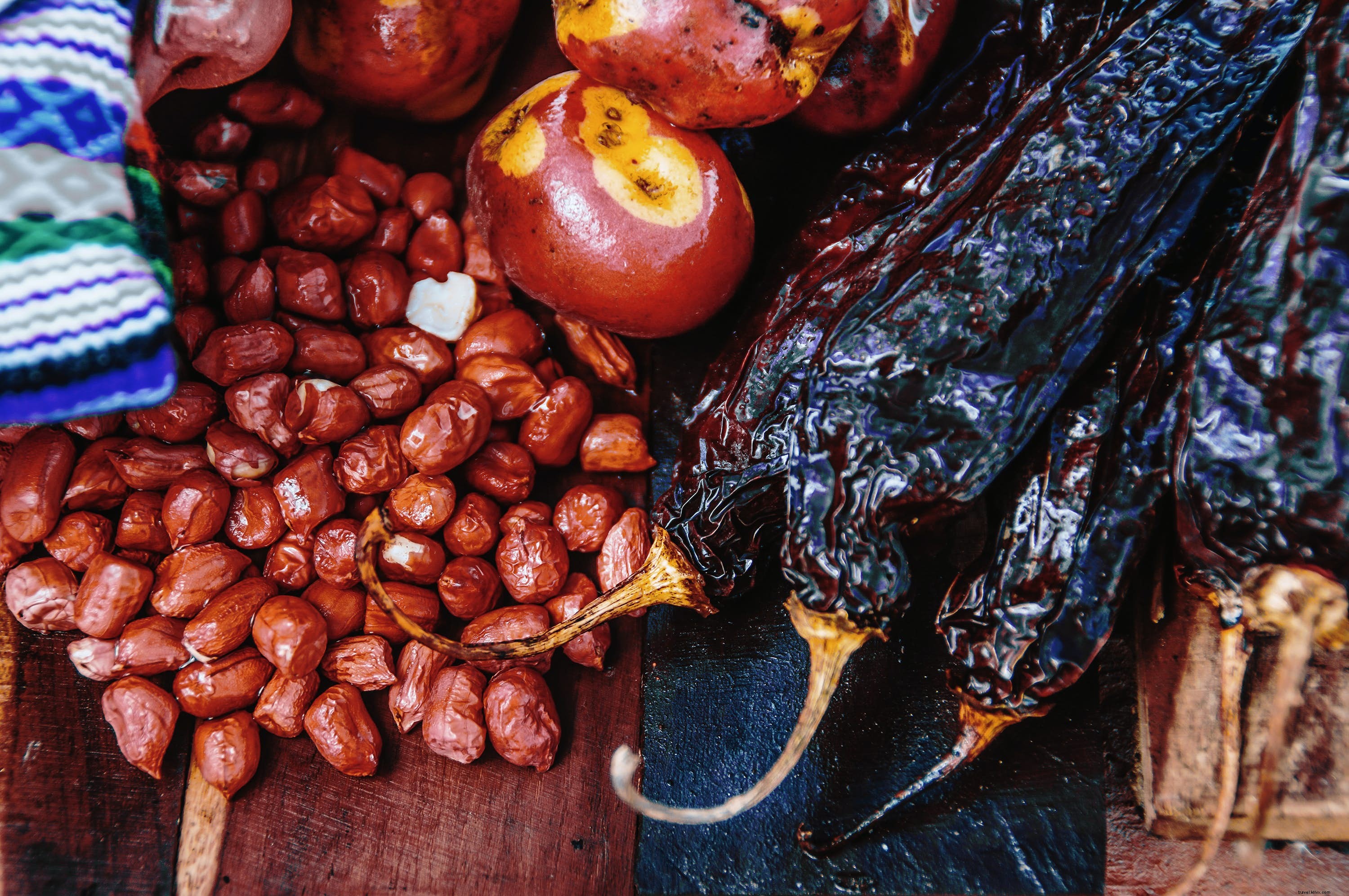
While the world often fixates on Lima as Peru's gastronomic epicenter, the country's cuisine draws from ancient traditions across diverse regions. Lima acts as a gateway, blending these flavors into a vibrant culinary mosaic. A true exploration of Peruvian food is like an epic journey, starting with Lima's welcoming embrace.
Lima's World-Class Dining
Peru's capital has led its rise to international acclaim. In upscale districts like San Isidro and Miraflores, innovative restaurants have captivated critics worldwide.
Astrid y Gastón, founded by celebrity chef Gastón Acurio, is a cornerstone. Acurio, trained in Europe's top kitchens, introduced the world to Peruvian flavors and pioneered novoandina cuisine—modern twists on Andean staples, like quinotto (quinoa risotto). Now in a grand San Isidro hacienda, it honors Lima's seafood heritage on its 2017 menu.
Virgilio Martínez's Central in Miraflores, a multiple award-winner, offers a tasting menu journey through Peru's ecosystems—from coastal sea urchin to mountain tree tomatoes and rainforest guanábana.
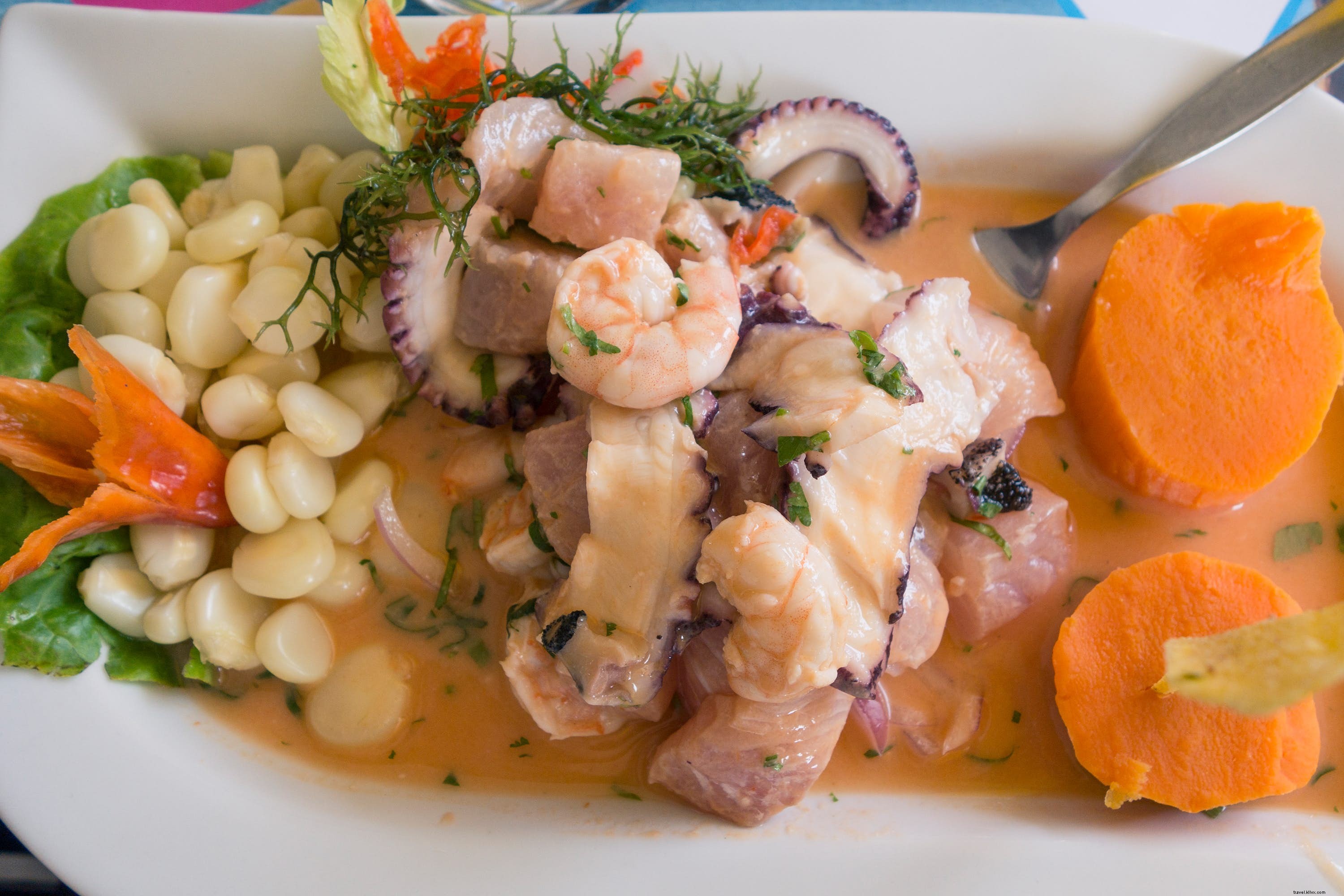
Ceviche: Peru's National Obsession
Lima, Latin America's culinary capital, shines with rising stars, but ceviche remains its heart—a lime-marinated fish dish devoured coast-to-coast.
Best with fresh coastal catches, it's elevated in Lima's cebicherías, from upscale La Mar in Miraflores to lively street spots. As Peru's national dish, authentic ceviche embodies indigenous, Spanish, and Japanese influences via the Nikkei fusion.
Pre-Columbian coastal peoples like the Moche harvested seafood from the Humboldt Current. Incas preserved fish in chicha; limes, onions, and coriander came with Spaniards. Sweet potatoes, corn, ají chilies are ancient Peruvian staples. Japanese immigrants refined techniques. The ritual? Sip leche de tigre, the citrus "tiger's milk," as a zesty toast.
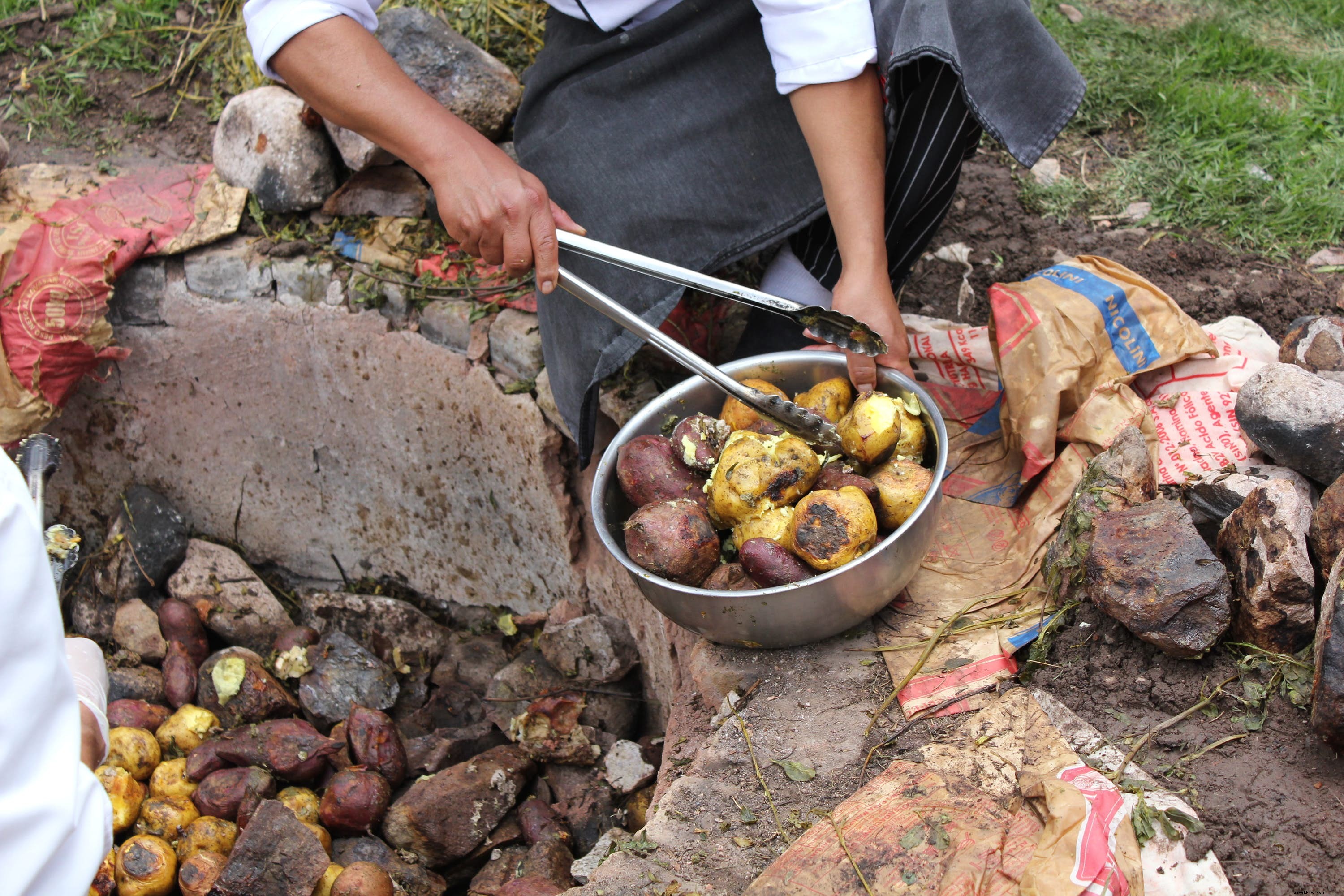
Ventures into the Andes
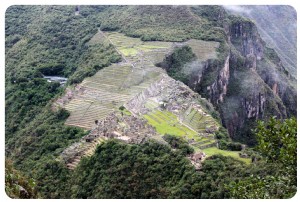
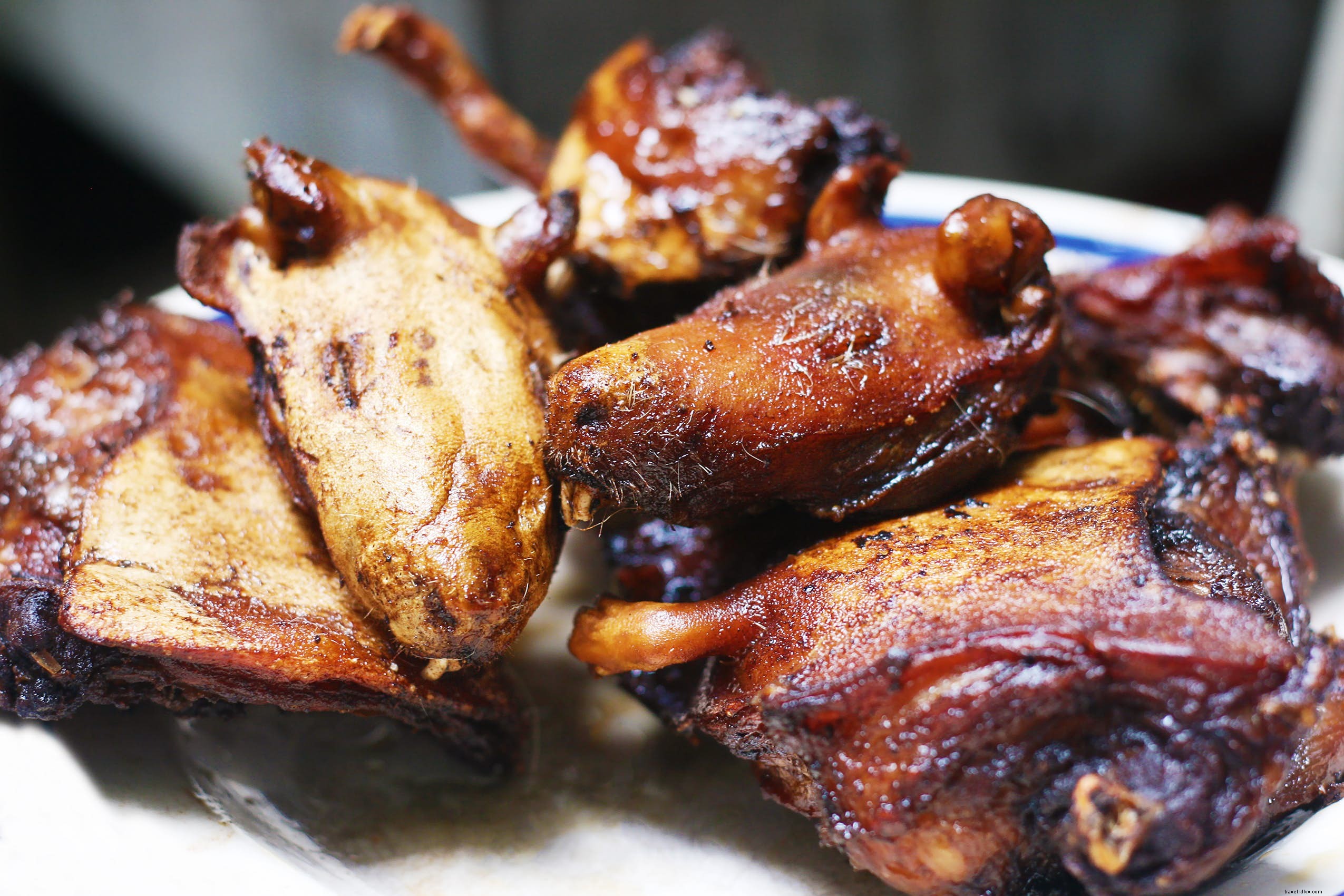
From Lima's coast, head to the Andes over 3,000m higher, where ancient flavors thrive. Potatoes originated here 8,000 years ago, alongside corn as Inca staples. Peru boasts hundreds of potato varieties; pachamanca—spiced meats and potatoes cooked in earth ovens—is iconic. Guinea pig (cuy) is a highland delicacy, even depicted in Cuzco's Last Supper cathedral painting.
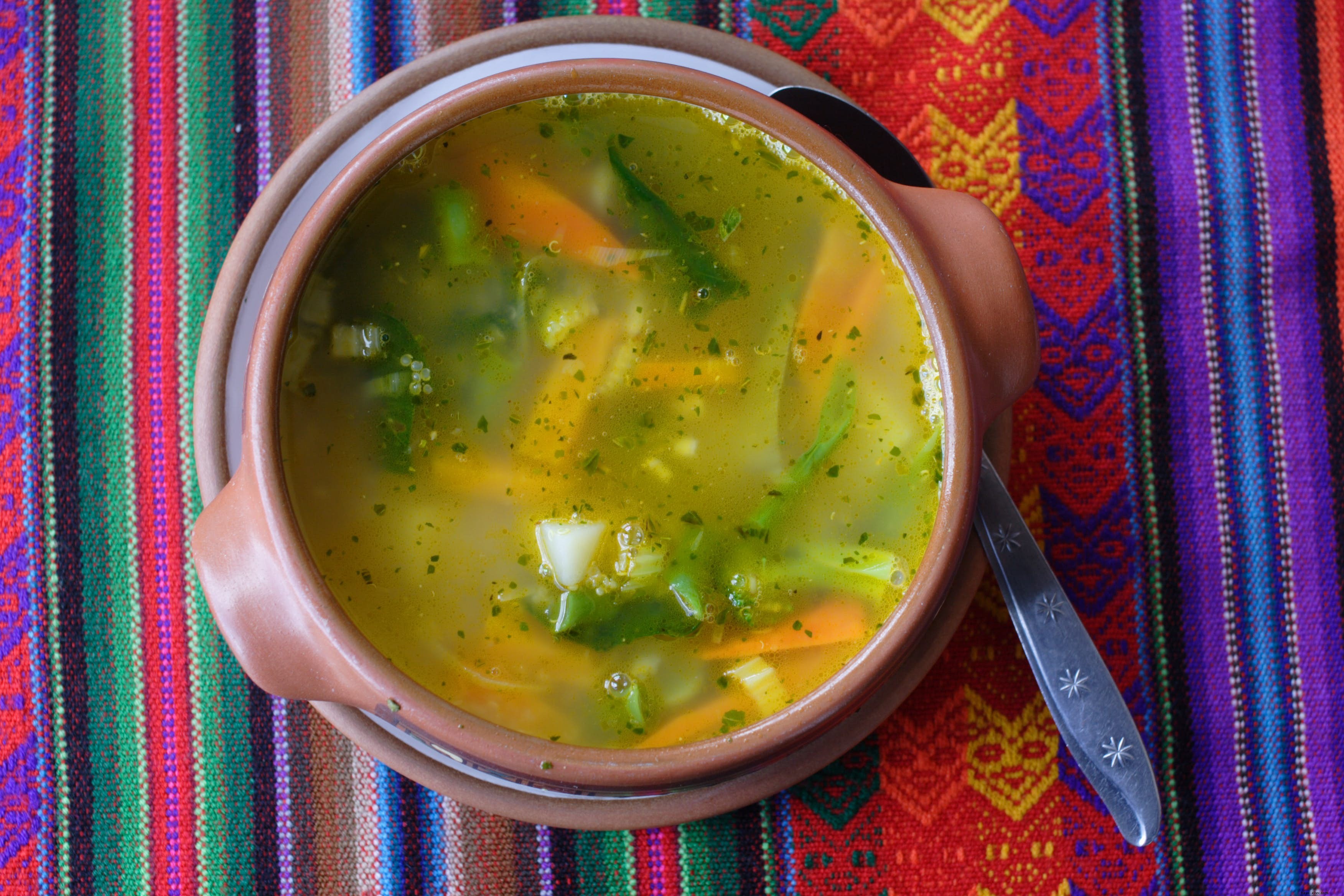
Soups and stews with tubers, quinoa, and meats combat the chill. Lomo saltado, a beef stir-fry with fries over rice, is beloved. Regional gems include Arequipa's shrimp chupe, Ayacucho's spicy puca picante, and Huancayo's cheesy papas a la huancaína. Festivals offer the best street eats.
Selva's Exotic Specialties
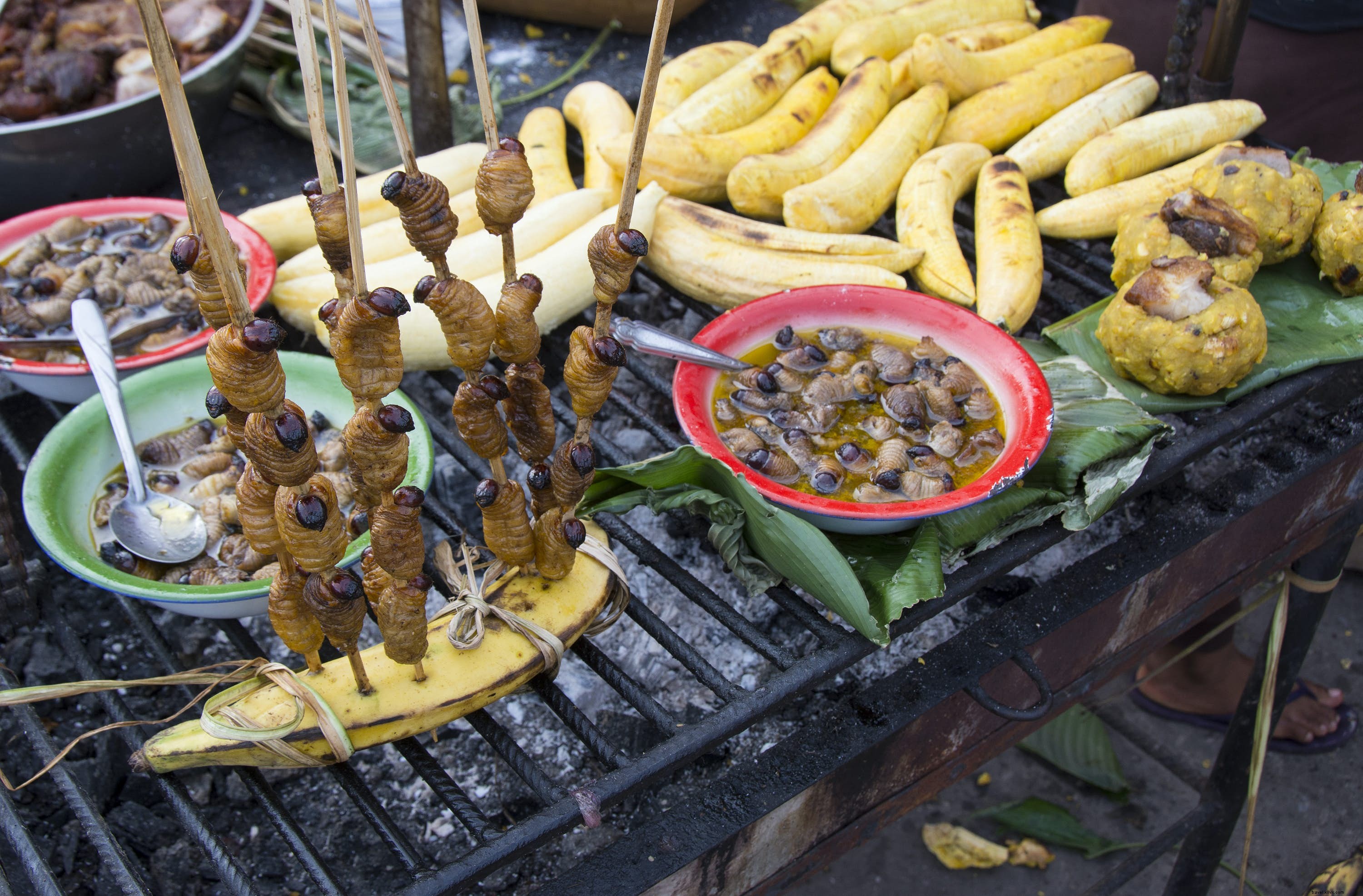
Descending to the Amazon selva, from high jungle to low, discover unique produce. Juanes—steamed rice packets with meat or fish in bijao leaves—are portable snacks. River fish like tilapia and paiche star, alongside parrilladas de la selva barbecues in Brazil nut sauce.
Iquitos' Belén Mercado brims with jungle delights: exotic juices to fried ants for the adventurous.
Immersive Peruvian Food Experiences
Deepen your journey with festivals like Lima's Mistura (October-November), featuring markets and chefs. In Cuzco, Marcelo Batata offers Andean cooking classes and tours.