Hiking Israel's National Trail: An Epic Journey Through the Holy Land
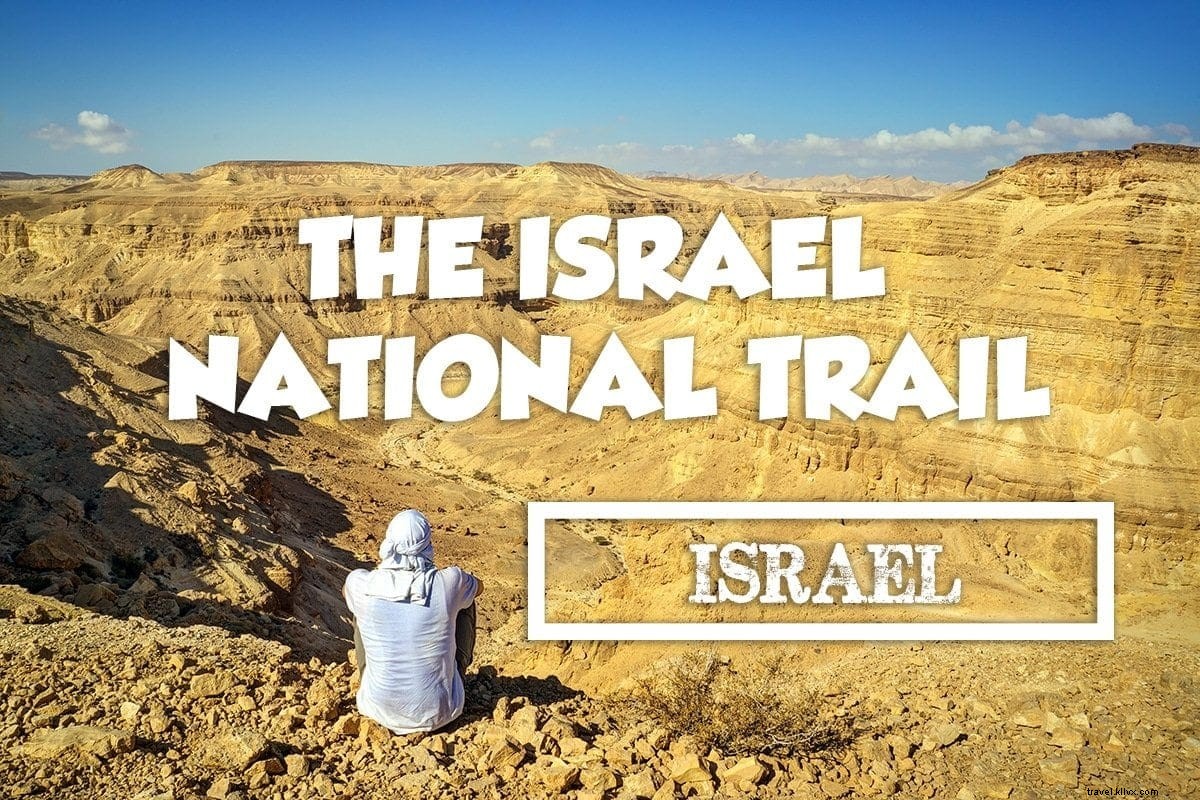
Israel National Trail
Under relentless 100°F (38°C) sunlight, we pressed on across the barren Negev Desert, placing one foot ahead of the other on Israel's National Trail.
Never waste good shade in the desert.
Over the following week, this golden rule became second nature. Shade is scarce in the vast Negev, southern Israel's expansive desert.
I joined international journalists, bloggers, and Israeli university students to hike sections of the Israel National Trail (INT).
Stretching 1,000 kilometers (620 miles), the full trail demands 6-8 weeks. It weaves through the country, linking ancient paths into a single route.
Inspired by the U.S. Appalachian Trail, the INT was conceived by journalist Avraham Tamir after his 1980s hike there. It officially opened in 1995.
My itinerary covered three segments over a week: the Negev, Jerusalem Mountains, and northern Golan Heights area.
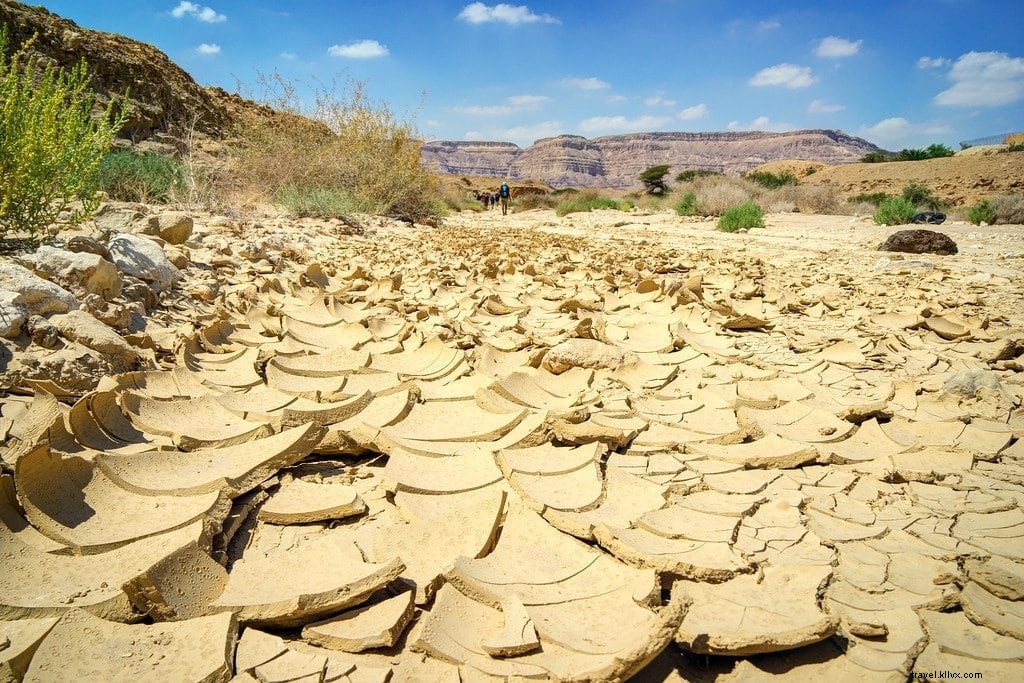
The Negev Desert
Israel's National Trail blends stunning desert vistas, rich culture, and ancient history. National Geographic ranks it among the world's best hikes.
From dramatic landscapes to cultural depth, it appeals to all—no faith required.
My first desert hike in the Negev, covering over half of Israel, was eye-opening: vast, arid, and intensely hot.
Rare flash floods create mud that cracks under the sun. We camped under a tarp by full moonlight, savoring hearty poyke stew over an open fire.
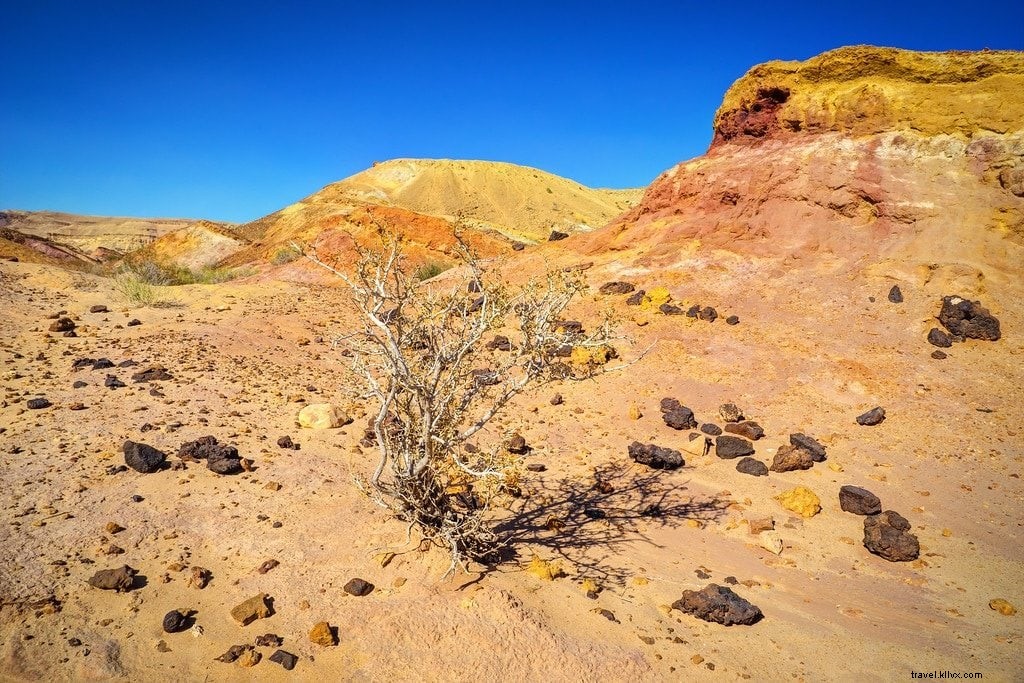
Makhtesh Craters
We traversed unique makhtesh craters, formed by erosion washing away soft sandstone, exposing steep limestone walls.
Mineral-rich floors glow in reds, purples, blues, and oranges. Far from monotonous, the terrain features rocks, mountains, craters, and canyons.
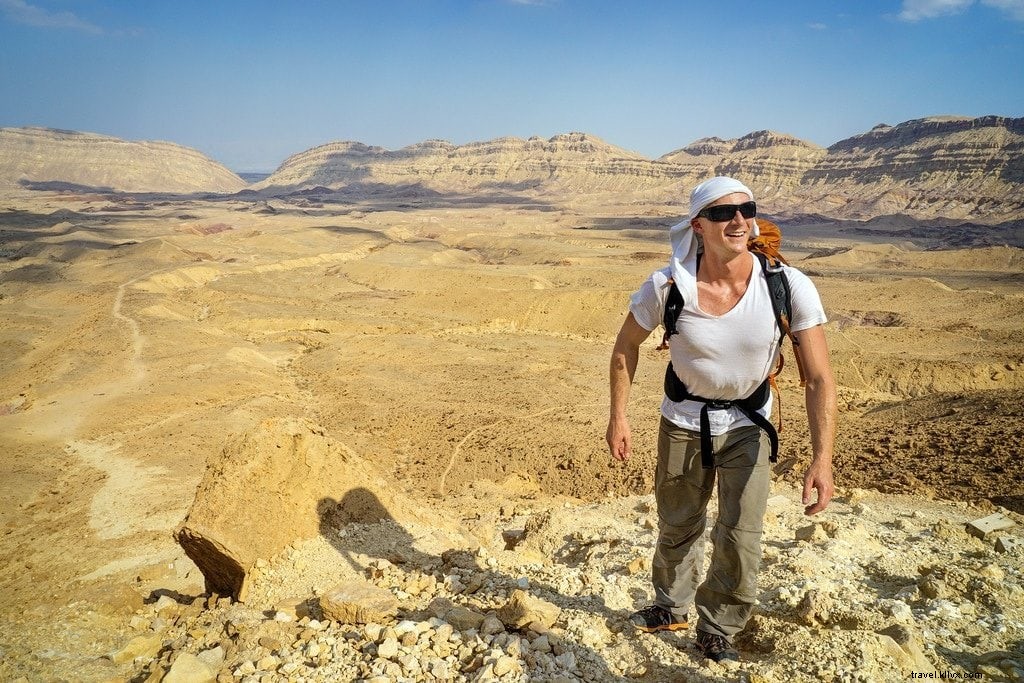
Hiking in the Heat
Navigating 100°F (38°C) desert heat is demanding but manageable. Like any strenuous hike, acclimation brings rhythm as your body adapts.
Hydrate fully beforehand and carry at least 3 liters of water per person daily. I grew captivated by the desert's profound silence and expanse.
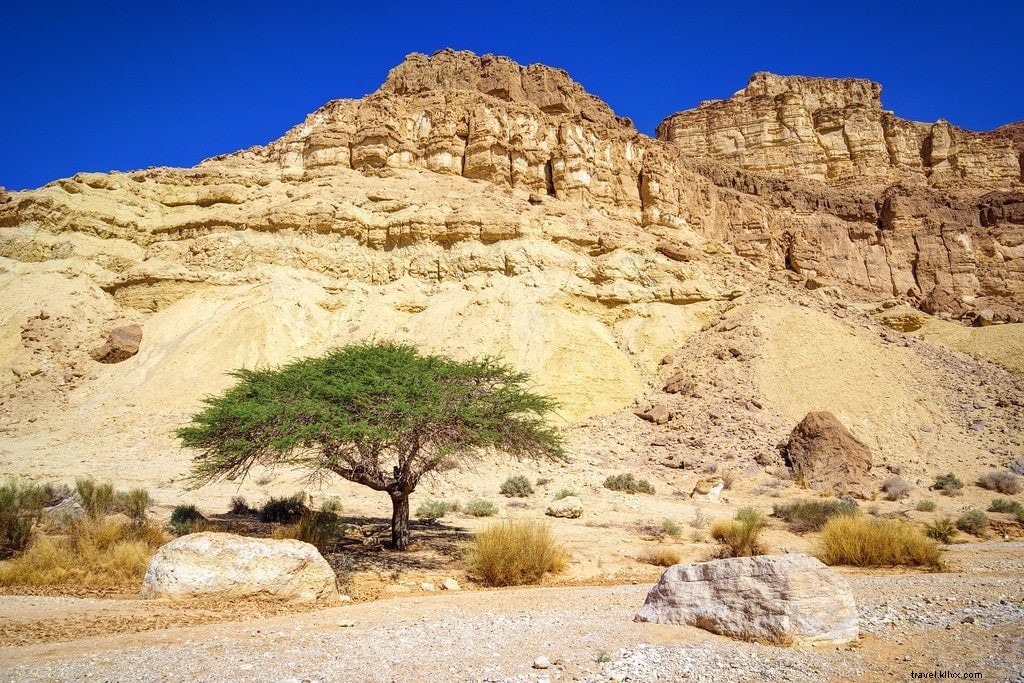
Hunting Desert Shade
Life endures in harsh conditions. Dry riverbeds harbor trees drawing groundwater via deep roots, offering vital shade.
Guide Asher advised: "Never waste good shade." Seize it whenever available—it's fleeting on the trail.
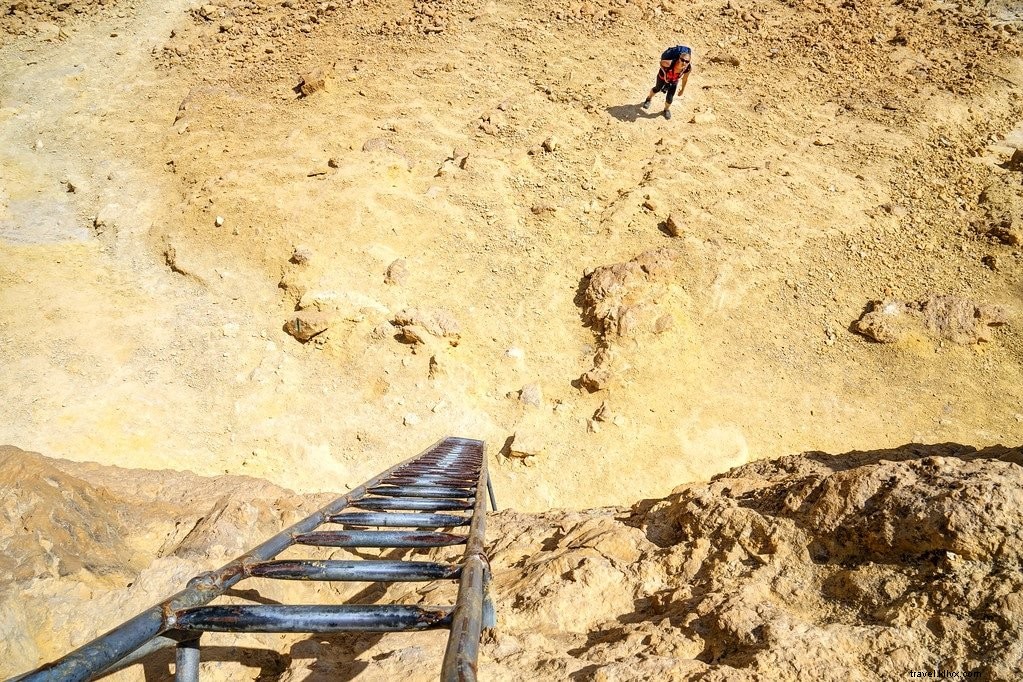
Ropes & Ladders
Certain sections require scaling crater walls, like the Palmah Ascent. Ladders, cables, and iron rungs ensure safety.
Elite Palmah forces pioneered it in the 1940s, bypassing British troops—climbing freehand, earning Bedouin respect as "Crazy Jews."
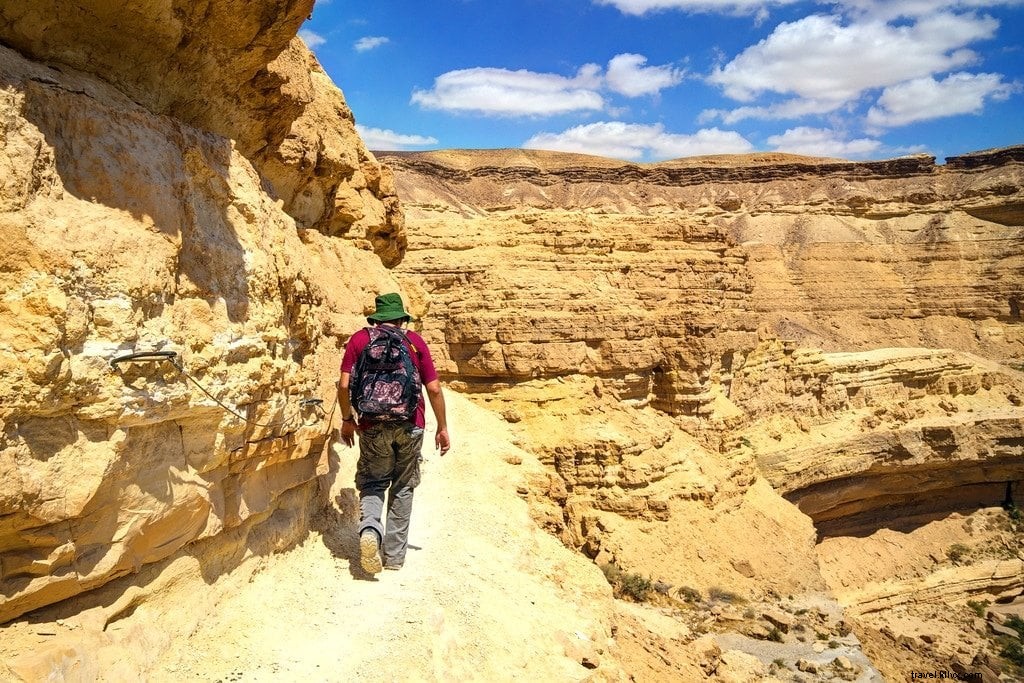
Wadi Canyons
The Negev abounds in wadis, or dry canyons. The trail crosses, threads through, and ascends them. Water rarely flows, save winter flash floods.
These can unleash waterfalls; exposed sections have steel cables for height-phobic hikers.
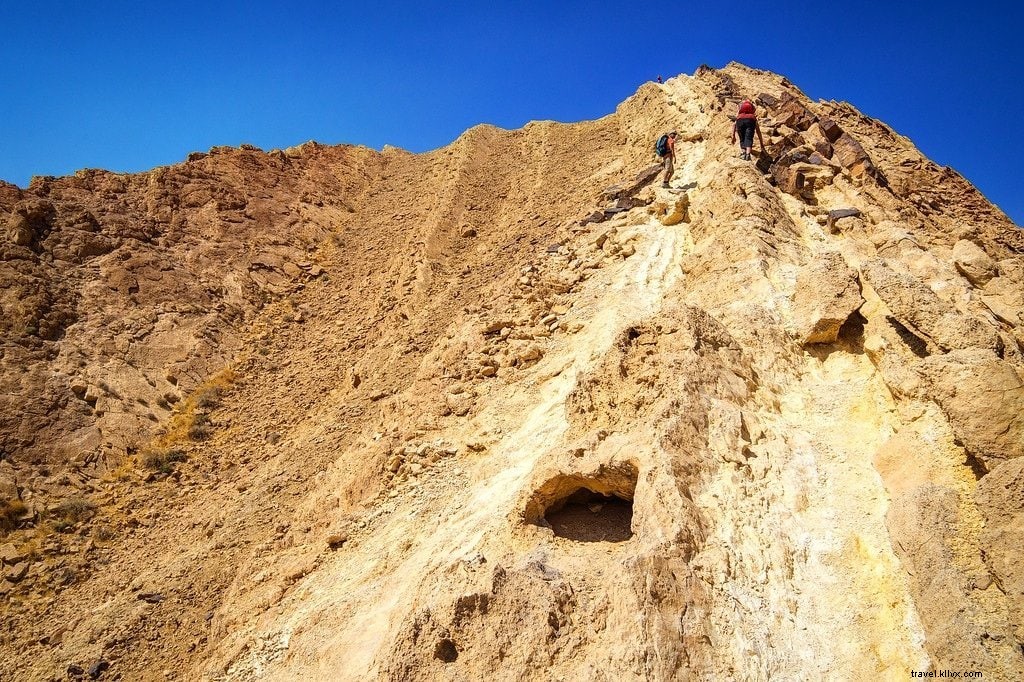
The Big Fin
The Big Fin is a rewarding, strenuous side hike up a makhtesh crater wall, revealing an amphitheater vista below.
Once an ancient ocean floor, limestone holds sea creature fossils. Ideal for midday sun breaks.
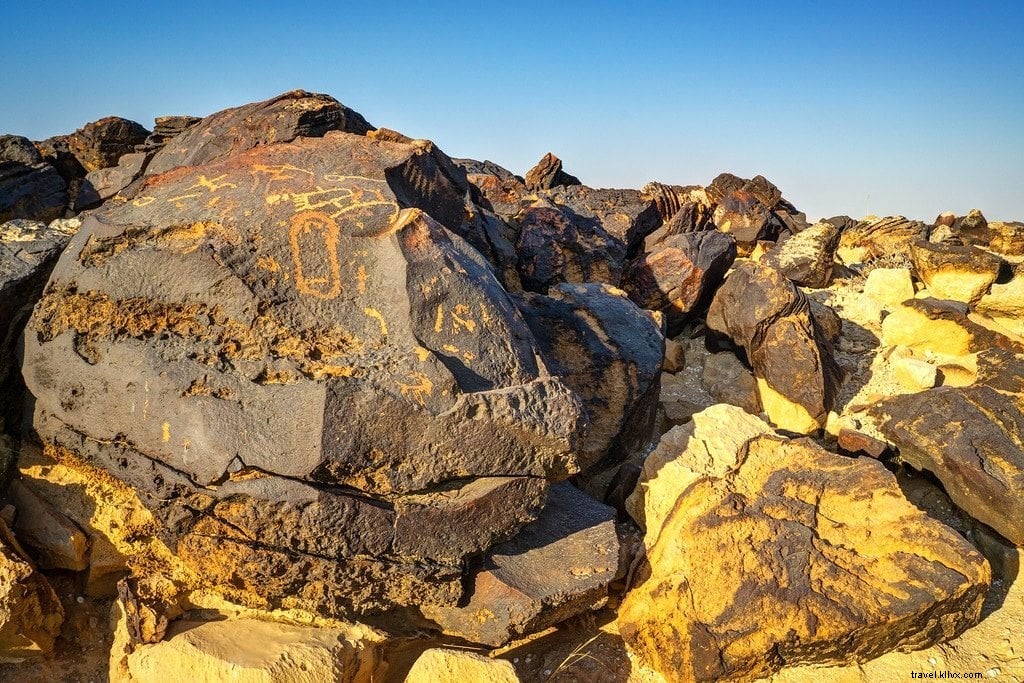
Walking the Spice Road
Camels once caravanned spices, perfumes, and salt from Yemen to Gaza via the Negev—a millennia-old trade route.
Petroglyphs, up to 2,500 years old, mark tribal properties with ibex and human figures etched in rock patina.
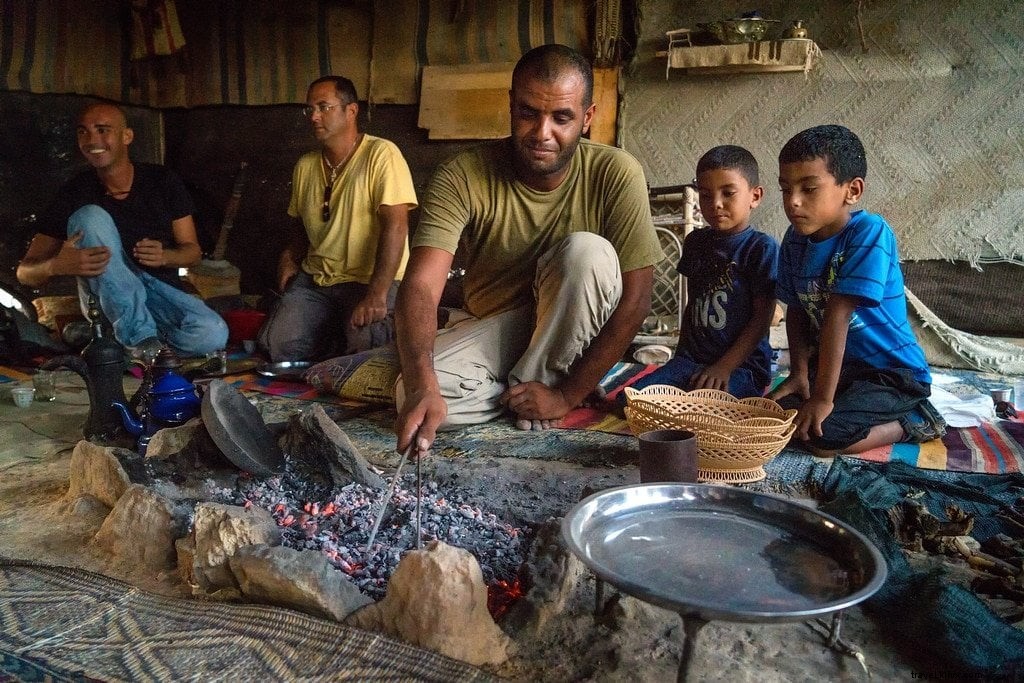
Bedouin Hospitality
At Salem's family tent, we enjoyed fresh flatbread and Arabic coffee—"strong like Bedouin men, bitter like desert life, black like marriage."
Negev Bedouins herd sheep, goats, and camels; tourism grows. Salem hosts INT hikers.
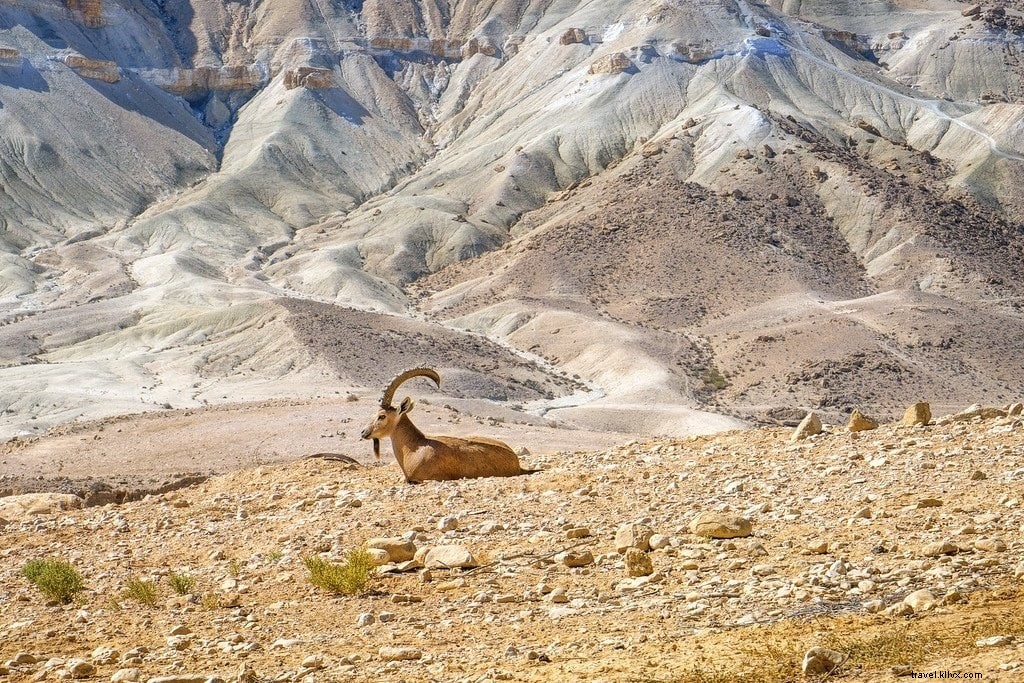
Wildlife & Animals
Nocturnal species dominate, but diurnal Nubian ibex forage scrub. Others: hyrax, deer, foxes, hyenas, wolves, camels.
Venomous threats include Israeli mole vipers and deathstalker scorpions. We spotted wild ibex and farm camels.
Trail Angels
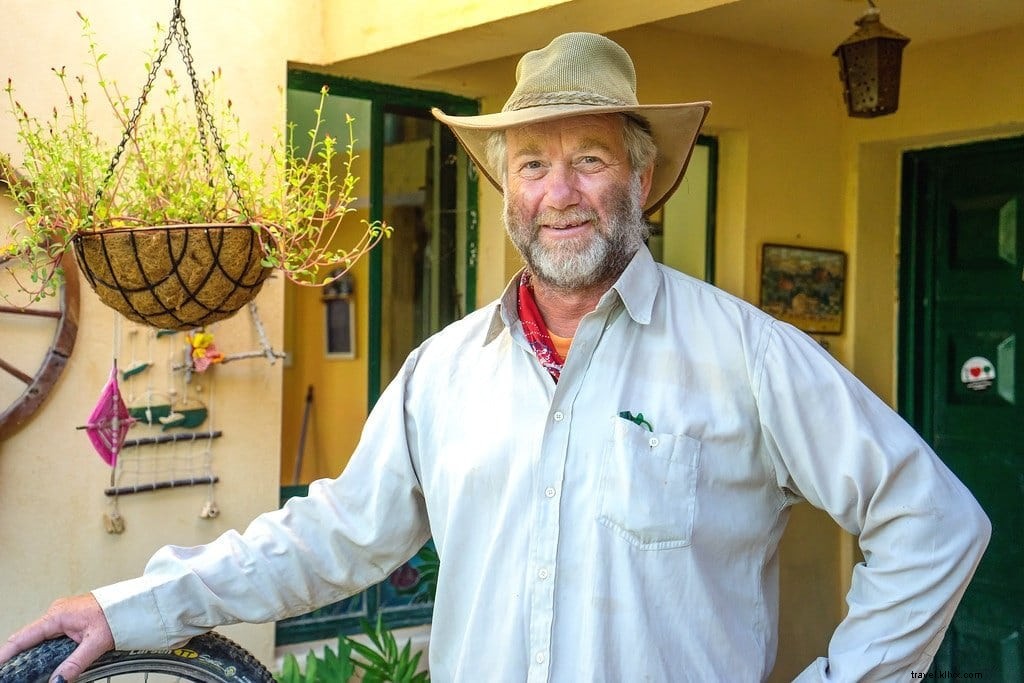
"Trail Angels"—local hosts—offer free water, meals, showers, and lodging to INT hikers.
In Sde Boker, Arthur, a veteran angel, hosted us; he once caught a rare Arabian leopard in his bedroom!
Jerusalem Mountains
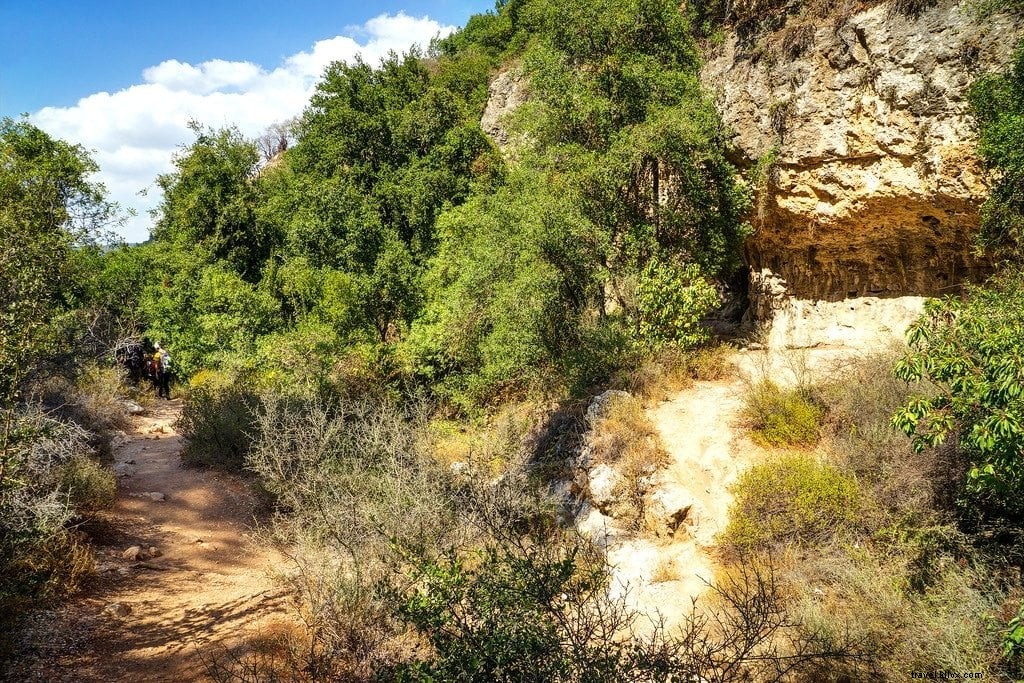
Northward to the Valley of Elah and Jerusalem Mountains: greener, historic terrain. Ascending Tel Azekah overlooks where David felled Goliath.
A trail descends to the legendary battle site's creek.
Northern Israel
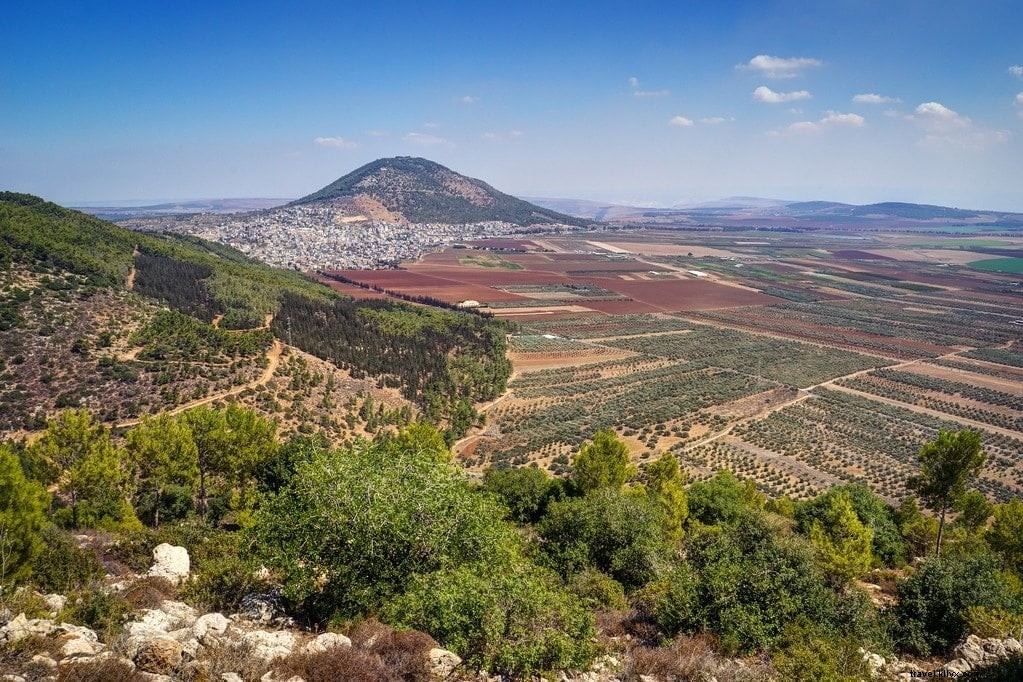
To Jezreel Valley and Lower Galilee: fertile farmlands of wheat, sunflowers, cotton, corn—lush contrast to the south.
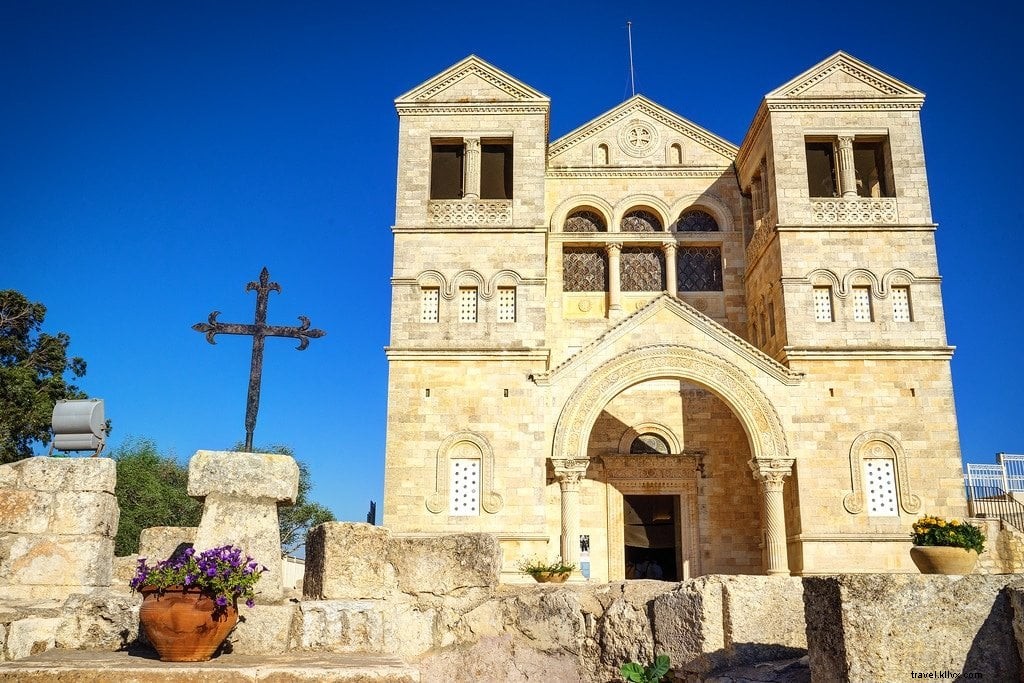
Mount Tabor's summit church, Franciscan-run, marks Jesus' transfiguration with Moses.
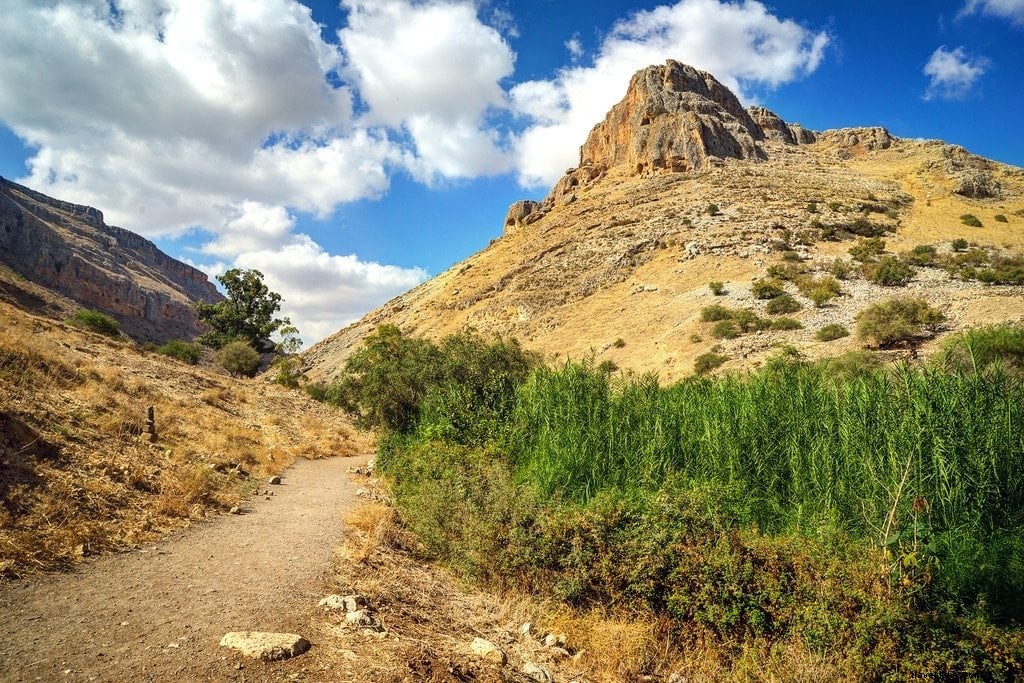
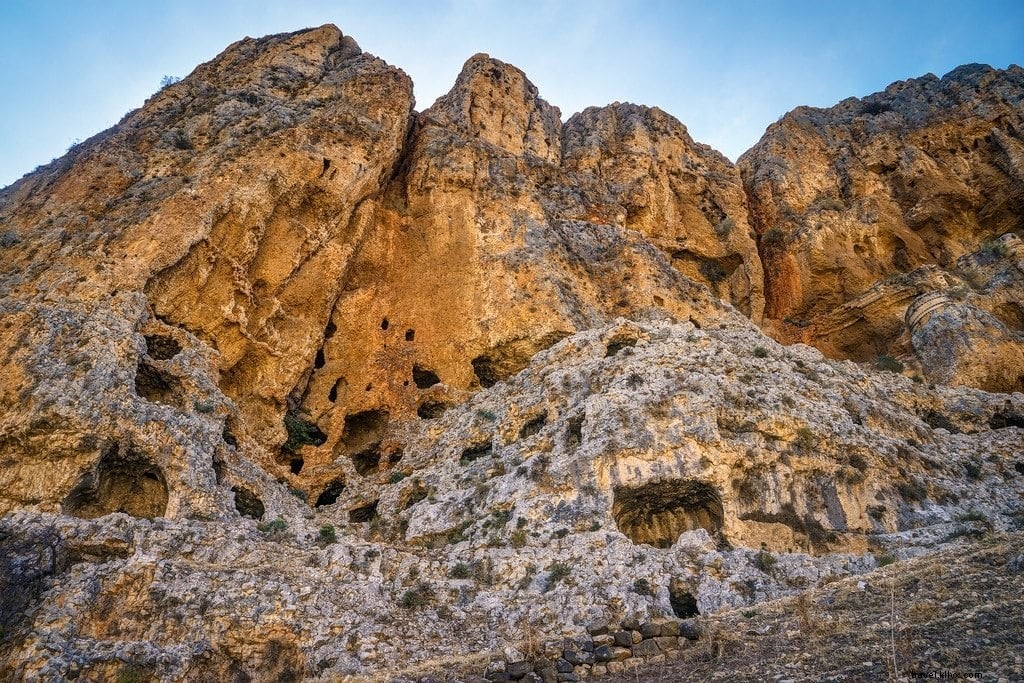
Mount Arbel Caves
Post-Druze feast, we scaled Mount Arbel for Sea of Galilee views—Jesus' walking-on-water site and Israel's key water source.
Cliffside caves, once a fortress, invite exploration via trails.
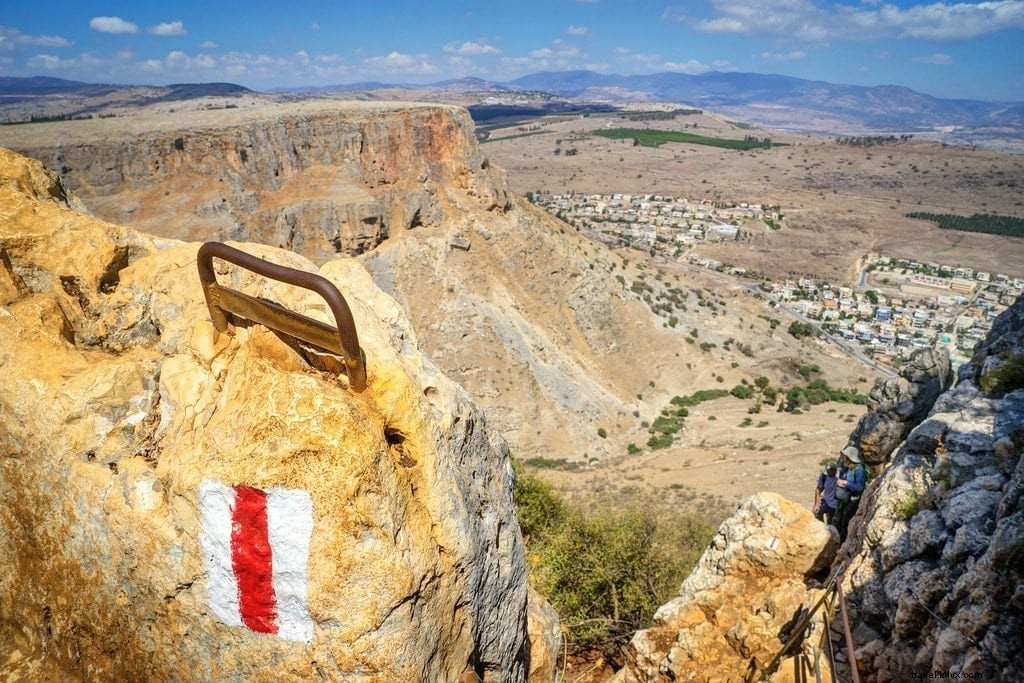
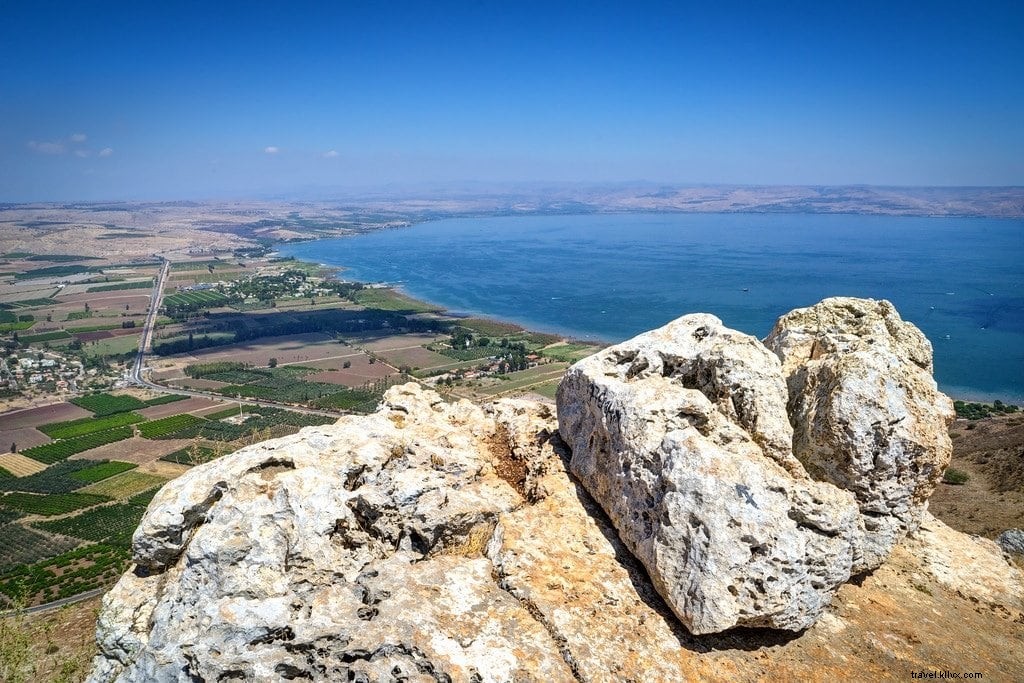
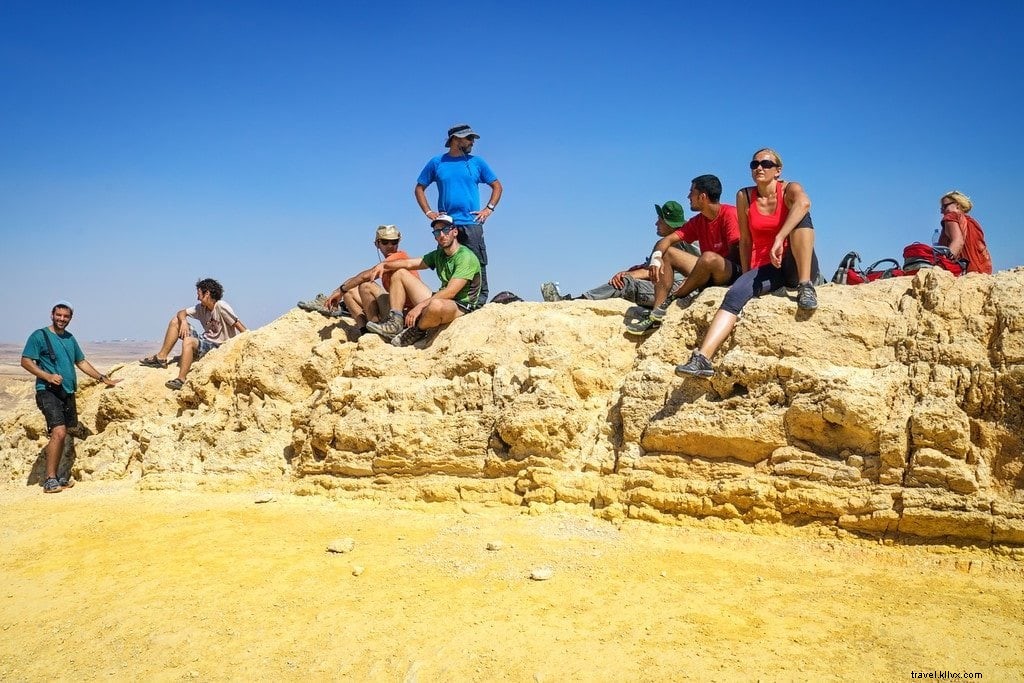
Israel National Trail Experience
From stark deserts and verdant valleys to kibbutzim, Bedouin camps, wilderness, and cities—the INT delivers unparalleled diversity.
Generous hosts of all faiths enriched our journey.
The Negev stole my heart: unexpected variety, searing heat, shifting terrains, and solitude inspire future desert quests.
Sampling sections offered a vivid preview; the full 6-week trek beckons. ★