Hiking Israel's National Trail: Conquering the Negev Desert (Part 1)
Part I: The Negev Desert
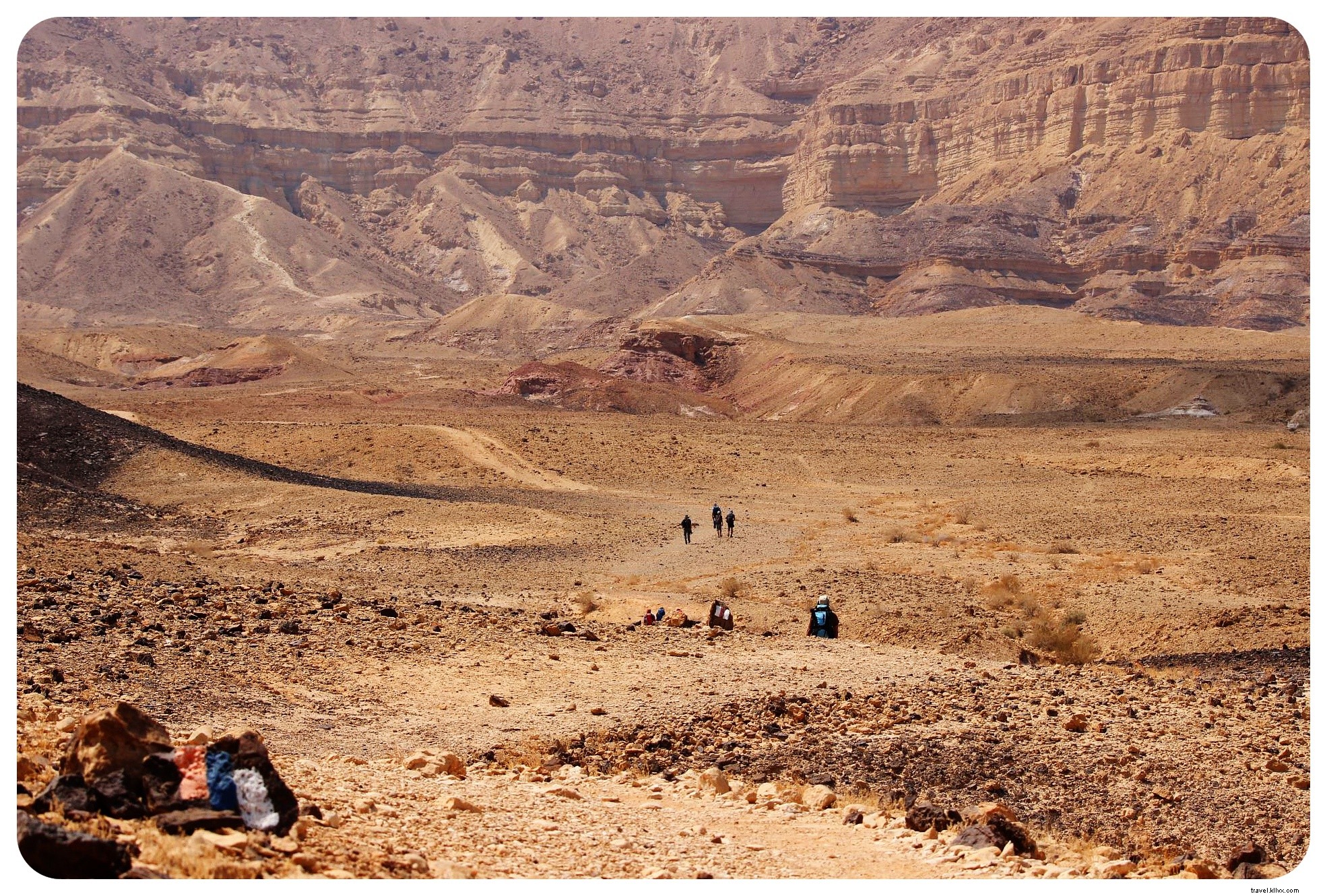
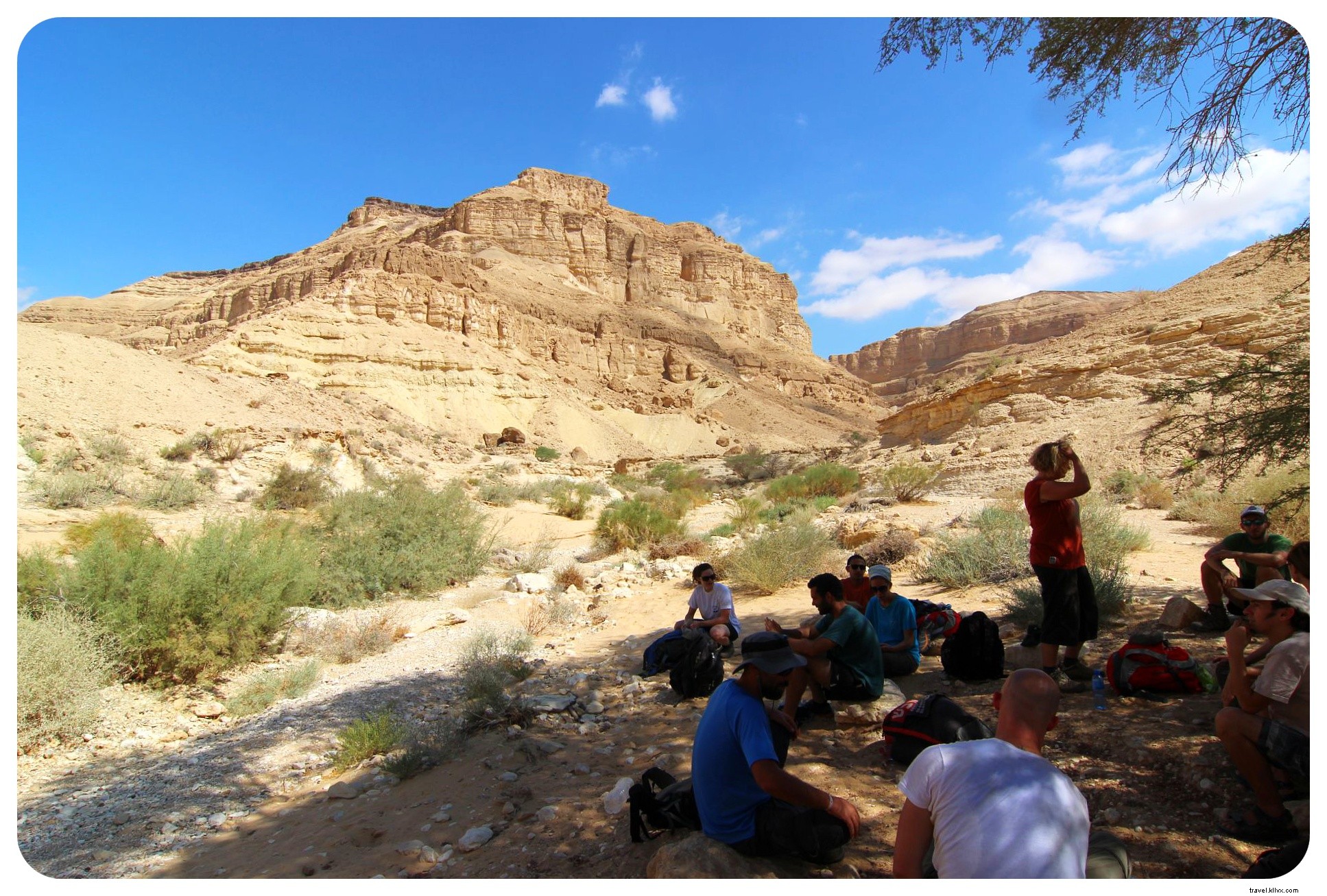
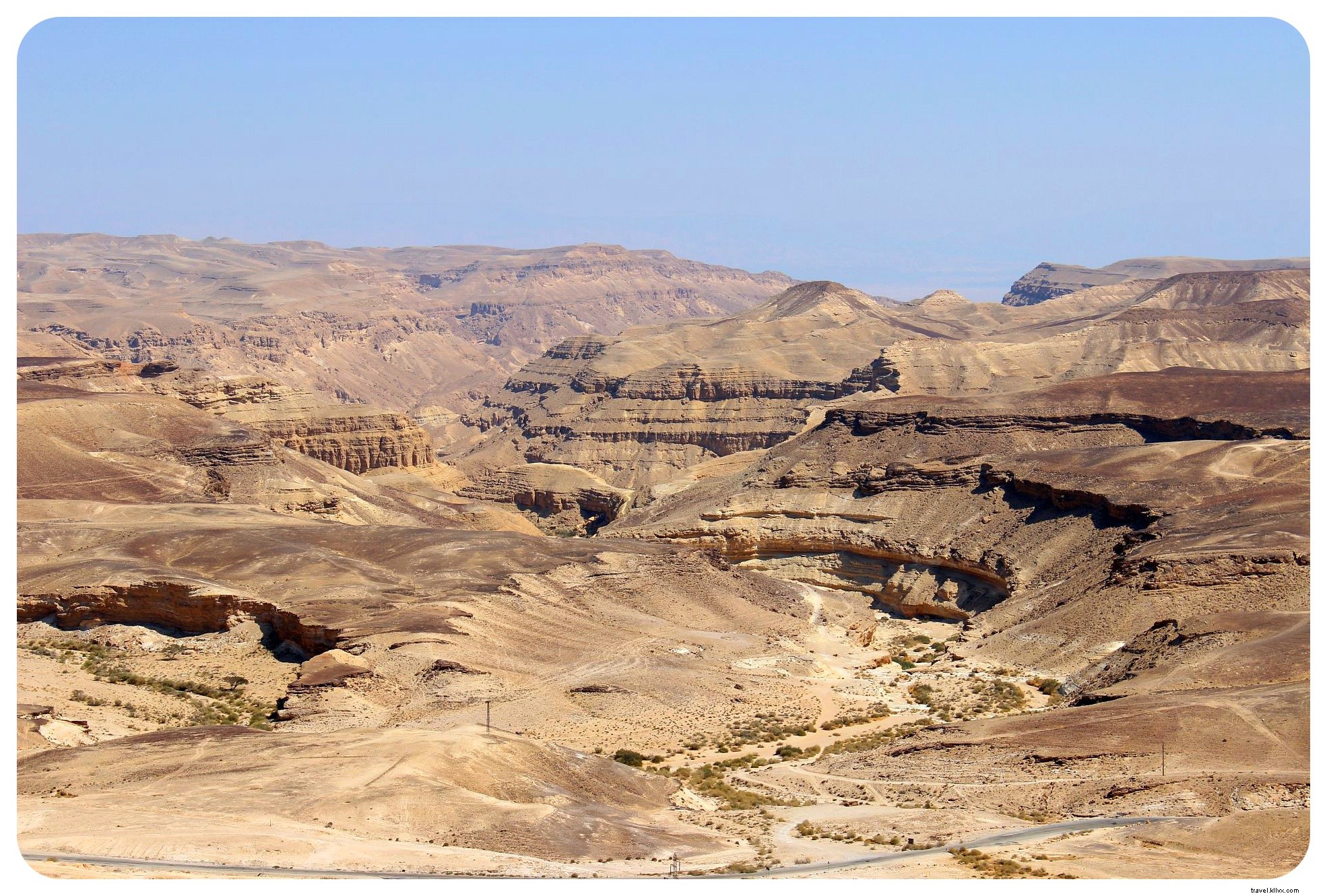
Sweat poured down my forehead, legs, and stomach, dripping from my elbows as I fought the urge to collapse. Deep in the Negev Desert, with another day and a half of relentless sun-baked hiking ahead and no shade in sight, I pushed on, one foot in front of the other, navigating the rocky, sandy, and gravelly terrain.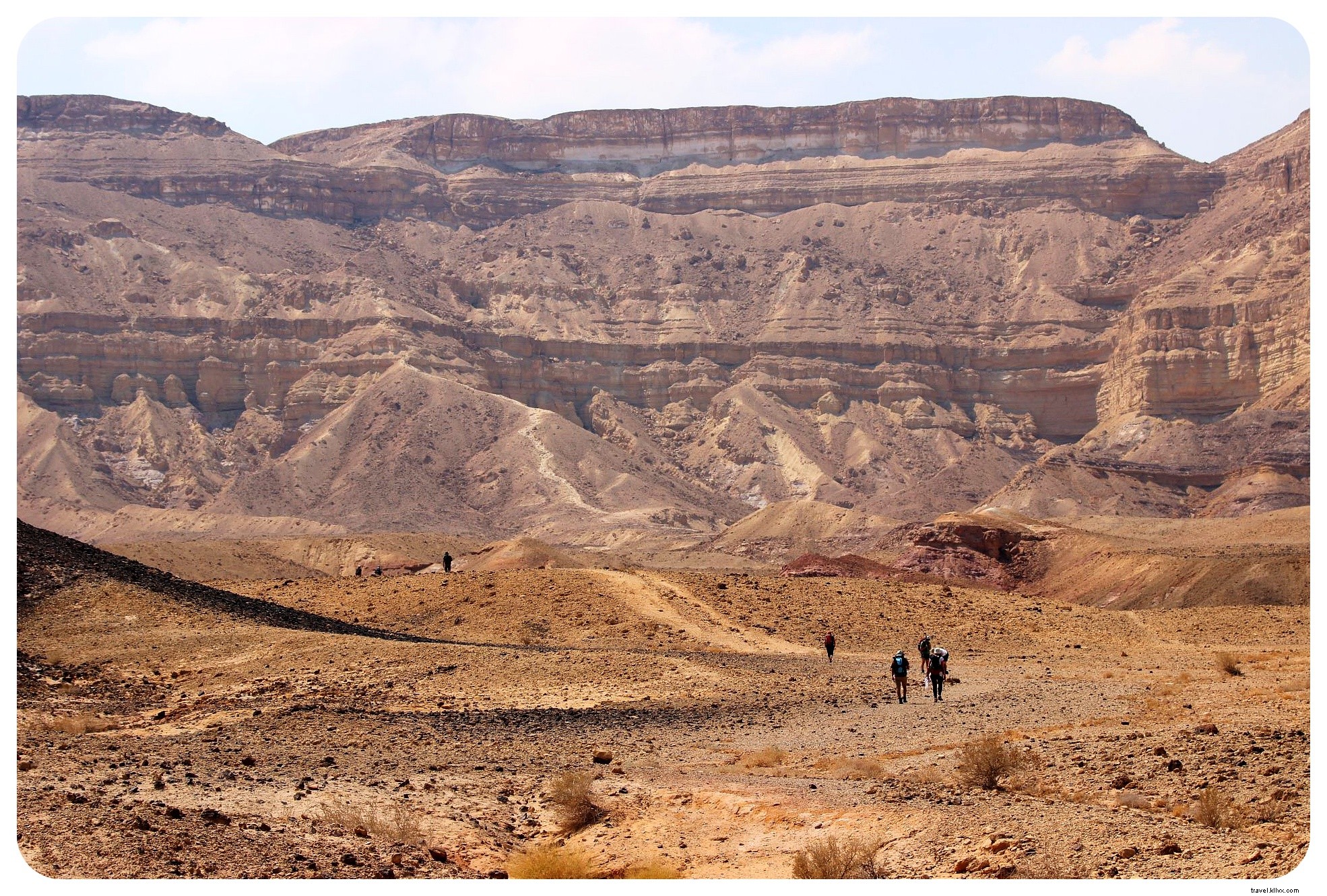
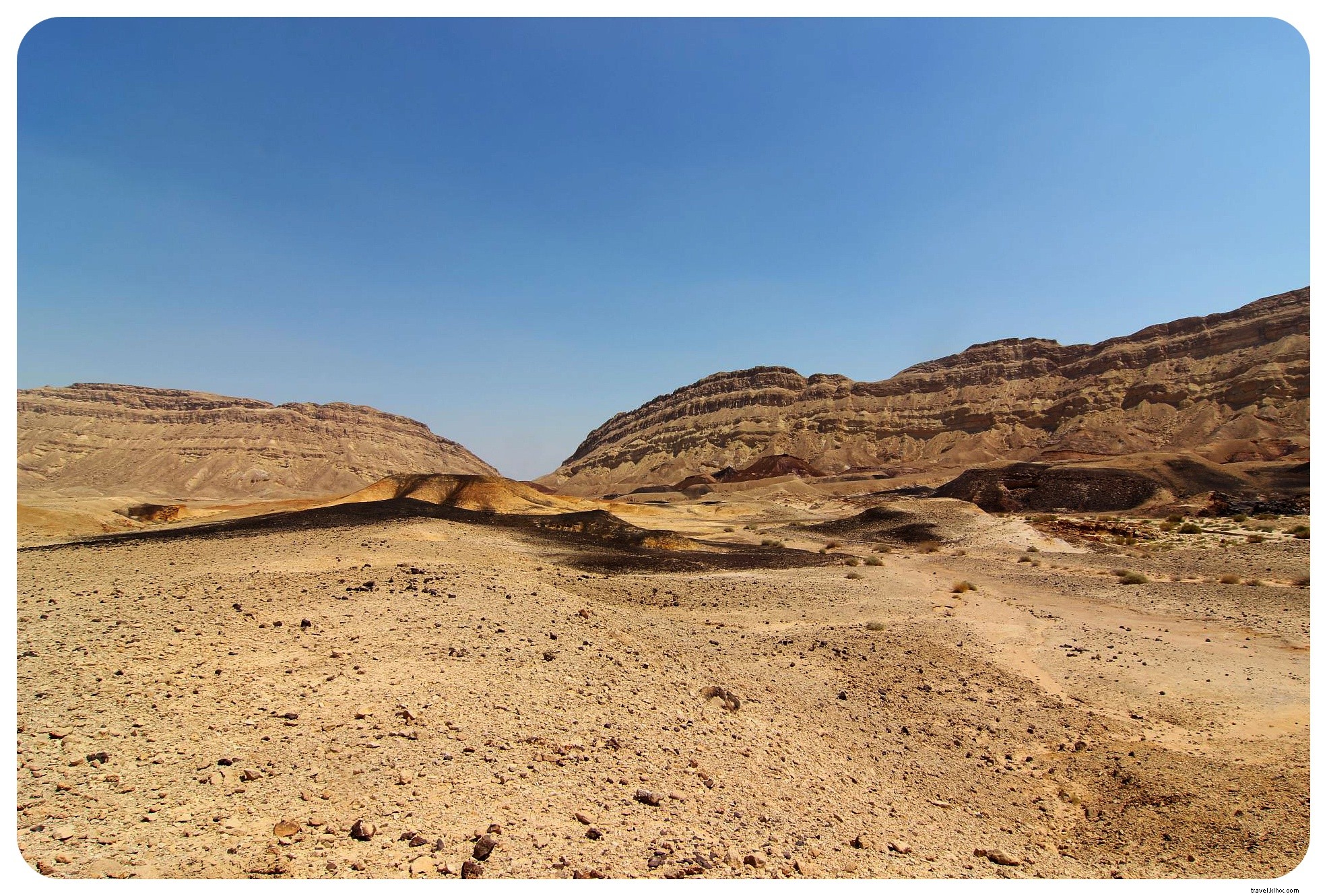 Temperatures hovered around 100°F (37°C), the sun at its zenith. Glancing back, the vast distance we'd covered since the minibus dropped our group that morning felt endless. Yet the breathtaking desert landscape made every drop of sweat worthwhile.
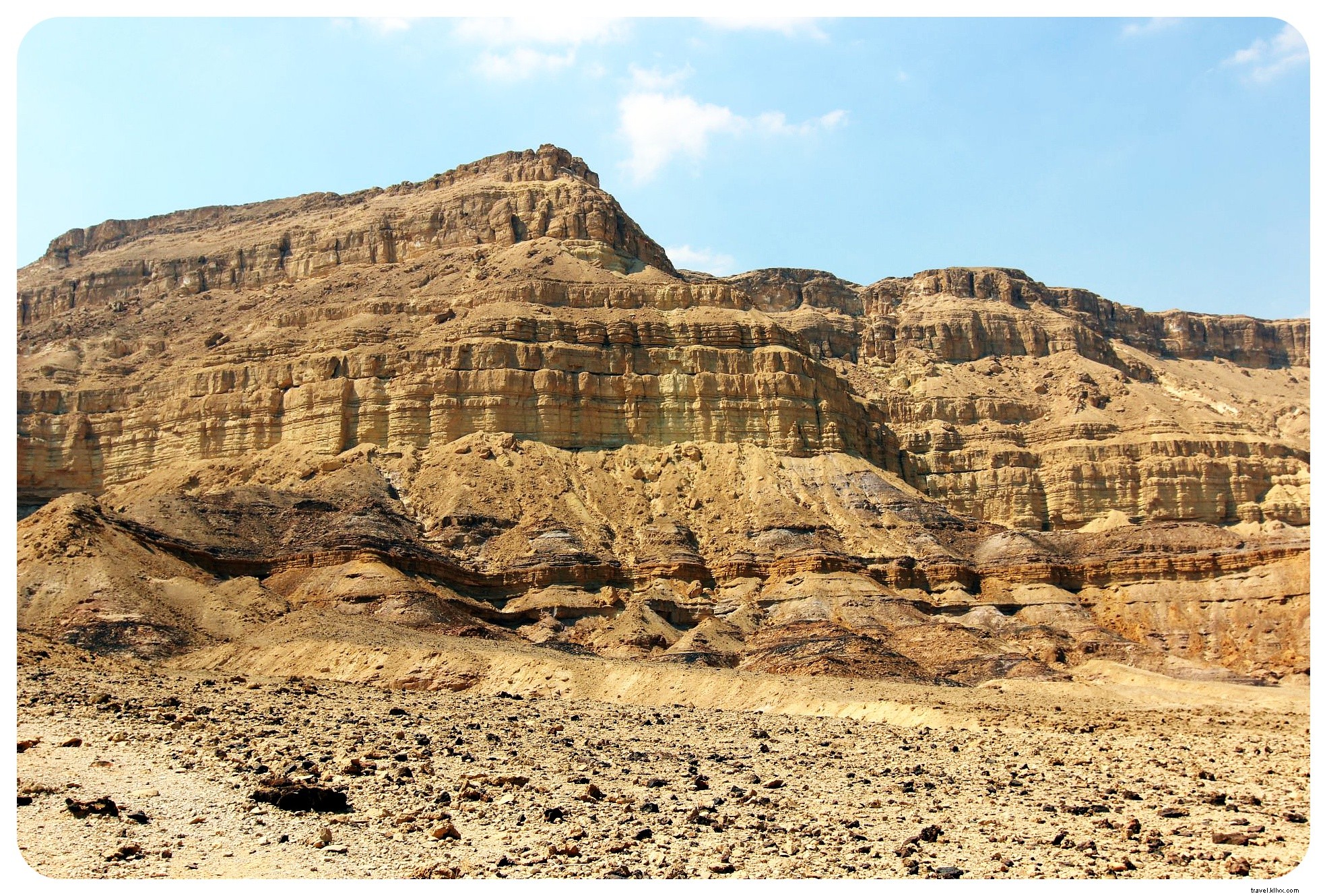
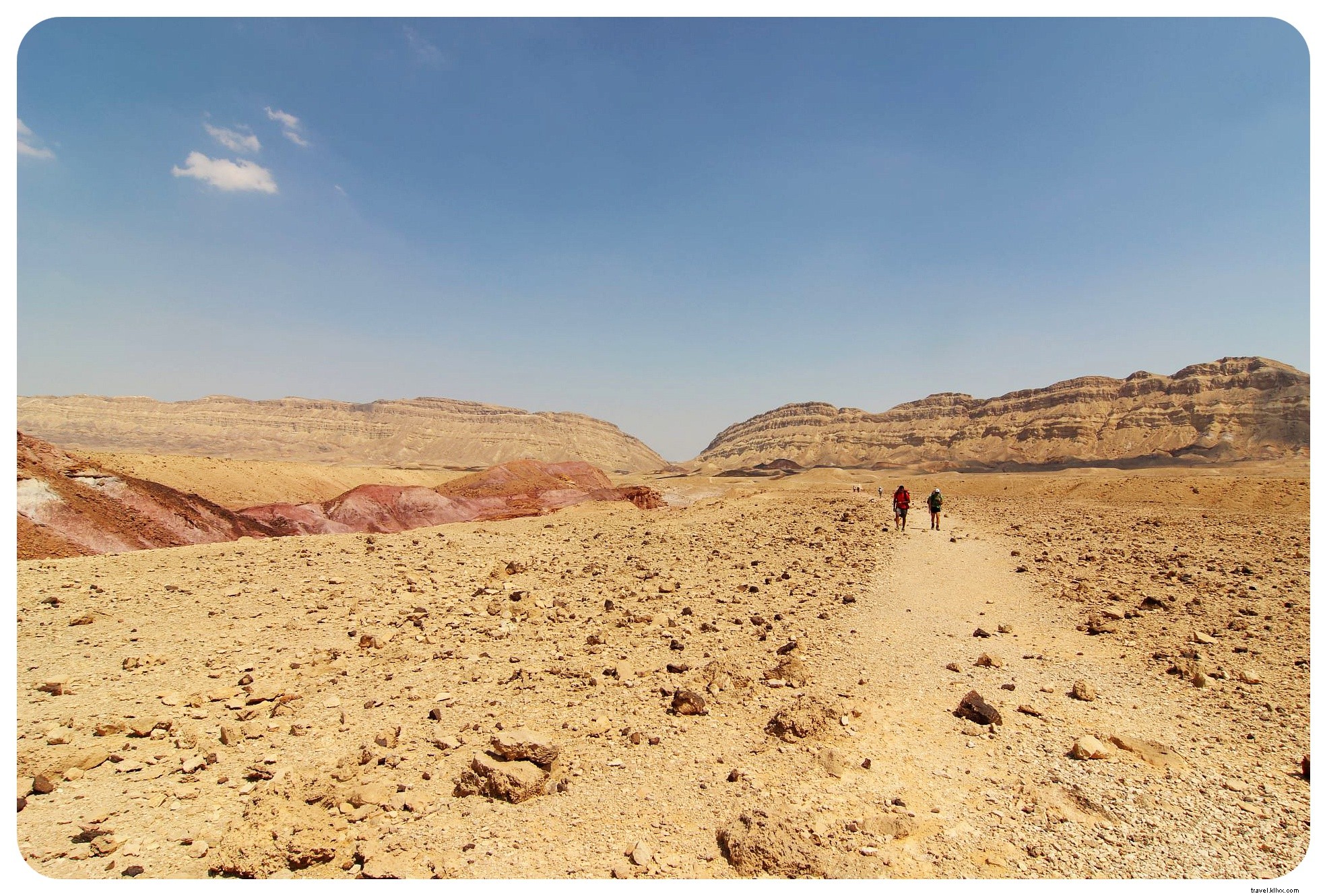 We weren't truly in the middle of nowhere but inside a makhtesh—a unique erosion-formed crater exclusive to the Negev. Later, scrambling up its steep, rocky walls, I'd marvel at its near-perfect circular shape, mimicking a meteor crater.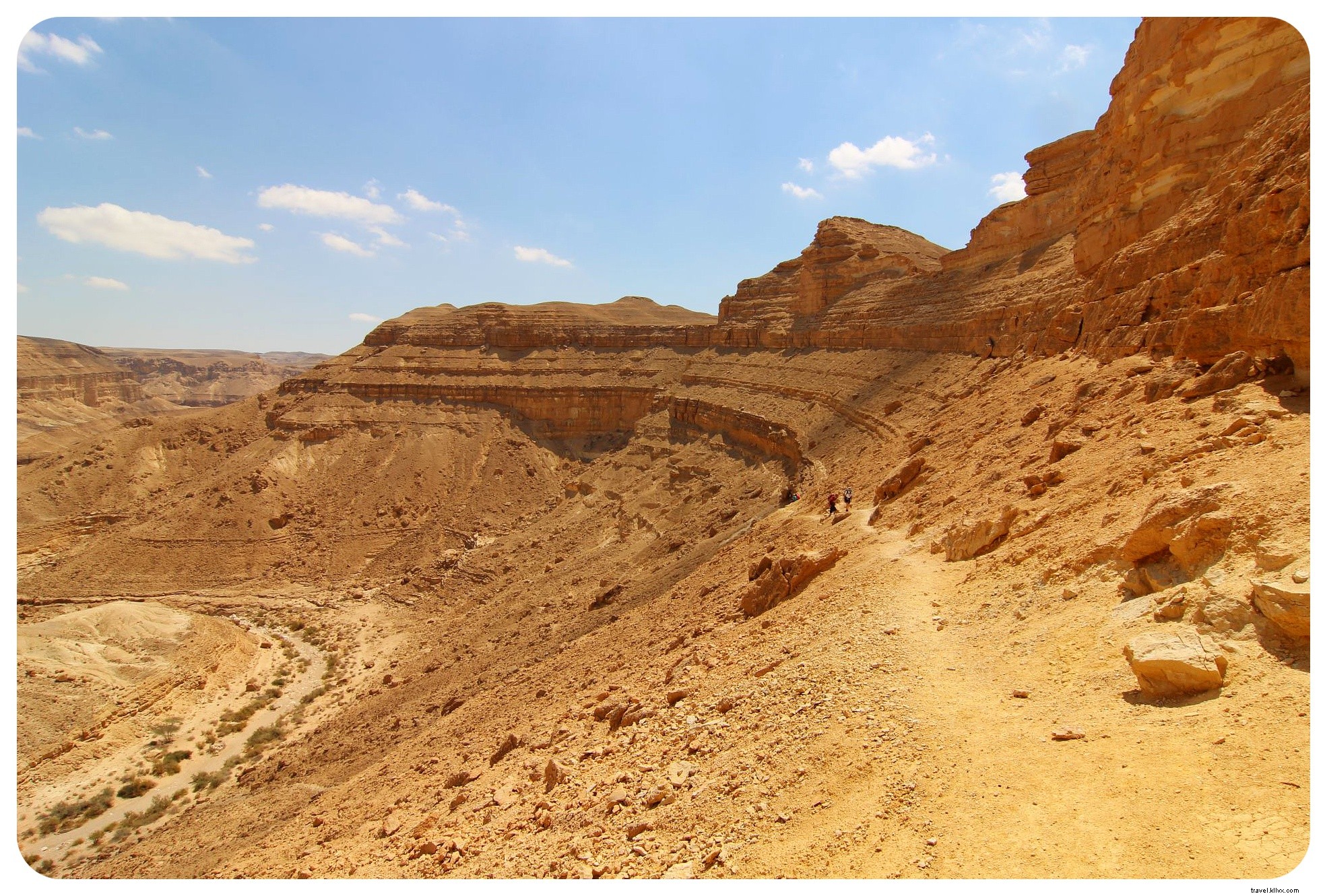
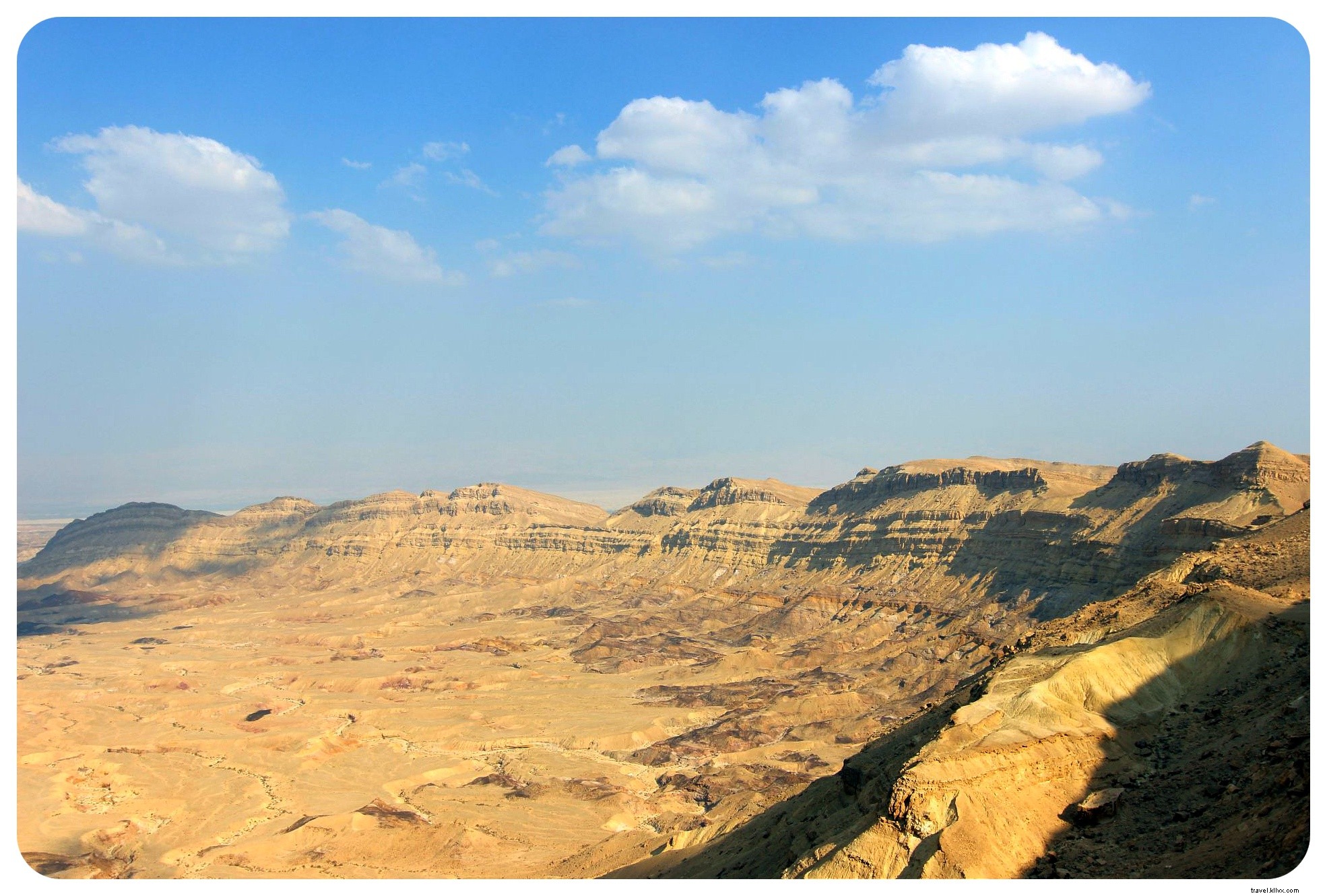 Day one was the trek's toughest: scorching sun searing my face, extreme heat sapping my energy, culminating in a steep, winding ascent out of the crater. Exhausted, I collapsed onto my thin mattress at camp before dinner.
 This was my journey along segments of the Israel National Trail (INT), a 1,000 km (620-mile) path traversing Israel from the Red Sea near the Jordanian border to near the Lebanese border.
 Ideal for multi-day trekkers who love the Camino de Santiago, Appalachian Trail, or Annapurna Circuit, the INT offers epic scale. Praised by National Geographic and others, it's mostly embraced by Israelis seeking intimate connection with their land.
 Less famed than ancient paths like the Camino (walked since the Middle Ages) or Lycian Way, the INT—inaugurated in 1994—winds through biblical and historical sites, showcasing Israel's diversity: Negev deserts, Jerusalem hills, Tel Aviv coast, Galilee mountains, to ancient Dan.
 The full trail takes 6-8 weeks; our 8-day trip sampled the Negev, Jerusalem mountains, and Lower Galilee, leaving us hungry for more.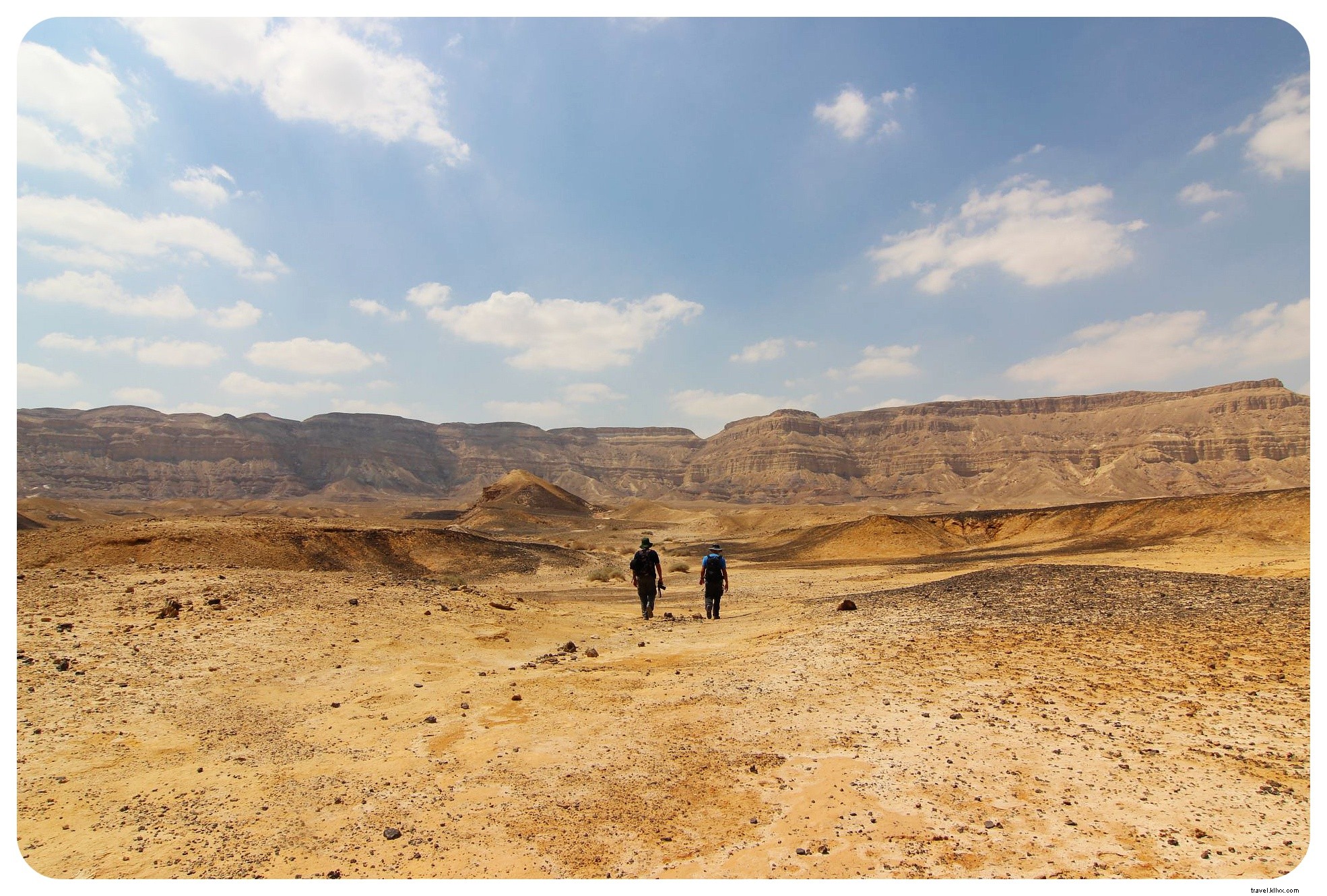
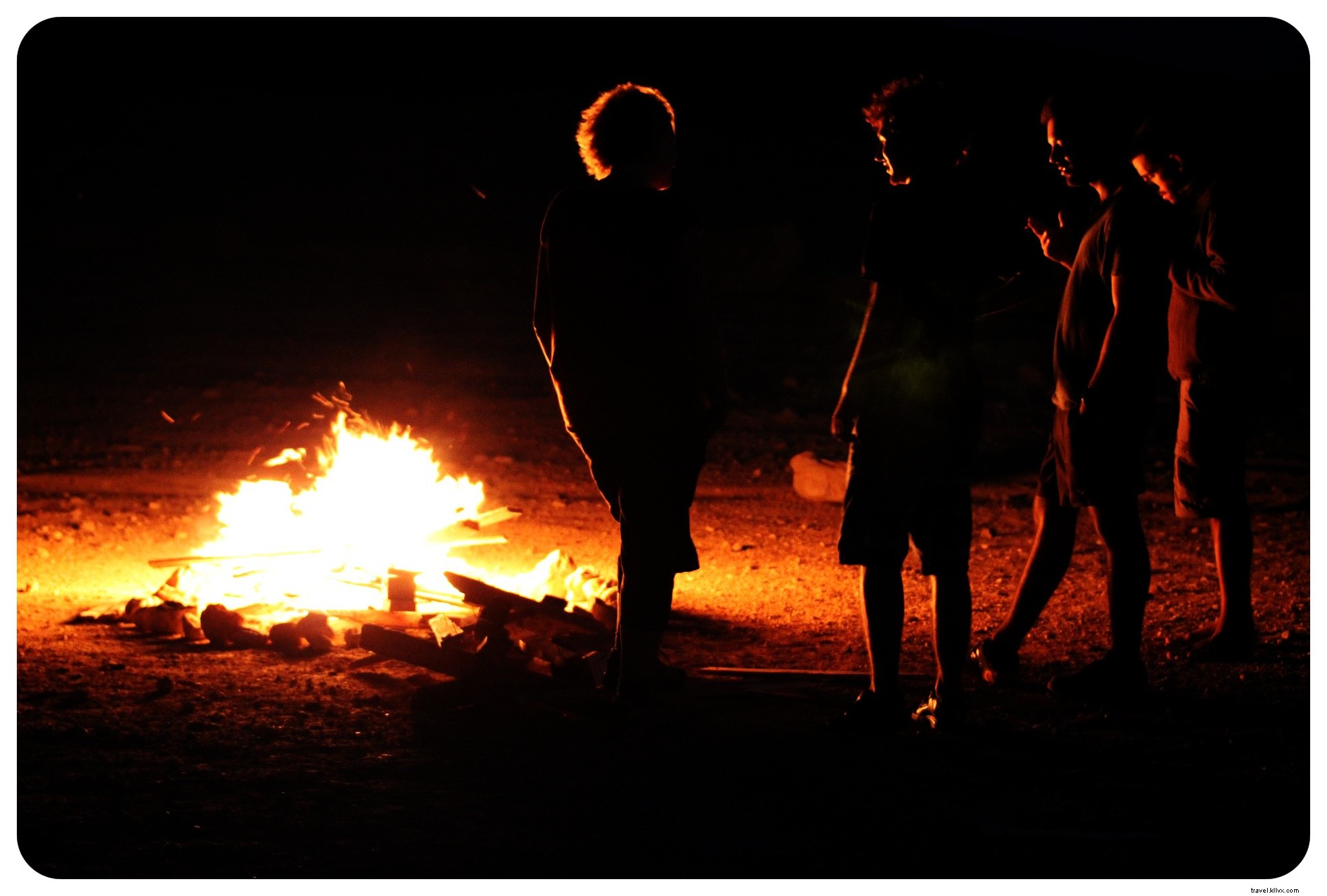
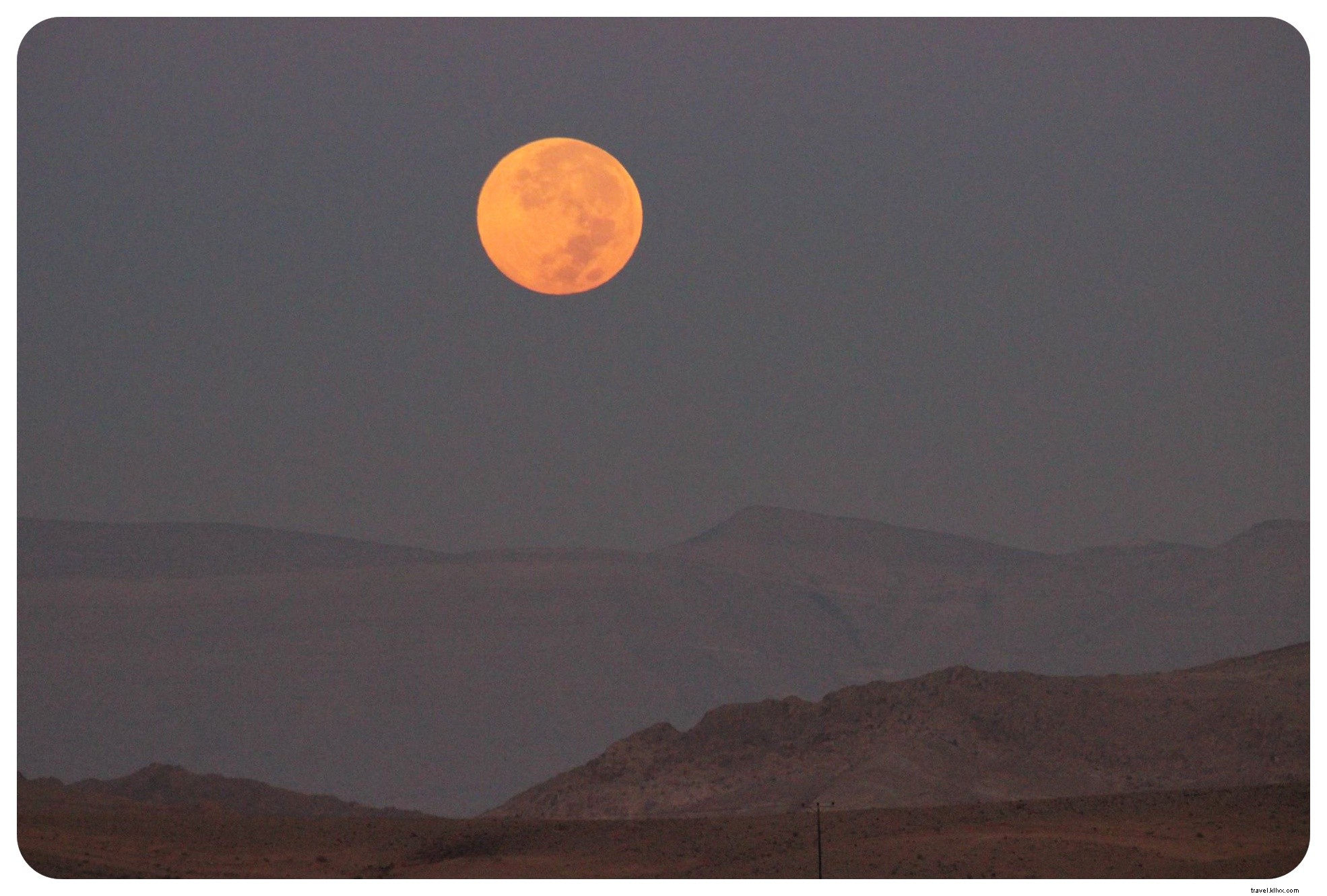
It was the perfect Israel intro, deepening my appreciation during later visits—like the Negev, transformed from barren drive-by to profound wilderness after hours of immersion.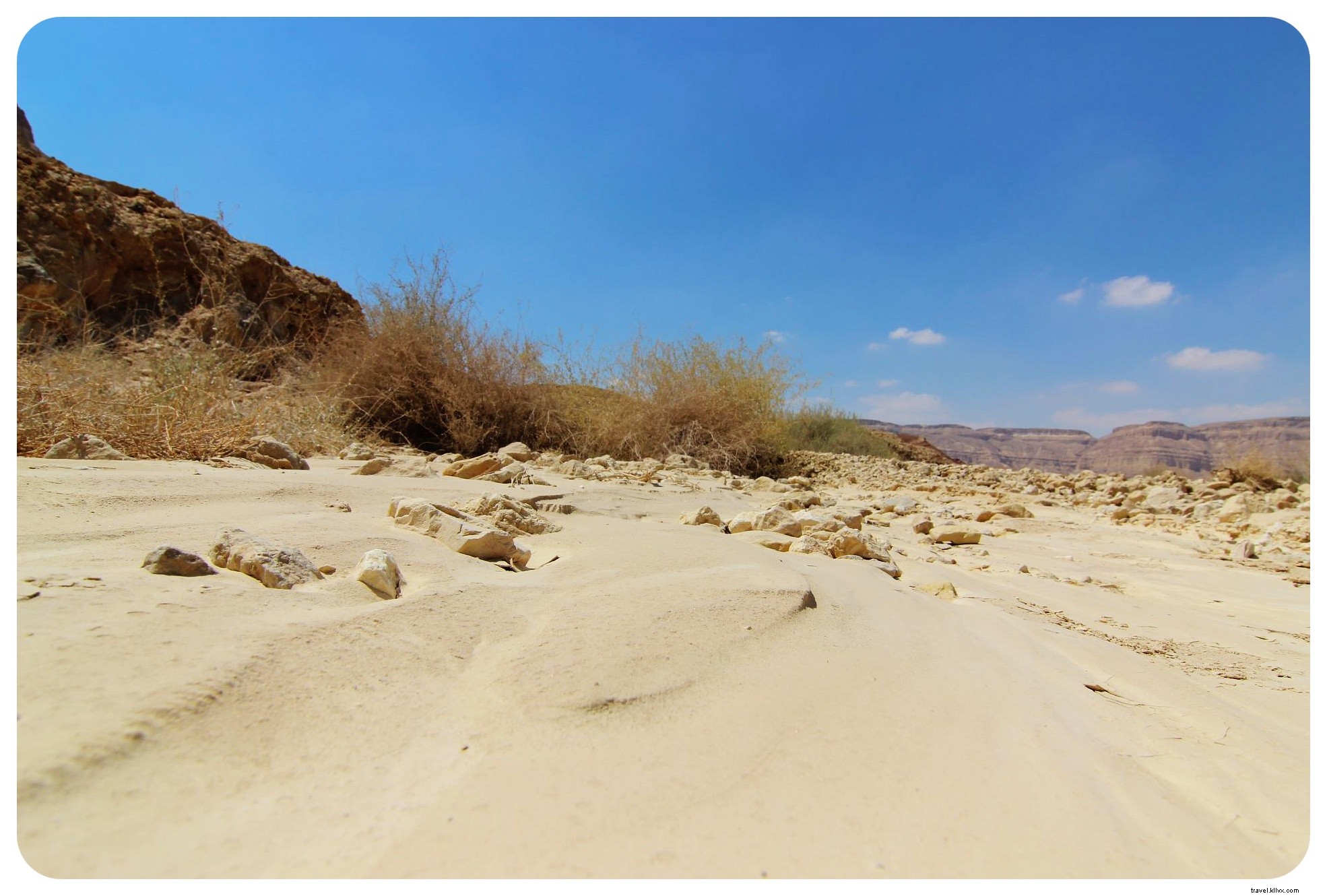 Day one offered scant life beyond dusty bushes; trails were faint, marked only by painted rocks. That night, most slept under star-filled skies—an unforgettable spectacle. Tents optional, why block millions of stars? Post-dinner campfire bonding ended early for our 6 a.m. start.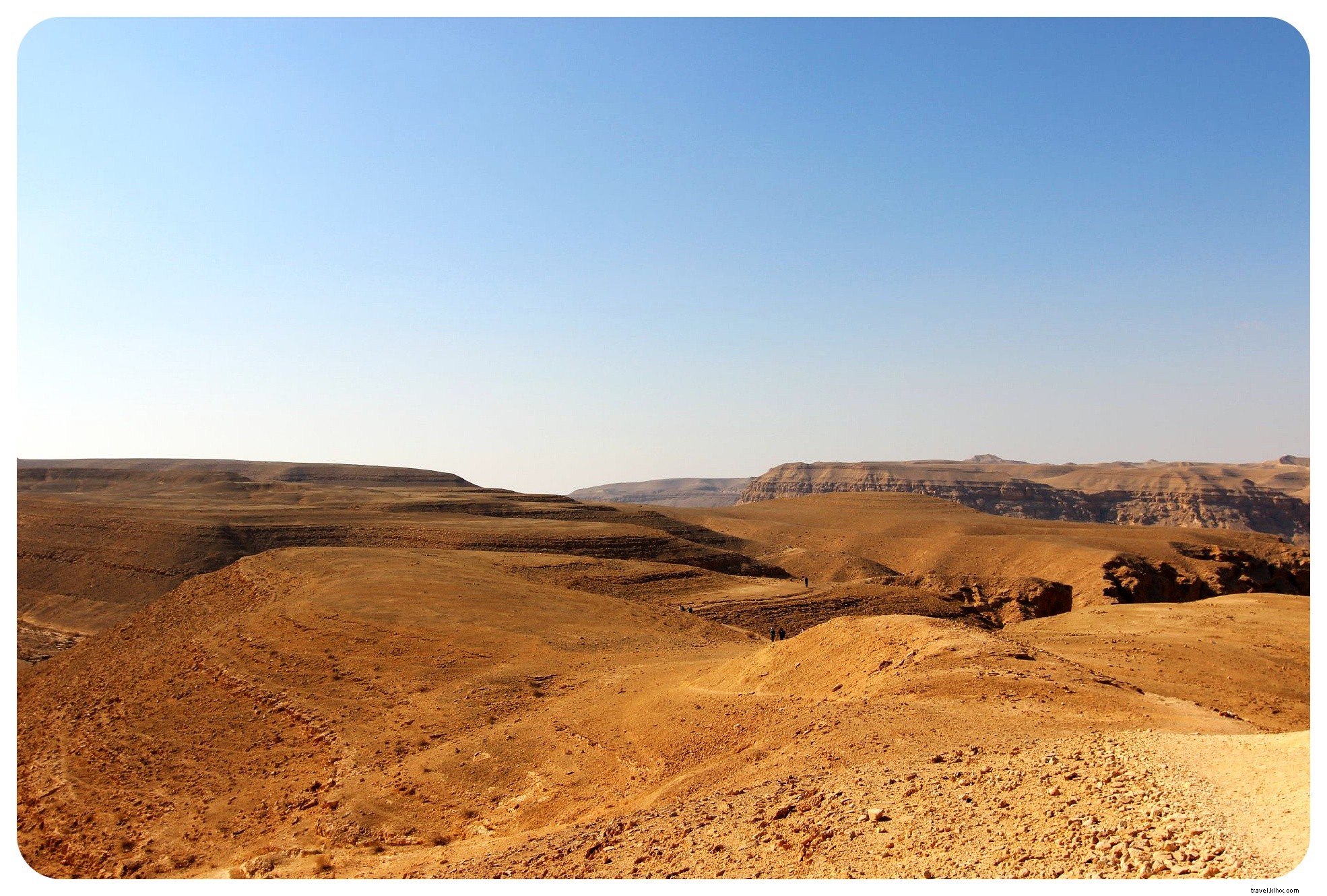
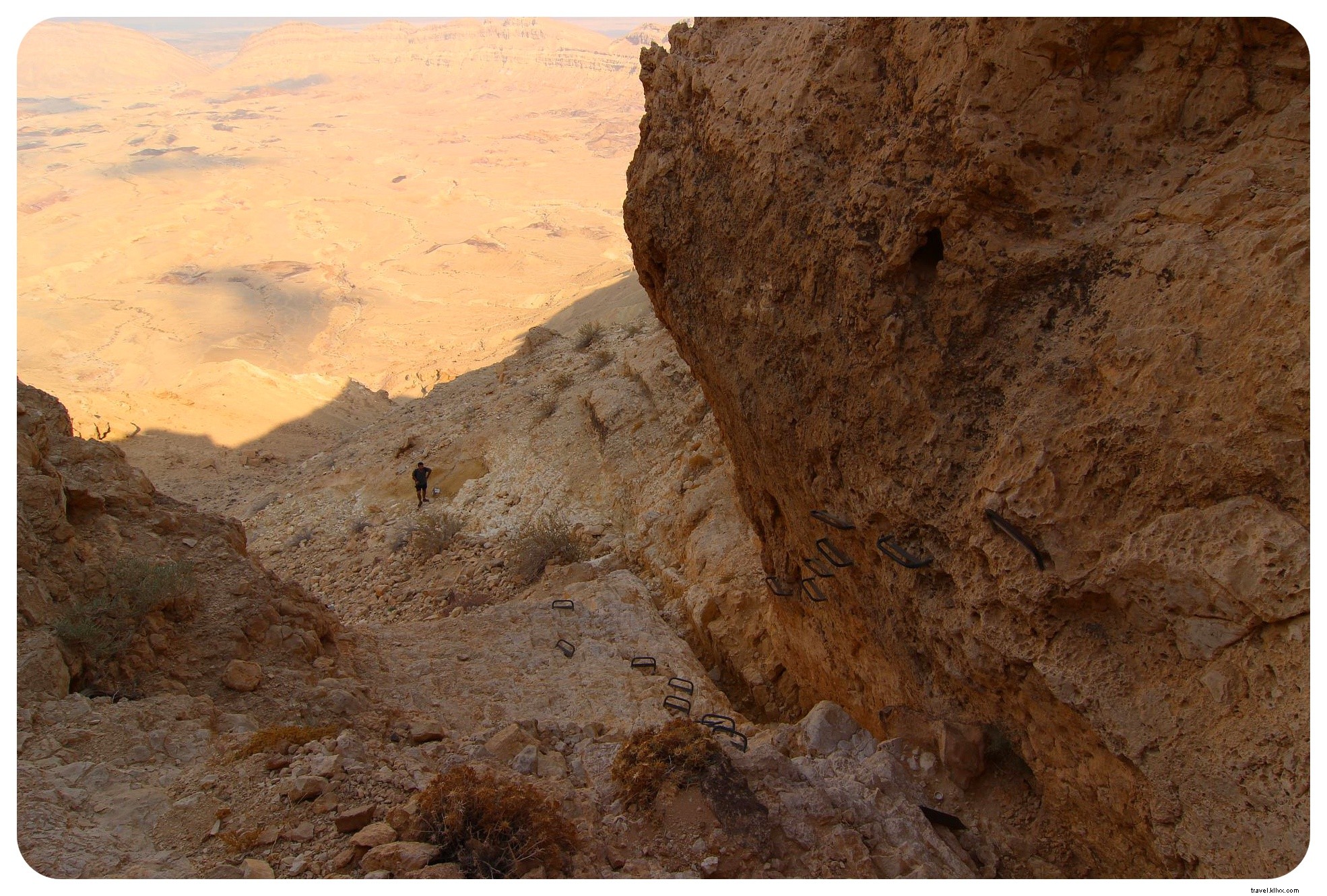
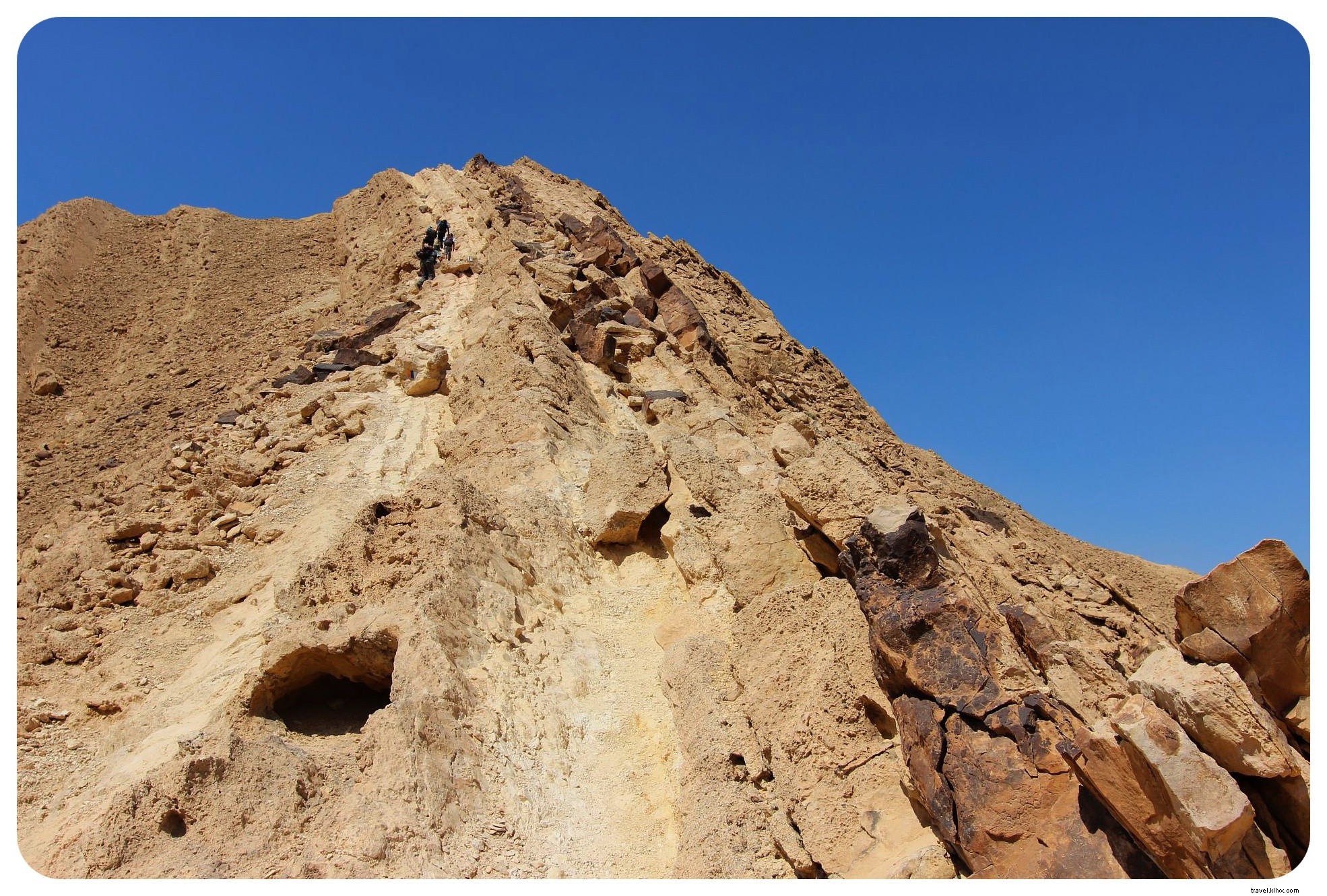
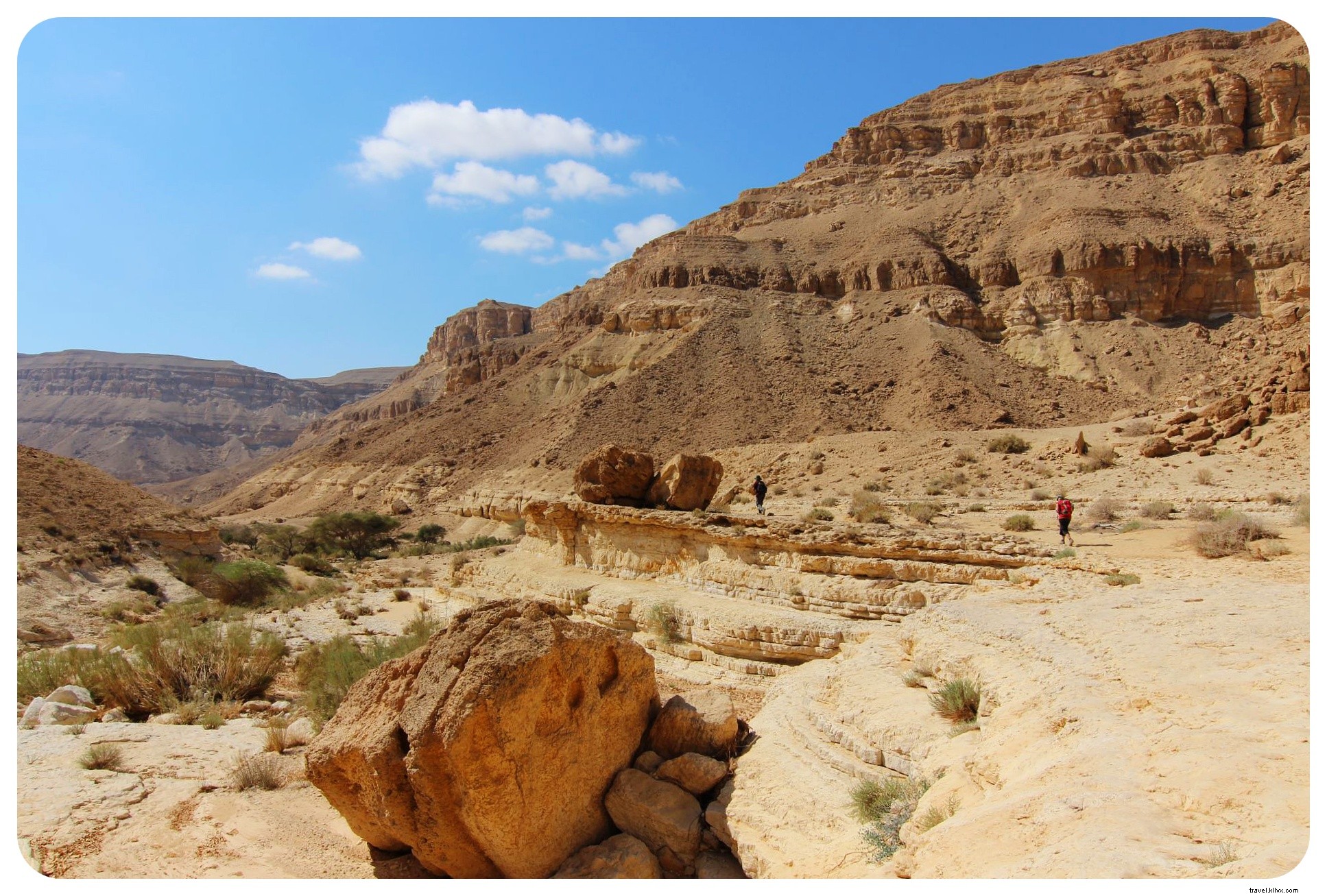
 Day two's landscape greened slightly along dry riverbeds, fed by rare winter flash floods. Less grueling as we acclimated, but challenges persisted—like a sheer mountainside requiring hooks and handrails.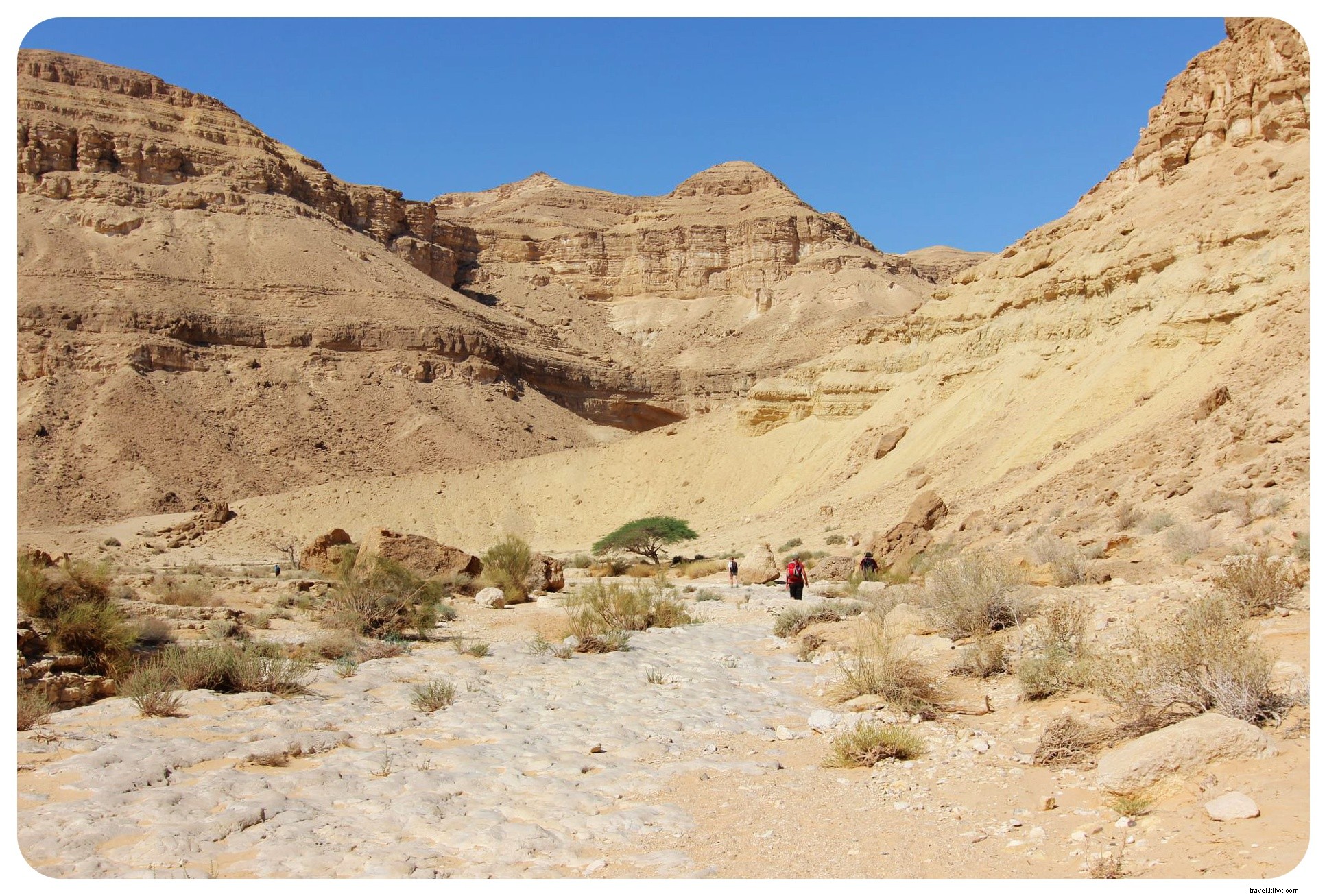
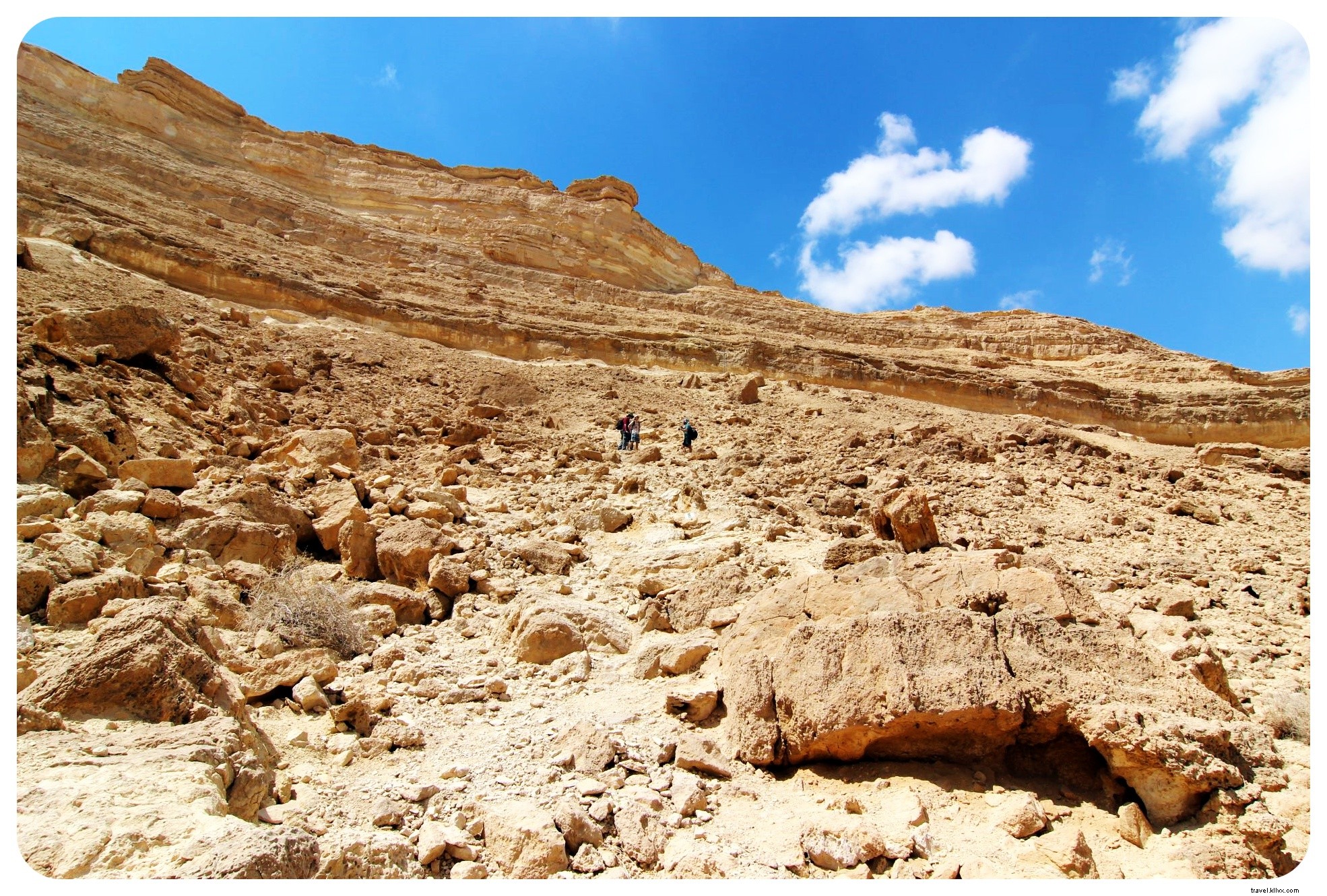
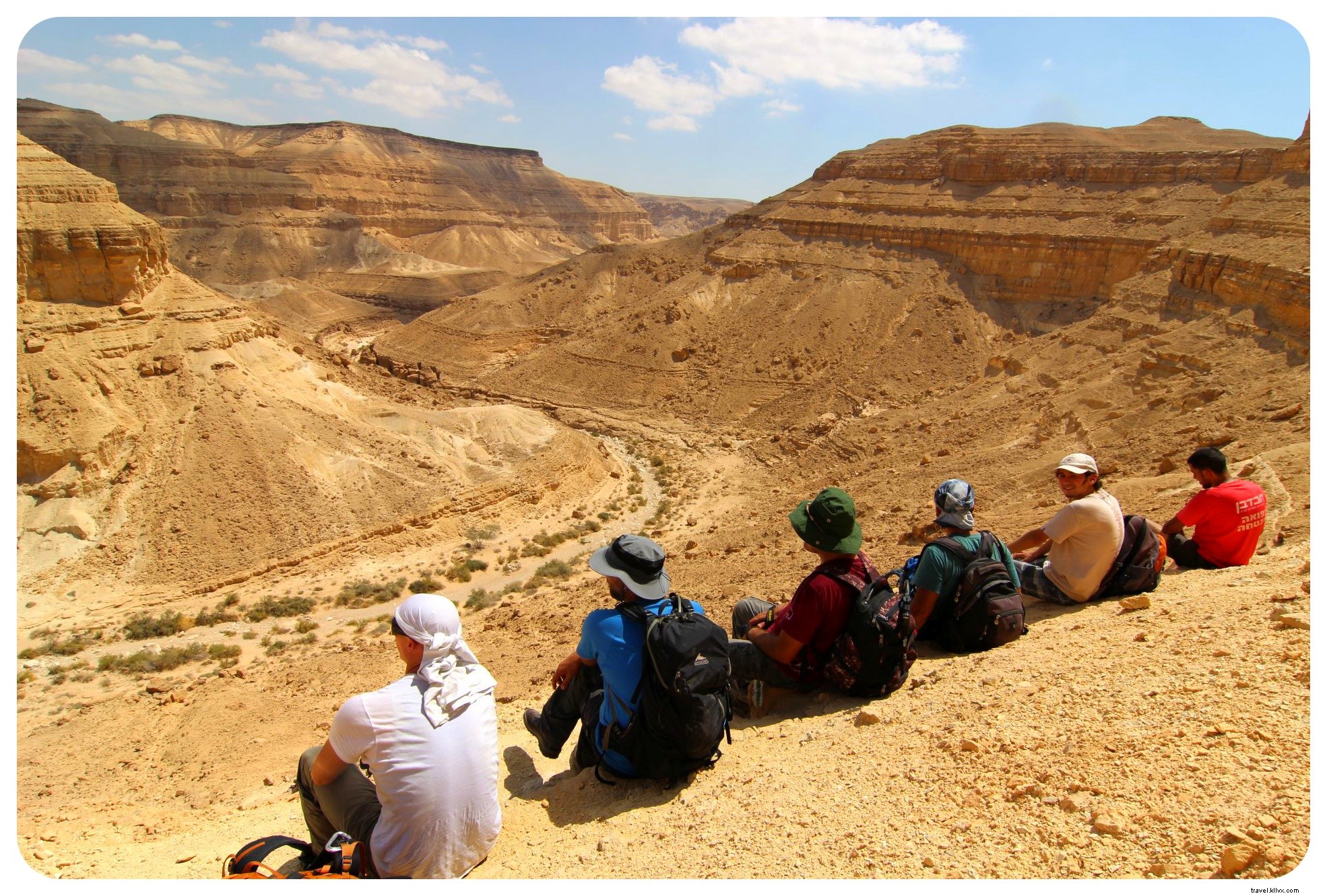 Stunning views and triumph fueled us; it's the journey that matters.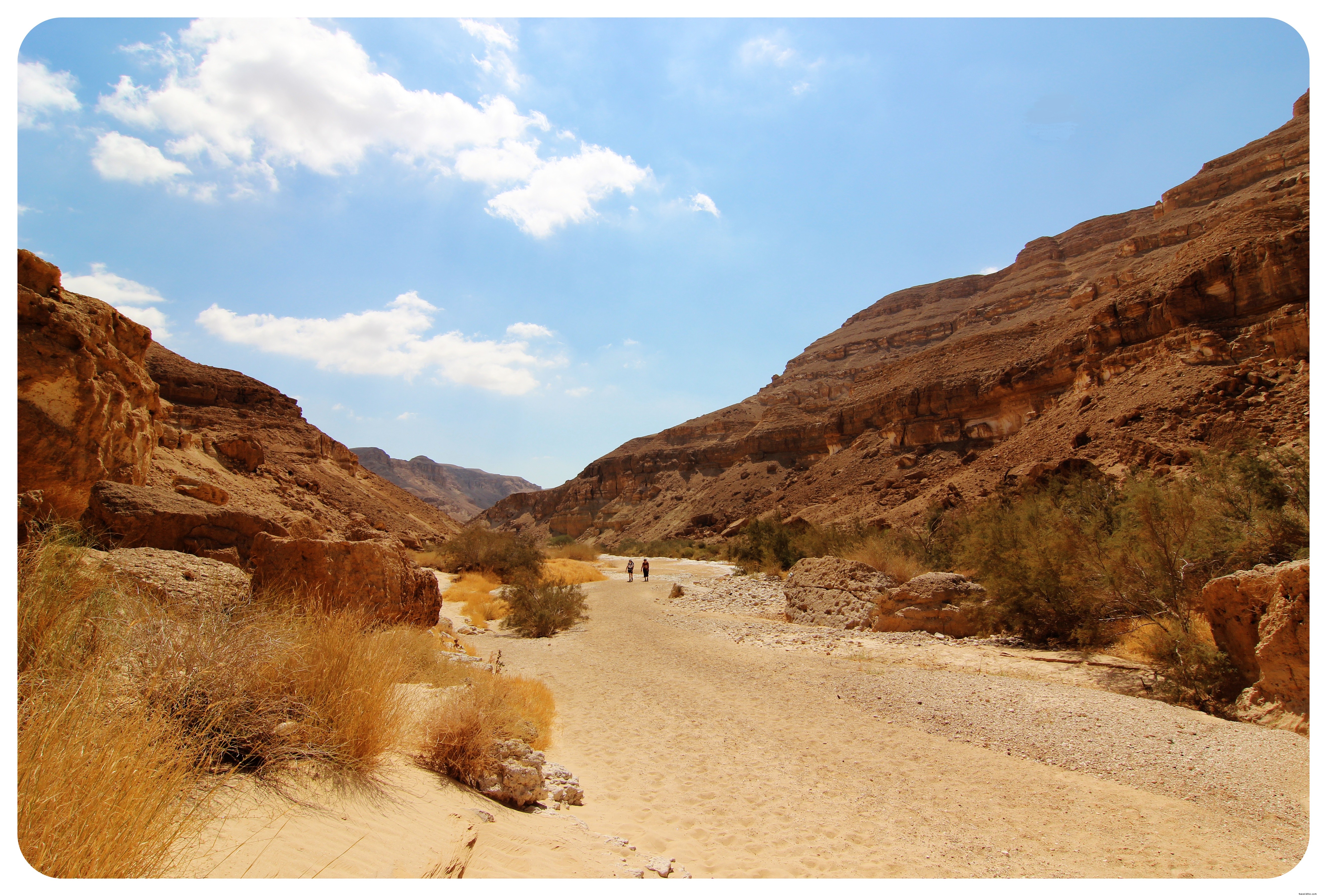
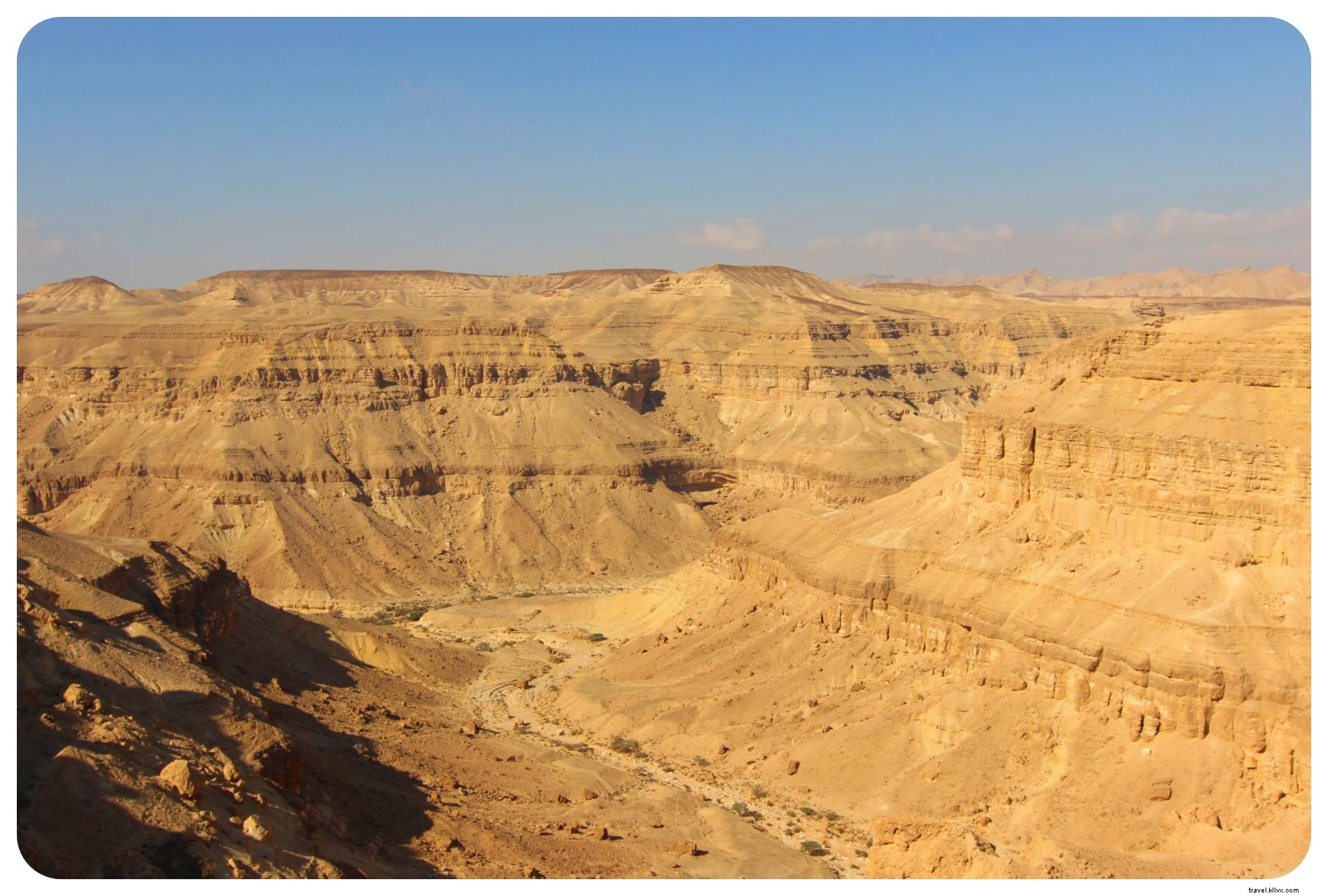 Lunch at an ancient waystation preceded the Big Makhtesh's steep wall. Summit vistas rewarded our efforts, though water rations reminded us of remoteness—solo treks demand preparation.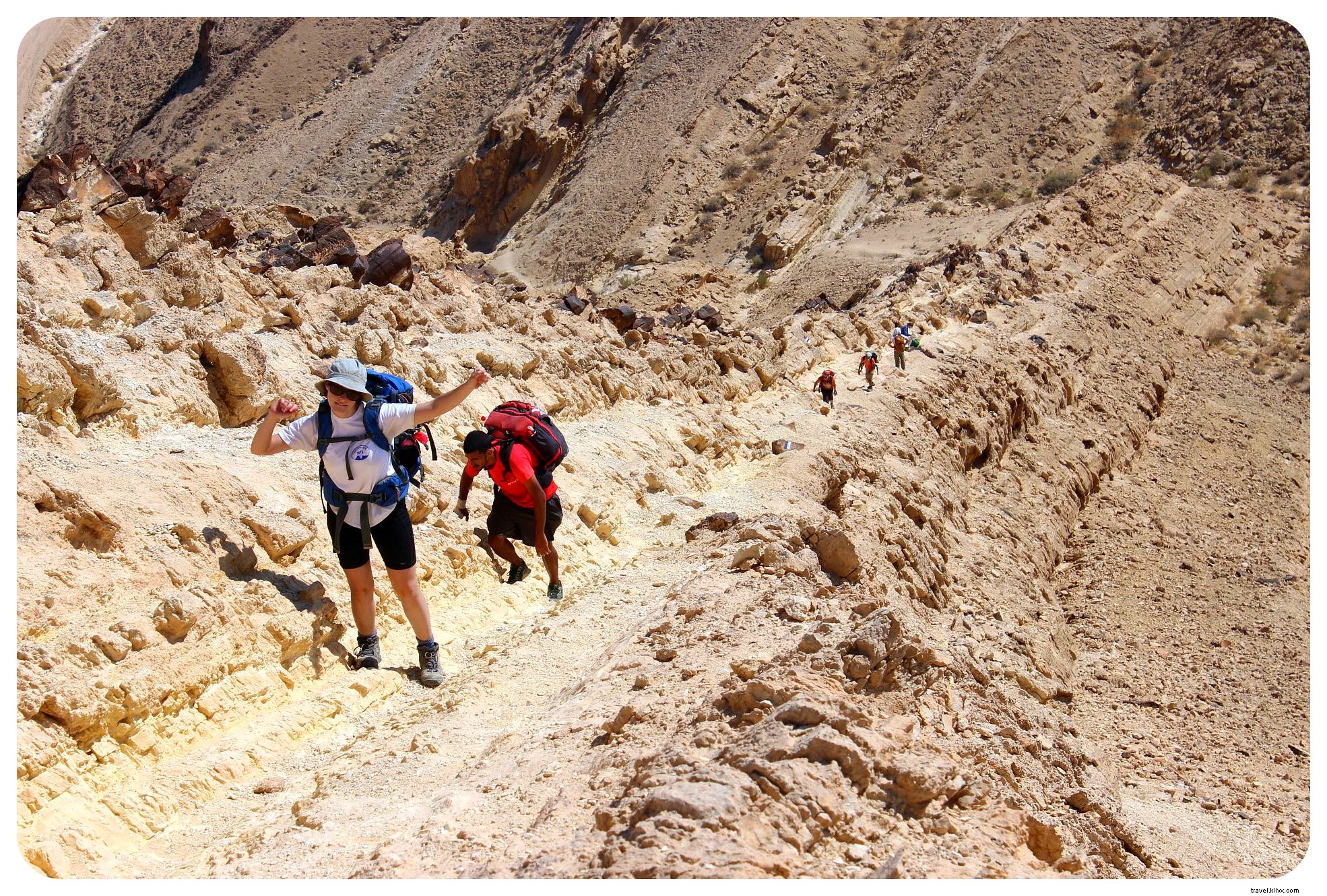
 Trail Angels—generous locals offering shelter, showers, water—provide vital support.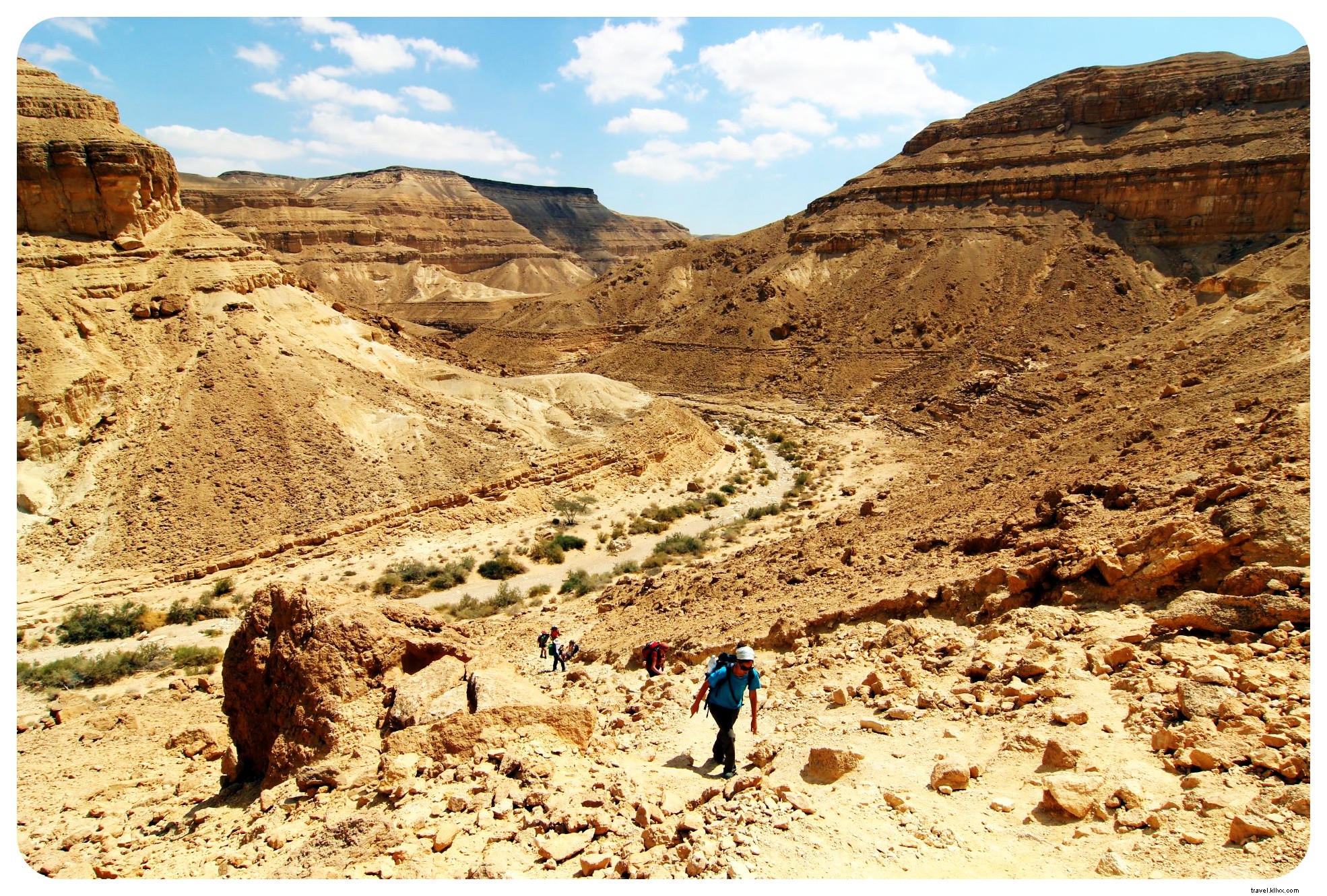
 A minibus took us to Sede Boker for hospitality and showers. Next: Jerusalem's mountains.
 Continue with Part II: Jerusalem Mountains, Lower Galilee, plus independent hiking tips.
For more Negev photos, view my Flickr gallery:
[flickrslideshow acct_name="Globetrottergirls" id="72157648858153896"]