Exploring the Wild Darién Gap: Hiking Panama's Untamed Jungle Wilderness
Darién Gap, Panama
A sharp pain jolted through my arm, waking me abruptly in the dead of night. Numbness soon followed, rendering it completely useless from what felt like poison.
Suspended in my hammock between two trees deep in the Darién jungle, I could no longer move my arm.
Surprise. Disorientation. Shock.
Struggling in the darkness with one functional arm, I freed myself from the hammock and stepped into ankle-deep mud, searching for help amid pouring rain.
What had bitten me?
Gabriel, my Brazilian travel companion, and Isaac, our Kuna Indian guide, had opted for the wooden shelter at Rancho Frío ranger station in Darién National Park. I alone insisted on sleeping outdoors—to listen to the rainforest's nocturnal symphony. Now, I was paying the price.
Another Round of Chicha, Please!
We had hiked into Darién National Park that night after sampling chicha fuerte, a potent indigenous fermented corn liquor. Sweet like warm Kool-Aid mixed with high-proof grain alcohol and flecks of corn, it packs a serious punch.
Though illegal, it's commonly brewed here, including by the Emberá family we visited en route.
Three indigenous groups inhabit the region: the Kuna, Emberá, and Wounaan (sometimes collectively called Chocó, though they prefer distinct recognition).
Our Emberá hosts initially denied having any but soon produced a hidden jug and a shared cup after some friendly conversation.
Hunting for Dinner
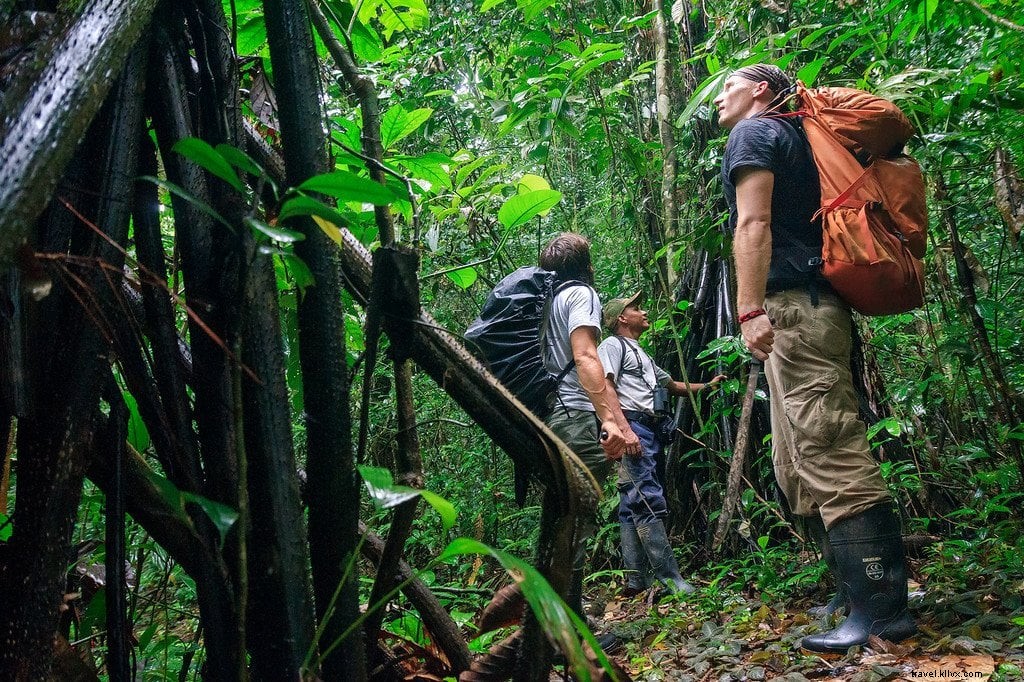
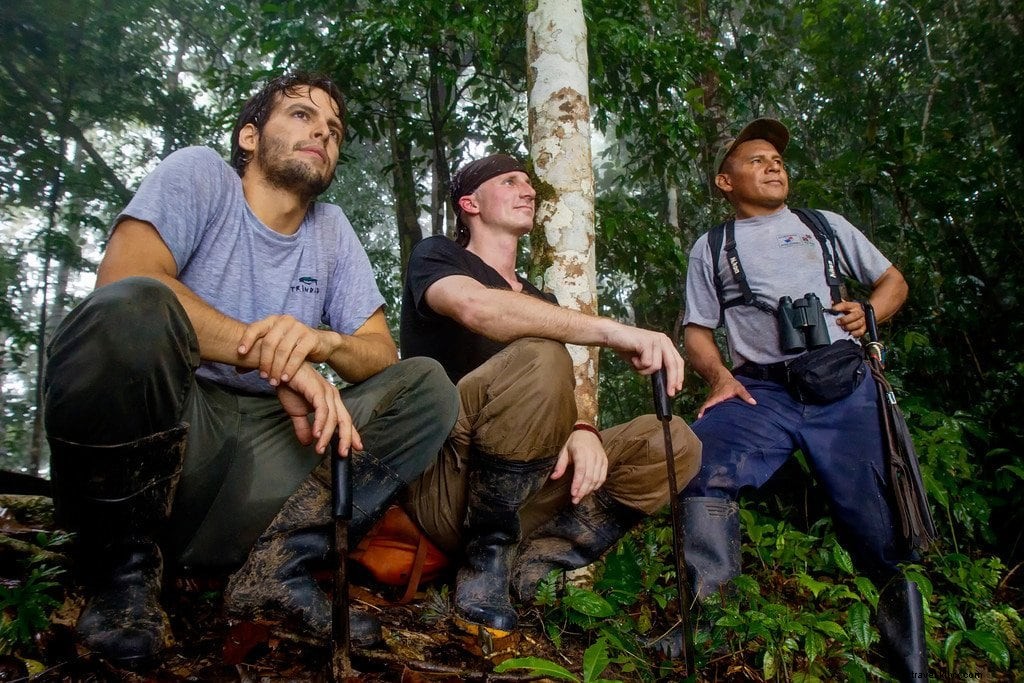
As daylight faded in the Darién Gap, we donned headlamps, sharpened machetes, and ventured deeper. Provisions included gallons of fresh water, rice, oatmeal, and canned fish, supplemented by wild bananas and green oranges.
Numerous river crossings demanded care; we paused to fish using machetes in the pitch dark.
How to Fish with a Machete
Step 1: Stand in cold river water.
Step 2: Shine headlamp at your feet.
Step 3: Wait for prey to swim by.
Step 4: Strike swiftly with machete.
Step 5: Verify all toes intact.
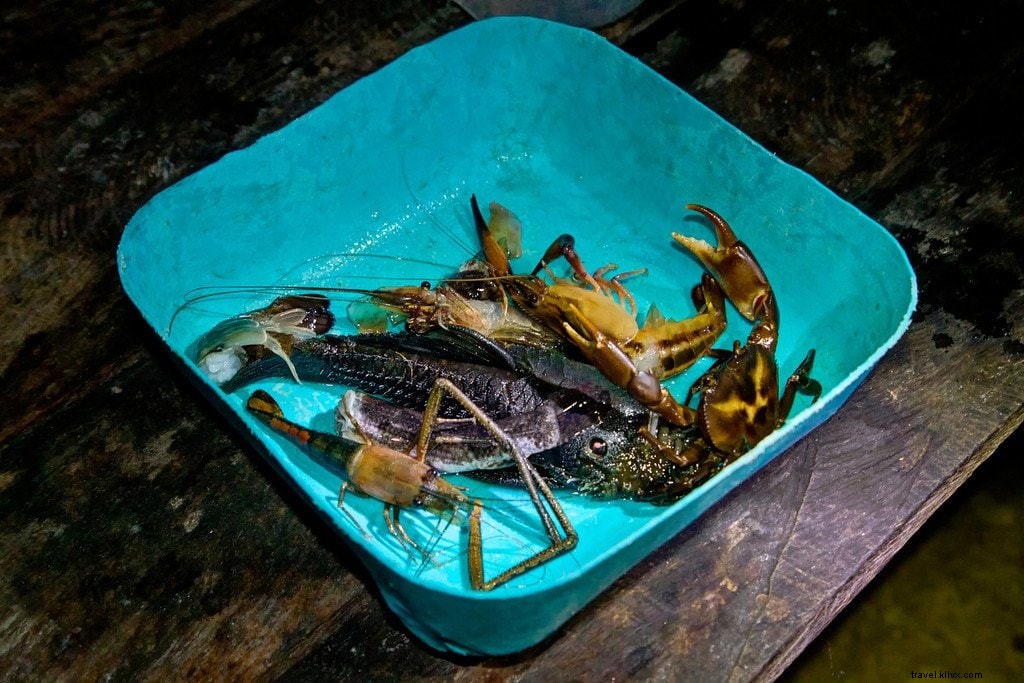
This yielded two fish, three river shrimp, and one freshwater crab. At camp after a three-hour night hike, we boiled them with rice and plantains, paired with lemongrass tea—fuel for the next day's Pirre Mountain ascent.
A Dark and Wet Journey
The morning after the bite (reports of my scream notwithstanding), we prepared to summit Cerro Pirre, gateway to the Colombian border range.
October's wet season brought relentless rain and 100% humidity. The steep, muddy, overgrown trail challenged us, eased by bird calls and monkey sightings amid perpetual twilight under overcast skies and dense canopy.
Everything Is Hazardous
Darién National Park, a UNESCO World Heritage site and premier birding hotspot, sees few visitors due to its reputation as a haven for paramilitaries and smugglers.
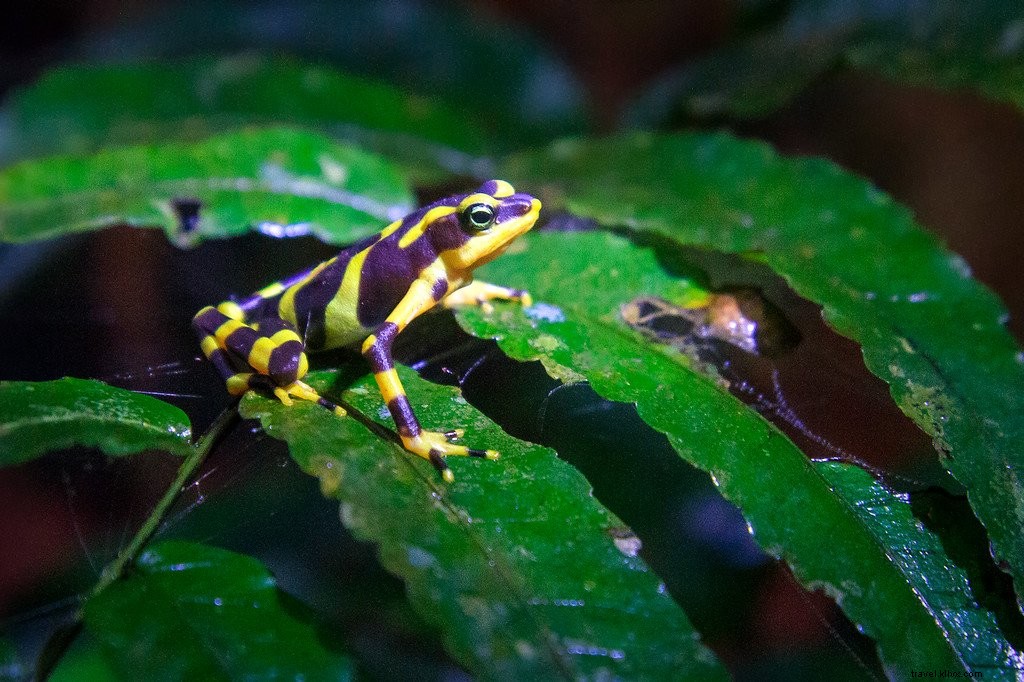
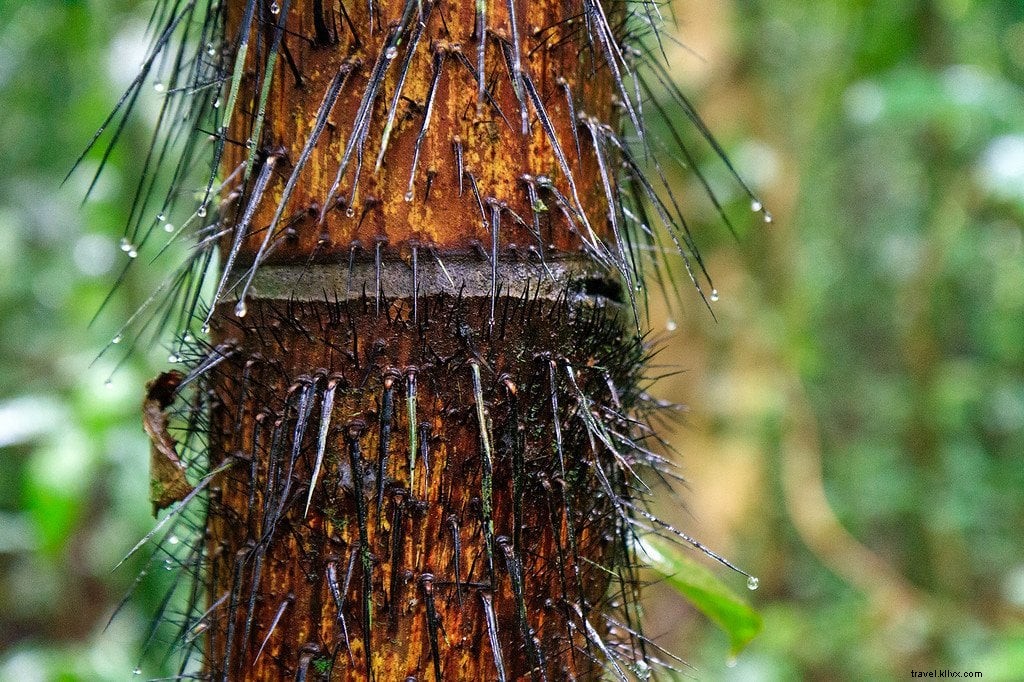
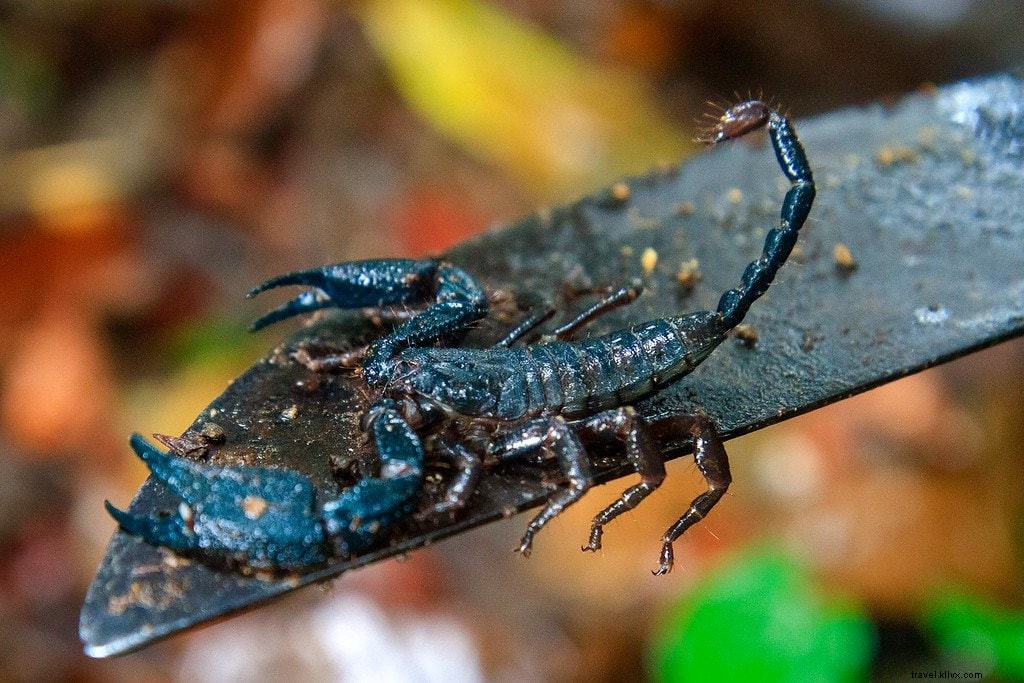
We encountered scorpions in decaying trees, a coral snake on the trail, orb-weaver webs during the descent, and poison dart frogs—always wash hands after handling. Fresh jaguar tracks appeared, but these elusive cats avoided us.
An Experience of a Lifetime
On day three, we reached a stunning waterfall doubling as a 30-foot natural slide—a refreshing break from the heat.
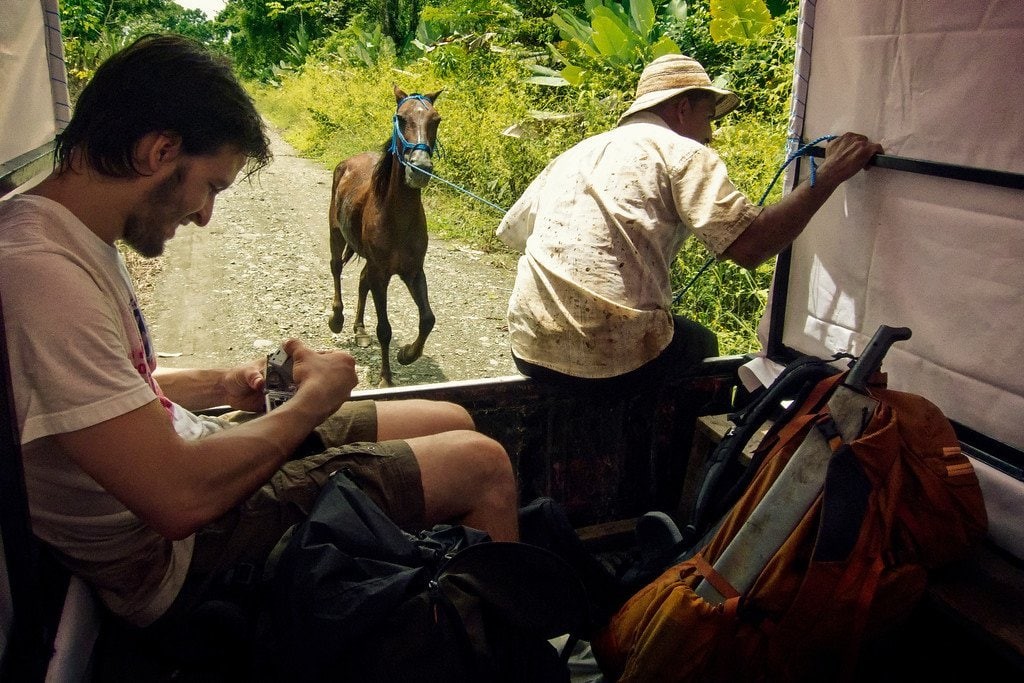
After treating water for the five-hour return, we hiked back to El Real, hitchhiking partway in a rare pickup, then checked in with the military, confirming our safe return.
What About My Arm?
The midnight assailant remains unidentified—a faint mark, symptoms gone in 30 minutes. Isaac suspected an insect or small scorpion. No alien horrors detected... yet. ★