Explore Hiking Trails in Darss Forest, Pomeranian Boddenlandschaft National Park
The Pomeranian Boddenlandschaft National Park is the largest nature reserve on the Baltic coast. A landscape of cliffs, dunes, and lagoons stretching from the Darss-Zingst peninsula up towards the west coast of Rügen, the national park offers a perfect destination for nature lovers and outdoor enthusiasts interested in exploring some of the best beaches and wetlands that Germany has to offer.
To get to the starting point of the hike, you’re required to reach the town of Prerow, Born, Wieck or Ahreenshoop.
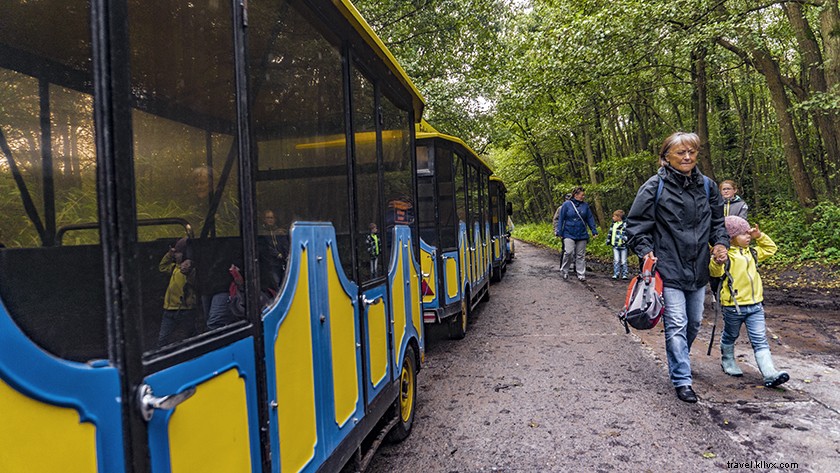
We, however, started from Prerow. After quickly making our way to the town of Prerow, during the early morning hours on a wet Friday morning, we took a toy train (otherwise known as the beach train) that takes your further to the starting point of the hike. Alternatively, you can walk the 2 km distance on foot, from the nearest parking space in Prerow.
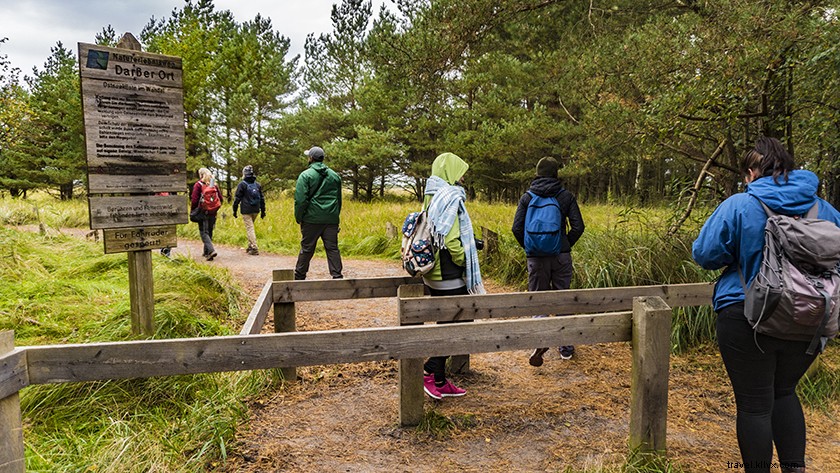
As our guide Ms Bärwald finished with her quick briefing about the national park, near the welcome signboard in the Darss Forest, we made our way to the first hiking trail. There are a total of 36 well-marked trails in Pomeranian Boddenlandschaft National Park that take you to different points of interest and help explore this unspoiled bit of nature whilst breathing in both sea and forest air, and observing numerous species in their natural habitat at the same time. The entire labyrinth of 36 trails moreover covers a distance of nearly 50km running through the 4,700-hectare of forest area.
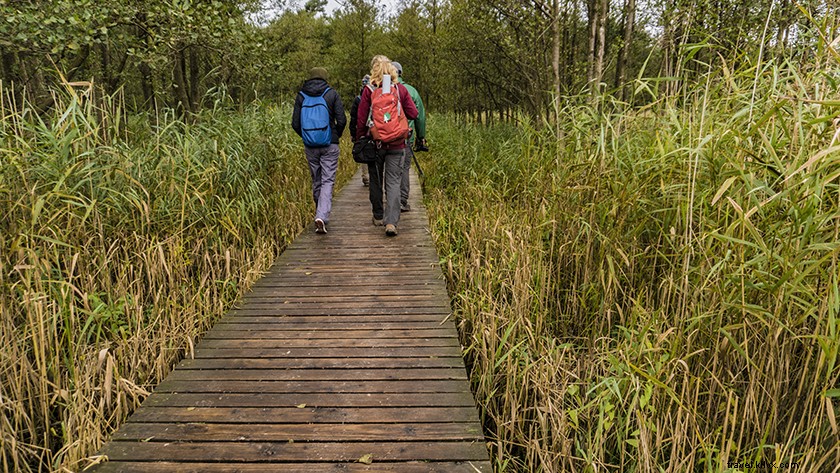
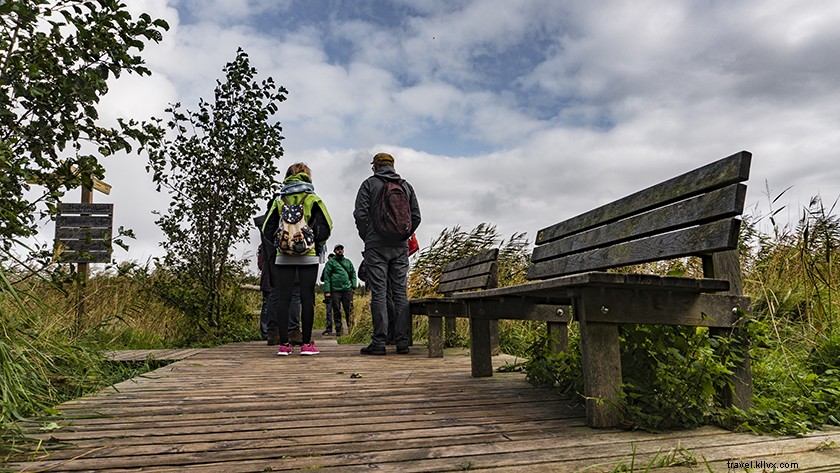
A couple of recommended vantage points, if you’re short on time, however, are Pramort and Hohe Düne that are perfect to spot some rare wildlife such as red deer and the wild boar. It’s interesting to note that the Western-Pomeranian Boddenlandschaft National Park has its own international importance. Every autumn, around 30,000 cranes migrate here, creating an unforgettable spectacle for holidaymakers.
There is also a wealth of flora and fauna to be explored in the region. But with the ever-changing geographical conditions and germination and withdrawing of various species, the dominating species that make most of the Pomeranian National Park today include beech, oak and birch trees.
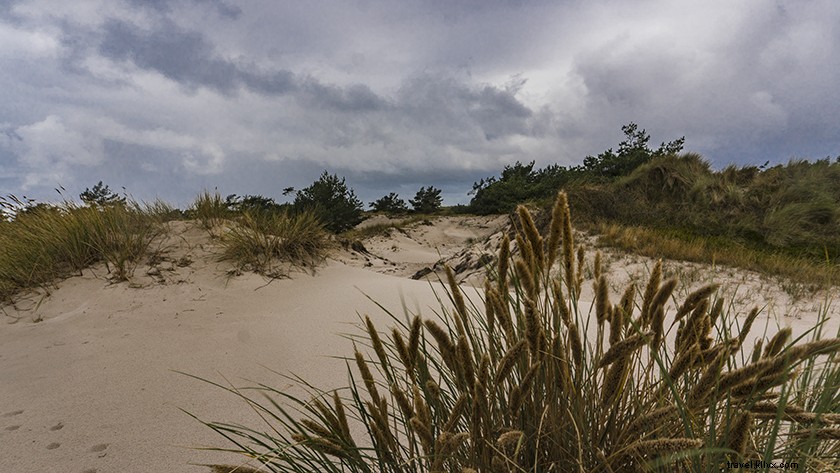
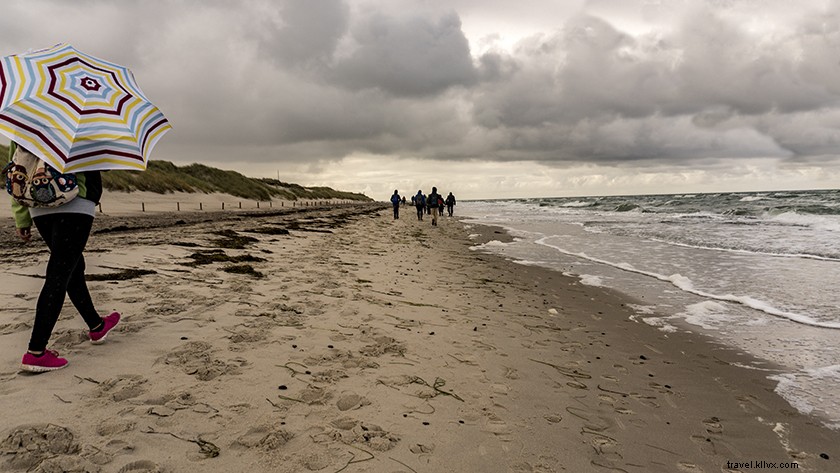
We covered a couple of walking trails and a few vantage points before making it to the highlight, and a popular access route of Darsser Ort, not far from the lighthouse. It is interesting to visit the 150-year-old lighthouse that, from a height of 35m, gives panoramic views of the national park on one side and the majestic Baltic Sea, on the other.
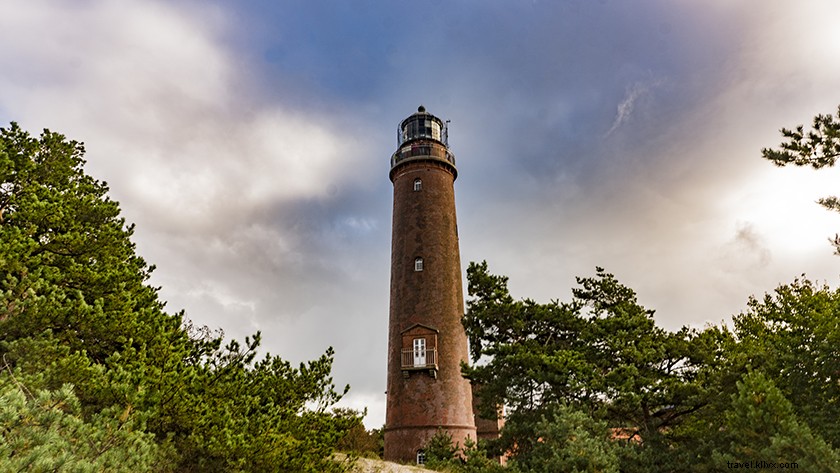
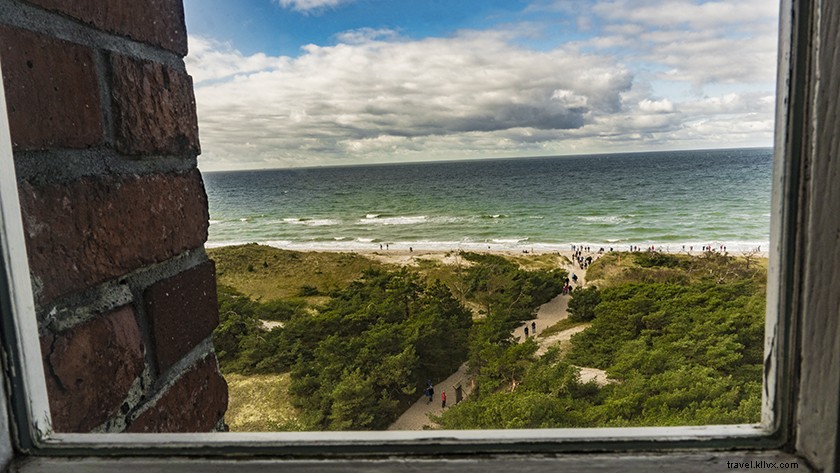
The vicinity also has been a natural history museum since 1991 that houses exhibitions on the Darsser Ort natural region. An in-house aquarium moreover familiarizes you well with the wetland ecosystem that Darss Forest is known for.
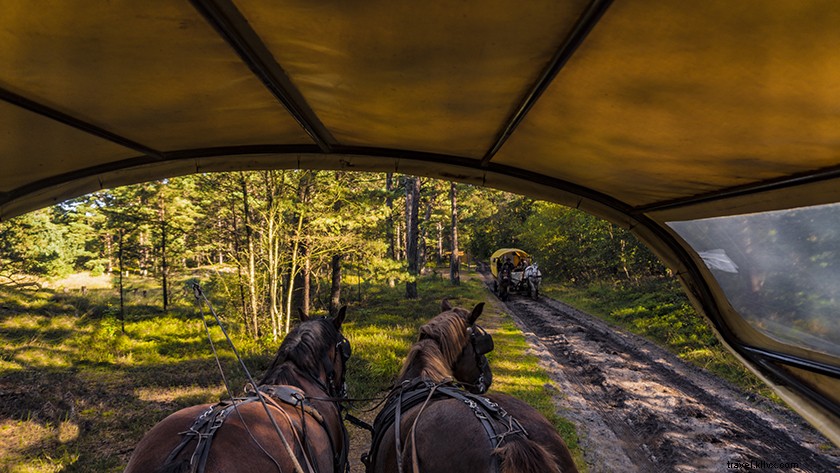
From Darsser Ort, since it has a parking space, a comparatively broader offroading-trail gives an option of experiencing a Horse-drawn carriage back to the town of Prerow — exactly what we ended up doing, giving our perfect half-day hike and absolutely perfect end.
Disclaimer: I wrote this post during my blog trip with Germany Tourism. Though my trip was hosted, all suggestions and endorsements are solely personal. I only recommend what I personally like, and experience.