East Africa's Indian Ocean Islands: Which One Suits Your Travel Style?
While glossy brochures tout luxury resorts on palm-fringed beaches, East Africa's Indian Ocean islands boast remarkable diversity, shaped over centuries by islanders, spice merchants, and explorers.
Whether seeking colossal coconuts or giant tortoises, lush rainforests, highland retreats, glowing coral reefs, fusion cuisines, or unique wildlife, there's an island for every traveler's preferences and budget.
Best for Barefoot Luxury and World-Class Diving
Quirimbas, Bazaruto, and Seychelles
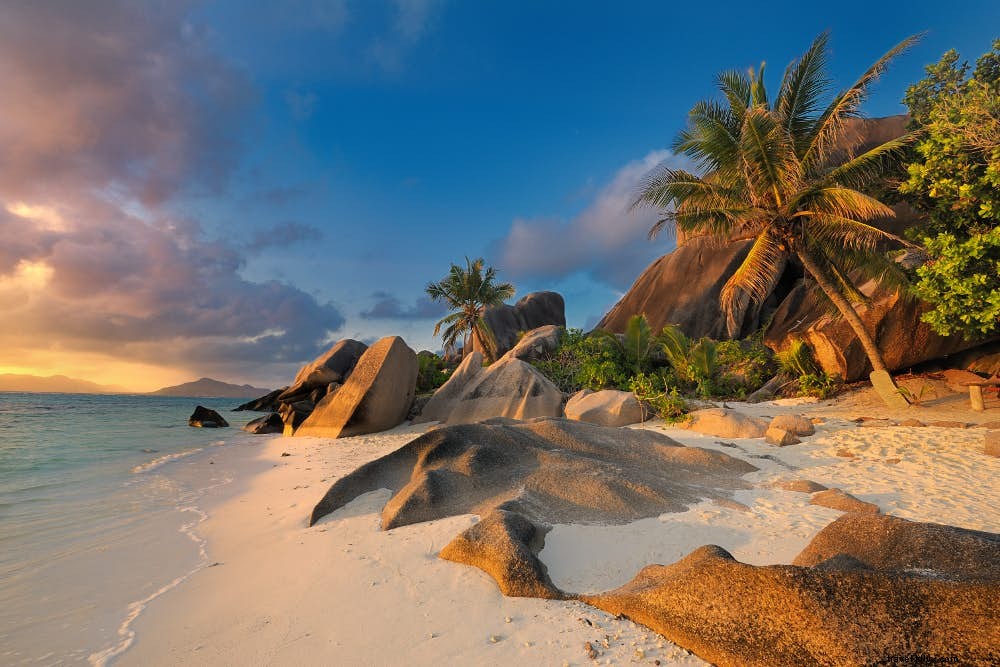
Divers and luxury beach lovers flock to Mozambique's Quirimbas and Bazaruto archipelagos for pristine, powdery-white sands and exceptional marine life. Spot majestic manta rays gliding over vibrant coral reefs, whale sharks in underwater canyons, and Africa's largest dugong population in seagrass meadows. All five East African turtle species nest on these unspoiled beaches, while 2,000 fish species thrive amid colorful coral gardens. Though access via the 32 islands can be pricey—eased by new Tanzania flights—it preserves the pristine ecosystem and upscale lodges like Vamizi (vamizi.com), Guludo (guludo.com), Azura Benguerra (azura-retreats.com), and Bazaruto retreats. The Seychelles rivals them with crystal waters, exclusive private islands like Desroches, Fregate, and North, plus Mahe's Whale Shark monitoring (mcss.sc).
When to go: Bazaruto and Quirimbas (May-June), Seychelles (April-September)
Cost per day: Bazaruto and Quirimbas US$250+; Seychelles US$175-250
Best for Cultural Immersion
Zanzibar, Mauritius, and Lamu
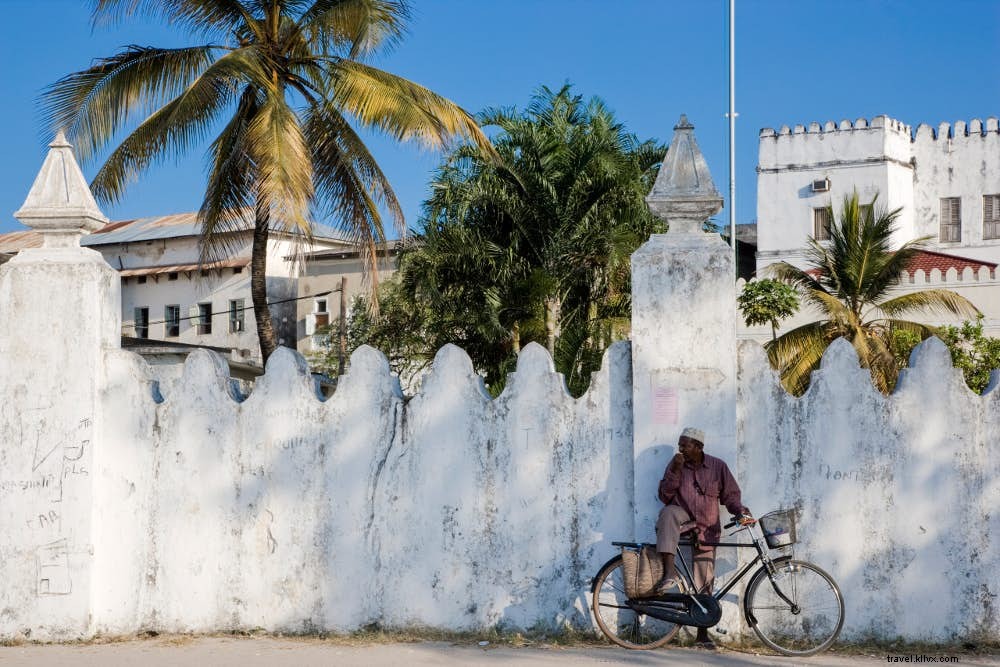
For millennia, these islands served as vital trade hubs linking Arabia, Europe, and India. Portuguese explorers, Omani traders, Gujarati merchants, and Dutch, French, and British colonials introduced spices, sugarcane, gold, ivory, and slave trades, creating layered cultures. Explore Lamu's 15th-century Swahili ruins, Zanzibar's Shirazi legacy, and Mauritius's plantation homes with Creole flavors. Lamu and Zanzibar's Stone Town evoke Arabian medinas with balconied townhouses, narrow lanes, and souks of wood, silver, leather, and ukili crafts. Lamu's Maulid Festival (January) features poetry and Zefe processions; Zanzibar evenings bring mandazi snacks in Forodhani Gardens. Note Lamu's occasional travel advisories due to Somalia proximity. Mauritius delights with table d’hôte meals of cinnamon honey lamb and soulful Séga music.
When to go: Lamu (December-March), Zanzibar (June-September), Mauritius (October-April)
Cost per day: Lamu and Zanzibar US$80-150; Mauritius US$100-200
Best for Natural Wonders
Madagascar and Réunion
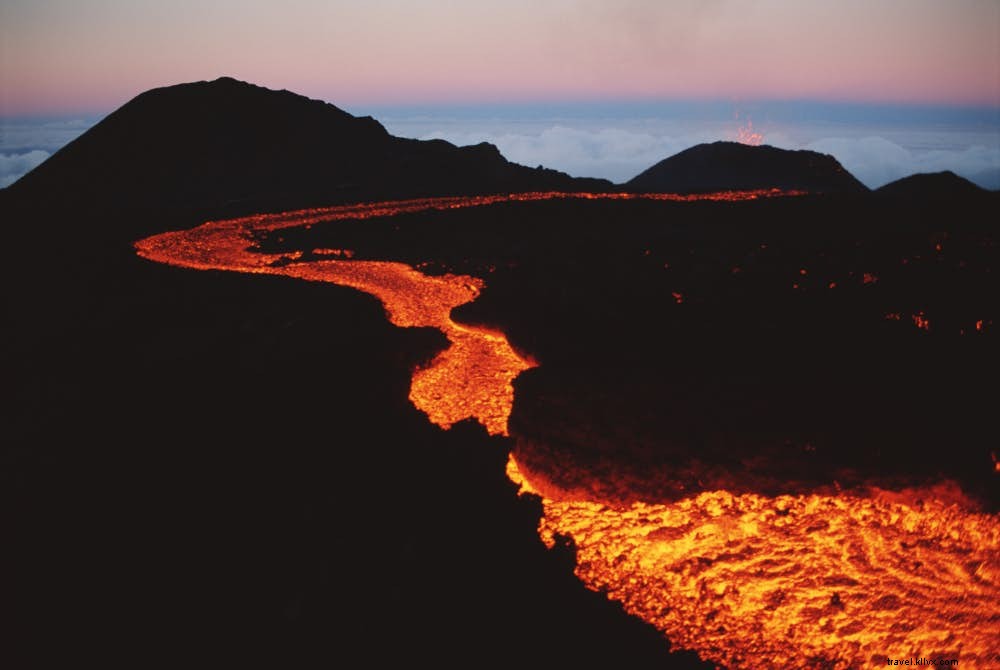
Madagascar's ancient forests, jagged peaks, extinct volcanoes, and desert landscapes stun even seasoned park visitors. Isolated 160 million years ago, 70% of its animals and 90% of plants are endemic. Eastern mountains fuel six rainforests; its 450km reef ranks fifth globally, making it a biodiversity hotspot and top ecotourism spot. Nearby Réunion offers similar drama with superior wine, infrastructure, Piton de la Fournaise hikes, Cilaos cirque canyons, Saint-Paul guesthouses, and Saline les Bains beaches.
When to go: Madagascar (September-October), Réunion (May-July)
Cost per day: Madagascar US$70-160; Réunion US$100-200
Best for Offbeat Adventures
Madagascar, Comoros, and Pemba
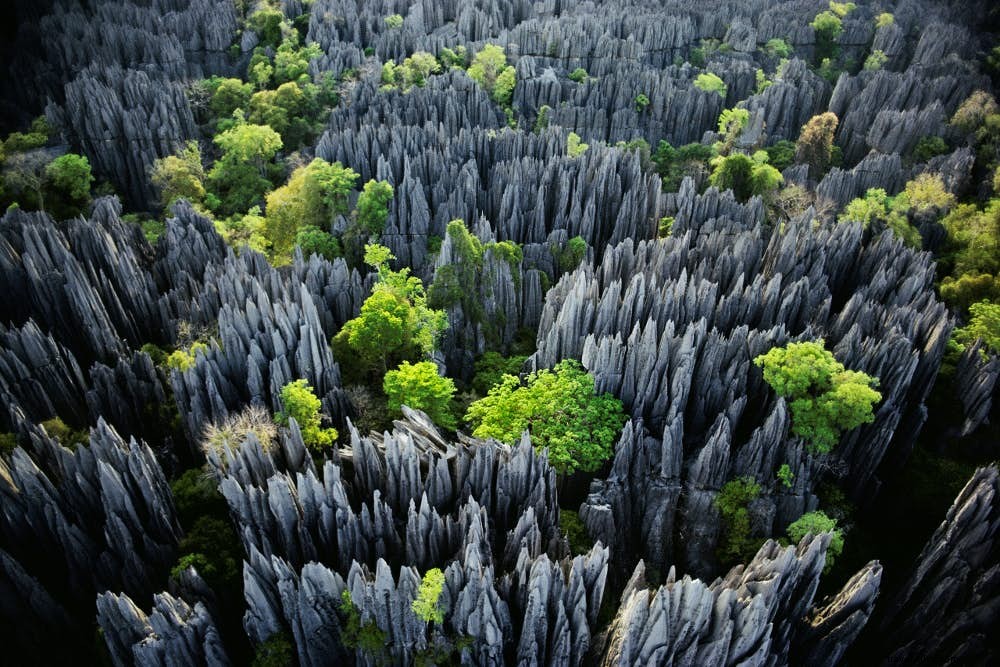
Madagascar's Jurassic-like wilds feature rutted RN5 roads, pole rafts, and solo Yosemite-style hikes in Parc National d’Andringitra or nerve-testing via ferrata in Tsingy de Bemaraha. Unique rituals like famadihana bone-turning add intrigue. Pemba shelters flying foxes at Kidike burial sites and rare red colobus monkeys. Least-visited Comoros blend African-Malay-Arab heritage, with Grande Comore's 2005-erupted volcano contrasting white beaches and turquoise seas. Mohéli guarantees turtle sightings while snorkeling.
When to go: Madagascar (September-October), Comoros (May-October), Pemba (July-October)
Cost per day: Madagascar US$100-200; Comoros US$50-80; Pemba US$60-120
Best for Budget Travel
Zanzibar and Réunion
For affordable diving and beaches, Zanzibar and Pemba shine with Mnemba, Misali atolls, and Pemba Channel sites. Zanzibar offers budget stays in Kendwa, Nungwi, Paje, Jambiani; cheap transport and street food. Réunion allows free national park camping (pack daily), reliable buses, safe tap water, grocery shopping, and free sights like volcanoes, beaches, cirques; canyoning US$30-50.
When to go: Zanzibar (June-September), Réunion (May-June & September-October)
Cost per day: Zanzibar US$50-80; Réunion US$60-80