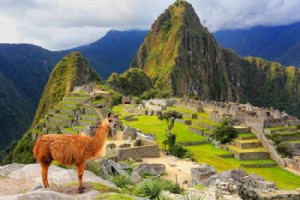
7 Extraordinary Islands Ruled by Wildlife: Unmissable Animal Kingdoms
Wildlife observation often demands patience, from scanning vast savannas for elusive lions to waiting in hides for rare birds. For time-strapped travelers, however, select islands offer guaranteed spectacles where animals dominate the landscape. Isolation, absent predators, and robust conservation have allowed species to flourish here. These destinations range from paradises to primal scenes, providing profound insights into nature's unchallenged realms.
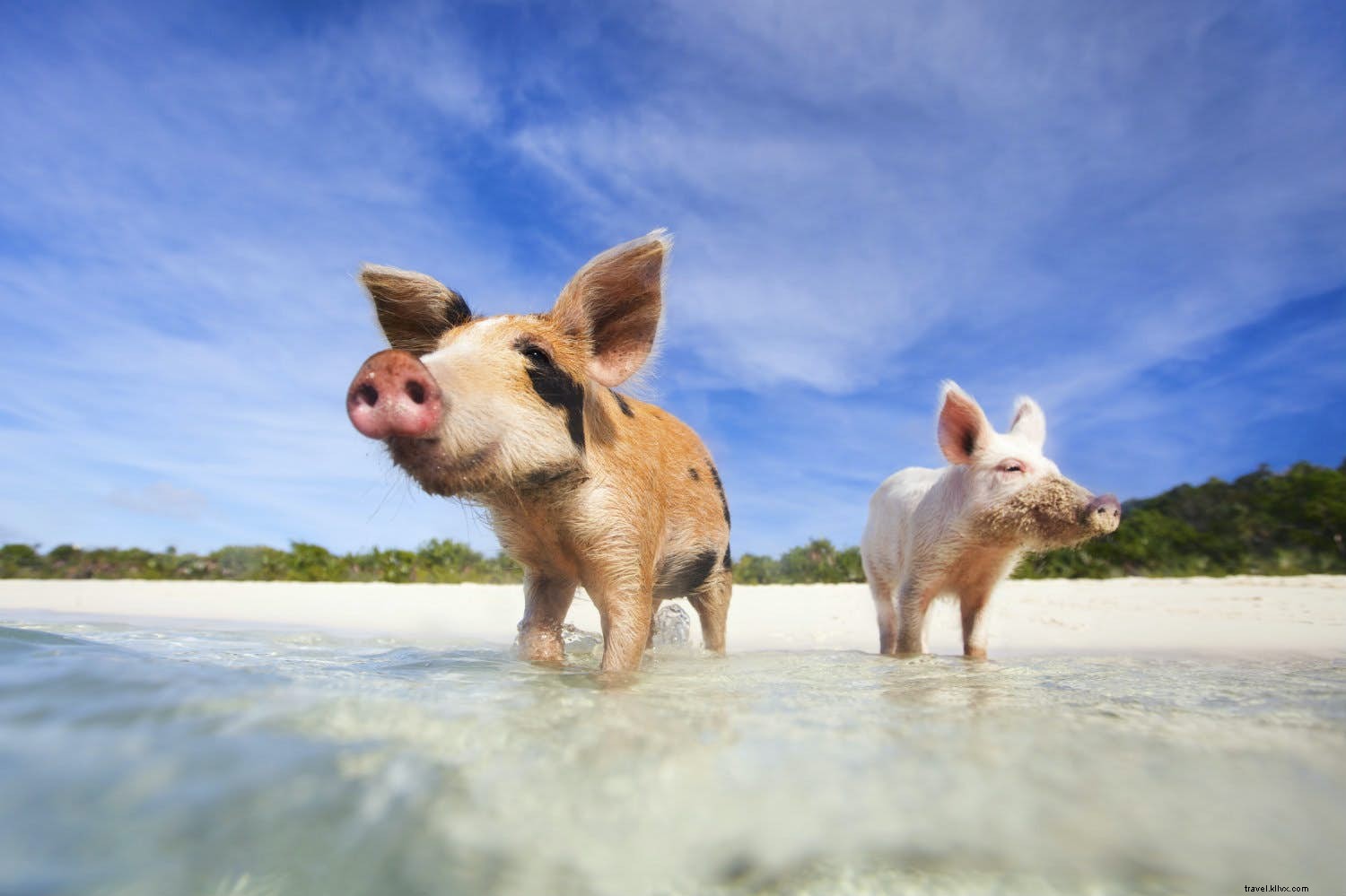
Swimming Pigs of Big Major Cay, Bahamas
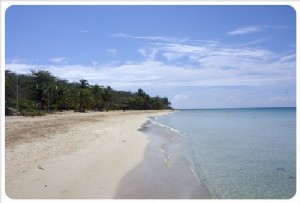
Imagine pigs lounging on pristine beaches and swimming in turquoise waters—this is the allure of uninhabited Big Major Cay in the Bahamas. These feral pink and brown swine, origins mysterious, have become a viral sensation for their playful dips, drawing visitors worldwide.
Make it happen
Nestled in the Exumas archipelago, access Big Major Cay—aka 'Pig Beach'—via boat tours from Great Exuma resorts or operators. Pigs eagerly swim to boats for snacks; some trips allow shore landings, but approach with caution as these bold hogs can overwhelm.
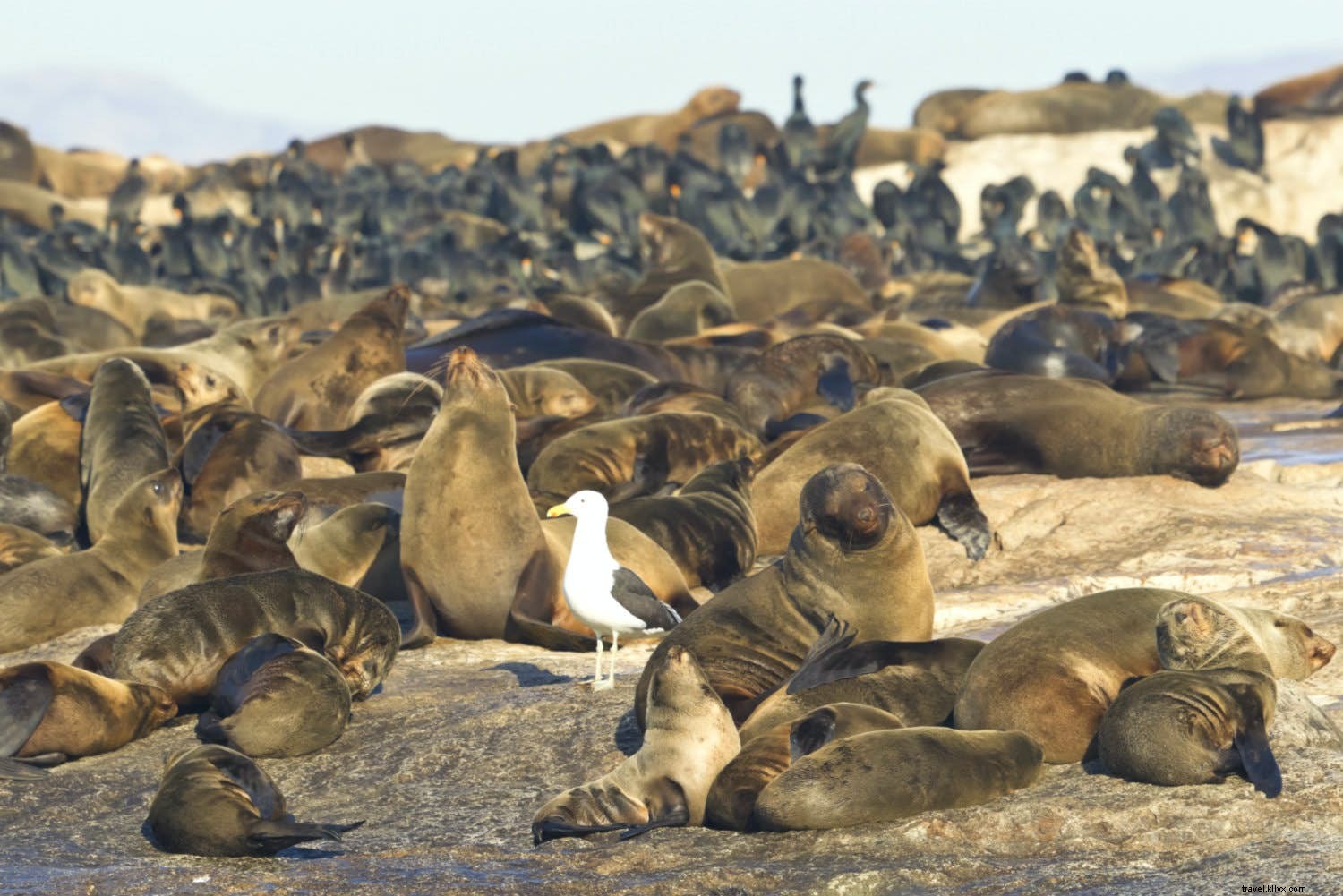
Cape Fur Seals of Seal Island, South Africa
Home to 75,000 boisterous Cape fur seals on a False Bay outcrop, Seal Island's drama peaks from May to September when great white sharks patrol the waters. Witness thrilling hunts as sharks breach for prey, or visit November-December for safer pup-watching amid 20,000 newborns.
Make it happen
Depart from Simon’s Town (under an hour from Cape Town) with operators like Simon’s Town Boat Company (boatcompany.co.za/i_sealisland.html). Landings prohibited—downwind odors confirm staying aboard is wise.
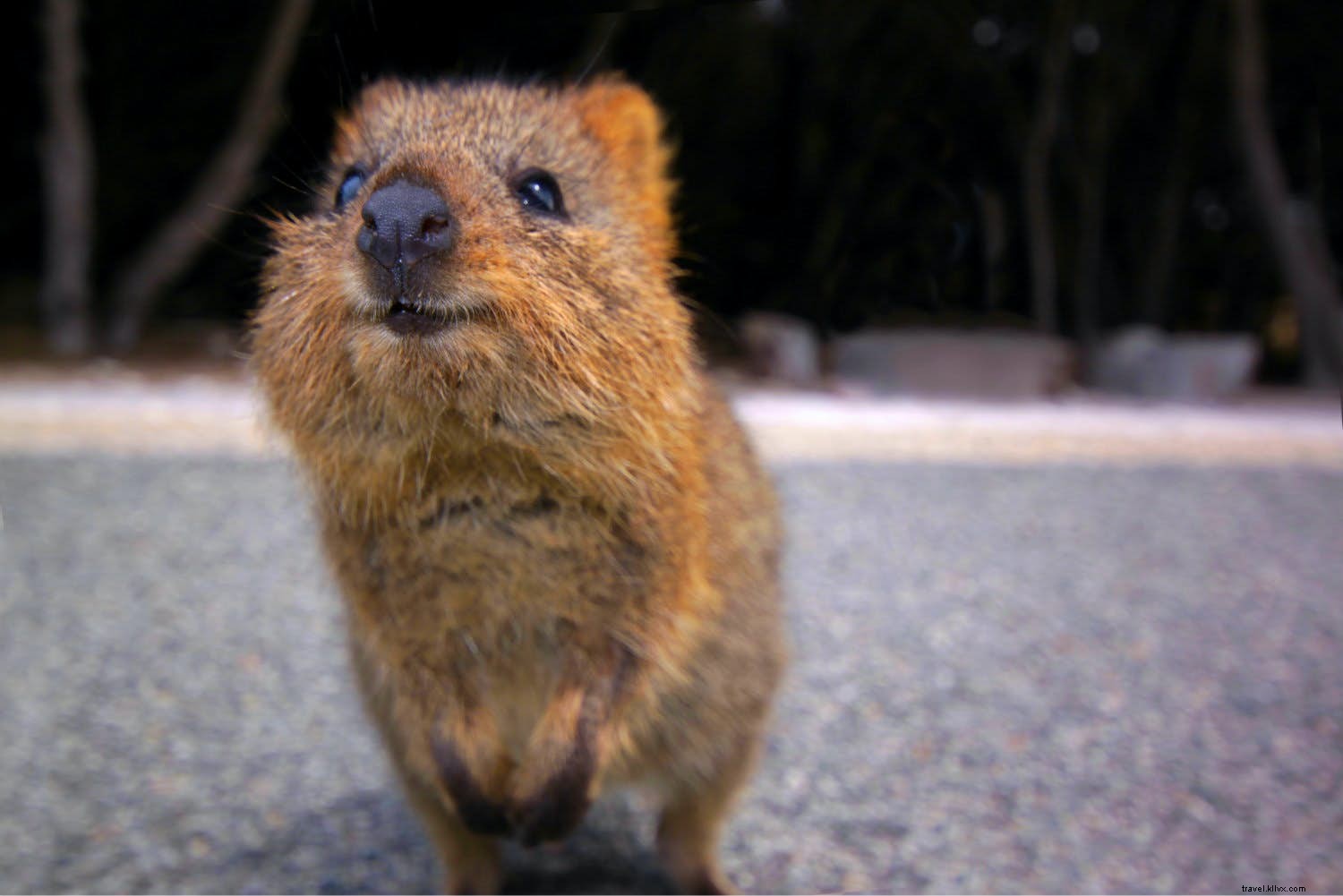
Quokkas of Rottnest Island, Australia
Quokkas, Australia's happiest marsupials, thrive on car-free Rottnest Island with a population of 12,000. Often mistaken for oversized rats by early explorers, these endearing, smiling creatures are Western Australia exclusives.
Make it happen
Ferries run frequently from Perth and Fremantle. Rent bikes near the terminal to pedal through this traffic-free haven and meet quokkas up close.
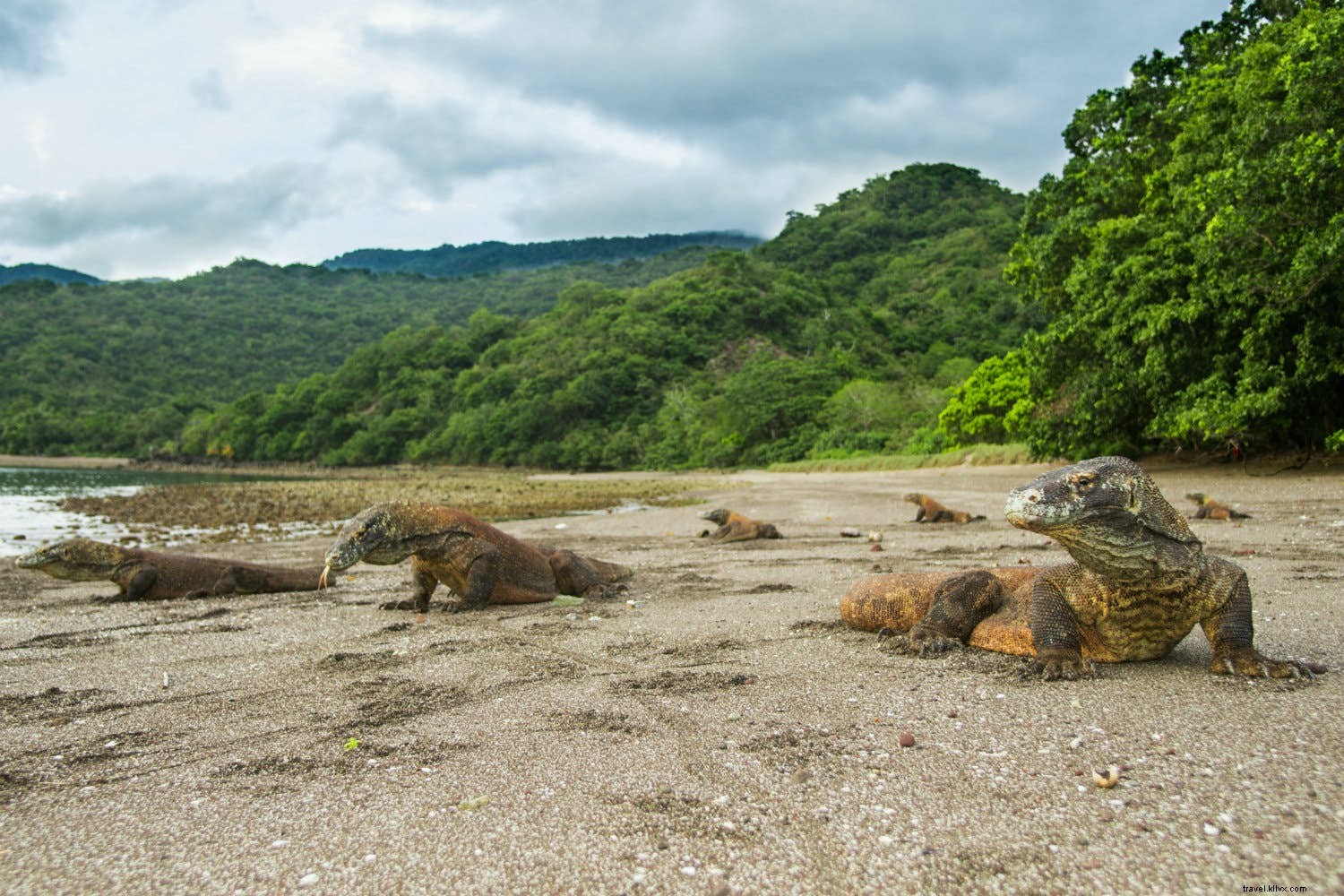
Komodo Dragons of Komodo Island, Indonesia
Komodo dragons live up to their mythical name: Earth's largest lizards, stretching 3 meters with powerful builds, scales, and forked tongues. Their toxic saliva makes bites deadly, but guided tours minimize rare risks.
Make it happen
Fly daily from Bali to Labuan Bajo (Flores), then join island day trips. Lombok-Flores boats also stopover. Limited lodging requires advance booking; mandatory rangers ensure safety.
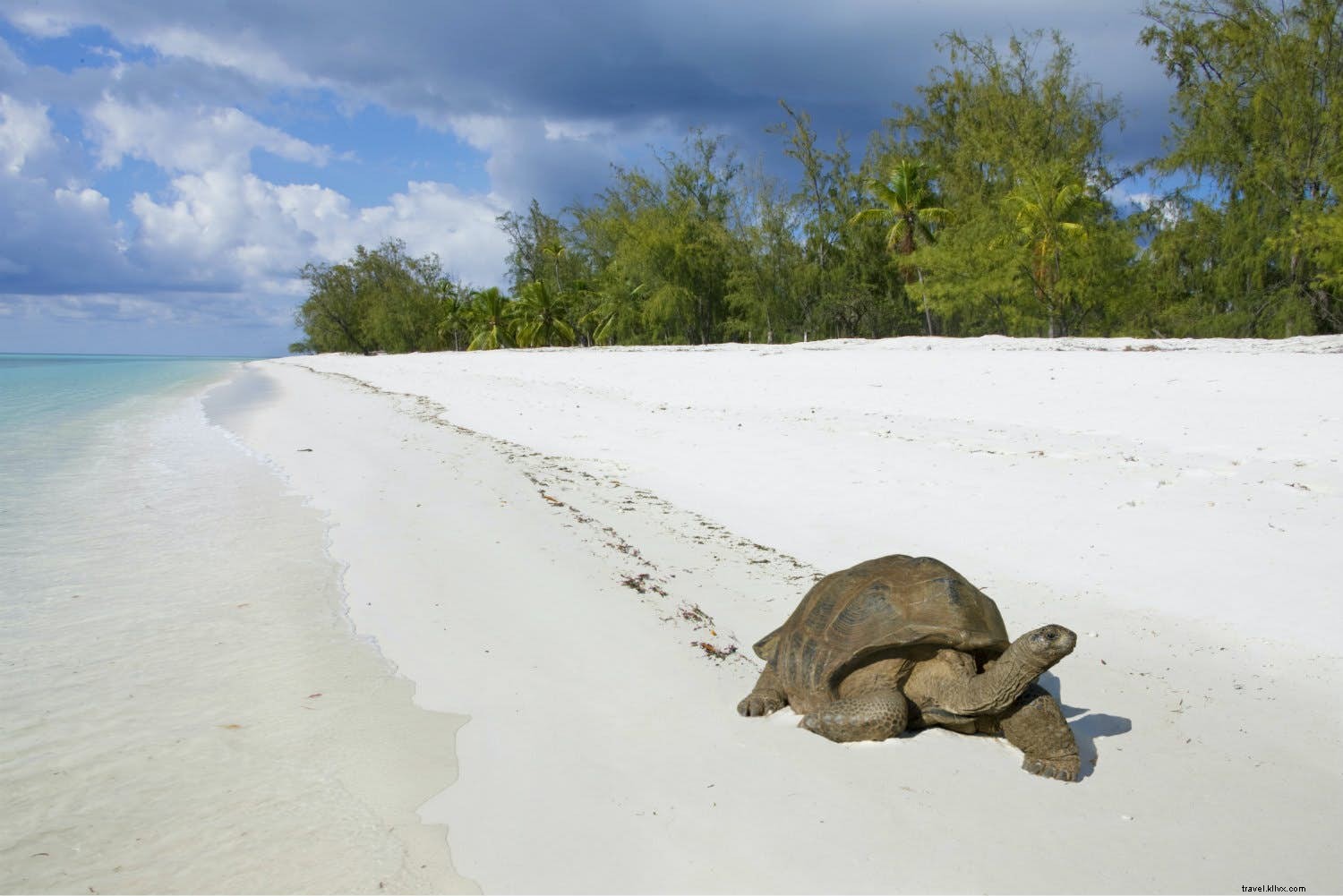
Giant Tortoises of Aldabra Atoll, Seychelles
Aldabra hosts over 150,000 giant tortoises—the world's largest population—in a human-free UNESCO World Heritage site. This remote atoll's four coral islands encircle a lagoon teeming with biodiversity, accessible only to few.
Make it happen
Secure permits from Seychelles Islands Foundation (sif.sc), plus fees supporting conservation. No lodgings; join small cruises like Noble Caledonia (noble-caledonia.co.uk) for onboard stays.
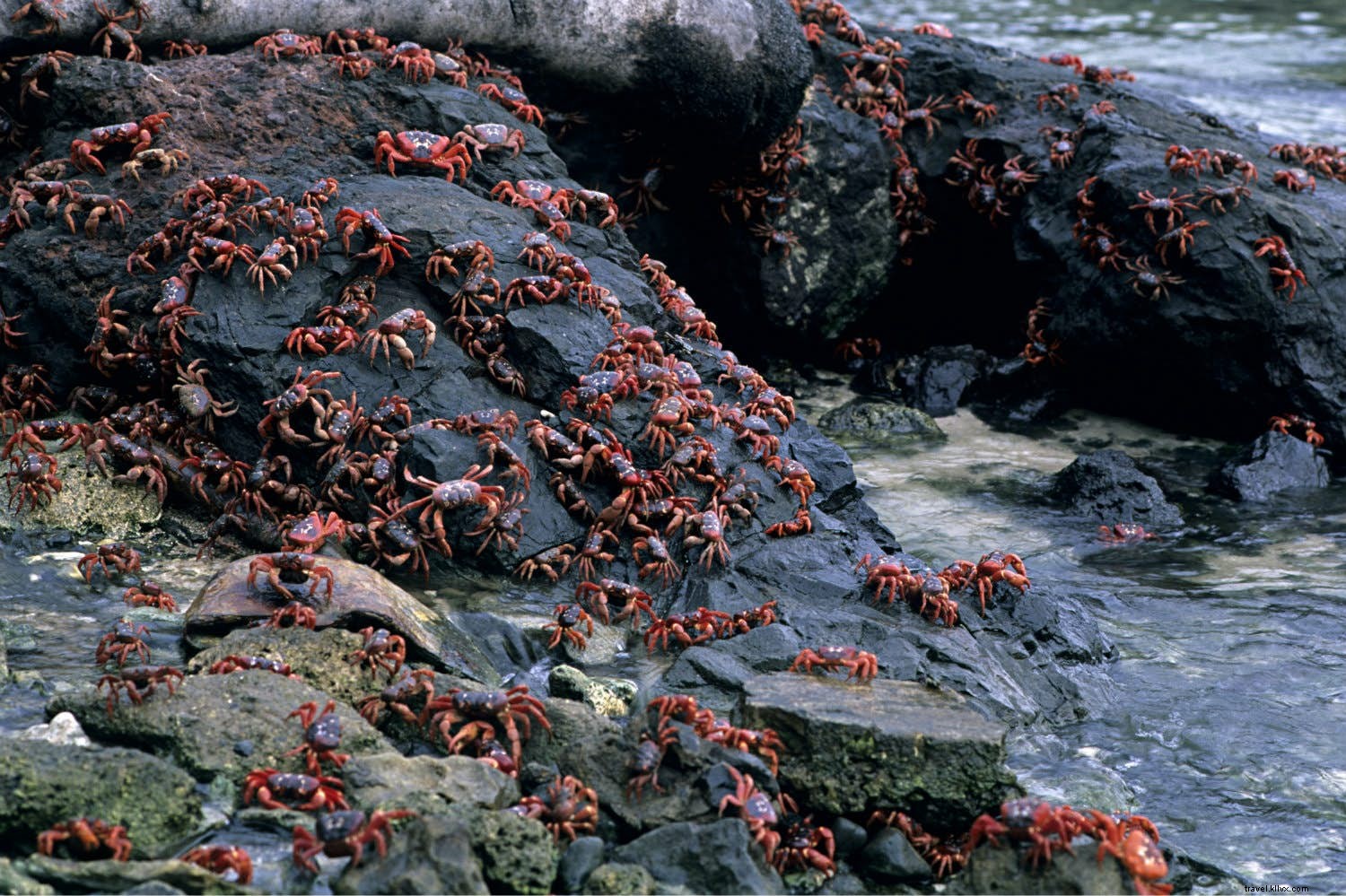
Red Crabs of Christmas Island, Australia
Christmas Island's red crab migration stuns: 40-50 million crustaceans carpet the 19km isle, trekking from forests to sea in a synchronized spectacle tied to moon phases and tides.
Make it happen
Flights from Perth serve this remote outpost (1,650 miles northwest). Limited accommodations; check Christmas Island Tourism Association for migration dates.
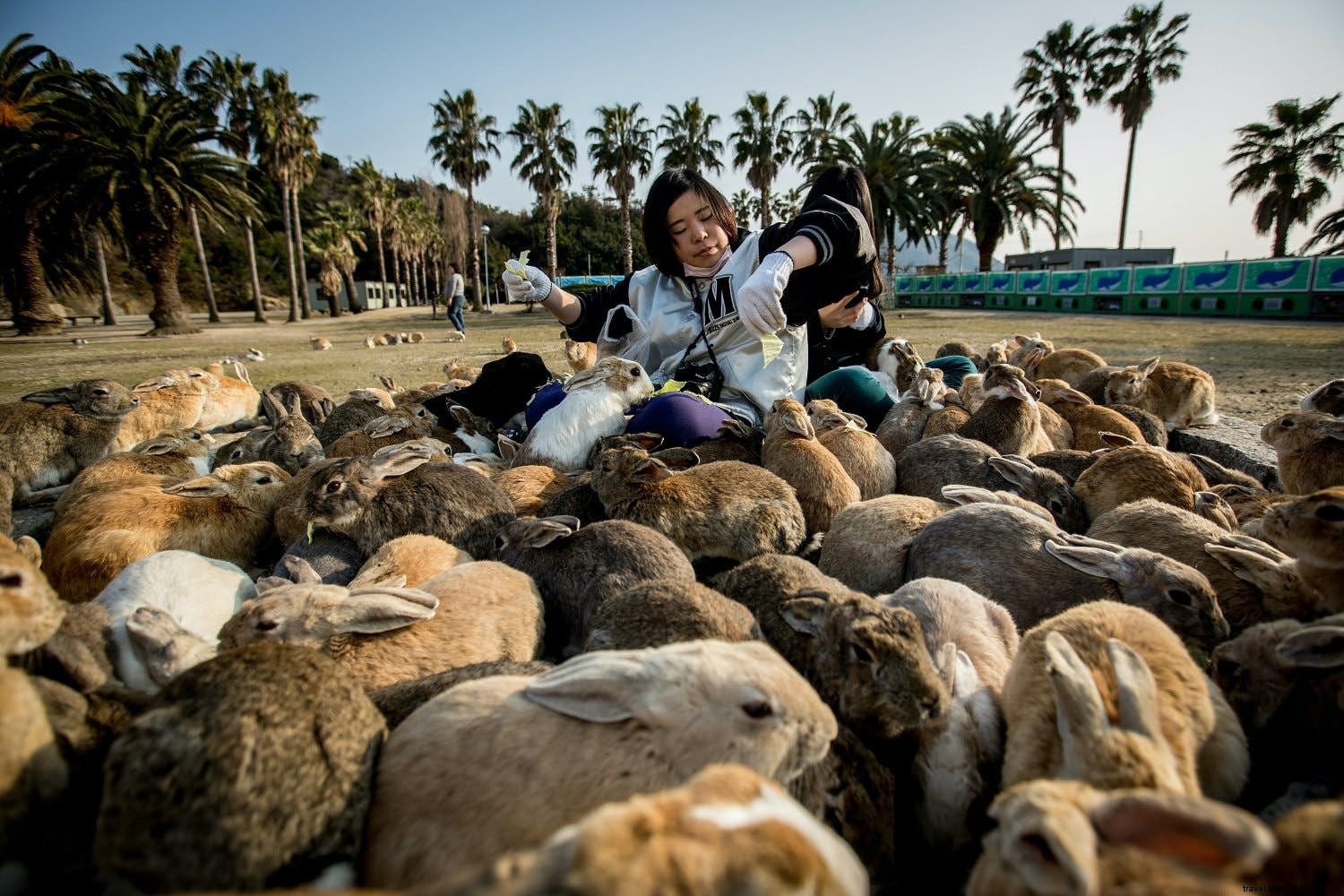
Rabbits of Ōkunoshima, Japan
Ōkunoshima's hundreds of tame wild rabbits epitomize Japan's kawaii culture, flocking fearlessly to visitors. Descended from escaped pets (amid WWII chemical site rumors), they proliferate sans predators.
Make it happen
Day trip from Hiroshima: train to Tadanoumi, then ferry. Dress casually to sidestep rabbit 'showers' during interactions.