What to Expect on an African Overland Tour: The Ultimate Guide
Traveling across Africa in a rugged overland truck isn't luxurious, but it offers an unparalleled way to explore remote regions that are challenging and costly to access independently. Suitable for adventurers of all ages—including families—these tours go beyond the gap-year backpacker stereotype. Wondering if an overland adventure is right for you? Here's our expert guide to everything you need to know.

Modern Overland Tours: Comfort Meets Adventure
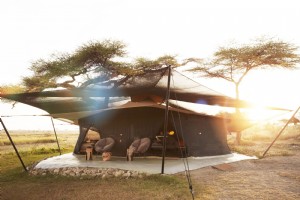
Today's overland tours have evolved far beyond the rough ex-army trucks with wooden benches of the past. Purpose-built vehicles accommodate up to 24 passengers with comfortable coach-style seats, personal lockers, fridges, charging ports, and fold-out kitchens. You'll still camp, help with cooking, and contend with dust, but it's accessible for anyone with a sense of adventure who can pitch a tent. Many campsites offer room upgrades for added comfort.
Overlanding remains one of the most affordable ways to experience Africa, ideal for first-timers. Expert tour leaders manage logistics like park permits and border crossings, freeing you to immerse in stunning landscapes.

A Day in the Life on an Overland Tour
Days vary, but expect early starts for long drives or dawn game drives. Break camp before breakfast (tea, coffee, cereal, fruit, and hot dishes when available).
Lunch might be a packed sandwich on the truck, fresh pasta salad at a stop, or a supermarket break—with basic 'wild' facilities. Arriving at camp (sometimes after dark), rostered members prepare dinner. Evenings include itinerary briefings, campfire chats, or bar time. Be flexible: weather, security, or border delays can change plans—treat your itinerary as a guide, not gospel.

Camp Life Essentials
East and Southern African campsites boast high standards: hot showers, bars, and often Wi-Fi (though spotty and paid). Some feature pools or wildlife proximity in game reserves. West Africa trips include basic bush camps—pack biodegradable wet wipes. Urban stays use hostels or budget hotels. Note: popular sites can be noisy; earplugs advised.

Packing Tips for Comfort
Follow operator lists, but add a pillow, books, music player (Wi-Fi is unreliable; local SIMs pricey), meds for colds/travel ills, healthy snacks, and a power bank. Operators provide chairs and mats; consider an inflatable mat for long trips or back support.

Sustainable Overlanding Practices
Overlanding emits less than flying, but minimize impact: use reusable bottles for treated water, shopping bags, and zip-lock bags for waste (dispose at camp). Skip orphanages/schools; seek permission for photos. Avoid captive wildlife sites (see Blood Lions documentary). Give back via Pack for a Purpose or operator foundations like Intrepid Foundation or G Adventures' Planeterra.
Tipping Guidelines
Africa's tipping culture calls for small US$ change: up to $5/person for local guides. End-of-trip tips for leader/driver/cook: $2-4/person/day suggested. Tip only for good service.
Selecting the Right Operator
Dozens of operators run similar routes; budget options mean fewer inclusions and younger crowds. Guides hail from Kenya/South Africa (or UK/Europe/Australia)—bring a guidebook. Avoid kitties/local payments that inflate costs. Reputable choices: Intrepid Travel, G Adventures, Dragoman, Absolute Africa, Acacia Africa, Nomad Africa. Check Lonely Planet's Thorn Tree for reviews.