Discover the Mystical Cenotes of Yucatan: Mexico's Stunning Natural Sinkholes
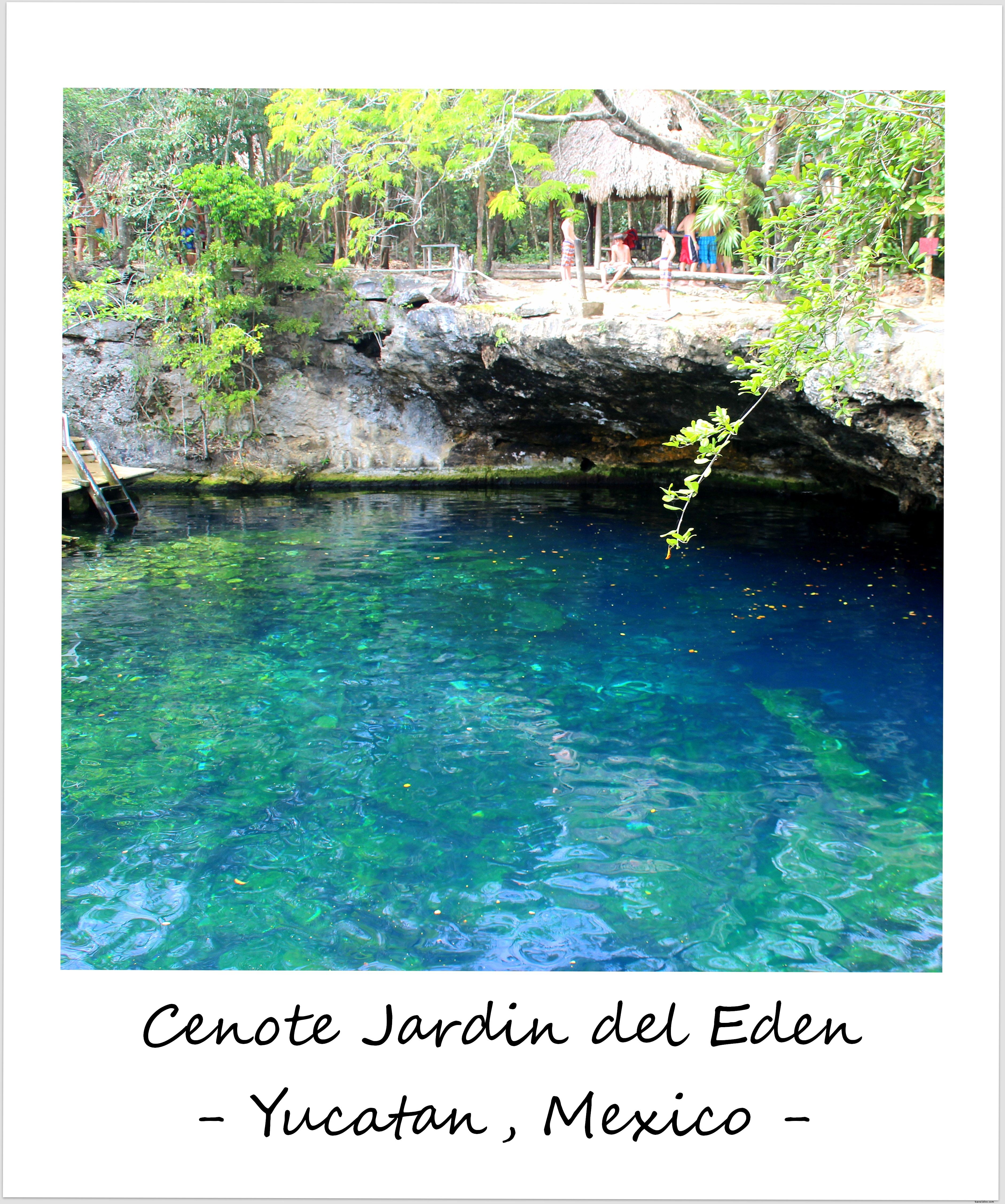 What an incredible week it's been—my whirlwind road trip through the Yucatan Peninsula is drawing to a close. It feels like just yesterday I flew from Mexico City to Cancun, yet I've packed in so many unforgettable experiences in such a short time!
After countless adventures—which I'll detail soon—choosing today's photo was tough. The majestic Chichen Itza pyramid? Tulum's stunning Mayan temples against turquoise Caribbean waters? Coba's jungle ruins? Or one of the many pristine beaches? Having recently shared a Mexican pyramid photo and with a favorite beach post upcoming (peek it in my 2010 Mexico journey, second-to-last stop), I focused on a cenote. We explored five extraordinary ones last week!
If you're new to Mexico, cenotes are Yucatan exclusives: over 3,000 sinkholes dot the peninsula. These natural swimming holes form from collapsing porous limestone, filled with mineral-rich freshwater and dramatic rock formations. Crystal-clear waters are ideal for snorkeling or diving in larger ones, where vast cave systems extend far underground. I spotted divers emerging mysteriously, sparking my interest in trying it someday.
"Cenote" means 'sacred well' in Mayan; ancient Mayans used them for sacrifices, while we enjoy cooling off in the humid climate. Beyond underwater wonders and stalactites in cave cenotes, lush jungle surroundings captivate. Perched on limestone edges gazing at clear waters never fails to amaze, no matter how many I've seen.
On this trip, I visited Cenote del Jardin (pictured; open, south of Playa del Carmen), Cenote Zacil-Ha (open, near Tulum), El Gran Cenote (partially covered/open, near Tulum), and closed cenotes near Valladolid: Samula and Xkeken. Each unique, they left my fellow traveler and me in awe—we'd have explored more if time allowed.
Stay tuned for one final Mexico dispatch next week!