Discover Sri Lanka: First Impressions and Fascinating Facts from the Pearl of the Indian Ocean
Sri Lanka, a compact island gem in the Indian Ocean, captivates with palm-fringed beaches, UNESCO World Heritage sites, lush tea hills, the colonial charm of Galle, abundant wildlife, and delectable cuisine. Before diving deeper, here are some intriguing facts about this nation that surprised me during my visit.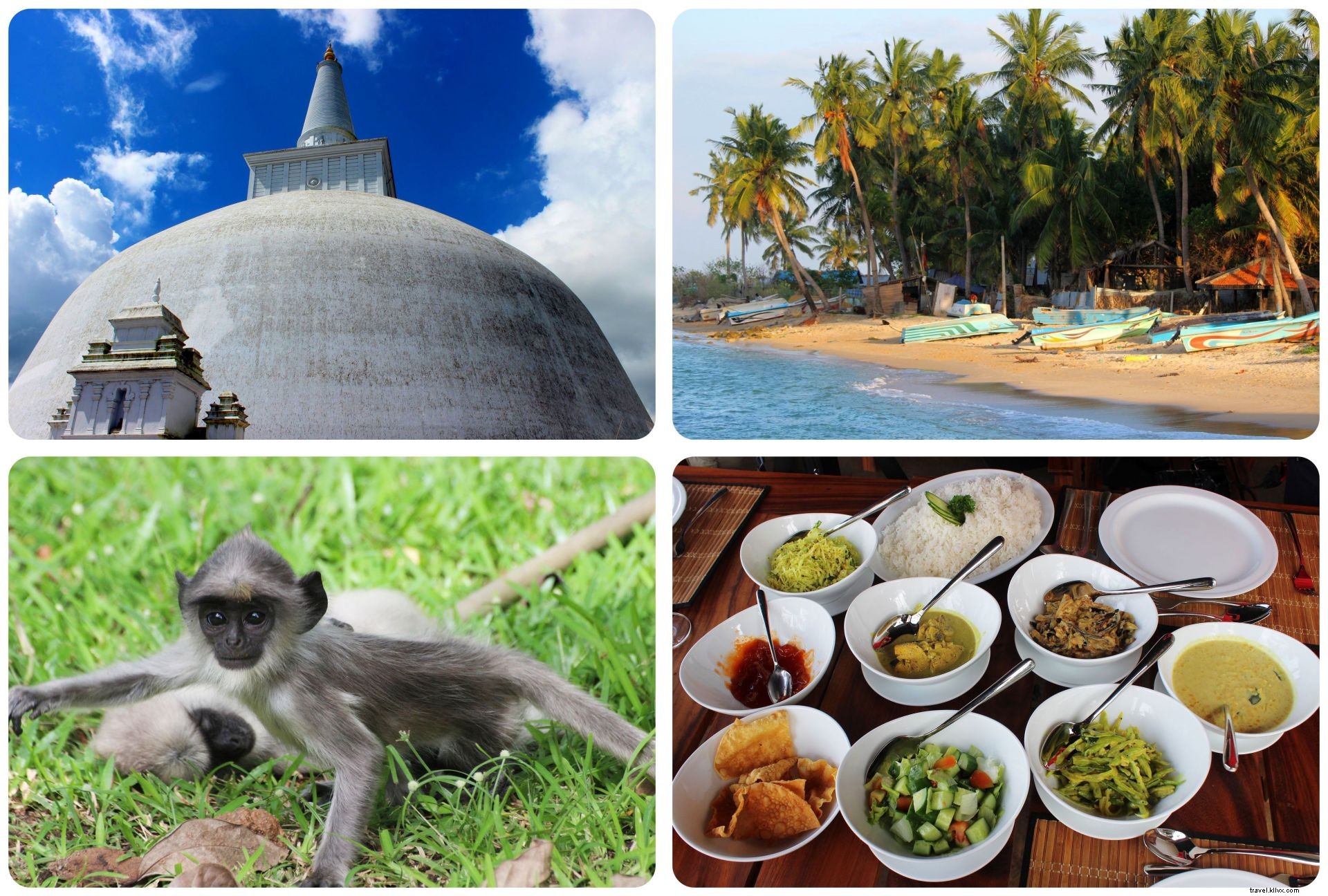 Dubbed the ‘Pearl of the Indian Ocean’, it exceeded my expectations. If Sri Lanka isn't on your travel radar, my insights might change that—it's budget-friendly, with direct flights from London, Milan, and Warsaw, plus easy online visas.
Discover my firsthand impressions and Sri Lanka trivia below:
The Pearl of the Indian Ocean: Key Facts & Figures
Many were unaware of its location, so here's a helpful map:
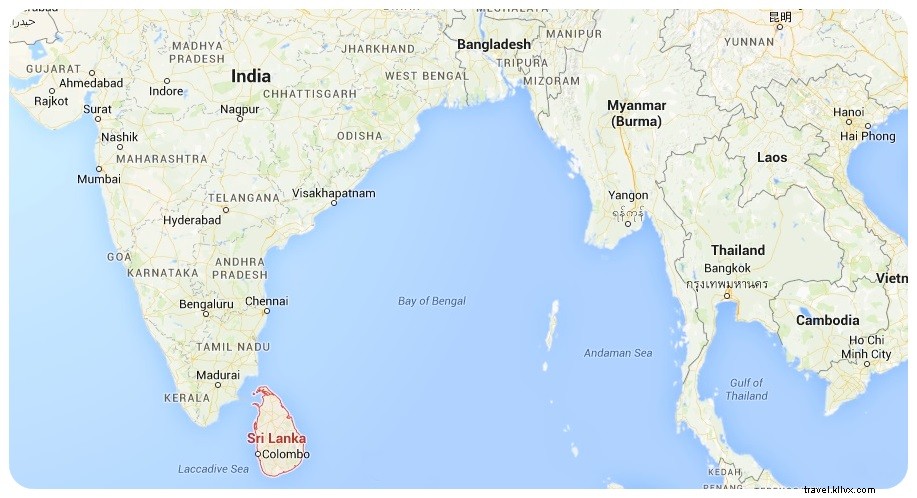
Situated southeast of India, separated by just 65 km at its narrowest, Sri Lanka spans 25,332 sq miles (65,610 sq km)—similar in size to West Virginia, Ireland, or Tasmania—and is home to 21 million people. No ferry currently operates to India.
Sri Lanka trivia: Its pearl-like shape inspires the nickname ‘Pearl of the Indian Ocean’.
From Ceylon to Sri Lanka
Renamed from Ceylon in 1972 to distance itself from British colonial rule (ended 1948), some entities retain 'Ceylon,' especially the world-renowned Ceylon Tea.
The Cinnamon Capital
Sri Lanka leads global cinnamon production and exports. Witnessing the process—peeling branches and drying quills—was mesmerizing; its aroma permeates the air.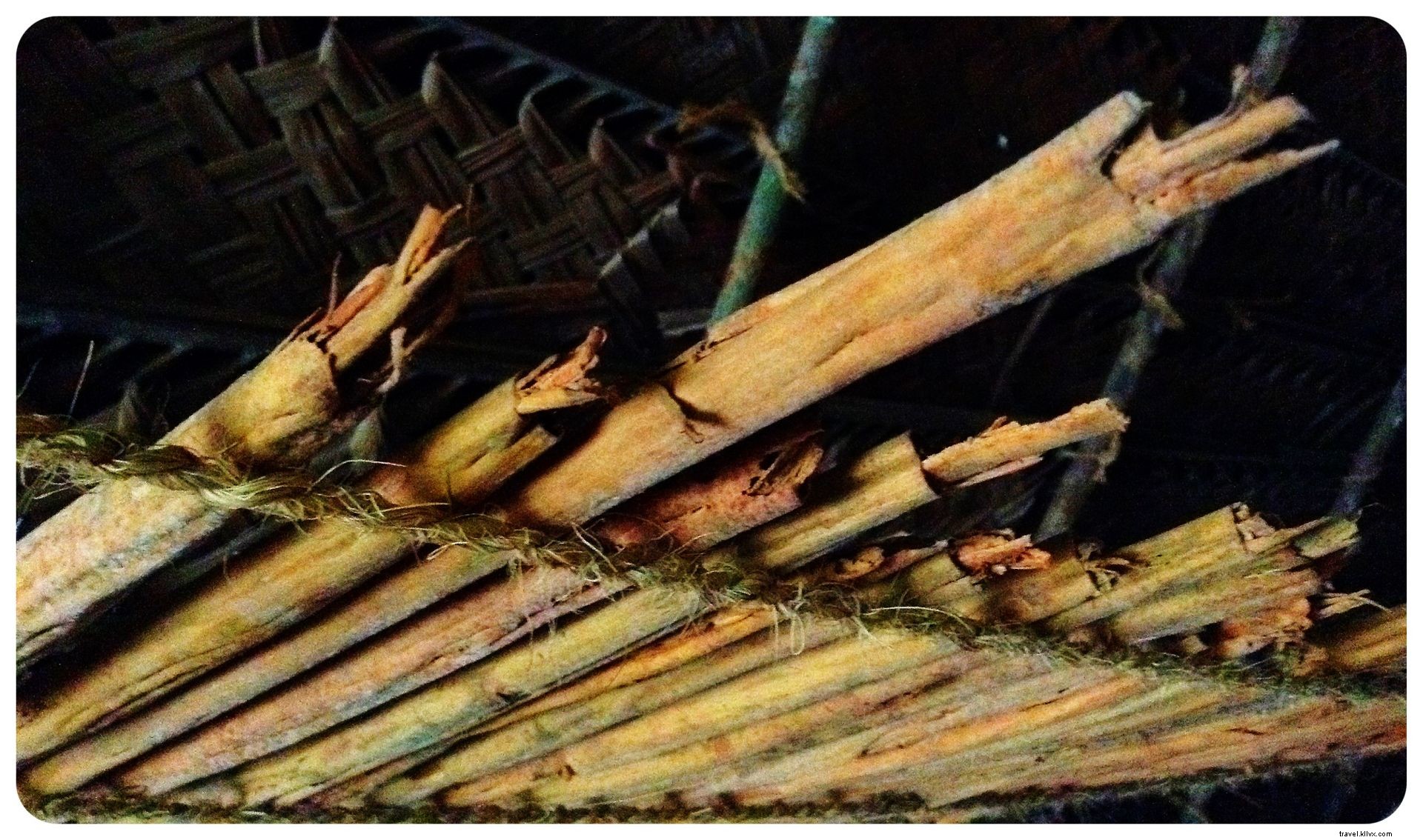
Pristine Beaches Galore
With 1,300 km of coastline, Sri Lanka boasts exceptionally beautiful beaches ideal for surfing, diving, snorkeling, or relaxation—far surpassing my Indian experiences. Beach-hopping calls me back!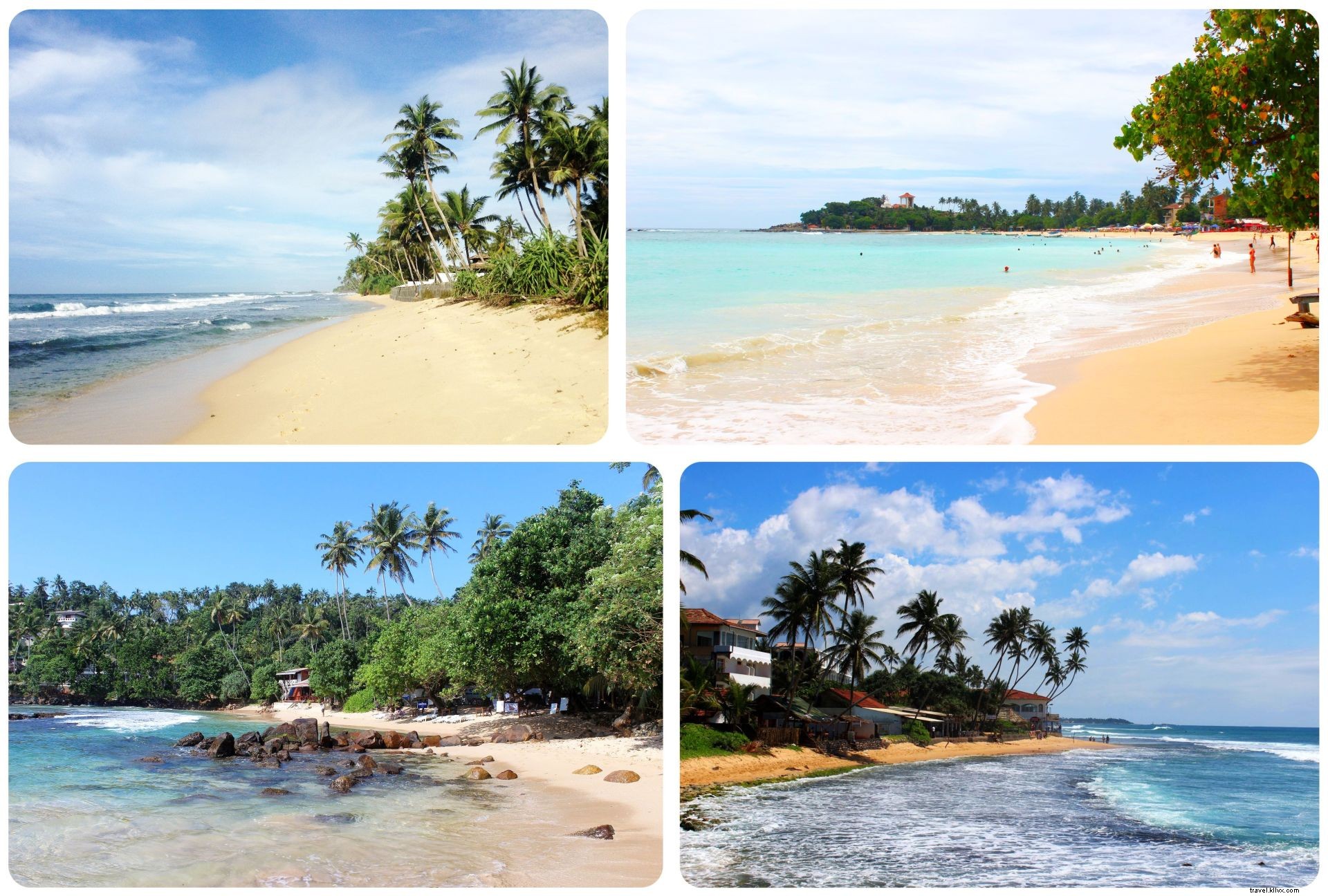
UNESCO World Heritage Haven
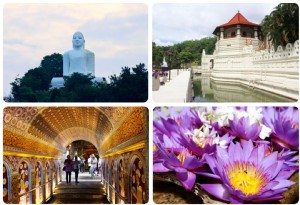
Eight sites dot this small nation, visitable in one trip: Temple of the Tooth (Kandy), Anuradhapura, Polonnaruwa, Galle Fort, Dambulla Cave Temple, Sigiriya, Central Highlands, and Sinharaja Forest.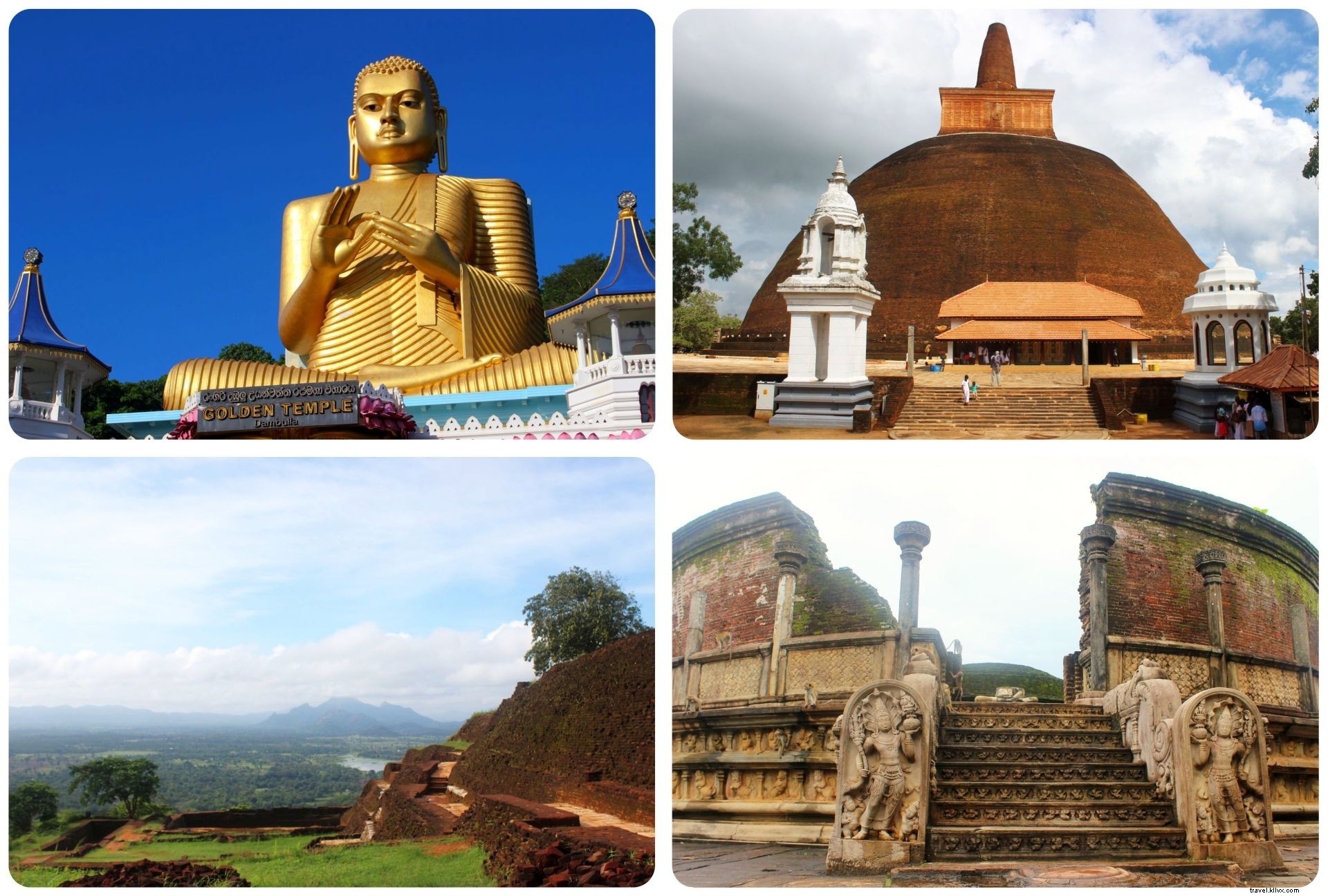
Sinhalese and Tamil Communities
Sinhalese Buddhists (74%) and Tamil Hindus (18%), plus smaller groups, shape the nation. British-era Tamil plantation workers faced tensions culminating in the 1983-2009 civil war; recovery continues.
Incredibly Diverse Landscapes
Beaches, mountains, tea estates, plains, jungles—Sri Lanka packs variety into a small space.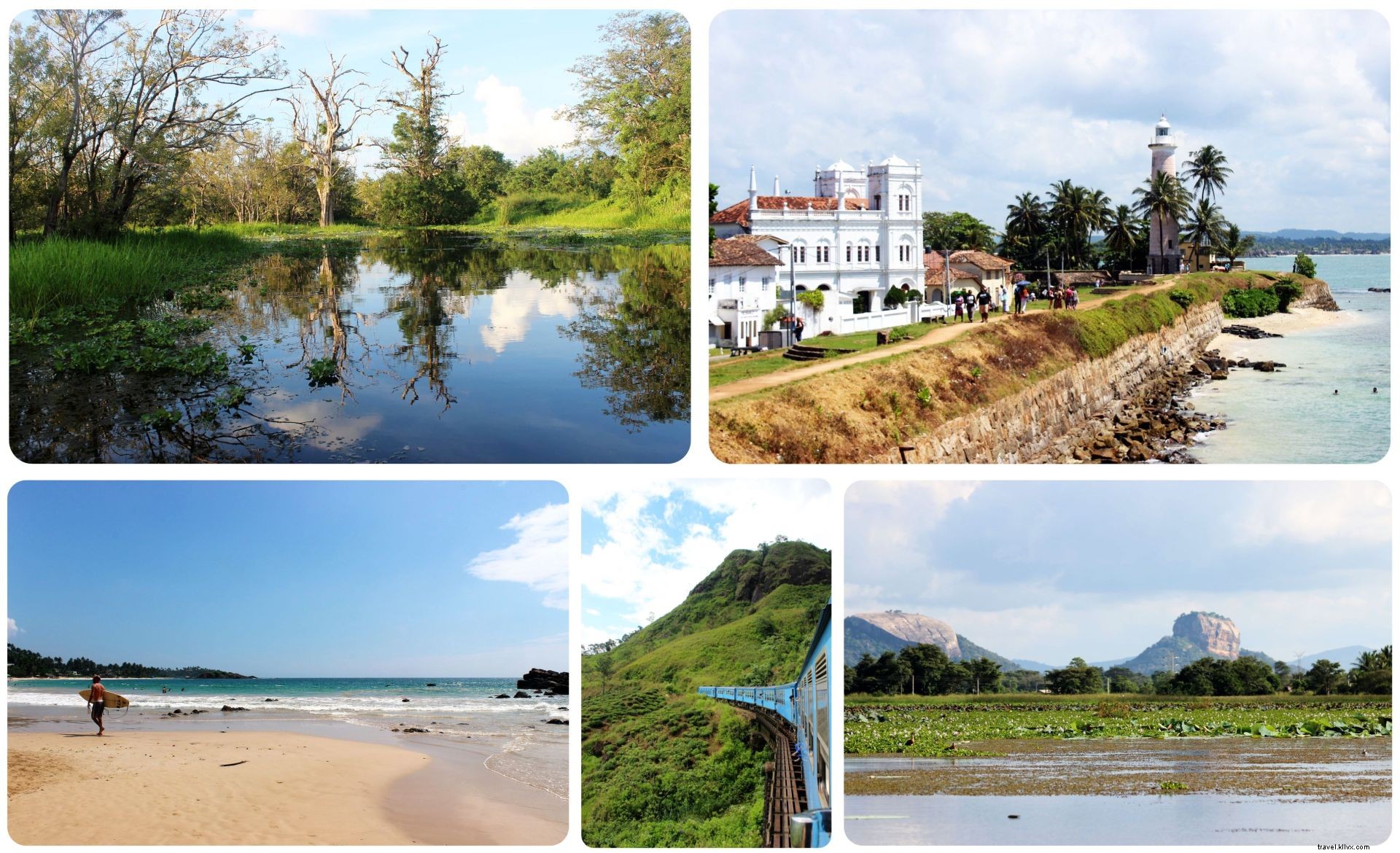
Echoes of Southern India
Similarities abound: hoppers, curries, hand-eating, lungis, Kerala-like backwaters, and stilt fishing.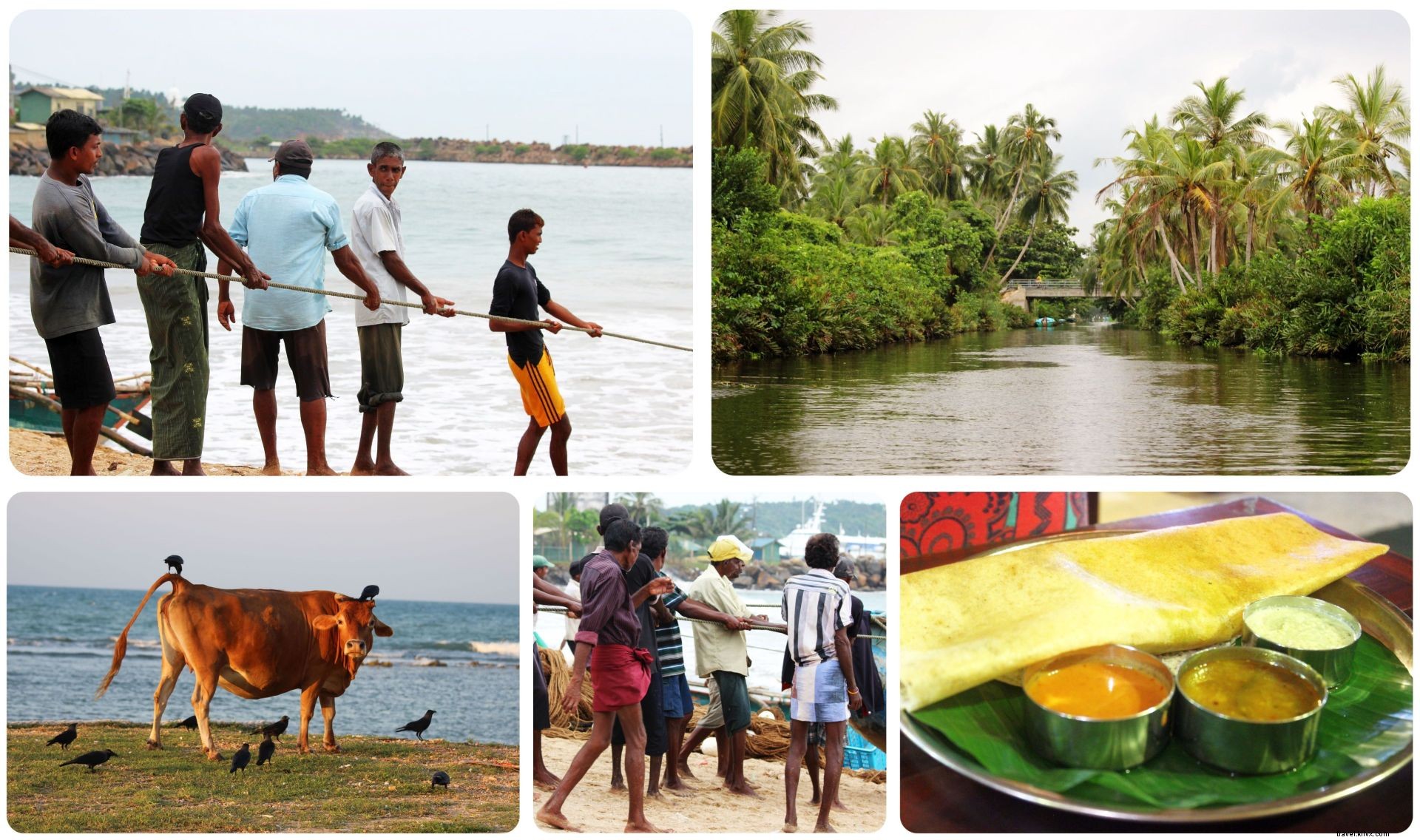
A Buddhist Stronghold
70% Buddhist since the 3rd century BC; Hinduism, Islam, and Christianity follow.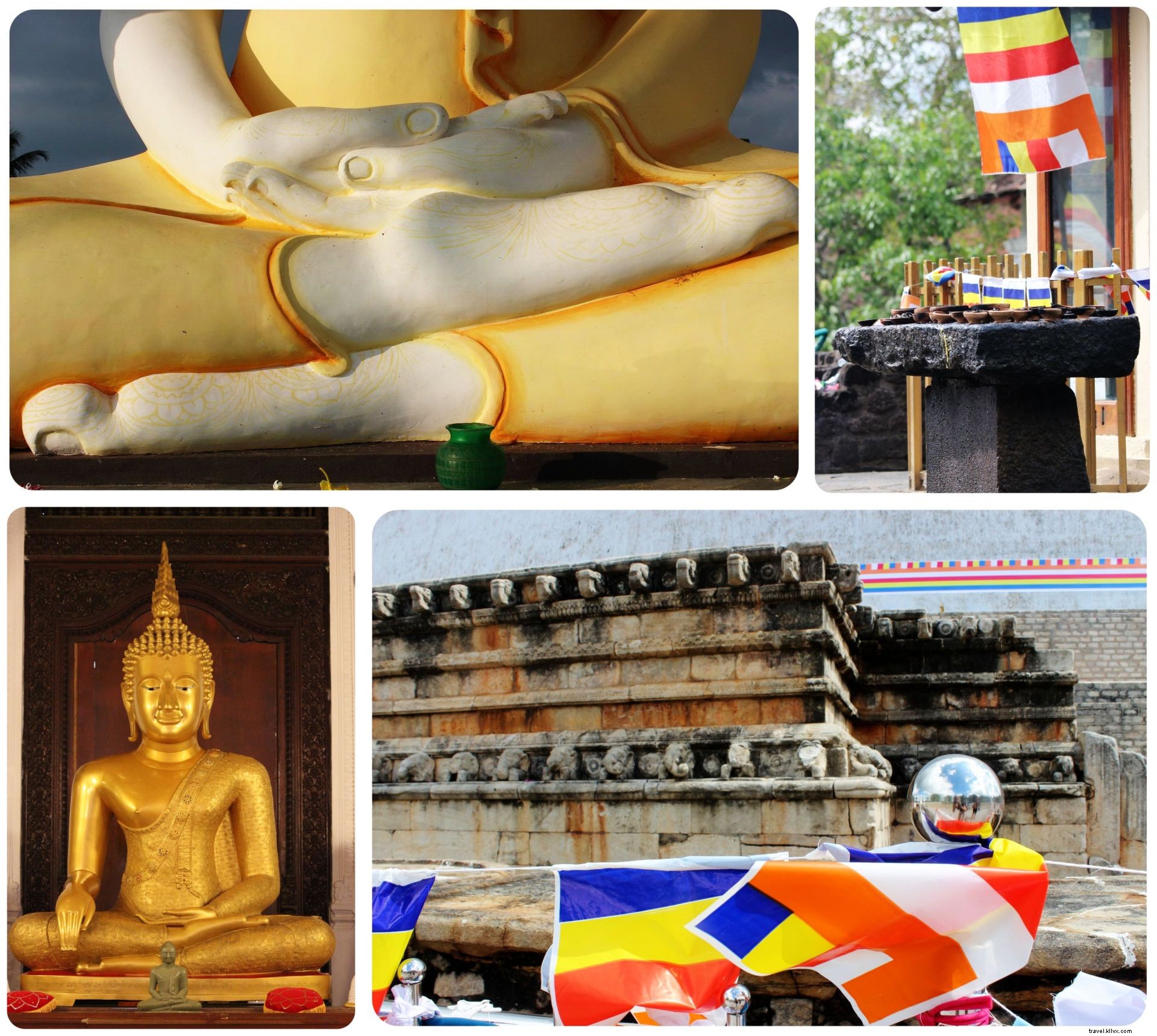
Tea-Dominated Culture
Ceylon Tea reigns supreme (introduced 1867, post-coffee era). A top producer, it drives 12% of GDP and employs 1 million. Tea factory tours were highlights.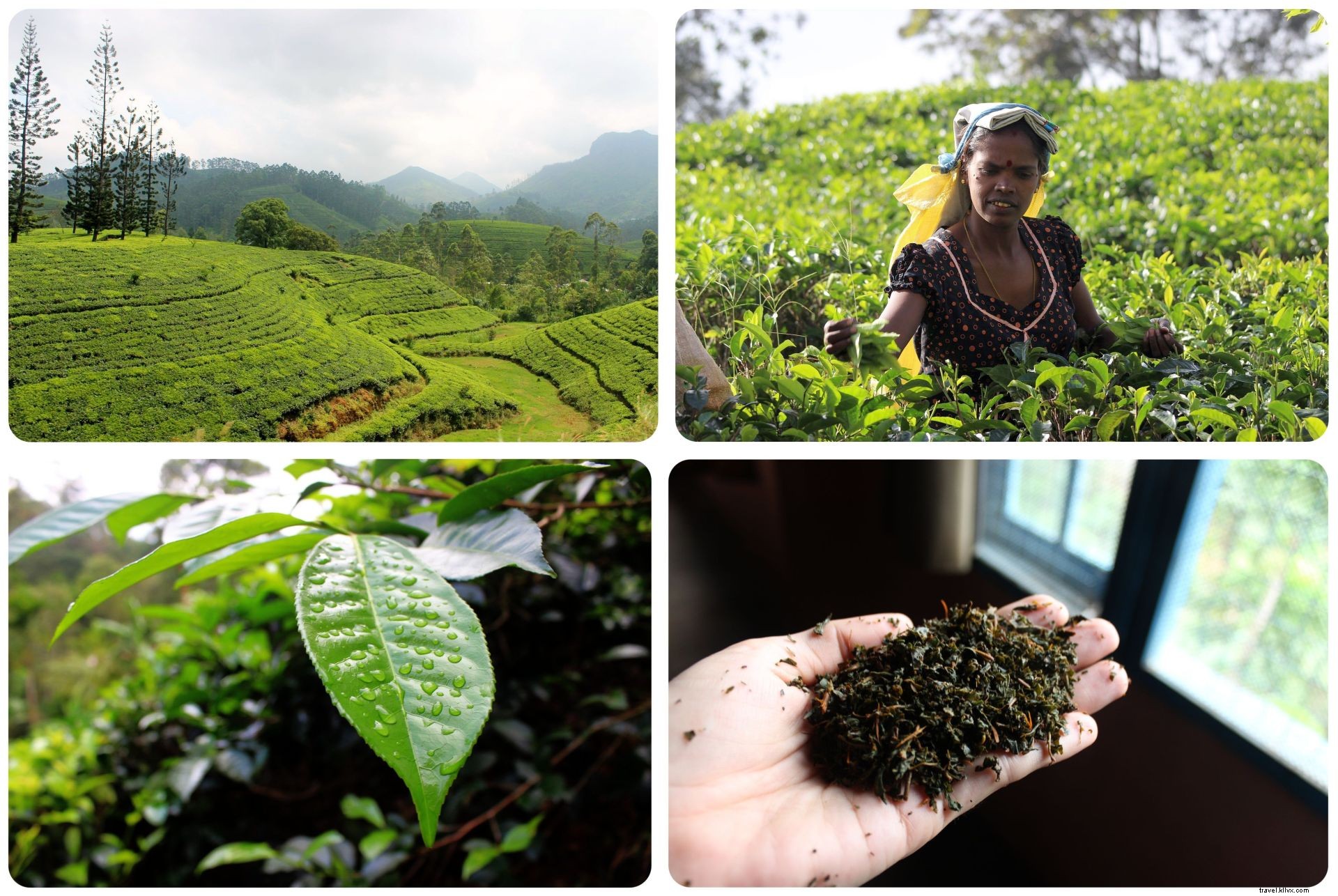
Arrack Enthusiasts
Popular coconut flower spirit; try with ginger beer (distinct from Middle Eastern arak).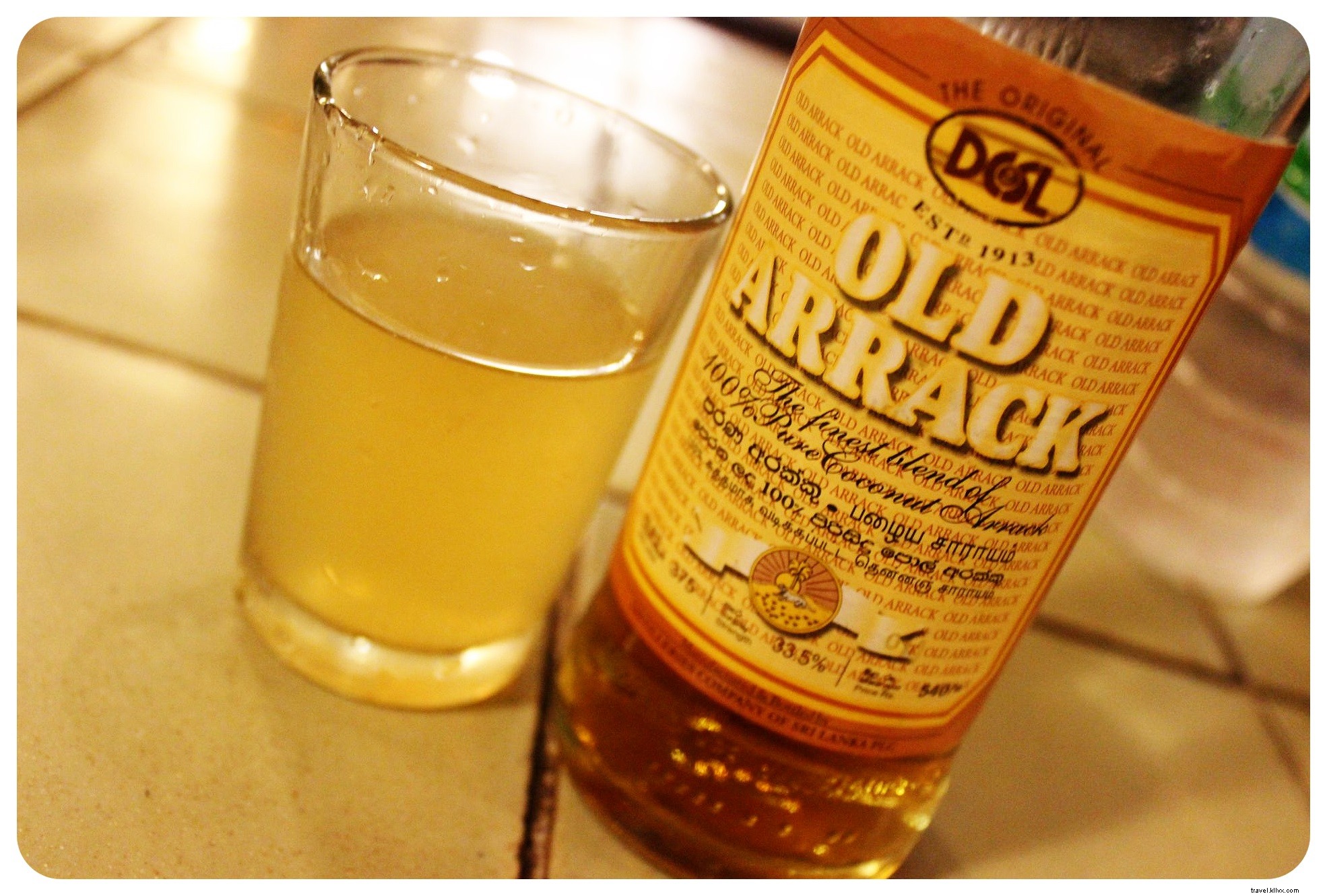
Wildlife Wonderland
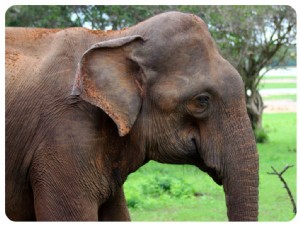
91 mammals (elephants, leopards), 484 bird species, 171 reptiles. 14 national parks; Yala boasts top leopard density. My safaris, especially a playful leopard, were unforgettable.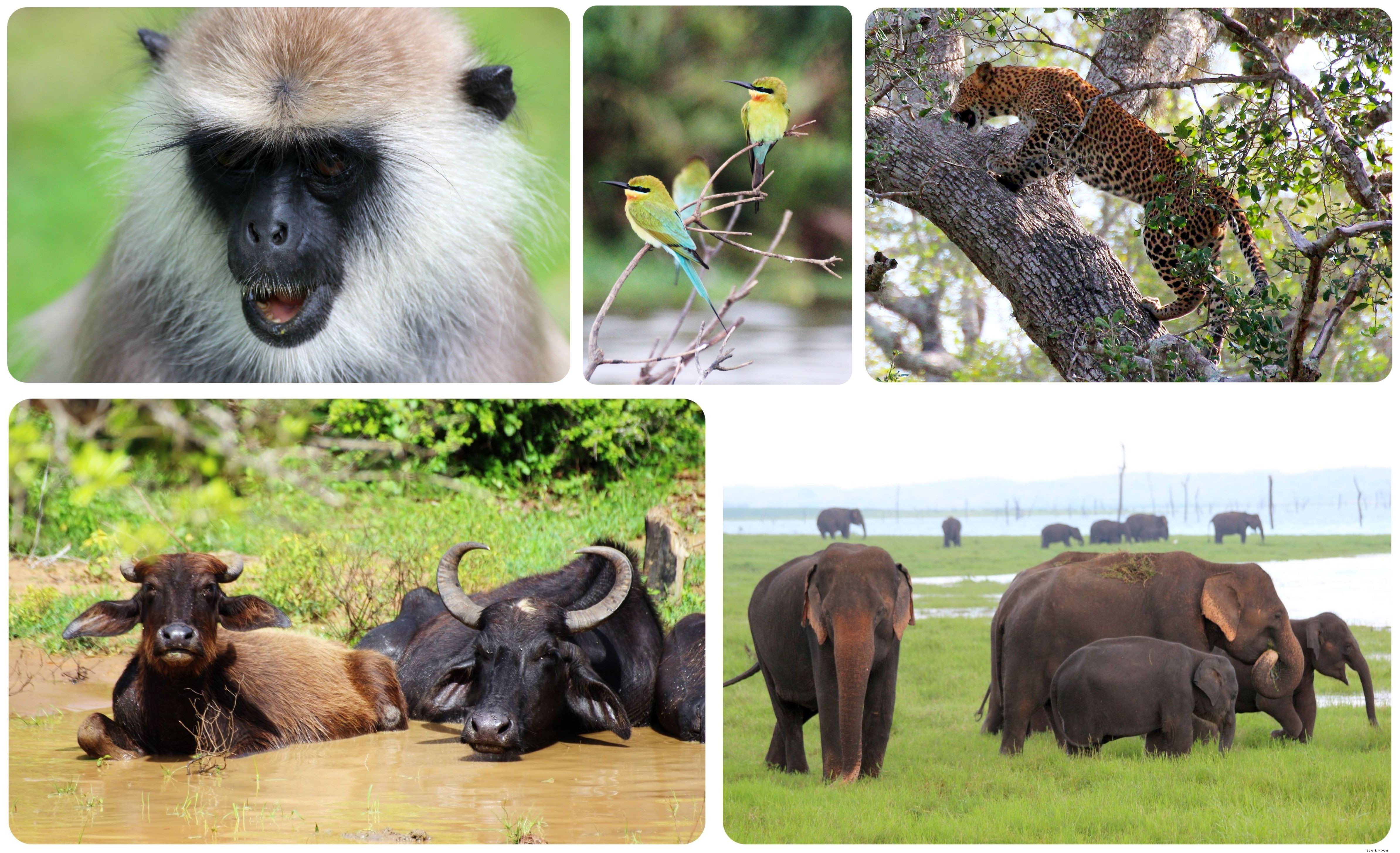
Cricket Fever (Volleyball is National Sport)
A cricket powerhouse like India; matches rival U.S. sports events. Surprise: volleyball is official national sport.
Divine Sri Lankan Cuisine
Fresh, veggie-friendly: king coconuts, rice & curry, string/egg hoppers, kottu roti, lentil snacks. Non-veg spots marked.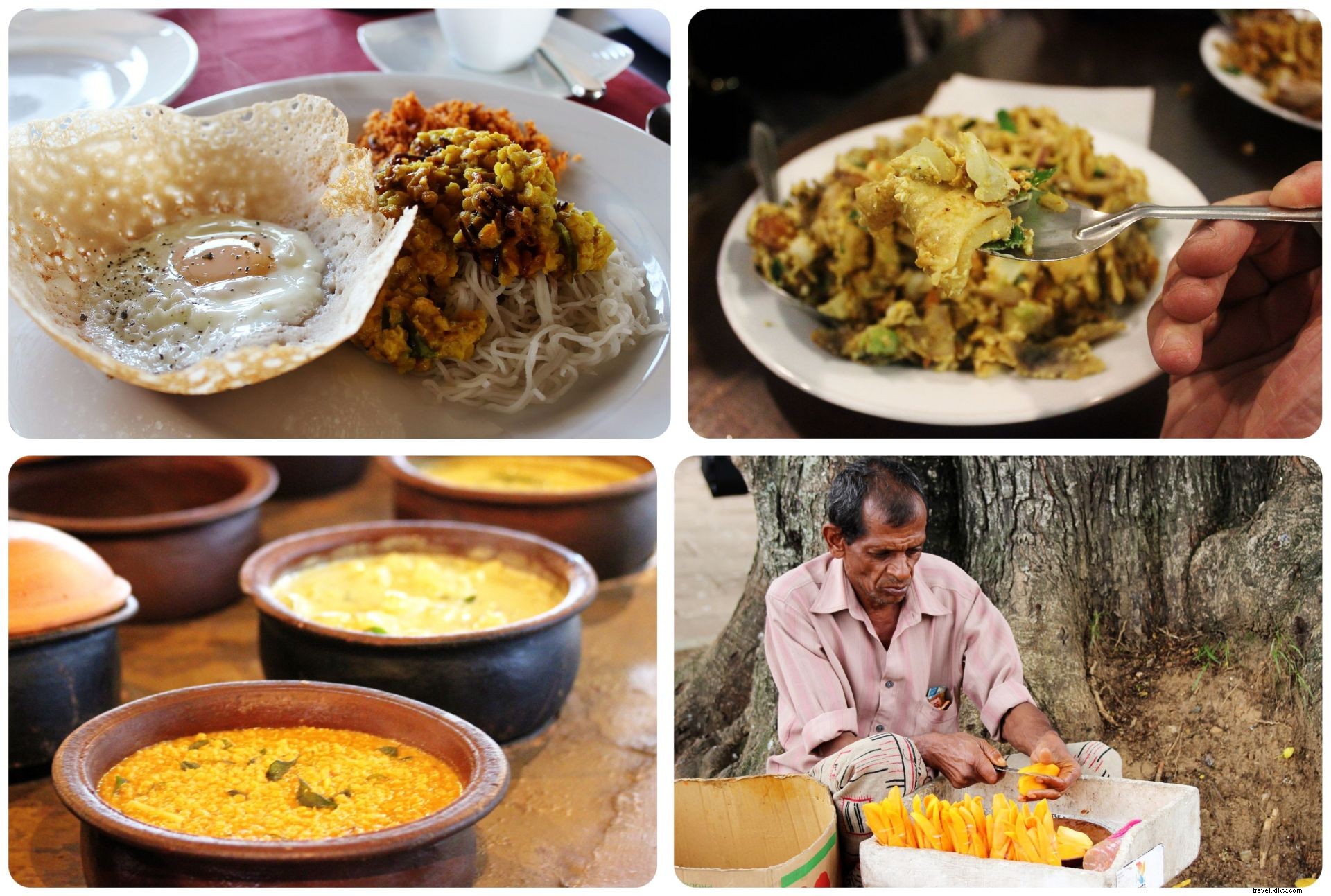
Rapid Development
Colombo modernizes with skyscrapers and malls, boosting economy but hopefully preserving rural simplicity and family focus.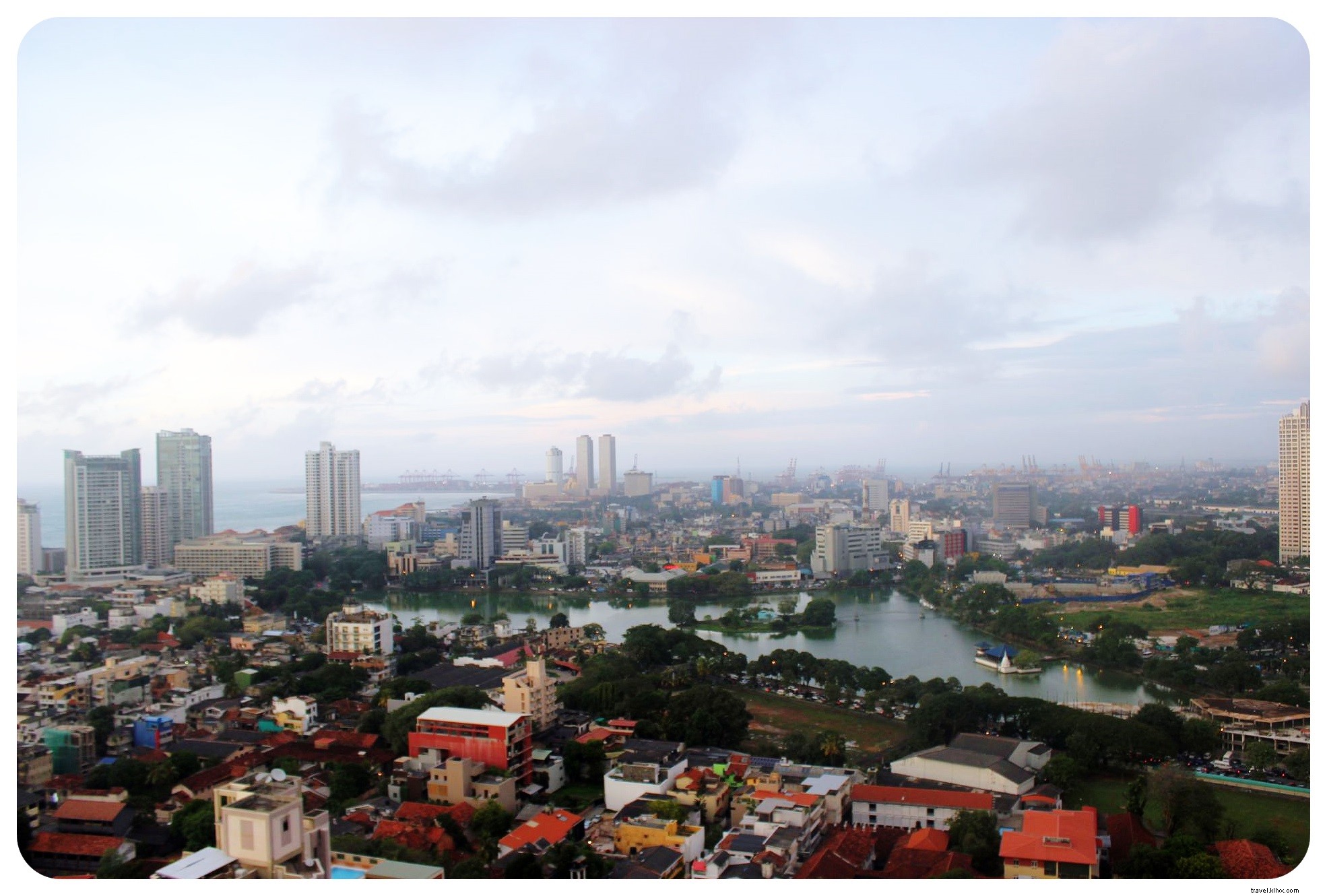 Visited Sri Lanka? Share your observations in the comments!