
Discovering Singapore: First Impressions, Key Observations, and Fascinating Facts
Singapore was something of a mystery to us before our recent visit. Amid Southeast Asia's diverse development stages, how does this city-state rival global hubs with its stunning architecture, negligible crime rates, and one of the world's most resilient economies?
The contrast struck us immediately upon arrival from Cambodia. Like Monaco or Vatican City, Singapore feels like a bustling cosmopolitan metropolis, far removed from Phnom Penh's lingering rural influences. Where Cambodia has dirt roads, Singapore boasts expansive highways; locals there transport livestock on mopeds, while here, residents glide by in sleek Mercedes with the latest gadgets.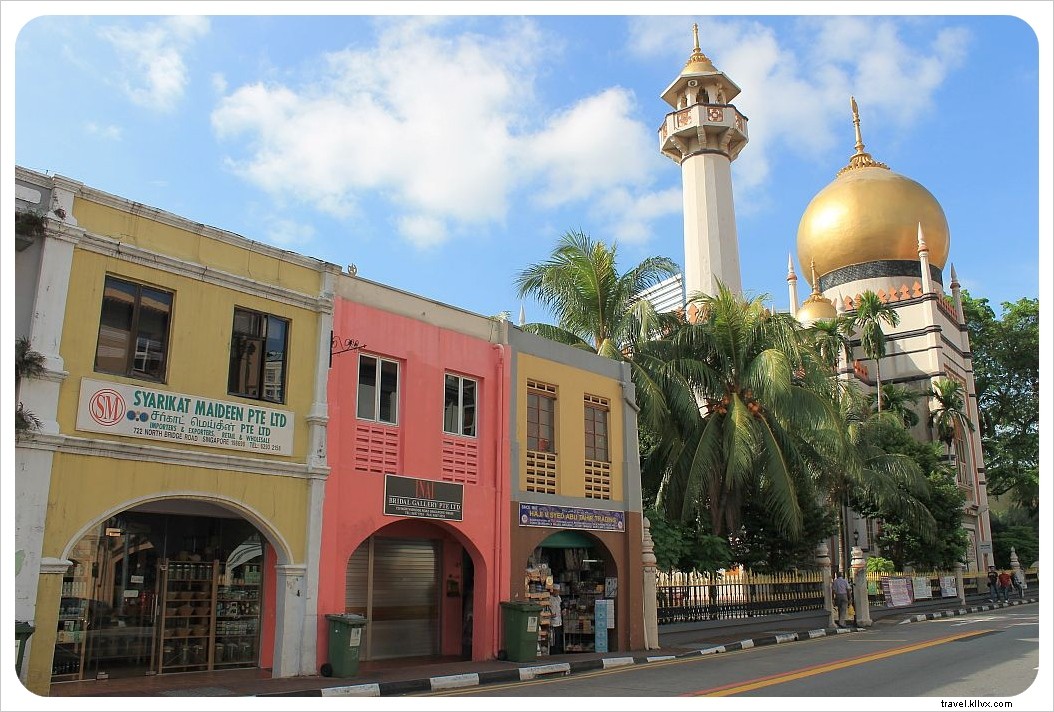
This disparity was eye-opening, yet adapting to urban life was seamless. Singapore lives up to its reputation as an Asian success story. Our first standout observation: the public transportation system is impeccably modern, spotlessly clean, and remarkably punctual.
Another remarkable fact: 5.8 million people thrive in high-rise residences across just 272 square miles. We saw no homeless individuals, even during extensive explorations beyond tourist hotspots like Marina Bay during our week-long stay.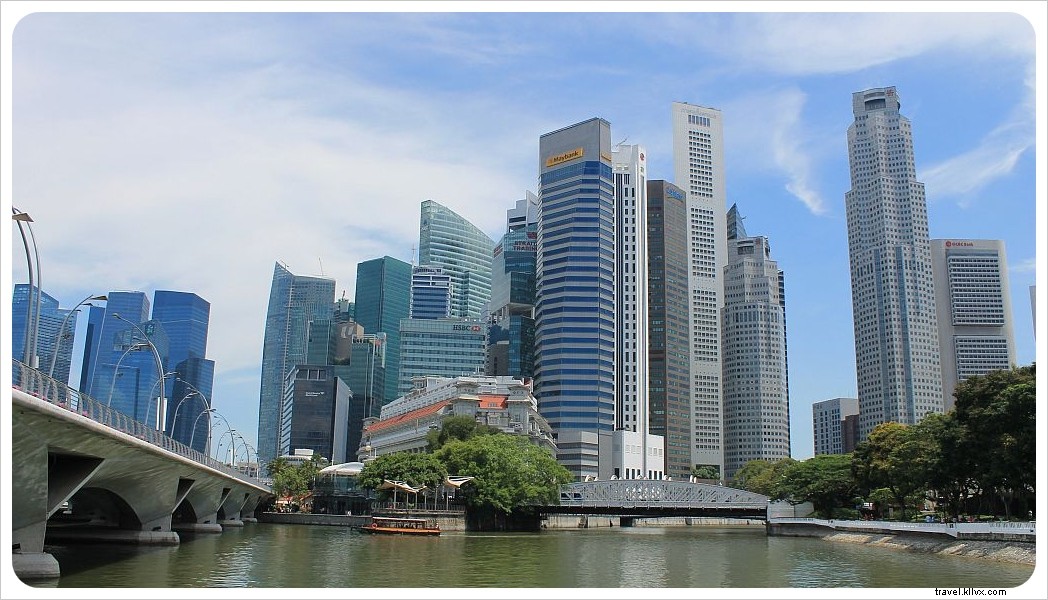 In fact, we averaged 10 miles of walking daily, excluding wanders through the 20+ mega-malls along Orchard Road. Attractions abound for weeks of discovery, including the Singapore Flyer, world-class museums, Night Safari, lush Botanical Gardens, diverse temples, and Universal Studios Singapore.
We couchsurfed in welcoming neighborhoods, visited a local farm, explored eccentric Haw Par Villa, and relaxed on Sentosa Island. Though many questions lingered, join us on this photo tour of this extraordinary city, sharing our initial impressions and insights.

One highlight was Kampong Glam, Singapore's vibrant Muslim quarter, featuring mosques, Arabic cafes, Persian rug shops, burka stores, Turkish cafes, and Egyptian eateries along Arab Street. Colorful Chinese shophouses, palm-lined streets, and lively sidewalk cafes create an enchanting vibe.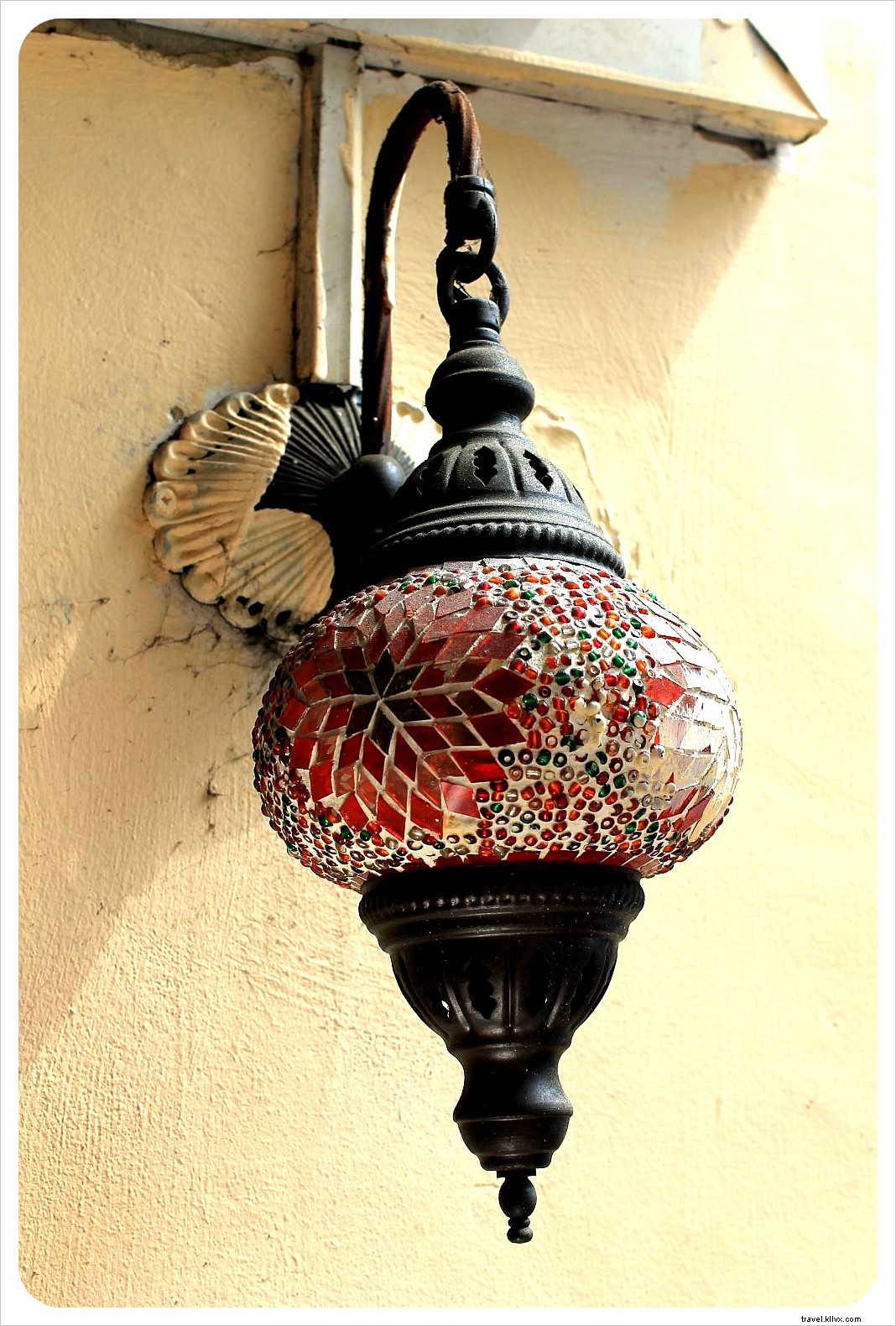
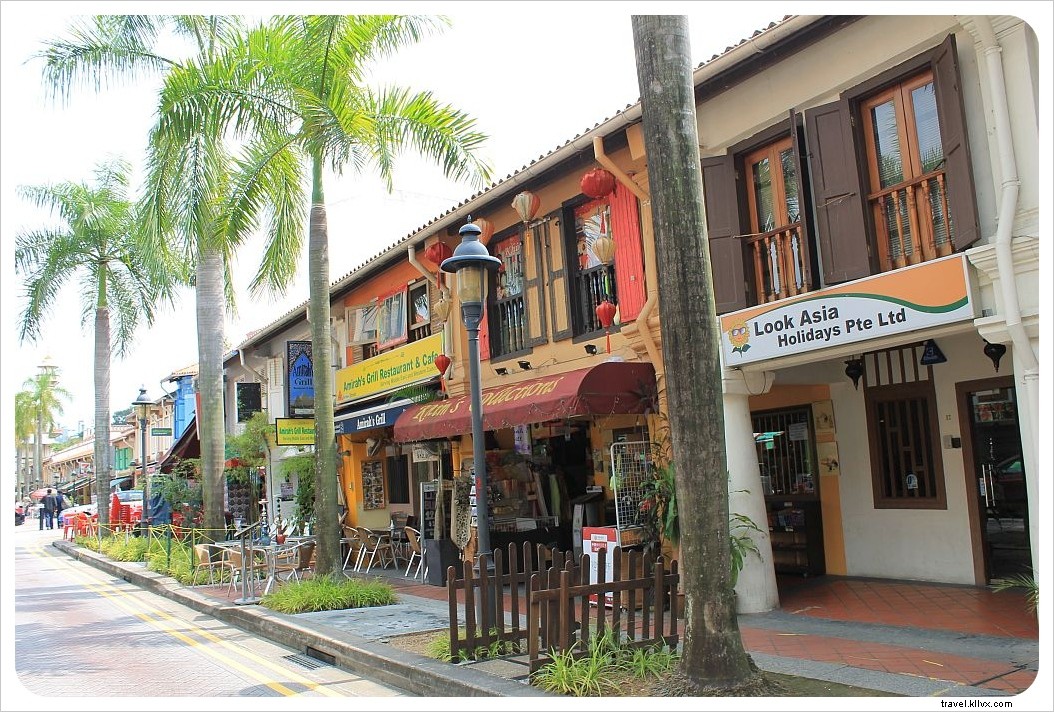
Palm tree-lined street in Kampong Glam

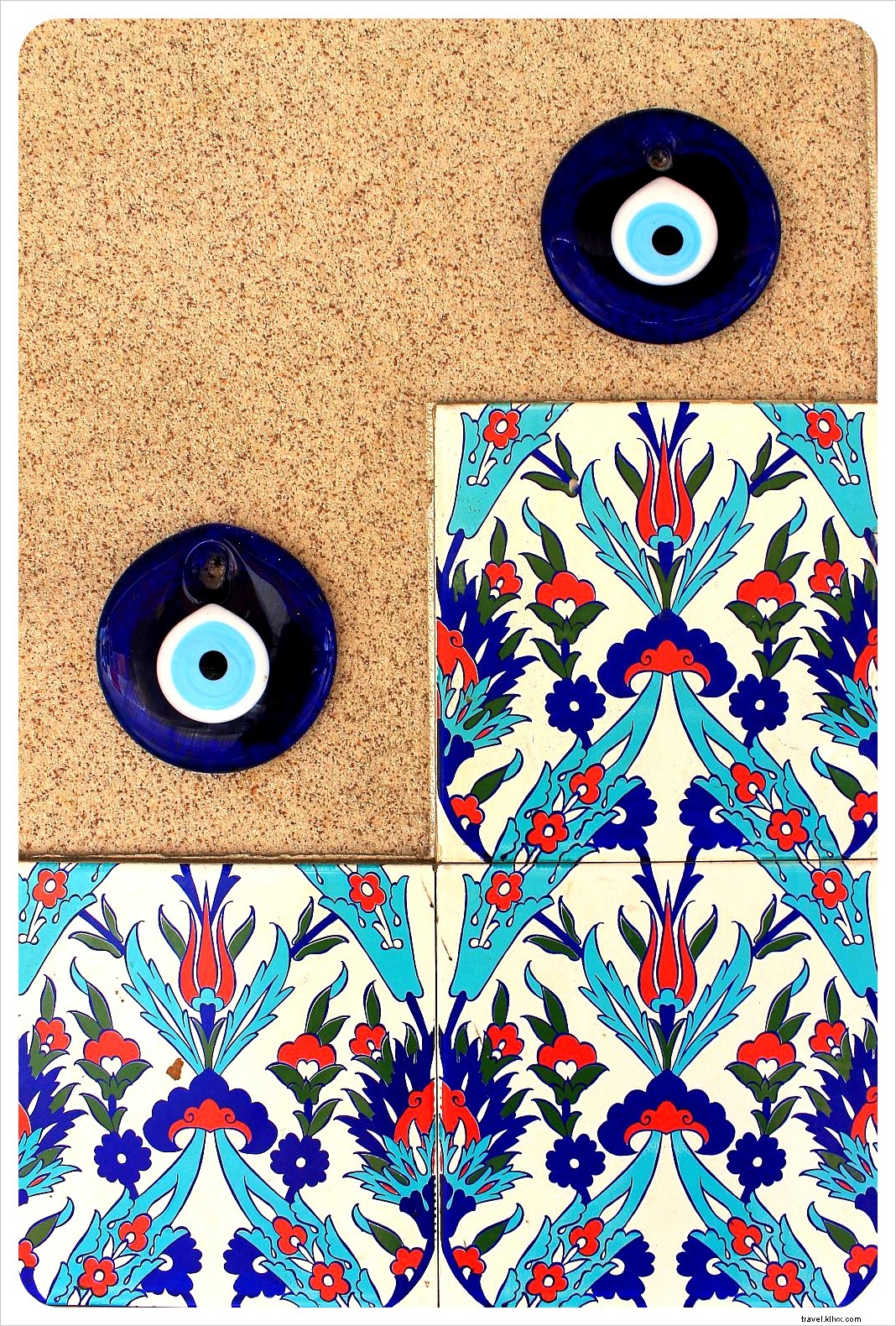
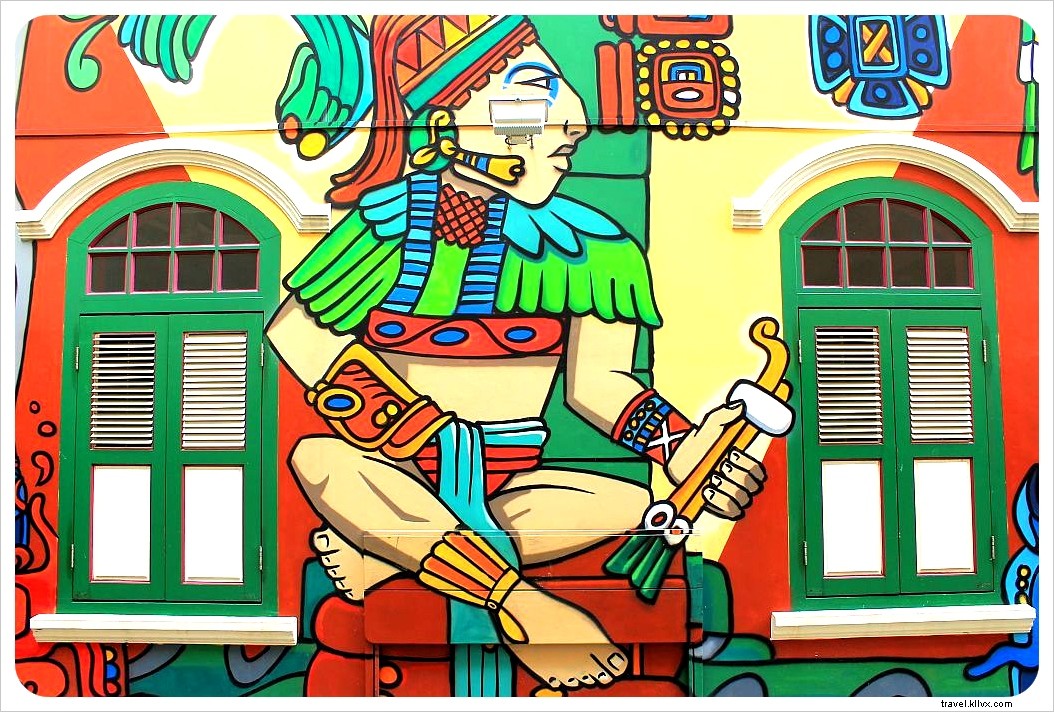
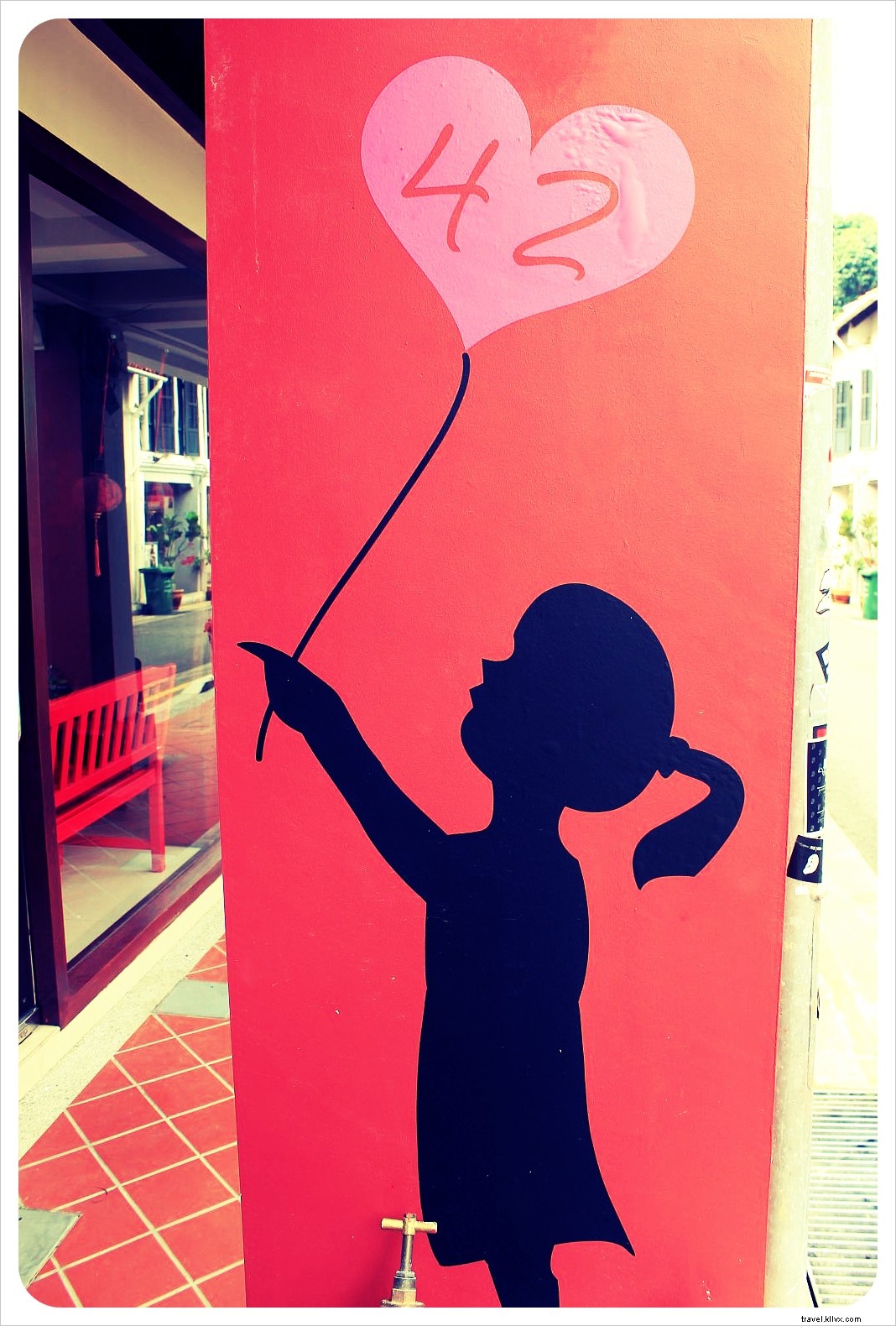
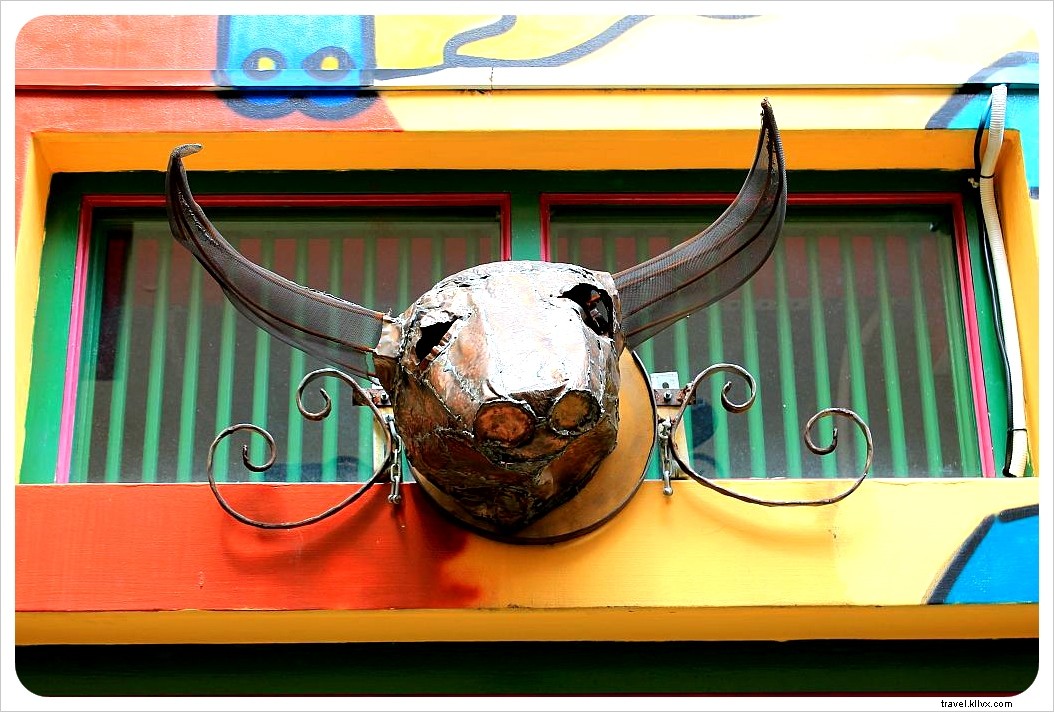
This area bursts with street art, colorful murals, and mosaics.
 Traditional enclaves like Little India, Chinatown, and Geylang Serai endure amid downtown skyscrapers, billion-dollar hotels, futuristic eco-gardens, and the revamped Marina Bay Promenade.
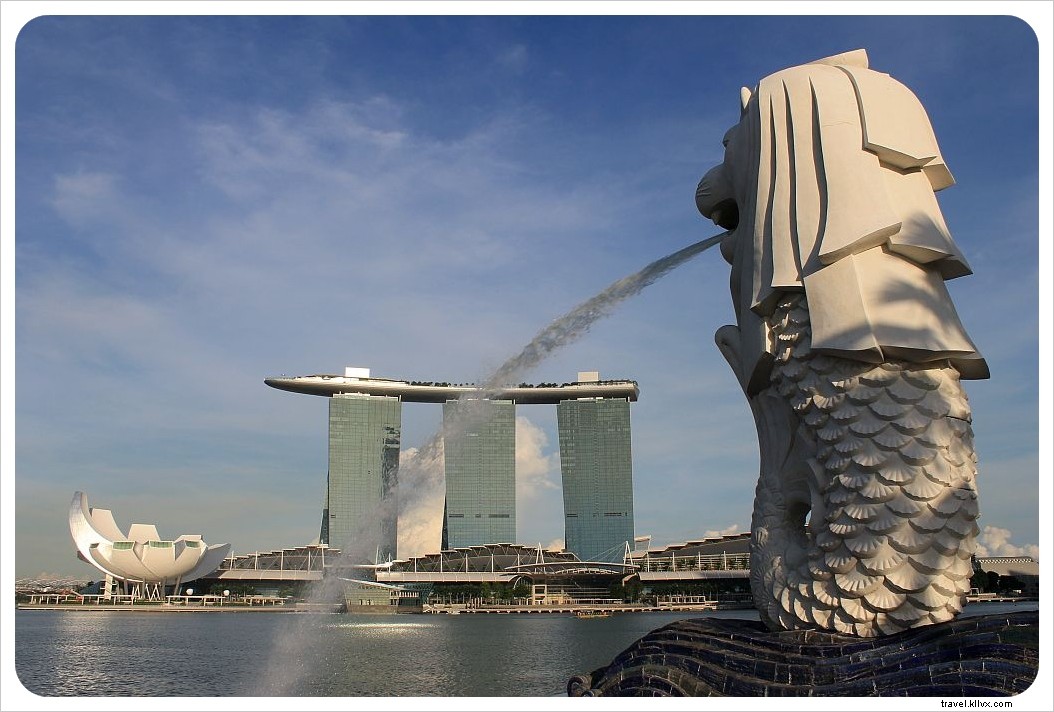
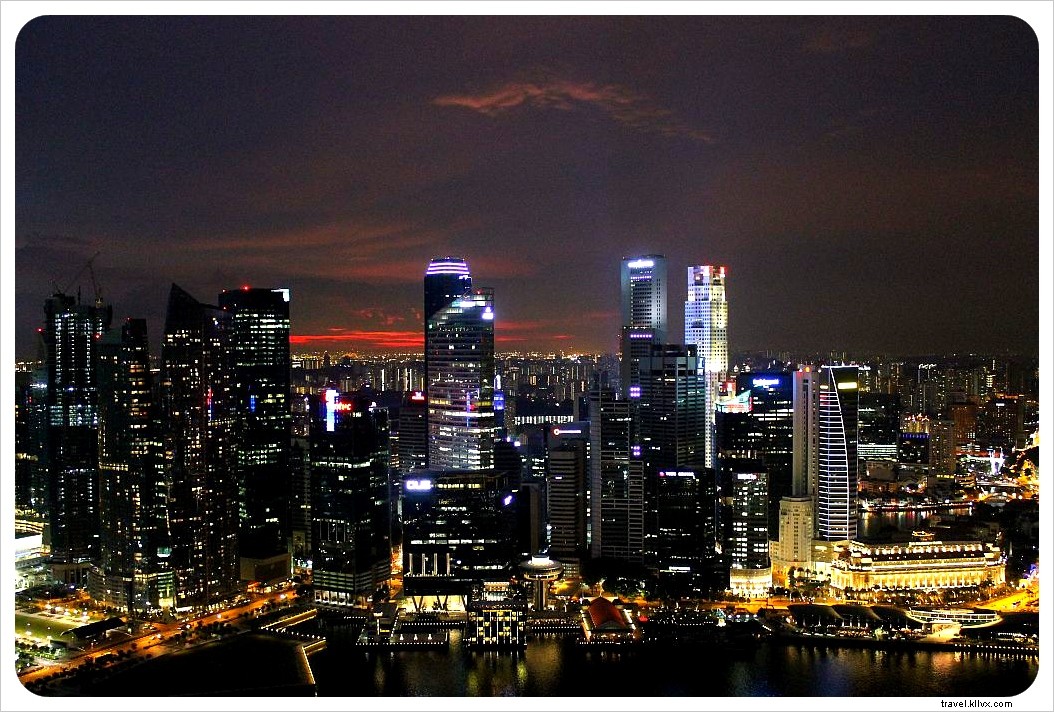
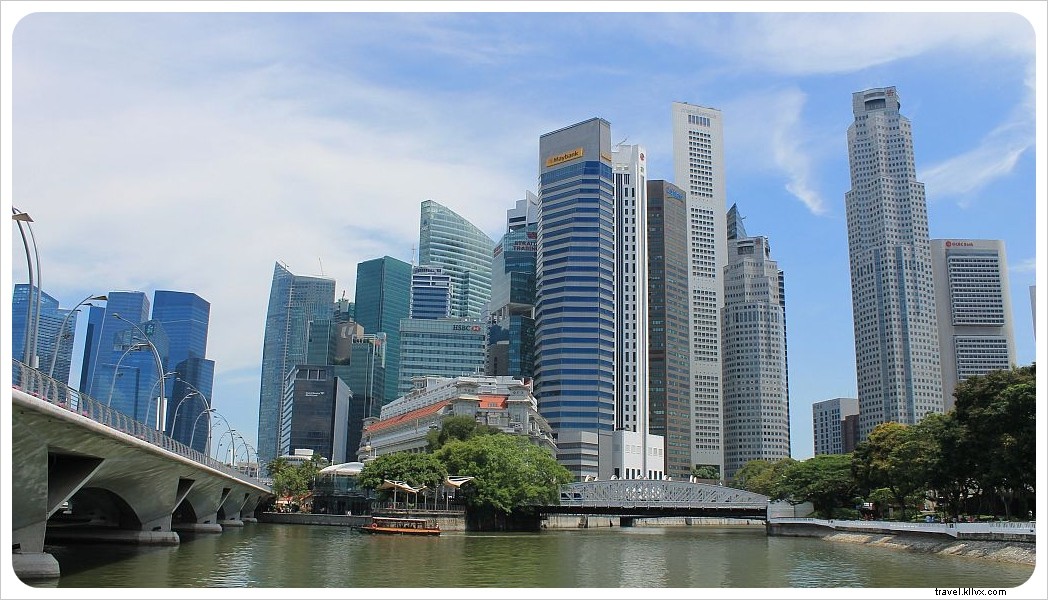
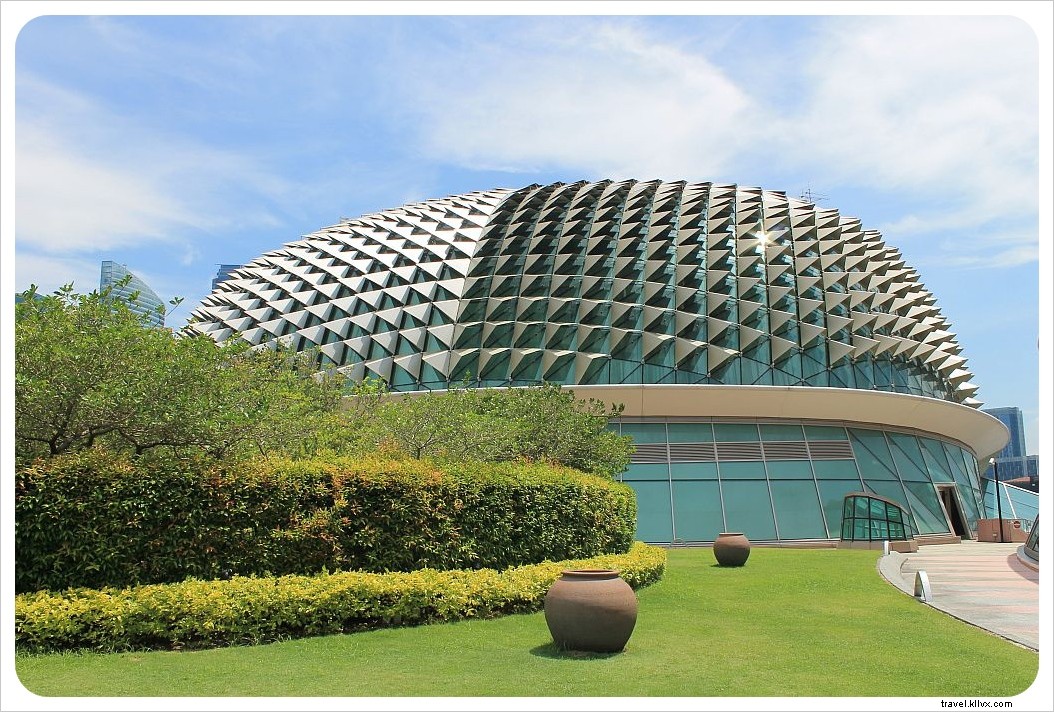

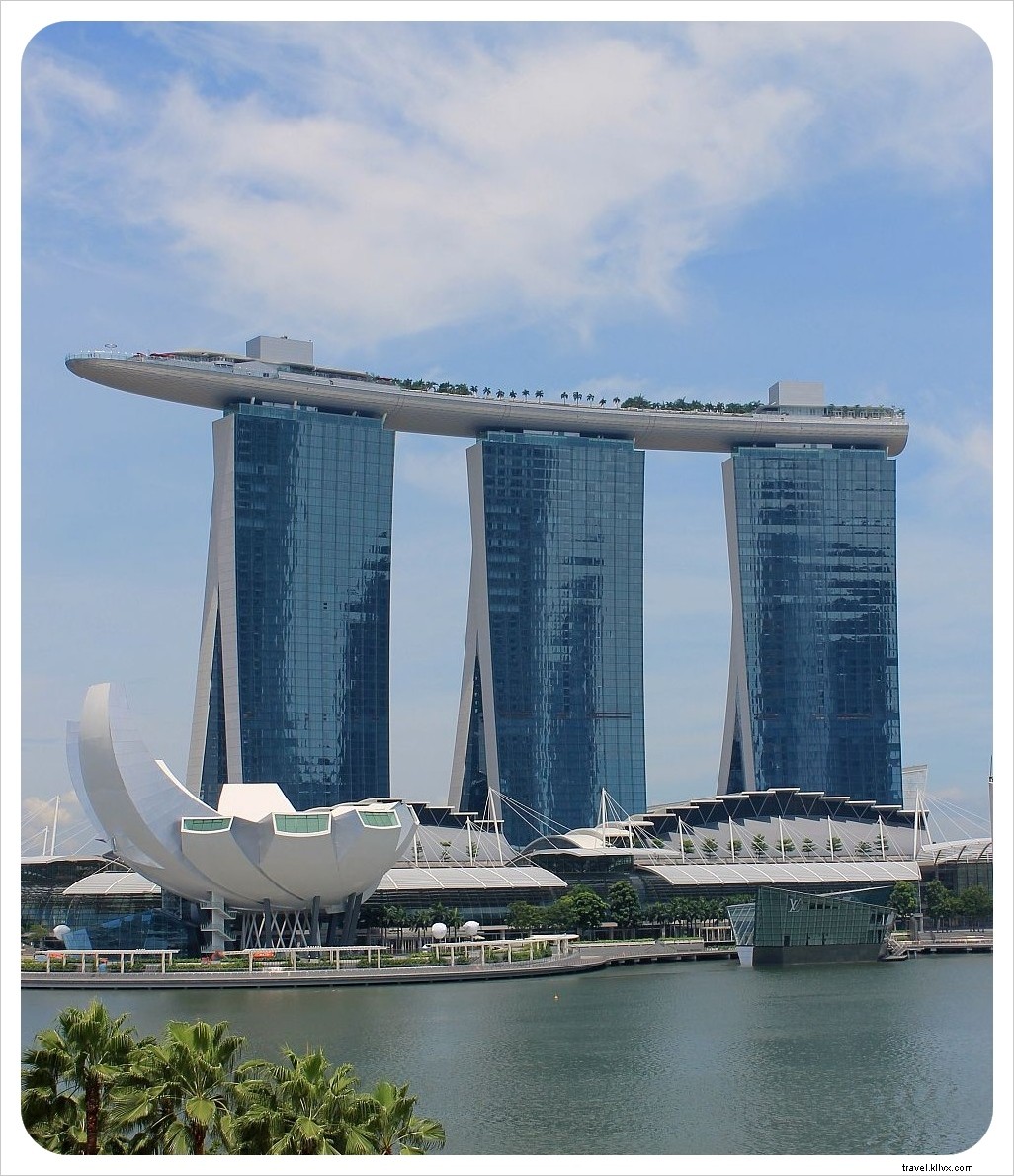
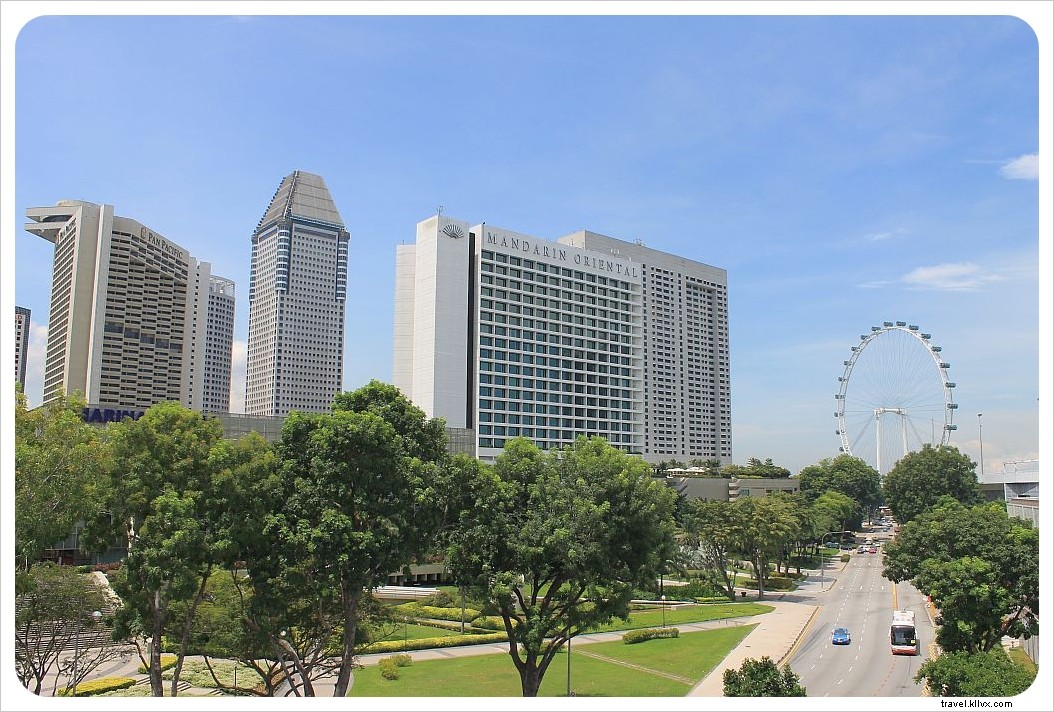 Nostalgic touches persist, like old-fashioned ice cream vendors at Marina Bay amid modern marvels. We savored Singapore's iconic ice cream sandwich: mango ice cream nestled in soft white toast.
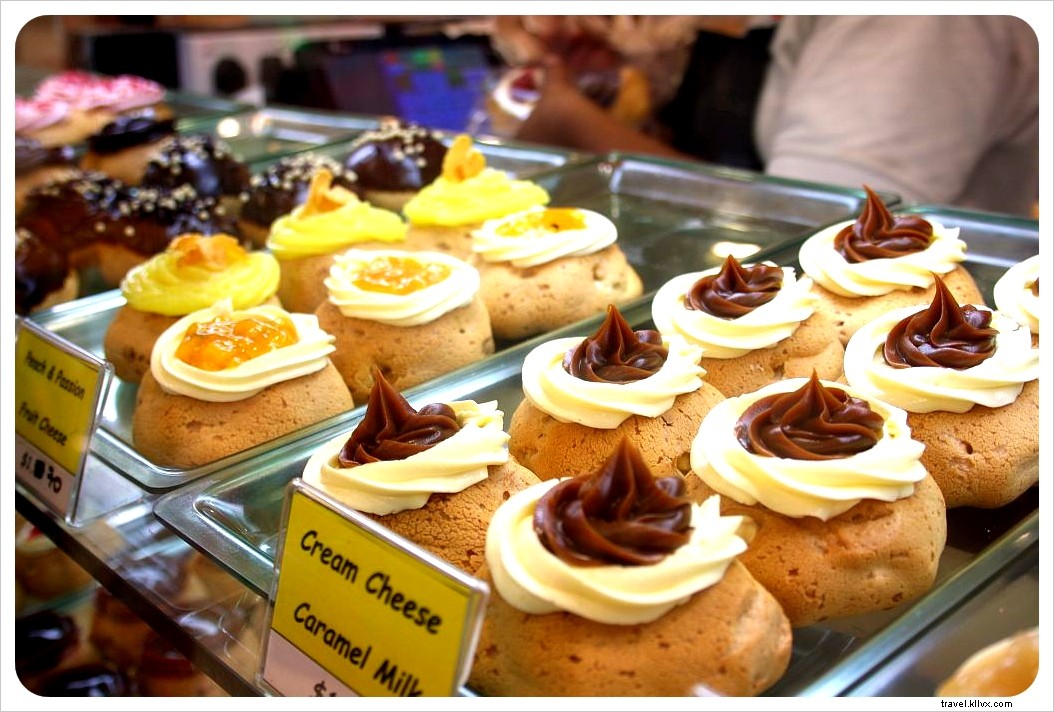
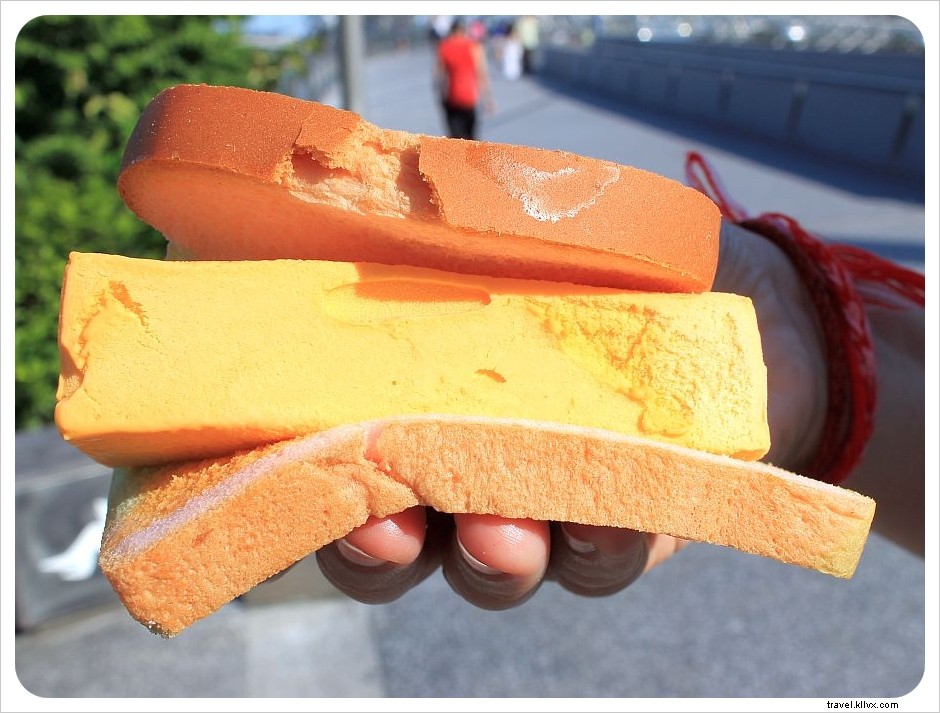 Singaporeans have a clear sweet tooth—hundreds of bakeries dot the city, much to our delight.
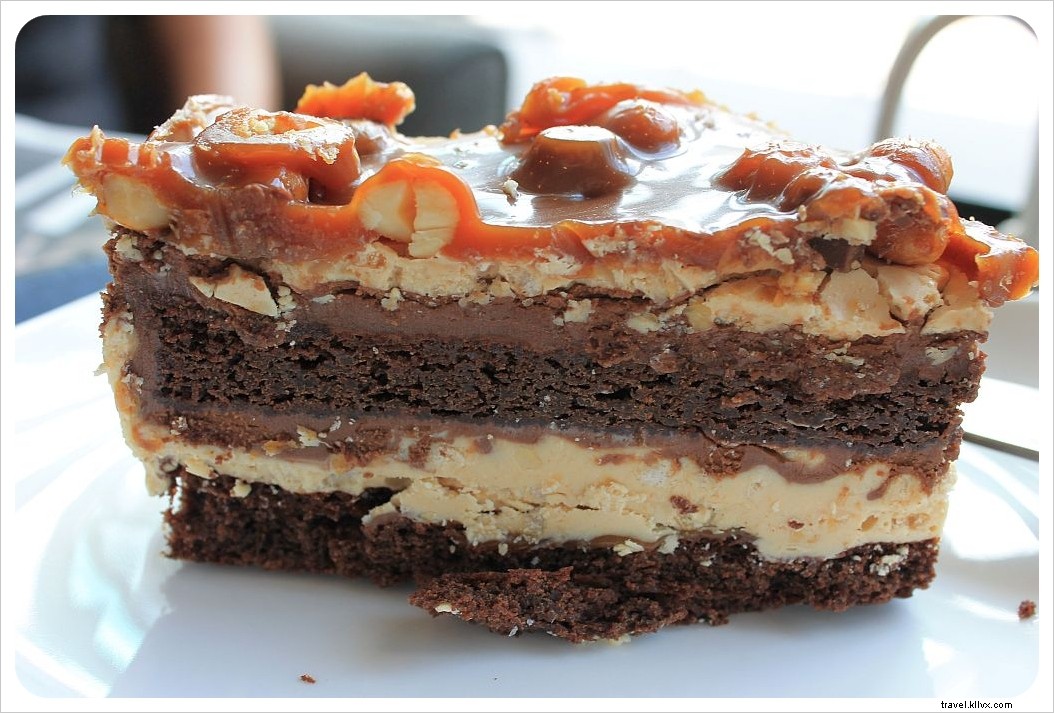
 Local Starbucks impress with superior cakes, outshining global counterparts.
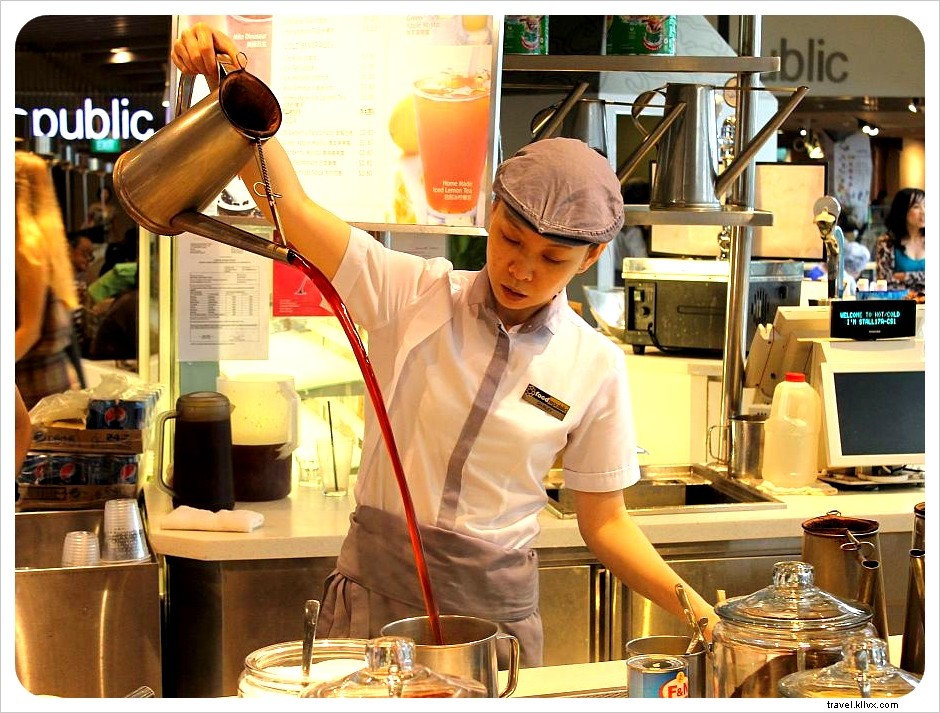
 While chains abound, traditional coffee houses preserve time-honored brewing methods.
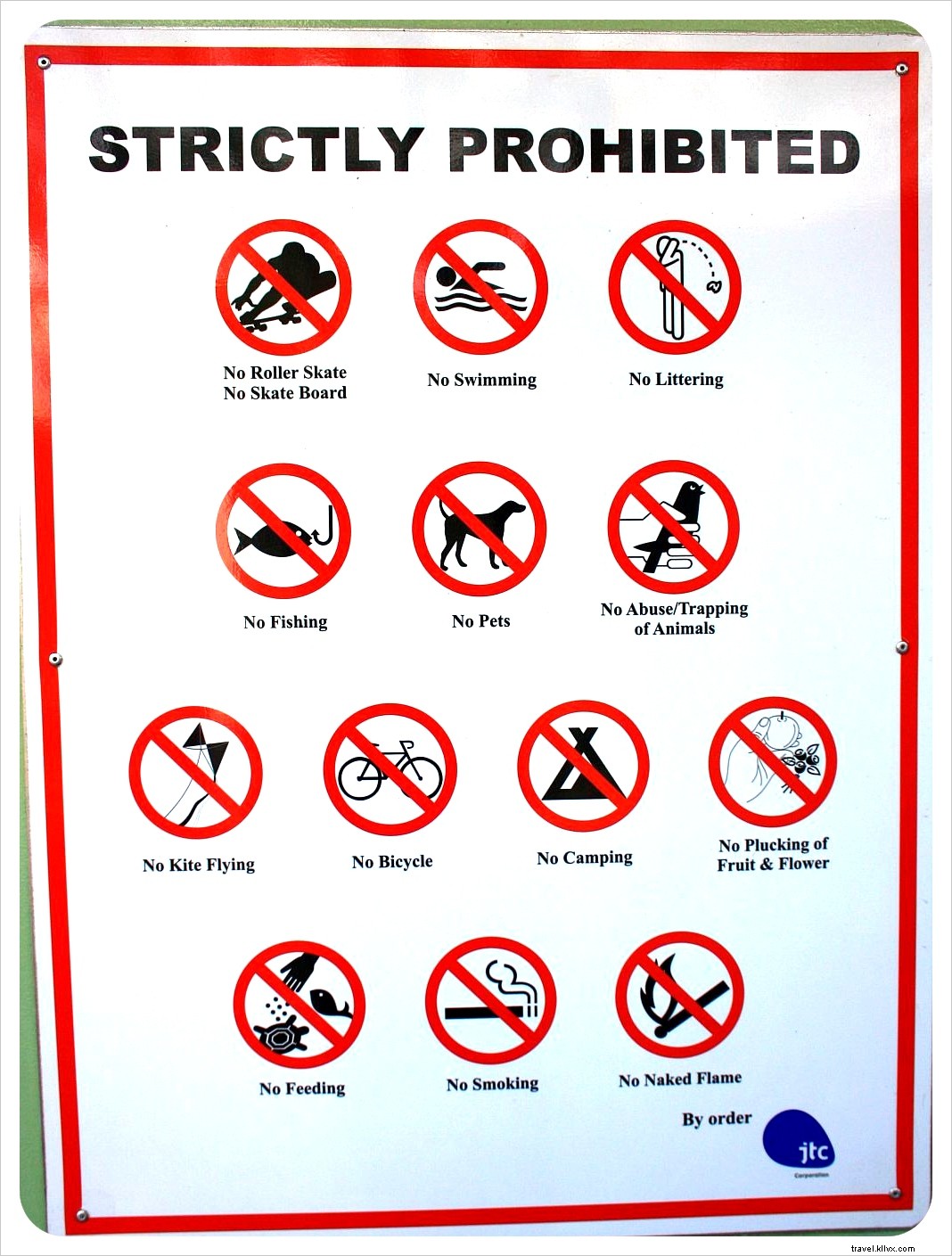 Known as Southeast Asia's 'police state' or the punny 'FINE city,' Singapore enforces rules strictly—fines up to $500 for eating on transit, with clear signage everywhere. Chewing gum isn't illegal but unavailable locally. These measures yield results: it's the cleanest and safest city we've experienced in the region.
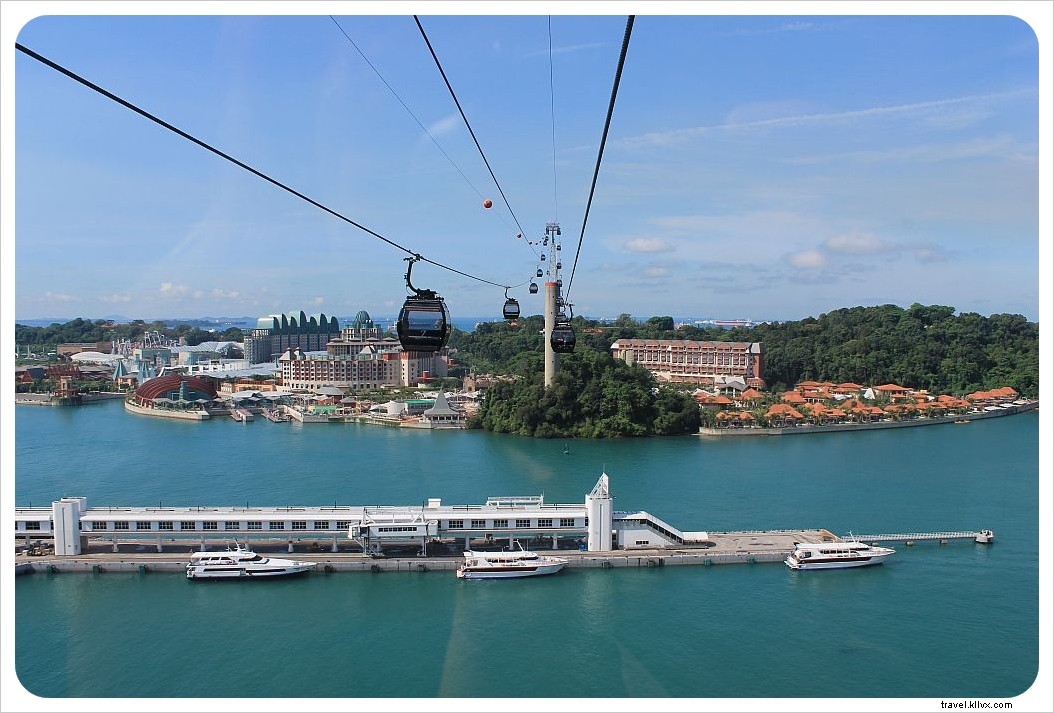
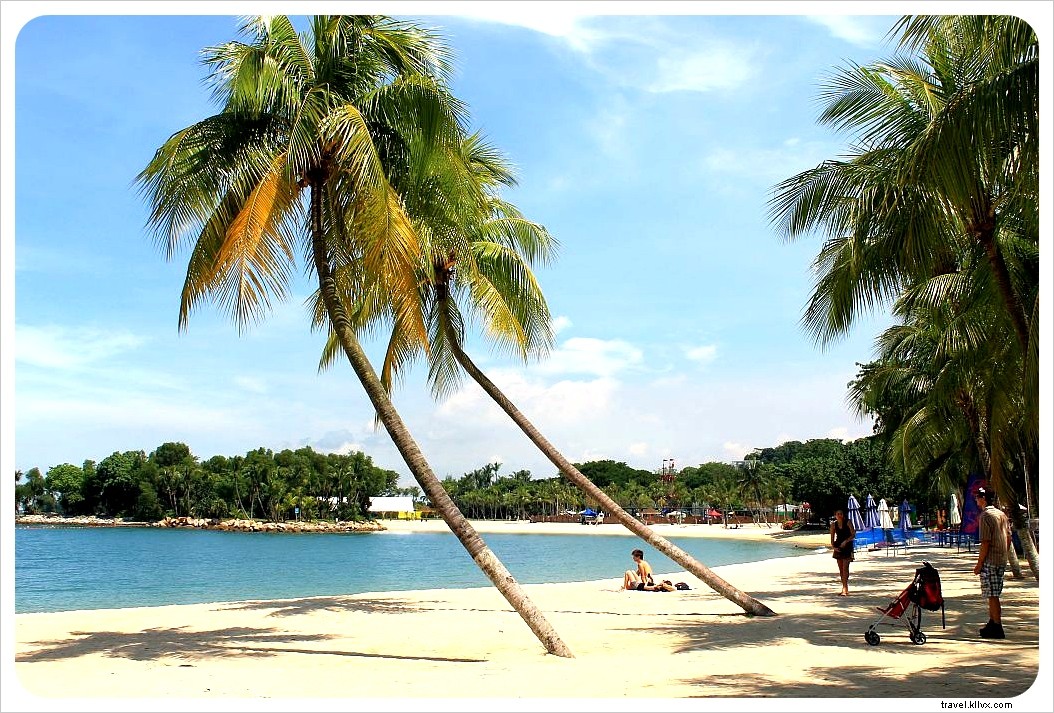 Surprisingly, Singapore offers pristine beaches like those on Sentosa Island, a quick 10-minute gondola or metro ride from the city.
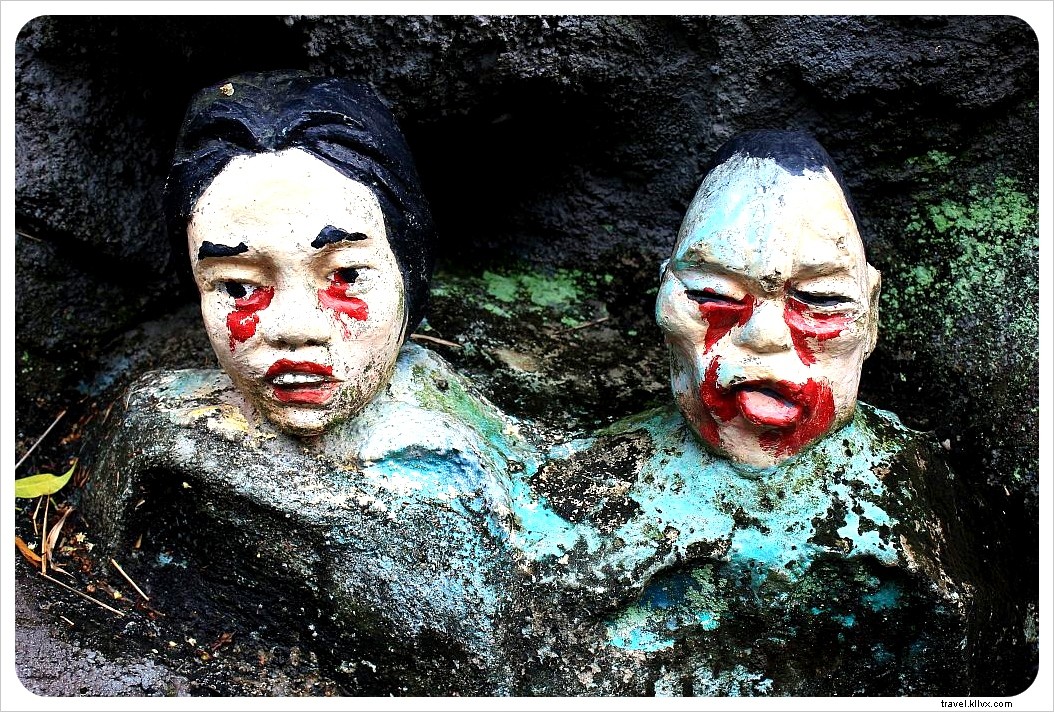
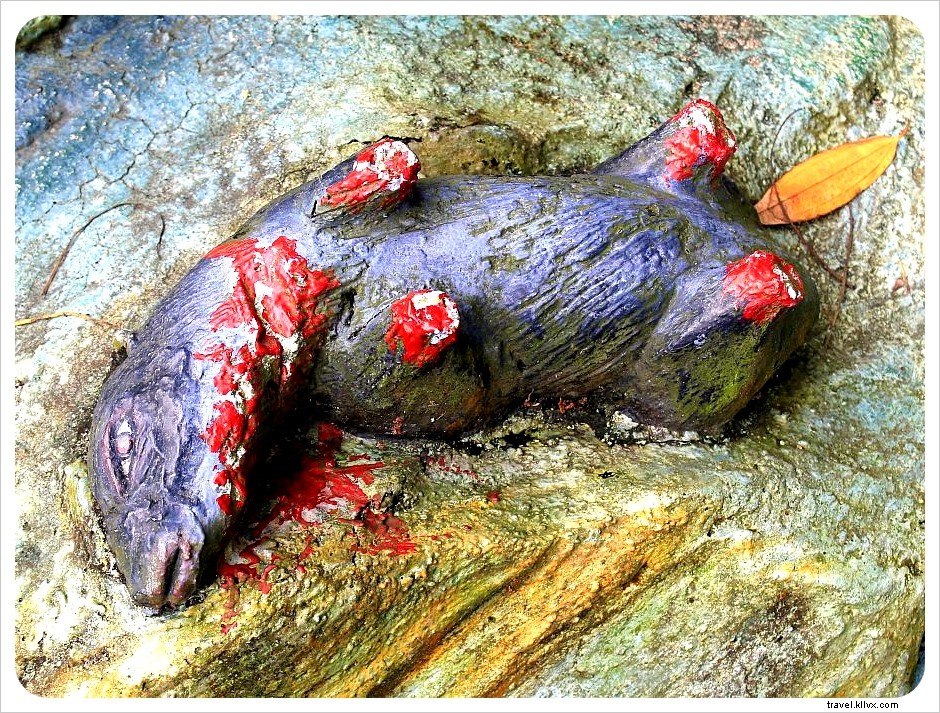
Singapore's creepiest spot? Haw Par Villa, founded by Tiger Balm's creators (read more).
 Singapore's vibrancy shines everywhere—brightly painted houses in neighborhoods like Clarke Quay.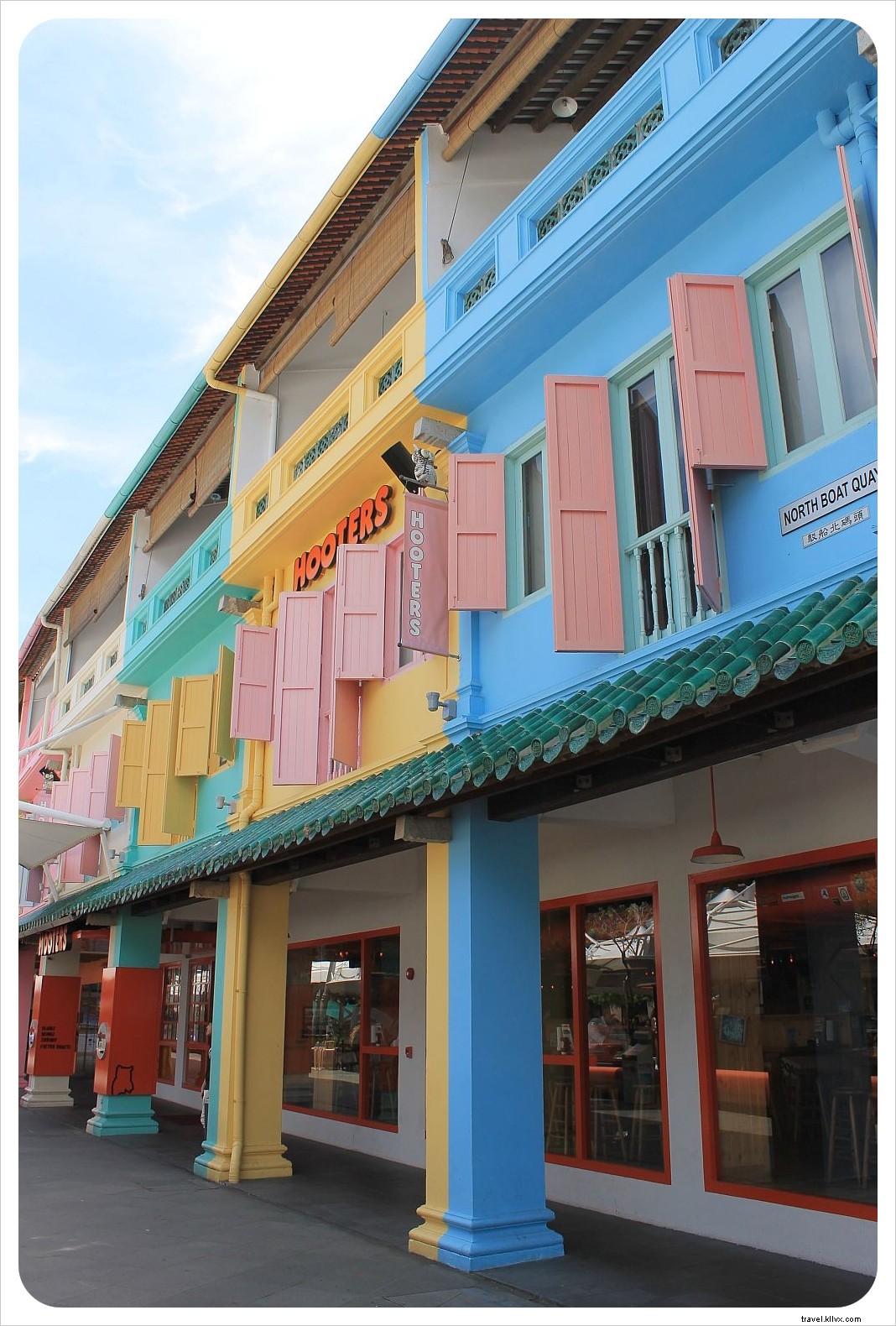
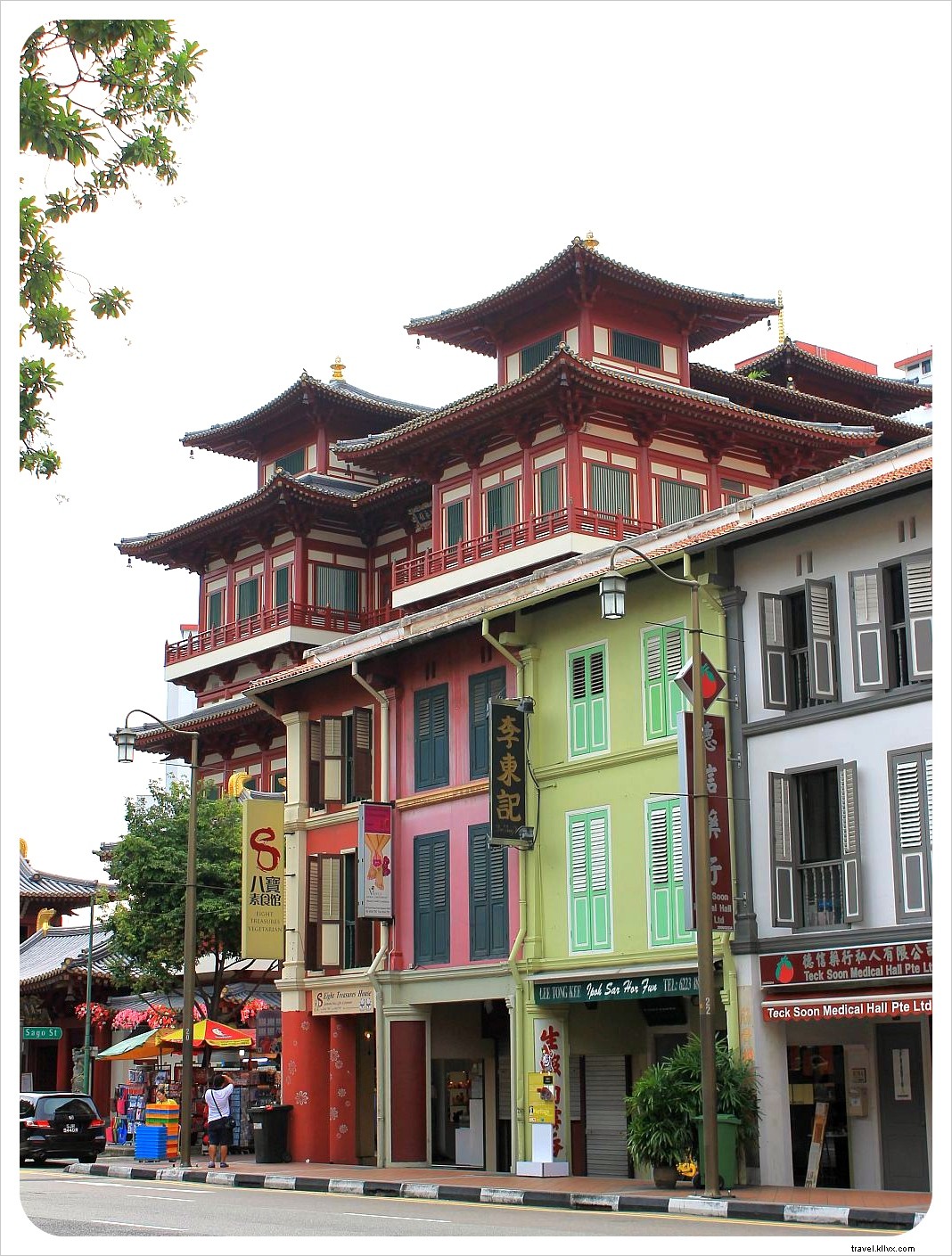
Colorful Chinatown
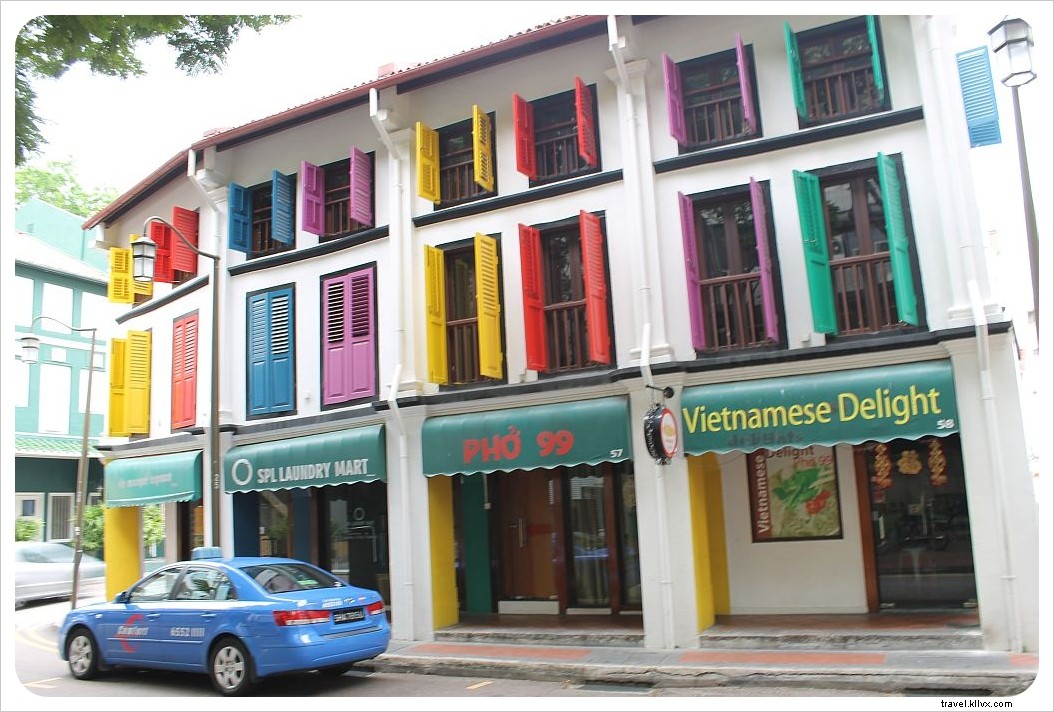
We relished hawker stalls, food markets, and bustling street markets.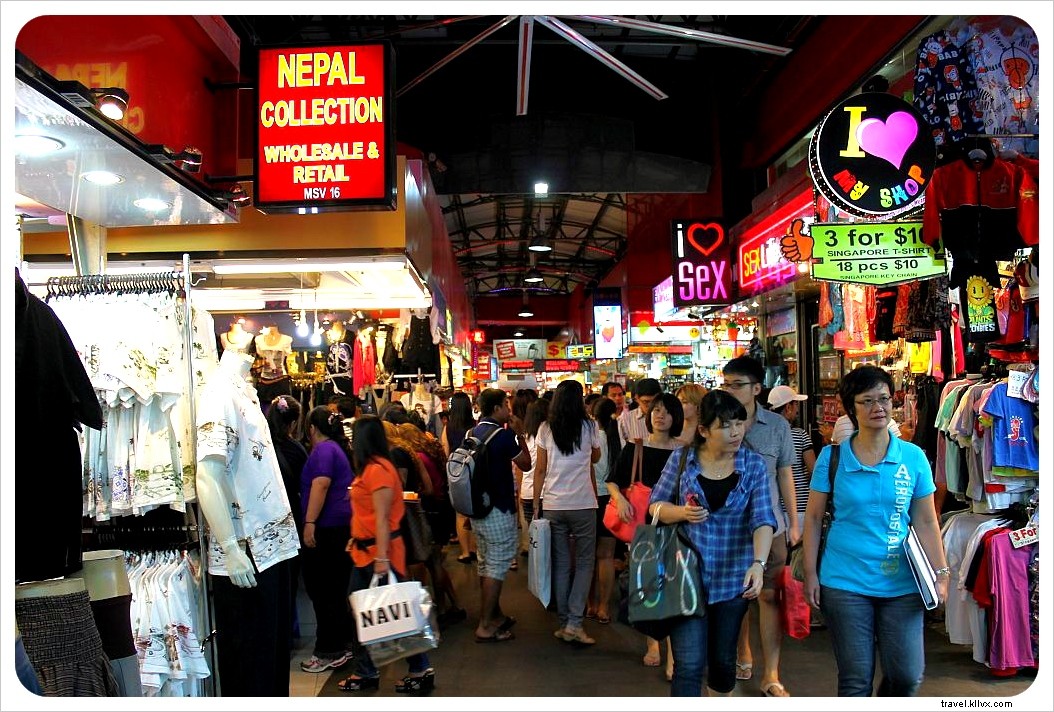
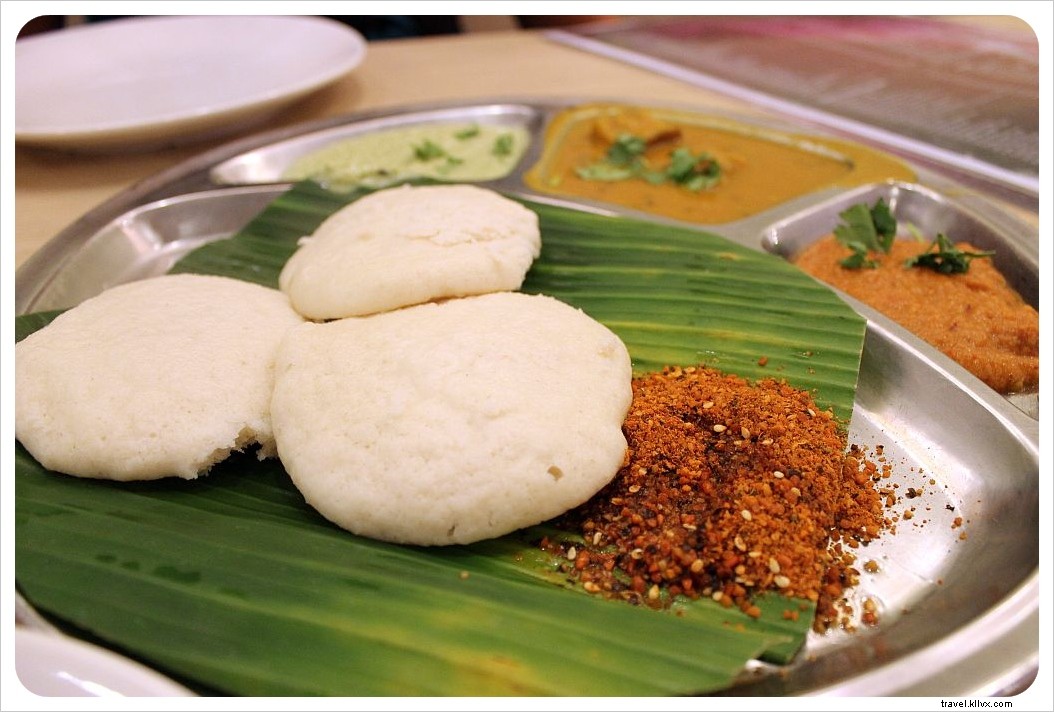 Authentic Indian Idli in Singapore
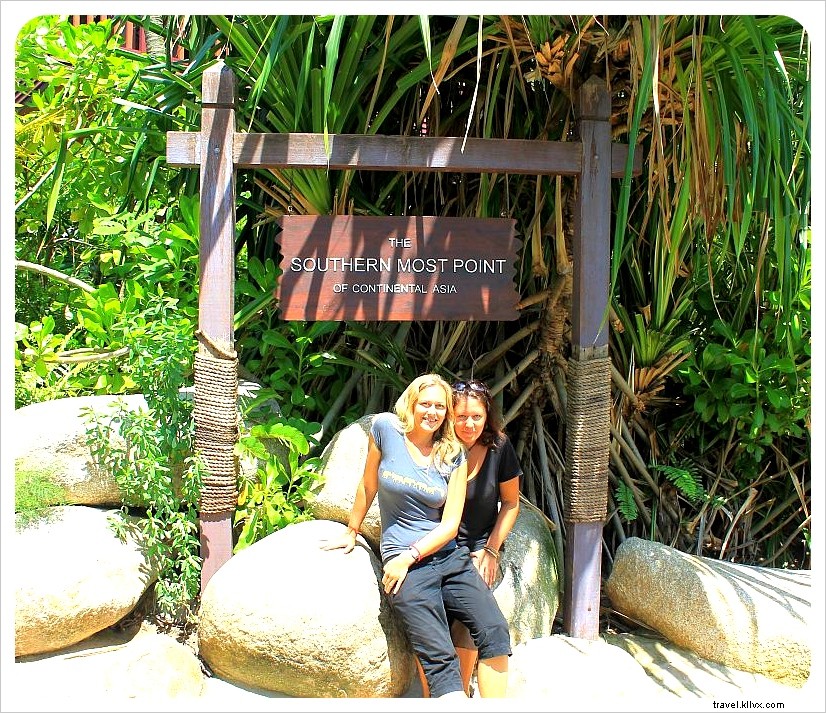 We reached Continental Asia's southernmost point!