Teotihuacán: Explore Mexico's Majestic Pyramids of the Sun and Moon – Complete Guide
Nestled in a mountain-encircled valley near Mexico City, Teotihuacán is a UNESCO World Heritage site and Mexico's largest ancient city. Home to the colossal Pyramids of the Sun and Moon, it served as the capital of the region's most powerful pre-Hispanic empire.
The Pyramids
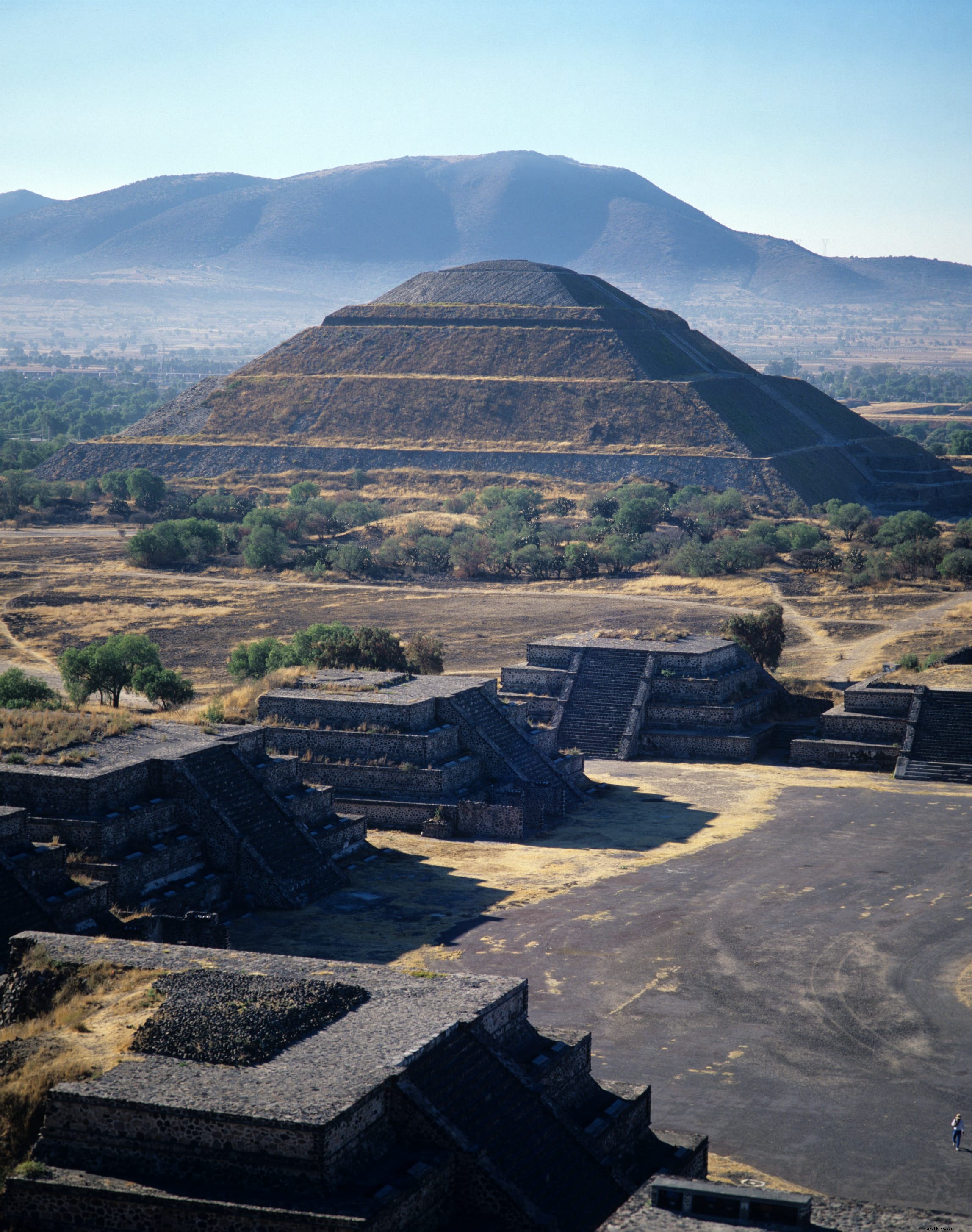
The site's centerpiece is the iconic Calzada de los Muertos (Avenue of the Dead), a grand boulevard once flanked by elite palaces. To the south lies La Ciudadela, a pyramid-adorned complex thought to house the city's supreme ruler. Within its walls stands the striking Templo de Quetzalcóatl, renowned for its intricate feathered serpent carvings.
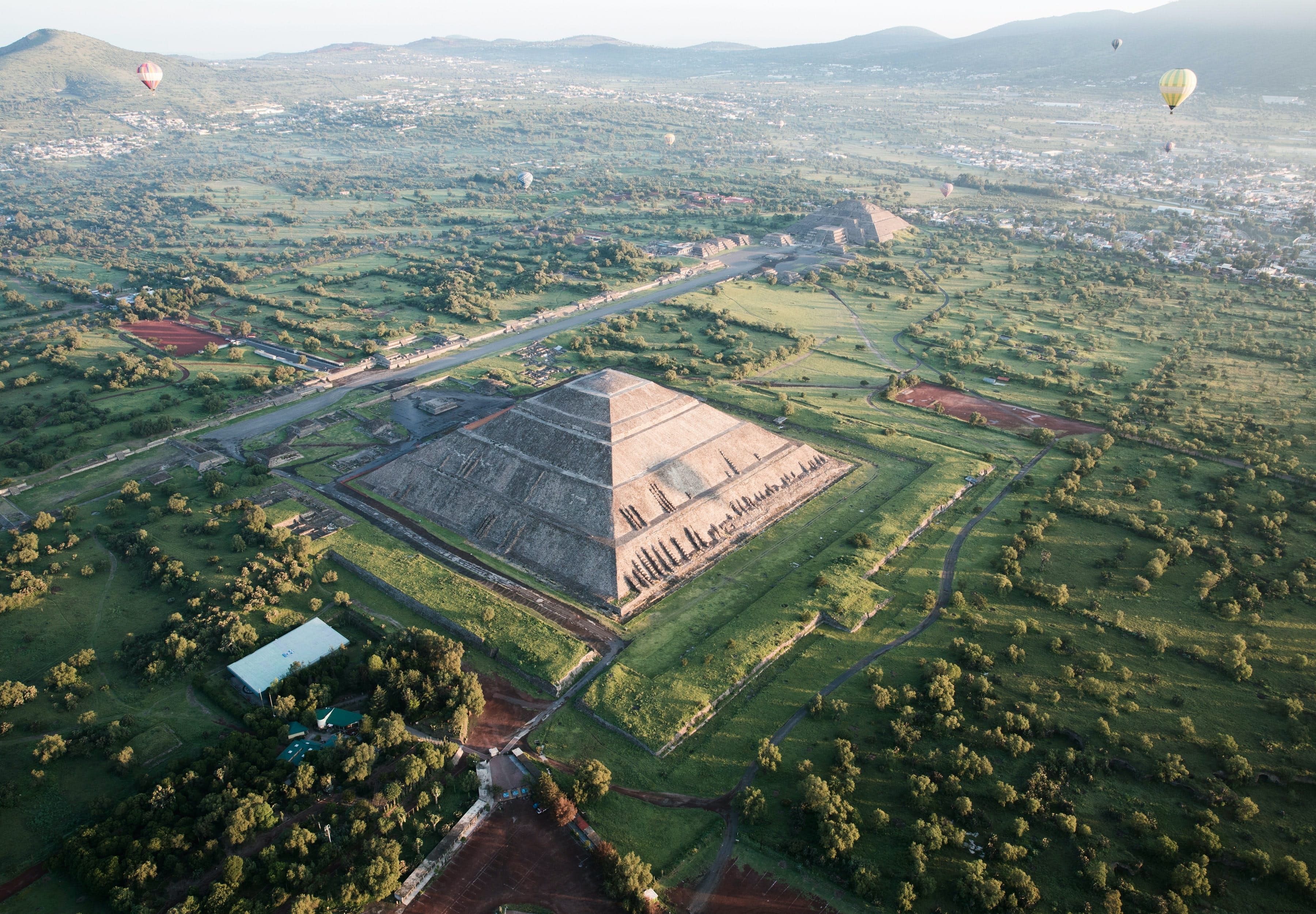
Heading north along the avenue, you'll encounter the Pyramid of the Sun, the world's third-largest pyramid at 230ft (70m) tall with 248 steps. The path ends at the Pyramid of the Moon, overlooking the 12 temple platforms of the Plaza de la Luna. Nearby highlights include the fresco-adorned Palacio de Quetzalpapálotl (Palace of the Quetzal Butterfly), Palacio de los Jaguares (Jaguar Palace), and Templo de los Caracoles Emplumados (Temple of the Plumed Conch Shells). Teotihuacán's famed Paradise of Tláloc mural graces the Palacio de Tepantitla, northeast of the Pyramid of the Sun. An on-site museum provides invaluable context.
History
Teotihuacán was a vibrant melting pot, drawing migrants from the south and featuring segregated multi-ethnic neighborhoods. DNA studies from 2015 suggest cultural and class tensions contributed to its decline.
Laid out in a precise grid by the early 1st century CE, the Pyramid of the Sun was completed atop a sacred cave by 150 CE. The city flourished between 250 and 600 CE before social, environmental, and economic pressures led to its 8th-century collapse.
Two major avenues divided the city into quarters, converging at La Ciudadela. The north-south Calzada de los Muertos was later dubbed by Aztecs as a avenue of tombs built by giants. Iconic structures feature the talud-tablero style—alternating sloping talud and vertical tablero panels, often lime-washed and vividly painted. Residential compounds, some with exquisite frescoes, dominated the urban landscape.
Even after its fall, Teotihuacán drew Aztec pilgrims, who revered it as the birthplace of the gods' sacrifice to ignite the sun in the 'fifth world.' Today, it attracts New Age seekers for the vernal equinox (March 19–21), drawn to its mystical energies.
Tickets and Practical Information
Entrance tickets cost M$75, available at the gate. Group tours include entry, skipping lines. A full day here rewards preparation: wear comfortable shoes, hat, and bring water. Lockers (guardabultos) accommodate medium bags.
How to Get There
Located 31 miles (50km) northeast of Mexico City, Teotihuacán offers early-stay options in nearby San Juan Teotihuacán.
Autobuses México–San Juan Teotihuacán departs Terminal Norte (gate 8) hourly from 7am–6pm (M$52, 1 hour) to 'Los Pirámides.' Check for safety updates via the US State Department. Buses loop site gates; re-entry allowed same-day. Museum at gate 5.
Post-1pm returns are frequent; last to Mexico City at 6pm. Tours from Zócalo or hotels (e.g., Capital Bus, Turibús) include guides and fees—ideal for solos.
Top Tips
- Vast crowds peak 10am–2pm, Sundays, holidays, and equinox. Arrive early to beat them and vendors.
- High altitude and heat demand hydration, hats, and pacing—expect miles of walking. June–September brings afternoon showers.
- English guides at gates (~M$600/group); city tours better for small groups.