

decorative font style

Castillo de San Pedro de la Roca del Morro: Santiago de Cuba's UNESCO Fortress and Pirate History
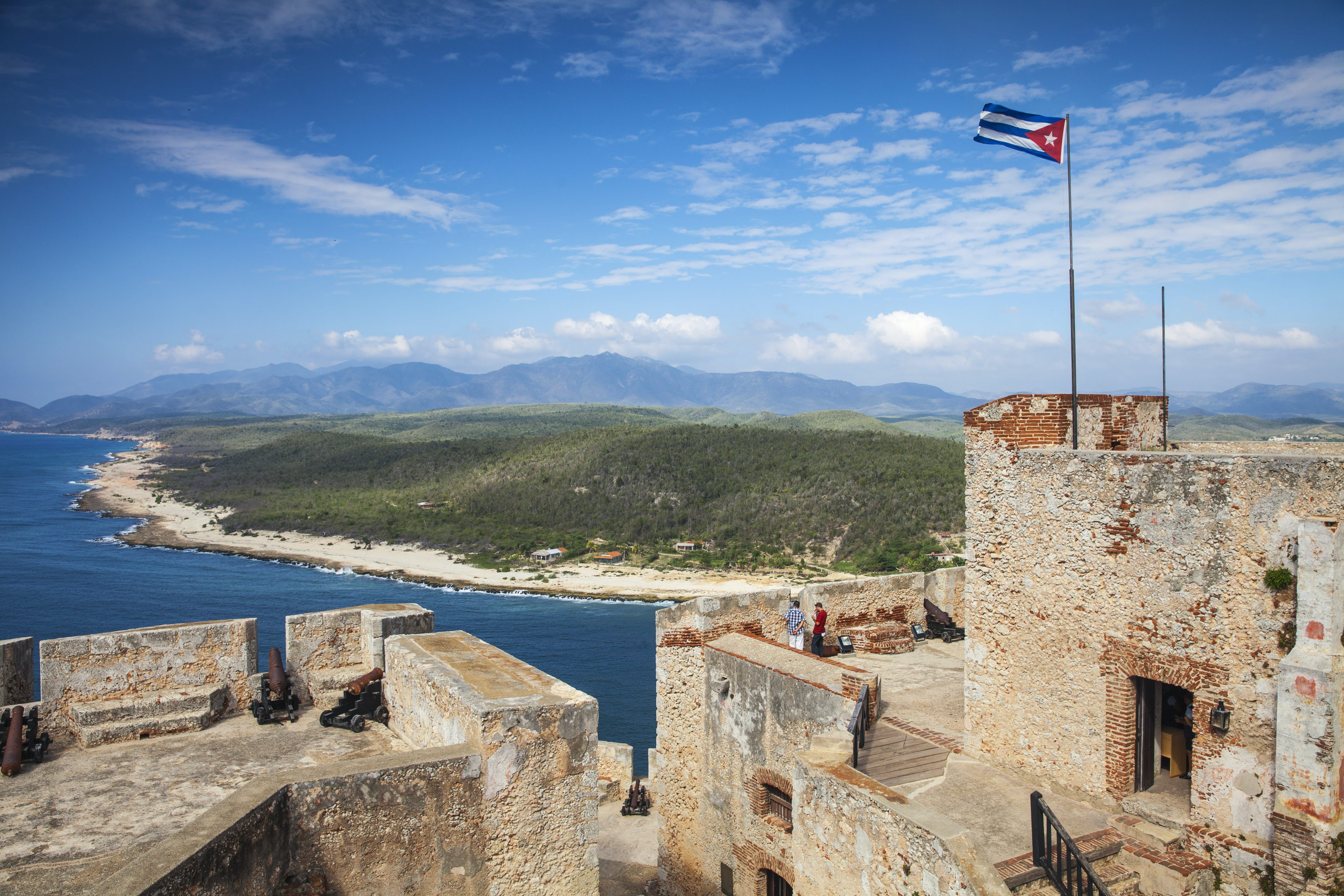
Castillo de San Pedro de la Roca del Morro: Santiago de Cuba s UNESCO Fortress and Pirate HistoryImage by Jane Sweeney / Getty Images

A UNESCO World Heritage Site since 1997, Castillo de San Pedro de la Roca del Morro crowns a 60m-high promontory at the entrance to Santiago de Cuba's harbor, 10km southwest of the city. Stunning views from the upper terrace sweep across the rugged western coastline, backed by the Sierra Maestra mountains.

Expert multilingual guides share vivid historical context; tipping is customary and appreciated.

Designed in 1587 by Italian military engineer Juan Bautista Antonelli—who also created Havana's La Punta and El Morro forts—to shield Santiago from pirates after their 1554 raid, construction began in 1633 amid funding delays and spanned 60 years. British privateer Henry Morgan sacked and damaged it during this period.

Completed in the early 1700s, its formidable batteries, bastions, magazines, and walls saw limited action as piracy declined. It served as a prison from the 1800s (except briefly during the 1898 Spanish-Cuban-American War) until Cuban architect Francisco Prat Puig led a restoration in the late 1960s.

Today, the fort houses the captivating Museo de Piratería, plus exhibits on the 1898 U.S.-Spanish naval battle in the bay.

Like Havana's fortress, it features a dramatic cañonazo ceremony at sunset, with actors in Mambí attire firing the cannon.

Reach it via bus 212 to Ciudamar (20-minute walk) or a round-trip taxi from Parque Céspedes for about CUC$25 including wait time.

Tourist Attraction
  • -

    As you step into Chichén Itzá, El Castillo—also known as the Pyramid of Kukulcán—stands majestically before you. The original pre-Toltec temple dates to around AD 800, but the current 25m-high structure, built atop it, showcases plumed serpents sculpted along the stairways and Toltec warriors carved above the doorway. Climbing is prohibited following a fatal accident in 2006, so the upper carvings remain out of view.This architectural marvel functions as a massive stone Maya calendar. Each of it

  • San Clemente: Orange County s Premier Coastal Escape for Beaches, Surfing, and Shopping

    Nestled in one of Californias most urbanized regions, Orange County, San Clemente provides a refreshing break from the hustle. Here, the Pacific Coast Highway stretches through open expanses, and I-5 traffic eases considerably. The beaches are less crowded, offer excellent surfing, remain relatively serene, and many include seaside campsites for an authentic coastal experience. For Shoppers San Clemente enchants visitors with its pristine beaches, but its world-class shopping venues are equal

  • -

    Just two hours by land from Mexicali, is San Felipe, Baja California, a warm climate town that extends from Punta El Machorro to Punta Estrella, on the shores of the Sea of Cortés and in the middle of the imposing desert. San Felipe is a fishing village, blessed by a riverbed that gives off a gentle swell at dawn and seems to trace the path of the sea. Thus, the boats leave early to do their job, while travelers stop to watch the almost unusual growth of the water, which ends at dusk.