Morocco's Valley of the Roses: Experience the Iconic Rose Festival in the Atlas Mountains
At dawn, the Atlas Mountains glow rust-red as rose-pickers from Hdida set out. Wearing flip-flops and djellabas (traditional full-length hooded garments), they follow a dusty path to the fields, soon vanishing amid the foliage.
Fruit trees line the trail, heavy with figs, dates, and oranges. Barley and alfalfa emerge from the ochre soil, irrigated by channels along the path. Pomegranates hang from branches overhead. Yet the women are here for a more aromatic harvest.
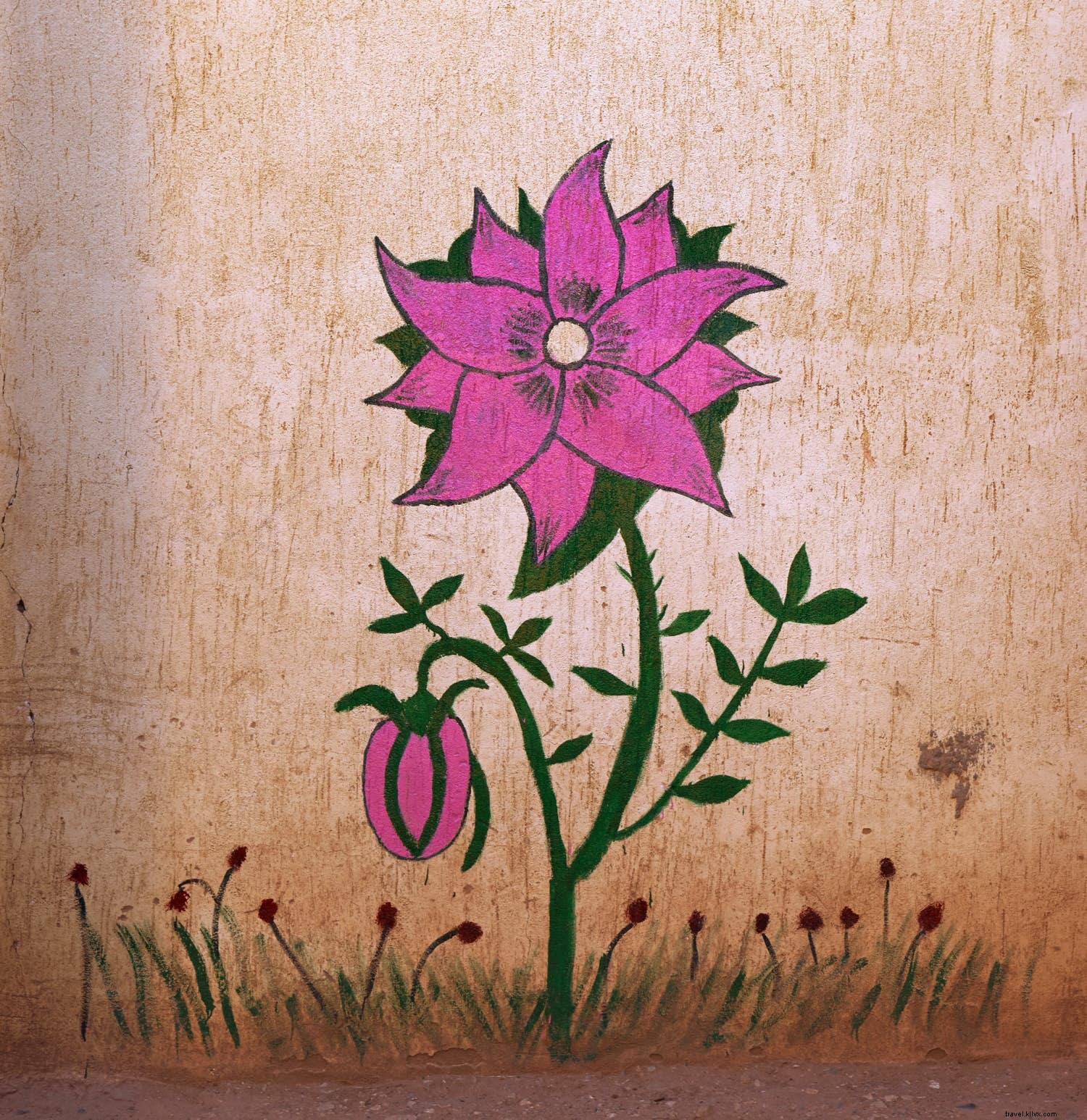
‘Can you smell them?’ asks Ait Khouya Aicha, stepping into a walnut-fringed meadow toward dense shrubs. She pulls down a branch laden with vivid pink flowers against deep green leaves.
‘These are the renowned roses of the Asif M’Goun River,’ she explains, holding a bloom. ‘Famous worldwide, their allure is best appreciated up close.’ Donning thick gloves, she snips a flower, inhaling its heady, sweet perfume with hints of honey and treacle.
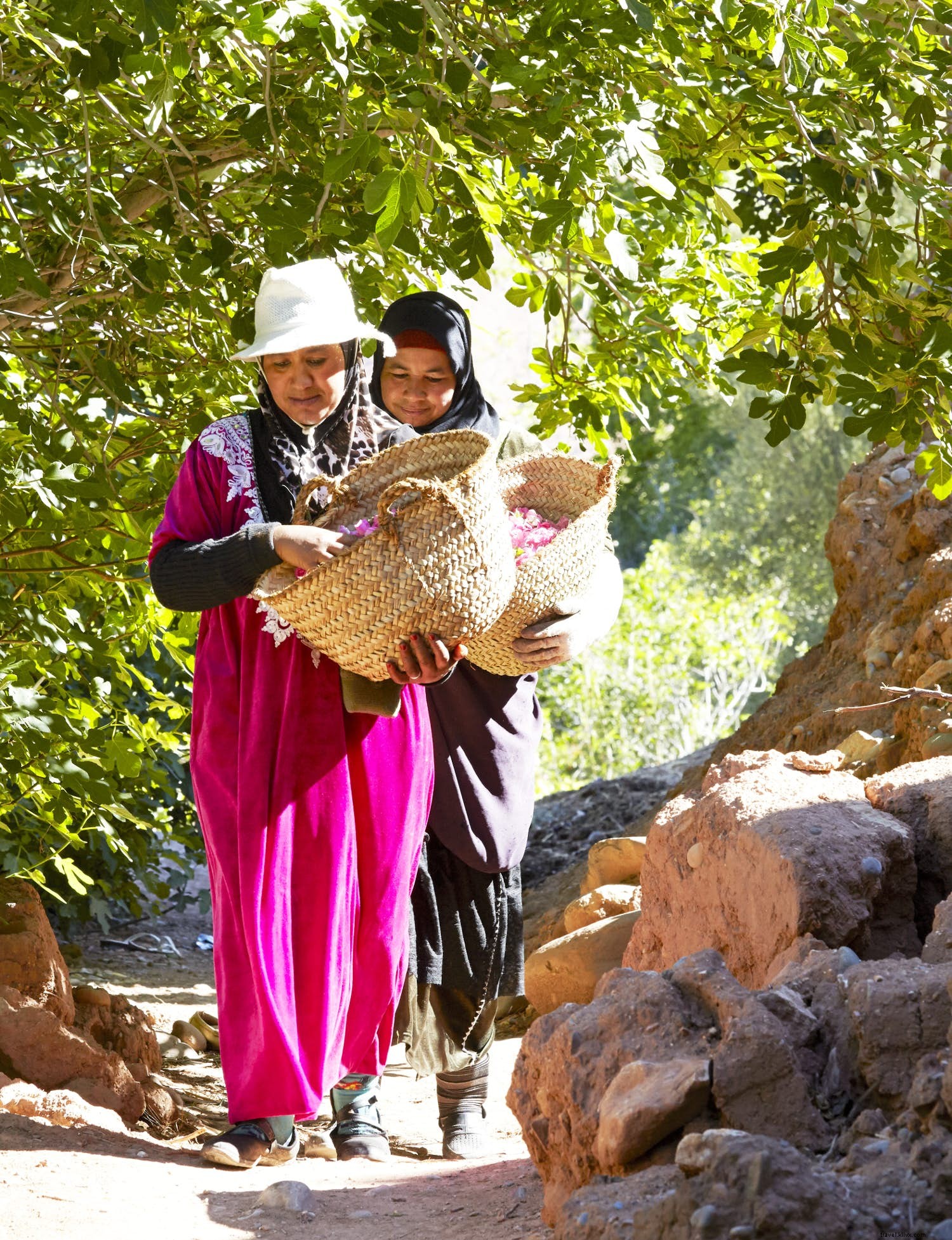
‘The scent peaks in the morning, so we harvest swiftly,’ she says, placing the bloom in her tachtate, a robe gathered at the waist. ‘Sunlight scorches the petals, diminishing their fragrance.’
In 30 minutes, Aicha and her group fill four sacks. They return to the village, sharing dates and nuts for breakfast. At a backstreet garage serving as the co-operative, owner Ahmid Mansouri weighs the pristine blossoms on old scales, adding them to a petal-covered floor.
‘Excellent quality,’ he notes, smoking a hand-rolled cigarette. ‘Last week yielded double; next week, the bloom ends. The Festival of the Roses begins soon.’
The origins of roses in this remote Atlas corner, six hours southeast of Marrakesh, remain legendary. A Berber merchant from Damascus reportedly brought Rosa damascena, the Damask rose from ancient Syria, prized for its potent perfume.
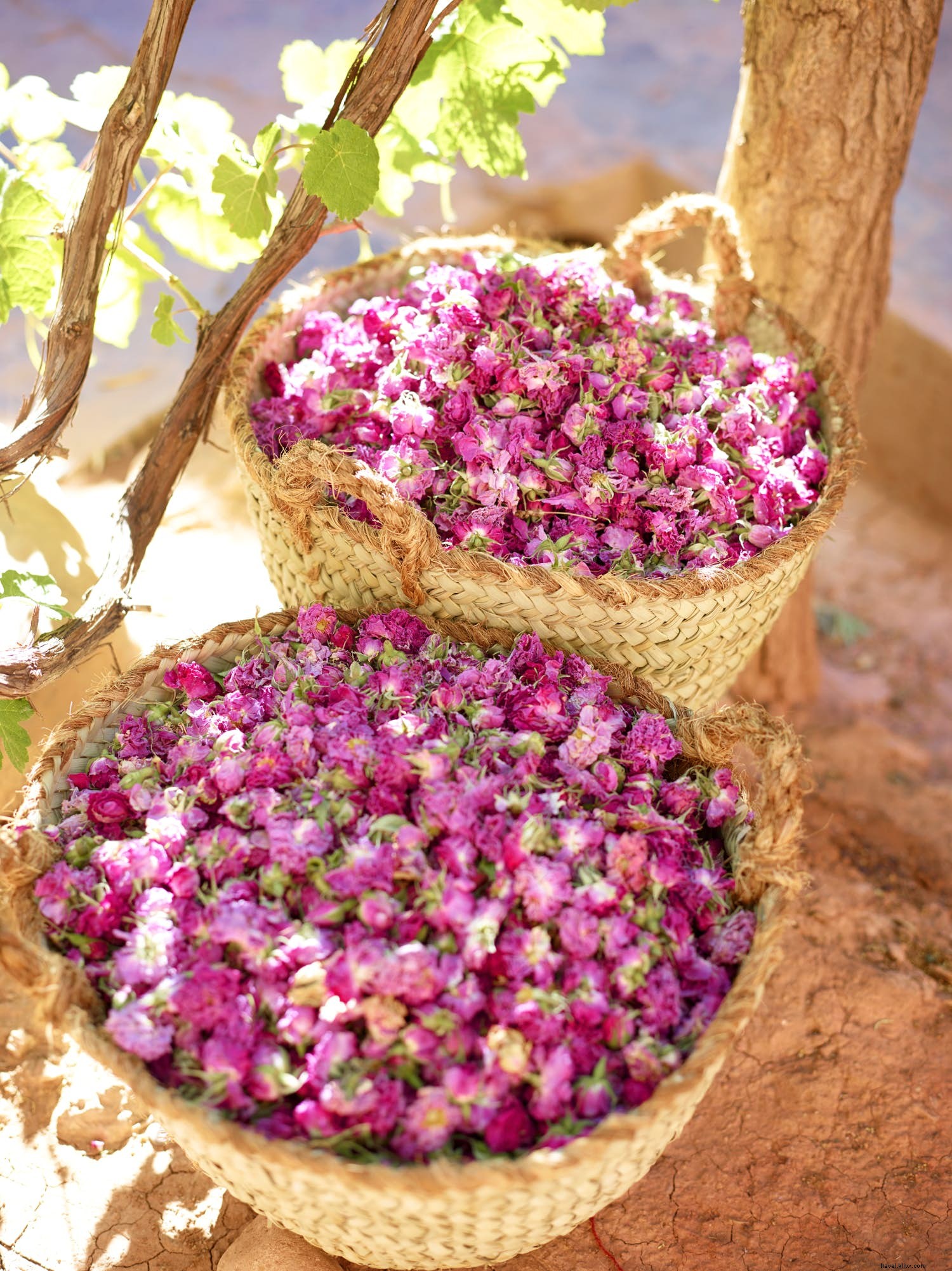
Today, the M’Goun Valley—known as Vallée des Roses—is world-renowned. From April to mid-May, it yields 3,000-4,000 tonnes of wild roses from hedgerows, walls, and field edges. Women hand-harvest before dawn, selling to valley co-operatives. Local distilleries produce rose water, soaps, and potpourri, but French perfume houses prize these petals for their unique essence.
Producing one litre of rose oil demands four tonnes of petals (1.6 million flowers) at €12,000 per litre. Amid competition from Turkey and Bulgaria, the Festival des Roses showcases the valley's superiority to global buyers.
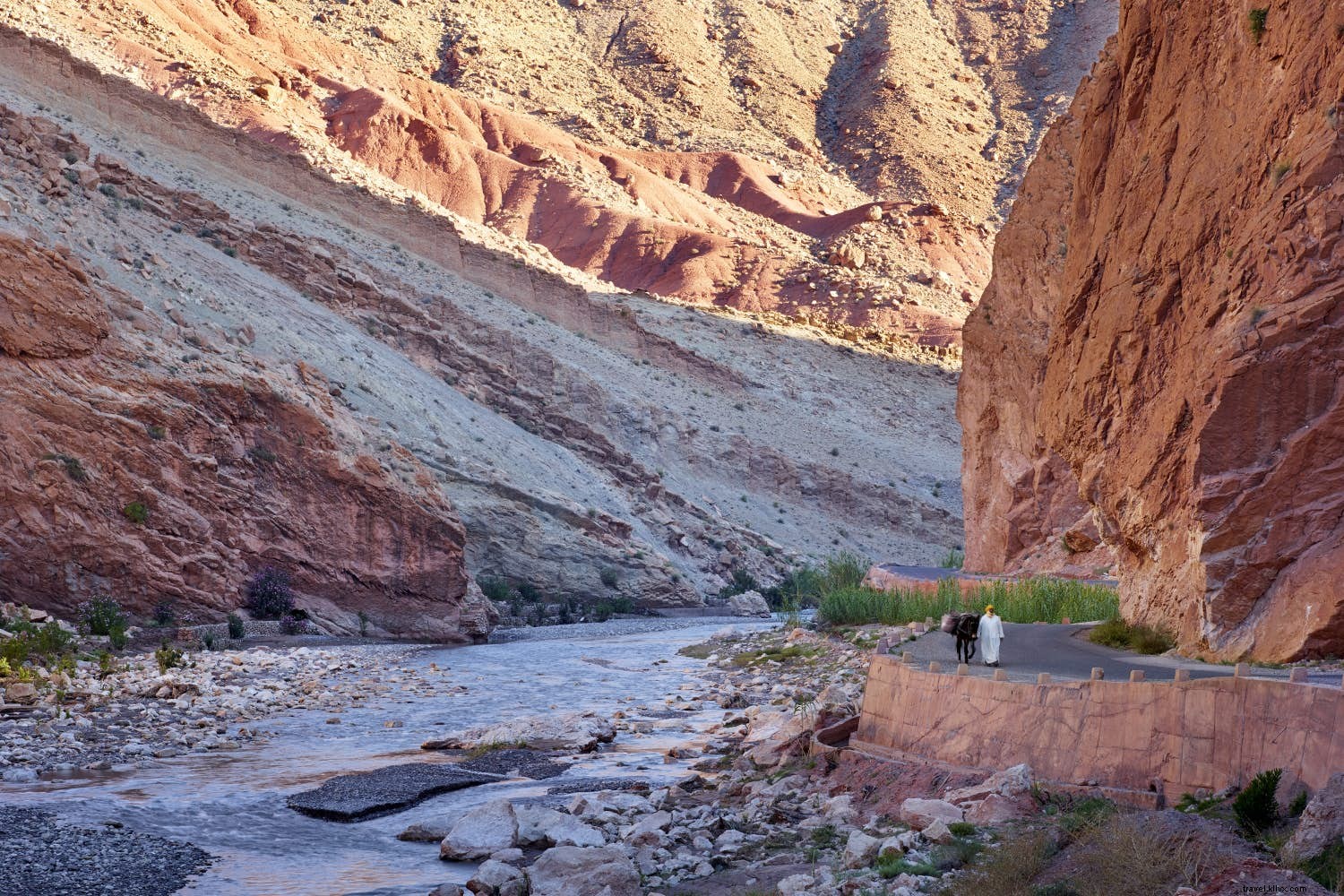
The day before the festival, the Asif M’Goun buzzes. In Hdida, amid terracotta homes, crimson peaks, and the river's blue ribbon, preparations intensify. Girls craft rose garlands; women label rose water and pack petals. Trucks rumble with flower crates, waving to children.
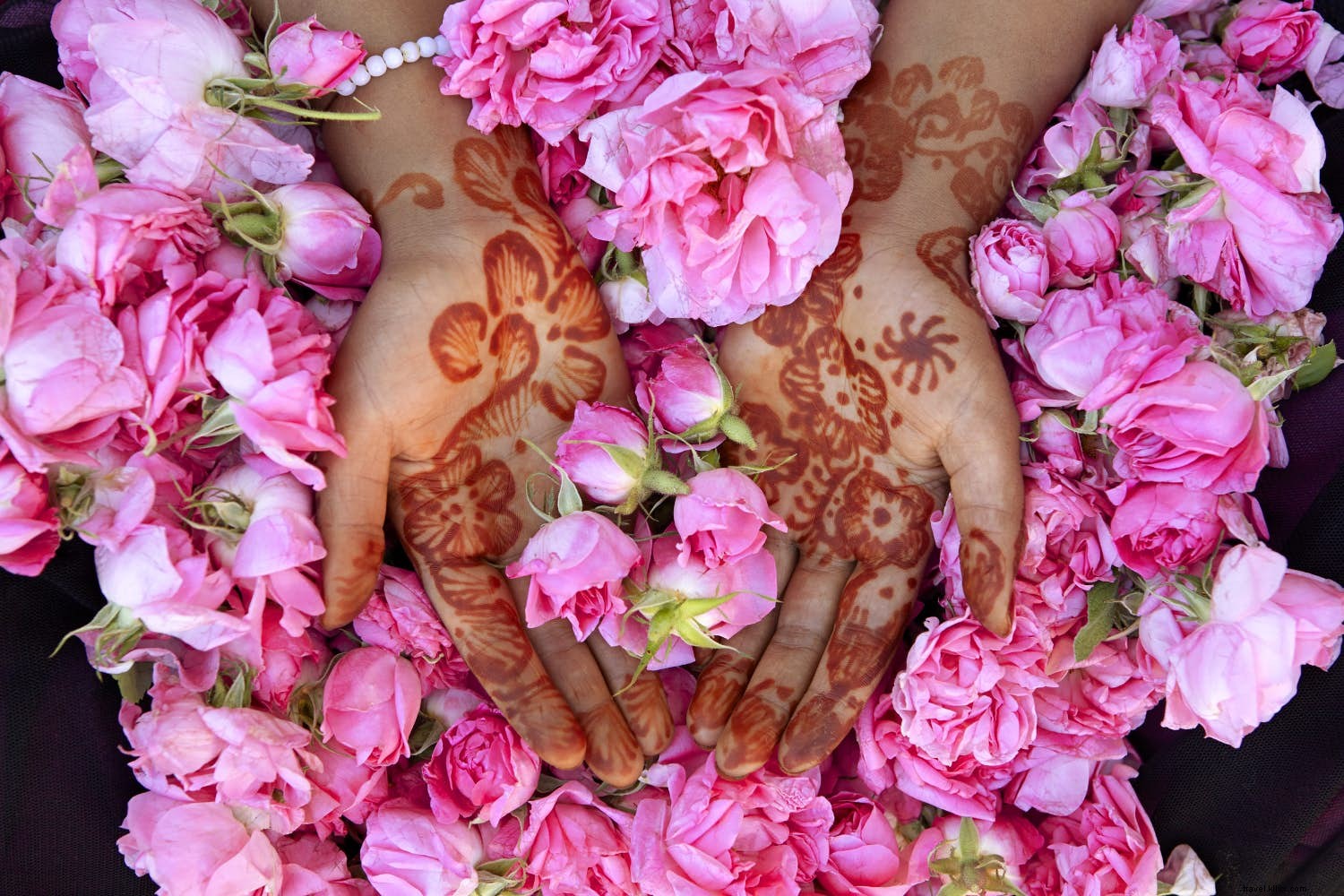
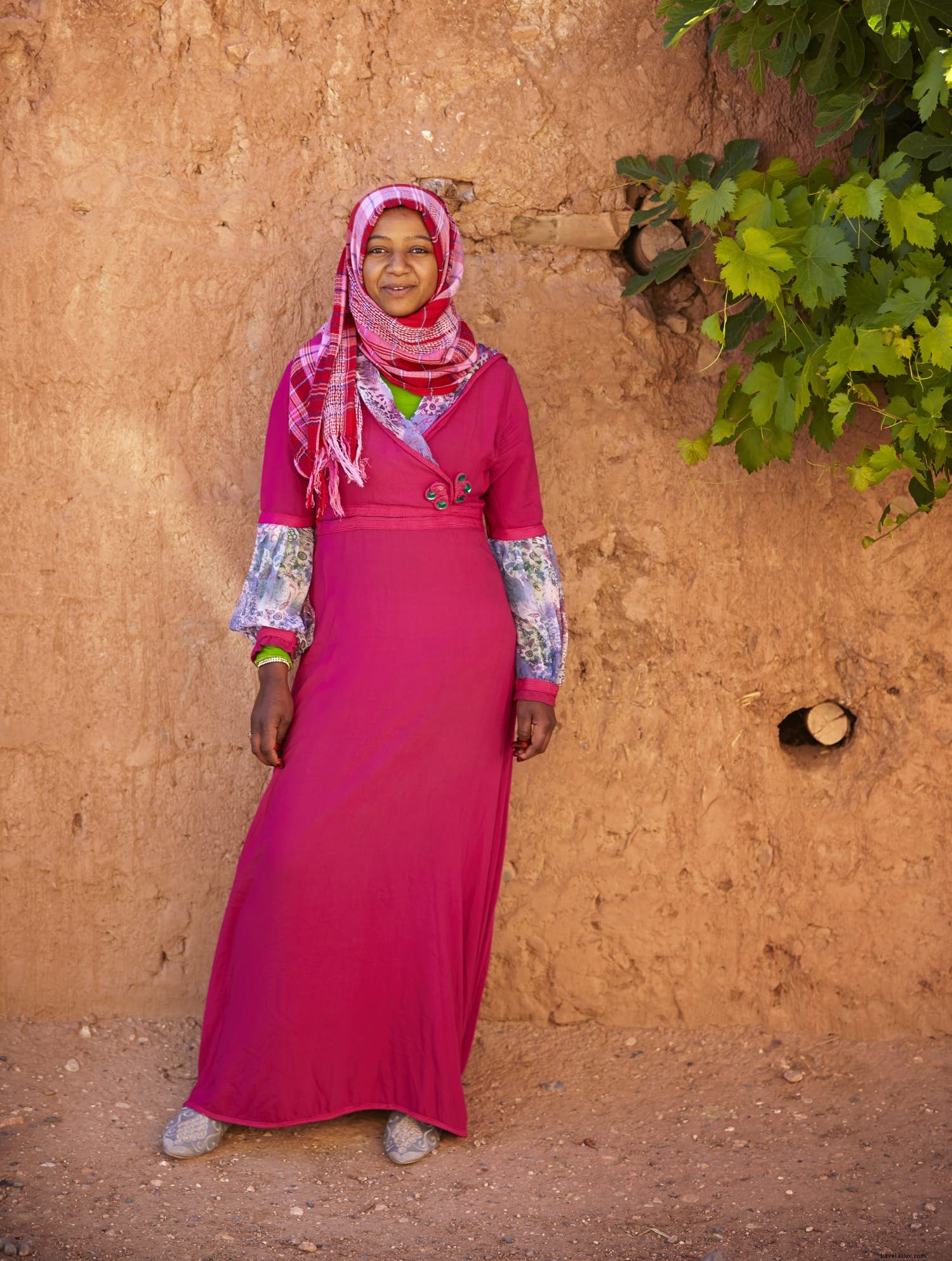
Naima Mansouri, in a pink djellaba with hennaed hands, crafts potpourri. ‘A bountiful year,’ she says. ‘We’ve started distilling our own rose water.’ Pointing to a copper still, she leads to the rooftop where petals dry in the sun, the river gleaming below jagged mountains.
‘Two weeks to dry; ready for tomorrow,’ Naima explains. ‘Tea time now.’ She brews rose petal tea: ‘Aids digestion and circulation—and tastes divine.’ Pouring high for froth, she watches a flower-laden mule cart pass. Old mountain paths, once vital, now attract hikers to kasbahs, gorges, and villages with storks and eagles.
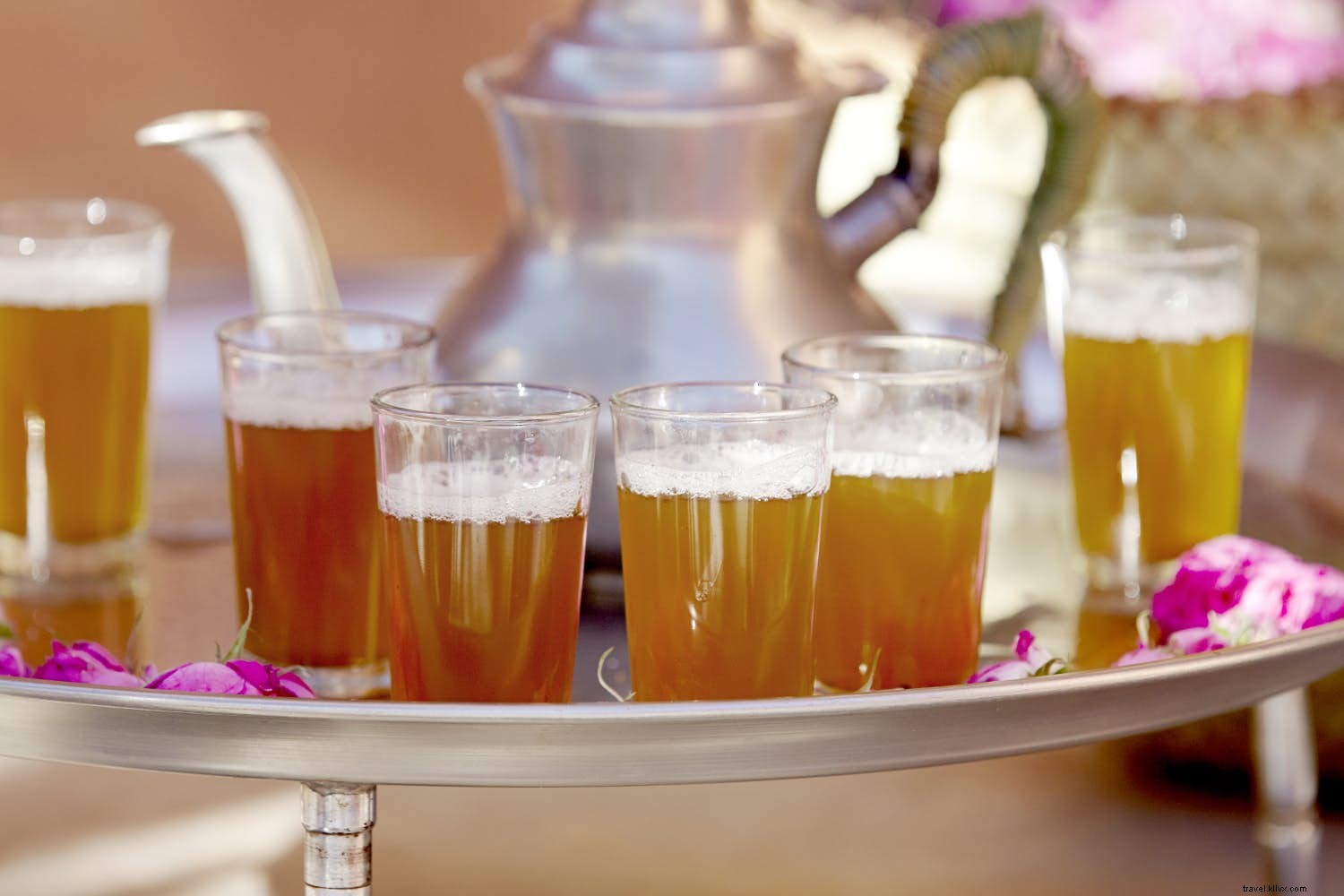
‘Welcome to the Festival des Roses!’ cheers shopkeeper Brahim Tichki in Kalaat M’Gouna, 11 miles south. His shelves brim with pink-packaged rose soaps, perfumes, shampoos, ointments, waters, and oils. ‘Try it—benefits hair, skin, heart!’ he spritzes passersby.
Streets pulse: kebabs sizzle, rugs and swords sell, amid drums, engines, and whistles. In the concourse, co-ops display roses in garlands and heaps under tents. Haggling yields deals; scents overwhelm sweetly. Local produce like apples, dates, nuts, cinnamon, and saffron abound.
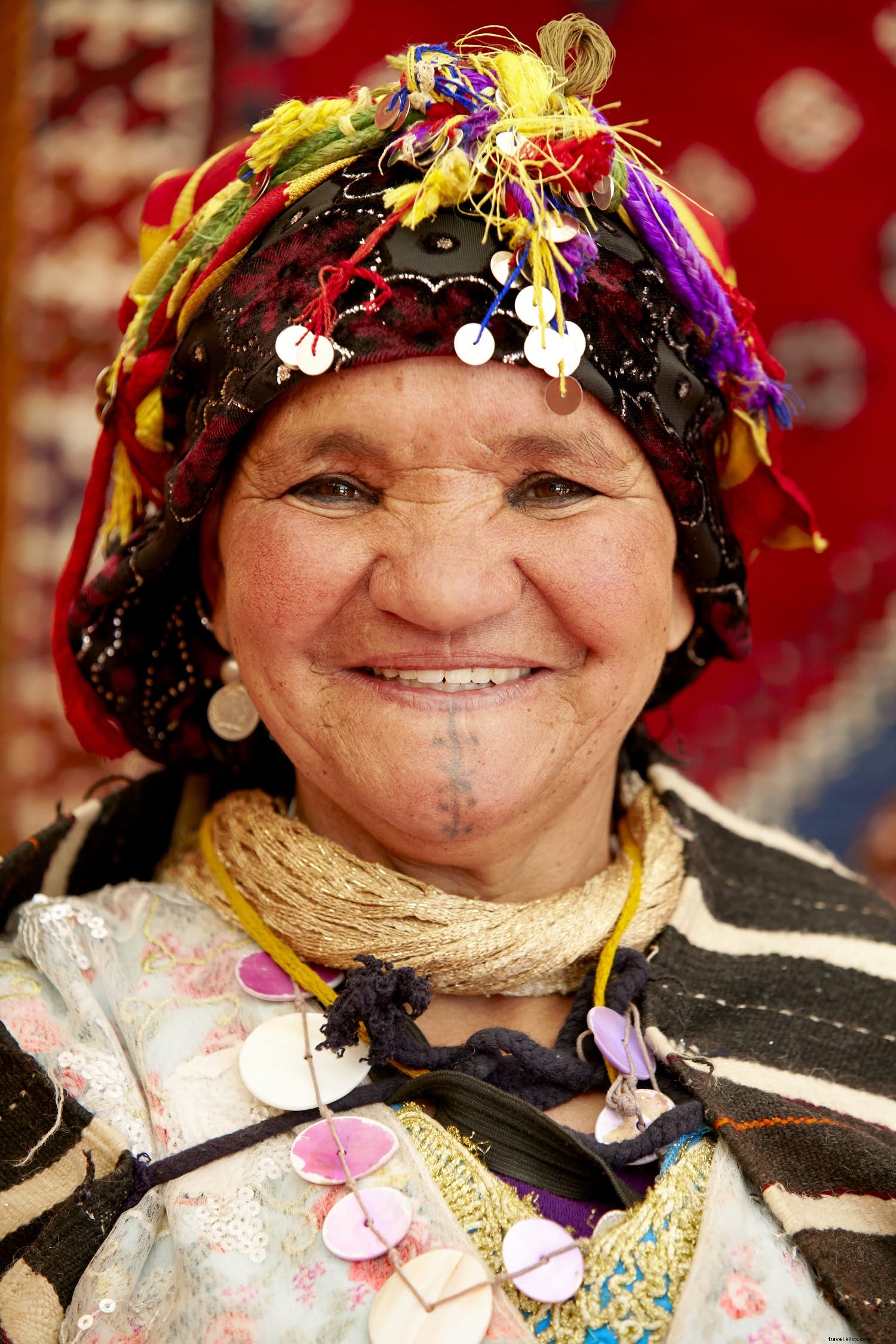
Berber elder Hannau Amrouch from apple-famous M’semrir, in traditional attire with chin tattoo, champions women's rights. ‘Rural women toil endlessly, but rose harvesting empowers them—building skills and confidence for Morocco's future.’
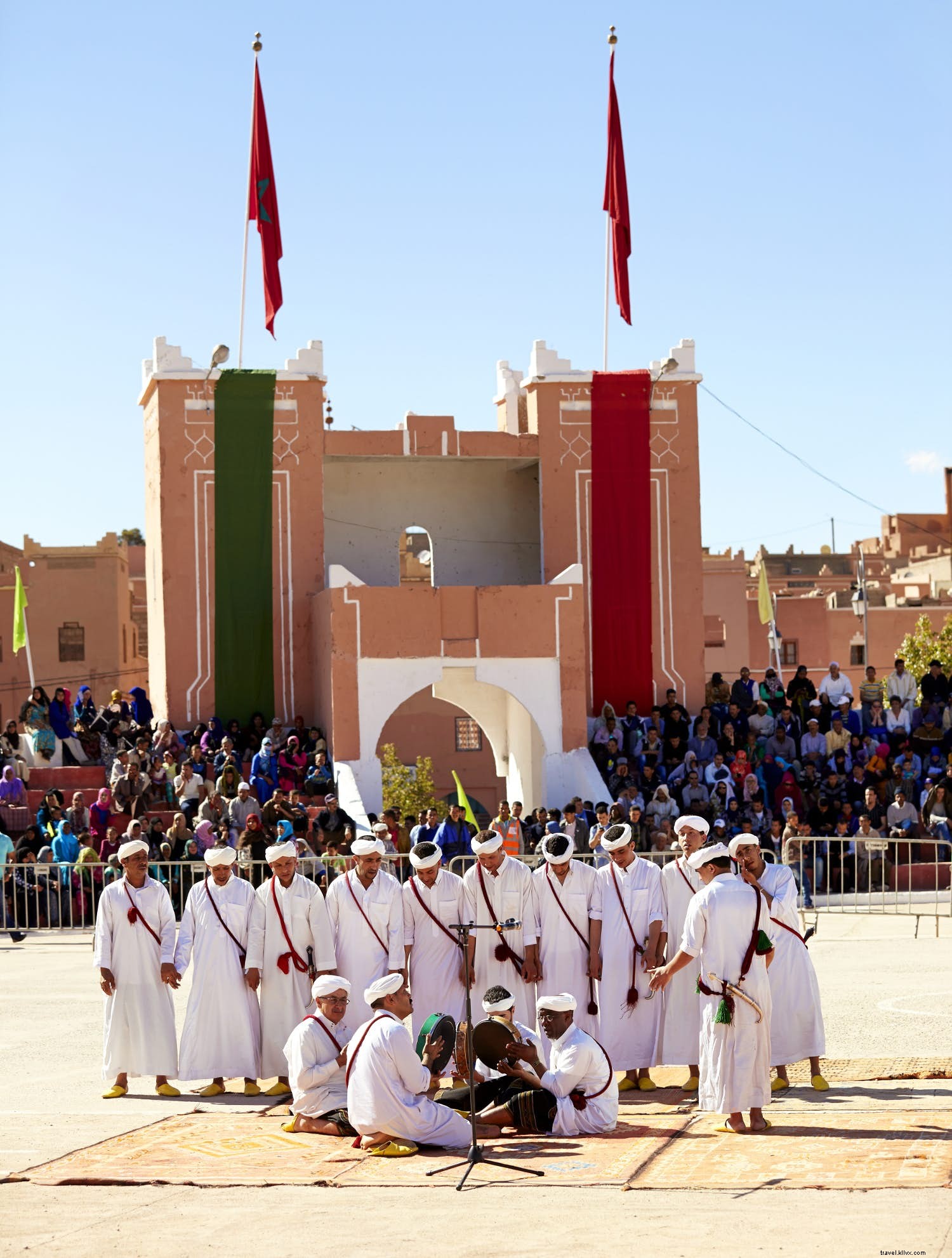
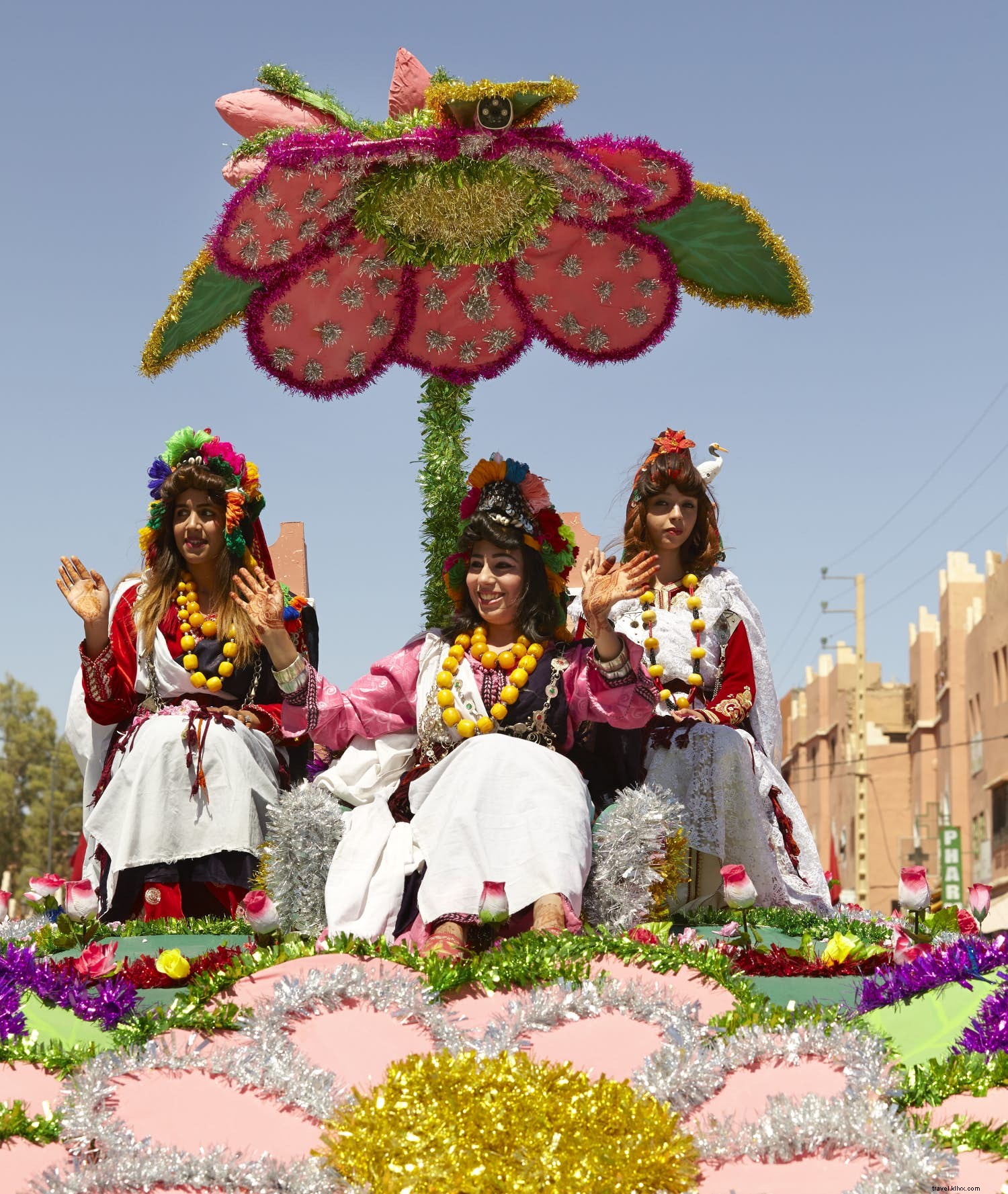
A loudspeaker announces the Rose Queen. In Kalaat M’Gouna’s stadium, crowds pack seats; a screen broadcasts outside. Dancers, musicians, and DJs perform amid VIPs.
As dusk falls, 15 contestants in embroidered local costumes parade, speak, and interview. Drums and fireworks herald 23-year-old Fatima E Zahra El Amiri as winner. Petals rain; she laps the field triumphantly.
Tomorrow, she leads the parade. As Queen of the Roses, no greater honor graces this floral valley.