
10 Essential Tips for Conquering Your First Bike Tour
Long-distance bike tours offer an affordable, exhilarating, and unforgettable way to explore the world. Ready to trade airplanes and hotel beds for a tent, two wheels, and the open road?
These 10 expert bikepacking tips will get you from the couch to the saddle with confidence.
Save the date and start planning
Committing to your trip is the hardest step. Set a firm start date and rough duration to create a concrete timeline. Beginners should choose warmer months and easier routes for the first week or two—skip extreme challenges unless you're channeling Sir Ranulph Fiennes. Pre-tour training helps, but you'll build fitness on the road.
For reliable planning advice, consult established resources like Travelling Two (travellingtwo.com) and Facebook’s Bicycle Touring and Bikepacking community.
Buy the right kit
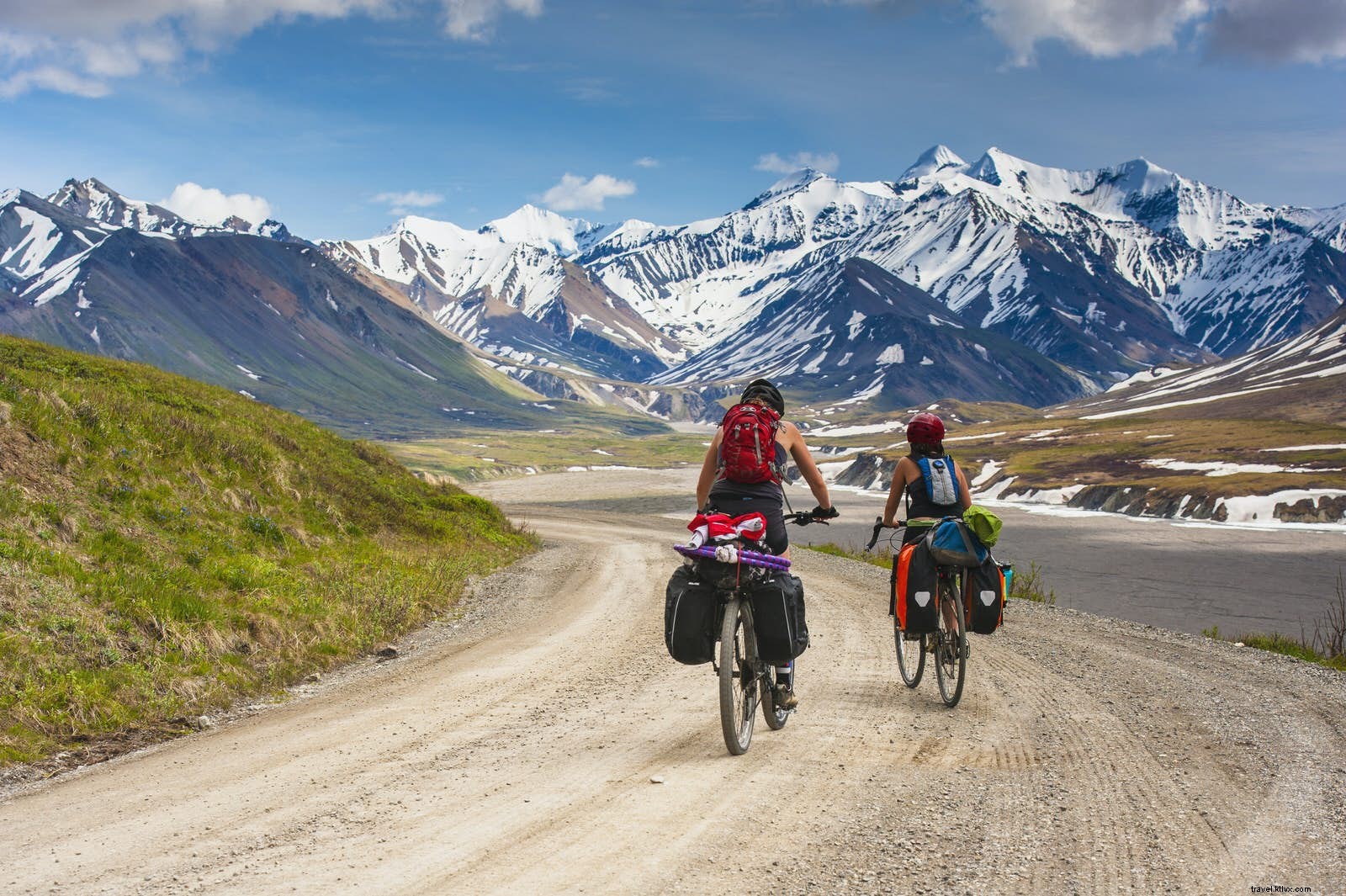
Invest in core essentials: a freestanding tent, sturdy touring bike, waterproof panniers, and compact cooking stove. Select a steel-framed bike with front and rear racks for secure pannier mounting. Choose durable bags to carry your tent, stove, sleeping bag, mat, electronics, and clothing.
Every gram counts—opt for lightweight gear and use dry bags to compress clothes. Skip flashy overpriced items; budget-friendly essentials like baby wipes, insect repellent, and chlorine tablets are game-changers.
Plan the right route for you
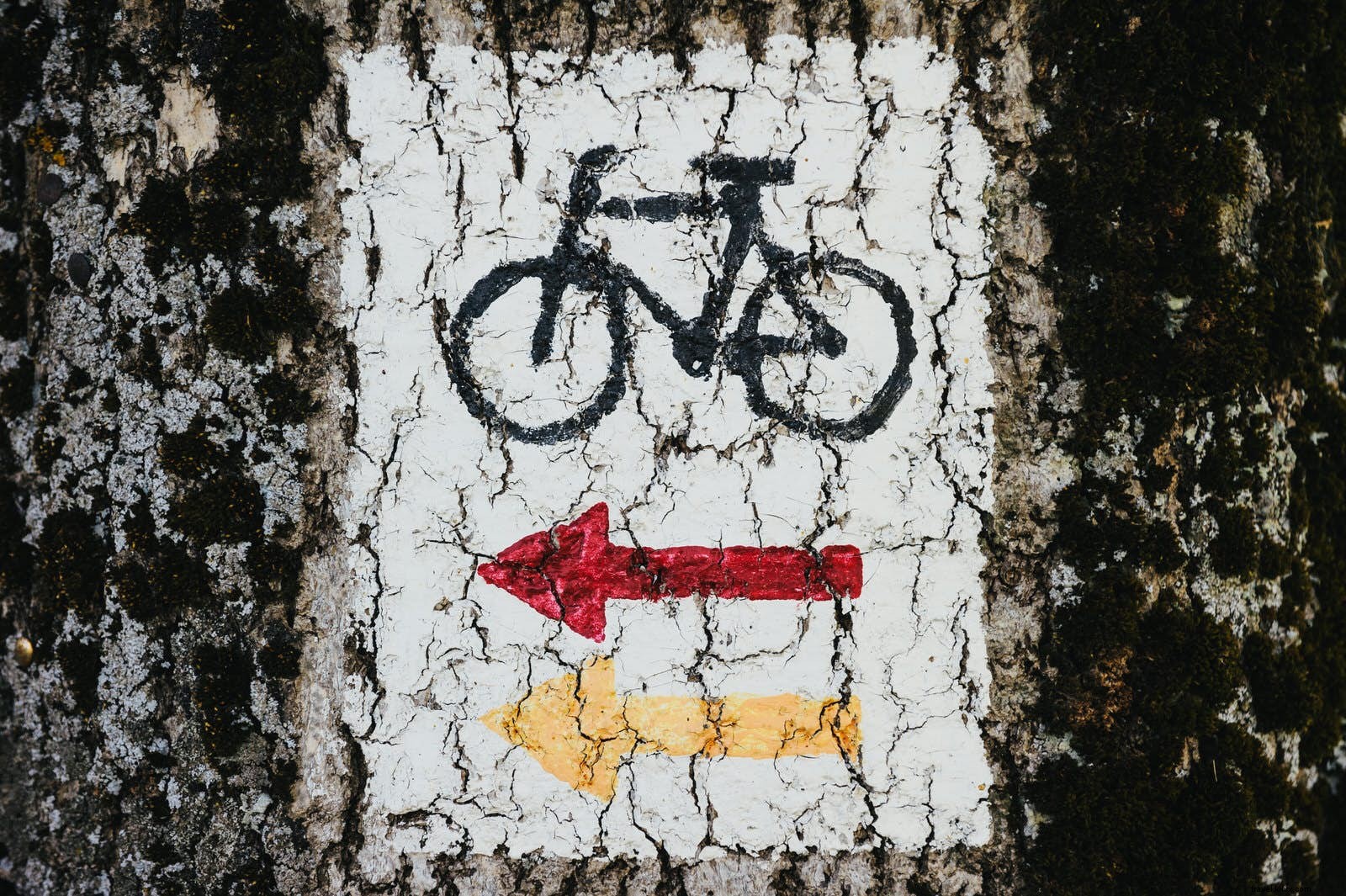
Avoid busy main roads; seek inspiring bike-friendly paths. The Netherlands shines with flat, dedicated trails, while adventurers flock to Tajikistan and Patagonia.
Leverage proven networks like Europe’s EuroVelo routes (eurovelo.org/routes) for off-road excellence, the USA’s Adventure Cycling Association (adventurecycling.org), and England’s Sustrans (sustrans.org.uk) for detailed maps with amenities.
Avoid unnecessary detours
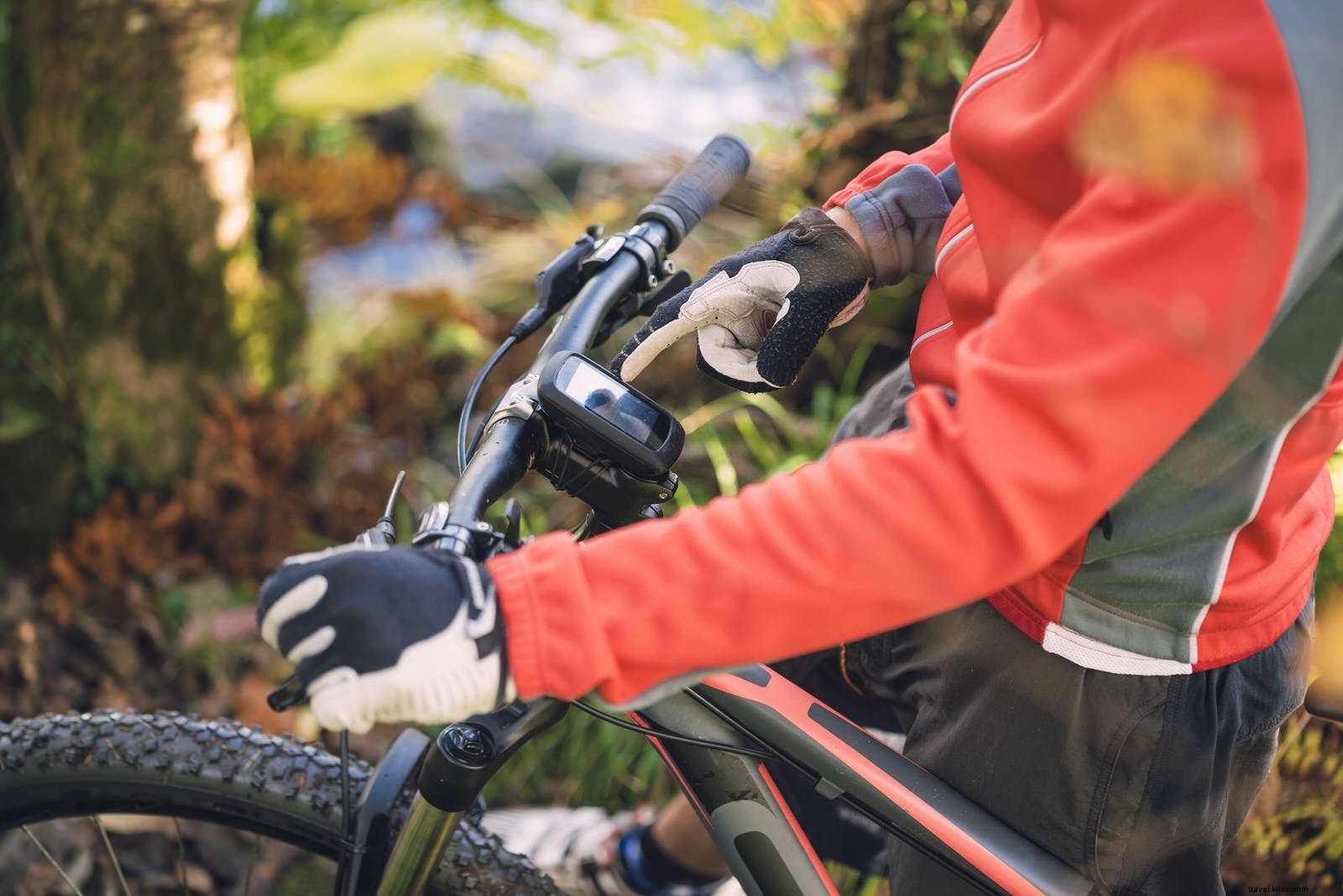
Upgrade from paper maps to rugged GPS units or apps built for adventurers.
Smartphones excel with reliable power and signal—download offline maps like Maps.me, which details optimal bike routes with elevation profiles worldwide.
Create a budget and start saving
Bike tours can be ultra-frugal: rice, porridge, and wild camping keep daily costs under $5 USD.
Factor in visas, occasional hotels, and meals for $15–$20 USD/day, varying by country. Budget for comprehensive travel insurance and emergency repairs.
Set your own personal goals
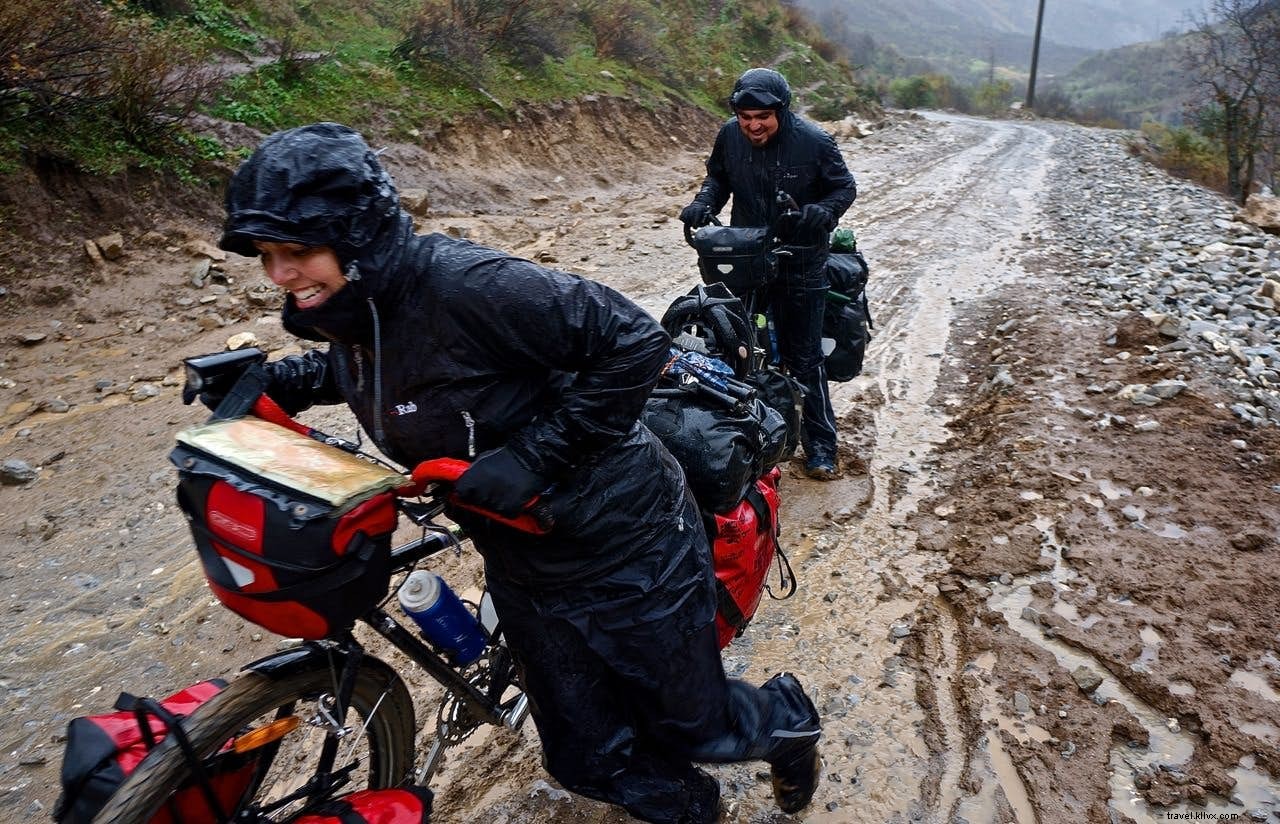
World cyclist Jonathan Kambsgard-Bennett (jkbsbikeride.com) emphasizes daily mileage varies with hills, wind, roads, and more—especially wind.
Aim for 60–80km/day on average, less for beginners. Let weather, terrain, and personal targets shape your itinerary and motivation.
Become a camping pro
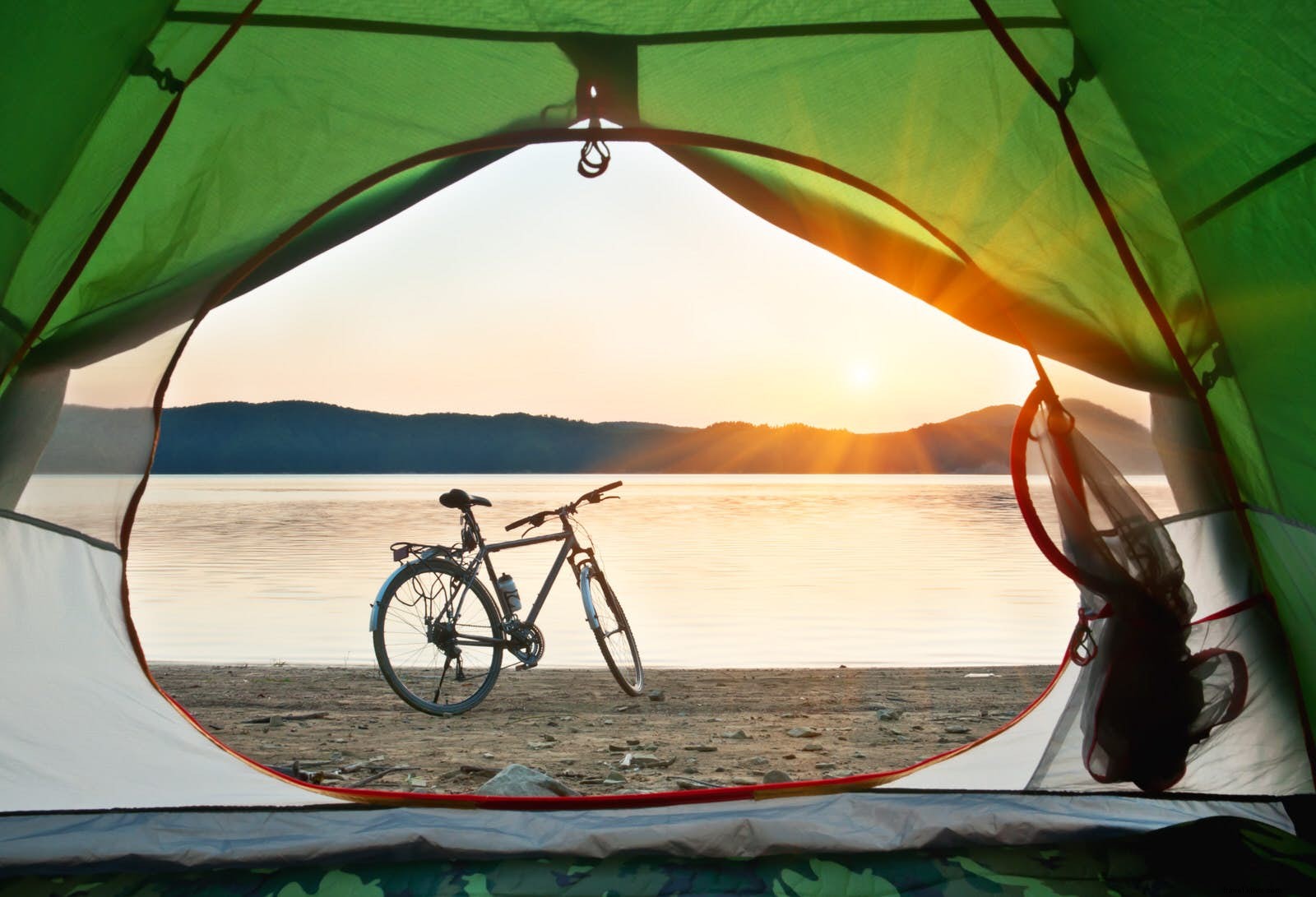
Wild camping post-ride gets easier with practice—fatigue helps conquer nerves. It's welcomed discreetly in Scotland, Iran, and Japan; restricted in Switzerland, Australia, and the USA—know local laws.
Target flat, hidden spots near water, off private land, or with owner permission. Locals often welcome cyclists. See world cyclist Tom Allen’s top wild camping tips.
Become familiar with cyclist resources
If you love Couchsurfing (couchsurfing.com), discover Warmshowers (warmshowers.org)—a global network for cyclists offering free stays.
Strong in Europe, Iran, and the Americas (sparser in Central Asia, Africa, Middle East), hosts frequently share meals and stories.
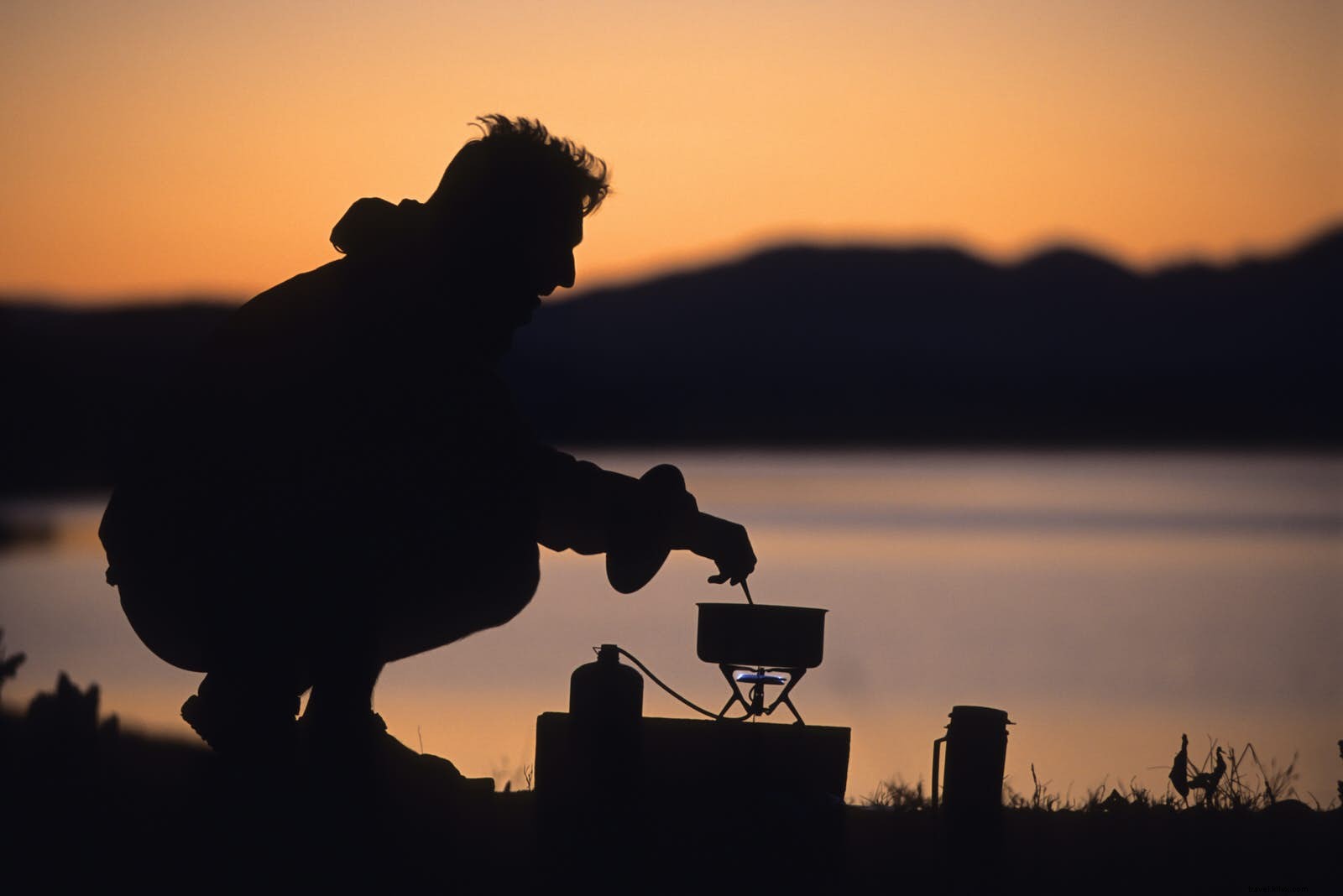
Learn how to cook on a camp stove
Master your single-burner stove beyond instant noodles—use two small pots creatively for hearty meals.
Staples like pasta, rice, and oats stretch far. Elevate with chili, garlic salt, curry powder, peanut butter, or soup mixes in lightweight containers.
Overcome your fears
Fears of bike theft, wild camping risks, or road accidents are common—but prepare thoroughly. Secure comprehensive insurance covering theft and replacements. Carry a personal alarm, bear spray, or SPOT tracker for location sharing.
Stay alert; most cyclists encounter generosity and kindness worldwide.