
Ultimate Stargazer's Guide to Chile's Elqui Valley: Premier Dark Sky Sanctuary
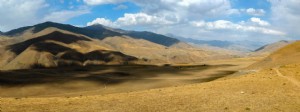
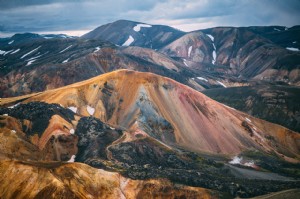
Nestled near the southern edge of the vast Atacama Desert, the Elqui Valley boasts mountain rivers winding through sun-drenched, vine-clad hillsides and tranquil villages, with majestic Andean peaks on the horizon. Renowned for its rain-free climate—over 320 sunny days a year—and exceptionally clear skies, it's a stargazer's dream destination.
Its remote position, high elevation, and consistently cloudless nights position the Elqui Valley among Earth's top stargazing spots. Major observatories grace the landscape, and in 2015, the entire valley—spanning more than 90,000 acres—earned designation as the world’s first International Dark Sky Sanctuary by the International Astronomical Union (IAU) General Assembly.

Astronomers have long prized this gem between the Andes and Pacific Ocean, roughly 500km north of Santiago, home to four key research observatories. Astro-tourism is booming, offering diverse ways to experience mesmerizing starry nights. A highlight was the total solar eclipse on July 2, 2019, visible over the western skies—one of the world's prime viewing locations.

Observatory Central
Vicuña, a charming village, serves as the perfect base for valley exploration. Nearby observatories provide guided night-sky tours. Observatorio Cerro Mamalluca, 9km northeast of Vicuña, is a standout, offering bilingual group tours with views through 30cm (12-inch) telescopes of the moon, planets like Jupiter and Saturn, and constellations. Sessions begin with an astronomy primer led by expert guides.

Observatorio del Pangue, 17km south of Vicuña, enjoys zero light pollution, with only nearby scientific giants like SOAR, Gemini, and Tololo in sight. Passionate astronomers host intimate groups (max 10) for two-hour tours peering at galaxies, nebulae, star clusters, and planets via the T400 (40cm/16-inch) computerized telescope. Extended three-hour options include the T600 (64cm/25-inch). Tours available in Spanish, English, or French; private bookings cater to enthusiasts and astrophotographers.
Just outside Vicuña amid vineyards, Alfa Aldea features engaging astronomers leading small-group sessions. Start with an intro to celestial phenomena and listen to stars via radio telescopes, then enjoy open-air amphitheater viewings with laser-guided pointers and scientific telescopes. Warm up with property-grown Chilean red wine, vegetable soup, and blankets on chilly nights.

Star-Powered Towns
About 40km southeast of Vicuña, Pisco Elqui delights stargazers with cozy B&Bs offering gardens and terraces for sunset-to-starry-sky transitions. No on-site observatories, but operators like Turismo Dagaz run tours in scenic mountain spots.
Don't miss Villaseca's solar-powered dining, 5km southeast of Vicuña. Family eateries use outdoor solar ovens for bread, roasts, and leche asada (flan). Top pick: Delicias Del Sol.

Make It Happen
Plan wisely: Consult the lunar calendar—avoid full moon phases (±4 days) when bright light hinders faint-sky views. Pack warm layers for desert nights. Confirm child age limits (some observatories restrict under 16). Book ahead, as winter (June-August) closures apply, though exceptions occur for events like the 2019 eclipse. Opt for provided transport on dark, winding roads, even with a rental.
Related articles:
- Travel trends for 2019: dark skies
- Celestial wonders of South America
Get more travel inspiration, tips and exclusive offers sent straight to your inbox with our weekly newsletter.