Discover Cairo's Iconic Mamluk Architecture: Monuments Tracing a Dynasty's Rise and Fall
At the heart of Cairo stands the historic walled city of Al-Qāhira, meaning 'The Victorious.' Wander its mausoleums, madrassas (Islamic colleges), and mosques to experience the epicenter of ancient empires. Among these treasures, the Mamluk monuments erected from 1250 AD dominate the landscape. Trace the ascent and decline of the Mamluks—a slave warrior elite who seized control—through four pivotal structures.
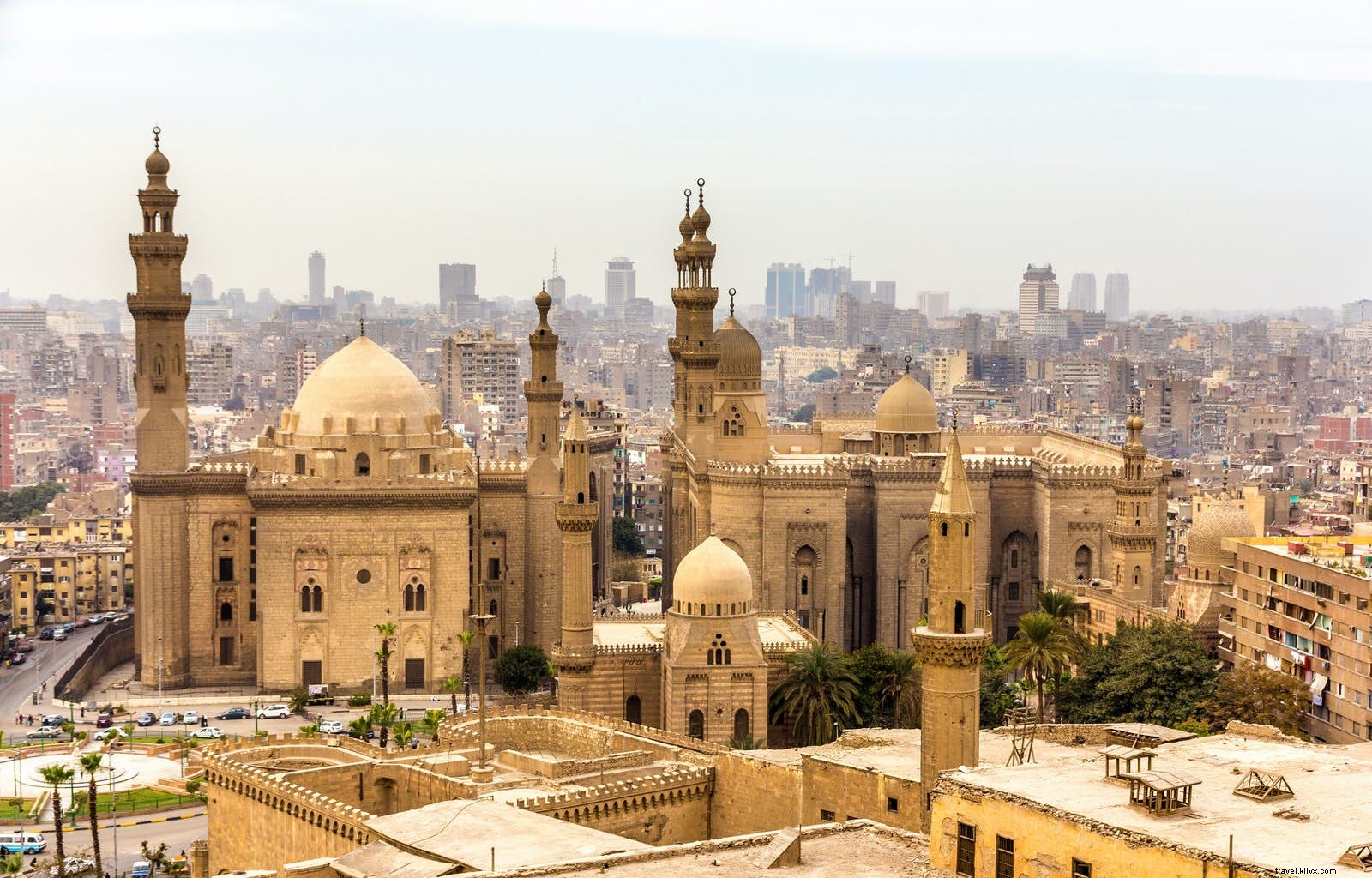
Known today as Islamic Cairo, this medieval district was founded by the Fatimids (969–1171 AD) as their capital and later expanded by the Ayyubids (1171–1250 AD). The Ayyubids strengthened their military with Mamluk slave soldiers, unwittingly enabling these warriors to overthrow them and claim Egypt.
Madrassa and Mausoleum of Qalaun
In the early Mamluk era, Sharia Al-Muizz li-Din Allah transformed under Sultan Al-Mansur Qalaun, Egypt's seventh Mamluk ruler. Completed in 1285, his madrassa and mausoleum exemplifies opulent design inspired by Byzantine architecture encountered during Syrian campaigns. Inside the mausoleum, marvel at intricate geometric marble and stucco patterns, mashrabiyya wooden lattice screens, and expansive stained-glass windows. Built over a Fatimid palace site, it symbolizes Qalaun's break from the past and ushering in lavish Mamluk ornamentation distinct from prior styles.
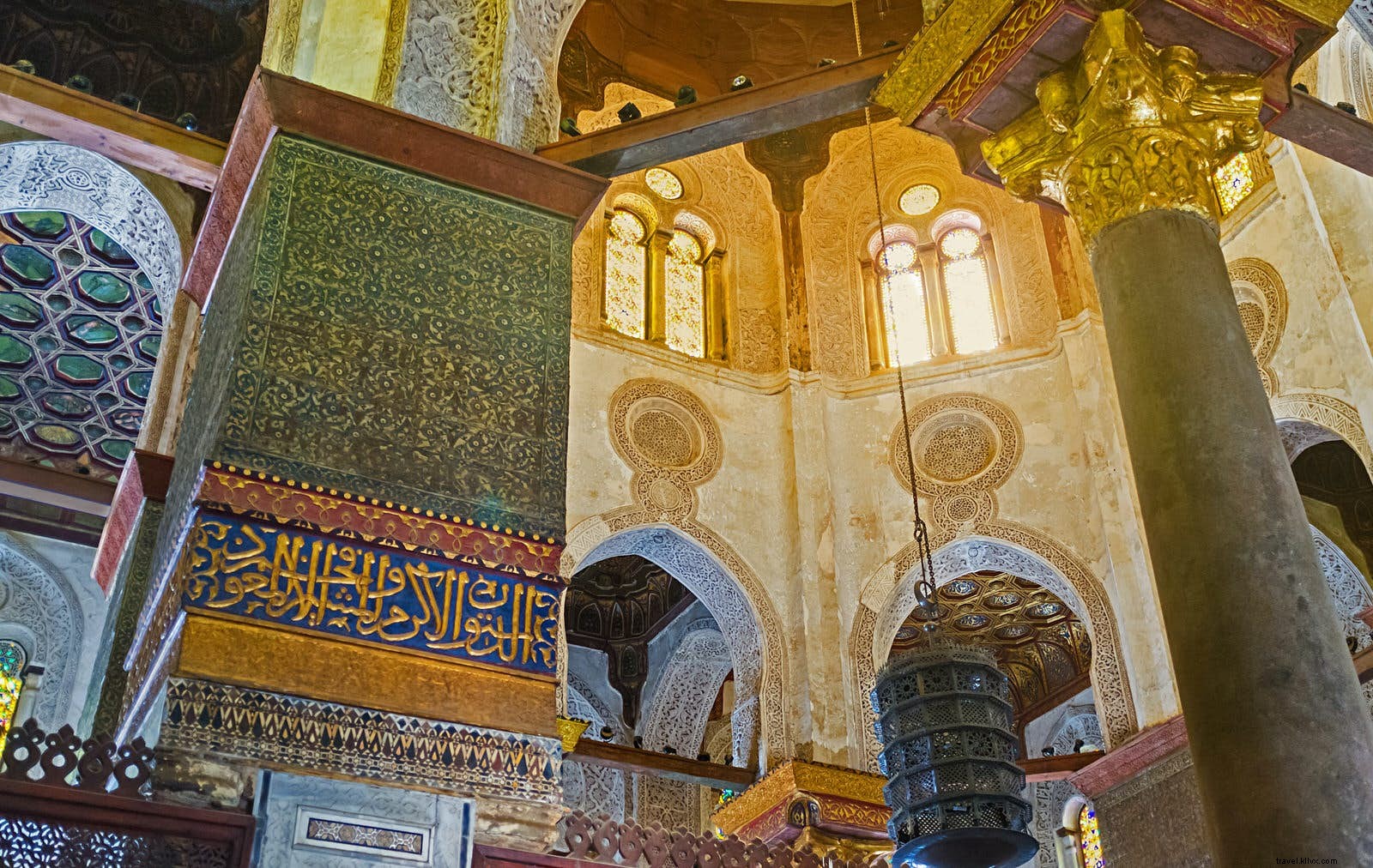
Gaze upward beneath soaring arches to appreciate Qalaun's rise from Ayyubid slave-soldier to sultan. Across the street lies the more austere mausoleum of his former master, Sultan As-Salih Ayyub, highlighting the stylistic shift.
Mosque-Madrassa of Sultan Hassan
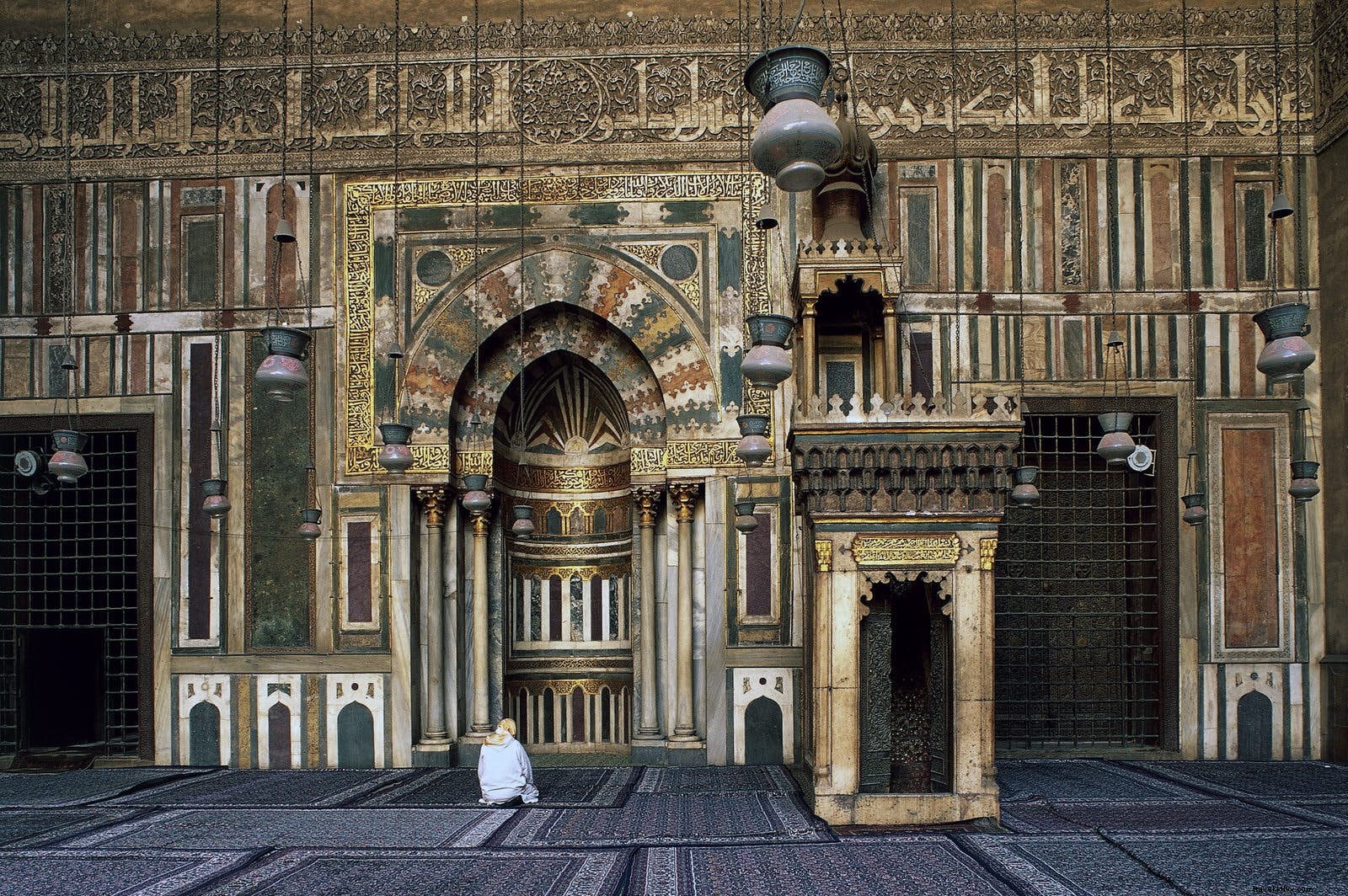
Mamluk sultans faced precarious reigns amid constant intrigue. Sultan Hassan, grandson of Qalaun, ascended at age 13, endured two depositions, and died at 27. Yet his legacy endures in the magnificent Mosque-Madrassa of Sultan Hassan, one of Cairo's architectural masterpieces.
Adorned with red, white, and black marble panels and elaborate muqarnas (stalactite vaulting), it stands as a pinnacle of Mamluk design. The vast courtyard inspires awe. Hassan's fortune stemmed from the 1348 Black Death, which enriched state coffers via inherited estates. Originally planned with four minarets, the fourth collapsed during construction, killing 300 and fueling omens of his doom—assassinated 33 days later by his commander.
Bab Zuweila
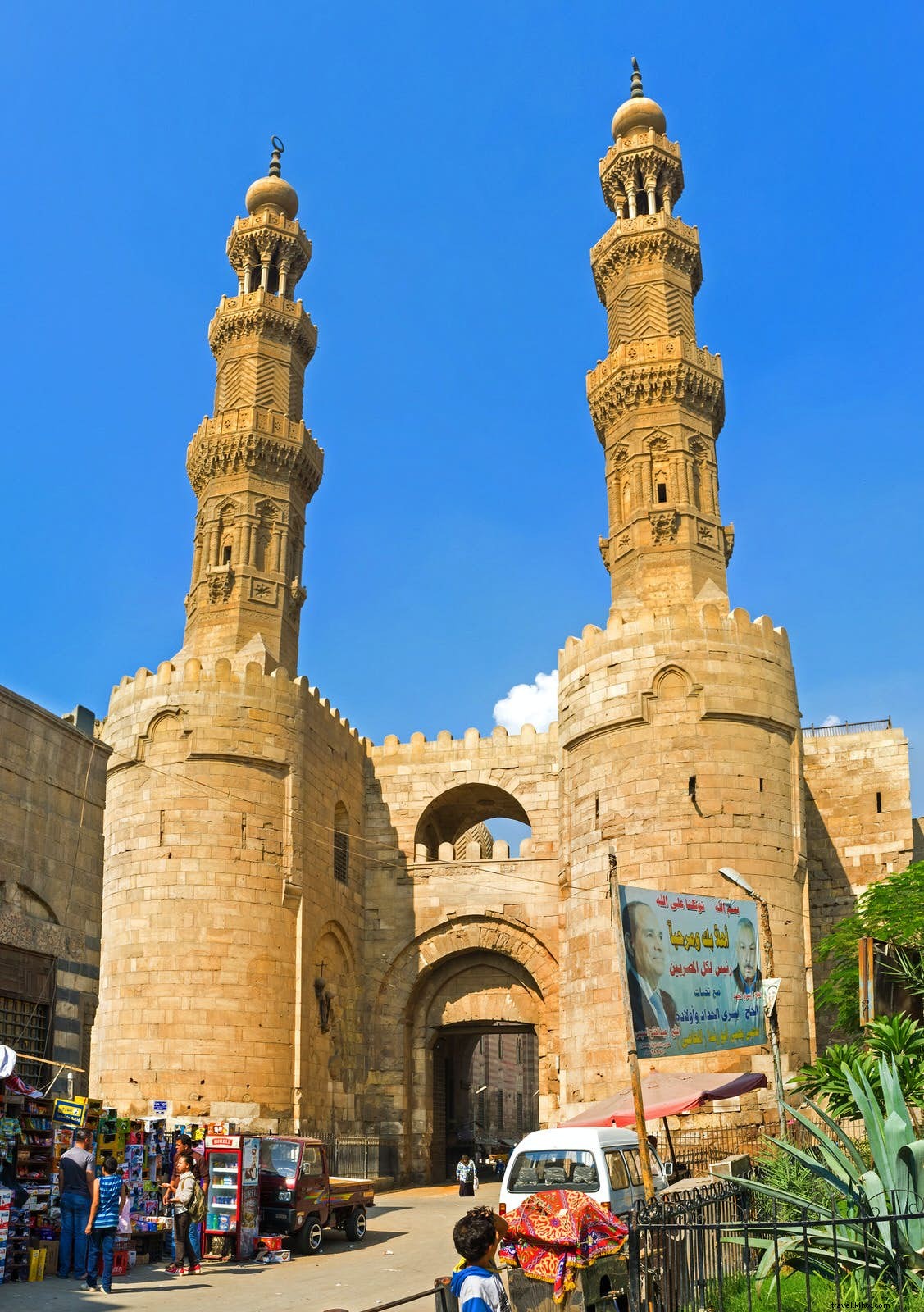
For panoramic views of Islamic Cairo's minaret-filled skyline, ascend Bab Zuweila, a Fatimid gate from the 11th century marking the city's southern entrance—the only original gate accessible today. Crowned by two towers with 15th-century minarets added by Sultan Al-Mu'ayyad Shaykh, who also built the adjacent mosque, it served ceremonial roles during Mamluk times: drummers announced emirs' arrivals, and sultans oversaw hajj pilgrim processions.
Climb the narrow spiral staircases for breathtaking vistas. Historically, it was Cairo's execution site, where beheadings, hangings, and impalements claimed criminals, traitors, and rival Mamluks. Spiked heads displayed atop the gate culminated in 1517 with the hanging of the last Mamluk sultan, Tumanbay, by the Ottomans.
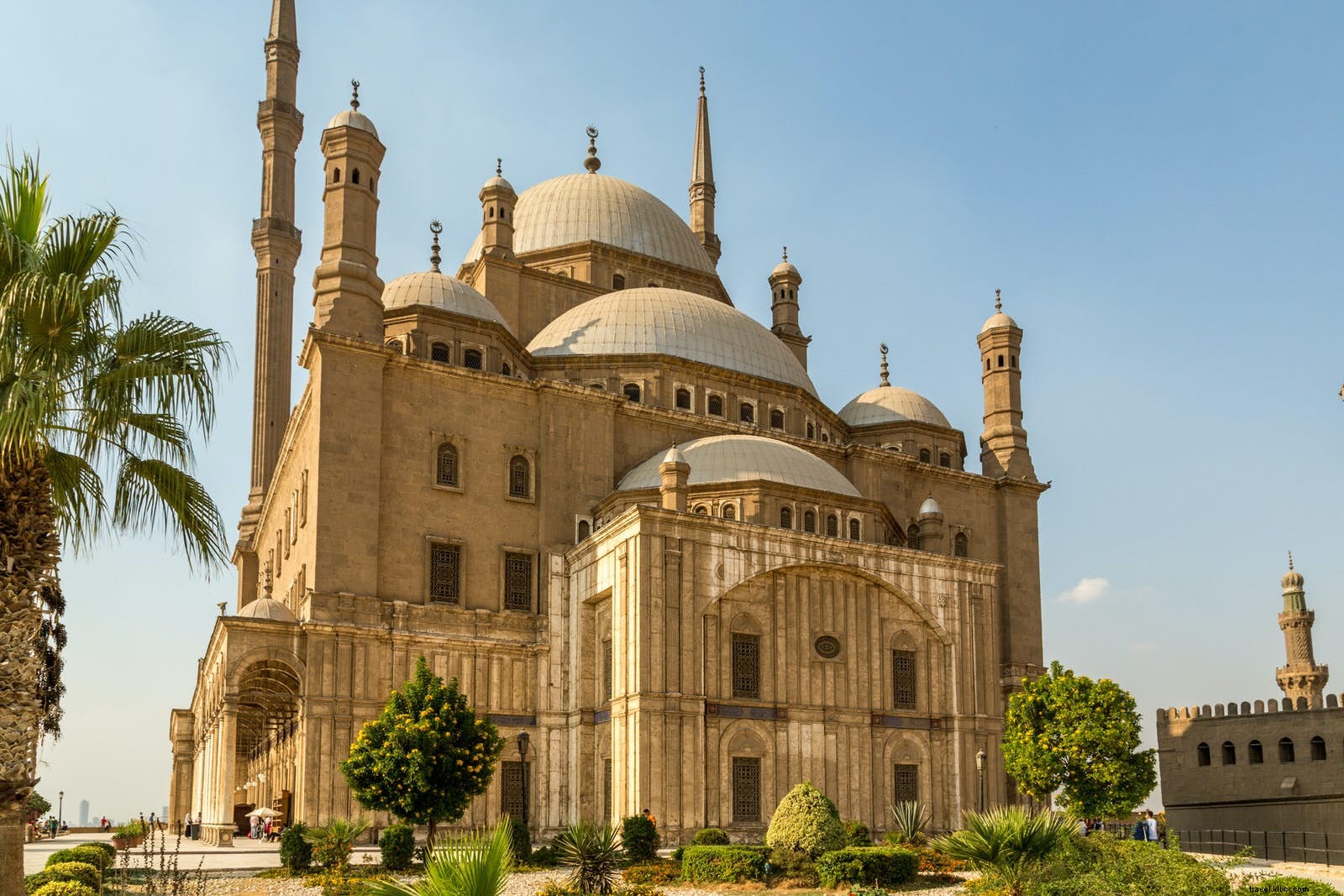
The Citadel
Cairo's Citadel, fortified by Saladin in 1176, served as the seat of power for 700 years, housing Ayyubid and Mamluk rulers. Though little remains of Mamluk structures beyond the serene Mosque of An-Nasir Mohammed, it marks the dynasty's end.
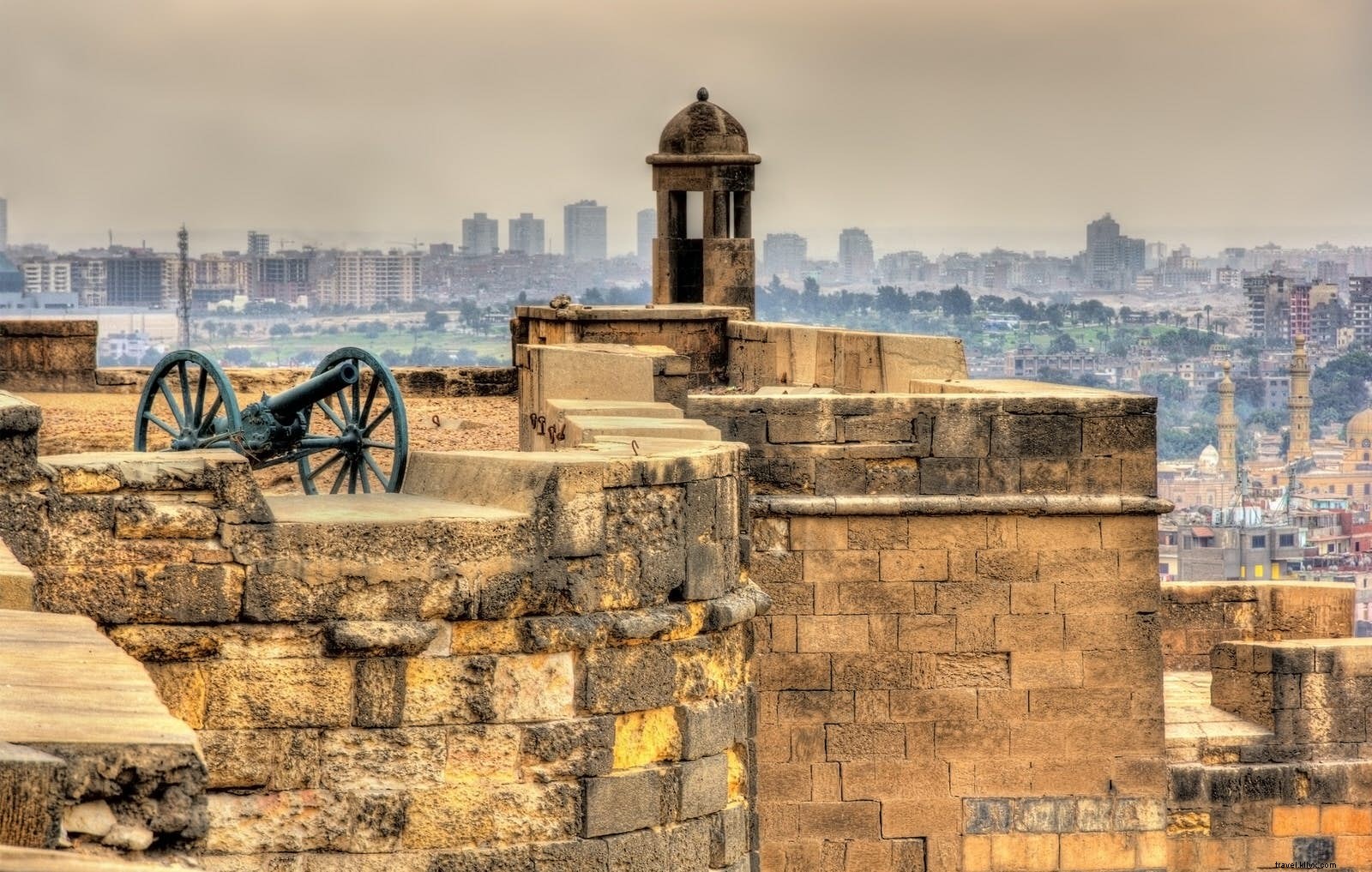
From the terrace, enjoy sweeping views toward Giza's Pyramids. Below, the narrow passage to the now-closed Bab Al-Azab recalls 1811, when Mohammed Ali Pasha massacred 470 Mamluk beys after luring them to a banquet, sealing the end of their influence.