
Discover Tunisia's Ancient Berber Villages: Culture, Architecture, and Star Wars Legacy
Tunisia's Berber communities, known as Amazigh, were long overlooked during the era before the 2011 revolution that ousted President Ben Ali. Today, dedicated Berber organizations are revitalizing their rich social and cultural heritage, drawing attention from locals tracing their roots and international travelers seeking authentic experiences.
These efforts have ignited fascination with Tamazight, the Amazigh language, alongside distinctive cuisine, intricate crafts, and unique architecture—offering profound insights into Tunisia's indigenous legacy.
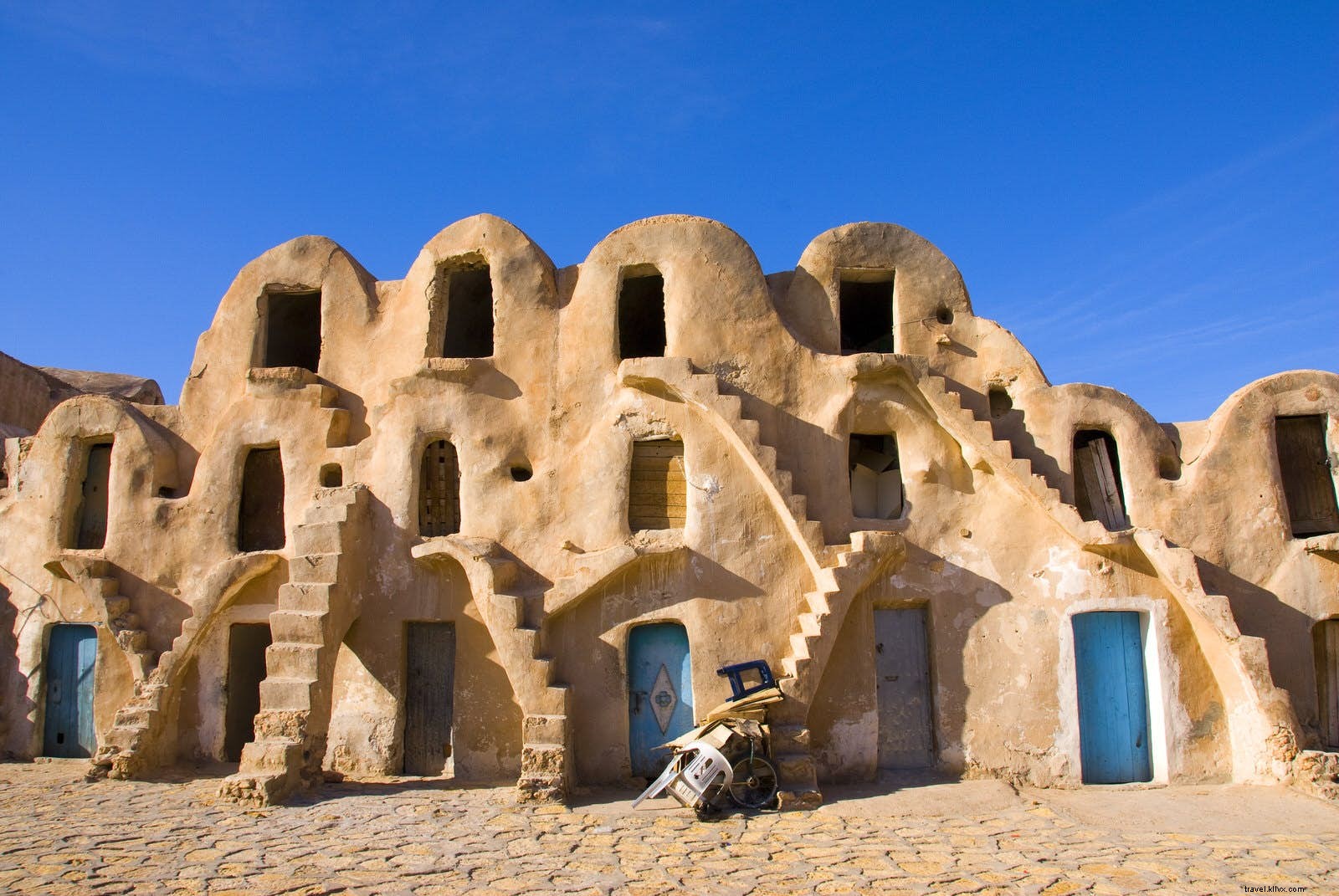
Scattered across Tunisia, centuries-old Berber villages feature fortified mountaintop settlements or troglodyte homes carved into rock faces, designed for defense against invaders. While many residents have relocated to modern satellite towns, these ancient stone structures endure. Iconic ksour (plural of ksar, fortress-like granaries) and cave dwellings have starred in the Star Wars saga, spurring restorations into guesthouses and museums that safeguard Berber heritage.
Wherever your Tunisian journey takes you, these Berber sites invite deep immersion into the traditions of the country's original inhabitants.
Central Tunisia: Panoramic Vistas from Takrouna and Kesra
Takrouna, Tunisia's most visited Berber village, lies just 90km from Tunis. Perched 200m atop a rocky outcrop, this largely abandoned site rewards a steep stair climb with sweeping 180-degree views: Hammamet Gulf to the east, Djebel Zaghouan to the north, and Kairouan's olive groves to the south.
Sip mint tea on the terrace of Le Rocher Bleu, a cozy stone cafe adorned with vibrant Berber rugs. Nearby, the Dar Gmach eco-museum (open by request via the cafe) displays Berber pottery, tools, and household artifacts in two intimate rooms.
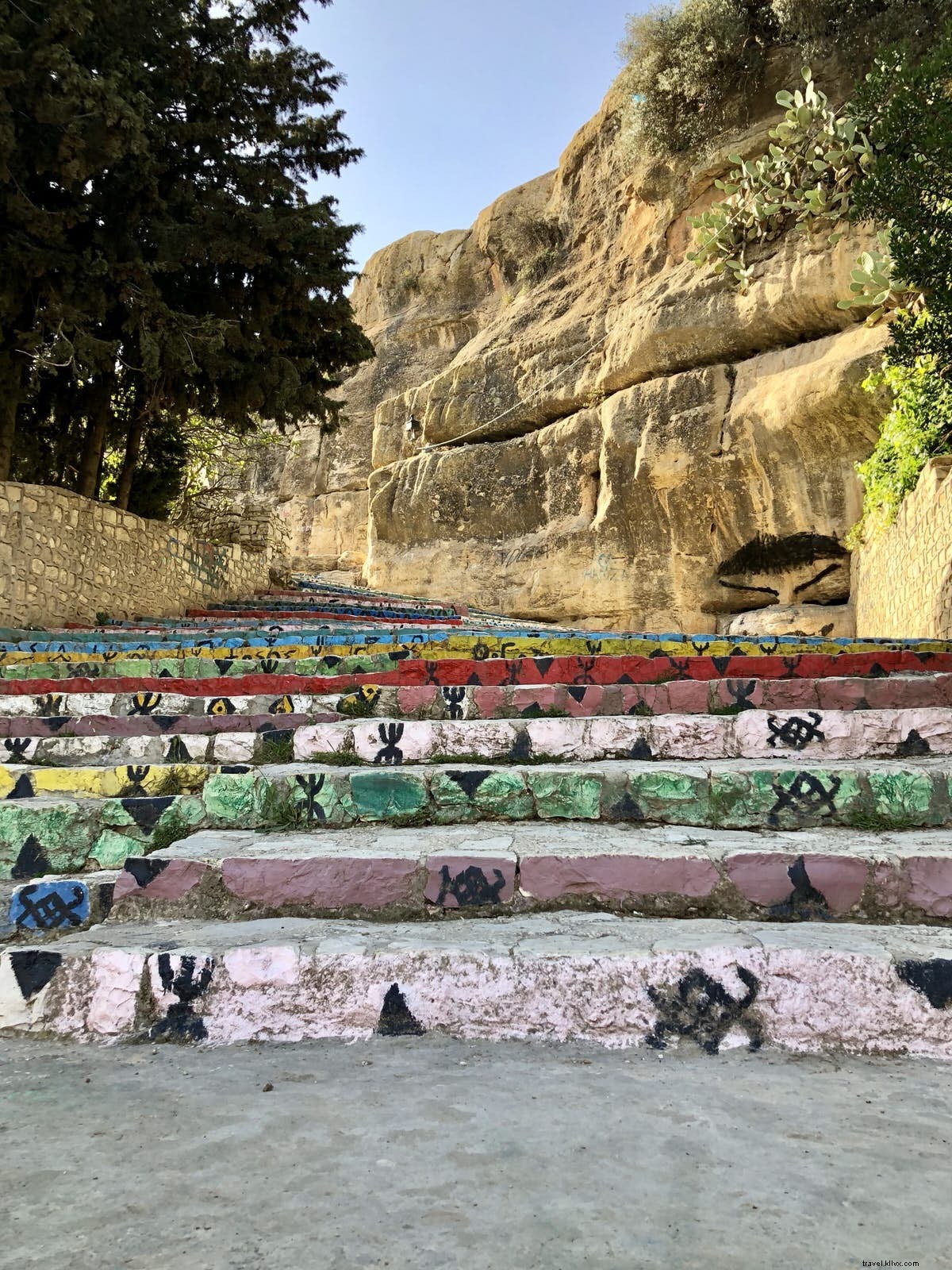
Kesra, Tunisia's highest Berber village at 966m, crowns a forested mountain accessible by winding roads through Aleppo pines. Colorful, alphabet-adorned stairs lead to a Byzantine fort now housing the Museum of Traditional Heritage, showcasing pottery, textiles, and insights into weaving and life-cycle rituals like births, circumcisions, weddings, and funerals.
Guellala on Djerba: Masters of Traditional Pottery
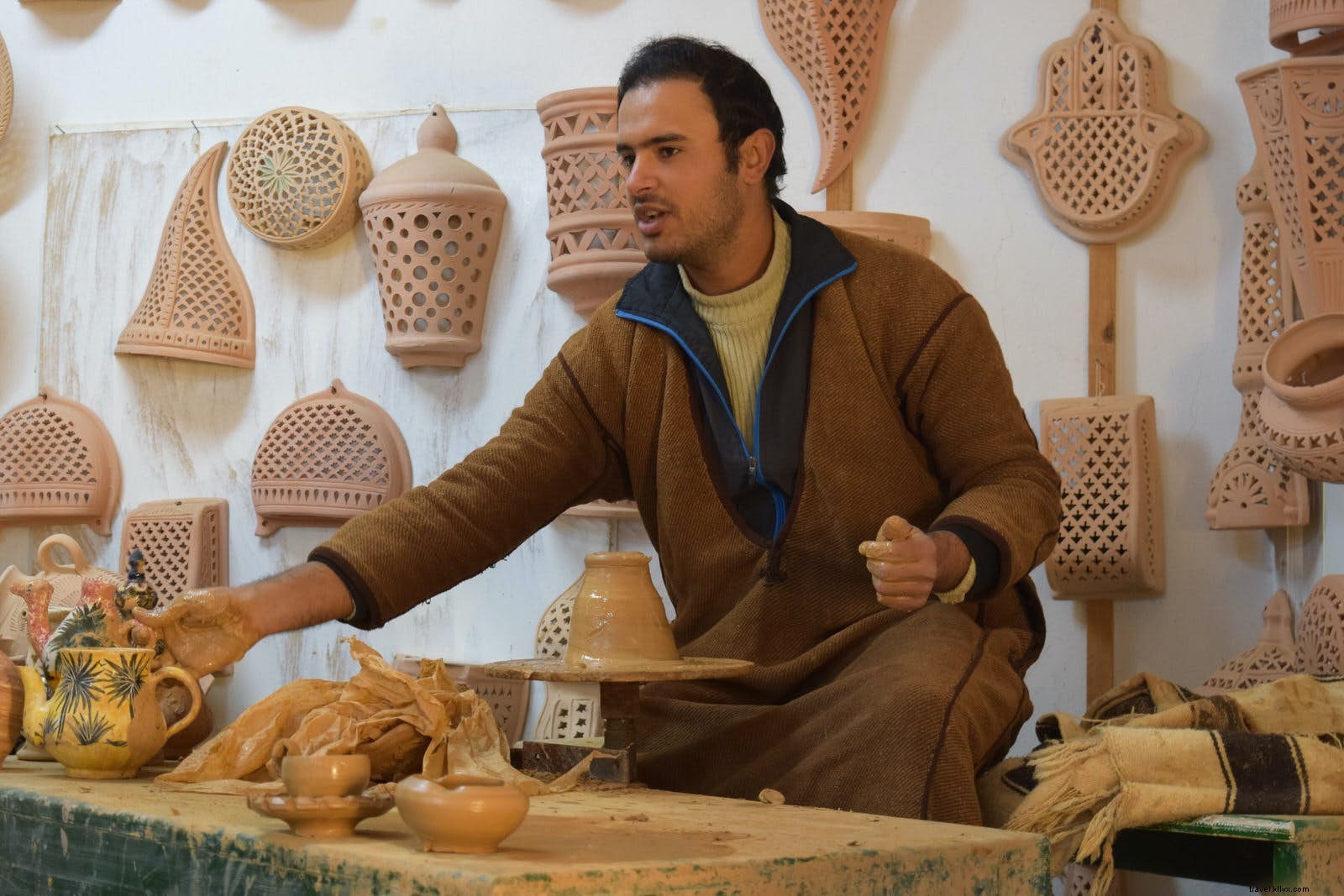
Djerba's sole Berber town, Guellala, has produced earthenware for centuries. Though fewer potters remain active, the hilltop Guellala Museum—a whitewashed gem with bougainvillea-filled courtyards—preserves tools, garments, and life-size dioramas of fishing, weaving, olive pressing, and weddings.
Saharan Gateways: Matmata, Tamezret, and Toujane
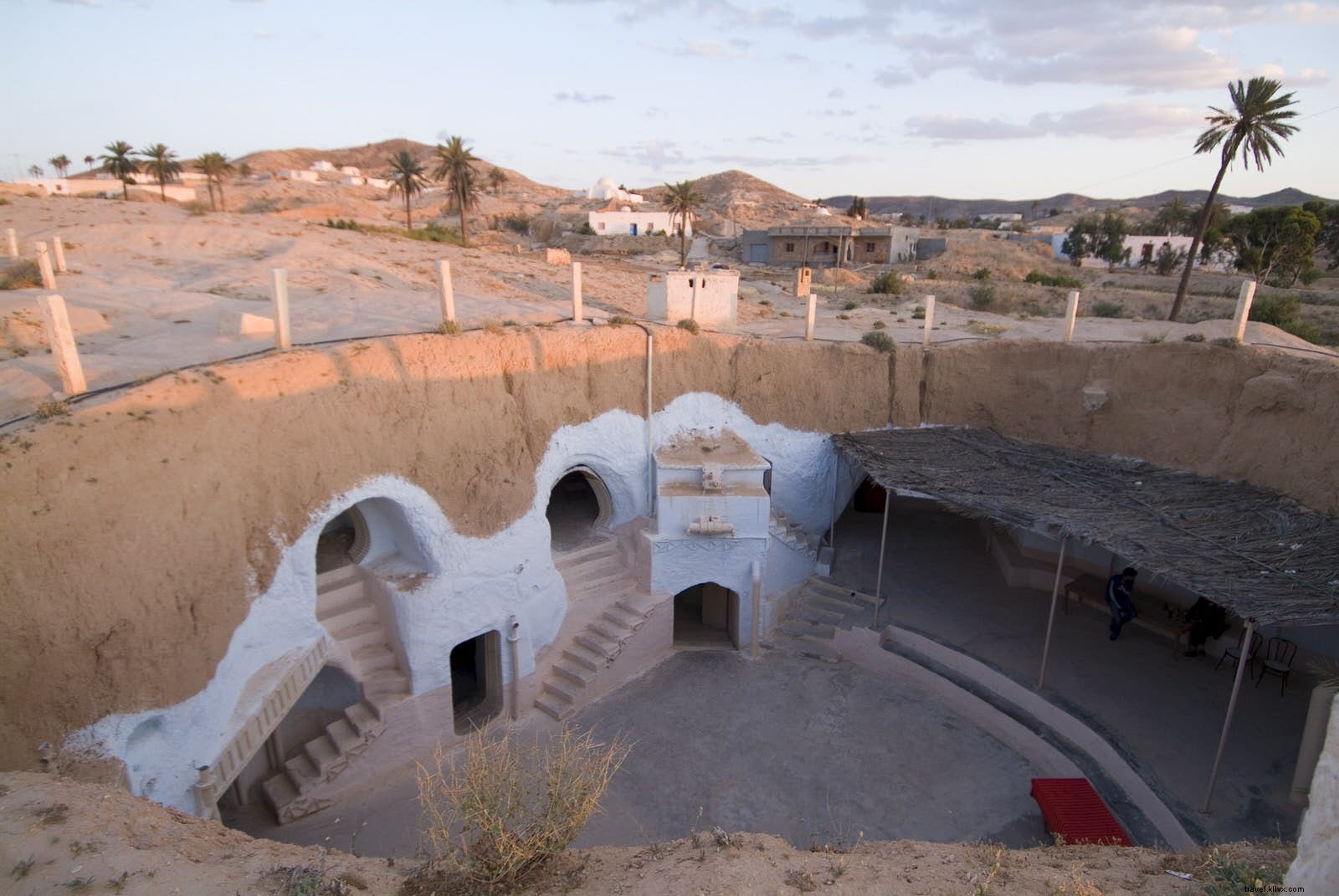
Matmata, on the Sahara's edge at 600m amid the Dahar Mountains, is renowned for troglodyte pit homes linked by tunnels for climate control. Families like Dar Taoufik welcome visitors to underground spaces, showcasing tools, olive oil, honey, and tabouna bread. It's also the birthplace of Star Wars filming, with Hotel Sidi Driss as Luke Skywalker's home, complete with props and cast photos.
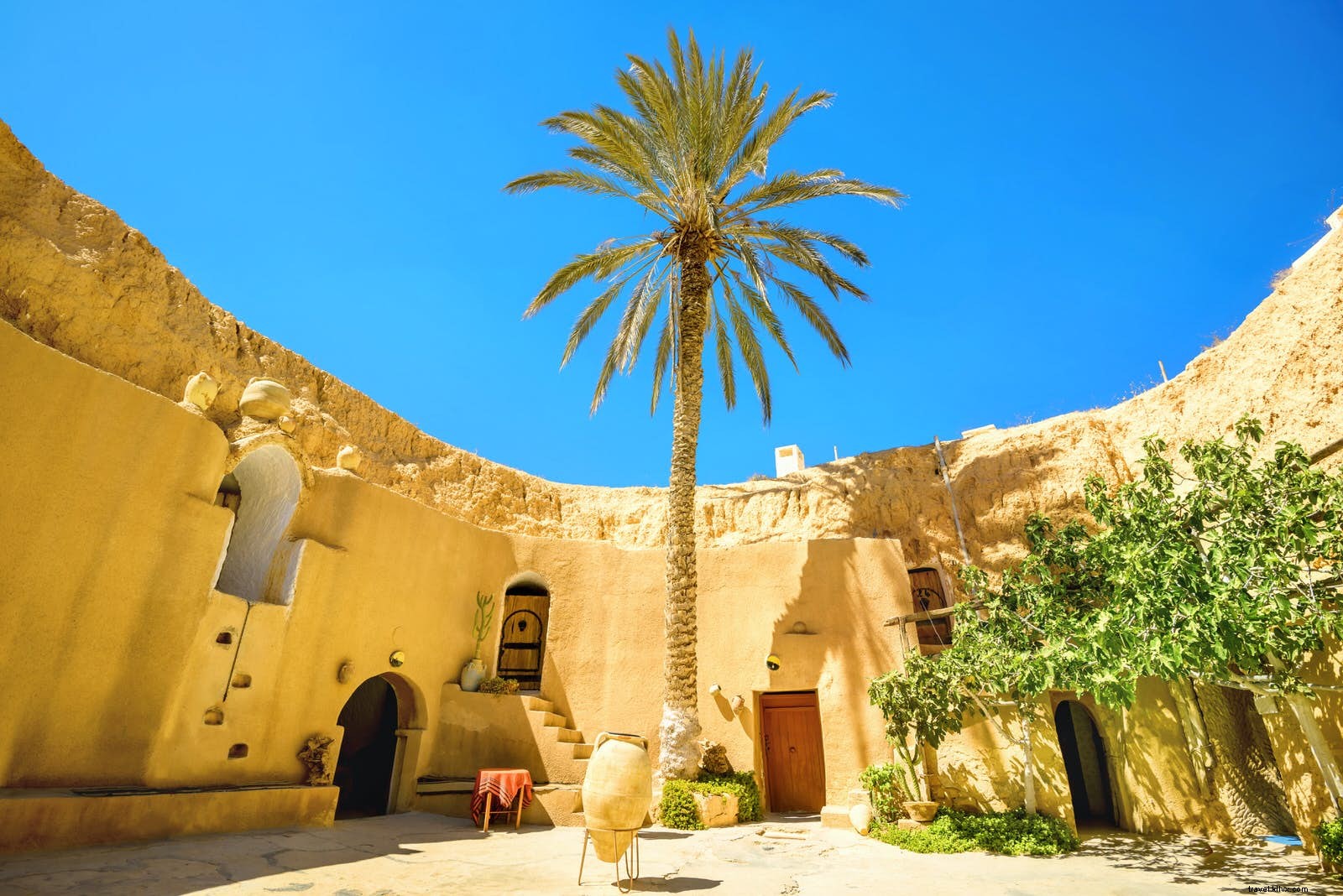
Tamezret's crumbling hilltop houses with blue accents hide ancient defensive tunnels marked by Christian-influenced symbols like fish and handprints. Curator Mongi Bouras at the Berber Museum shares jewelry, costumes, and handmade shoes; he also hosts traditional dinners.
Toujane, 45 minutes away, features walled compounds with looms visible through gates, abandoned troglodyte pits, and shops selling kilims. Hike to the mountaintop ksar for Dahar panoramas, passing wild thyme and rosemary; visit the old olive mill nearby.
Deep South: Sahara Ksour of Ksar Ouled Soltane, Douiret, and Chenini
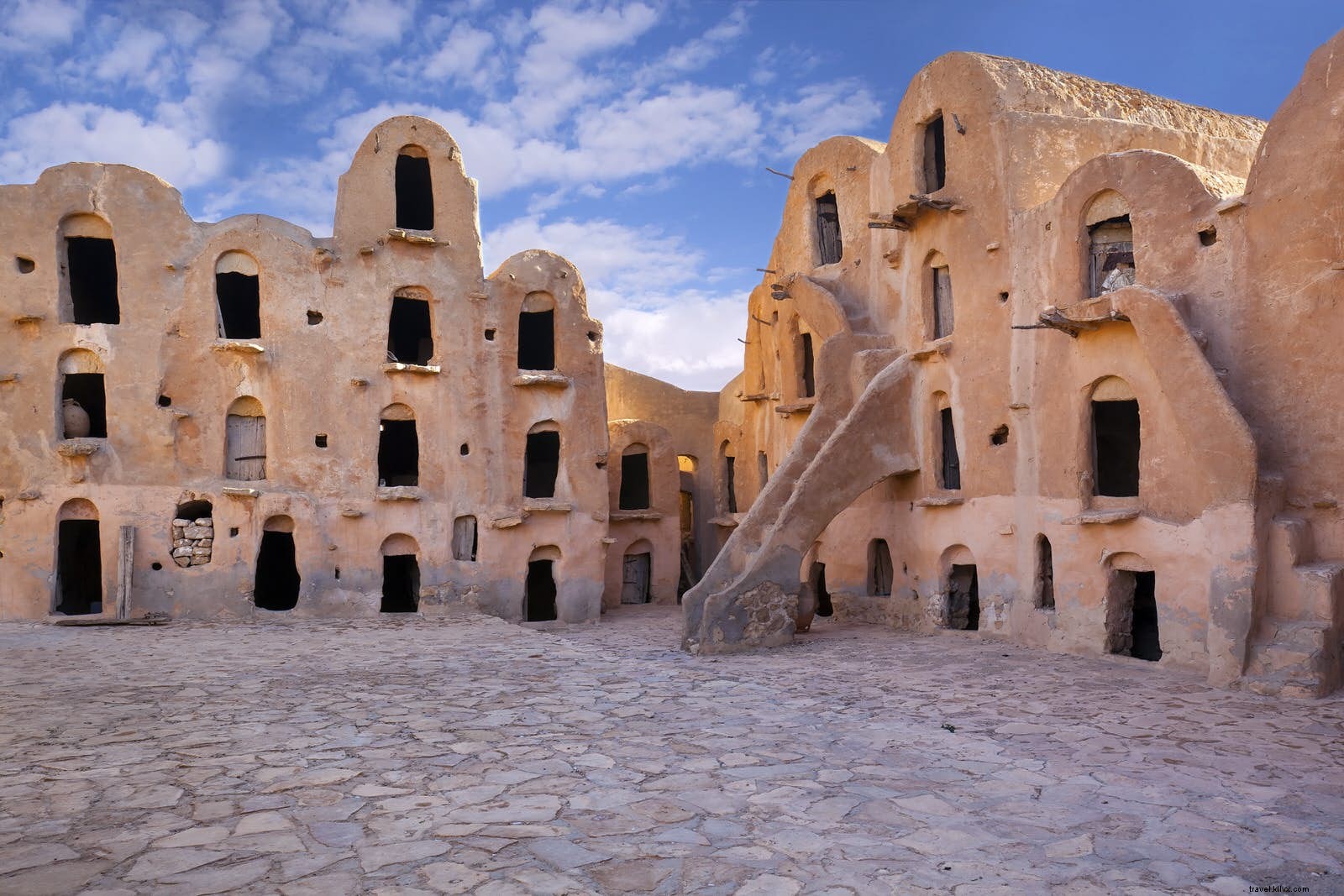
Tataouine, Star Wars namesake, gateways Sahara ksour via lively Monday/Thursday markets. Ksar Ouled Soltane, 24km south, boasts a multi-story fortress with ghorfa granaries—Anakin's slave quarters in The Phantom Menace.
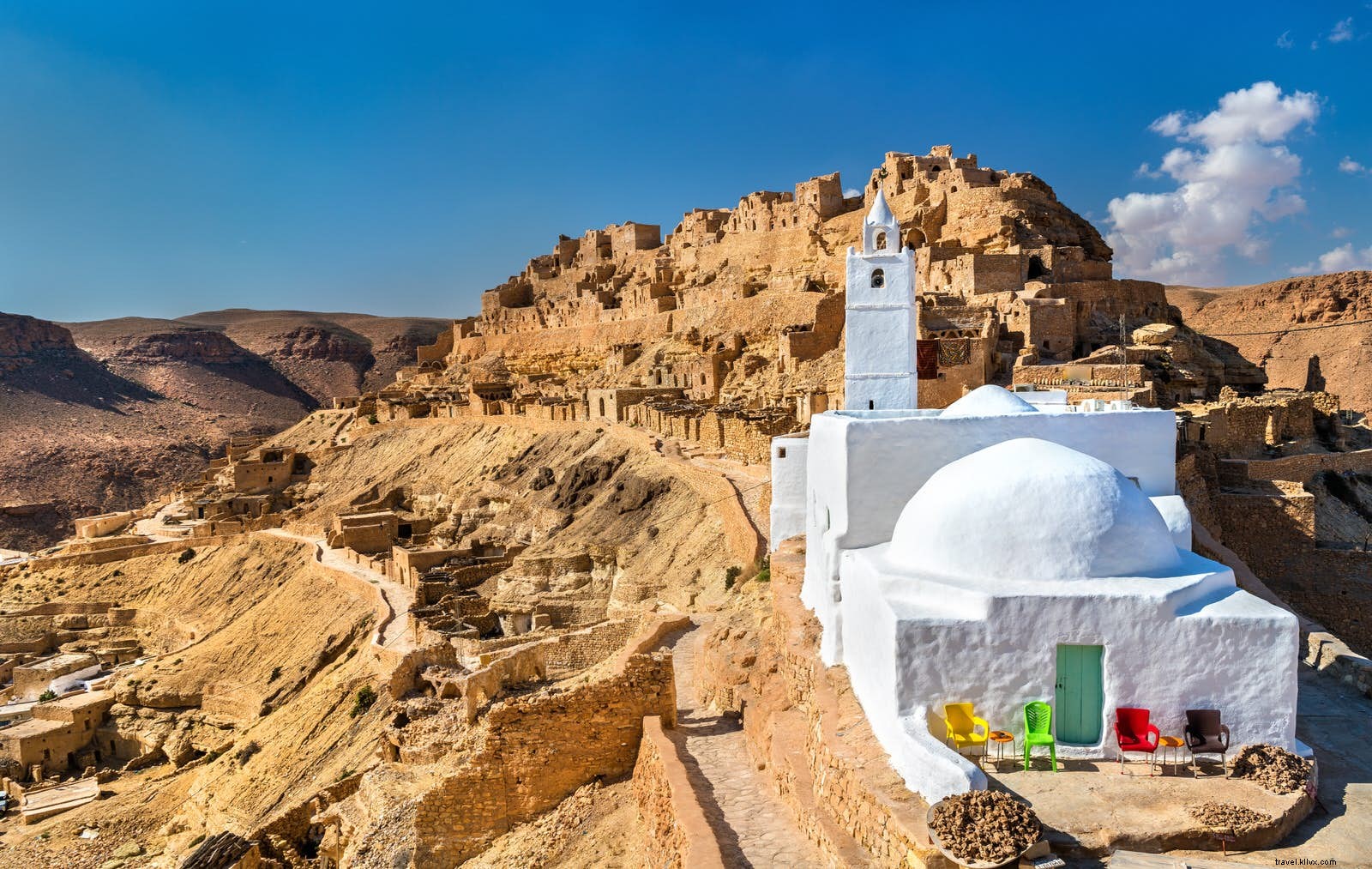
Douiret's mountaintop ruins include a subtle ksar and troglodytes, highlighted by a white mosque. Chenini’s 12th-century fortress on a terraced ridge features troglodyte granaries; linger for golden sunsets over the peaks.