Yunnan's Hidden Gems: Top Towns and Villages to Escape the Crowds
Discover China's southwestern province of Yunnan, home to the vibrant cultures of the Bai, Yi, and Naxi peoples. Explore historic old towns nestled amid snow-capped peaks, and indulge in flavorful street food and lively local markets.
A favorite among visitors—especially Chinese tourists—these recommended destinations deliver Yunnan's highlights with far fewer crowds.

Shaxi
Nestled in a fertile river valley ringed by mountains, the ancient town of Shaxi was a key stop on China's legendary Tea Horse Road. Caravans of horses, mules, and yaks carried tea through rugged trails linking southwest China to India via Tibet. Merchants, monks, and missionaries traded sugar, salt, and religious ideas. Shaxi's Friday morning market remains the region's premier trading event, drawing Bai people from nearby valleys and Yi villagers from remote mountains. The curving main street buzzes with buyers and sellers enjoying quick bites of noodles or steamed buns before haggling.

In Shaxi's old town around Sideng Jie, centuries-old mudbrick homes line narrow laneways. Gentle gentrification brings cafés, guesthouses, and boutique hotels, yet a relaxed authenticity persists—local cowboys on horseback navigate to the main square, framed by ancient trees and heritage buildings. Relaxed police lounge near the colorful Xingjiao Temple, much like the town's sunbathing cats and dogs.
For authentic Bai cuisine, visit Orange Restaurant on Sideng Jie's square, favored by Chinese and international travelers (English menu available).
Baisha
Lijiang draws millions of domestic visitors annually to its old town of shops, inns, and bars, thanks to direct flights from China's east coast. Yet few venture 10km north to Baisha. Backed by the majestic Yulong Xueshan (Jade Dragon Snow Mountain), cycling here offers a serene escape from Lijiang's bustle, with wider, quieter streets ideal for exploration.

Naxi musicians perform Baisha Xiyue—a unique classical music form—in simple pavilions. The Baisha Naxi Embroidery Institute preserves traditional embroidery in a courtyard home. Nearby, over 50 Tibetan Buddhist-inspired frescoes adorn overgrown temples, blooming with cherry blossoms in season.
Baisha's cobblestoned main street features simple eateries, butchers, spice shops, and antique stores, alongside cafés with espresso, Wi-Fi, and fresh juices—signaling subtle changes in this ancient Naxi village.
Xizhou
Dali Old Town at Erhai Lake's south end swarms with Chinese tourists. Just 18km north, Xizhou offers a calmer Bai cultural experience. Popular with weekend honeymooners in traditional attire, it's quieter on weekdays for exploring markets, ornate early-20th-century mansions, and temples. Sample baba (savory Bai pancakes) from street vendors.
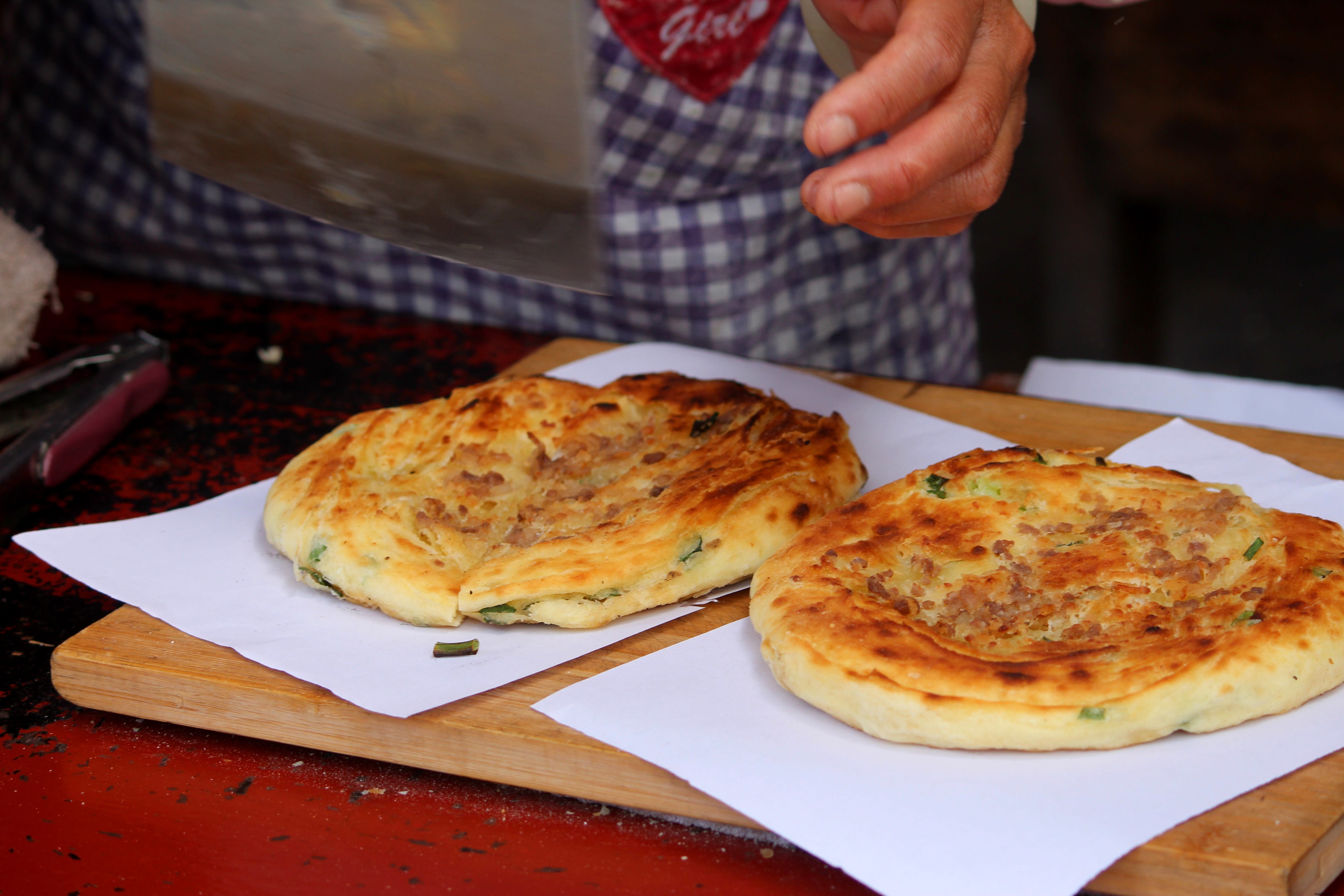
Stay at the Linden Centre, a boutique hotel in trader Yang Pinxiang's former home on the Tea Horse Road. Under the towering Cangshan mountains, this rural retreat spans four heritage courtyards. Owned by long-time Yunnan residents Brian and Jeanne Linden, they've also restored the 1939 Linden Commons with accommodations, a garden restaurant, and artisan bakery.
Guandu
Kunming, with its major airport, luxury malls, and Mekong ambitions, buzzes with energy. Yet 8km south, Guandu contrasts as a compact village amid urban sprawl—a nostalgic haven for rural newcomers.
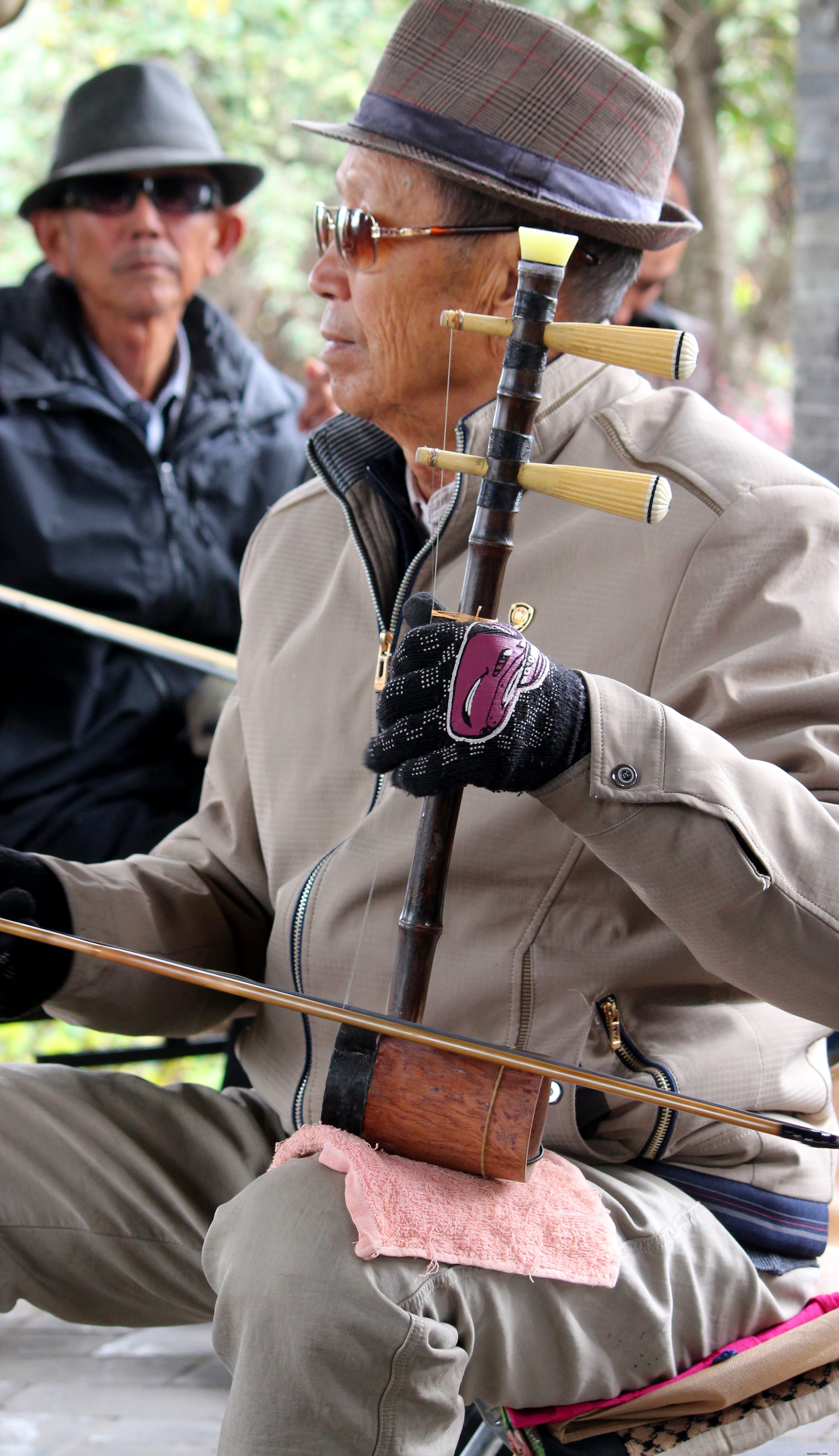
Weekends bring Dai from Xishuangbanna, Tibetans from northwest Yunnan, and Bai from Dali for karaoke and traditional music on elegant bridges and canals.
Street food lovers rejoice: try chili squid, Muslim lamb kebabs, and iconic guoqiao mixian (Crossing the Bridge Noodles).
Get more travel inspiration, tips, and exclusive offers straight to your inbox with our weekly newsletter.