Uncover the Rich History and Authentic Culture of Turks and Caicos Islands
The Turks and Caicos Islands (TCI) offer an idyllic Caribbean escape with turquoise waters, powdery white-sand beaches, world-class diving and snorkeling, and a sophisticated chef-driven culinary scene. Yet, many visitors overlook the islands' authentic culture—its unique history, music, and cuisine shaped by centuries of resilience.
As a British Overseas Territory, TCI's story began in the late 17th century when Bermudian salt collectors established thriving salt production on the Turks Islands, bringing enslaved Africans as salt-rakers. Around 100 years later, American Loyalists fleeing independence founded cotton plantations on the Caicos Islands. Slavery ended in British colonies in 1834; plantation owners departed, but freed laborers remained. Today's Belongers—primarily descendants of those communities—blend African traditions, British colonial legacy, and Caribbean vibrancy.
Cotton Plantations and Salt Ponds
TCI's cotton industry collapsed early due to boll weevils and hurricanes, but salt production endured nearly 300 years until the 1960s, felled by outdated methods. Ruins from both eras provide profound insights into the islands' economic history and slavery's enduring impact. In Providenciales (Provo), Cheshire Hall's evocative remnants of Thomas Stubbs' plantation await. Though preservation is modest, engaging guided tours reveal compelling tales.
A quick ferry to North Caicos leads to Wade’s Green, TCI's best-preserved plantation by Wade Stubbs. Stroll gravel paths past the Great House, kitchen, and slave quarters ruins. Visit the National Trust in Kew for an expert guide and signage context.
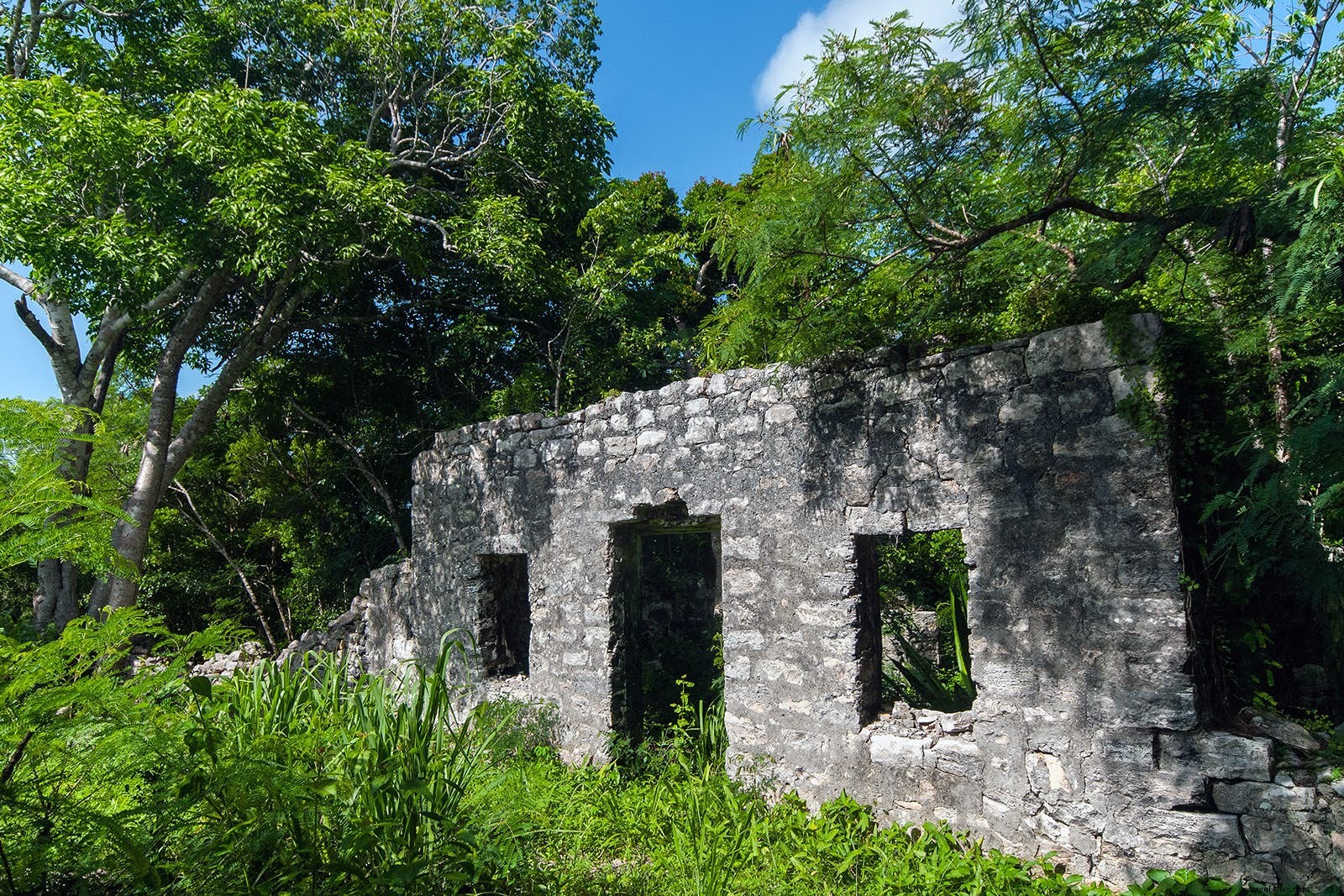
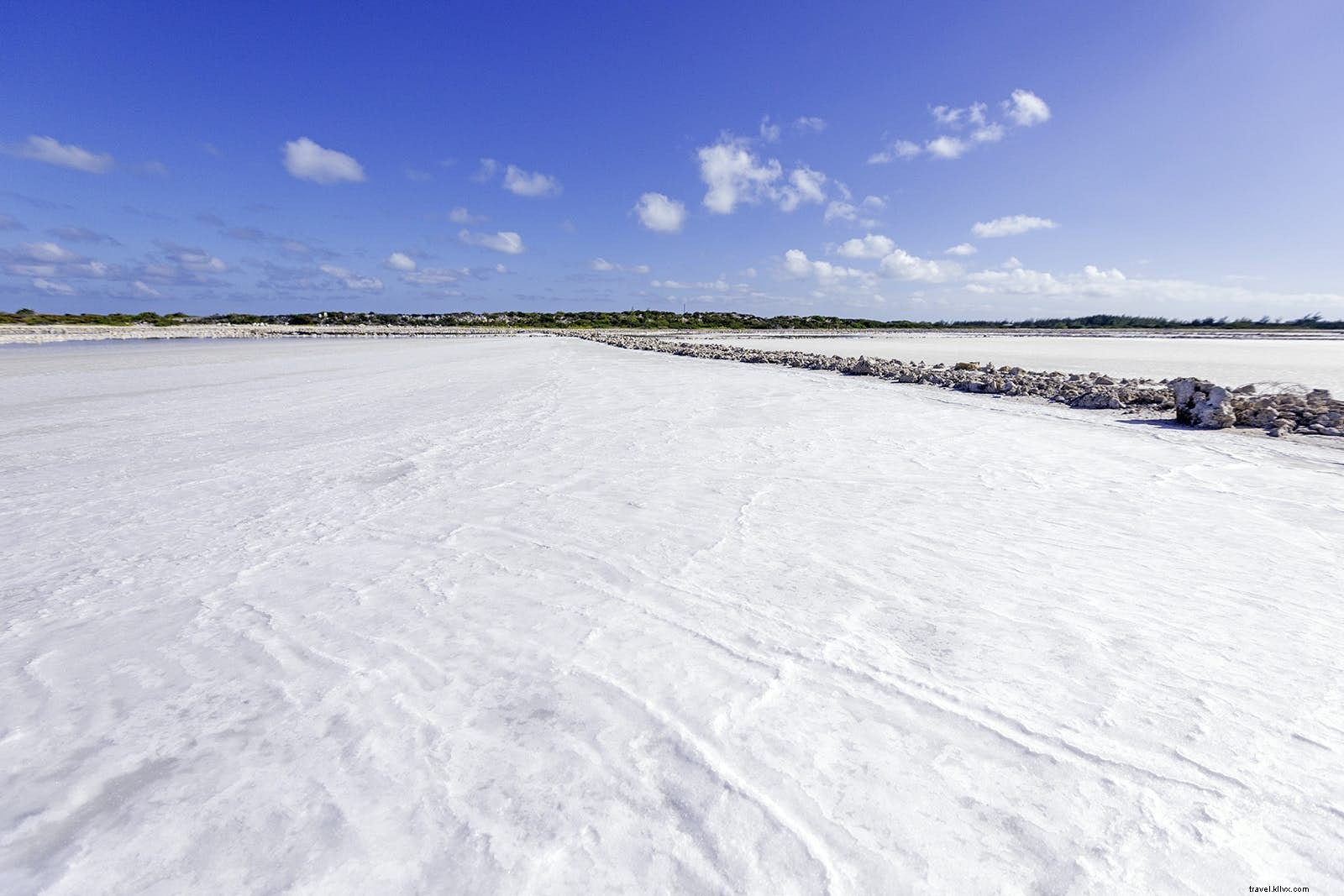
Across the islands, salt industry relics—vast ponds, salina walls, windmills, and warehouses—invite free exploration. South Caicos' Boiling Hole, a natural ocean-to-pond channel, stands out. (From St George Street, walk west to the low concrete wall.)
Ripsaw Music
Skip typical reggae or calypso—TCI's sound is ripsaw (rake-and-scrape), innovated by enslaved people replicating the West African shekere via bent handsaws scraped with nails or knives. Drums, accordion, harmonica, and maracas create raw rhythms for the Shay Shay dance. Hear live bands every Sunday at Somewhere Café & Lounge in Providenciales.
Nightlife at the Island Fish Fry
The ultimate ripsaw spot: Thursday's Island Fish Fry at Provo's Bight Park. Savor affordable local dishes—peas and rice, festival (hushpuppy-like fritters), fresh seafood, unique rum cocktails—amid artisan stalls. The evening peaks with junkanoo, a festive parade of costumes and percussion.
Seafood
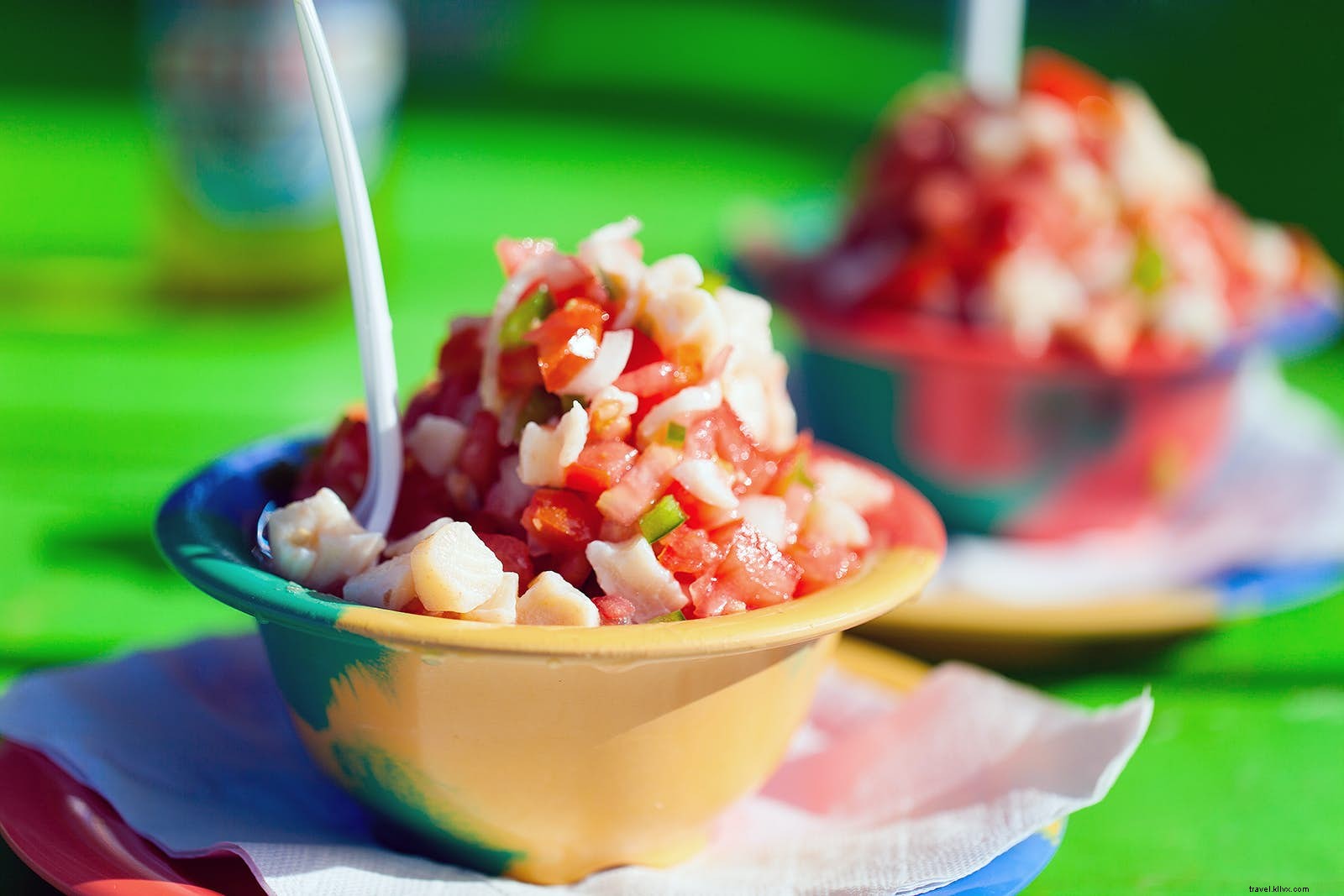
TCI's food scene thrives with expert chefs showcasing snapper, grouper, and seasonal spiny lobster (August–April). Queen conch, the culinary icon, shines in salads, fritters, scorched, grilled, or cracked preparations. Enjoy at beachside gems like Bugaloo's Conch Crawl and Da Conch Shack.
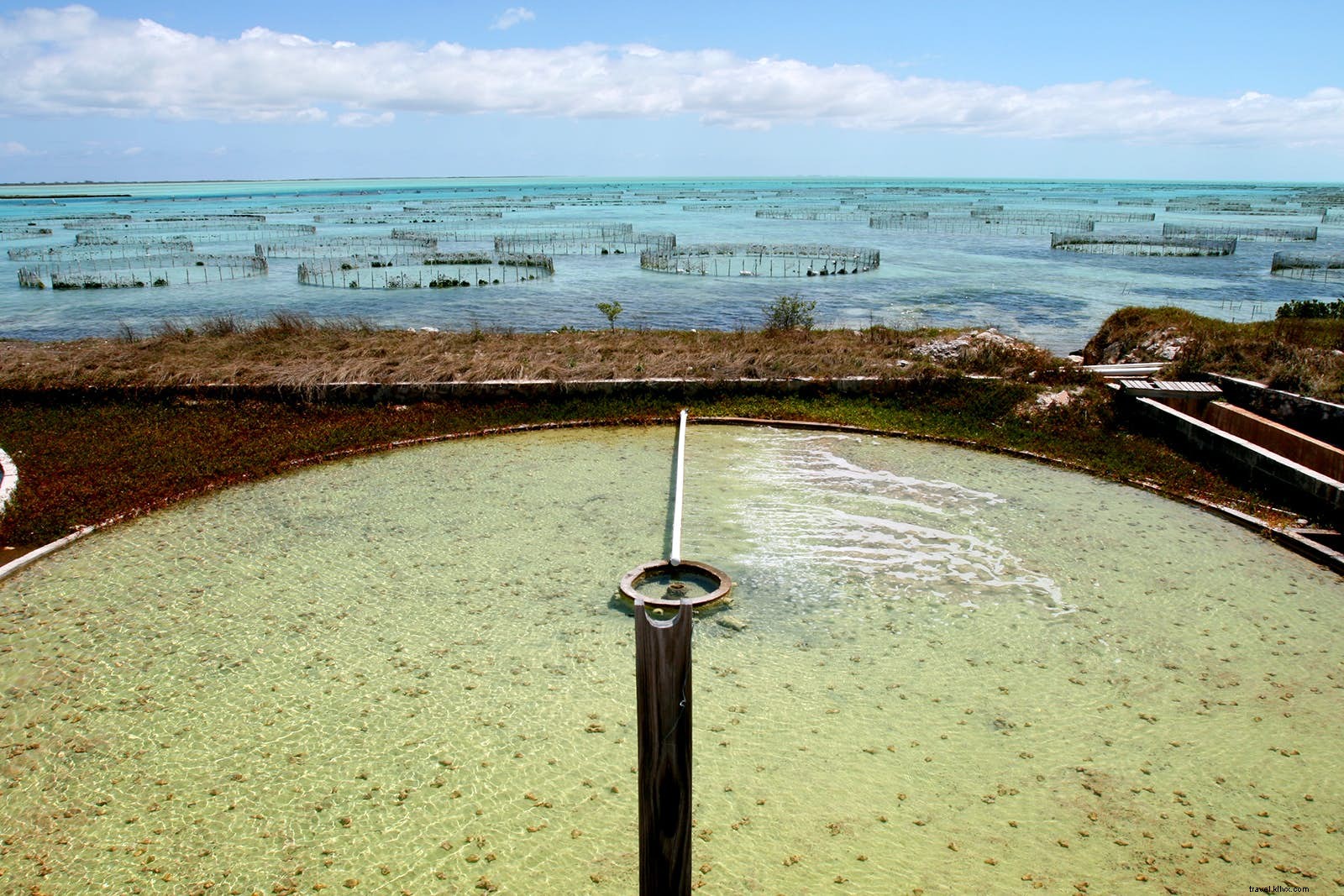
Conch lovers: Tour the world's only Caicos Conch Farm, cultivating queen conchs for 30 years. This hands-on 30-minute experience demystifies the shellfish and its aphrodisiac lore.
Shopping for Handicrafts
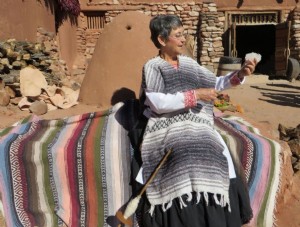
Take home TCI artistry from Island Fish Fry (like conch master Stanford Handfield), National Trust's Town Centre Mall craft center, or Middle Caicos Co-op's exquisite baskets and hats from native grasses and palms.
Make It Happen
Providenciales hosts most resorts and amenities. Ferries: 25 minutes to North/Middle Caicos; 90 minutes (twice weekly) to South Caicos. InterCaribbean offers 25-minute daily flights to South Caicos.