
Discover Morocco's Middle Atlas: Monkeys, Roman Ruins, and Troglodyte Cave Houses
After the bustling chaos of Fez or Meknès, arriving in Morocco's Middle Atlas feels like emerging into clear sunshine following days of fog. Crisp mountain air fills your lungs, endless blue skies stretch overhead, shepherds tend their flocks leisurely across the hills, and locals gather in town squares, savoring rich, midnight-black coffee under starlit nights.
These northern Moroccan mountains may not tower like the High Atlas, but they offer charming villages, sacred pilgrim paths, and remarkable Roman ruins that evoke ancient history. Lush cedar forests shelter playful Barbary macaques, while uncrowded alpine trails make you feel like a true pioneer—even as welcoming guesthouses provide easy access to this under-the-radar escape from Morocco's urban centers.
Pilgrimage to Moulay Idriss and Volubilis
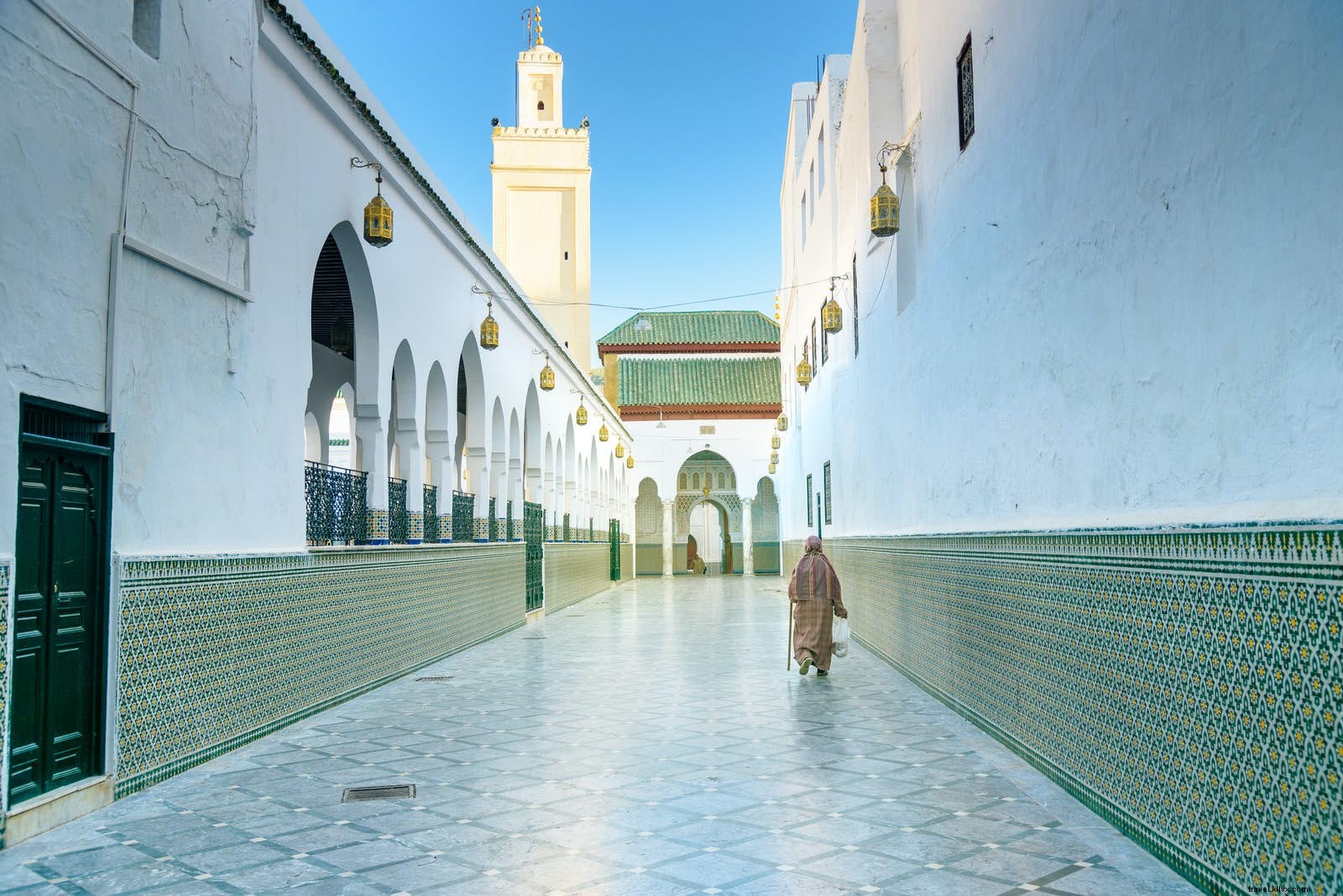
Moulay Idriss, the Middle Atlas's most captivating town, remains surprisingly overlooked. Historically off-limits to non-Muslims until 1912—and overnight stays permitted only since 2005—it features a few select guesthouses amid persistent touts. Named for a great-grandson of Prophet Muhammad, who became Morocco's first Islamic ruler and most venerated saint, the town centers around his sacred tomb in the serene medina, drawing pilgrims from afar.
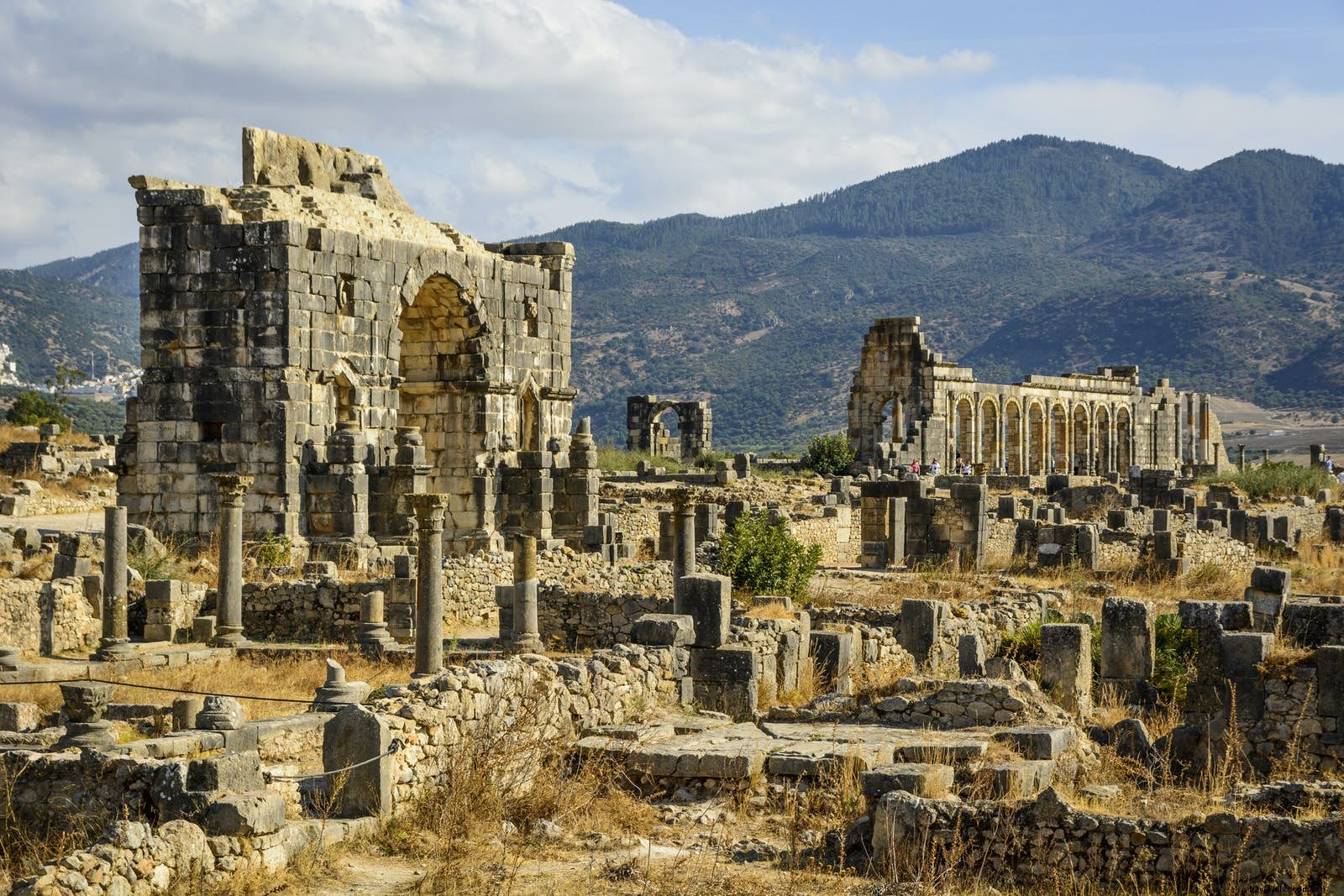
This whitewashed gem crowns two hills rising from the plains, offering panoramic views from medina lookouts toward the hazy silhouette of Volubilis—Morocco's premier Roman archaeological site. Marvel at intricate floor mosaics, towering arches, and a grand Roman road. Easily visited in a day trip from Meknès, an overnight stay unlocks deeper immersion, including pastry-making classes at Dar Zerhoune guesthouse's rooftop terrace.
Sefrou’s UNESCO-Listed Medina
Sefrou, the region's next gem, exudes an even more remote charm. Once home to Moulay Idriss II during Fez's construction, echoes of its former grandeur linger. UNESCO recognition in 2013 spurred restoration of its sturdy medina walls and historic funduqs (traveler inns). Taxis from Fez arrive at Bab El Maqam, leading into winding lanes past blacksmiths, weavers, and butchers, crossing a river that divides the medina and mellah (former Jewish quarter). Eastward, stroll lush Jardin Al Kanatir Al Khairia and relax with riverside coffee.
For authentic insights, join Culture Vultures' Fez tour on Sefrou's vanishing Jewish heritage and artisan life, or let Dar Kamal Chaoui in nearby Bhalil guide you through hidden medina corners.
Bhalil’s Troglodyte Cave Houses
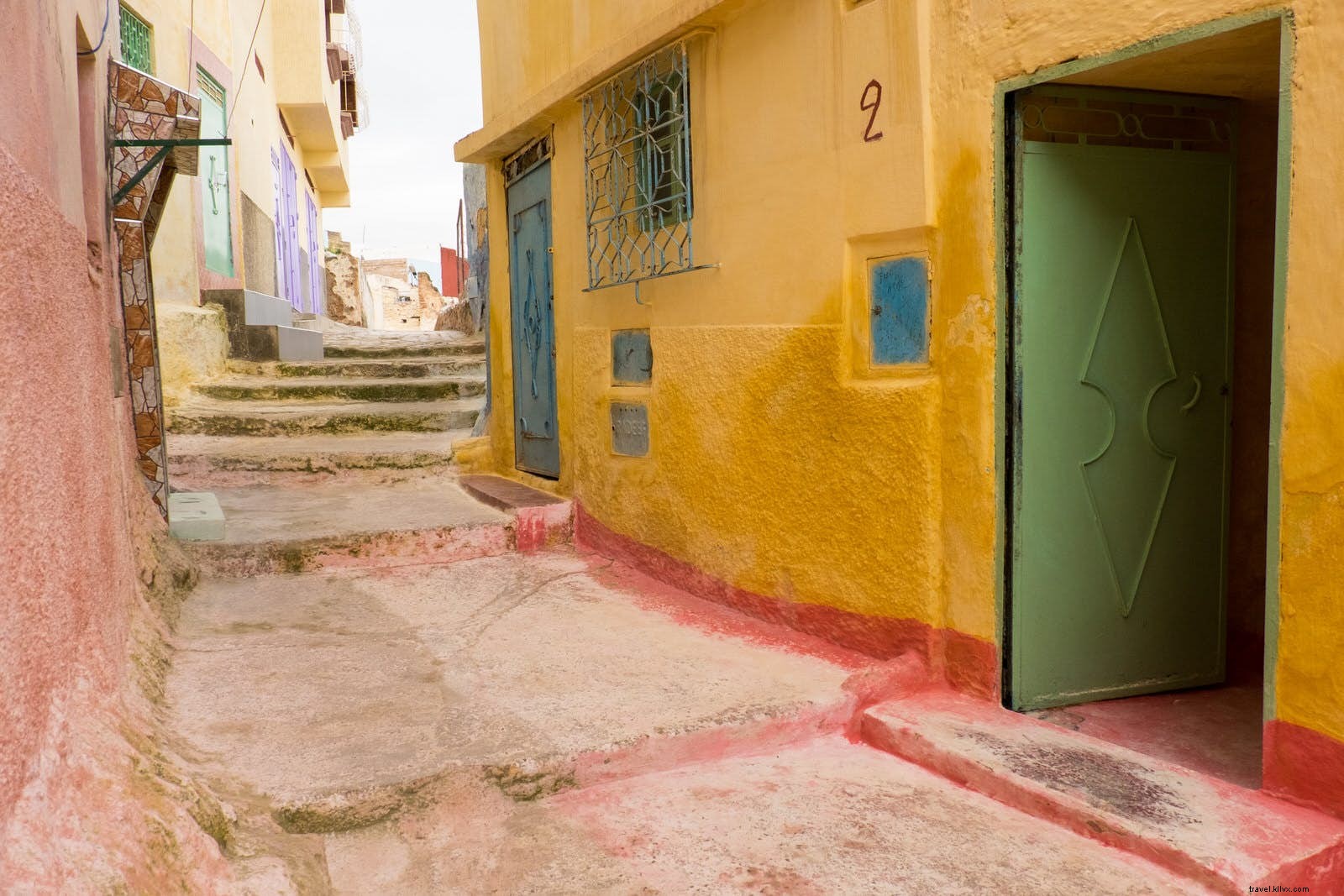
Bhalil captivates with its rich history and traditions, elevated by a community-focused guesthouse that transforms it into a peaceful retreat from city life. Cave dwellings from the 4th century dot the mountainsides, long used as shepherd huts—some now modernized homes. At Dar Kamal Chaoui, host Kamal arranges village tours, including tea in a troglodyte home, plus hikes and Berber family visits for immersive rural exploration.
Cozy rooms blend local textiles and Moroccan furnishings; the rooftop vista invites lazy afternoons scented by home-cooked tagines. Nearby, women weave buttons for djellabas (traditional hooded capes), a village staple.
Azrou and Its Barbary Macaques
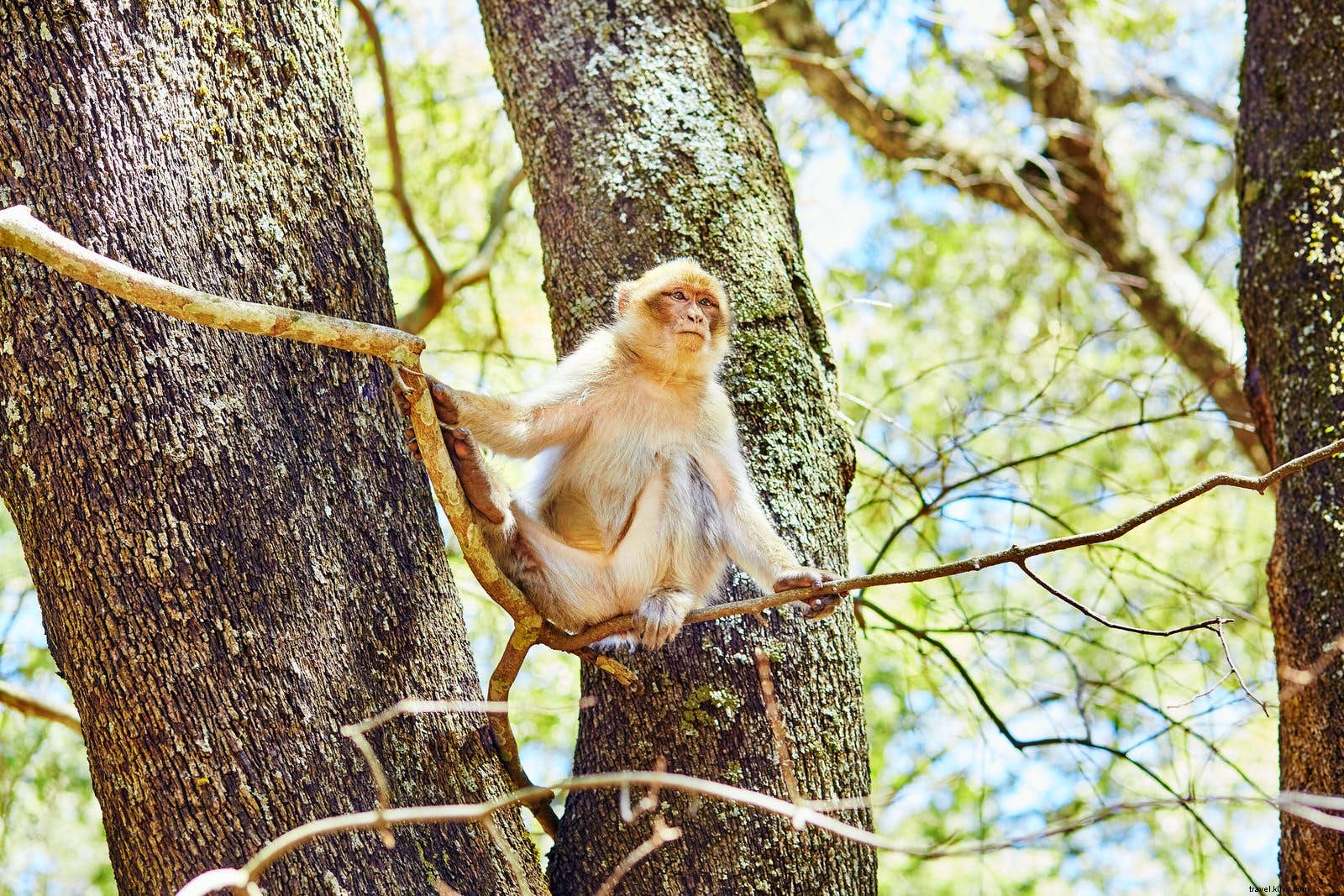
Azrou's Barbary macaques star in local lore: cursed to monkeyhood for disrespecting hosts with flung couscous. Morocco's 6,000 macaques concentrate here in Ifrane National Park's cedar forests around town. Avoid overfed troops near Cedar Gouraud and Moudmame; instead, hire a guide for forest hikes to the Agdal Plateau amid shepherds, apiaries, and nomadic ruins. Les Jardins d’Azrou, a Swiss-Moroccan-run farm-guesthouse nearby, offers farm-fresh meals and guided treks by its owner-guide. Catch the massive Tuesday souq for Berber livestock and produce trades.
Ifrane’s Lake Circuit
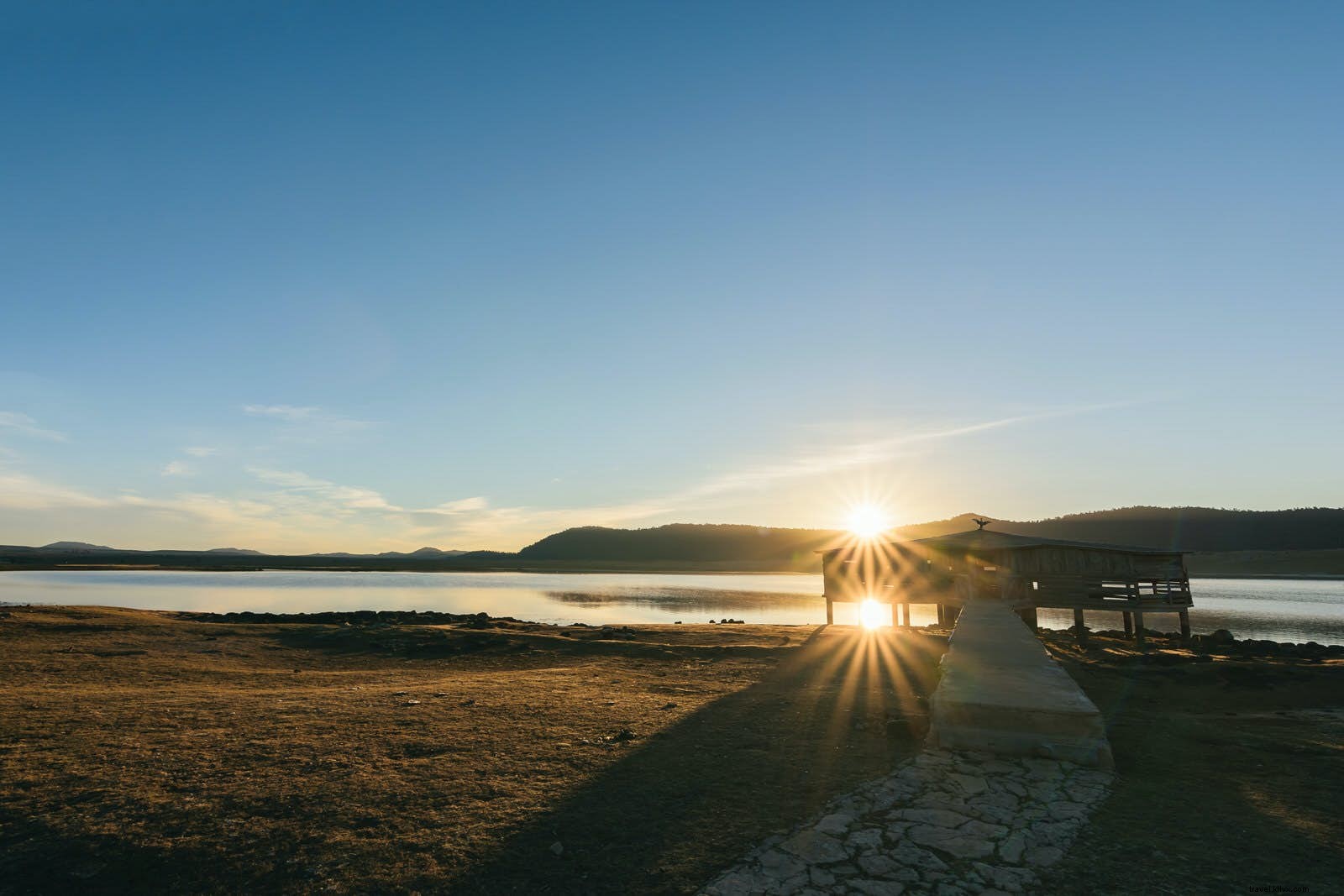
Northern Ifrane National Park surprises with lakes like Dayet Aoua, Dayet Ifrah, and Dayet Hechlaf—birdwatching havens for red kites, booted eagles, coots, marbled teals, and woodpeckers. Ideal for easy hikes or biking, Dayet Aoua draws weekend picnickers; summers shrink it to horseback playgrounds.
A 60km signposted loop starts 17km north of Ifrane (check road conditions). Unwind at Gîte Dayet Aoua: rustic Berber lodge with orchard, Amazigh cuisine, and guided horse, bike, or hike outings with picnics. Solitude reigns, far from Fez's frenzy.