Ultimate Guide to Scuba Diving in Spain: Top Sites, Requirements & Expert Tips
Spain is a diver's dream, offering recreational diving experiences like ice diving, night dives, wreck exploration, cave diving, and snorkeling. With diverse marine life and endless opportunities along its coastlines, it's perfect for beginners and seasoned divers alike.
Why Choose Spain for Diving?
Nestled in southern Europe, Spain is nearly surrounded by water, with coasts bathed by the warm Mediterranean Sea, cooler Cantabrian waters, and the Atlantic Ocean. Its beaches are renowned for exceptional cleanliness. Thanks to a mild climate, diving is possible year-round. Spain boasts over 10 Marine Reserves, numerous dive centers offering courses for all levels and specialties, plus permits and boat transfers. Dive clubs organize underwater archaeology, photography, and more. Combine diving with other watersports or whale-watching excursions.
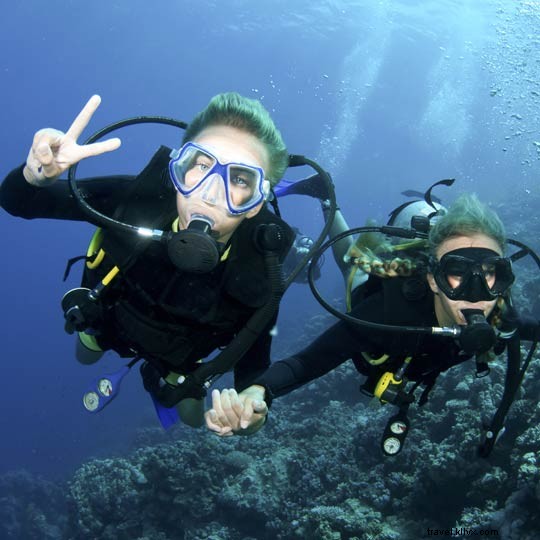
Scuba divers
Requirements for Recreational Diving in Spain
Planning your first dives in Spain? Here's what you need: A certification proving safe training from recognized bodies like ACUC, CMAS, IAC, IDA, IDEA, PADI, or SSI—many also assist with holiday planning. Federation membership isn't required, but dive insurance is essential, often included in courses. Submit a health declaration via the center's questionnaire. Spanish dive centers handle paperwork, provide equipment, and offer qualified instruction for a seamless experience.
Diving with Existing Certification
Certified divers with international qualifications can dive freely in Spain. Bring your certificate, logbook, medical certificate, and insurance. Adhere to local regulations: Minimum age varies by region but is 8 nationally; max depths for minors under 18 range from 6-40 meters based on age.
Best Times to Dive
Diving is viable year-round, but most courses run March to November.
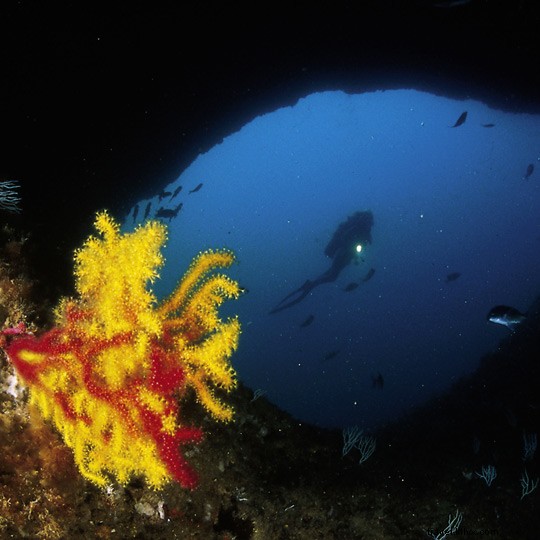
Diving off the Medes Islands, Girona (Catalonia)
Prime Diving Areas
Spain's 11 national Marine Reserves offer unique experiences. Highlights include:
Cabo de Gata-Níjar (Almería, Andalusia): Southernmost Posidonia meadows, corals, vibrant fish; boat trips to coves like Cala Chica.
Isla de Alborán (Almería): Pirate lore surrounds this spot.
Cabo de Palos – Islas Hormigas (Murcia): Posidonia meadows, groupers, barracudas, sunfish; wrecks like SS Sirio.
Cabo Tiñoso (Murcia): Vertical walls to 70m, caves, reefs.
Levante de Mallorca – Cala Ratjada: Caves, Posidonia, groupers, lobsters at spots like Queso and La Catedral.
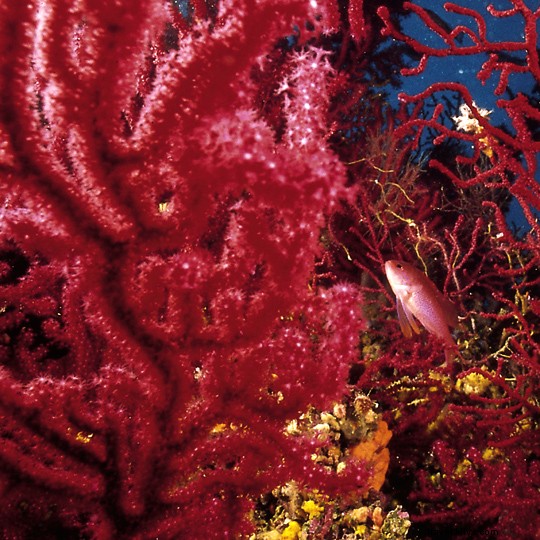
Seabed
Islas Columbretes (Castellón): Volcanic islets, steep walls, red coral; boats from Castellón/Valencia.
Isla de Tabarca (Alicante): Posidonia, groupers, barracudas; access from Alicante/Santa Pola/Benidorm.
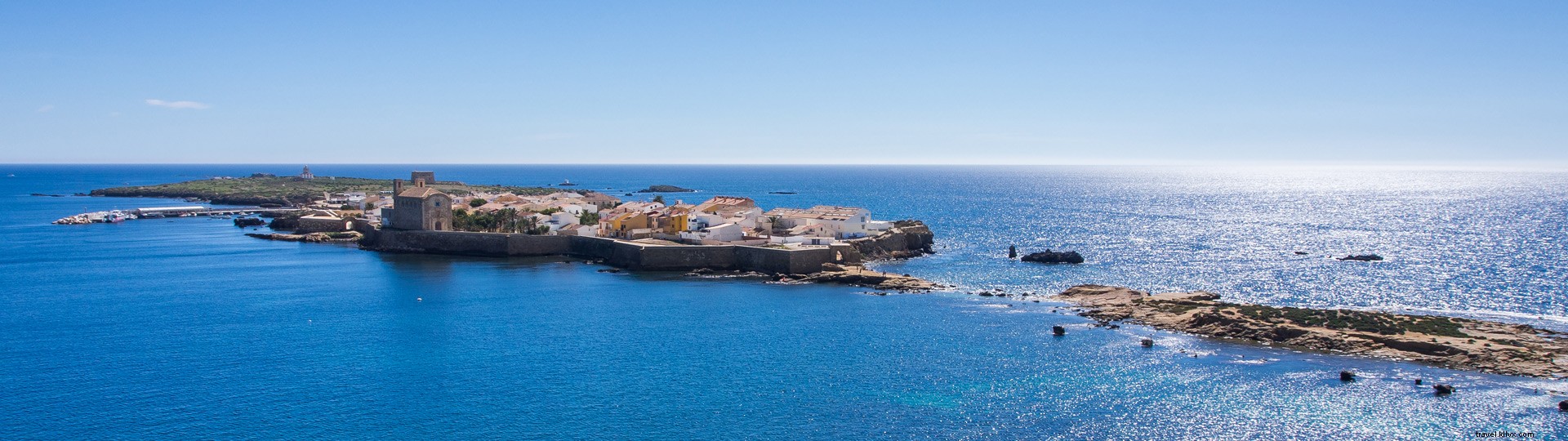
Isla de Tabarca, Alicante (Region of Valencia)
© Patronato Municipal de Turismo de Alicante
Masía Blanca (Tarragona): Posidonia labyrinth with octopus, grouper.
Isla Graciosa (Lanzarote, Canaries): Colorful sponges, fans; warm waters year-round.
La Palma (Canaries): Deep dives to 1,000m, anemones, dolphins, turtles, lava caves.
La Restinga – Mar de las Calmas (El Hierro, Canaries): Whale sharks, mantas; annual Open Fotosub event.
More Areas: Catalonia's Medes Islands (groupers, Túnel de la Vaca), Galicia's Cíes (octopuses, turbots); all Canary & Balearic Islands; Basque Country, Asturias, more.
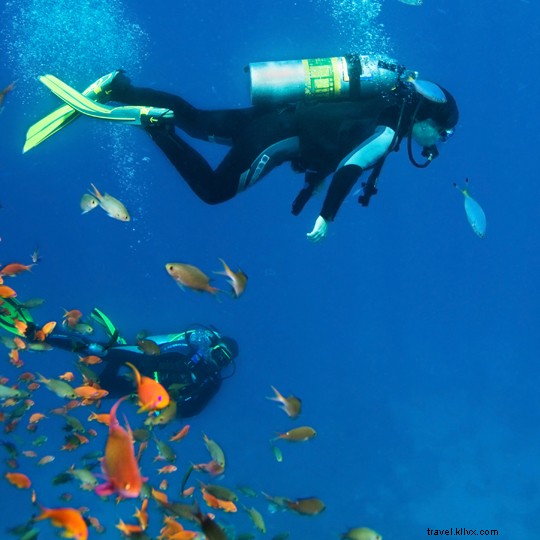
Scuba diving
Canary and Balearic Islands shine; try Formentera's turtles or Andalusian coasts.
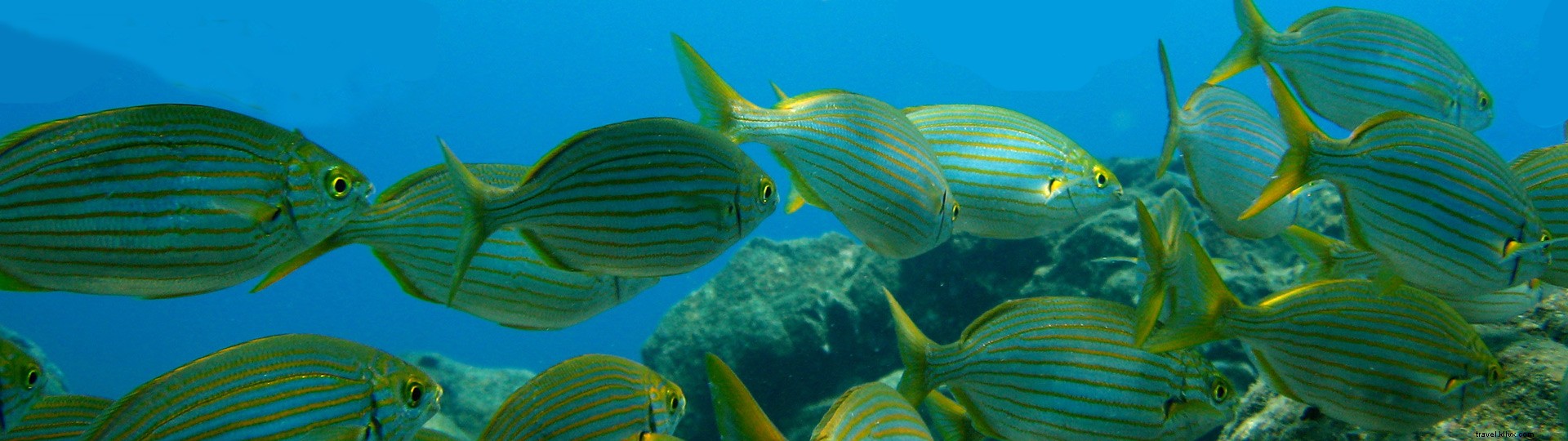
Seabed off La Palma, Canary Islands
© Tauchpartner
Tips and Recommendations
TIPS
- Marine Reserves require prior authorization; check Spanish government and Ibero-American sites.
- Avoid diving 24 hours before flying (decompression risk).
- Rent air tanks locally; importing is legal but impractical.
- Equipment varies by area/season (10-26°C waters).
- Contact FEDAS or ABRE for courses.
- Review Spain's health/safety tips.
- Verify latest regulations before travel.