10 Compelling Reasons for Hikers to Discover Spain
Spain offers over 60,000 kilometers of well-marked trails, breathtakingly diverse landscapes, and 15 national parks, establishing it as a premier hiking destination. Explore these 10 reasons why avid hikers must visit. Lace up your boots and embark on an unforgettable adventure.
-
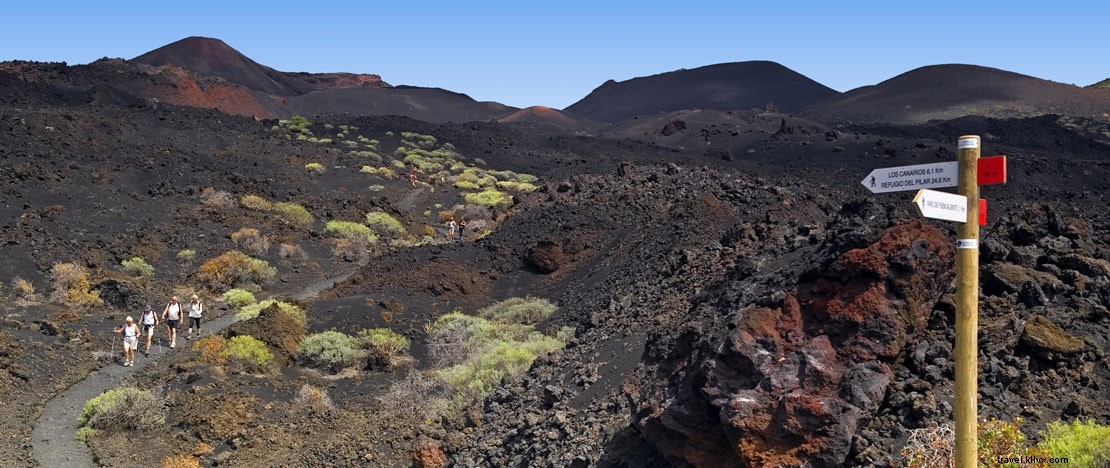 Volcano Route - GR 131, in La Palma (the Canary Islands)
©
Ruta de los Volcanos - GR 131, en La Palma (islas Canarias)
Volcano Route - GR 131, in La Palma (the Canary Islands)
©
Ruta de los Volcanos - GR 131, en La Palma (islas Canarias)
Over 60,000 Kilometers of Marked Trails
Spain's trail network includes GR (long-distance) paths over 50 km with red markers, PR (short-distance) routes of 10-50 km with yellow markers, and SL (local) paths under 10 km with green markers—ideal for family hikes with children.
-
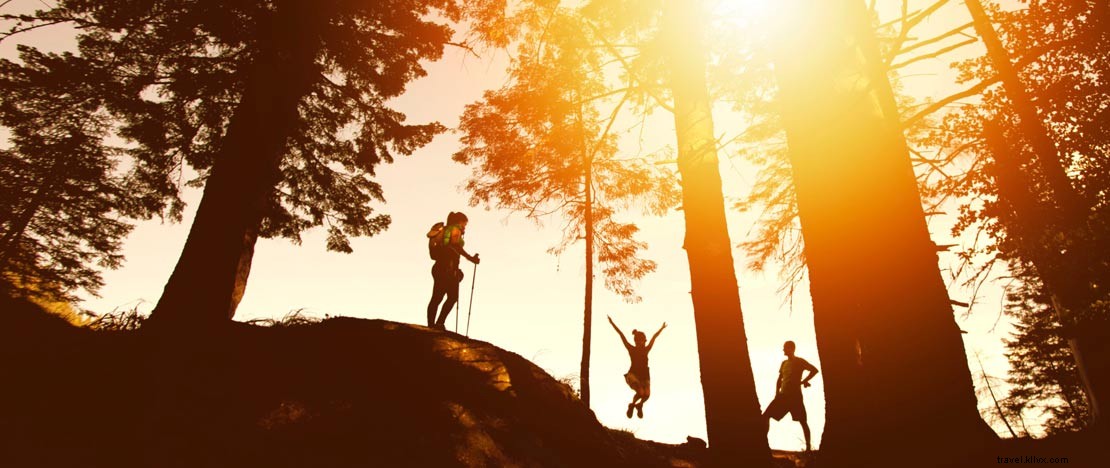 Hiking
Year-Round Mild Temperatures
Certain regions enjoy more than 3,000 hours of sunshine annually, with the Canary Islands averaging over 20°C year-round. Spain's favorable climate supports hiking anytime—spring and autumn are prime, mountains offer relief in summer, and avoid snowy winter days in highlands.
-
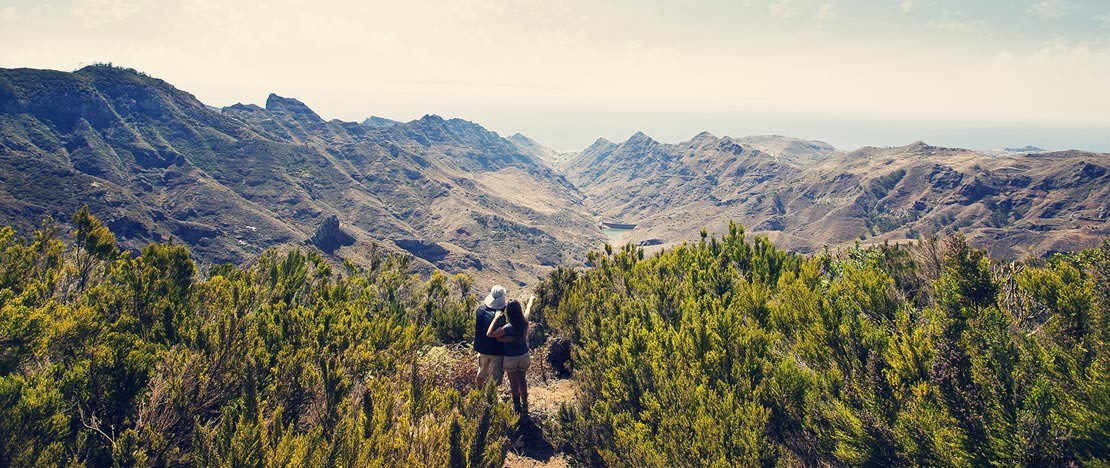 A couple hiking in Anaga Rural Park
©
Turismo de Tenerife
A couple hiking in Anaga Rural Park
©
Turismo de Tenerife
Guaranteed Spectacular Views
As Europe's second-most mountainous country, Spain delivers panoramic vistas from trails like Cape Finisterre in Galicia, La Palma's volcano route, Málaga's thrilling Caminito del Rey, Gran Canaria's summits, Monfragüe National Park, Picos de Europa gorges, and Aigüestortes' Lake San Mauricio.
-
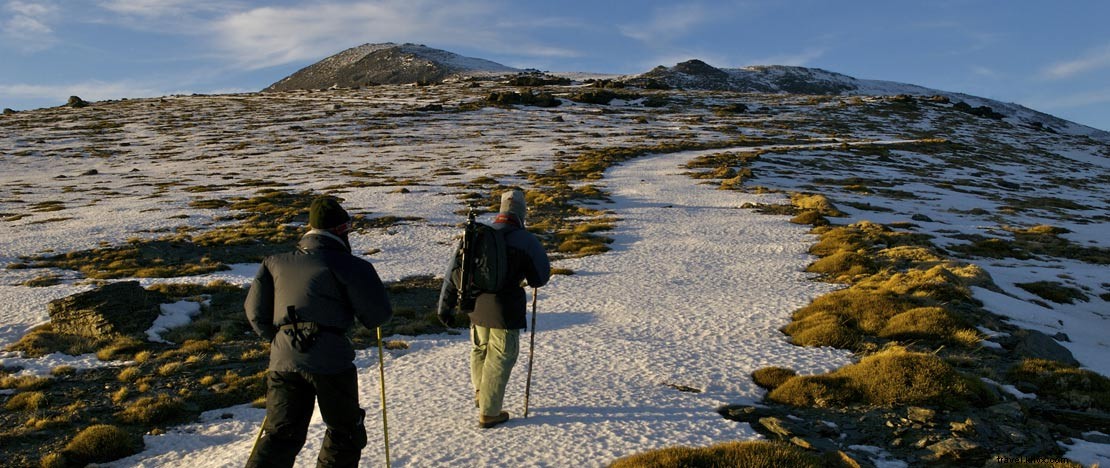 Hiking on Mount Mulhacén, Sierra Nevada National Park (Granada, Andalusia)
Protected Natural Environments
Spain leads globally with the most UNESCO Biosphere Reserves and features 15 national parks—the nation's top conservation honor. These areas offer marked trails and guided hikes in pristine settings.
-
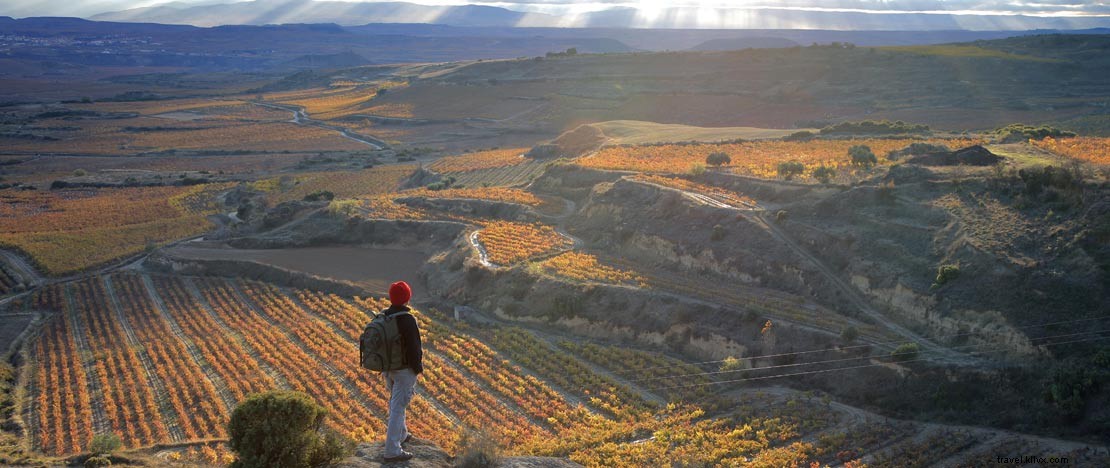 Hiking in the vineyards of La Rioja
©
Turismo La Rioja
Hiking in the vineyards of La Rioja
©
Turismo La Rioja
Diverse and Unusual Landscapes
Encounter volcanic Canary Islands, Doñana's marshes, Asturias' Cares cliffs, Navarre's Bardenas Reales desert formations, Salamanca's sculpted forests in Las Batuecas-Sierra de Francia, historic Vía de la Plata, deer rutting grounds in Toledo or Zamora, and endemic flora in the Pyrenees or Tenerife's Teide.
-
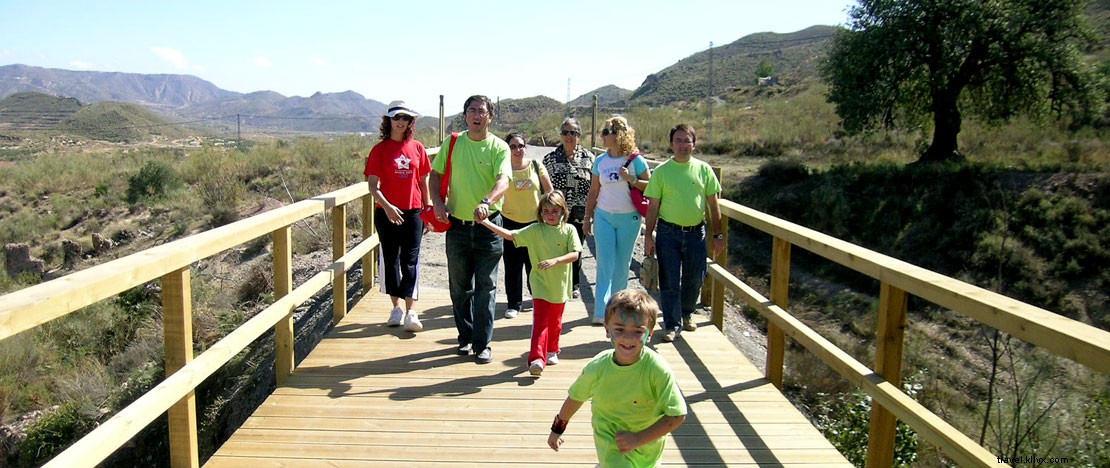 Greenway in Lucainena de las Torres, Almería (Andalusia)
©
Vías Verdes
Greenway in Lucainena de las Torres, Almería (Andalusia)
©
Vías Verdes
Repurposed Railways and Drovers' Paths
Sustainable Green Ways transform disused railways into car-free trails for hiking and cycling, while Natural Trails repurpose 10,000 km of canals and drovers' paths for immersive rural experiences—accessible and straightforward for all levels.
-
 Pilgrim walker opposite the Cathedral of Santiago de Compostela
The Iconic Way of St. James
This world-famous pilgrimage draws global visitors through northern Spain's charming towns, showcasing regional cuisine and UNESCO sites. Popular routes include the inland French Way from the Pyrenees to Santiago and the coastal North Way—suitable for families.
-
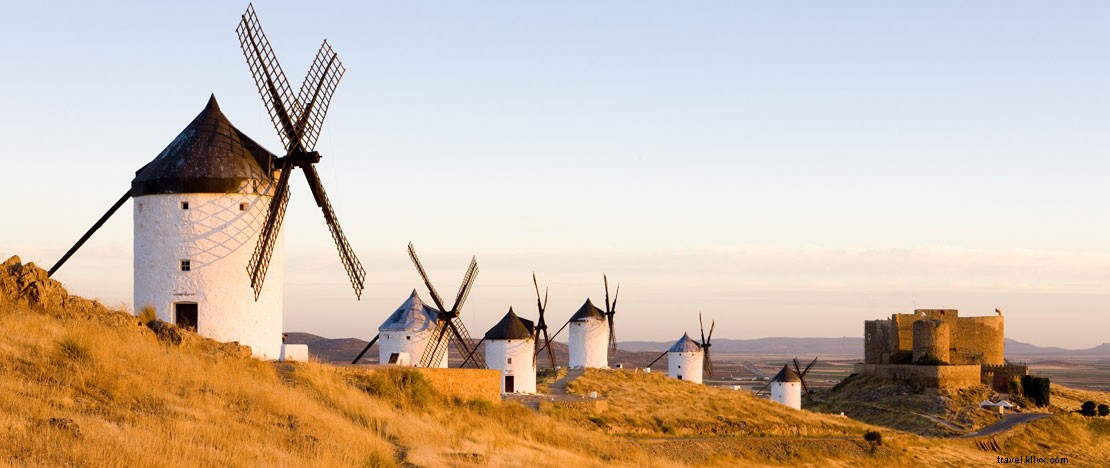
Windmills in Consuegra (Toledo, Castile-La Mancha)
Cultural Hiking Routes
Seamlessly blend nature, history, and hikes: follow GR-100 along Roman Vía de la Plata, or explore Palencia's Romanesque, Asturias' pre-Romanesque, Catalonia's Vall de Boí churches, Galicia's Ribeira Sacra monasteries, Jaén's castles, Castilla-La Mancha windmills, and Menorca's talayots.
-
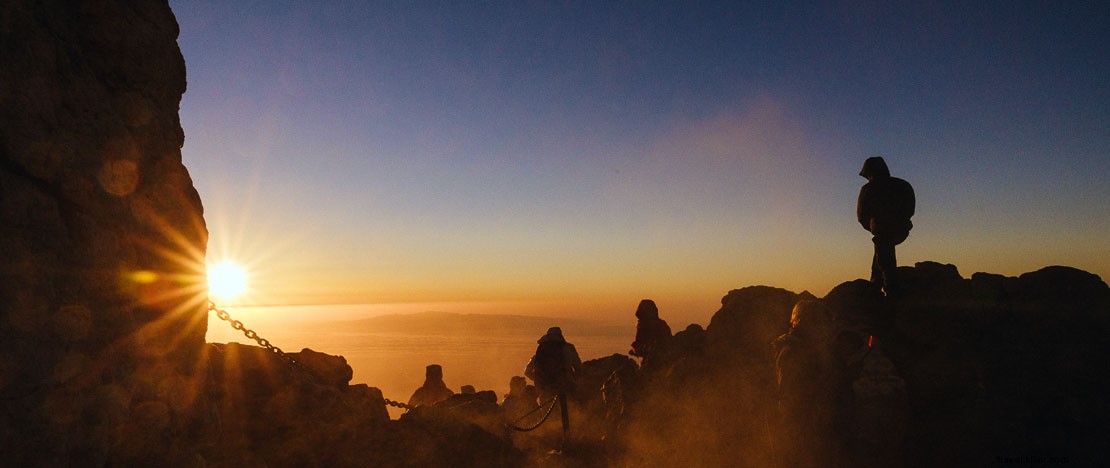 Tenerife Walking Festival
Vibrant Hiking Festivals
Spain's growing hiking festivals feature guided routes, family nature outings, and cultural-gastronomic activities. Highlights include Tenerife (May), La Palma and Gran Canaria (October), Marbella 4 Days (October), and Pyrenees events like Vall de Boí Trek or Val d'Aran Walking Festival (June-July).
-
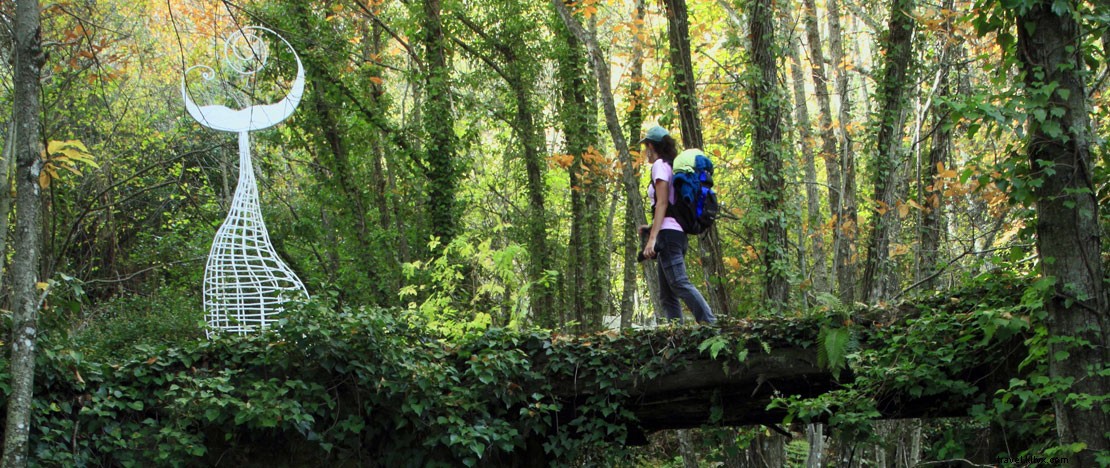 Camino del Agua (The Water Path) in the Las Batuecas-Sierra de Francia Nature Reserve.
©
Diputación de Salamanca
Camino del Agua (The Water Path) in the Las Batuecas-Sierra de Francia Nature Reserve.
©
Diputación de Salamanca
Abundant Rural Accommodations
Tailor your stay with rural houses, nature hotels, or Paradores in Pyrenees and parks like Doñana, Picos de Europa, Monfragüe, or Tablas de Daimiel. Budget options include campsites, hostels, and pilgrim albergues along the Way of St. James.