Canoeing and Kayaking in Spain: Top Routes, Seasons, and Safety Tips
Experience the ultimate blend of adventure, nature, tourism, and fun with canoeing and kayaking amid Spain's stunning landscapes. Paddle serene inland rivers, coastal waters, or reservoirs for an immersive journey into unique, pristine environments.
Why Choose Spain?
Spain boasts diverse rivers, reservoirs, lakes, and nearly 8,000 km of coastline ideal for canoeing and kayaking. Explore conserved natural wonders, from tranquil lake outings and river descents to thrilling white-water challenges and secluded spots. Suitable for beginners and experts alike, with marine reserves and outfitters providing gear and guided routes.
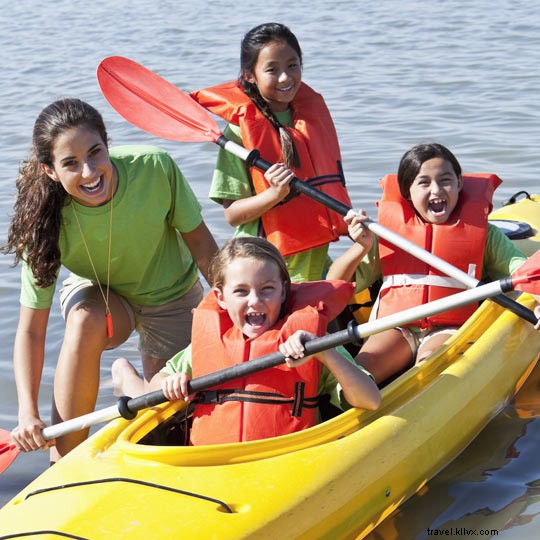
Kayaking with the family
Best Times of Year
Spring and summer offer peak river flows from rains and snowmelt. Northern rivers remain navigable in autumn and winter due to heavy rainfall.
Top Areas and Routes
Spain features fast-rapids rivers for excitement and calm waters for relaxed paddling, plus open-sea options. White-water thrills await in the Pyrenees, like the Noguera Pallaresa. For leisurely trips, opt for gentle rivers perfect for beginners.
Key navigable spots include:
- Ulla River (Galicia): Alternates rapids and calm stretches.
- Bidasoa (Navarra): Short route through spectacular scenery.
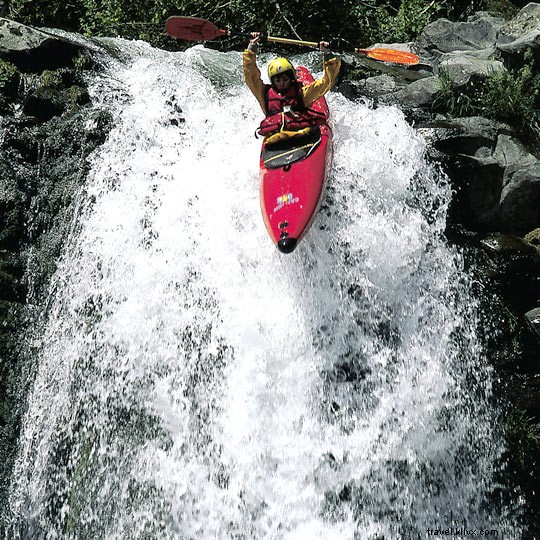
Canoeing in Asturias
Alto Tajo (Guadalajara): 100 km of pristine river, navigable stretches, and white water in a Nature Reserve.
Gallego River (Aragón): Consistent flow for year-round paddling.
Northern Spain: Upper Ebro, Navia, and Eo rivers.
Central Spain: Embalse del Burguillo reservoir, Tiétar (Ávila), Tormes (Salamanca), and Hoces del Río Duratón Nature Reserve (Segovia).
The iconic Sella River Descent, a Festivity of International Tourist Interest, draws global paddlers on the first Saturday in August over 20 km. Enjoy it year-round with local operators.
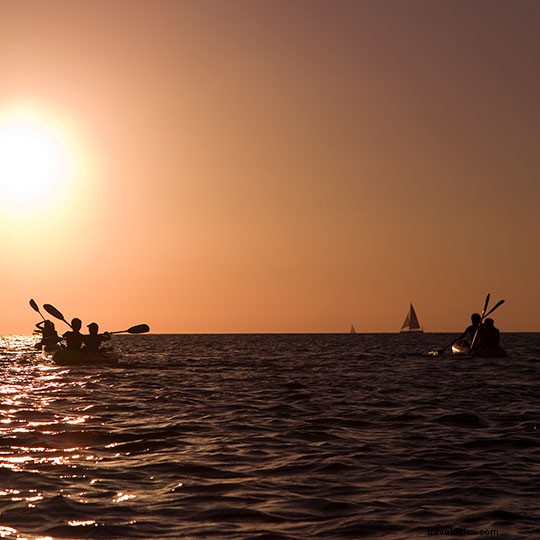
Canoeing at sunset in Formentera (Balearic Islands)
© Turismo de Formentera. JJ Fotógrafos
Tips and Recommendations
Handy Tips
- Wear a life jacket, carry dry clothes, a wetsuit with reflective bands, thermal vest, and helmet for white water.
- Pack a torch, compass, water, first-aid kit, and sunscreen.
- Check weather forecasts; avoid poor conditions, low visibility, or nighttime sea paddling. Stay within 6 miles of shore.
- Obtain navigation permits for certain rivers (e.g., Júcar, Ebro) via Water Confederations or Ministry for Ecological Transition. Check local rules for protected areas.
- Research river specifics, difficult sections, and navigable parts.
- For solo long trips, get federation insurance extension or travel coverage including medical and liability.
- Paddle in groups of at least three for safety.
- Emergency: Call 112.
- Contact local tourist offices, canoeing federations, or Spanish Royal Canoeing Federation for details.
- Review health and safety guidelines; verify current regulations before heading out.