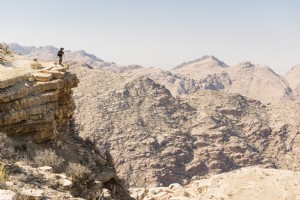

Climbing and Mountaineering in Spain: Top Destinations, Tips & Essential Guide
Ready for an exhilarating challenge? Spain delivers thrilling climbs amid stunning natural landscapes and jaw-dropping views. Explore diverse areas for rock climbing at all levels, ice ascents, and summits over 3,000 meters high.
Why Spain?
Europe's second-most mountainous nation, Spain is a climber's dream with high peaks, sheer cliffs—even coastal ones—and routes for every skill level in climbing and alpine traverses. Globally acclaimed for rock climbing, its inland Central and Iberian Systems feature ideal canyon cliffs. Mallorca's Tramuntana range in the Balearics and Tenerife's Mount Teide—Spain's highest peak—in the Canaries offer unforgettable terrain.
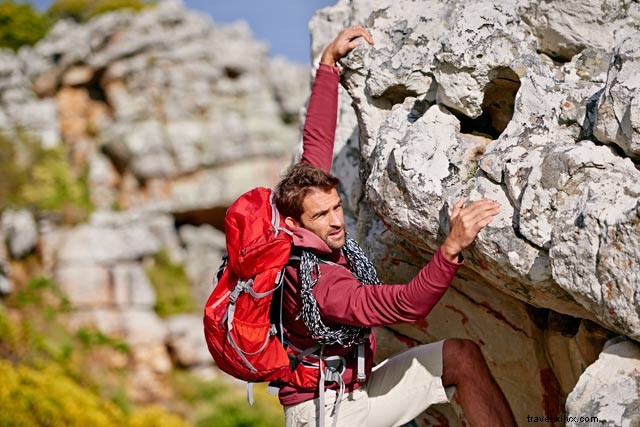
Climbing
Spain's extensive mountain hut network provides essential support for ascents and traverses, with staff offering local route advice. Urban climbing schools, clubs, and outfitters guide you to prime routes. Many sites are protected parks boasting unique ecosystems, like Ordesa y Monte Perdido National Park (Europe's highest limestone massif) and Sierra Nevada (home to 15 peaks above 3,000m).
Types of Climbing: Rock Climbing
Climbing surfaces fall into ice, snow, or rock categories. Rock climbing reigns supreme due to its prevalence. Assess the rock type beforehand—granite, limestone, or aggregates—each with unique holds, friction, and challenges. Spain excels in all three.
Best Times of Year
Mediterranean coasts suit rock climbing year-round, even winter. Ice climbing peaks in the colder months.
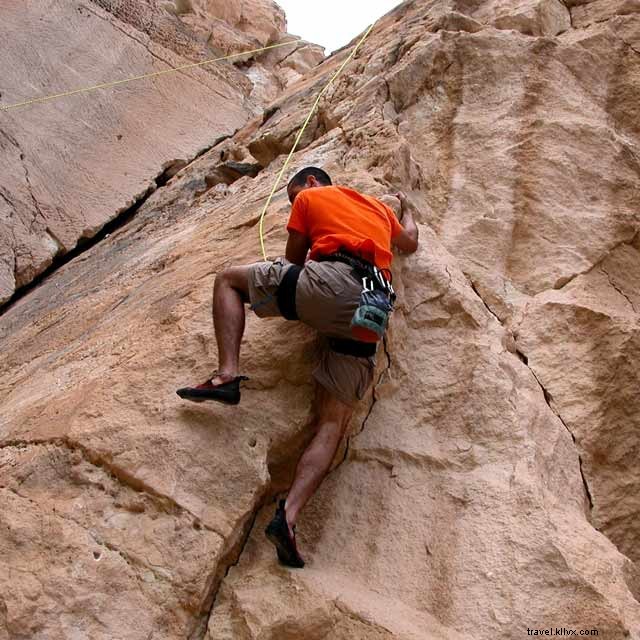
Rock climbing
Prime Climbing Areas
Picos de Europa: Iconic Naranjo de Bulnes peak draws elite climbers. The Pyrenees: Peaks to 3,400m; Sobrarbe, Ansó Valley, and Sierra de Guara gorges are paradises. Sierra de Guadarrama: Just 50km from Madrid, La Pedriza in the national park offers routes for all levels.
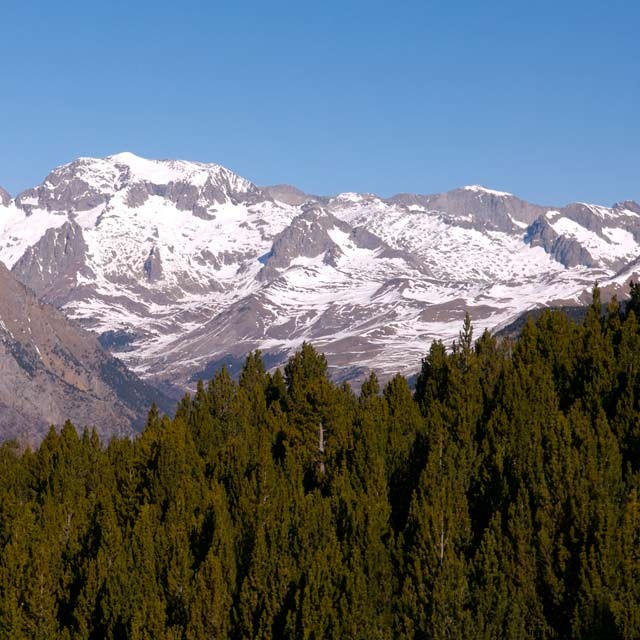
The Pyrenees in Huesca
Sierra de Gredos: Ávila's cirque gorges and lakes; summit La Galana or El Almanzor for epic vistas. Sierra Nevada: Granada's routes near Iberian Peninsula's highest peak, Mulhacén (3,479m). Montserrat: Over 3,000 paths to the summit. La Hoz del Júcar: Dramatic, technical faces. Balearic Islands: Mallorca spots like La Creveta (Pollença), Puig de Son Sant Martí (Alcúdia), Cala Magraner (Manacor). Canary Islands: Tenerife's Torreón de Figueroa in Teide National Park; Gran Canaria's La Ayacata cirque.
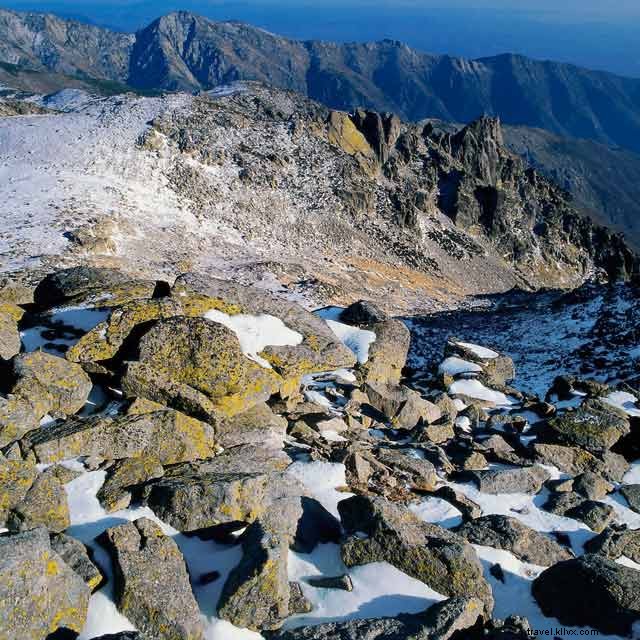
Sierra de Gredos
Mount Moncayo summit: Cordillera Ibérica's highest. Basque Mountains: Gorbea and Anboto with marked routes and schools. Alicante limestone: Peñón de Ifach, Callosa de Segura, Tozal de Levante. Expert thrill-seekers: El Caminito del Rey (Málaga)—one of the world's riskiest. Marvel at its ravine, footbridge, 100m+ heights. Free access requires civil liability insurance.
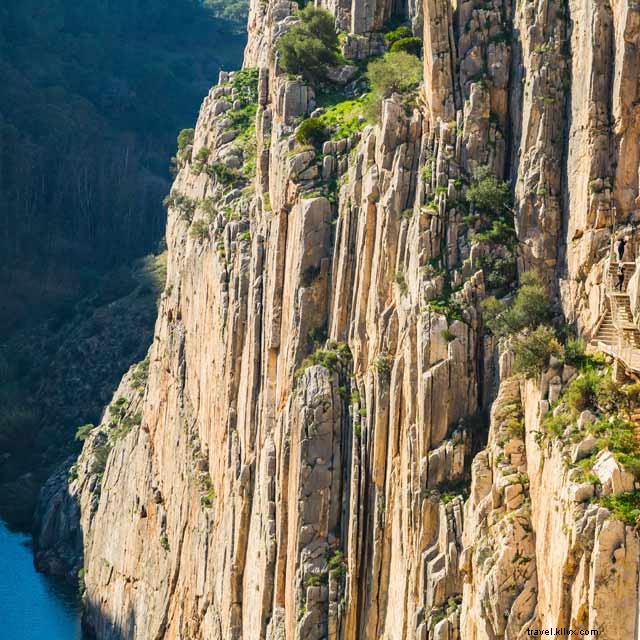
Caminito del Rey
Tips and Recommendations
Handy Tips
- Wear a certified light helmet and breathable, comfortable clothing.
- Essential gear: harness, ropes, carabiners for specific climbs—rent if needed.
- Evaluate wall inclination, hold size/shape, and spacing before ascending.
- Check for permits or authorizations for self-guided climbs.
- No federation required, but verify regional rules via schools/federations.
- Emergencies: Dial 112 or Civil Guard at 062.
- Consult local tourist offices, federations, or the Spanish Mountain Sports and Climbing Federation website for routes.
- Always confirm latest regulations before your trip.