
Penn State Historian Lee Stout: Why He 'Accidentally' Never Left Happy Valley and His Favorite Reasons
Curious about Happy Valley's hidden history—the details that evade a quick Google search? During a 2020 research project amid COVID library closures, I kept hearing one name: "Ask Lee Stout."
As Librarian Emeritus of Special Collections at Penn State, Stout has become Centre County's unofficial archivist, preserving our local stories. He guided me to the exact resources I needed (including one he authored), which I retrieved via Schlow Library's contactless pickup. With answers in hand, I was hooked.
Interviewing Centre County residents about what makes this place special, I couldn't wait to hear from Lee. Here's his perspective on Happy Valley's allure, top adventures, and visitor must-dos.
HVAB: What brought you to Happy Valley?
LS: I arrived in 1965 for college and "accidentally" never left. I earned a bachelor's in history here, pursued a master's in history, then a second master's in library and information science at Pitt. I landed a dream job, and my wife Dee and I raised our two children here—our daughter and her family remain in the area. I retired 14 years ago but still have endless reasons to stay.
HVAB: Tell us about that 'wonderful job.'
LS: As University Archivist in Penn State Libraries, it was a faculty role with promotion and tenure opportunities. I researched, wrote, taught, and managed historical records—collecting, preserving, organizing, and assisting researchers. A perfect match for my skills. In 1990, I launched a monthly local history column for Town & Gown Magazine. Post-retirement, I've authored three books, contributed articles, and stayed active with the Centre County Historical Society.
HVAB: What's one key Happy Valley history fact everyone should know?
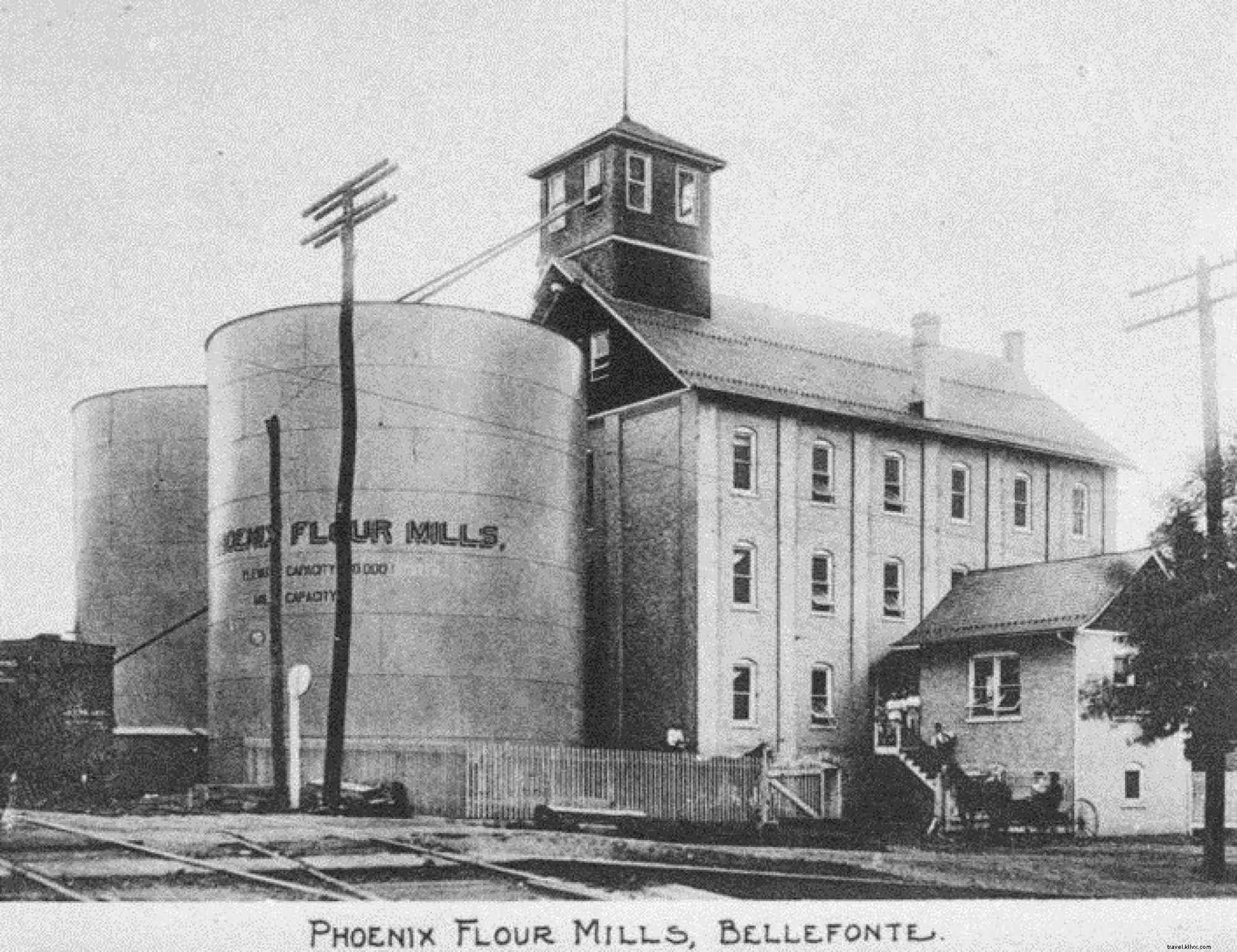
LS: It's a myth that State College existed first, then Penn State was built around it. In 1855, Centre County's leaders, especially from Bellefonte, lobbied hard to bring Farmers' High School here—beating out six other counties. Later, after the 1862 Land Grant Act, rivals vied for its funding. Without that designation, Penn State might have shuttered by 1880, altering our region forever.
HVAB: What's your favorite thing about Centre County?
LS: The geography. I cherish the ridge-and-valley landscapes, nearby farmlands despite development, and low population density—evoking my 1950s New Jersey childhood, now lost to sprawl (with 3-4 times our density). Yet we enjoy urban perks: culture, sports, dining, and proximity to NYC, Philly, DC, Pittsburgh, and more.
HVAB: What makes this place so special?
LS: The vibrant community synergy. Gone are old 'town-gown' divides; today, university staff live county-wide, locals attend Penn State, fostering mutual enhancement. It's what Penn State contributes to communities—and vice versa.
HVAB: What's one off-the-beaten-path spot you love?
LS: Raised to explore by my father's "Let's take a ride" ethos, I adore county backroads. A top drive: From the airport on SR 550 to Fillmore, up Bald Eagle Mountain (Fillmore-Unionville Pike) to US 220 in Unionville. Crest-right on Purdue Mountain Road descends to Bellefonte's limestone ops. Or cross to SR 504 (Rattlesnake Pike) over Allegheny Front to Black Moshannon State Park—spot 200-year-old Philadelphia-Erie turnpike markers. Continue to Philipsburg for more discoveries.
HVAB: What should every visitor see, eat, or experience?
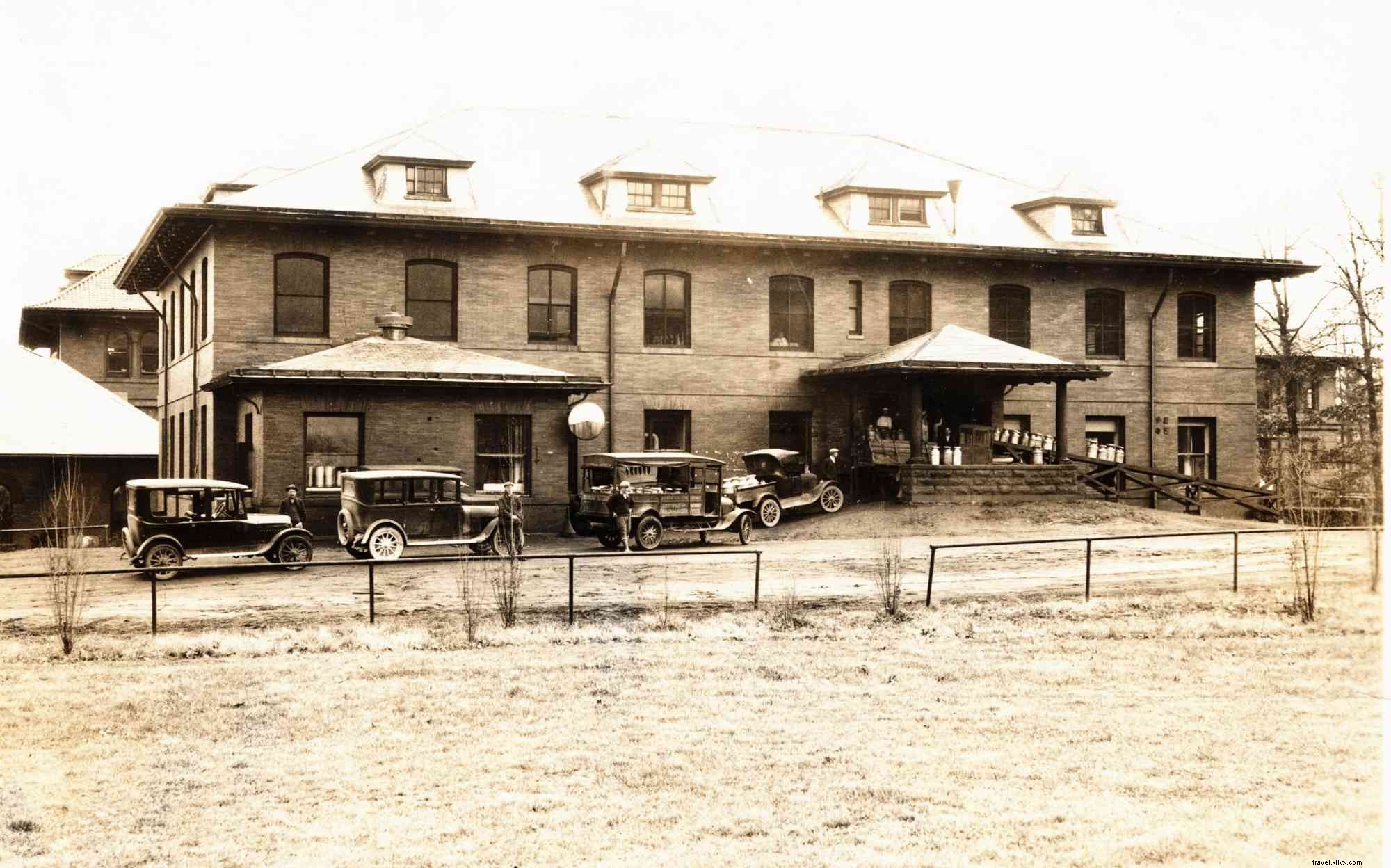
LS: As author of Ice Cream U: A History of the Nation's Most Successful Collegiate Creamery (PSU Press), I'd say savor a cone at Berkey Creamery—ideally during the Central Pennsylvania Festival of the Arts from their Old Main tent amid live music.
Other gems: Jo Hays Vista above Pine Grove Mills for Nittany Valley views; Bellefonte dinner and Spring Creek Park stroll; Penn State Arboretum walk. Sports fans? Endless options. Art lovers: Campus museums, plus Bellefonte, Millheim spots. Too many to pick one!
Learn more about Centre County history:
Centre County Historical Society