
Uncovering Happy Valley's Profound Ties to Black History and Civil Rights
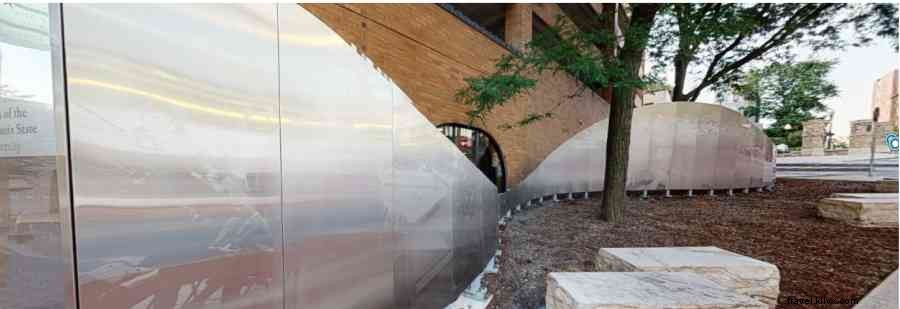
Happy Valley boasts deep connections to pivotal moments in Black history, including Dr. Martin Luther King Jr.'s iconic 1965 speech at Penn State University's Rec Hall and the reflective Dr. Martin Luther King Jr. Plaza in downtown State College. A closer look at the rural village of Aaronsburg and the historic county seat of Bellefonte reveals even richer stories tied to the abolitionist and civil rights movements.
Bellefonte and the Underground Railroad
Centre County and Bellefonte played key roles in the Underground Railroad before the Civil War. One of the most prominent sites is the St. Paul African Methodist Episcopal (AME) Church on South Paul Street in Bellefonte. The late Rev. Donna King, former pastor and historian of the abolitionist movement, was instrumental in preserving and sharing this local history. She was a cherished community figure dedicated to educating about Black history in Centre County.
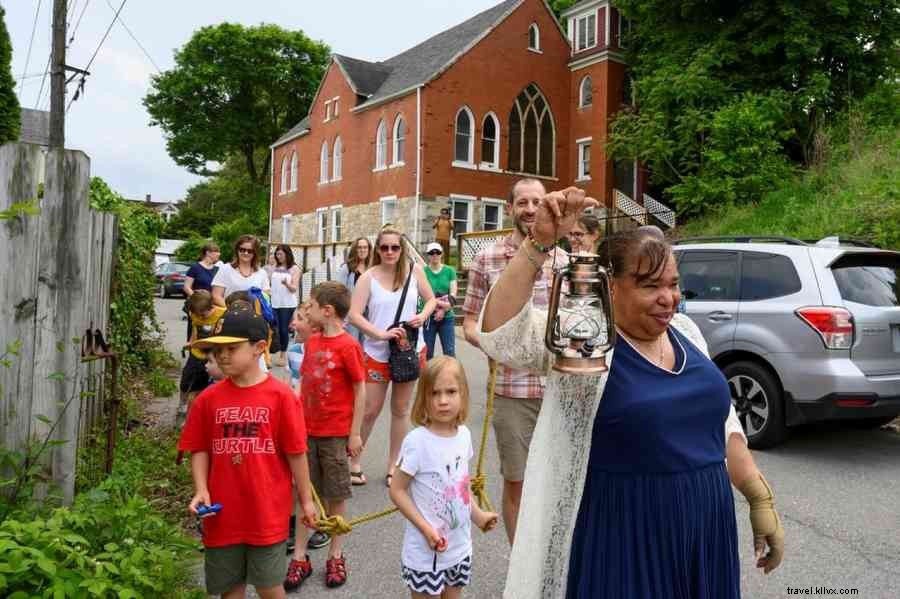
Matt Maris of Local Historia is equally committed to illuminating Bellefonte's and Centre County's past, with a special focus on Black history. His popular public and private walking tours cover diverse topics, including the area's Underground Railroad links. Maris highlights stories like that of Henry Thomas during his tours while continuing his ongoing research.
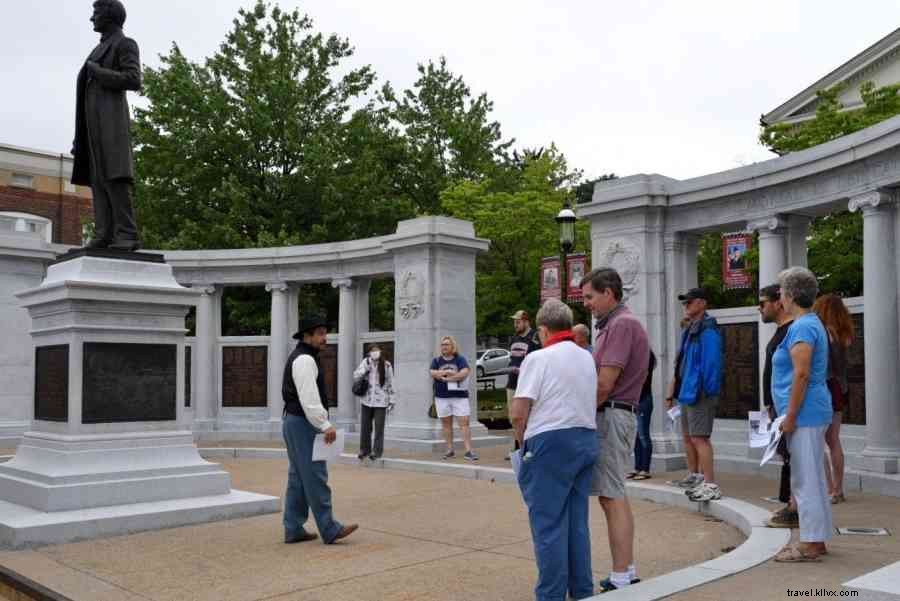
Henry Thomas, a fugitive slave who escaped enslavement in Maryland or Virginia, found work at a hotel—now the Brockerhoff House on South Allegheny Street—in Bellefonte. In 1856, two Southern agents arrived to recapture him under the Fugitive Slave Law of 1850, known as the Bloodhound Law. They enlisted Henry's help for directions before binding him in their carriage and heading south toward Huntingdon. Andrew Gregg Curtin, a Bellefonte lawyer and future Pennsylvania governor during the Civil War, was alerted by locals upon arriving in town. He assembled a posse to pursue the captors, but the effort failed, and Henry was returned to slavery. As Maris notes, this tale underscores the constant peril faced by Black Americans, even in rural central Pennsylvania.
The Church on the Hill
The story of Henry Thomas illuminates Bellefonte's abolitionist network and the safe havens it provided for those fleeing to freedom. At its heart stands the St. Paul AME Church.
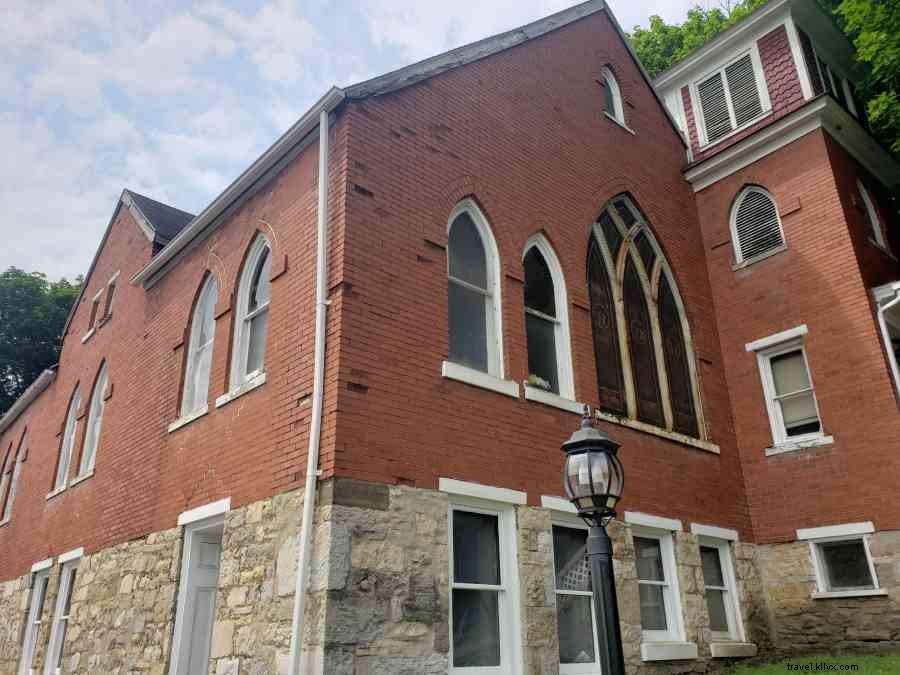
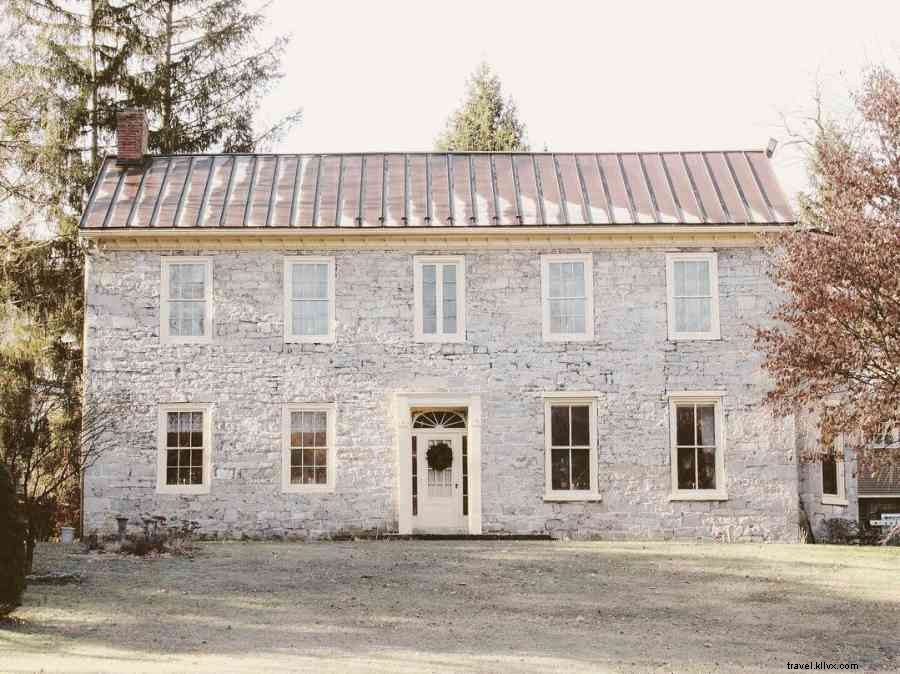
Bellefonte's majestic 1859 "Church on the Hill" was built on land donated by Underground Railroad supporter, ironmaster, and Quaker William A. Thomas. Thomas bought freedom for an enslaved family and sheltered runaways in his pre-1785 home on North Thomas Street—the oldest surviving structure in Bellefonte. St. Paul AME offered spiritual and physical refuge, with much of its history documented by influential leader William H. Mills.
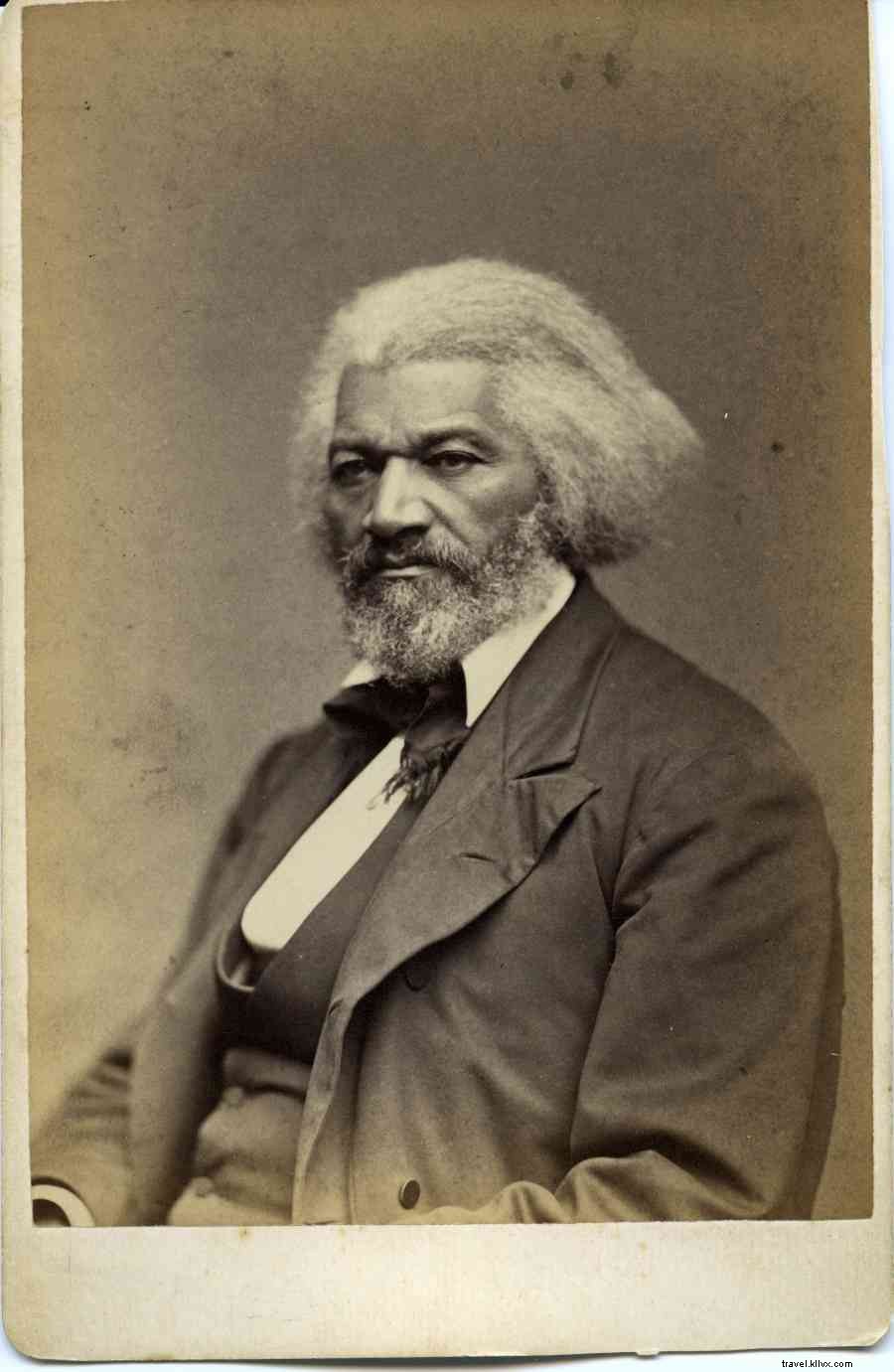
William Mills, Frederick Douglass, and a Pivotal Encounter
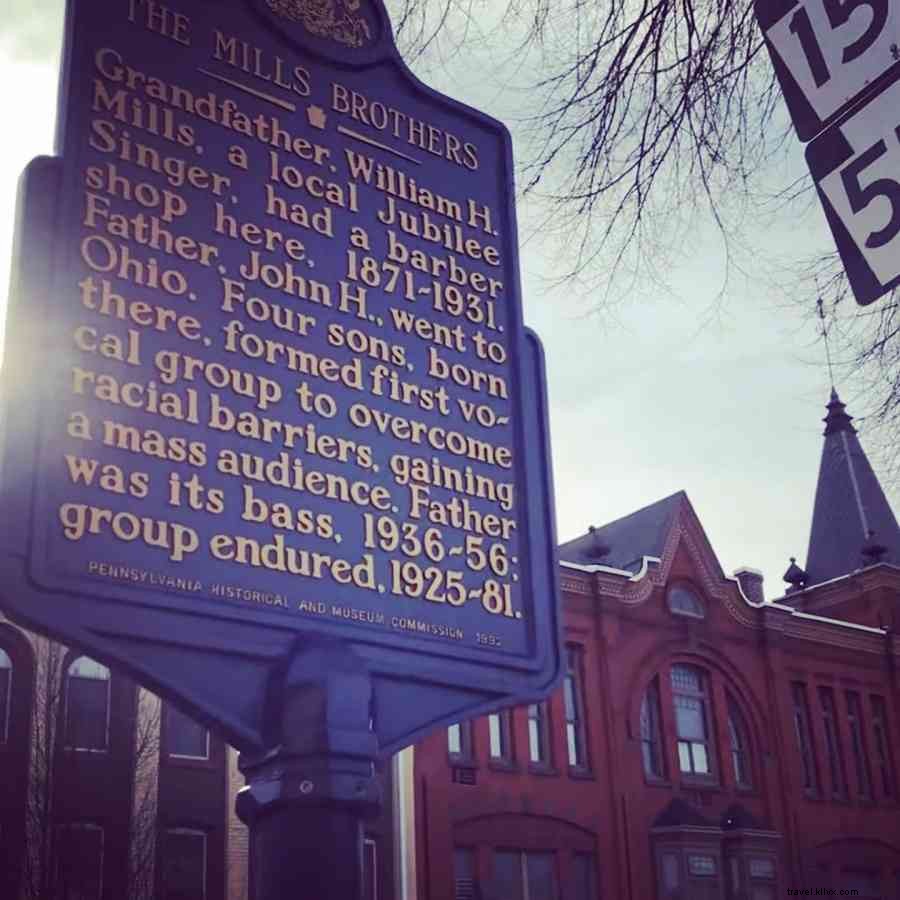
A historical marker outside today's Governor’s Pub on West High Street marks the site of William Mills's barbershop, operated from 1871 to 1931. Mills, grandfather of the famed Mills Brothers and a Jubilee singer, was a pillar of Bellefonte’s Black community. Historians attribute his leadership to a transformative meeting with abolitionist Frederick Douglass, who visited for a haircut before a local speech that Mills attended.
01
Did you know?
In 1885, Mills and other Black citizens convinced the Bellefonte School Board to integrate public schools. Desegregation occurred in 1887—67 years before the U.S. Supreme Court's Brown v. Board of Education ruling.
Source: Pennsylvania Heritage Magazine, by Daniel Clemson
Bellefonte Art Museum: Journey to Freedom Exhibit
The Bellefonte Art Museum features a permanent exhibit on the Underground Railroad, including artwork depicting the enslaved's courage and suffering, plus stories of local supporters. Housed in a historic North Allegheny Street home that once sheltered escapees.

The Aaronsburg Story
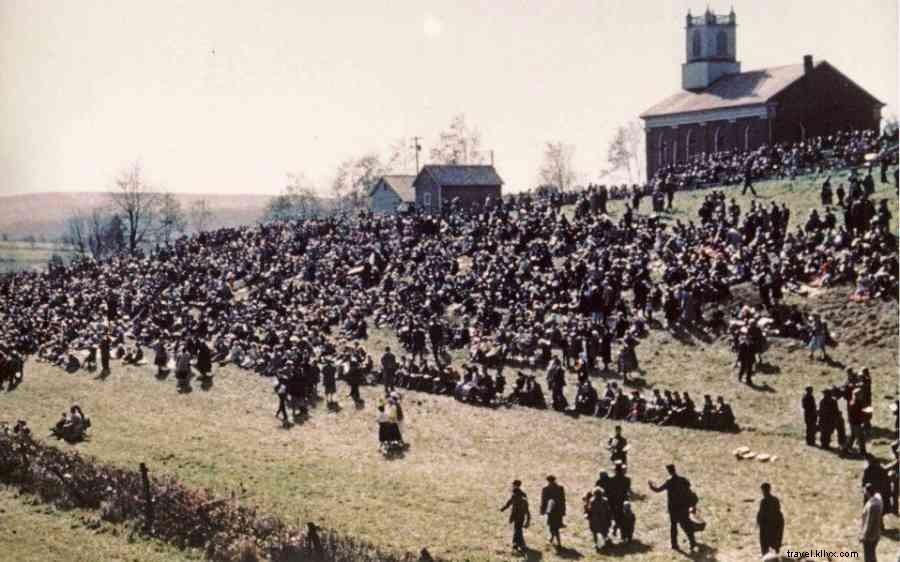
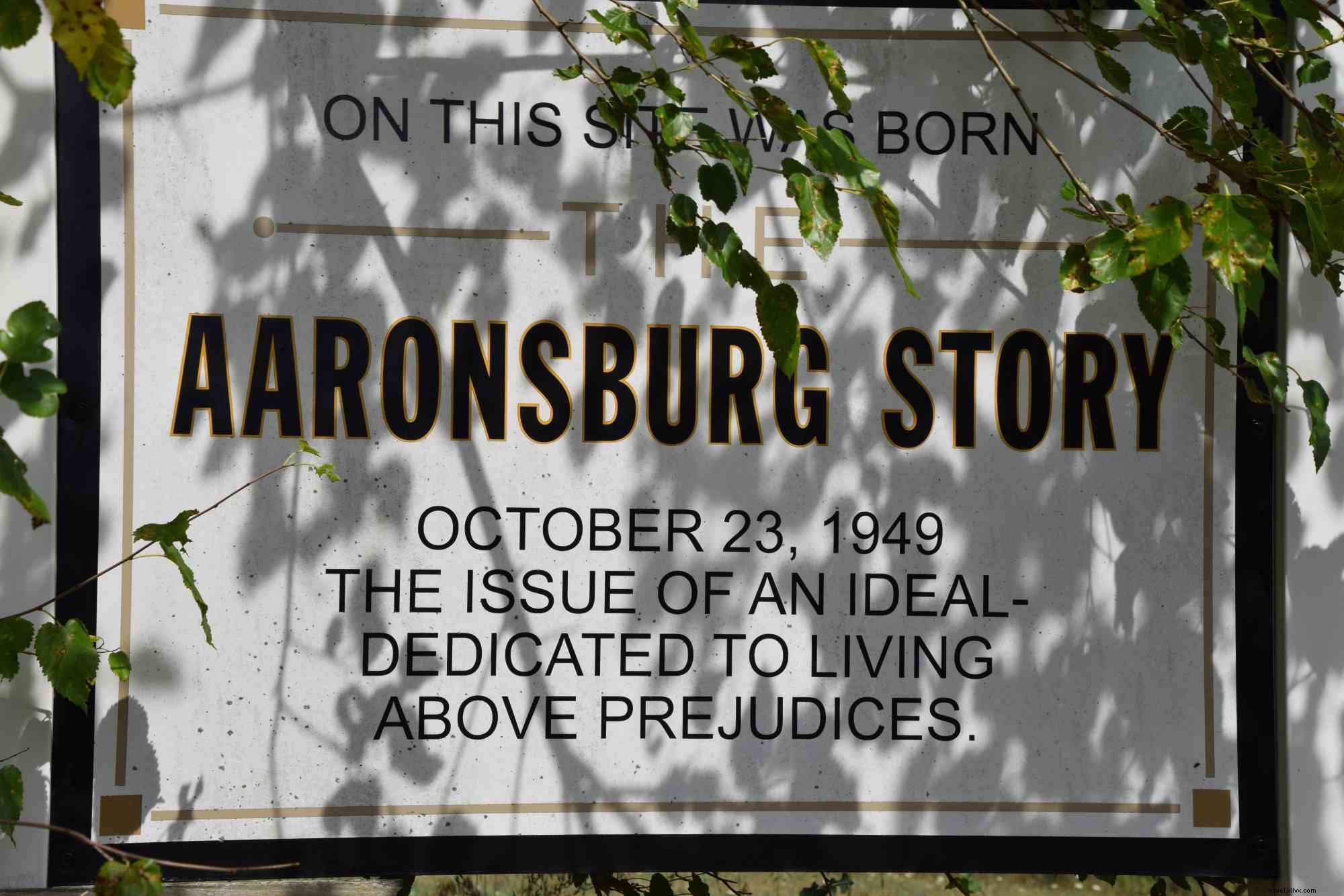
History often surprises in unexpected places. Founded in 1786, Aaronsburg—a quaint rural village in Penns Valley, southeast Centre County—gained global attention in 1949 for its founder's legacy of tolerance. Nearly 40,000 people gathered at Salem Lutheran Church grounds to celebrate religious and racial harmony, drawing governors, National Urban League activists, and a UN General Assembly vice president from Pakistan. The event, dubbed "The Aaronsburg Story," earned New York Times praise: "Aaronsburg’s great day... was a great day for all of us." A 1977 historical marker on Route 45 at Aaronsburg's East End commemorates it.
Source: ExplorePA.com
Honoring Dr. Martin Luther King Jr.
On January 21, 1965—days after an assault in Alabama and months after receiving the Nobel Peace Prize—Dr. Martin Luther King Jr. addressed nearly 8,000 at Penn State’s Rec Hall on civil rights, slavery's legacy, nonviolence, and transformative principles. The 50th anniversary was marked by campus events in 2015.
Images from the visit and civil rights milestones adorn State College’s Dr. Martin Luther King Jr. Plaza on South Fraser Street, dedicated August 28, 2017—the 54th anniversary of the "I Have a Dream" speech. Community leaders present at the March on Washington helped realize this space for reflection and celebration. Planned annual events include MLK Day (Jan. 15), assassination remembrance (April 4), Juneteenth (June 19), and March on Washington (Aug. 28).
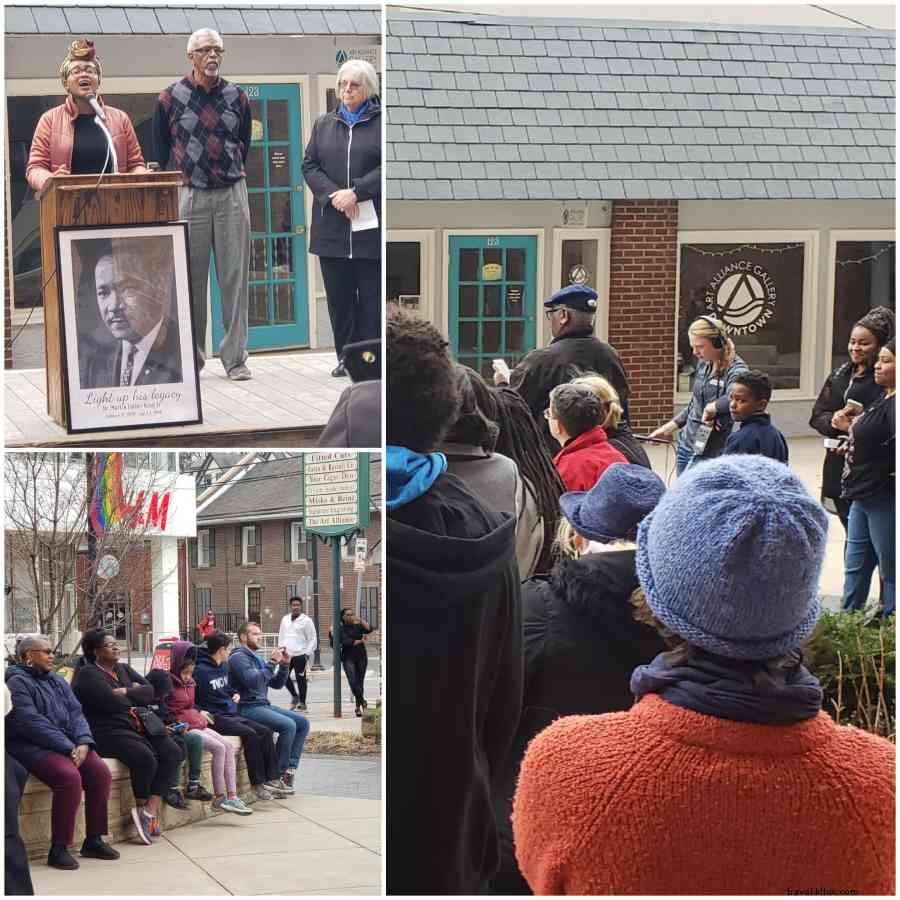
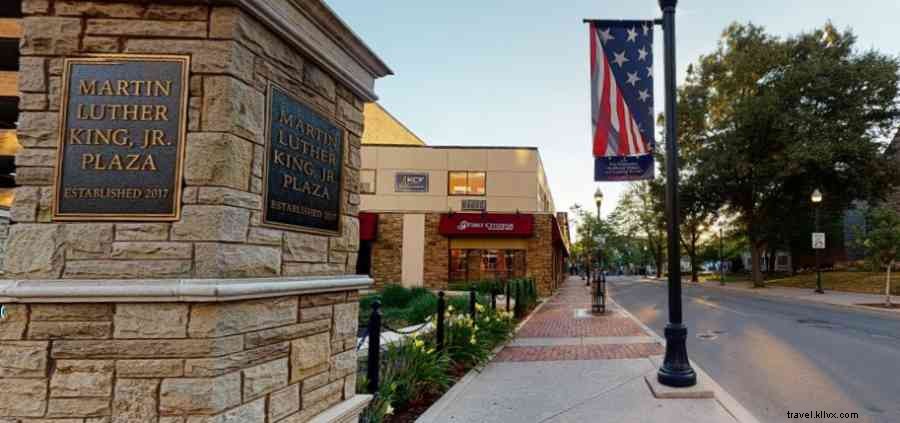
Happy Valley's Black history connections invite ongoing exploration and inspire future generations.
Special thanks to Matt Maris of Local Historia LLC for contributions, and to Maris and Penns Valley historian Vonnie Henninger for photos.