Family Travel Then and Now: Why It's Never Been Better for Kids
Travel has become remarkably family-friendly. Gone are the days of shared in-flight screens, artifacts hidden behind glass in museums, and upscale dining reserved strictly for adults.
The family travel experience has transformed dramatically over the past 30 years. Here are five reasons why today's young adventurers have it better than ever.

The World Is Your Child's Oyster
Then: Air travel was a luxury, budget airlines were nonexistent, and family vacations often meant long, tedious drives filled with sibling squabbles and endless "Are we there yet?" questions.
Now: Affordable flights have made frequent travel accessible. Kids today enjoy nearby camping trips or farm stays alongside city breaks in iconic spots like London, Paris, or New York.
What were once "once-in-a-lifetime" journeys are now regular adventures—zip-lining in Costa Rica, snorkeling in Thailand, or spotting penguins in South Africa—all creating lasting memories for young jet-setters.

Families Sleep Better, Together
Then: Families squeezed into one drab hotel room, a cramped tent, or relied on distant relatives' vague invitations.
Now: Hotels cater expertly to families with adjoining rooms, cribs, and babysitting. Luxury family resorts like Cavallino Bianco in Italy, the UK's Watergate Bay Hotel, or Disney's Aulani Resort in Hawaii offer kids' clubs, child-friendly menus, and play areas.
Home swaps and rentals provide apartments stocked with toys and bunk beds. For adventure, Bush Baby Travel offers family safaris under canvas. Family cruises, especially Disney ones, entertain kids around the clock.
Digital Natives Engage Differently
Then: Without portable devices or roaming data, kids relied on games, books, journals, or sketchpads during travel.
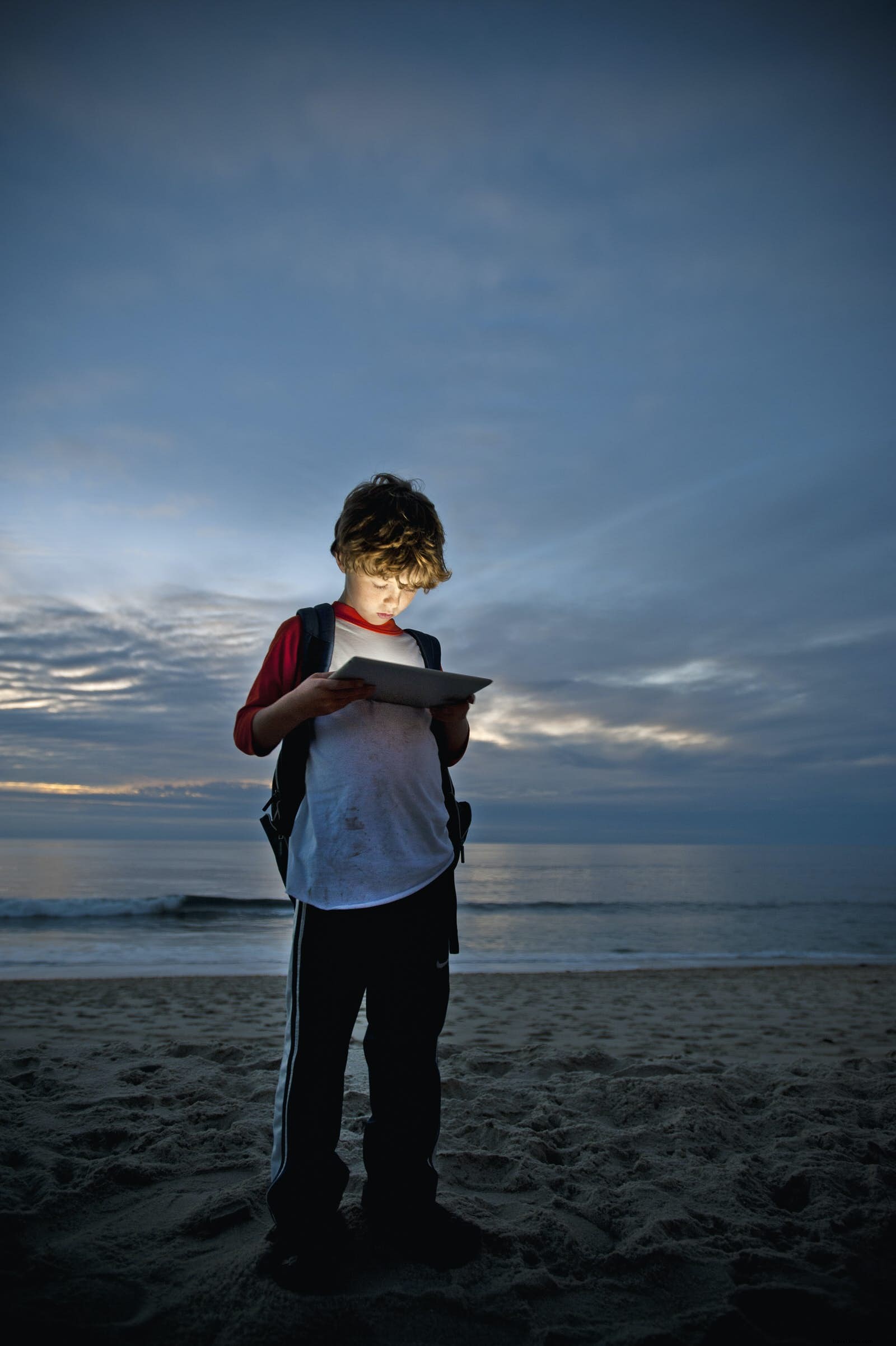
Now: Tech enhances trips while preserving classics like reading and family games. Tools like Google Earth preview destinations, translation apps bridge languages, and search engines find activities. Apps like Skype keep distant loved ones connected.
Tablets combat boredom during delays, offering personalized entertainment. Just pack the charger.
It's All About the Kids
Then: Kids were an afterthought; parents prioritized relaxation or culture, expecting perfect behavior amid limited engagement.
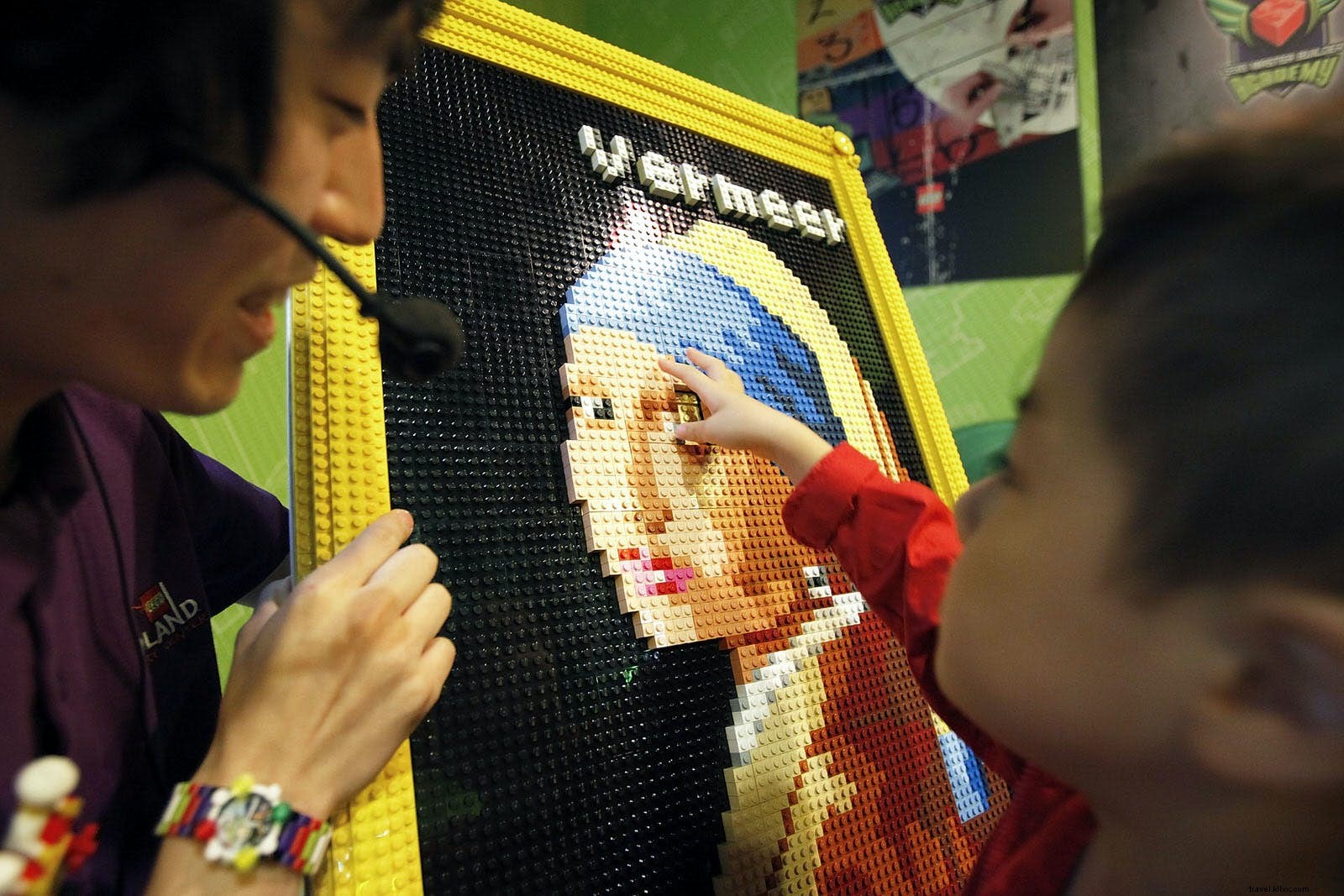
Now: Destinations prioritize children. Museums offer interactive tours and trails—like New York's #MetKids site or the British Museum's free activities.
Restaurants provide kids' menus with crayons; airlines like Emirates give activity packs. In-flight entertainment is now personalized. Forgot gear? Rental services have you covered.

Family Time Takes Priority
Then: Bonding happened organically in close quarters.
Now: Travel is cherished for reconnection. Families opt for shared challenges like cooking classes in Florence or treks in Tasmania, ditching screens occasionally.
Flexible work policies enable extended trips abroad, maximizing quality time with kids.