Alligators on Myrtle Beach Beaches: Why They Appear and How to Stay Safe
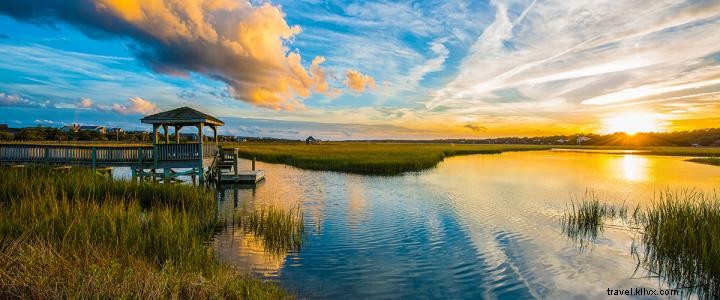
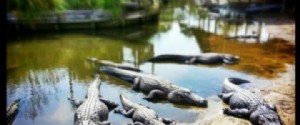
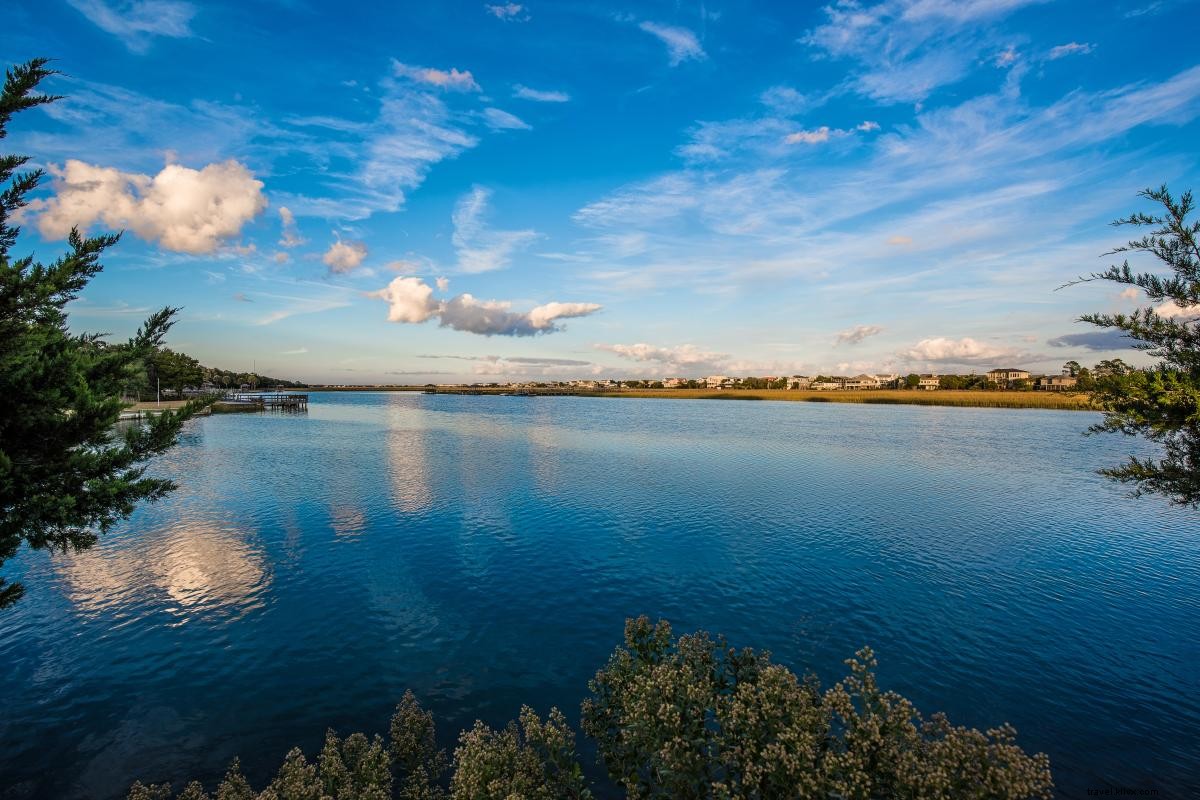
One of the joys of Myrtle Beach's coastal region is its stunning natural habitats and diverse wildlife. Alligators are native to the area, typically inhabiting freshwater marshes and rivers away from human activity. However, they occasionally venture into the ocean.
We spoke with Mike Walker, Interpretive Ranger at Huntington Beach State Park, who explained the main reasons alligators reach the ocean. Often, younger or subordinate males are displaced by dominant ones and migrate to new territories. This displacement can lead them seaward temporarily.
Drought conditions can also dry up freshwater sources, prompting alligators to seek alternatives. They may enter ocean waters briefly to cool down, but alligators can only tolerate saltwater for a few hours before needing freshwater.
If you spot an alligator on the beach or elsewhere—a rare occurrence—keep your distance and observe safely. Alligators generally avoid humans but can become defensive if threatened.
For safe removal, contact these trusted organizations:
- South Carolina Department of Natural Resources
- Palmetto Wildlife Extractors
- Metro Wildlife & Pest
Huntington Beach State Park in Murrells Inlet offers enriching programs on coastal wildlife, including alligators, crabs, turtles, and birds. Visit their website for details and immerse yourself in the Grand Strand's natural beauty.
Explore our nature-themed itineraries and plan your next adventure to Myrtle Beach!