Diwali: India's Iconic Festival of Lights – Traditions, Significance, and Celebrations
India excels at celebrating festivals, from grand urban spectacles to intimate village melas (fairs). Its vibrant festival calendar reflects the country's diverse traditions and landscapes.
Diwali stands out as a highlight, marking the triumph of good over evil. The name 'Diwali,' meaning 'row of lamps,' earns it the title Festival of Lights.
Spanning five days on auspicious dates at the end of Ashvin and start of Kartika (October/November in the Gregorian calendar), Diwali is primarily a Hindu festival also observed by Sikhs and Jains with unique interpretations.
For Jains, it celebrates Mahavira's attainment of moksha (liberation) in the 6th century BCE. Sikhs commemorate Guru Hargobind's release from Gwalior Fort in 1619, along with 52 others, by Mughal Emperor Jahangir.
Among Hindus, Diwali honors Lord Rama's victory over demon king Ravana and his return to Ayodhya after exile. Subjects lit diyas (clay oil lamps) to guide him home, a tradition central to the festival today.
It also symbolizes dispelling ignorance (darkness) with knowledge and inner light. Devotees seek blessings from Lakshmi, goddess of wealth, and Ganesh, remover of obstacles, for prosperity. Festivities conclude with fireworks.
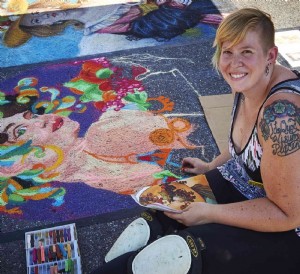
Preparations build excitement: homes and shops are deep-cleaned and adorned with lights, lanterns, and intricate rangoli or kolam designs. Markets buzz with shoppers buying new clothes, decorations, and gifts.
Mithai (Indian sweets) are the top gift, alongside dried fruits and nuts. Favorites include silver-leafed barfi (pistachio or cashew), syrupy gulab jamuns, and rose-flavored rasgullas. Diwali showcases India at its sweetest and most joyful.