Seoul's Architectural Transformation: From Post-War Rebirth to Innovative Urban Green Spaces
In the heart of Seoul, a 1970s overpass is undergoing a remarkable transformation. Rather than demolition, urban planners in South Korea's capital have envisioned a greener future, inspired by New York's High Line.
Seoul's Seoullo 7017 Skygarden, launched in 2017, exemplifies the city's bold architectural and urban planning initiatives. This vibrant metropolis of 10 million residents is pioneering design-conscious, people-centered urbanism for the 21st century.
Sixty-five years ago, post-Korean War Seoul lay in ruins. Reconstruction prioritized speed over aesthetics, fueling South Korea's economic miracle with subways, elevated highways, and utilitarian apartments. The 1988 Olympics and 2002 FIFA World Cup spurred improvements, adding stadiums and parks.
Waterside Parks and Urban Renewal
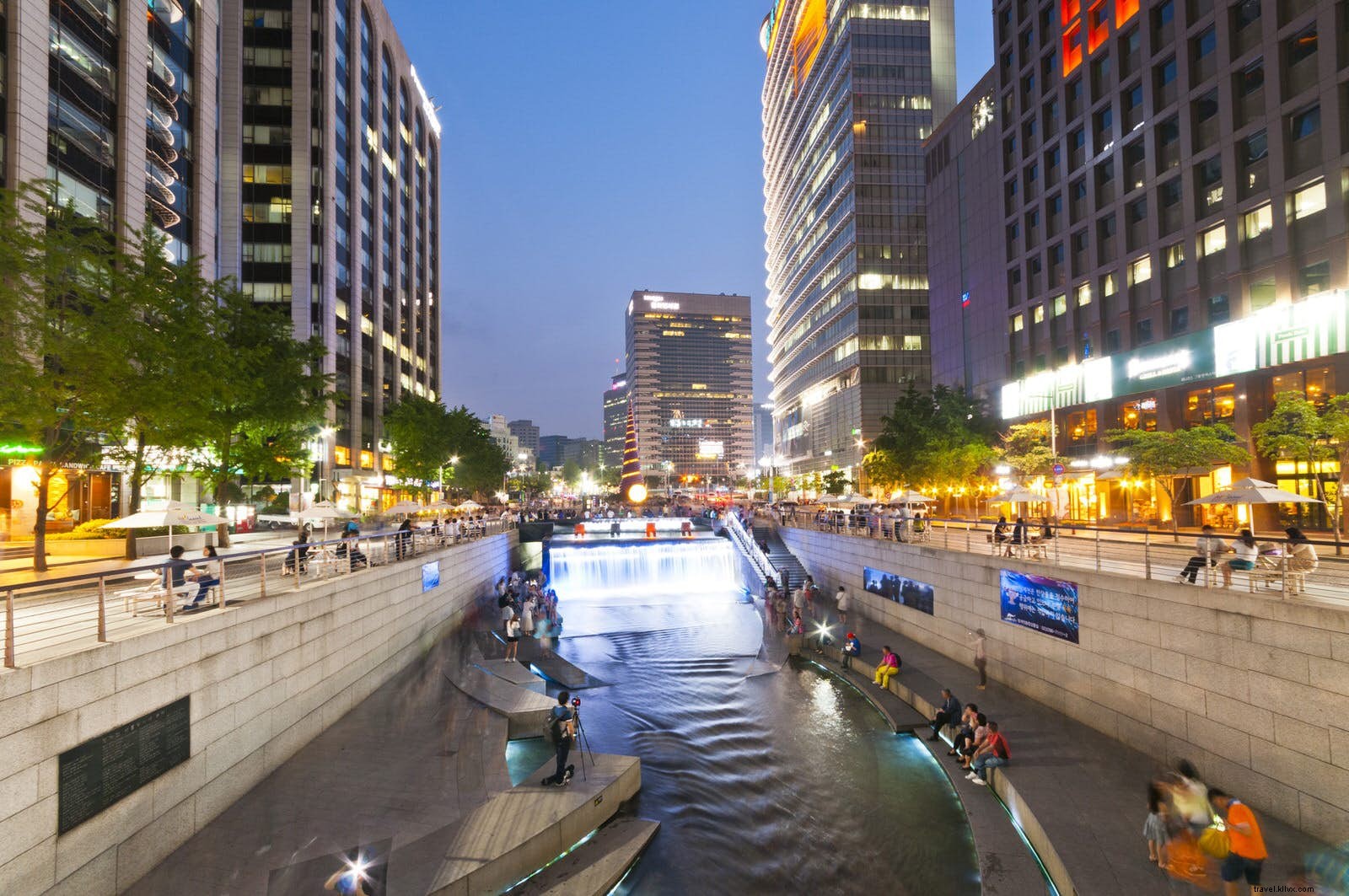
In 2003, then-Mayor Lee Myung-bak approved the demolition of a 5.6km elevated highway near Gyeongbokgung Palace, restoring the buried Cheonggyecheon stream. Completed in 2005, the project features promenades, historic bridges, and public art like Claes Oldenburg and Coosje van Bruggen's Spring. It cools the area, reduces traffic, and returns nature to the city center—a resounding success.
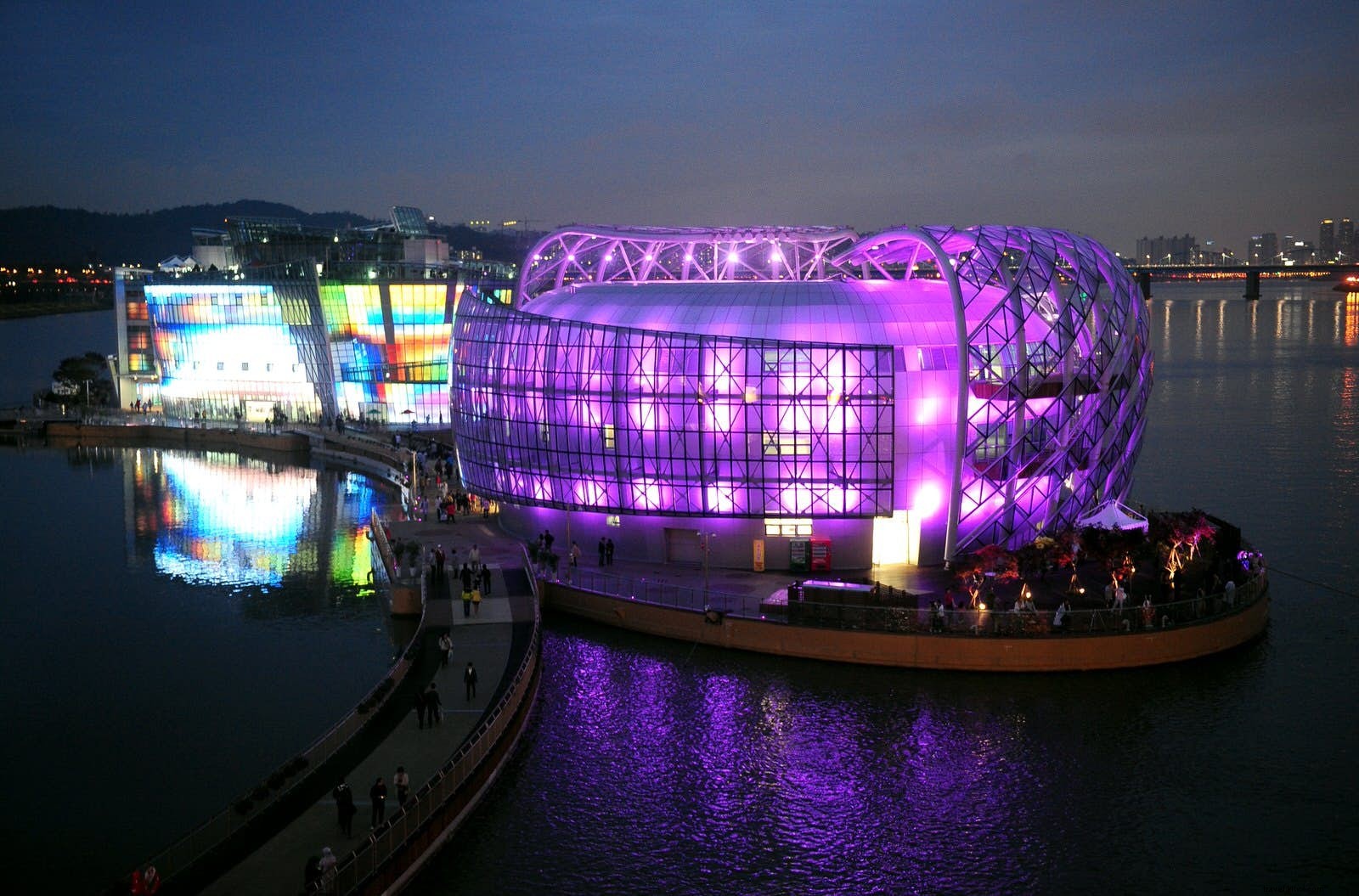
Designated UNESCO City of Design in 2010 and World Design Capital under the 'Design for All' theme, Seoul softened its concrete landscape with innovative projects. Han River highways gained upgraded parks; the Seonyudo water filtration plant became an award-winning oasis; and Some Sevit's futuristic islands feature Banpo Bridge's rainbow fountain.
Iconic Architectural Landmarks
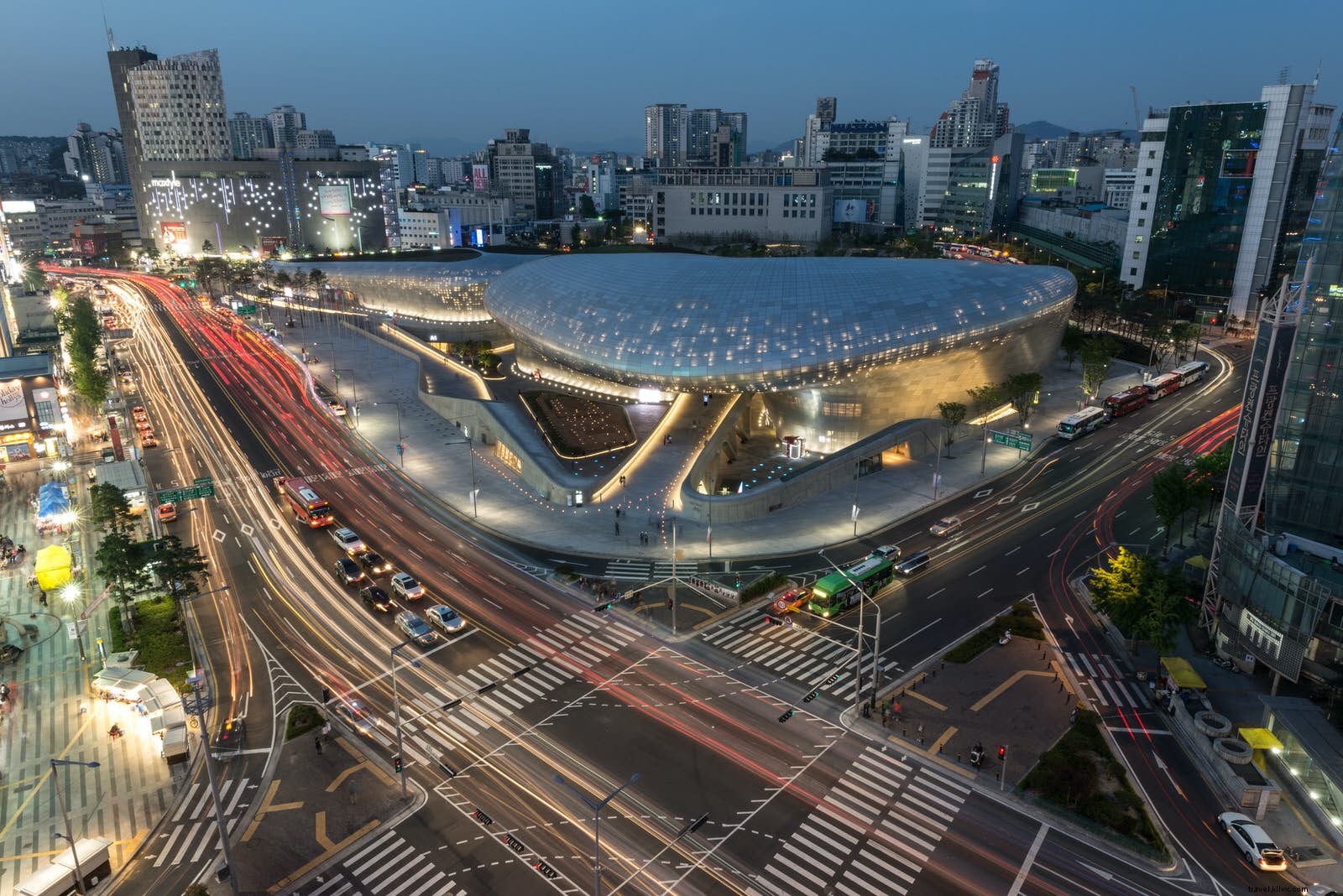
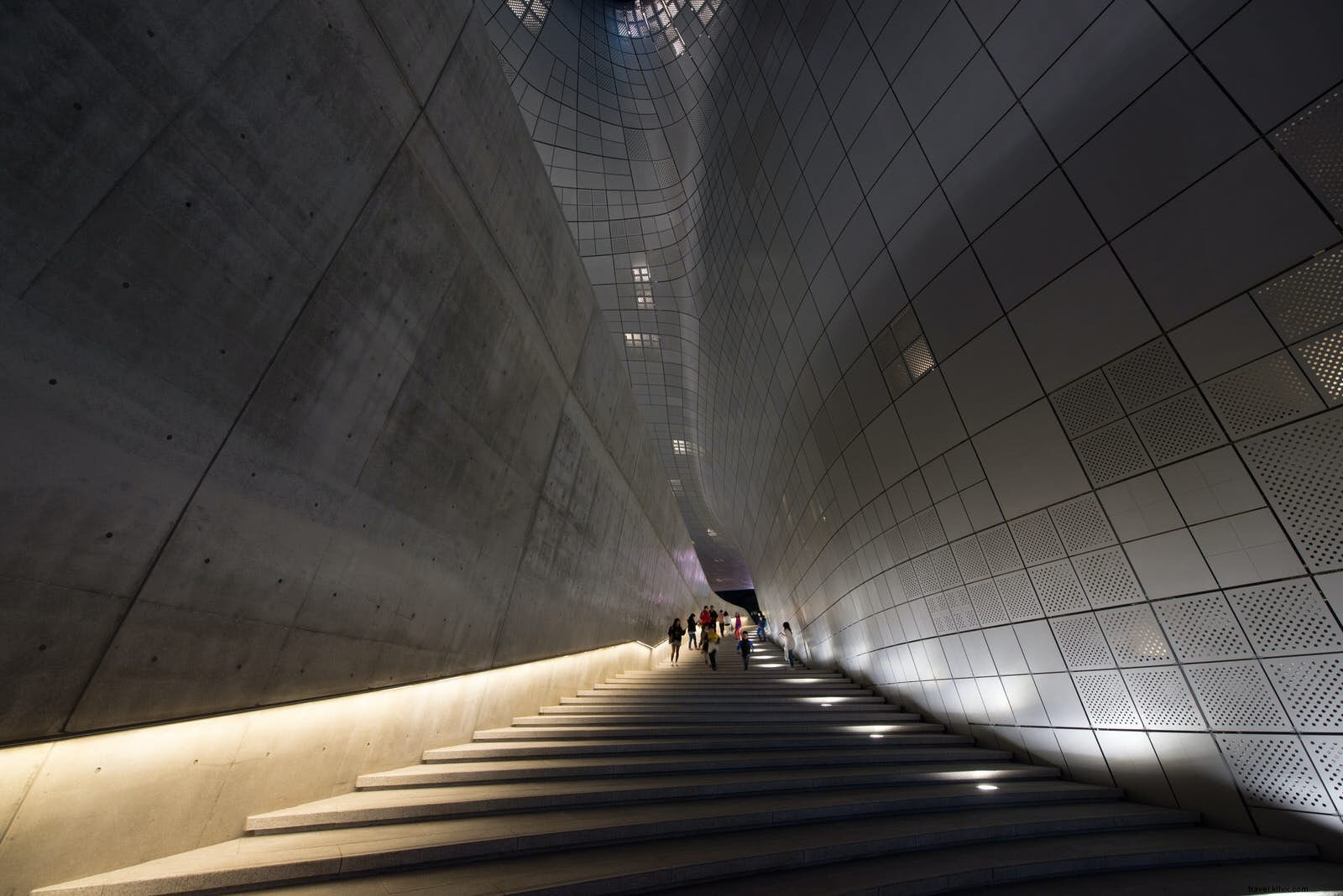
Completed in 2014, Zaha Hadid's Dongdaemun Design Plaza (DDP) & Park is the world's largest atypical building—a curvaceous 'spaceship' clad in 45,000 aluminum panels with glowing LEDs. Its landscape integrates 15th-century city walls and a historic stadium site.
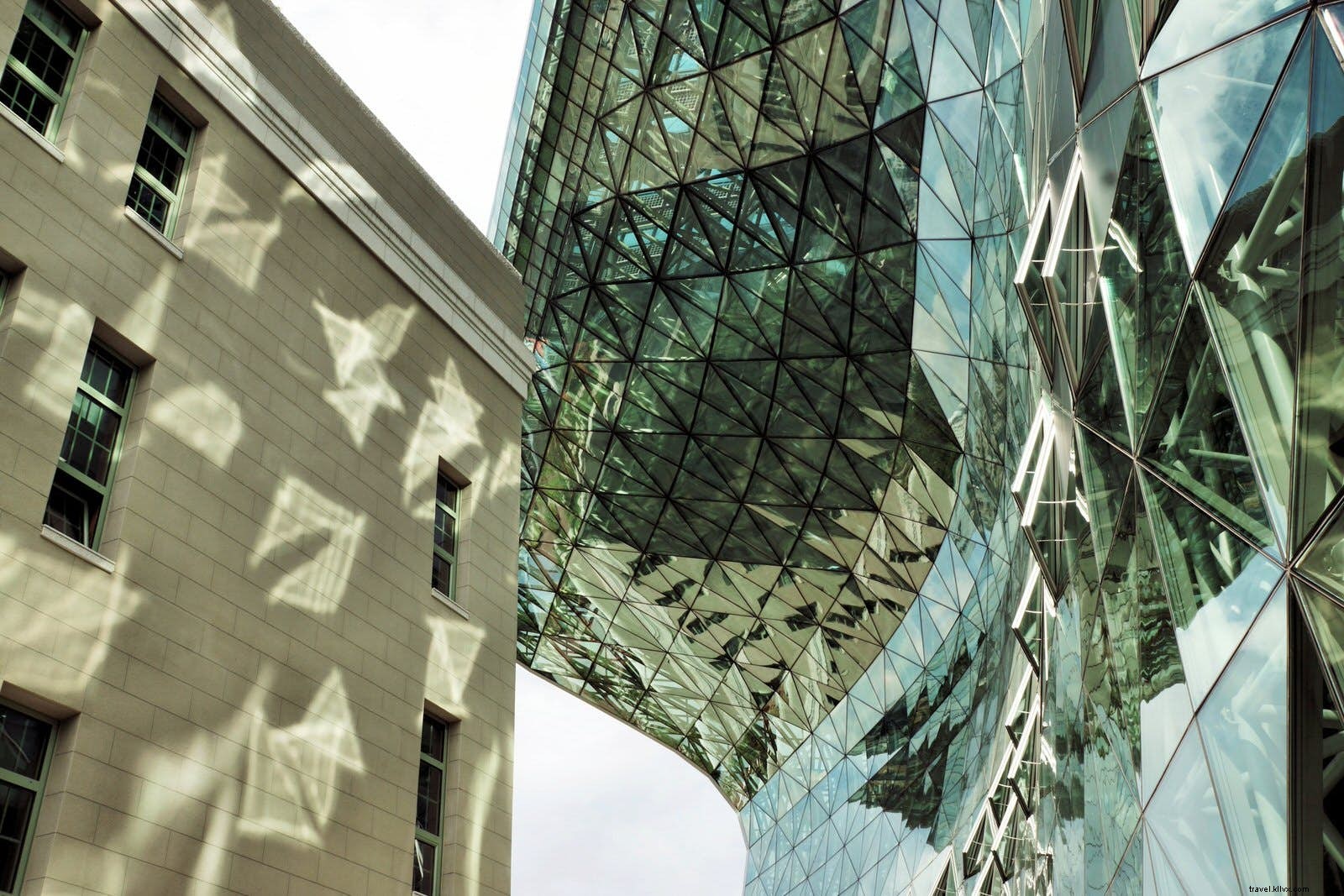
The 2013 Seoul City Hall evokes traditional Korean eaves in a wave-like glass structure overshadowing the historic 1926 building (now a library). Its seven-story vertical garden hosts 70,000 plants, while Jeon Su-cheon's Meta Epic: SeoBeol symbolizes the city's dynamism.
Skyscrapers and Elevated Gardens
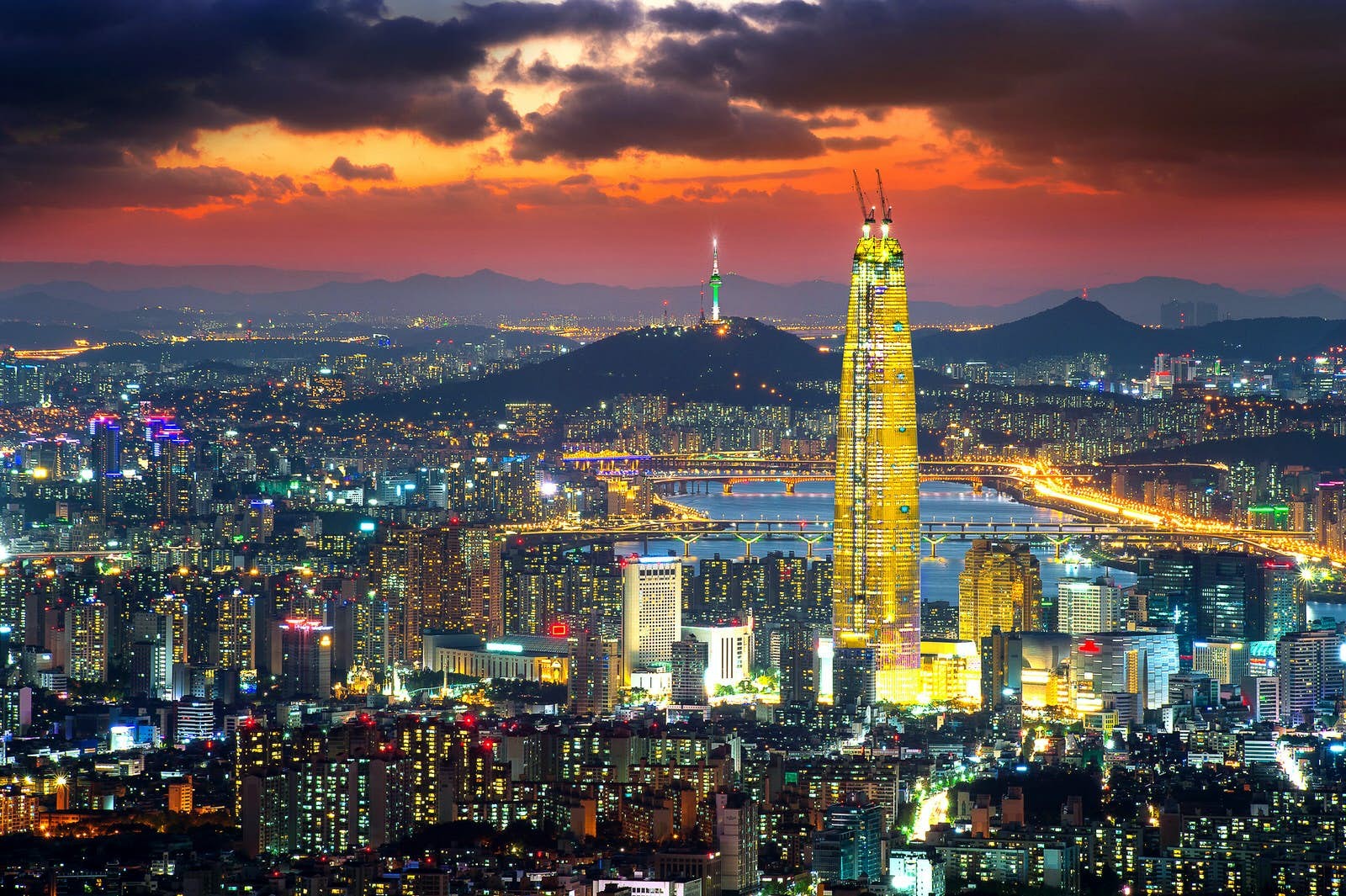
Lotte World Tower, at 555m South Korea's tallest (sixth globally), designed by Kohn Pedersen Fox, offers panoramic views from its upper floors (completed 2017). Explore its mall, concert hall, cinema, and aquarium with Korea's longest freshwater tunnel.
Seoullo 7017 Skygarden, a 1km-long, 17m-high elevated park near Seoul Station, features local flora, cafes, markets, a library, and greenhouses—plus citywide free Wi-Fi under Mayor Park Won-soon's digital plan.