Discover Montreal's Street Art: A Walking Tour of Iconic Neighborhoods
Montreal stands out as one of North America's most distinctive and beloved cities, drawing travelers with its unmistakable European charm. Locals, however, emphasize that its vibrant neighborhoods are what truly make it unique and worthy of repeated visits.
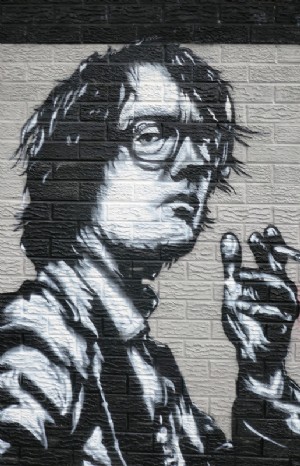
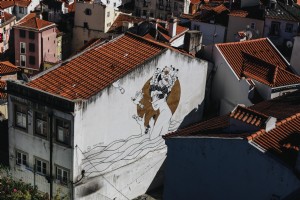
As experienced travelers at Travelzoo, we prefer discovering destinations on foot. There's no better way to immerse yourself in Montreal than by strolling its streets. Iconic areas are adorned with dynamic street art—often murals towering several stories high. To truly see the city, walk around and look up.
For trip planners, the annual MURAL Festival in June showcases stunning citywide murals. Excellent hotel deals are widely available across Montreal, making it an ideal time to visit.
These neighborhoods are essential highlights...
Downtown and the Golden Square Mile
Known to French speakers as Centre-Ville, this area features skyscrapers, luxury and chain hotels, corporate headquarters, department stores, fine dining, museums, major transport hubs, and more.
Best explored: On foot or by métro. Like any city center, explore districts one by one. McGill University's northern campus has an urban vibe, while the Golden Square Mile feels more suburban.
Don't miss: Architecture and history buffs will appreciate the Golden Square Mile's mix of Old-World European buildings and modern structures.
Art and culture enthusiasts should visit the Musée des Beaux-Arts de Montréal, Canada's oldest art museum. The adjacent Place des Arts is the city's premier performing arts complex.
Summer hosts major festivals; winter offers the Underground City—a vast, climate-controlled network linking stations, hotels, shops, and restaurants.
St-Laurent (a.k.a. La Main) features boutique shops and world-class restaurants, Rue Crescent buzzes with nightclubs and bars, and St-Denis leads to Université du Québec à Montréal with popular nightlife spots.
How to get there: As the transport hub, take the Green Line to McGill station or Orange Line to Bonaventure. Mural at Guilbault and St-Urbain.
Old Montreal
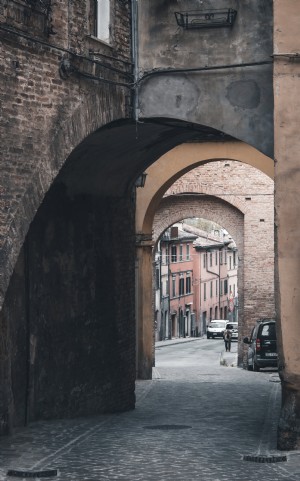
Celebrated for its riverside location and cobblestone streets, Old Montreal (Vieux-Montréal) marks the city's founding site in 1642.
Best explored: On foot or by bike. Savor the leisurely pace to admire 18th- and 19th-century buildings, museums, galleries, boutique hotels, shops, and cozy cafés. Narrow streets and riverfront views are ideal for strolls, skating, or cycling.
Don't miss: Well-preserved historic buildings repurposed as shops, hotels, cafés, bars, and museums. In summer, pedestrian-only St-Paul Street exudes European charm.
Visit Old Port (Vieux-Port) for waterfront picnics. Nearby Little Burgundy offers quirky boutiques, bars, and eateries.
How to get there: Orange Line to Place-d'Armes station. Rooster mural on St-Jacques between St-Laurent and St-Urbain.
The Plateau
Stroll the colorful streets of Plateau Mont-Royal (The Plateau), where many locals feel most at home (Frommer's).
Best explored: On foot. This quieter alternative to downtown shines with cultural diversity, independent cafés, bistros, specialty shops, and lively nightlife.
Don't miss: Boulevard St-Laurent, Mont-Royal, and St-Denis for authentic shops, restaurants, synagogues, and churches reflecting Montreal's diversity.
Summer at Parc La Fontaine: gardens, tennis, paddle boating, or free theater. Winter: ice skating.
How to get there: Orange Line from Square-Victoria to Mont-Royal station. Mural at Saint-Laurent and des Pins.
Parc du Mont-Royal
Mont-Royal (Royal Mountain) inspired the city's name and dominates its skyline.
Best explored: On foot. This 500-acre park, designed by Frederick Law Olmsted (Central Park's creator), offers urban green space.
Don't miss: Hike 1-3 hours from downtown for trails amid maples and oaks. Explore northern cemeteries highlighting historic linguistic and religious divides (Anglophone-Protestant and Francophone-Catholic).
Summer picnics and hikes; winter cross-country skiing, snowshoeing, skating, or snow tubing. Opt for horse-drawn carriage for ease.
How to get there: Green Line to Peel or Orange to Mont-Royal station.
Mile End
On the Plateau's northern edge, Mile End is an up-and-coming area (U.S. News) with trendy shopping and cultural enclaves.
Best explored: On foot. Once overlooked, it's now a shopping hotspot with designer boutiques, household goods, and handicrafts, plus ethnic eats.
Don't miss: Café Olimpico (124 Rue St-Viateur Ouest) for authentic Italian coffee. Vintage at Citizen Village (5330 Boul. St-Laurent); hip at General 54 (5145 Boul. St-Laurent); books at S.W. Welch (225 St-Viateur Ouest); home goods at Vestibule (5157 Boul. St-Laurent). Nightlife spans dive bars to lounges.
How to get there: Orange Line to Mont-Royal or Laurier stations.
Montreal Islands
Île Sainte-Hélène and Île Notre-Dame in the St. Lawrence form Parc Jean-Drapeau, Montreal's indoor-outdoor playground (Fodor's).
Best explored: On foot or bike—mostly car-free islands like giant parks. Sainte-Hélène hosted Expo 67 and 1976 Olympics; Notre-Dame built from their rubble.
Don't miss: La Ronde amusement park's record-breaking roller coaster or Biosphere museum on Sainte-Hélène. Summer pools and festivals. On Notre-Dame: Casino de Montréal (tables, 3,200+ slots); summer canoeing or June Grand Prix; winter skating or skiing.
How to get there: Yellow Line to Jean-Drapeau or bridges. Murals throughout Parc Jean-Drapeau.
Lead photo by EQRoy / Shutterstock.com