
Meet Bonita Norris: The Youngest British Woman to Summit Mount Everest
Mount Everest holds a mythical allure for many, remaining a distant dream. But for adventurer Bonita Norris, imagination wasn't enough—she set out to conquer the world's highest peak.
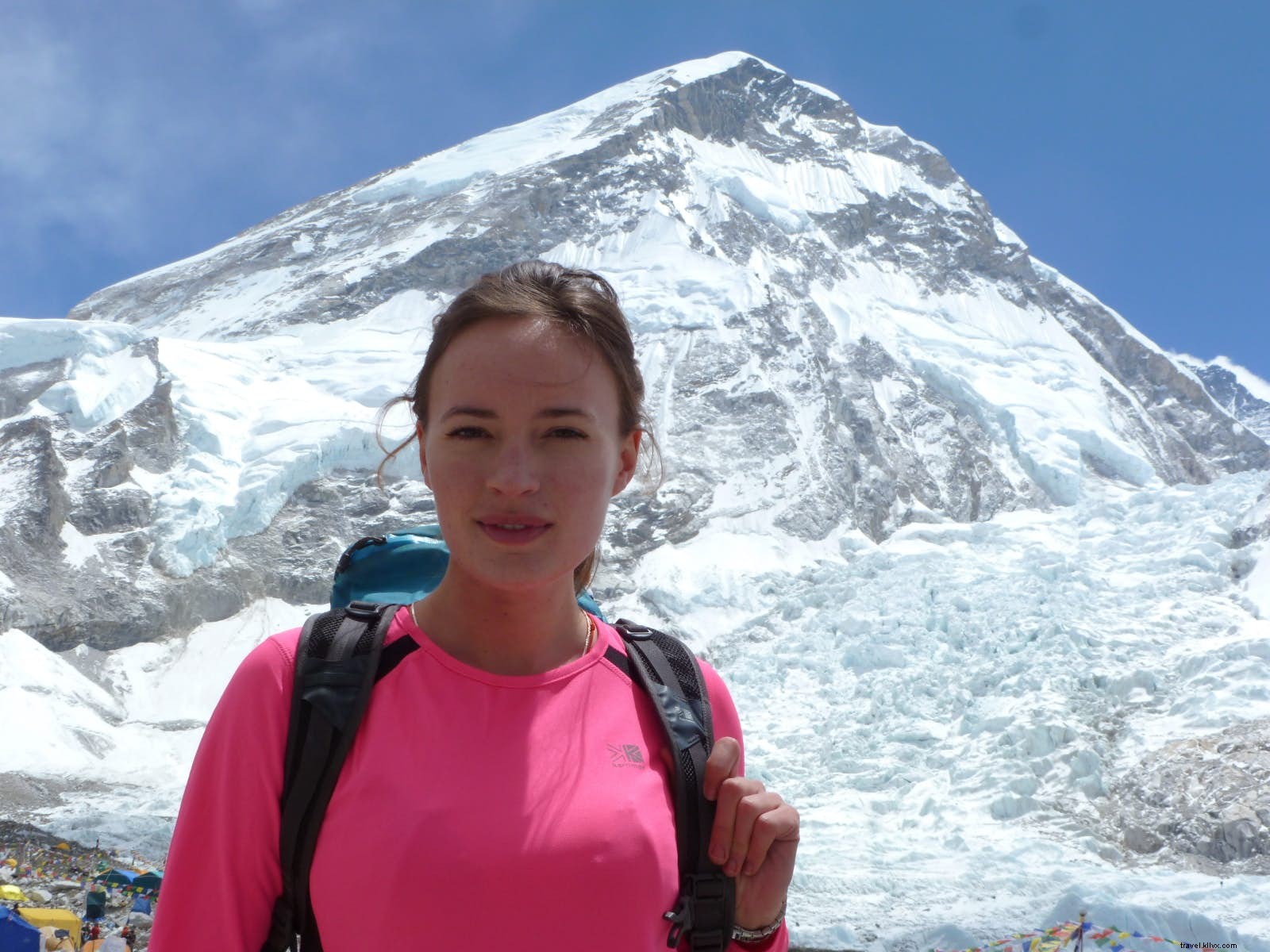
In 2008, Bonita had no climbing experience. By 2010, at age 22, she became the youngest British woman to summit Everest, demonstrating that consistent small steps can lead to extraordinary achievements. As Everest's climbing season nears, we spoke with her about standing atop the world.
Where was your last trip?
I spent five weeks in Thailand in January climbing with my boyfriend. We ended in Railay, where he proposed atop a cliff on Tonsai Beach—perfectly fitting our climbing lifestyle.
Where is your next trip?
Next, I'll head back to Southeast Asia, perhaps climbing in Vietnam or Laos.
What is your first travel-related memory?
As a child camping in the New Forest with my dad, I was kicked by a pony, returning home with a horseshoe-shaped bruise—my mum was furious with him.
Aisle or window seat?
Aisle for quick emergency escape. I keep shoes on during takeoff and landing—I've heard it improves survival chances in crashes.
Favourite city or country or region?
Nepal. It feels like home. The Nepalese people's kindness and generosity, despite having little, is truly inspiring.

What sparked your decision to climb Mount Everest?
In 2008, during university, my friend dragged me to a mountaineering lecture by Kenton Cool and Rob Casserley about their Everest expedition. Their tales of -40°C storms, deep snow, and the oxygen-scarce Death Zone above 8,000m were daunting—until they described seeing Earth's curvature from the summit. I knew I had to experience it myself.
What kind of preparation goes into climbing Everest?
My training was unstructured: runs, indoor climbing walls, and weekend mountain trips to North Wales or the Lake District in all conditions. Real-world experience taught the essential details no gym can replicate.

How do you overcome fears on such adventures?
Pre-expedition, naivety helped. On the mountain, fear arose from overthinking. I coped by retreating into a mental bubble, fixating on minutiae like my shoelaces to block distractions. We're often more capable than we believe.
Describe reaching Everest's summit.
After five weeks, departing Camp 3 for a 30-hour push in the Death Zone on bottled oxygen, exhaustion peaked. Upon summiting, I collapsed—it was anticlimactic, just snow. No triumphant fanfare, but overwhelming relief. We stayed 10 minutes, yet those two years were worth it, unlocking new travels, memories, and friendships.

Beyond fitness, how crucial is mental strength?
Passion overrides logic and risk. On Everest, mentally, avoid looking up—focus on the present steps. Inspiration trumps intimidation.
Another memorable expedition?
Post-Everest, I tackled K2, the world's second-highest peak—far more technical. We reached 6,600m before altitude sickness and an avalanche destroyed our camp. No fatalities, but returning would demand resolve. K2 is uniquely savage.

Best or worst travel advice?
Best from mentor Rob Casserley: Embrace strangers' kindness; letting others help brings them joy.
Best or worst travel souvenir?
No typical souvenirs, but I turned Everest summit rock into cufflinks for my dad.
Asteroid hits in one week: One dream trip?
Summit a snowy peak at sunrise—anywhere. Mountains make the world feel right.
Advice for first-time travellers?
Embrace simplicity: Skip home comforts and phones. An open mind suffices—even on K2, my mum's WhatsApp felt out of place.
More 'Meet a traveller' interviews
- Meet a traveller: Mike and Anne, the eternal honeymooners
- Meet a traveller: Debbie Campbell, the 'nomad' who traded a rocking chair for rocking on
- Meet a traveller: Göran Ehlmé, underwater photographer