Unwind in Sichuan's Most Enchanting Historic Old Towns
Sichuan Province in southwestern China captivates travelers with its breathtaking mountain vistas, world-renowned spicy cuisine, and bustling capital, Chengdu.
Yet, far fewer international visitors venture to its historic old towns. Nestled along serene riversides, these communities preserve centuries-old lifestyles, architecture, and culinary traditions remarkably intact.

Today, tourism has largely replaced ancient tea and trade routes as the main draw. Exploring Sichuan's old towns offers a profound connection to China's living history and one of the last refuges for a slower pace of life in this rapidly modernizing nation.

Dujiangyan (都江堰)
Though not the province's oldest settlement (dating to around 250 BC), Dujiangyan holds unparalleled significance. Here, during the Warring States period (475–221 BC), Governor Li Bing of Shu engineered the namesake irrigation system—a still-operational engineering marvel. Modern visitors can witness its intricate mechanisms, stroll the quaint old town, and explore temples built in gratitude by local communities. Annually, on Tomb-Sweeping Day, a 'water releasing ceremony' honors Li Bing's legacy and celebrates ancestral traditions.

Pingle (平乐)
A vital stop on the ancient Tea-Horse Road linking Yunnan's tea fields to Tibet—potentially over 2,000 years old—today's Pingle blends history with leisure. Chengdu locals flock here in summer for swimming, rafting, and tubing. Off-season, it invites relaxation in teahouses or beneath riverside banyan trees along the Baimo River. Local museums, untouched countryside walks from the town's southern edge, and the unhurried local rhythm make days here effortlessly vanish.

Langzhong (阆中)
In eastern Sichuan, Langzhong's old quarter ranks among China's four great historic towns. Once the Ba state's capital (from 476 BC), birthplace of feng shui, and home to Three Kingdoms hero Zhang Fei (220–280 AD), it retains immense cultural prestige. Explore impeccably restored streets, traditional architecture, and the nation's best-preserved Imperial Examination Halls—key to the ancient imperial bureaucracy. Fringed by temple-dotted hills and featuring boutique historic inns, Langzhong often extends stays far beyond initial plans.

Liujiang (柳江)
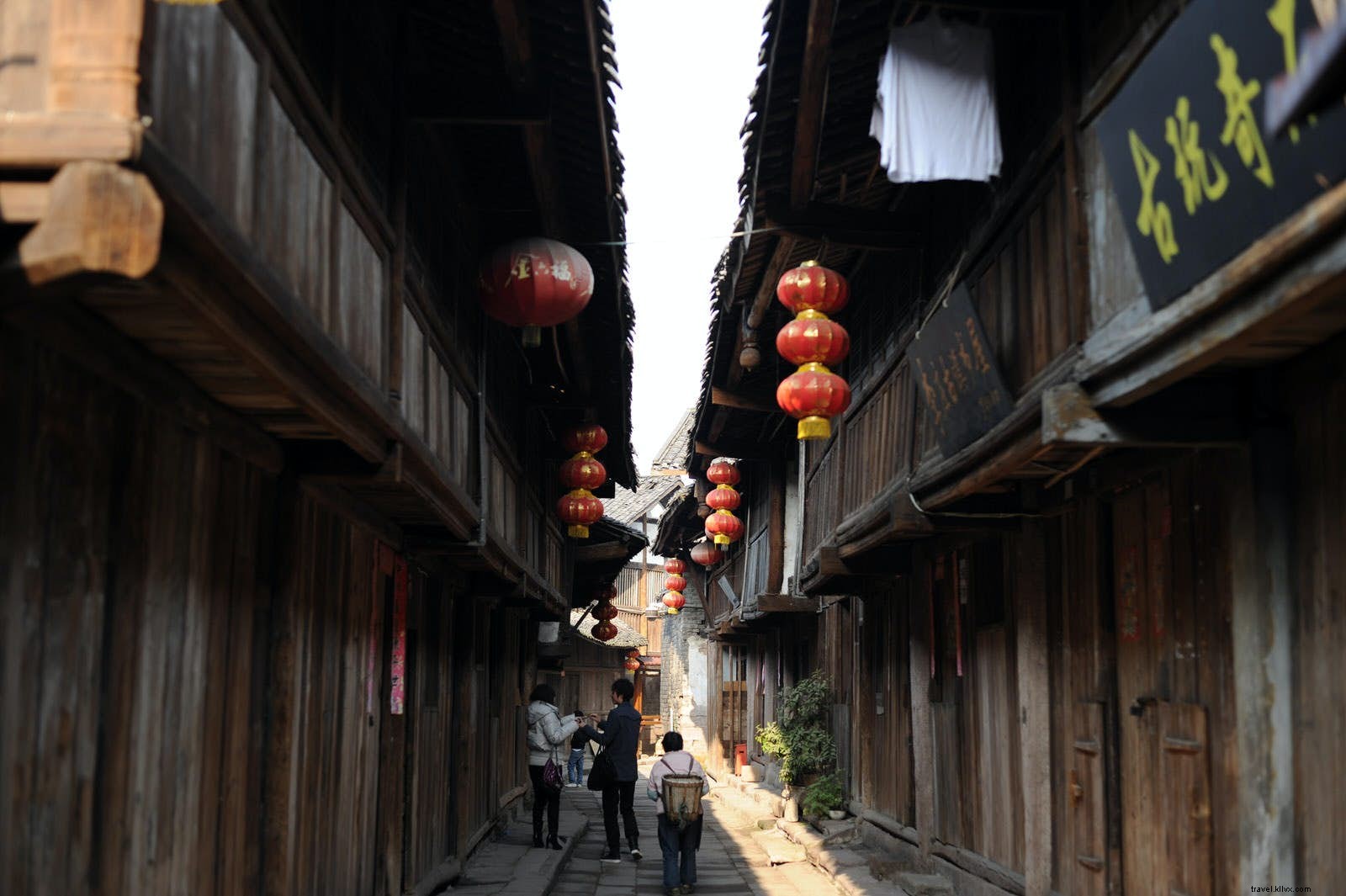
Embraced by two rivers and verdant hills with whimsical bridges, the 800-year-old Liujiang remains a haven for artists and photographers. Its remoteness and lesser historical fame shield it from mass tourism. Charming wooden homes, waterfront promenades, and countryside trails offer an ideal retreat from China's frenetic pace.
Lizhuang (李庄)
On a tranquil Yangtze bend in southern Sichuan, this modest Ming Dynasty town played a pivotal role in history. During the Second Sino-Japanese War and WWII, it became a major academic hub as universities relocated inland. Today, wander preserved campus buildings, temples, family compounds, and quiet lanes rising from the river. Savor 'Lizhuang White Meat'—Sichuan-famous thinly sliced, lightly seasoned pork originating here.
Get more travel inspiration, tips and exclusive offers sent straight to your inbox with our weekly newsletter.