
Backpacking China's Silk Road: The Ultimate Guide for Adventurous Travelers
The Chinese leg of the ancient Silk Road delivers an unforgettable adventure, winding through towering desert dunes to the westernmost end of the Great Wall at the imposing Jiayuguan Fort, a masterpiece of beige mud architecture rising from the sands.
This remote route is often overshadowed by China's more popular sites, yet it offers profound rewards for intrepid backpackers seeking authentic experiences.
Imagine sand-sledding down a legendary unmoving dune, riding camels around an oasis, trekking the rugged Great Wall's finale, or sipping wine under grape trellises. Pack your sand-resistant backpack and dive into our expert guide to backpacking China's Silk Road.
The Route
The Silk Road comprised multiple paths linking East and South Asia to Mediterranean Europe, named for the prized Chinese silk traded along it. It traditionally began in Xi'an (ancient Chang'an), China, heading northwest through Gansu and Xinjiang provinces into Central Asia.
With historical branches, you have flexible options. The most popular segment runs from Xi'an to Lanzhou and Jiayuguan in Gansu. From Jiayuguan, go northwest to Urumqi in Xinjiang for vibrant Uyghur culture, China's wine regions, and the majestic Tian Shan mountains. Alternatively, take the southern path through Gansu's scorching deserts, past massive dunes and ancient Buddhist caves, to the Central Asian vibe of Kashgar, famous for its lively Sunday livestock market. For the full experience, adventurous travelers can loop from Jiayuguan south to Dunhuang, north to Urumqi, then south to Kashgar.
Must-See Sights
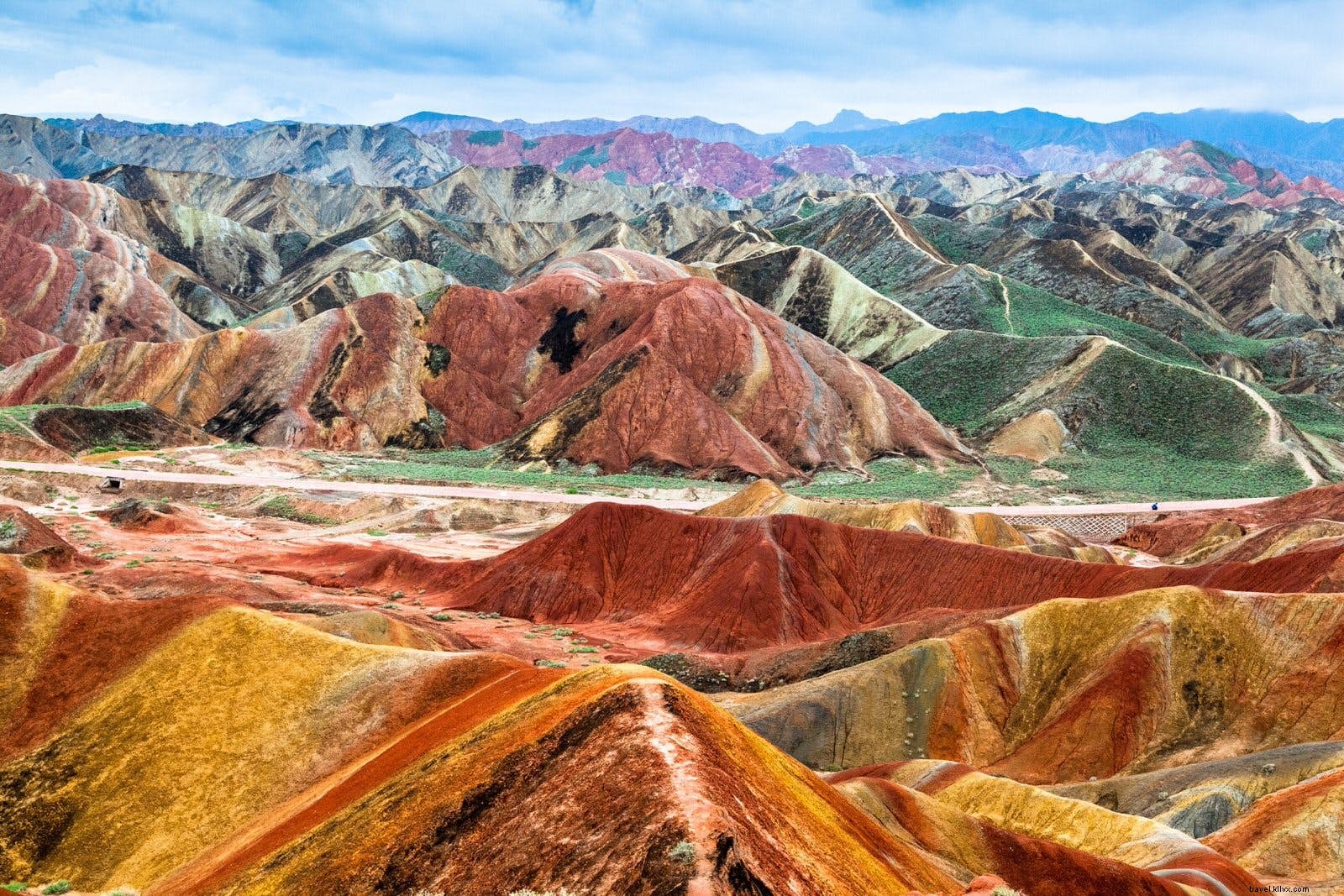
Zhangye Danxia National Geopark: Witness otherworldly rainbow-hued mountains of layered clay and sandstone in striking orange, red, and yellow. In Zhangye, don't miss the Giant Buddha Temple, home to one of China's largest reclining wooden Buddha statues.
Jiayuguan Fort: The Great Wall's dramatic desert endpoint, this towering mud fortress offers panoramic rampart views. Enjoy optional activities like archery and camel rides nearby.
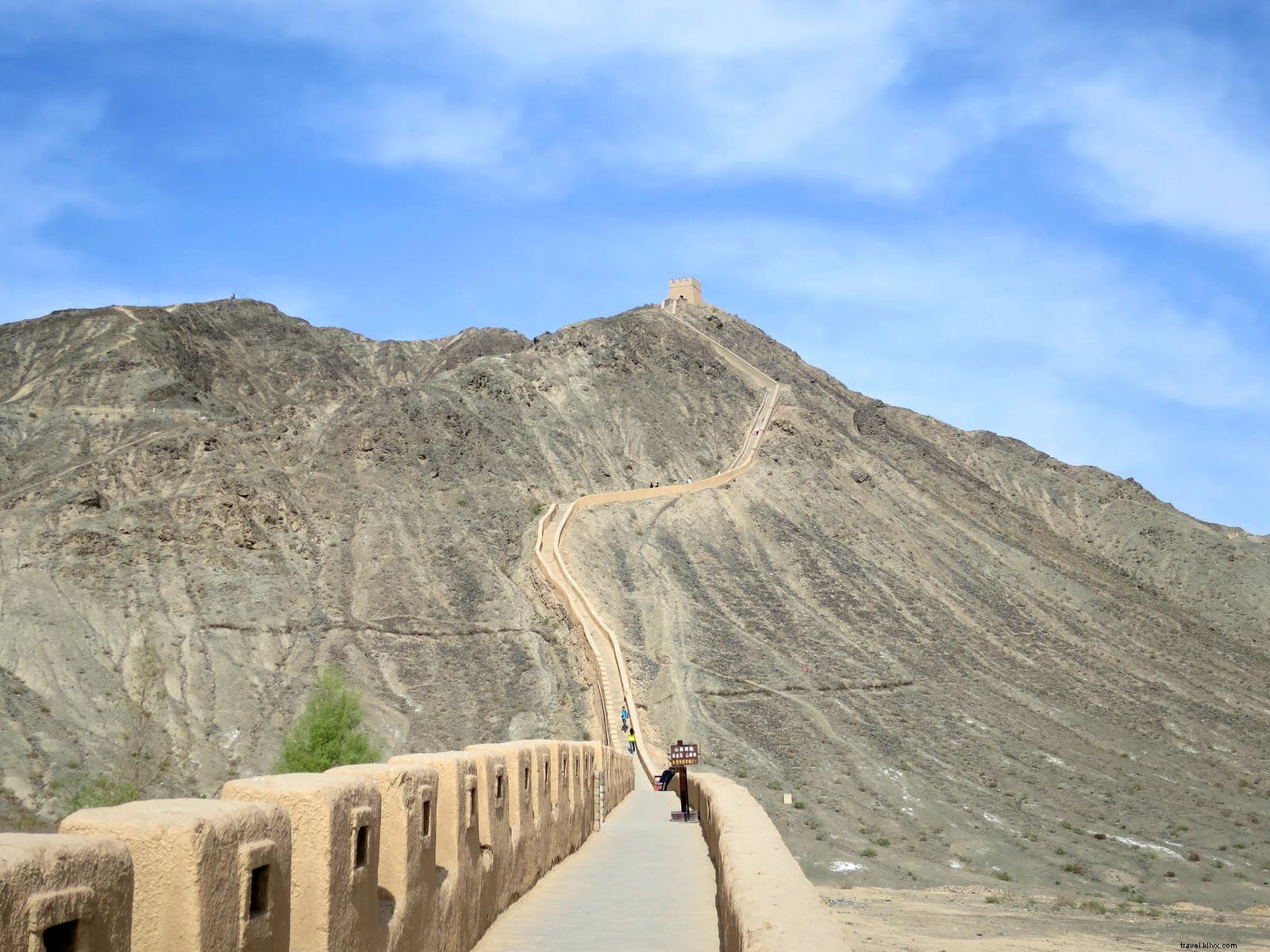
Overhanging Great Wall: Resembling a dragon clinging to a cliff, this zigzag mud wall climbs a barren mountain—perfect for hiking with breathtaking summit vistas.
Singing Sands Dune: Near Dunhuang, this iconic dune—part of the vast Taklamakan Desert—has mysteriously never buried the oasis below for millennia. Climb for dune panoramas, then sand-sled down thrillingly.
Mogao Grottoes: Outside Dunhuang, these caves house an extraordinary collection of Buddhist art and murals spanning centuries.
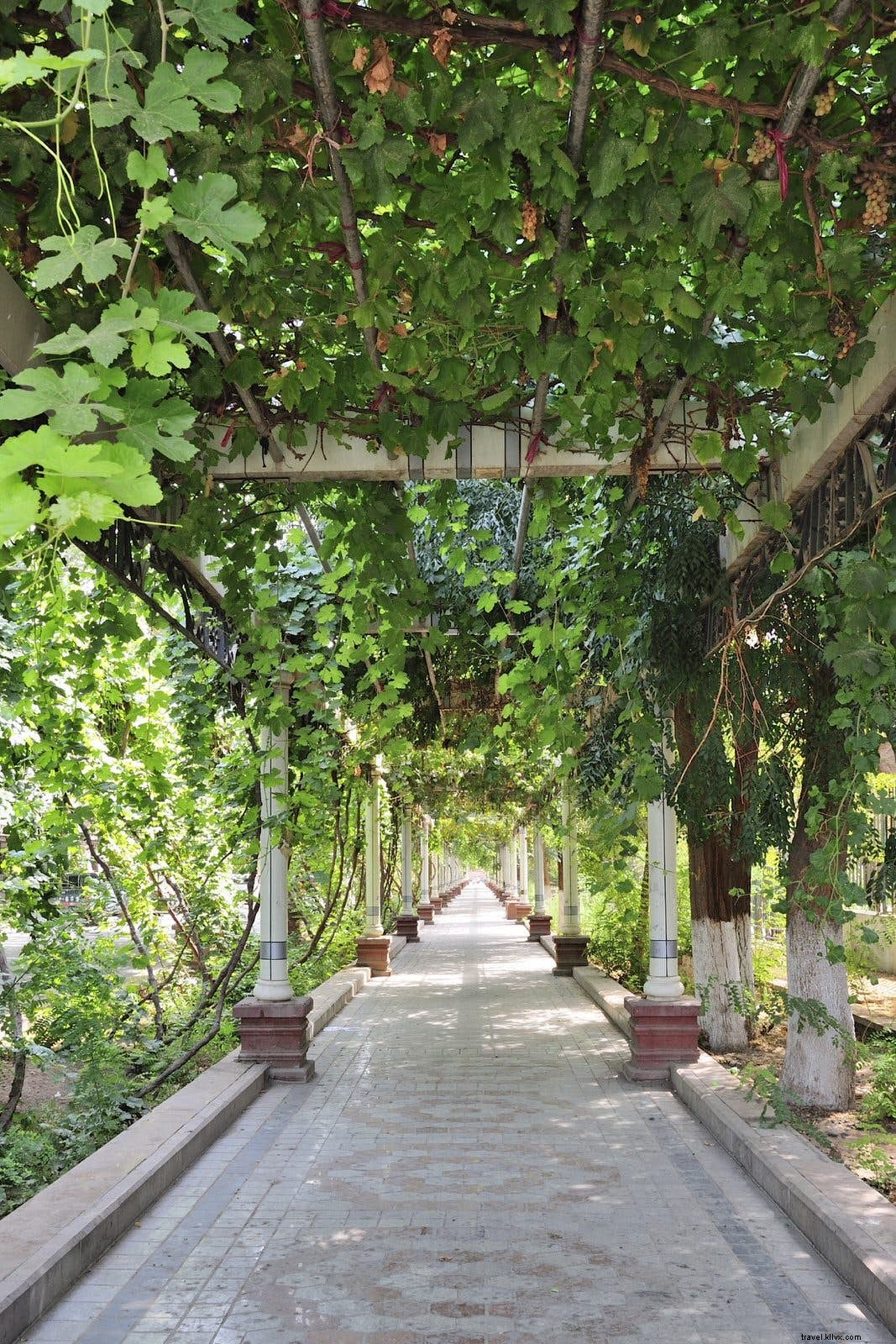
Turpan Grape Valley: In this oasis town, one of China's oldest wine regions beckons. Relax with fresh white wine under grapevines by a babbling brook to escape the desert heat.
Jiaohe Ruins: Explore this 2,300-year-old site's labyrinthine streets and decaying structures, once a thriving ancient capital razed by 13th-century Mongol invaders.
Tian Chi Lake: Nestled in the Tian Shan mountains under 5,445m Bogda Peak, 'Heaven Lake' stuns with serene beauty. Despite crowds, seek solitude for epic views; camp or stay in a Kazakh yurt for an immersive experience.
Kashgar's Grand Sunday Bazaar: Asia's most vibrant markets, exploding on Sundays with livestock like cattle, horses, sheep, and goats amid daily bustle.
Getting Around
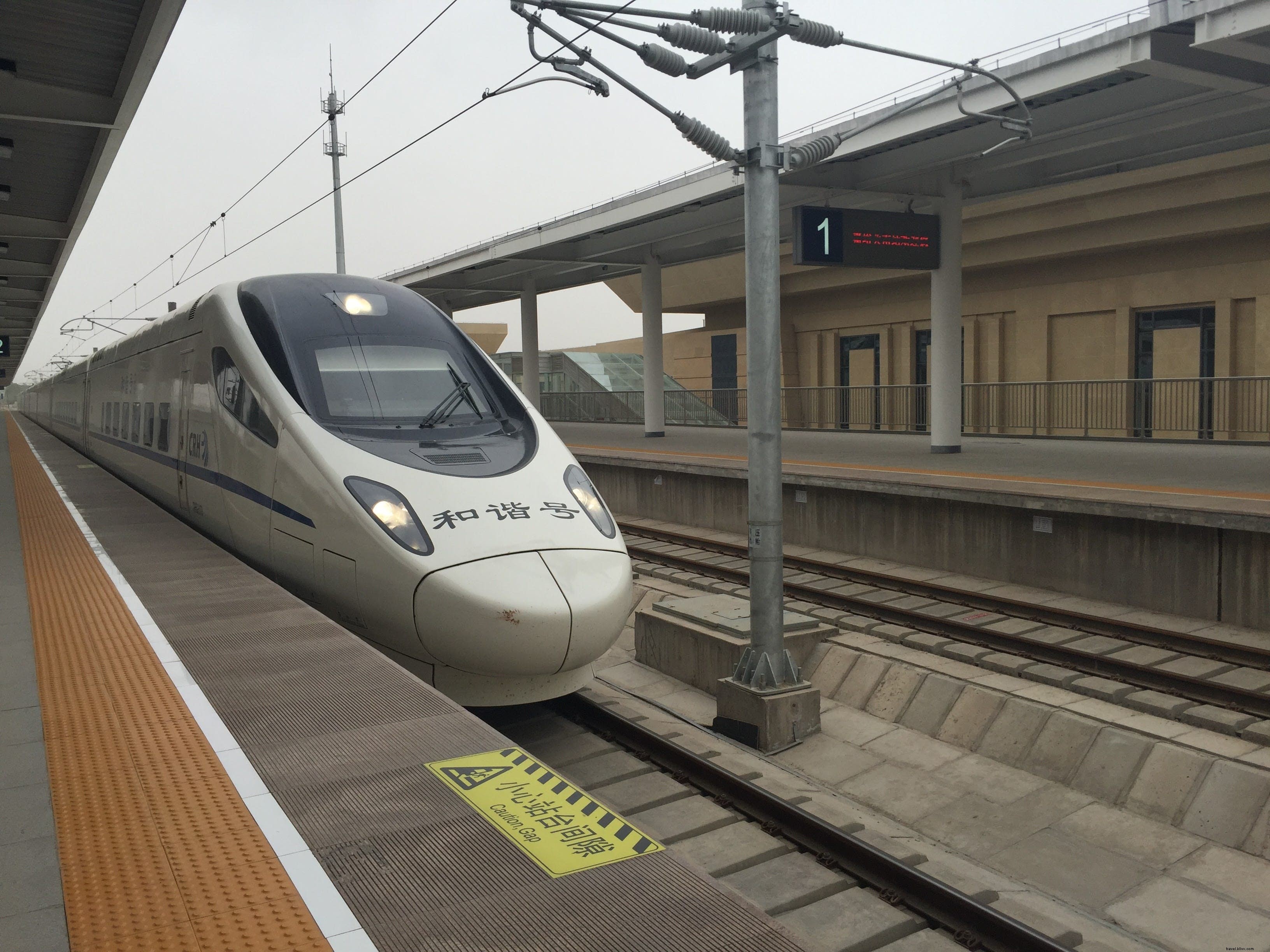
Northwest China, once isolated, now thrives with high-speed rail connecting key spots, plus affordable flights from Xi'an, Lanzhou, Jiayuguan, Urumqi, and Kashgar airports.
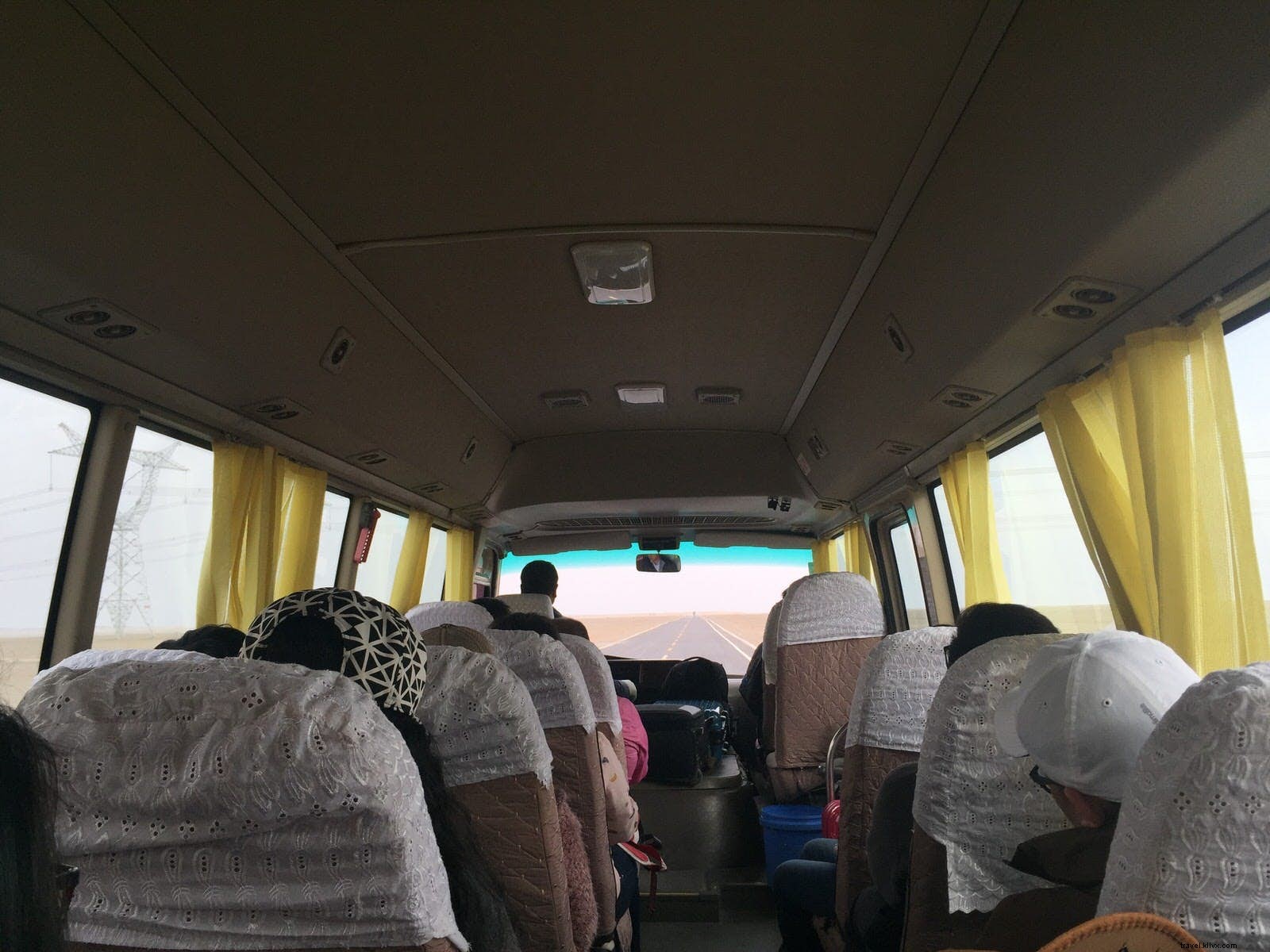
Echoing ancient traders' overland odysseys, rail travel immerses you in vast landscapes. The full route takes 10 days by rail minimally, but 2-3 weeks ideal for side trips. Fly Xi'an to Lanzhou to expedite.
An optimal itinerary: Multi-day stops in Lanzhou, Zhangye, Jiayuguan, Dunhuang, Turpan, Urumqi (or Tian Chi), and Kashgar.
Essential Tips
Prepare for arid desert extremes: Sunscreen, breathable long clothing, bandana/scarf for dust and shade.
For overnight trains, stock bottled water, instant noodles, fruits, nuts. Trains offer basic meals and pricey drinks—pack beer for ganbei toasts with locals.
China uses one time zone officially, but Xinjiang often follows local time—verify schedules.
Mandarin prevails in cities; Uyghur or dialects in remote spots. Use translation apps.
Originally published August 2013; updated April 2017.