Cuba's Roads Unveiled: Vintage Cars, Lada Hybrids, Harley Culture, and Hitchhiking Adventures
'The road is life,' Jack Kerouac wrote in his 1950s classic On the Road, a phrase that perfectly encapsulates Cuba's post-Special Period transportation landscape. Cubans get around in quirky, vintage vehicles ingeniously hybridized with remarkable creativity, offering an intimate glimpse into the resilient heart of daily island life.
The Cold War on Wheels
Thanks to masterful mechanics, Cuba serves as a living museum for pre-1959 American classics from Detroit. These streamlined icons evoke an era of cheap gas and youthful freedom in soft-top Oldsmobiles.
Yet, romance fades upon learning that one in four Cuban cars is Russian—a Lada. Many vintage Americans even run on Lada engines.

The Lada (VAZ-2101), an utilitarian Fiat 124 derivative born in Russia's Tolyatti in 1966, was mocked by enthusiasts elsewhere. In Cuba, Soviet ties made it a prized reward for model workers in the 1970s and '80s. Its durable engineering thrived on potholed roads, powering taxis, parts for appliances, and even 1951 Plymouths.
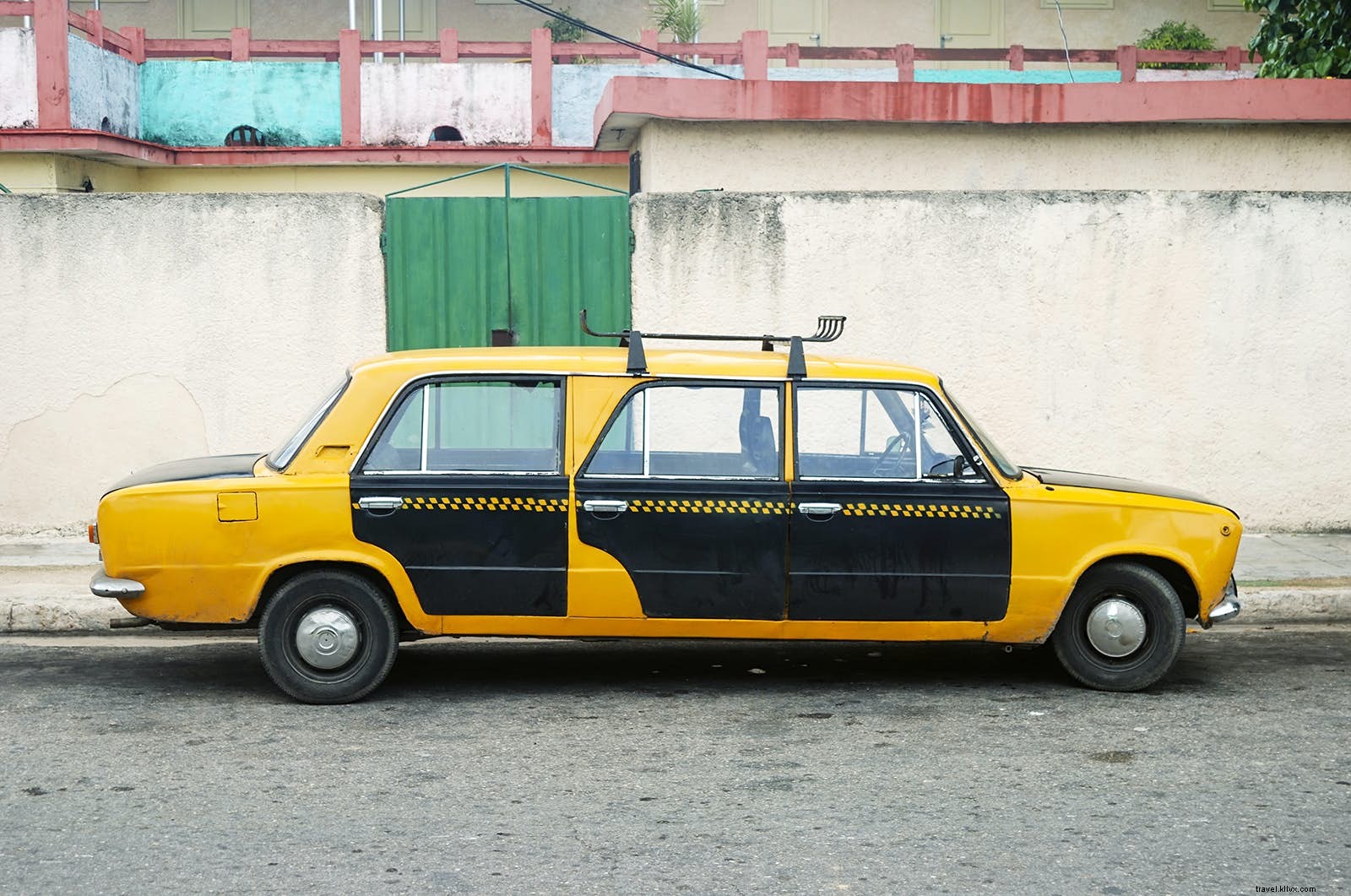
The ultimate Cuban innovation? The 'Stretch' Lada limo, crafted by 1990s taxi drivers using blowtorches and bold ingenuity.
Cuba's Motorcycle Mastery: Harleys Reborn
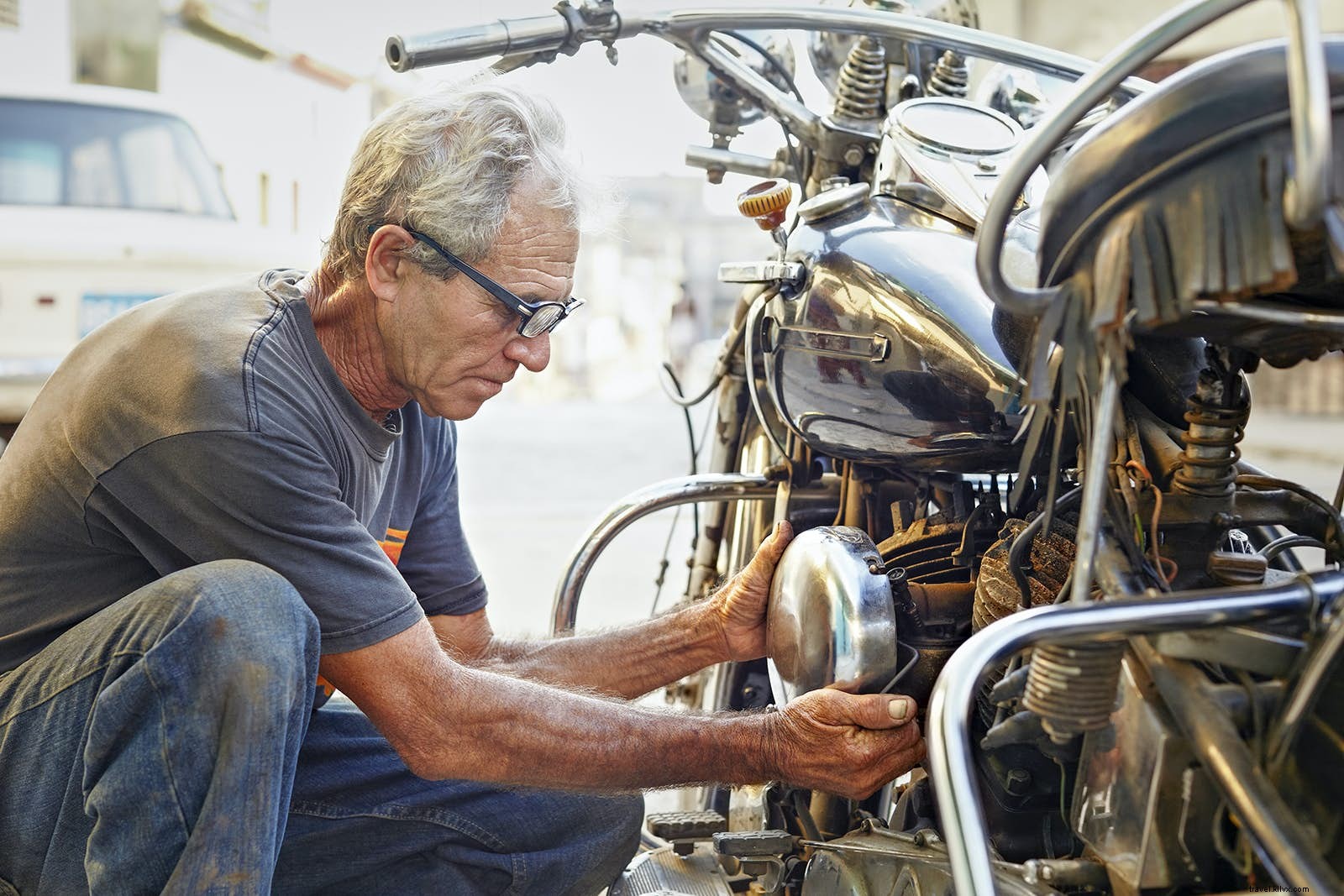
Beyond cars, Cuba boasts 80-100 pre-1959 Harley-Davidsons, nearly all hybridized like the island's appliances. Introduced in the 1920s and used by Havana police, they nearly vanished post-1962 U.S. embargo—until José 'Pepe' Lorenzo Cortes revived them in the 1970s-80s through expert cannibalization, inspiring a new generation of Harlistas.
This tight-knit community gathers for events like June's Día del Motorista Ausente at Havana's Cemeterio Colón, honoring Cortes before group rides.
Revolutionary Billboards: Art Meets Propaganda
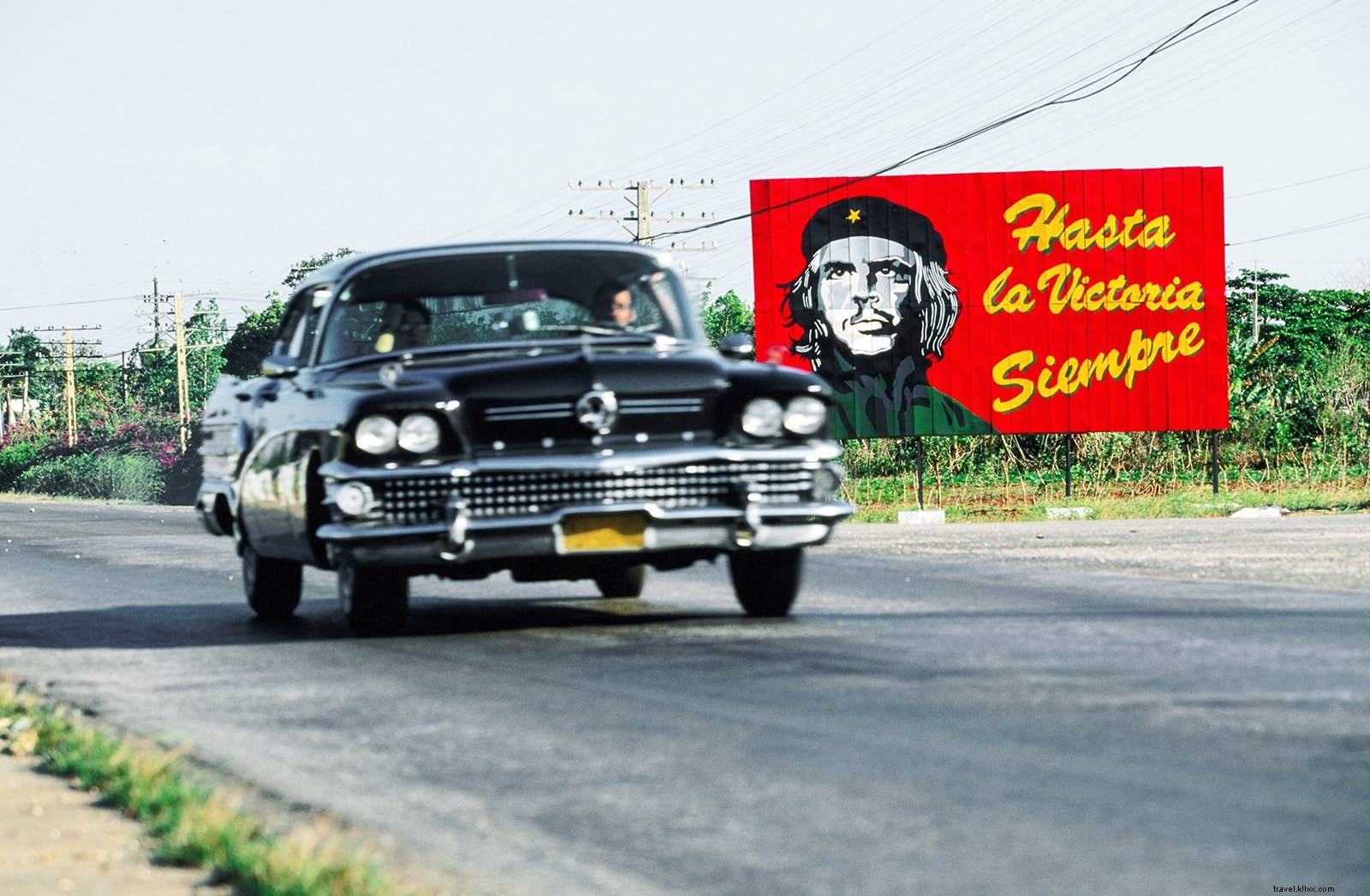
In ad-free Cuba, government billboards dominate. Artist Raúl Martínez elevated them in the 1960s with vibrant designs that captivate, even if messages grate.
Common slogans include En cada barrio revolución (CDR motto), Volverán (for imprisoned agents), and Siempre es 26 (Moncada attack nod). Icons like 'Señores imperialistas, no les tenemos absolutamente ningún miedo' near the U.S. Interests Section and 'Guantánamo tiene que tener' by the base draw tourists.
Legalized Hitchhiking: Cuba's Ultimate Road Trip
Hacer botella—official hitchhiking with amarillos (yellow-uniformed officials)—is peak Cuban authenticity. It demands patience amid transport shortages; blue-plated vehicles must stop.
Doctors, students, everyone queues, swapping stories. Rides range from cramped Fiats to luxury coaches—pure serendipity.