Bangweulu Wetlands and Liuwa Plain: Zambia's Hidden Wildlife Wonders
Endemic antelopes unique to Earth, the world's most enigmatic bird, Africa's second-largest wildebeest migration, and the legend of a iconic lioness. These extraordinary wildlife spectacles unfold amid vast golden savannas and intricate lily-pad waterways in Zambia's remote, largely undiscovered reserves: Bangweulu Wetlands and Liuwa Plain National Park.
Once devastated by poaching, Bangweulu Wetlands in northern Zambia and Liuwa Plain National Park in the west have been revitalized by African Parks. This leading conservation NGO manages 11 parks across eight countries—Benin, Central African Republic, Chad, Democratic Republic of Congo, Republic of Congo, Malawi, Rwanda, and Zambia—transforming challenged reserves into thriving, sustainable destinations. Today, both parks offer unparalleled safari experiences.
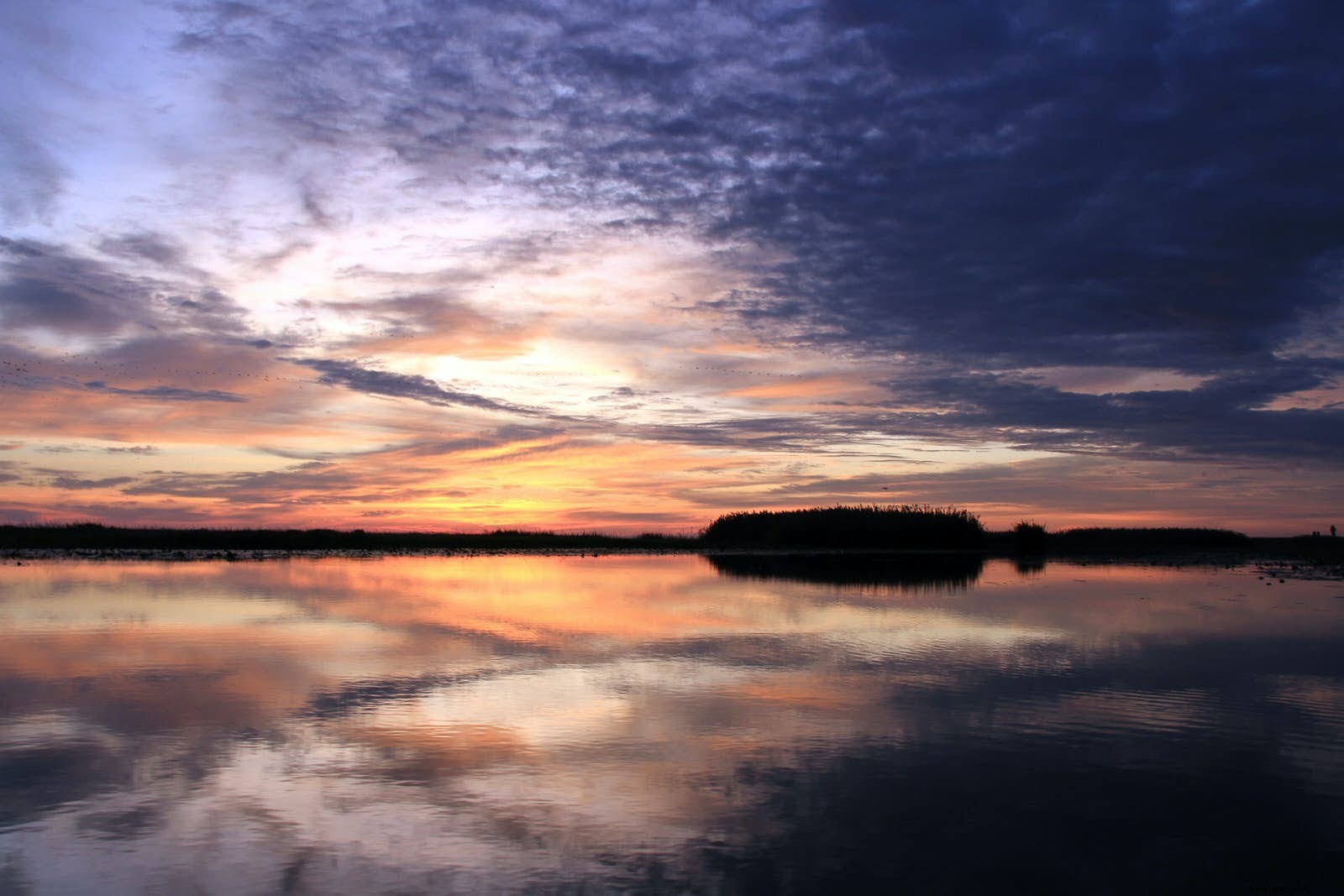
Bangweulu Wetlands
Named 'where water meets the sky,' Bangweulu rivals Zambia's Okavango Delta counterpart, encompassing 6,000 sq km of pristine aquatic wilderness with glassy lakes, lotus-lined canals, and papyrus-fringed channels. A sanctuary for rare birds and wildlife, its remote allure is unmatched.
Bangweulu is prime territory for spotting the shoebill stork—a quirky, prehistoric bird revered by ornithologists. With spindly legs, a bulky body, and a razor-sharp, clog-like beak, these giants haunt papyrus islands in the Bulanda swamps. Wingspans reaching 2.5m enable graceful flight, while their motionless fishing stance mimics statues.
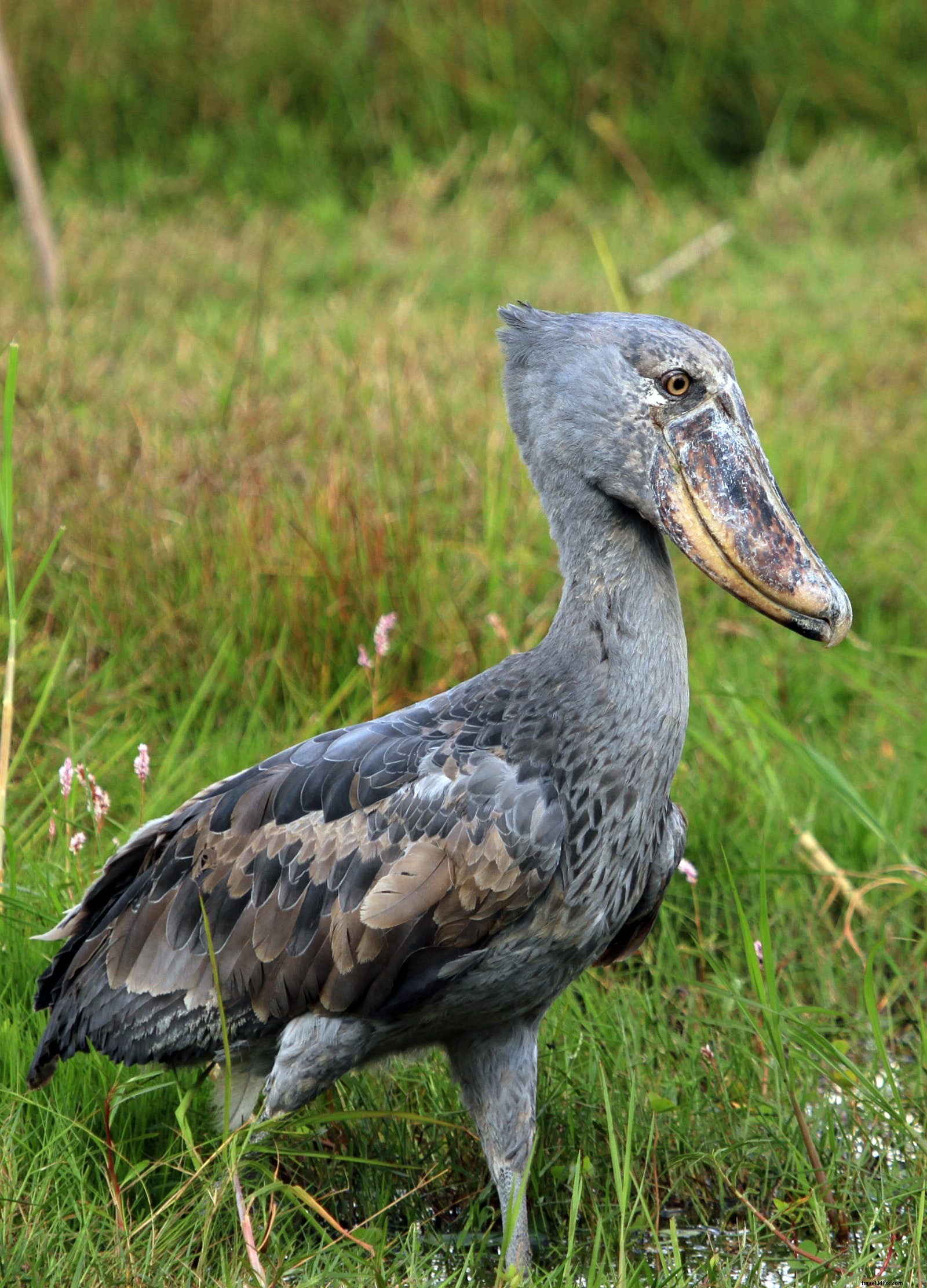
Hosting 80-100 shoebills—Africa's second-largest population after South Sudan's Sudd—prime sightings occur April-June via local fishers' banana boats or canoes, or during August-October nesting. Vulnerable to poaching, habitat loss, and pet trade, they are safeguarded by African Parks' 'shoebill guardians' program employing local fishers.
Complementing shoebills, 680+ bird species thrive here, from wattled cranes and pelicans to swamp flycatchers and blue-throated bee-eaters. Wildlife includes buffalo, zebra, elephant, sitatunga, reedbuck, oribi, and tsessebe; African Parks relocations have added hartebeest, impala, and puku.
The endemic black lechwe steals the show—50,000 strong, their glossy dark coats gleam as they wade Chimbwi Plains' floodplains, grazing nutrient-rich grasses.
Safari Experiences
Season dictates adventure, akin to Botswana safaris. January-April floods demand boat or canoe exploration. May's receding waters enable predator-free walks or cycles across flat plains. October-December dry season favors game drives.
Accommodations
African Parks' upscale Shoebill Camp is Bangweulu's sole lodge, recently rebuilt. For authentic charm, Nsobe Community Campsite on Chimbwi Plains, community-run, delivers serene stays.
Liuwa Plain National Park
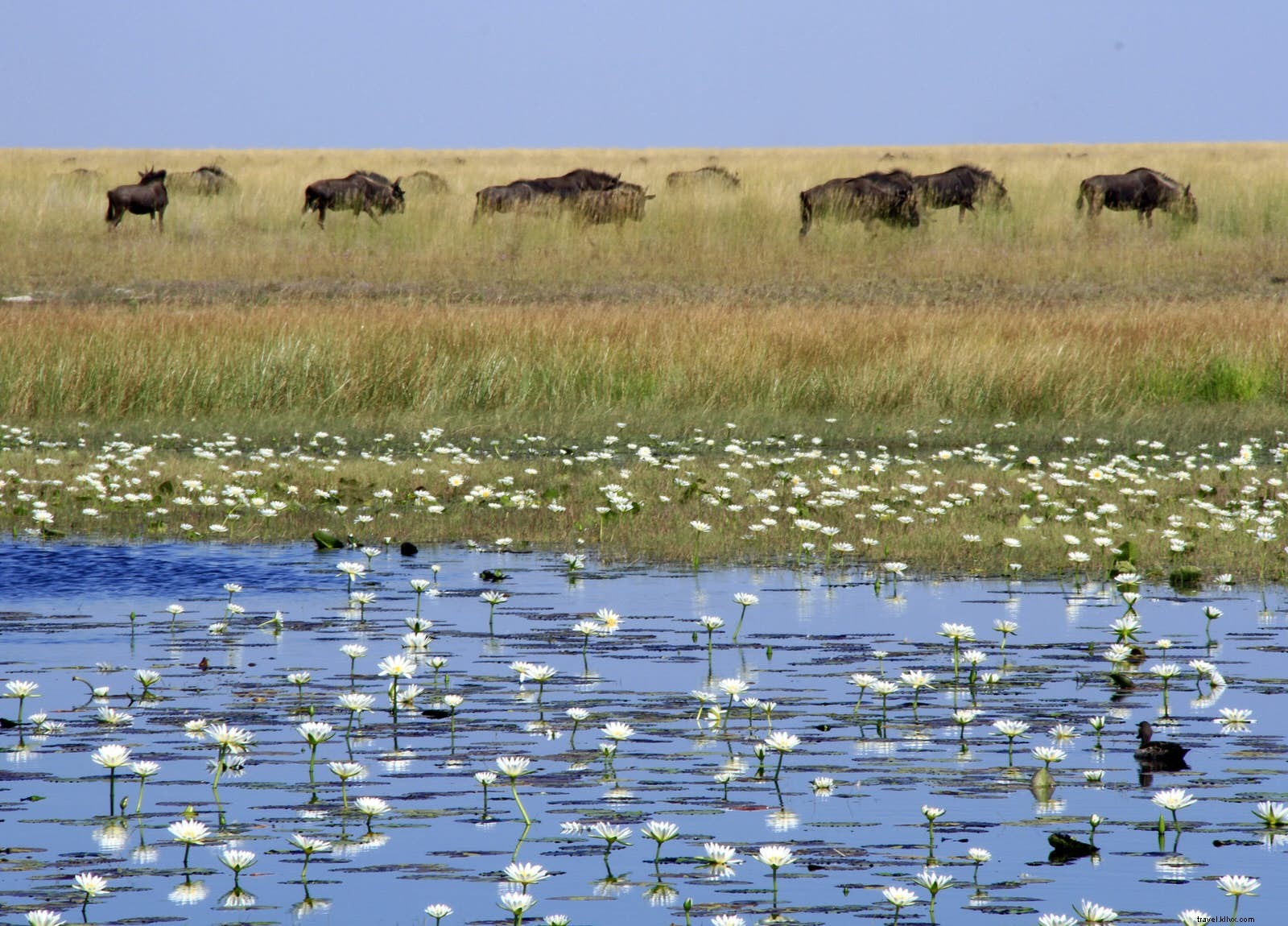
Liuwa Plain enchants with endless golden grasslands, azure pools, wildflower meadows, and sentinel palms. Night skies burst with stars, punctuated by distant storm lightning.
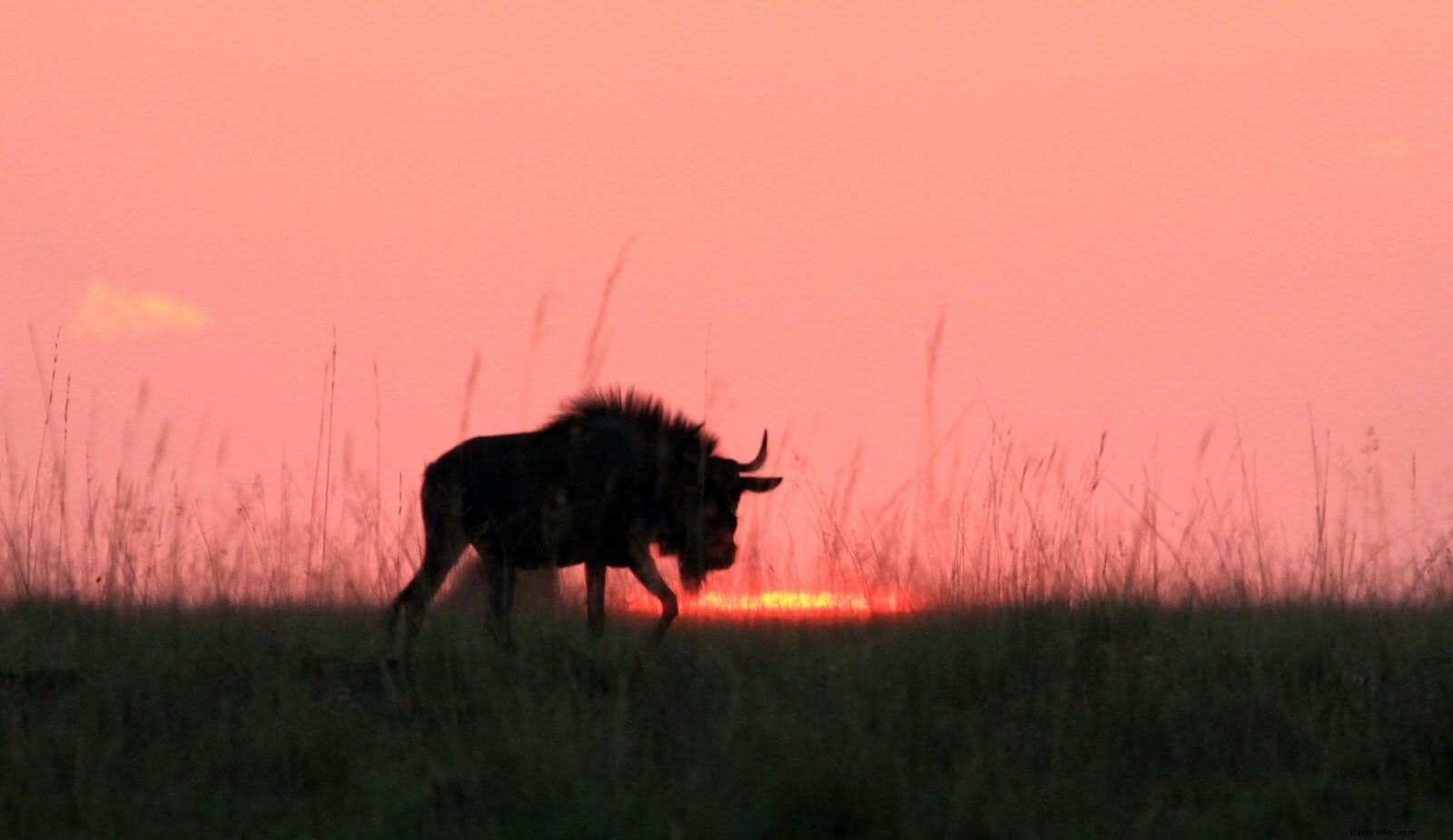
Spanning 3,660 sq km, it features Africa's lesser-known second-largest wildebeest migration. December-April floods lure 35,000 to southern plains; June retreat sends herds north, looping south by September for perpetual forage.
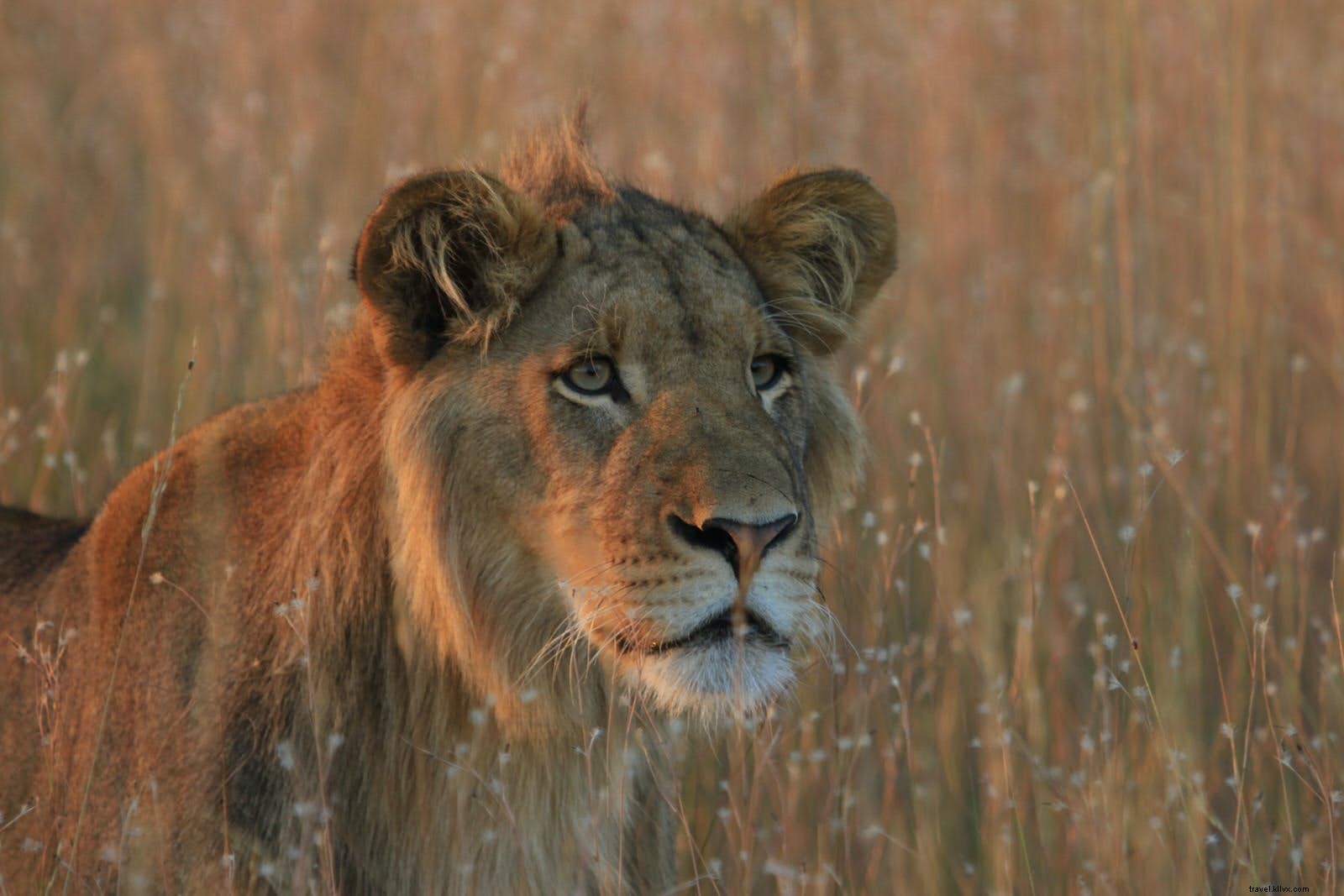
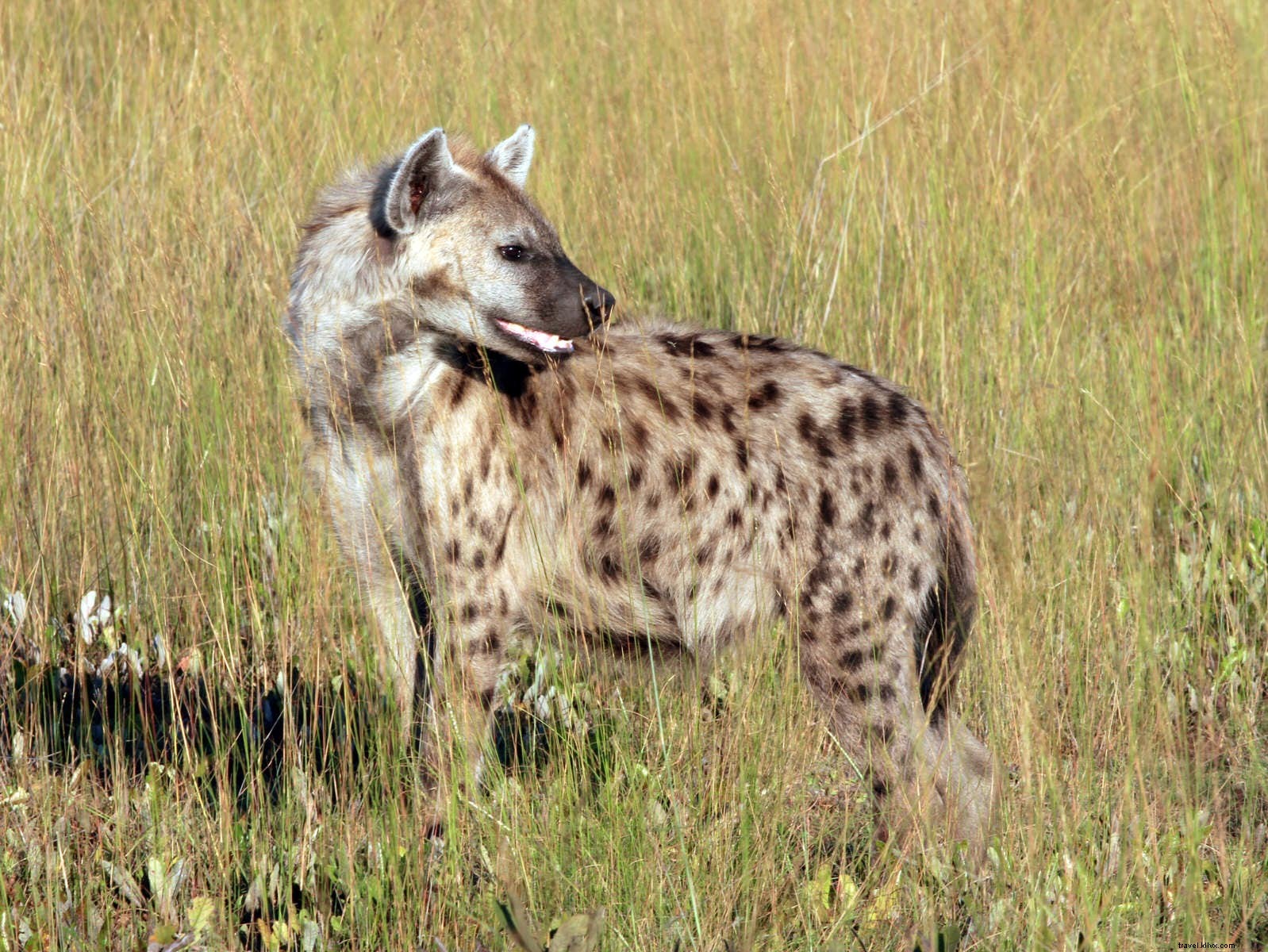
Supporting 500 hyenas—top predators amid sparse lions—wildebeest fuel clan hunts. Watch hyena families socialize dynamically. Cheetahs hunt; antelopes (eland to oribi), zebra, red lechwe, and buffalo abound. 330 bird species include crowned and wattled cranes, plus pelican flocks.
Liuwa's fame includes Lady Liuwa, National Geographic's star: sole survivor post-poaching, she endured nine years alone. African Parks reintroduced lions; she led a pride of eight until her 2017 passing, embodying resilience and nurturing newcomers.
Kingdom and Culture
Hosting 20,000 Lozi people of Barotseland kingdom, Liuwa blends wildlife and heritage. 19th-century King Litunga made it a royal hunt ground, granting locals rights for protection—a pact enduring today. Kuomboka Festival dazzles: Litunga’s royal flotilla relocates amid December-April floods, with rhythmic songs, dances, and drums.
Accommodations
Five community campsites (April-December) empower locals. Luxury awaits at King Lewanika Lodge (October-July), with walks, drives, and wet-season canoes.