The Gullah Culture: A Comprehensive Guide to Charleston’s Lowcountry Heritage

Gullah is a rich cultural tapestry that originates from South Carolina’s Lowcountry, especially the Sea Islands near Charleston. Visitors will quickly encounter the term, which encompasses a distinct language, culinary traditions, artistic crafts, and the community of people who preserve it.
Historically, Gullah culture has been a living archive of African heritage in the United States. Brought to the Americas as enslaved Africans in the 1700s and 1800s, many Gullah speakers maintained strong ties to their ancestral roots, making the culture one of the most well‑preserved African American traditions in the region.
Alphonso Brown, owner and operator of Gullah Tours, hails from Rantowles, South Carolina, a rural community just 12 miles south of Charleston. He is a lecturer on the Gullah language and Black history in Charleston and the author of A Gullah Guide to Charleston.
Let Alphonso Brown introduce you to the heirloom traditions and rich contributions of Charleston’s local Sea Island inhabitants. Scroll on for his guide to Gullah.
5 Facts You Might Not Know About the Gullah Culture:
- Gullah is a creole language that blends West African languages, English, and other influences.
- Many Gullah speakers preserve unique phonetic features, such as the absence of certain consonant clusters like “th.”
- Folklore traditions include stories of “haints,” spirits believed to protect the community.
- Traditional colors, such as blue, are used in ceremonies to ward off negative energies.
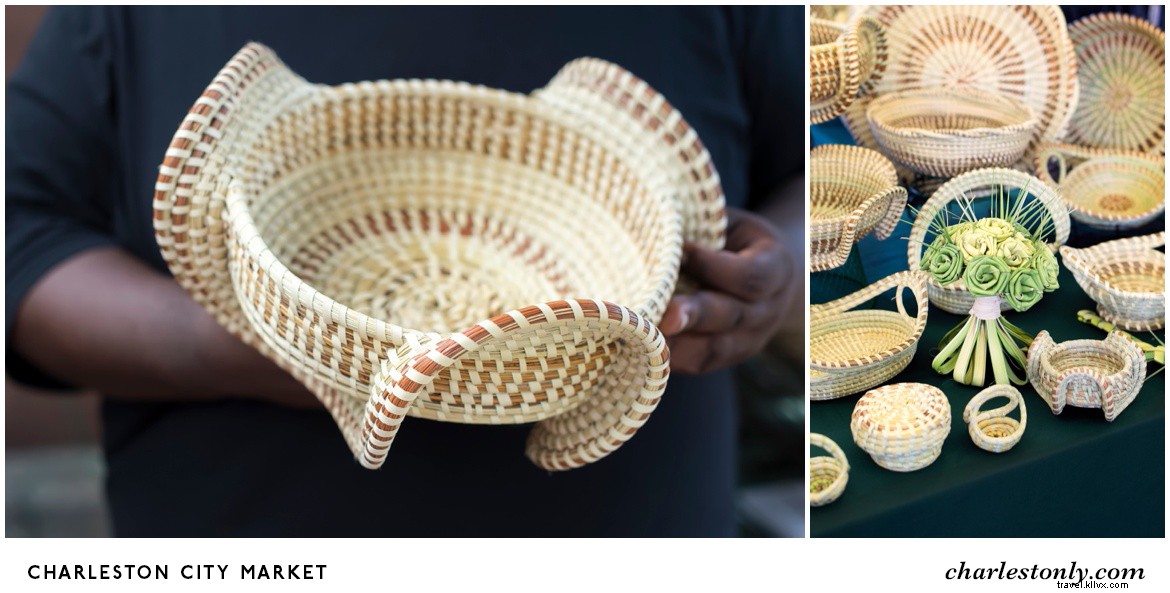
- Sweetgrass baskets are a hallmark of Gullah craft—traditionally woven, not sewn.
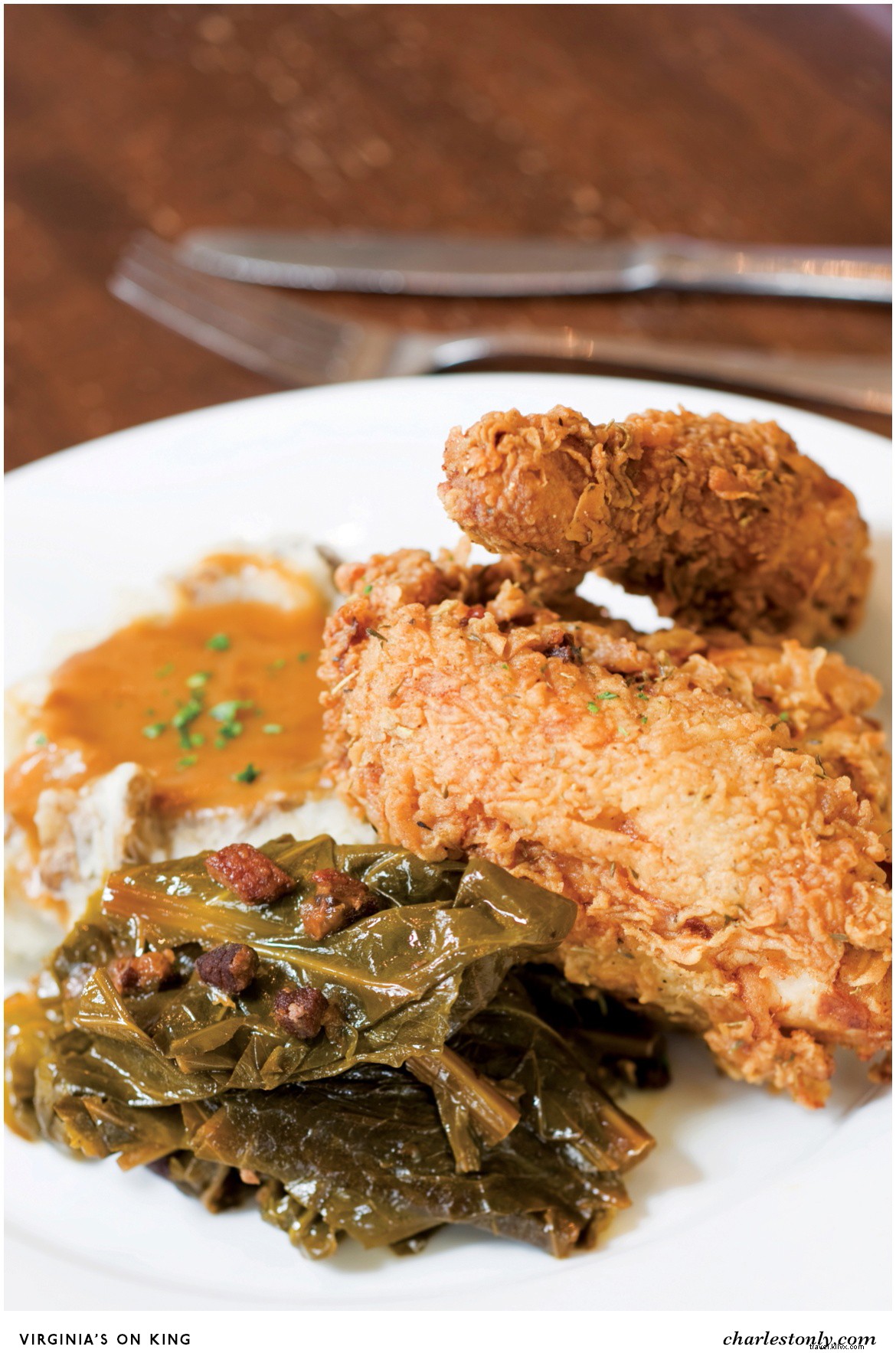
Top 5 Spots to Enjoy Lowcountry Cuisine:
- Virginia’s on King
- Martha Lou’s Kitchen
- My Three Sons
- Nigel’s Good Food
- Hyman’s Seafood
Top 5 Spots to Experience Gullah Culture:
- Philip Simmons House
- Old Jail
- Charleston City Market – Sweetgrass basket sewing demonstrations
- Slave & Free Blacks Cemetery at Bethel United Church
- A Gullah Guide to Charleston by Alphonso Brown
2 Treasured Gullah Traditions:
- The Bible is kept in an open, yet protected, setting to honor its spiritual significance.
- Wedding gifts—often dinnerware—are traditionally unused unless essential; Alphonso still treasures a green water glass from his grandparents’ 1910 wedding.
Explore 14 additional sites that showcase Gullah heritage throughout Charleston.