14 Destinations to Immerse Yourself in Gullah Heritage in Charleston
Charleston’s cultural fabric is richly threaded with Gullah heritage, a legacy of African roots that permeates its cuisine, language, and artistry. Below are 14 must‑visit locations where you can experience the depth of Gullah culture, from historic plantations to museums and artisan workshops.
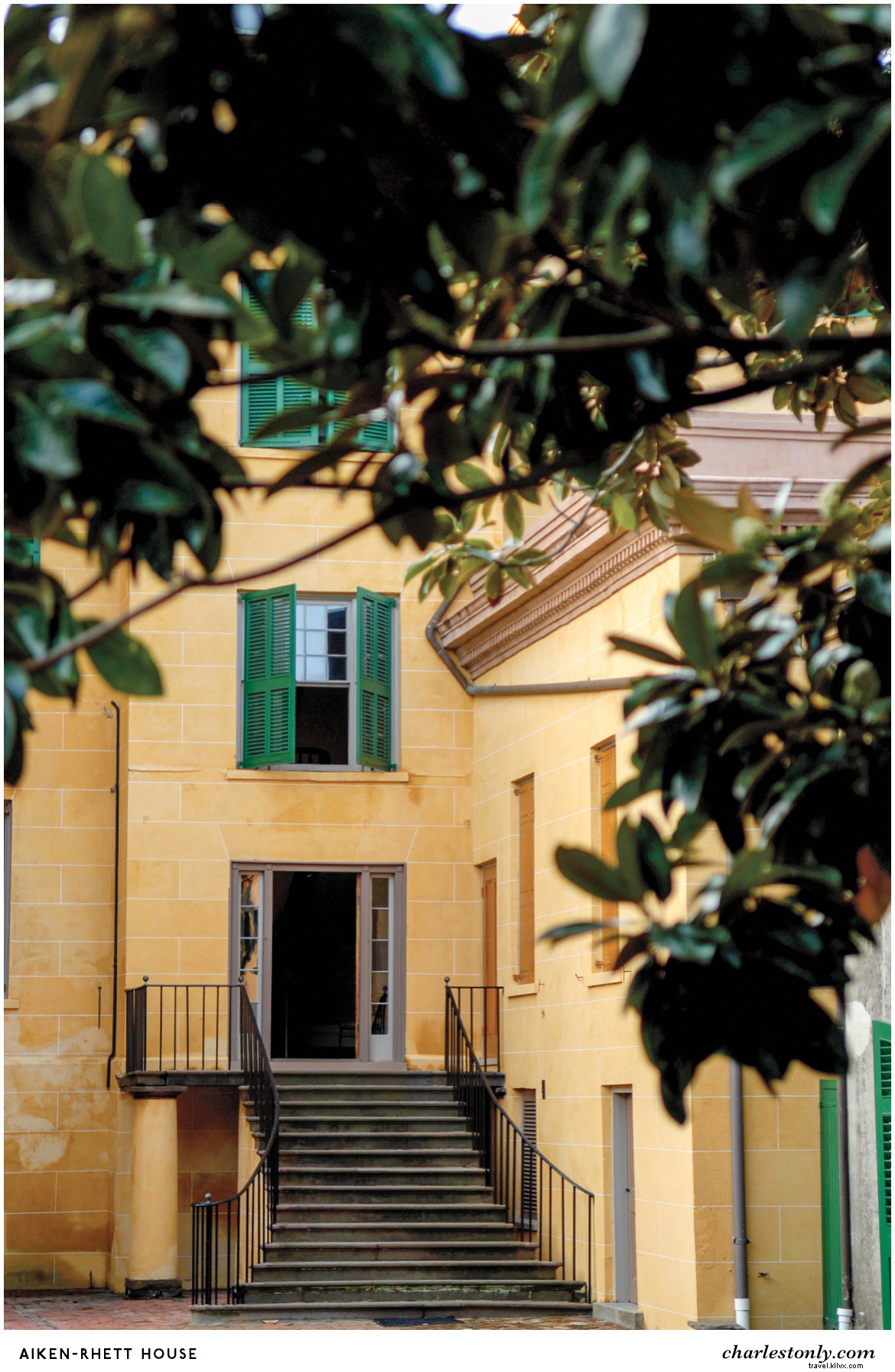
Aiken‑Rhett House
The oldest preserved home in Charleston, Aiken‑Rhett House showcases the Gullah influence in its architectural details and original furnishings, offering guided tours that highlight African‑American craftsmanship.
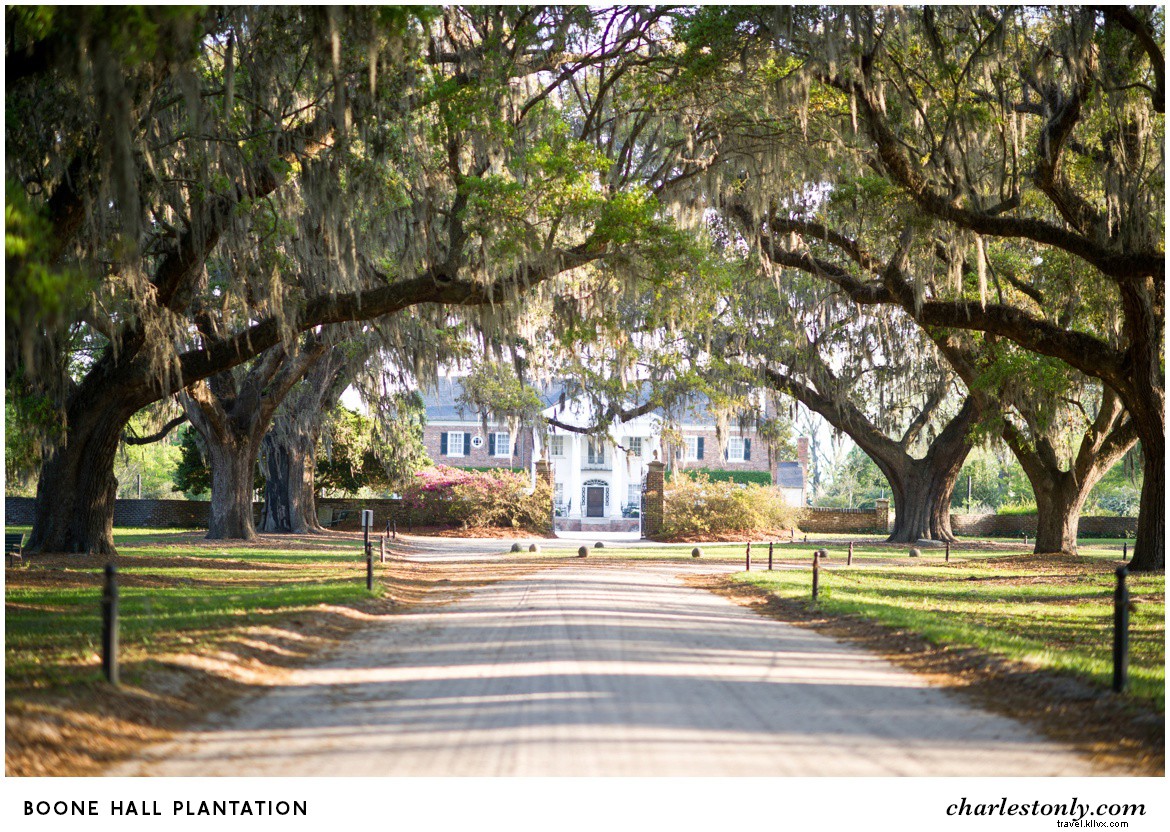
Boone Hall Plantation
Beyond its sweeping vistas, Boone Hall hosts the Gullah Heritage Center, which features exhibits on Gullah history, quilting traditions, and the stories of enslaved people who shaped the region.
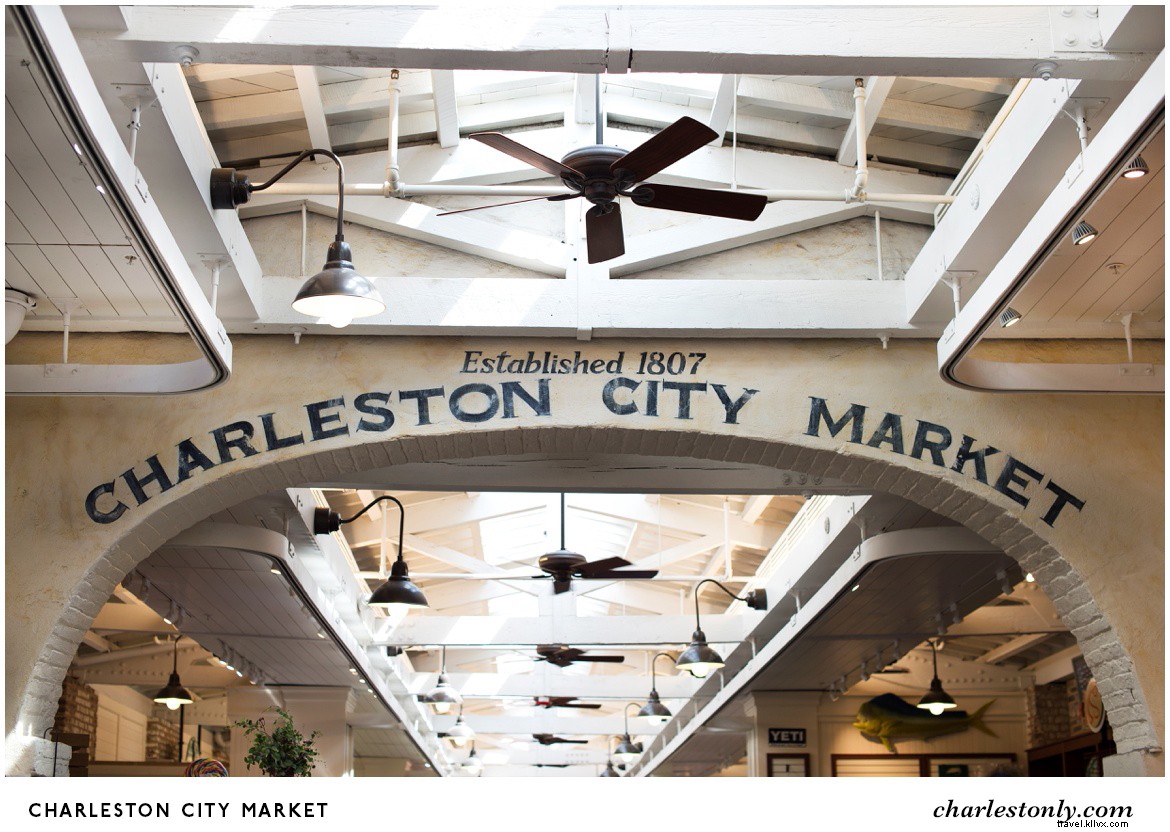
Charleston City Market
Here, local artisans sell handmade sweetgrass baskets—an iconic Gullah art form—and offer workshops where visitors can learn basket‑making techniques passed down through generations.
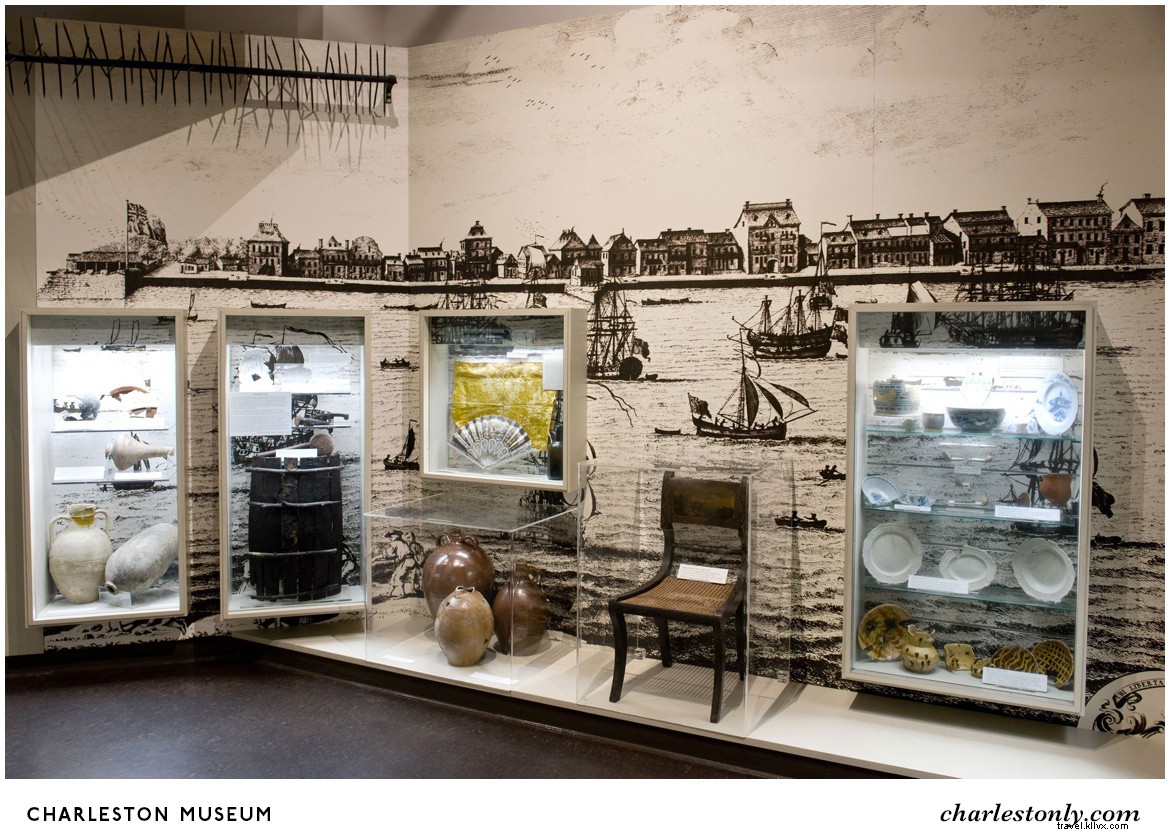
Charleston Museum
Home to the National Museum of the American Indian’s African‑American gallery, this museum presents artifacts and narratives that illuminate the Gullah’s contribution to Charleston’s evolution.
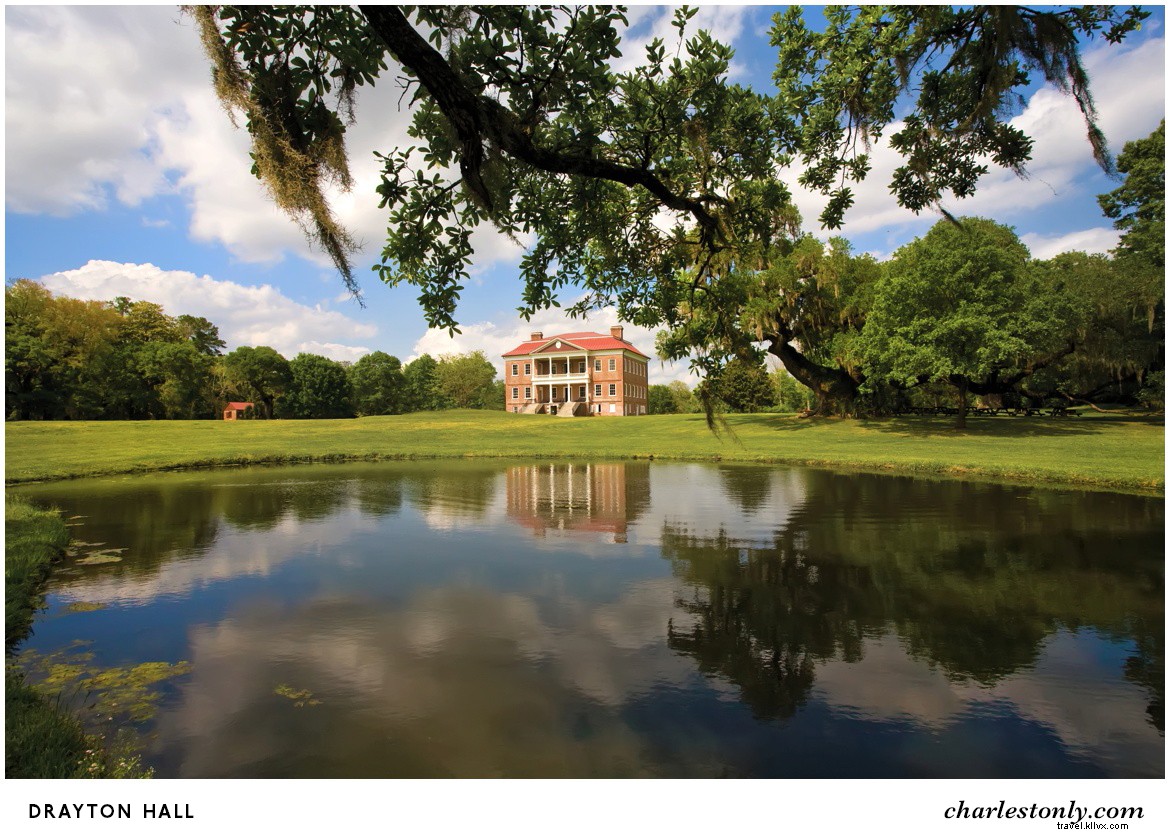
Drayton Hall
Drayton Hall’s preserved slave quarters and museum displays provide a sober, insightful look into the lives of enslaved Gullah people and their enduring cultural impact.
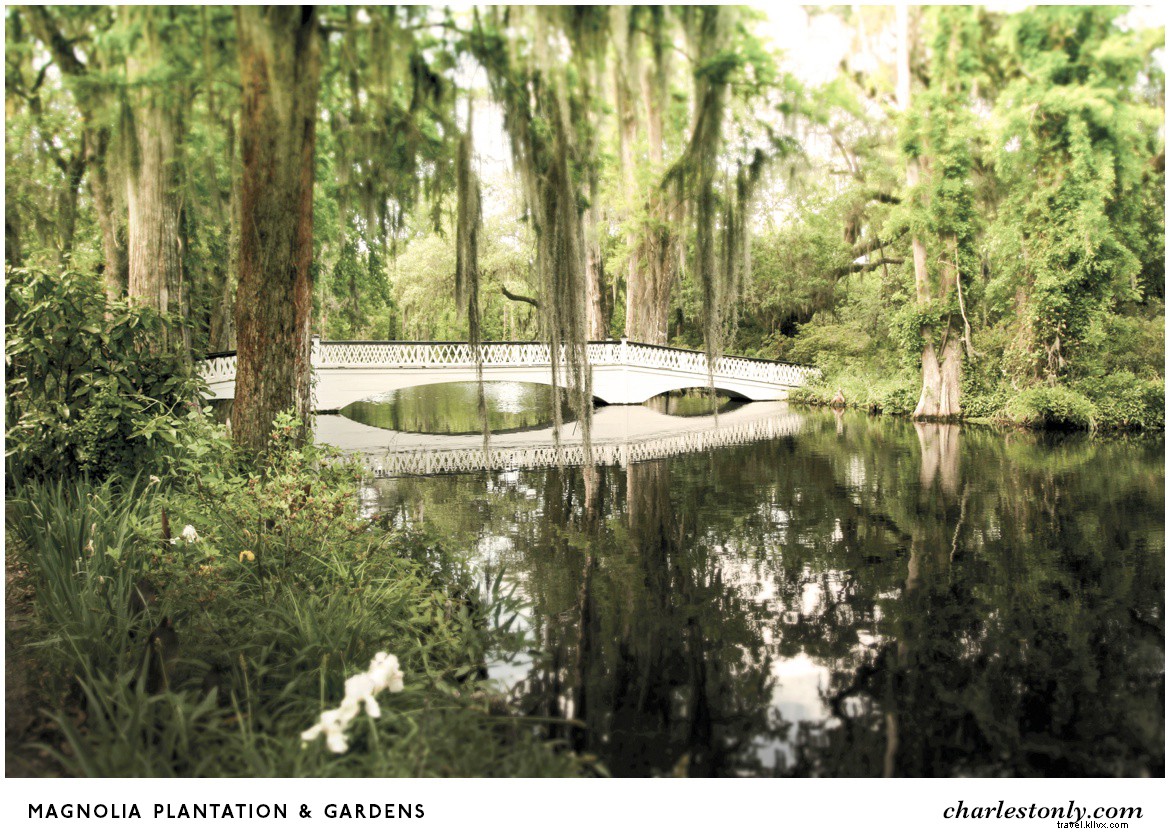
Magnolia Plantation & Gardens
With its historic garden tours and a dedicated Gullah Heritage exhibit, Magnolia offers both natural beauty and educational insight into the Gullah’s agricultural practices.
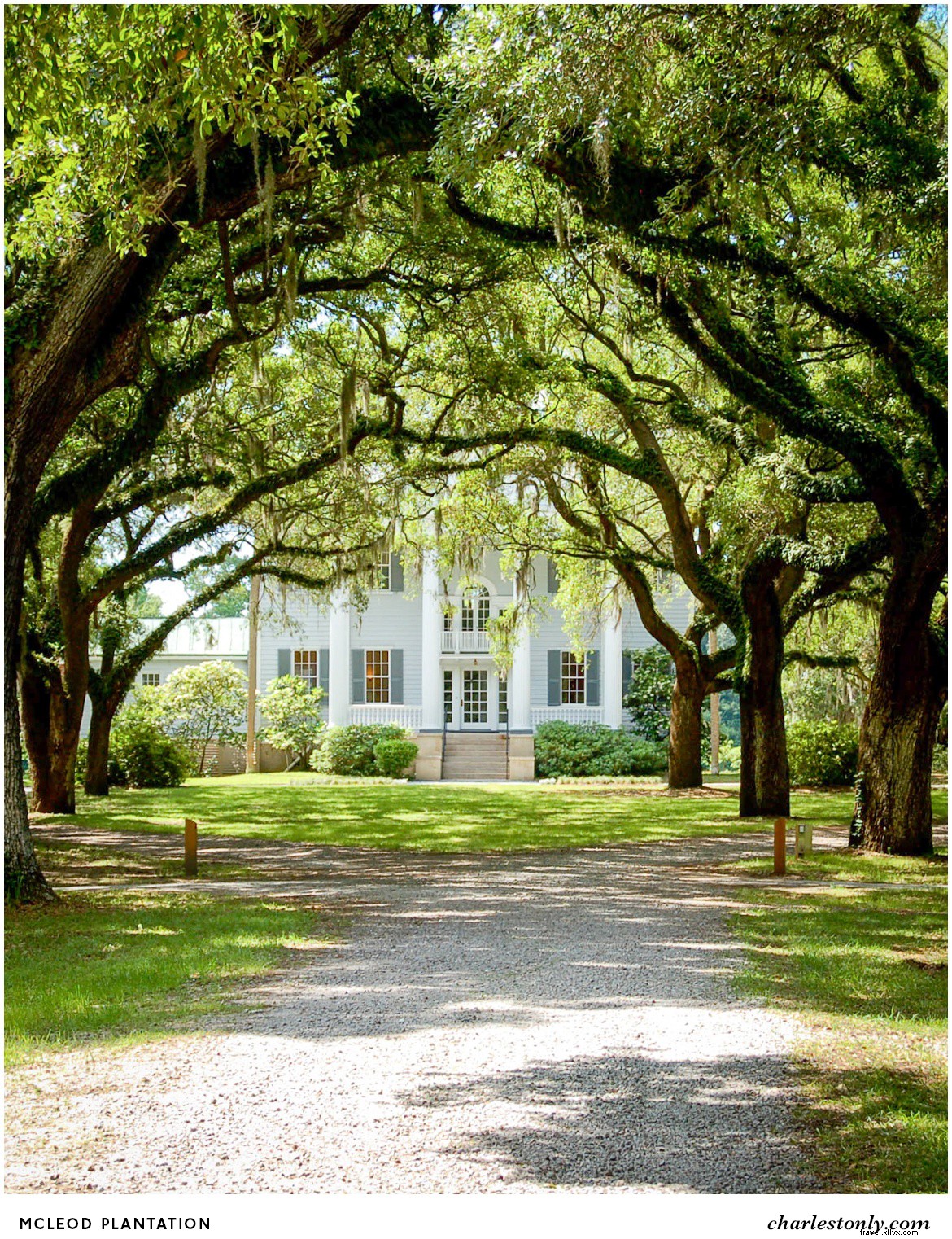
McLeod Plantation
McLeod’s restored slave cabins and interactive exhibits recount the stories of the Gullah community that once thrived on the plantation’s grounds.
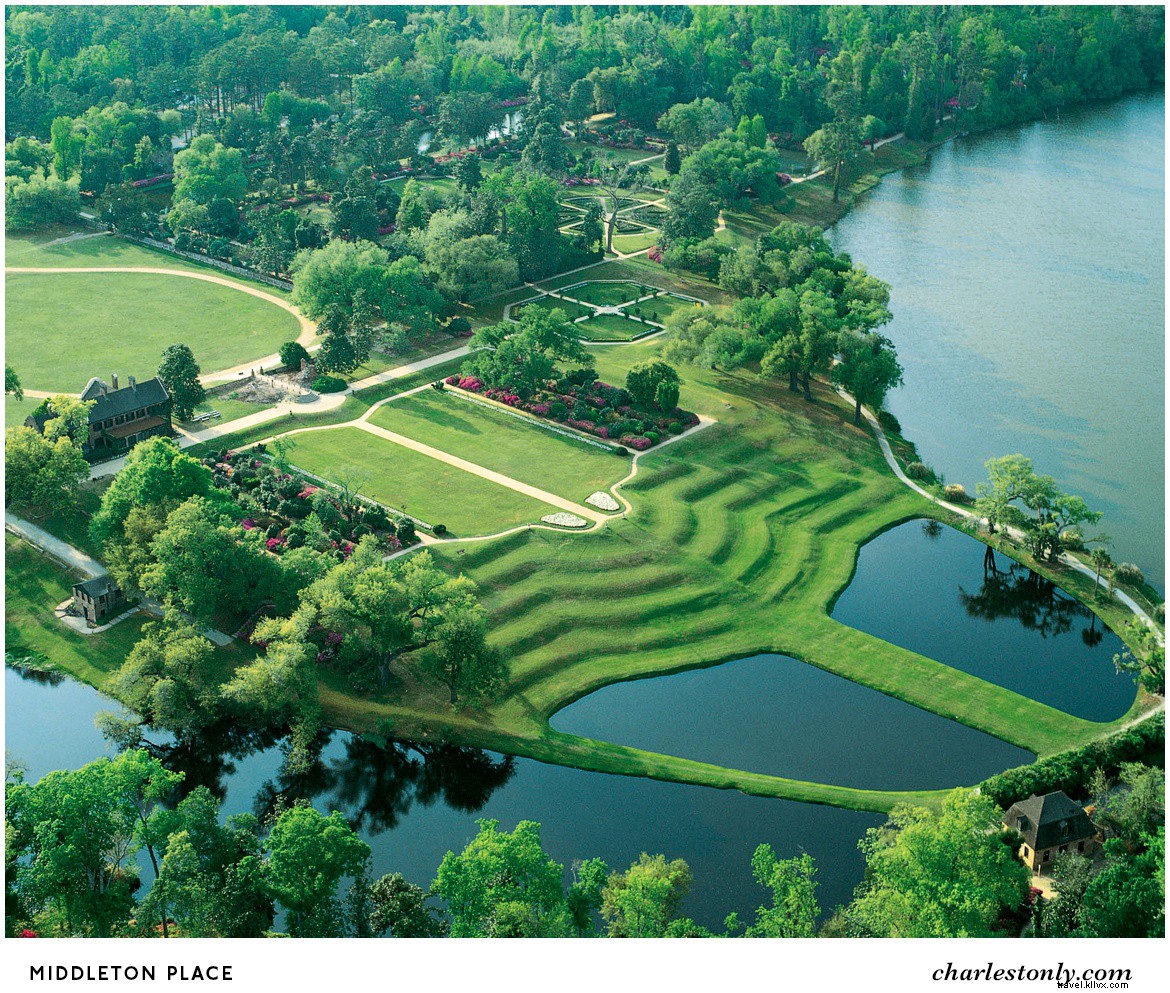
Middleton Place
Middleton Place showcases Gullah influence in its gardening techniques and offers walking tours that trace the plantation’s African‑American labor history.
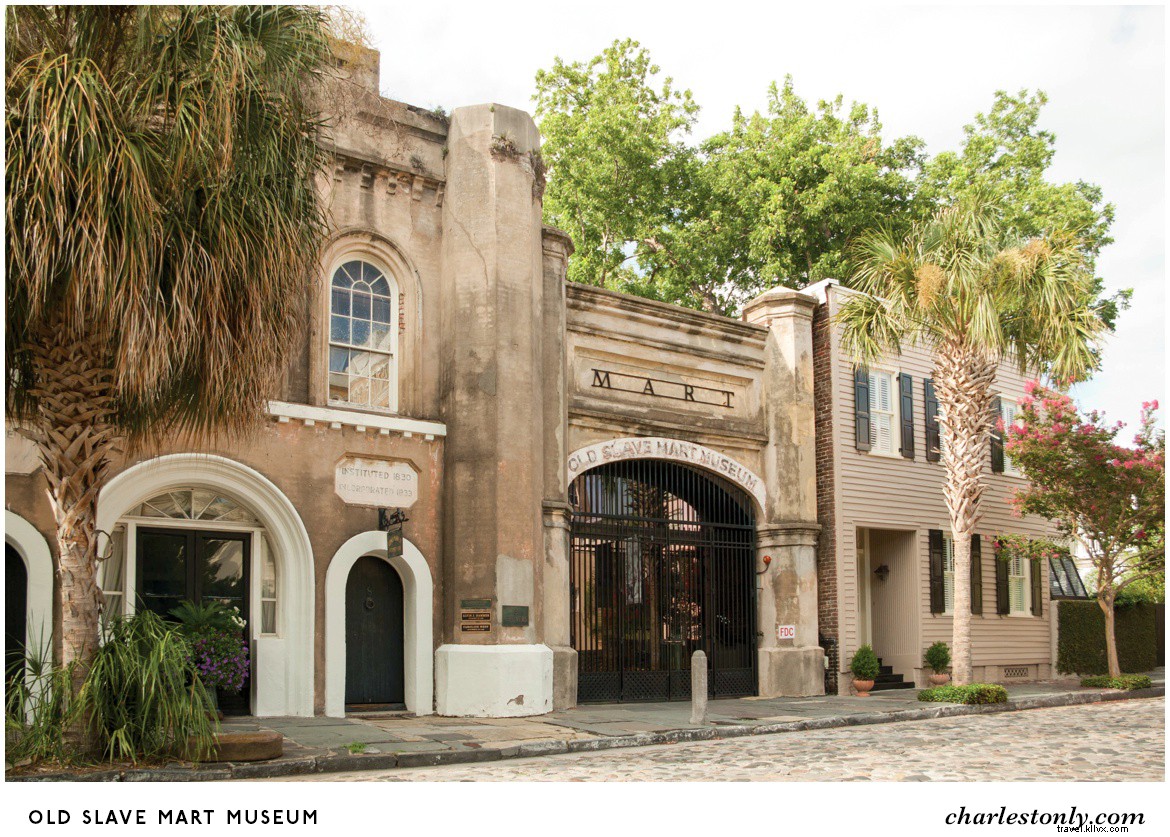
Old Slave Mart Museum
This museum presents a comprehensive narrative of the transatlantic slave trade and its profound effect on Charleston’s Gullah population, complete with original artifacts and interactive displays.
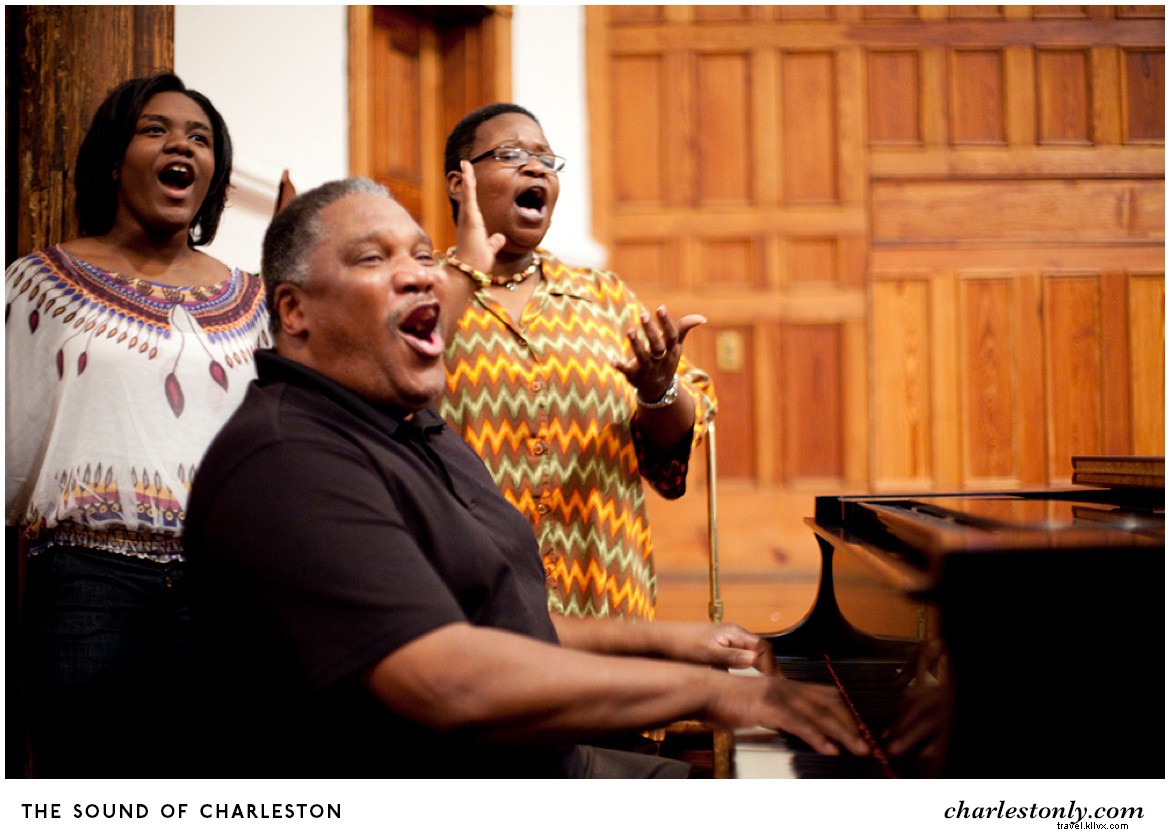
The Sound of Charleston
Explore the waterfront’s Gullah maritime heritage through guided boat tours that spotlight historic fishing villages and traditional boat‑building methods.
Sights & Insights Tour
A curated walking tour that weaves through Charleston’s Gullah landmarks, offering contextual storytelling from local historians.
Gullah Tours
Specialized tour operators focus on Gullah history, guiding visitors to lesser‑known sites and engaging with community elders for authentic narratives.
The Sweetgrass Pavilion
Dedicated to the craft of sweetgrass basketry, the pavilion hosts live demonstrations and offers visitors the chance to purchase handcrafted baskets directly from artisans.
Avery Research Center for African‑American History and Culture
Part of the College of Charleston, this research center houses extensive archives on Gullah culture, providing resources for scholars and the public alike.
Sweetgrass baskets—crafted from the region’s native reed—remain one of the most recognizable symbols of Gullah artistry. Many of the locations above offer hands‑on workshops where you can create your own basket under the guidance of seasoned artisans.