Venturing into Bolivia's Cerro Rico: A Firsthand Account of the 'Mountain That Eats Men'
On the morning of my Cerro Rico mine tour in Potosí, Bolivia, my companion Jess anxiously asked, “Why do you have to do this?” She was uneasy about the risks—potential collapses and hours crawling through narrow, muddy tunnels in harsh conditions—and had no desire to join.
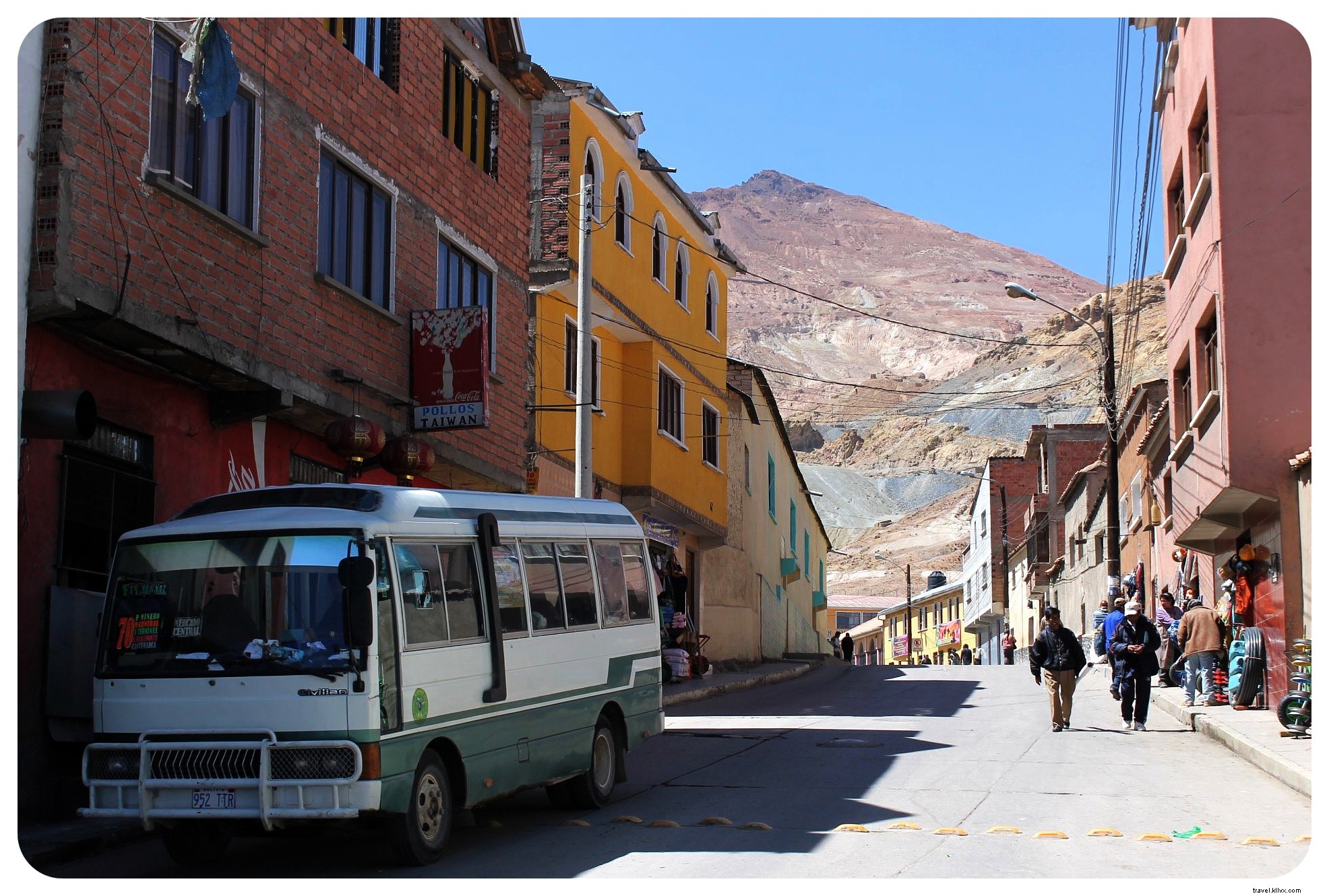
Yet, I was compelled to experience the reality inside this legendary mountain. Cerro Rico fueled Spain's wealth during the 16th-century conquest of South America, yielding enough silver to metaphorically build a bridge from Potosí to Madrid. Today, with silver depleted, Potosí—once the world's richest city—is Bolivia's poorest.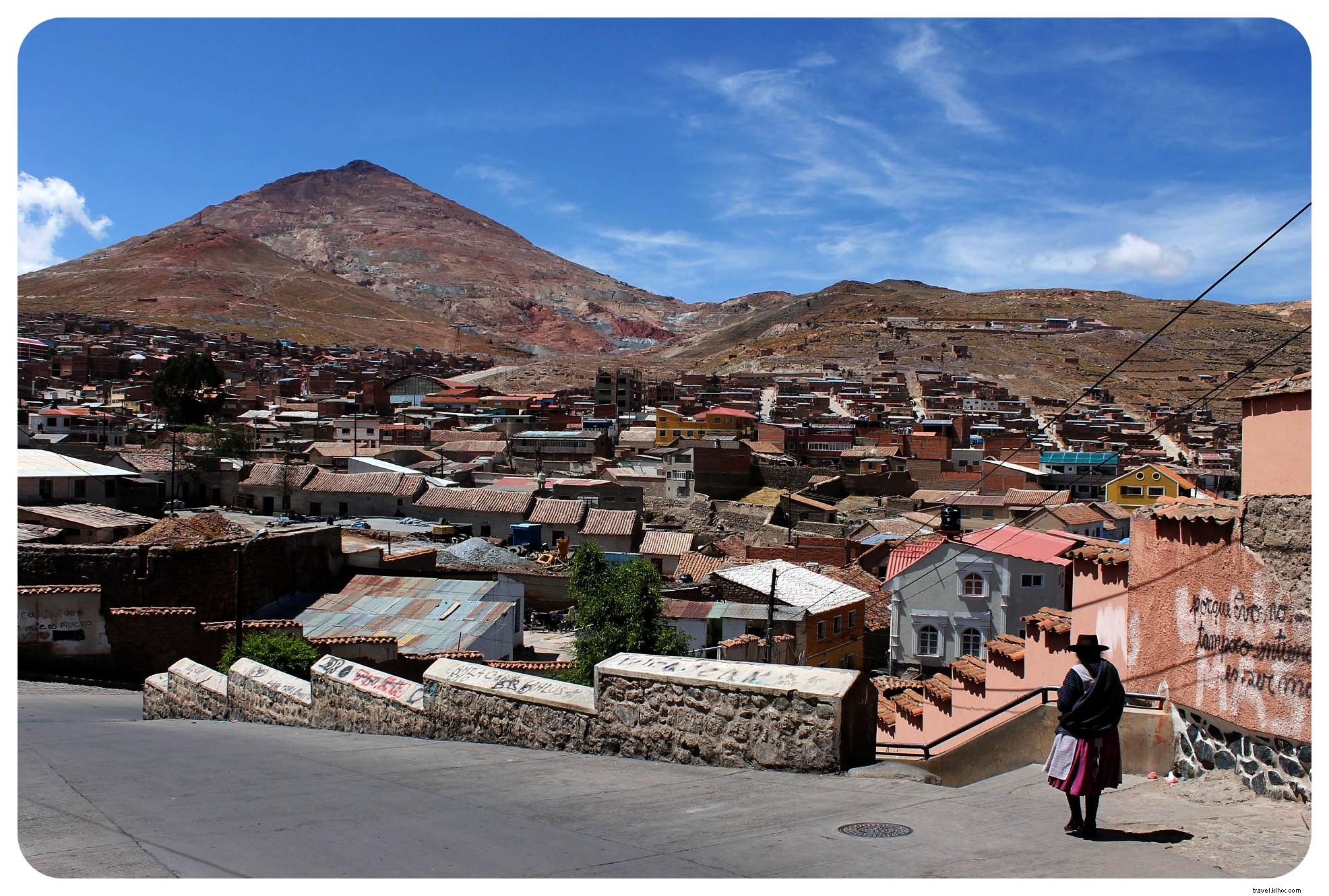
Why Take the Risk?
Reports of dangers—explosions, runaway trolleys, cave-ins, silica dust, asbestos, chemicals, and toxic gases—were sobering. This wasn't a thrill-seeking outing; it was an educational journey into harsh realities.
Miners enter daily despite no silver remaining. After the state enterprise closed in the late 1980s due to losses, cooperatives formed, extracting lead, zinc, and tin independently. The mountain, riddled with hundreds of tunnels like Swiss cheese, teeters on collapse.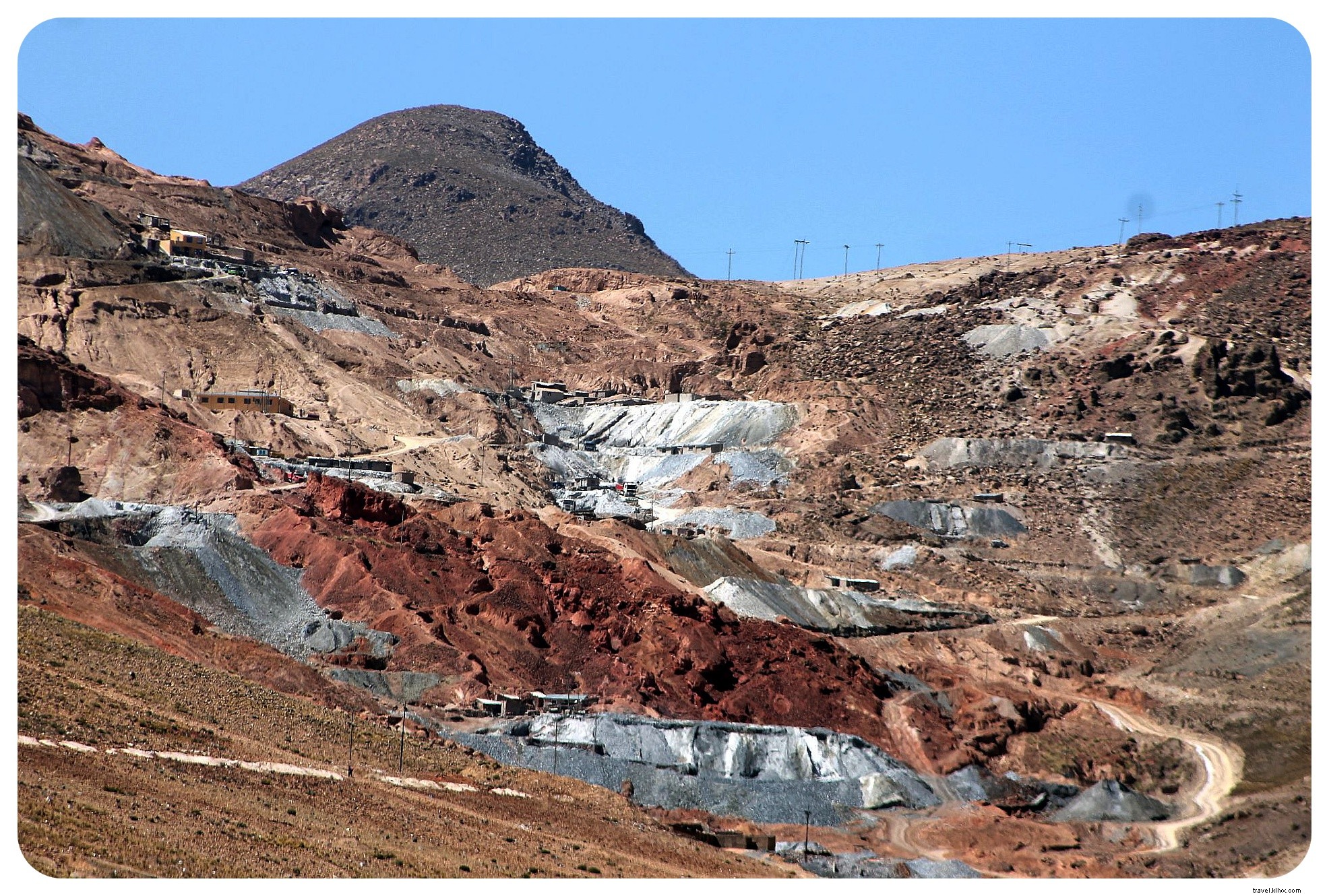
Reading pales against the sensory immersion: headlamp-lit darkness, gas odors, clamor, and claustrophobic passages.
I chose GreenGo Tours, a responsible operator avoiding sensationalism (unlike past dynamite demos for tourists). Our small group—me, a French couple, and guide Julio (a cooperative member)—ascended on a sunny Friday to learn about the mine, miners, and their lives.
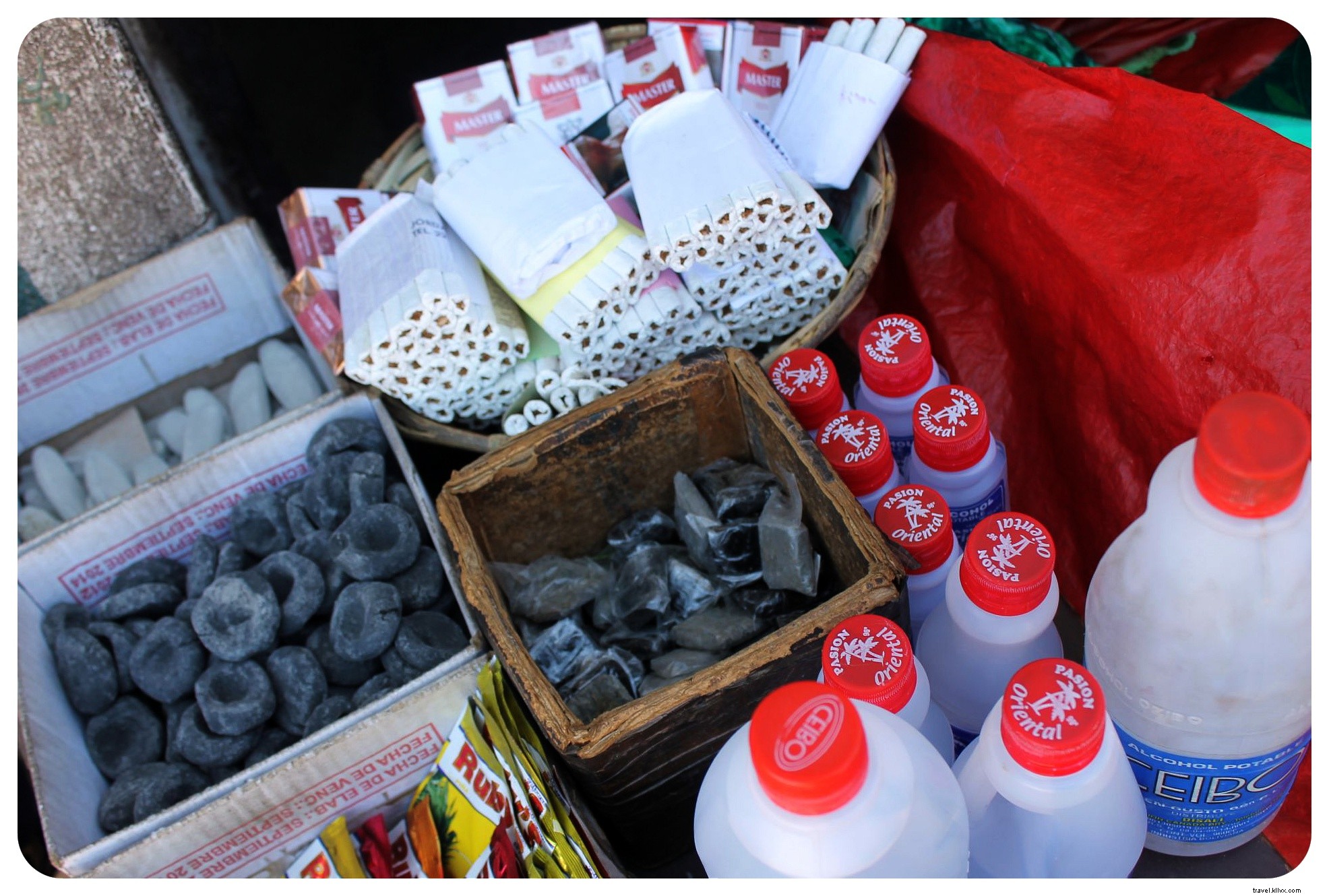
Cigarettes and Coca Leaves: Gifts for the Miners
Debate surrounds these tours—are miners like zoo exhibits? Many appreciate visitors' gifts and brief diversions. Tours begin at the miners' market: modest roadside shops selling boots, lamps, masks, juice, cigarettes, coca leaves, dynamite, and gloves.
Julio recommended juice, coca leaves, and cigarettes. Miners self-fund gear on meager salaries, making snacks a luxury.
Geared in protective suits and helmets, we boarded the bus amid amused glances—clearly not locals. At Julio's cooperative, resting miners cheered him, offering beer and banter, easing my concerns.
Julio shared miners' struggles: Avoid asking if they enjoy it—no one relishes 8-10 hours in stifling tunnels, but alternatives are scarce. Pay is 120 Bolivianos (~US$17.40) daily, or ~US$4,500 yearly—far above Potosí's US$1,503 average. Yet, as sole providers with depleting ores, 15,000 miners face uncertain futures.
The 400-member cooperative bans child labor, a past issue. Many deter sons from mining; one miner showed his 16-year-old the mine after a failed school year—the teen passed the next, vowing never to return.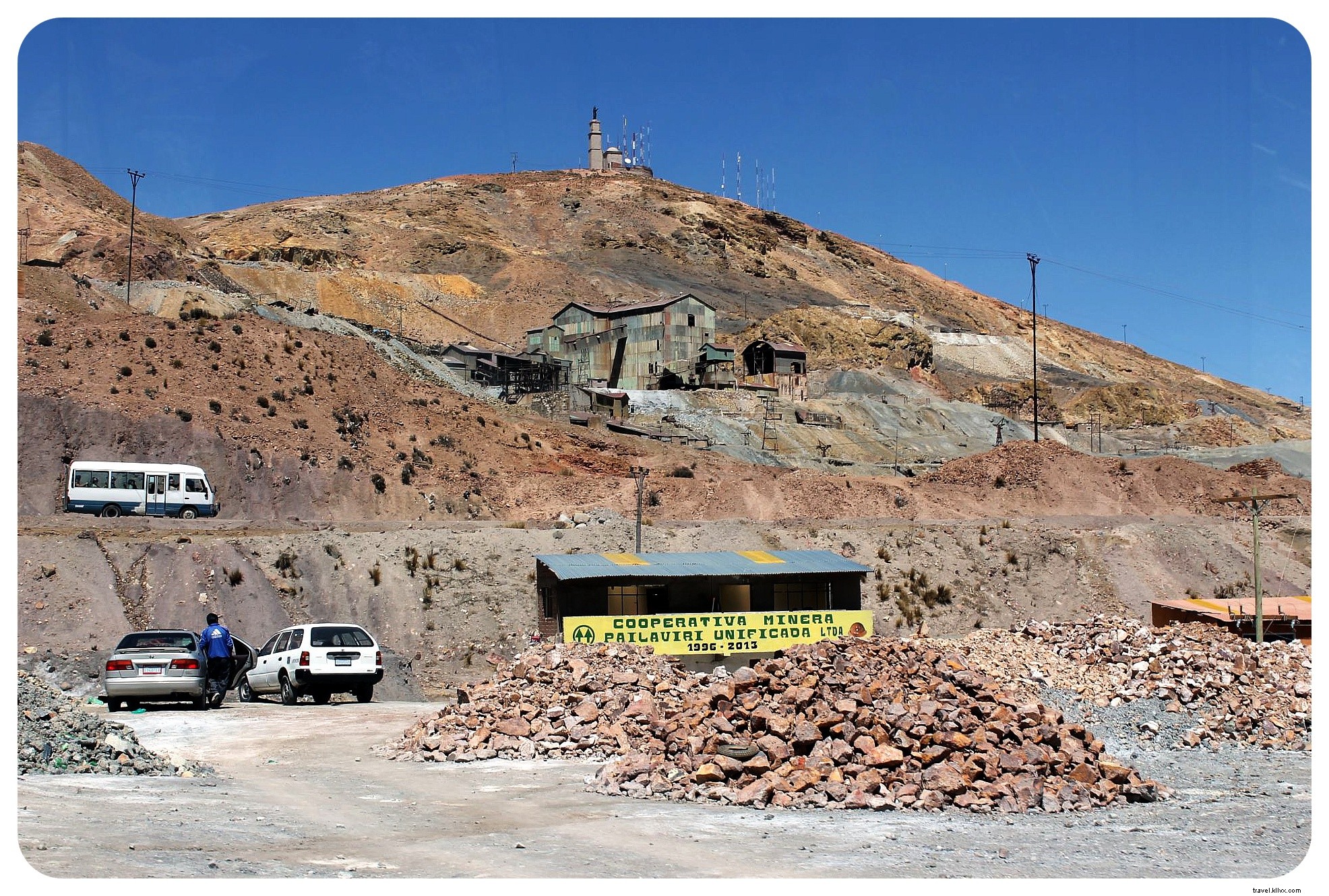
Inside the Mine: Battling Near-Panic
Entering the tunnel triggered fear—darker than expected, 50 years behind modern tech: no lights, antiquated trolleys. We hunched, running the first 300 meters from speeding carts. The first barreled past, millimeters away; I prayed, heart pounding.
Julio pressed on; I followed, panic rising amid thin air and memories of recent craters and geologists' collapse warnings.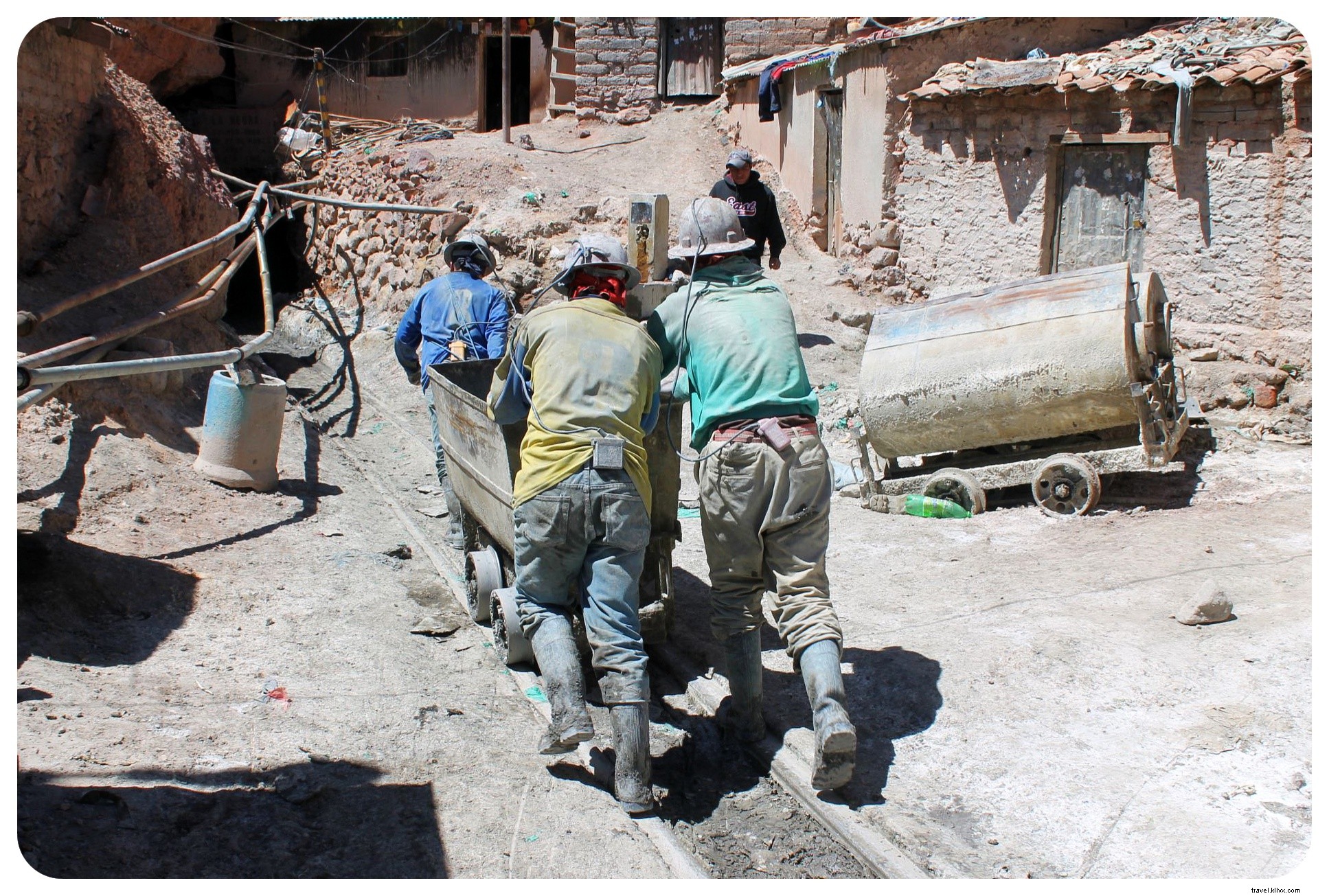
700-pound trolleys, pushed by three without brakes, often derail—a top hazard. Young pushers requested juice; Julio tossed a 2-liter bottle aboard.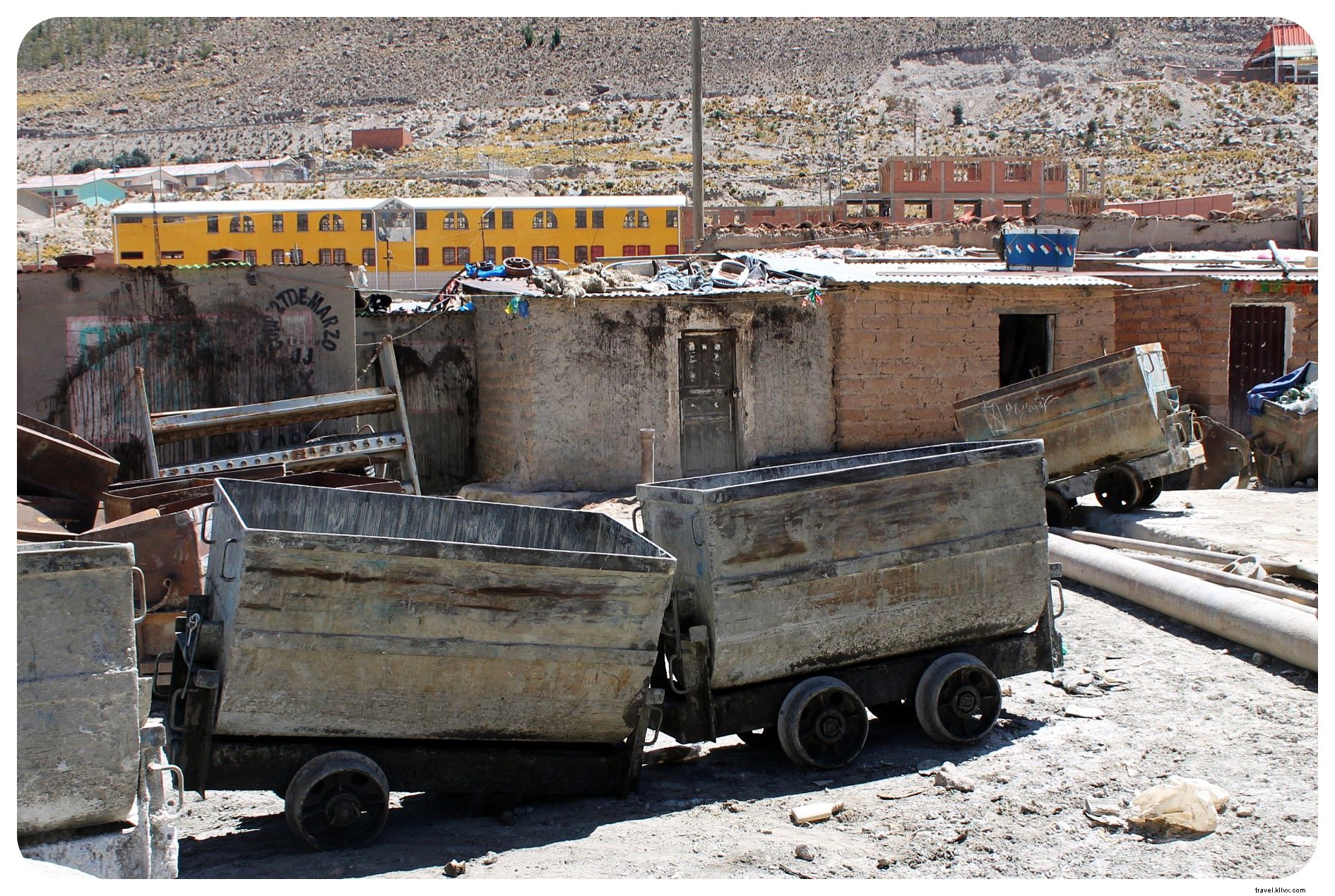
Breaks allowed chats: origins, families, jobs. Deeper in, I calmed slightly, though tense from collapse fears and dusty air.
Julio fetched Ernesto, prepping dynamite. Explosions echoed; I cowered. No dust cloud followed. Ernesto, petite for tight crevices, refilled coca (cheek-stuffed for hunger suppression and alertness).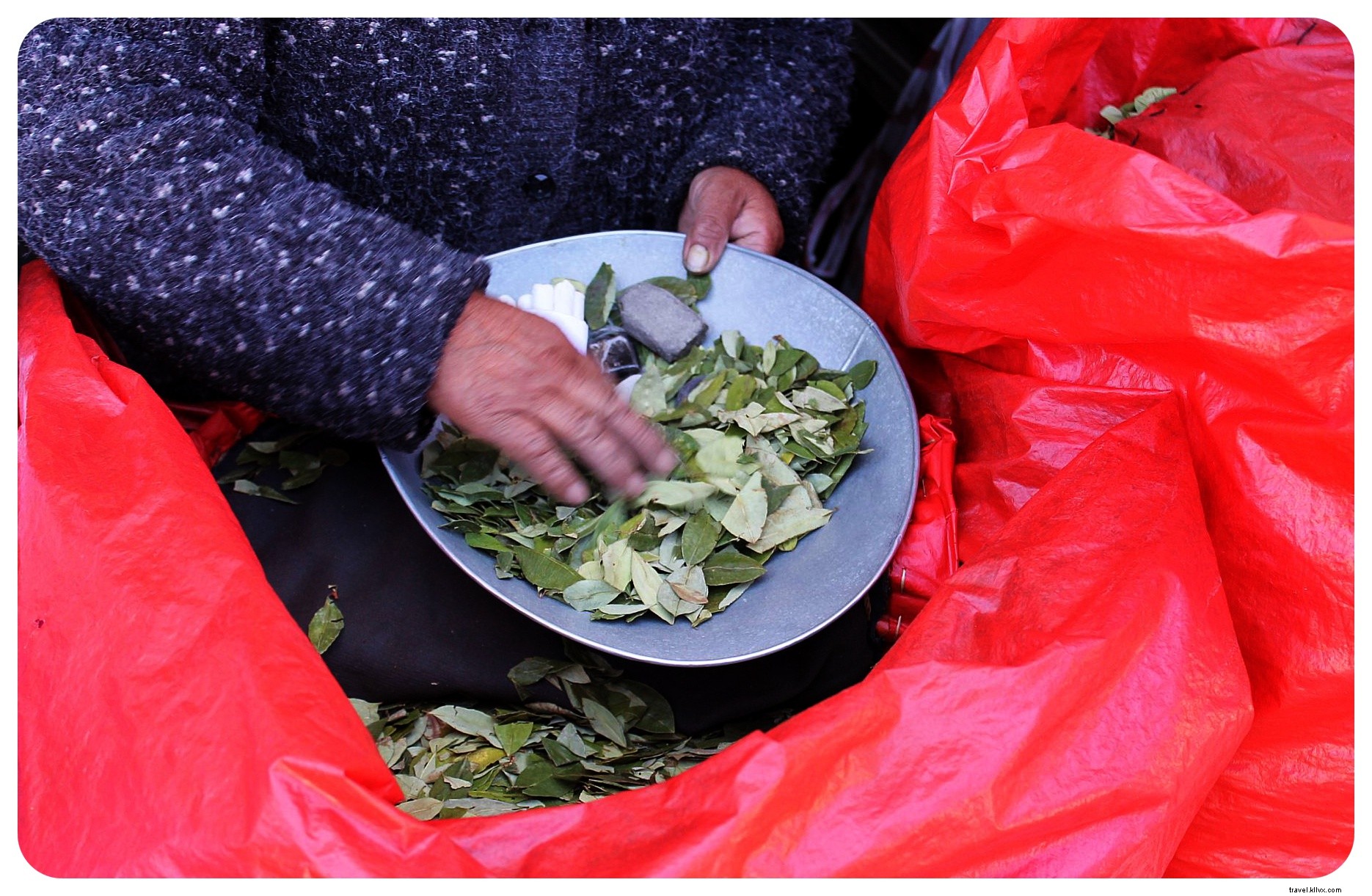
Specialized roles: youth load trolleys, others excavate or tunnel.
Horrific Working Conditions
Obsolete methods persist: hammer-and-chisel excavation, no ventilation, unreplaced rails. No safety rules; maskless miners inhale toxins. Ore bags reach 80 pounds (36kg). Since 16th-century enslavement of Quechua, thousands perished—earning its name La montaña que come hombres (mountain that eats men). Survivors face lung diseases.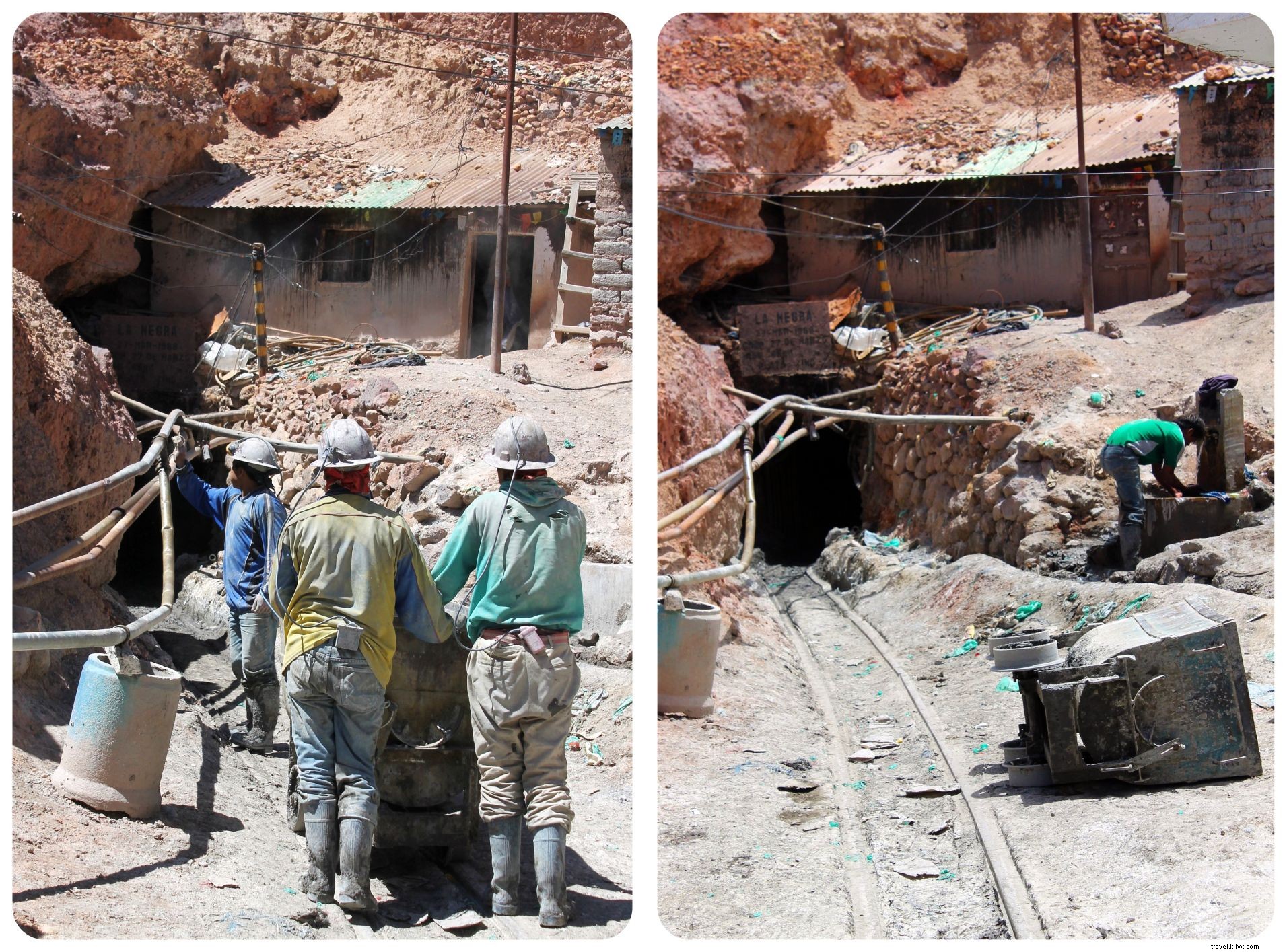
Young miners bantered curiously. Juice gone, I shared my water—they'd toiled since 8am in 40°C heat, dehydrated.
Exiting brought relief; sunlight blinded. I emerged alive, grappling with miners' 60-70 weekly hours.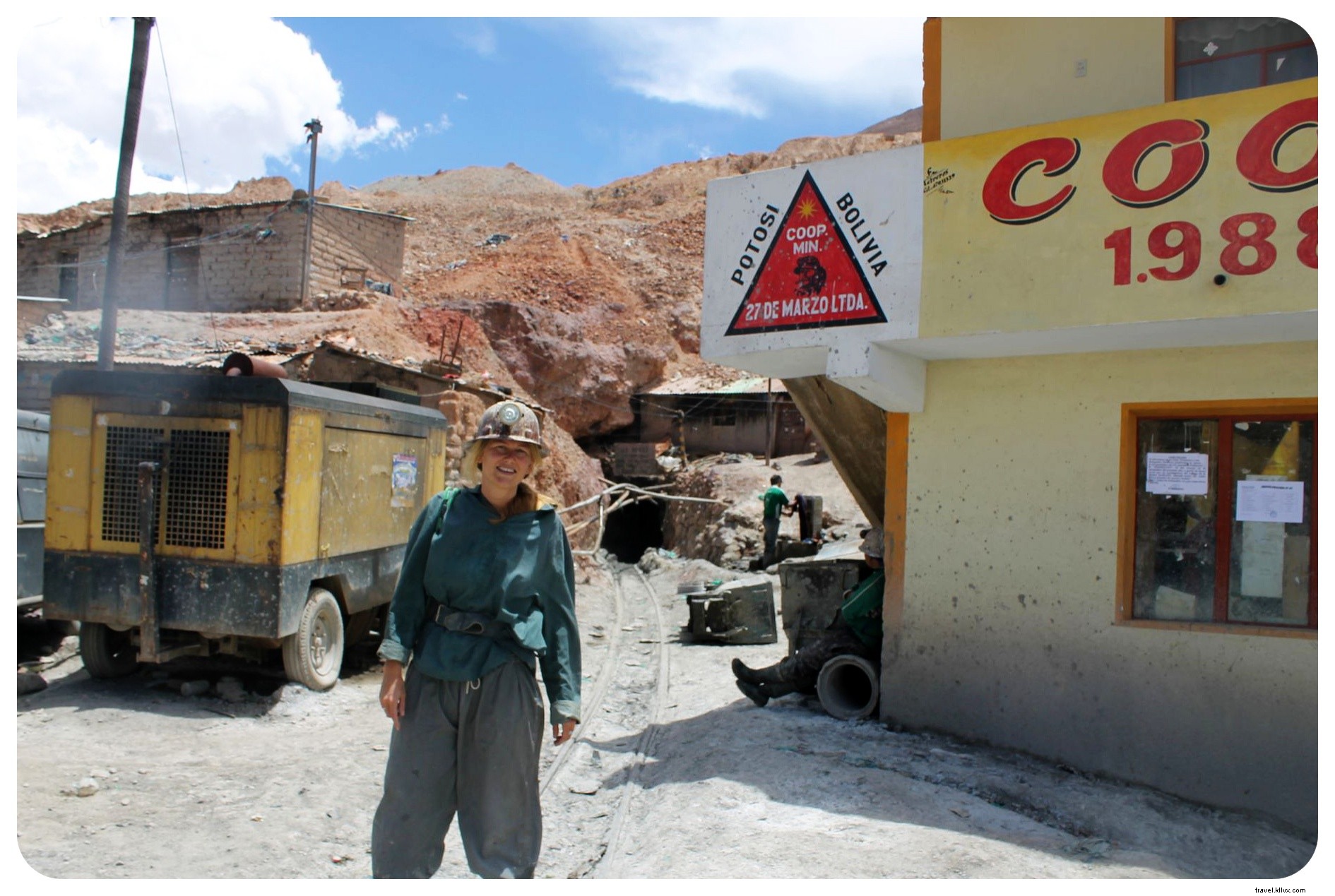
Despite panic (I'm not typically claustrophobic), I'm grateful: eye-opening, fostering appreciation for mining's toll.
Tips for Visiting Cerro Rico
Skip if claustrophobic.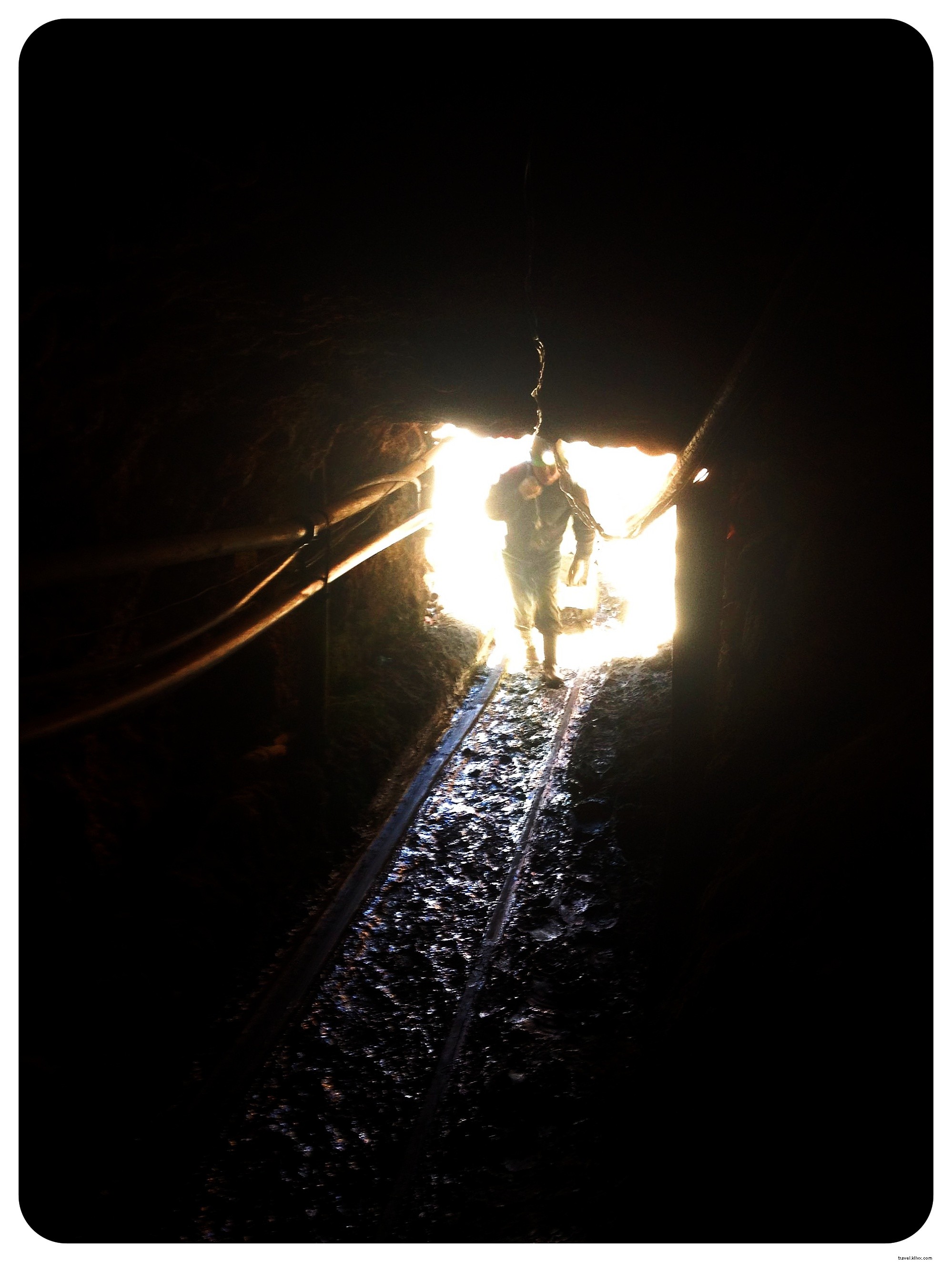
This unforgettable tour shifts perspectives. Opt for educational operators like GreenGo Tours (run by ex-miner Julio, cooperative member): BOB130 + BOB50-100 gifts.
Avoid Sundays (mine closed; some tours run). Wear a dust mask. Bag your camera.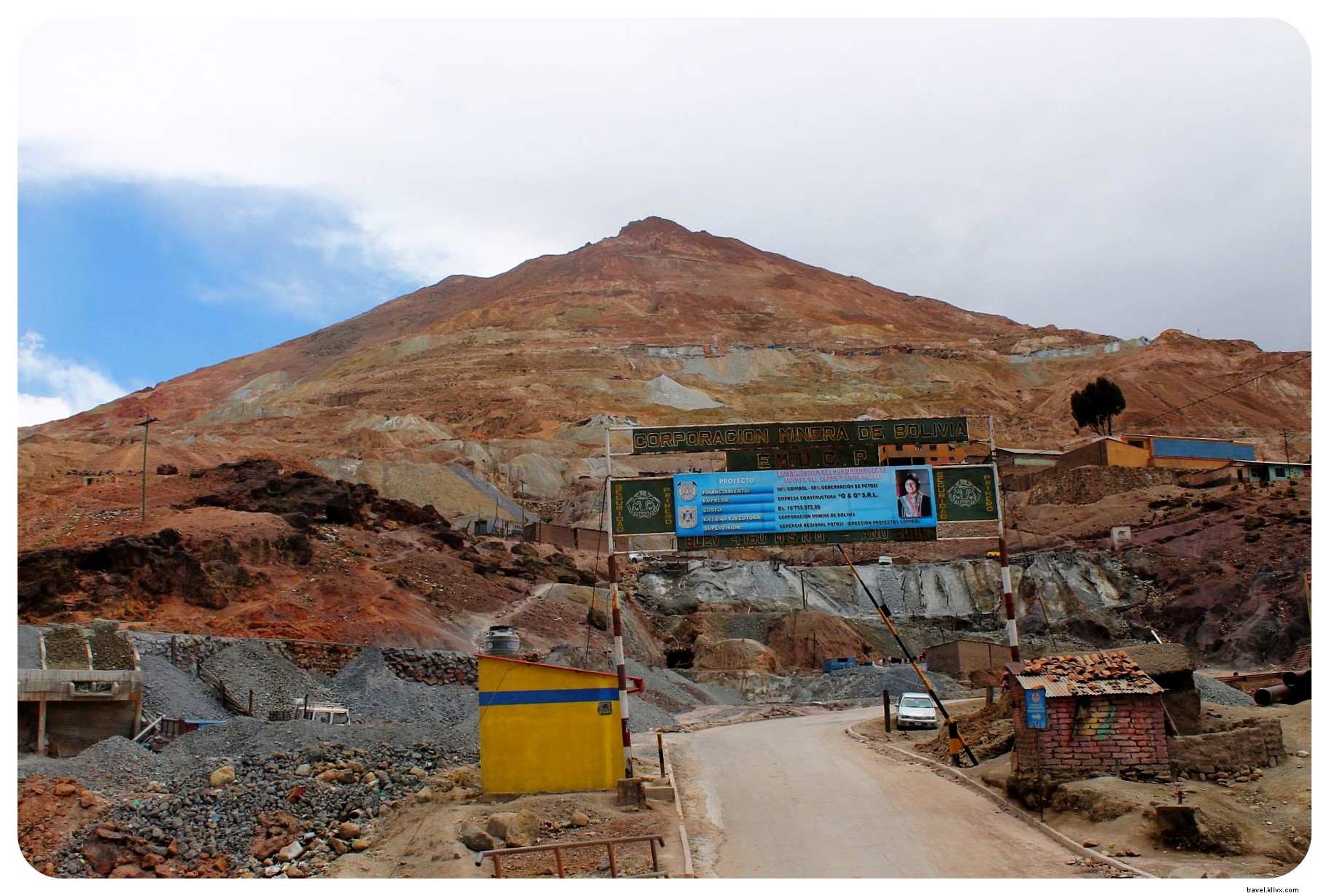
Human zoo or educational? Share below!