A Traveler's Heartache: Animal Welfare Challenges in Thailand
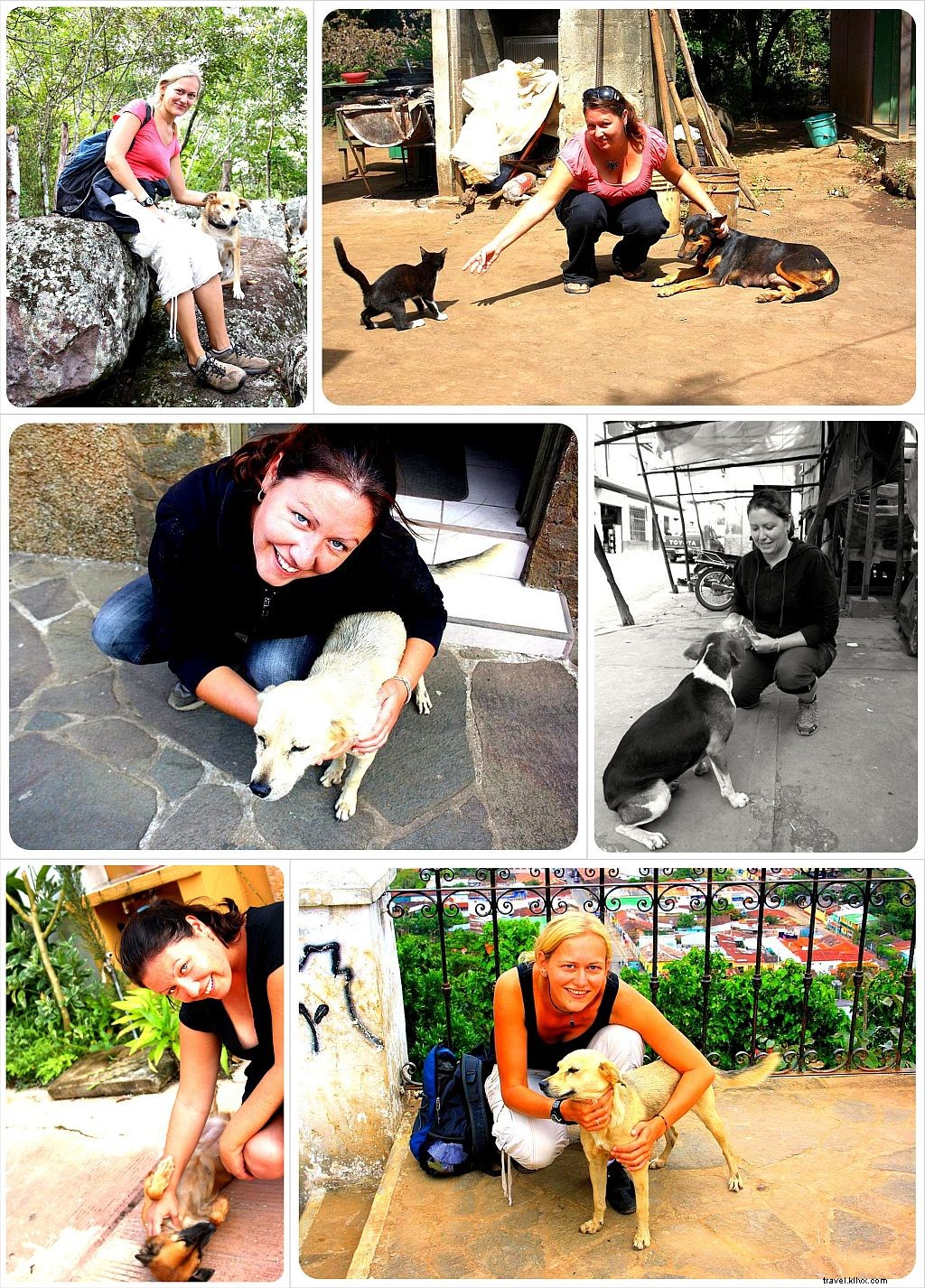
As passionate travelers and animal lovers, we've discovered that life on the road often leaves our legs covered in flea bites and mosquito welts—marks of irresistible encounters with stray dogs and cats whose tails wag or meows beckon us to stop and play.
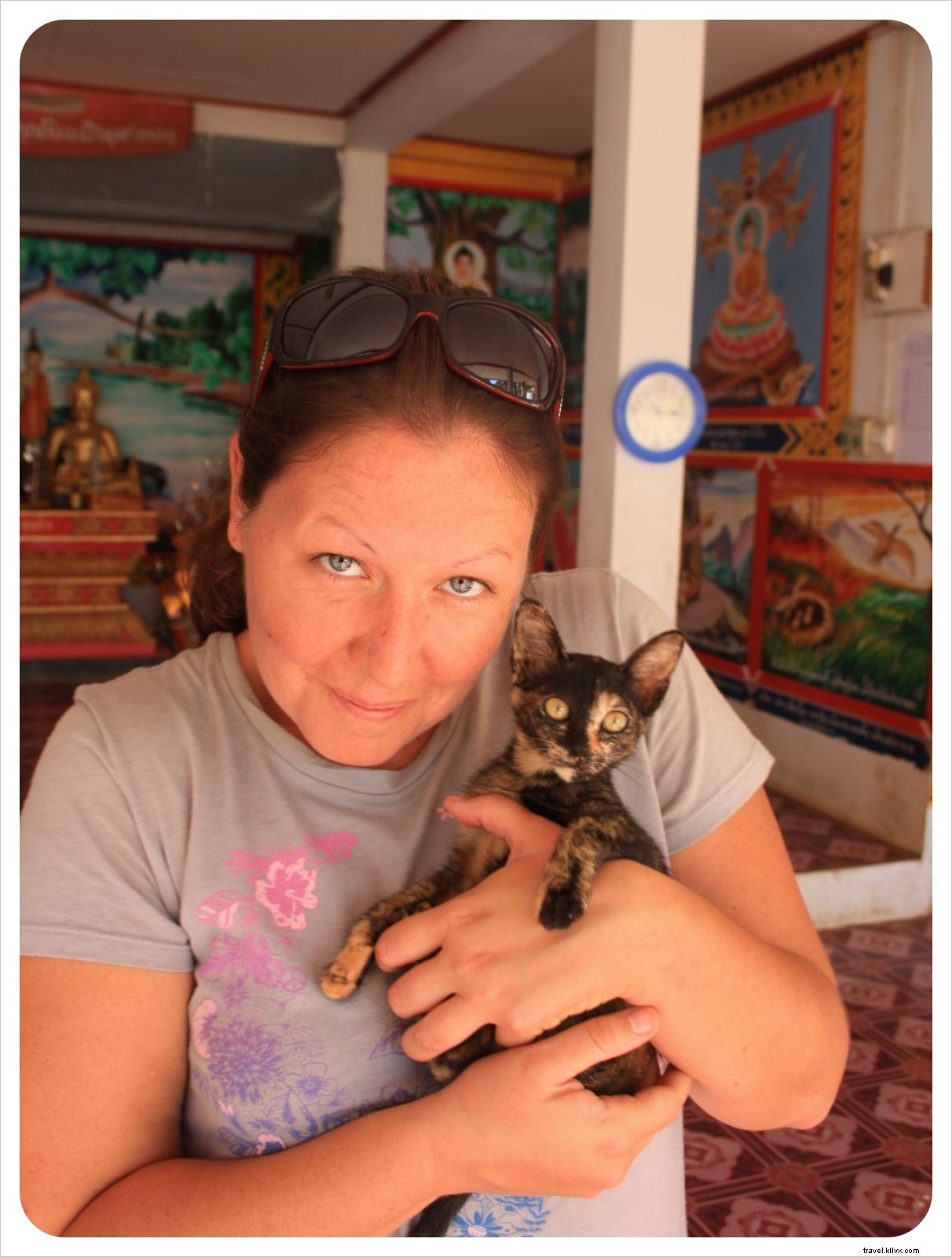
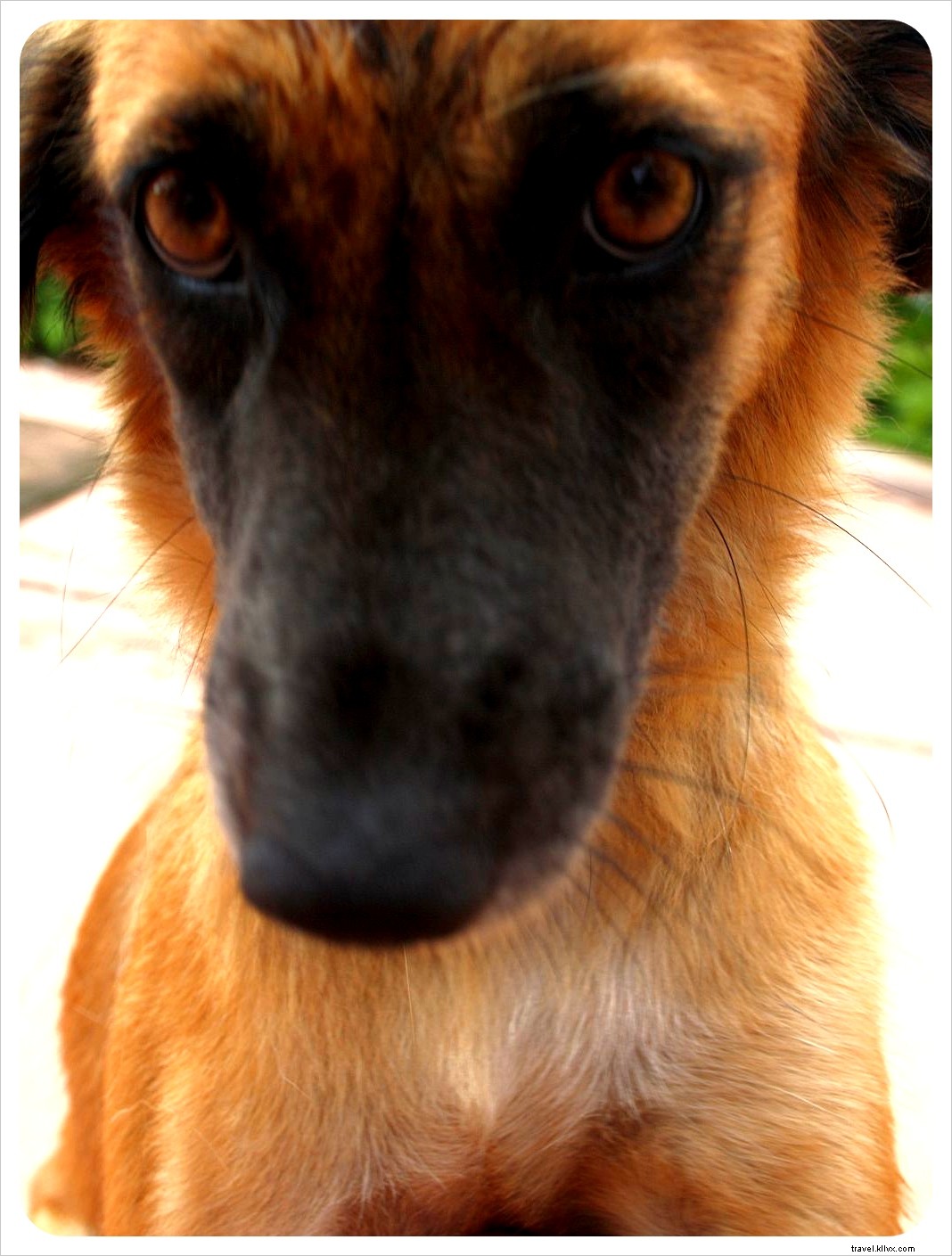 Just weeks ago, I sat alone on a quiet side street in Thailand with a beautiful gray kitten. My companion, Dani, had dashed to a market stall for meat to quiet his persistent meows. As I waited on the curb, the melancholic strains of a sitar drifted from a darkened temple, its golden roof tiles glinting faintly. The kitten curled up, adding his rhythmic meows and purrs to the serene soundscape.
 But You're a Buddhist...
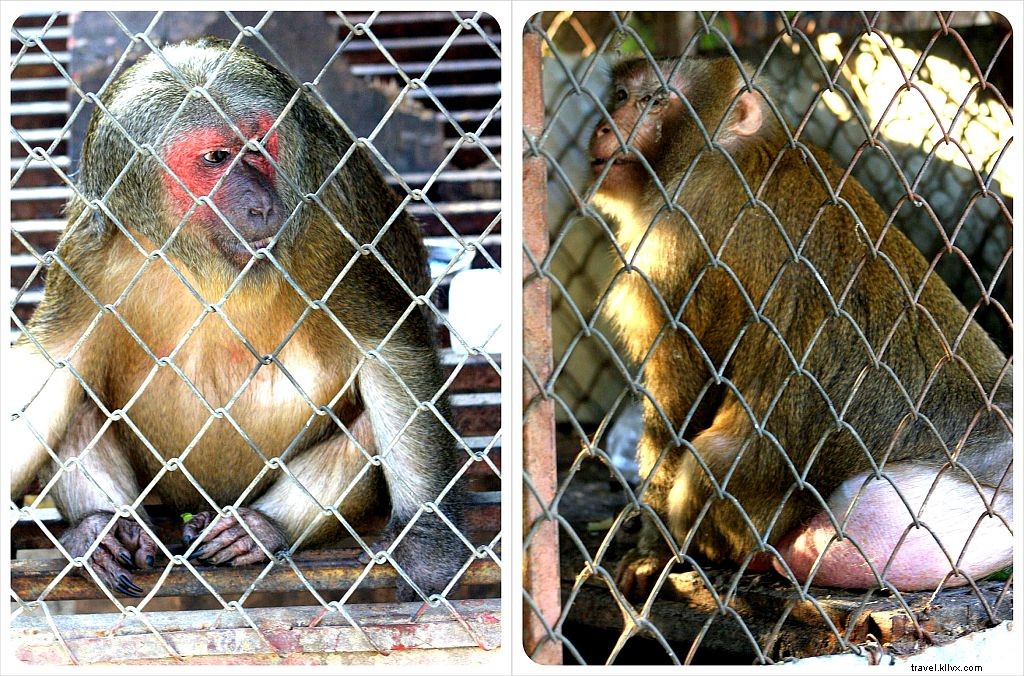
Immersed in this peaceful moment, I pondered the animals sheltered within the temple (we'd learn more the next day during an unexpected encounter with a monk). Temples in Thailand often serve as safe havens for strays—until the previous morning, when Dani returned distressed from photographing local temples. Inside one, she found two healthy adult monkeys confined in tiny cages, a stark contradiction to Buddhism's stance against animal cruelty.
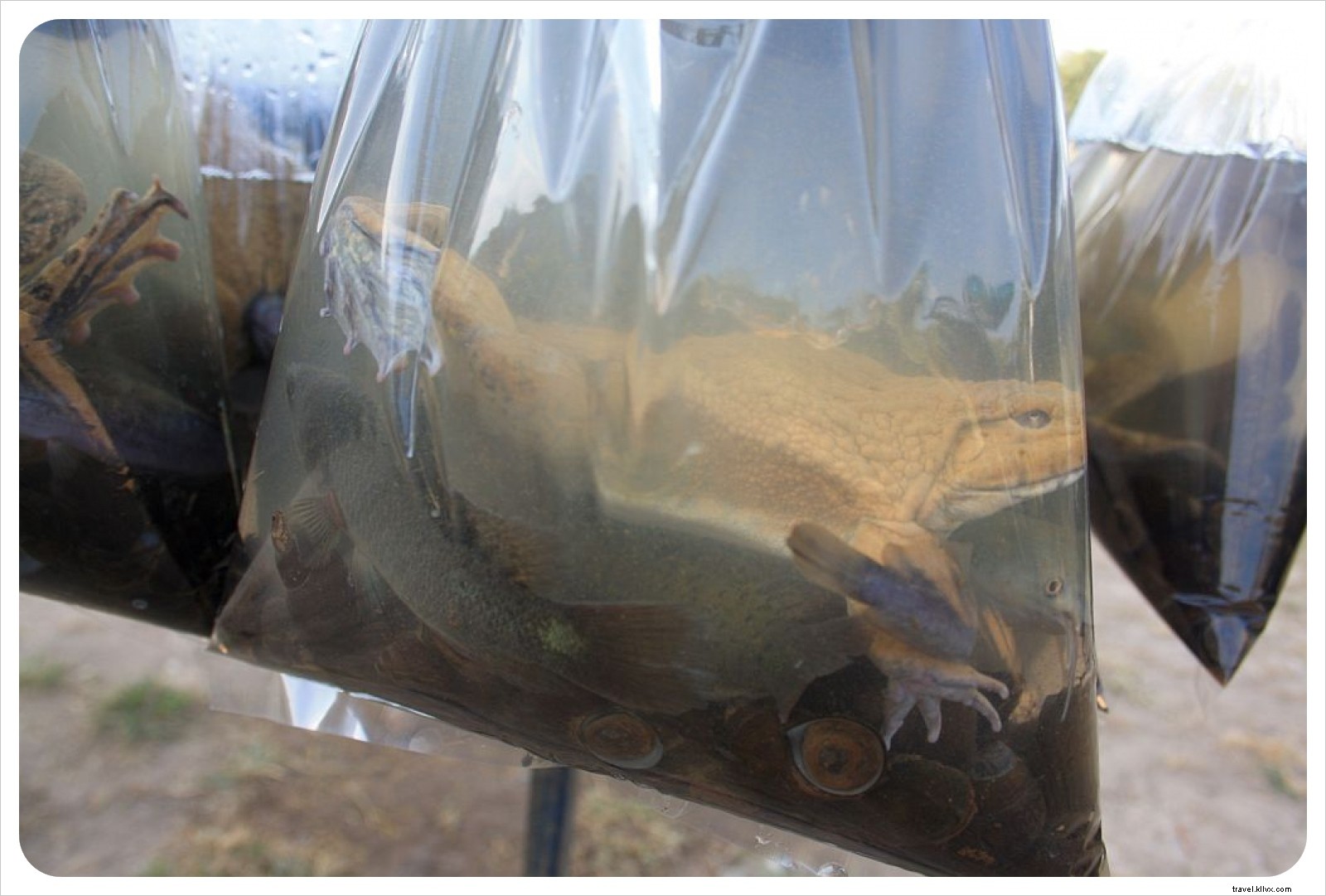
 Equally troubling is the local belief that releasing certain animals brings good luck. At temples, visitors buy baskets of birds to free; near water, vendors sell bags of toads, fish, turtles, crabs, and eels for release. Tragically, these animals are recaptured daily by the same sellers, perpetuating the cycle.
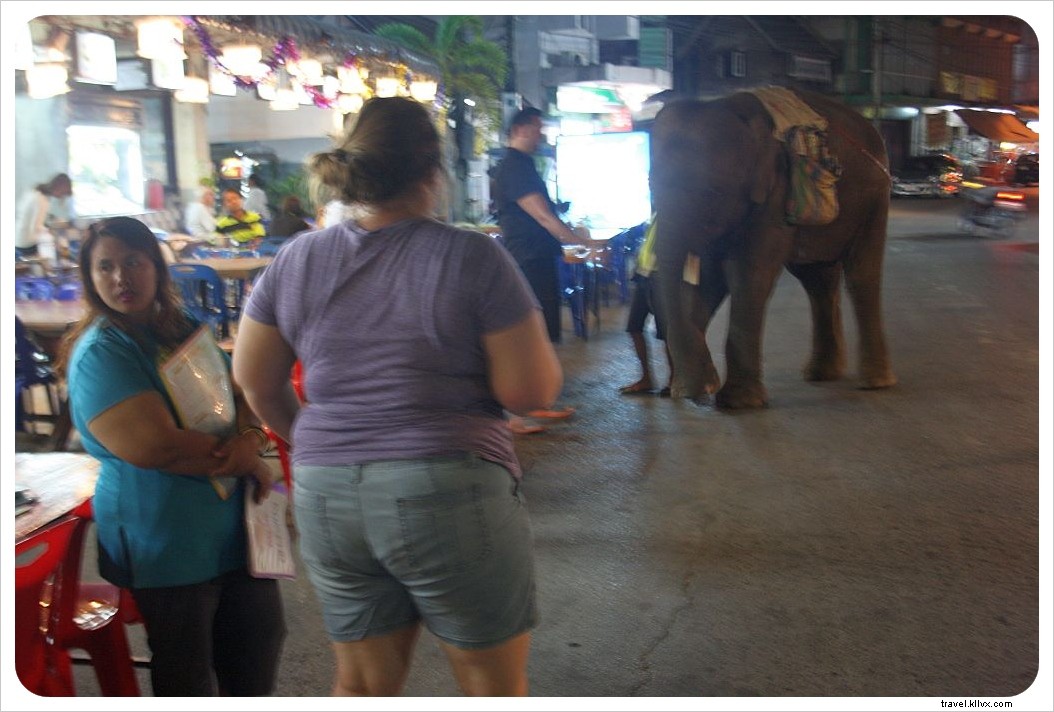
 Nothing troubles us more than the treatment of elephants, Thailand's revered symbol. Just before meeting the kitten, at a night market dinner, a mahout (elephant trainer) approached with bananas and sugarcane. Moments later, a baby elephant was paraded on a rope, rocking distressingly back and forth—a sign of severe stress unfamiliar to most tourists but heartbreaking for us.
 In December, we visited Elephant Nature Park near Chiang Mai with friends, meeting founder Lek, a petite Thai activist dedicated to rescuing elephants and allowing them natural lifespans of 70-100 years.
There, we learned the horrific abuse endured by circus, logging, and tourist elephants: mahouts 'breaking' their spirits through torture, back-breaking loads, and punishments like eye stabbings for resistance.
The sanctuary educates against tourist rides, noting elephants sense primarily through their feet' nerve endings. City streets bombard them with vibrations from traffic and crowds—akin to constant sensory overload for humans.
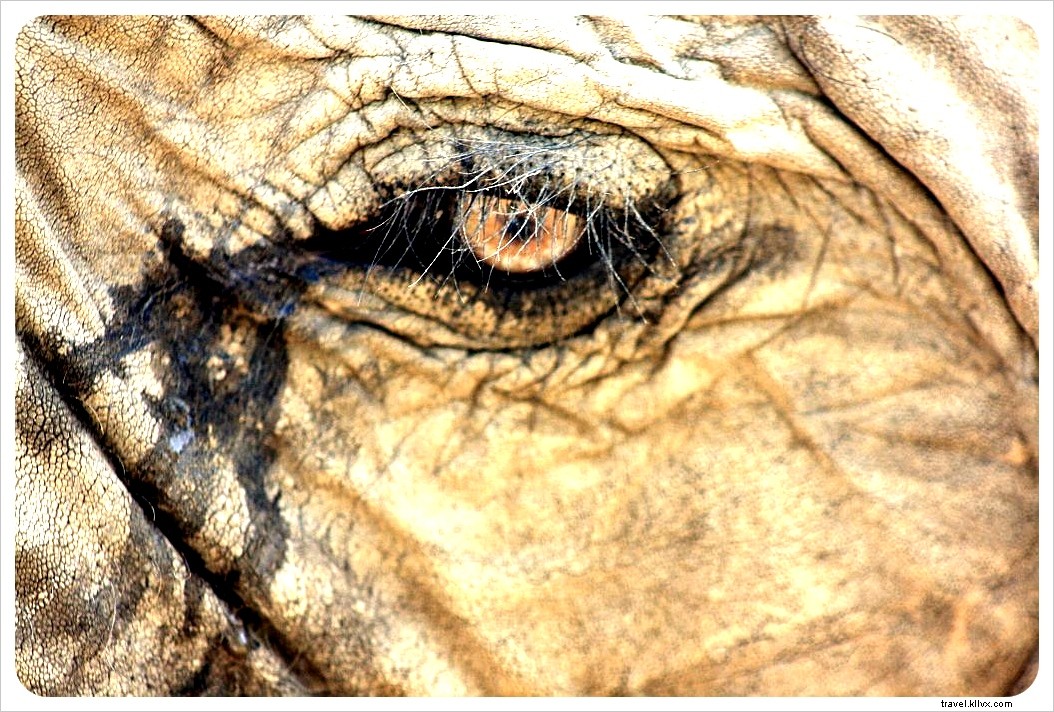 Tears streamed down the baby elephant's face as it ate, appetite uncertain. We abandoned our meal, unable to stomach the disguised cruelty.
Sitting there, reflecting on the elephant, cat, and caged monkeys, I felt a surge of anger and pity amid the sitar's tear-like melody.
So, This Elephant Walks into a Bar...
Glancing toward the main road for Dani, I heard excited yelps from a nearby bar. Amid blasting music, foreigners gathered downstairs around yellow bananas—the same baby elephant now on a busier street. Overwhelmed by delighted squeals, honking traffic, whips, and ropes, I averted my eyes, stroking the cat.
The temple music faded; Dani soon returned with meatballs. The kitten preferred cuddles over food.

It's a Dog's Life...
Reluctantly parting from the cat, we headed to our hotel, greeted by its resident 'hotel dog'—ribs visible, scarred, but loyal. We fed him the remaining meatballs.
Over two years of travel, we've witnessed widespread animal mistreatment, from Guatemalans hurling shoes at strays to Thailand's paradoxes: flea-ridden, injured street dogs shooed away, while pampered pets don sweaters, shoes, and ride motorbikes like babies.
 These sights break our hearts. We buy dog food, save breakfast meats, and care for strays despite not owning pets. Being animal lovers on the road grows emotionally taxing.