Discover Authentic Mexico: Art, Mariachis, and Tequila in Guadalajara
Guadalajara wasn't initially on my Mexico travel radar. My wishlist featured destinations like San Miguel de Allende, Guanajuato, Copper Canyon, and Pacific Coast beaches such as Puerto Vallarta, Sayulita, and San Pancho—places highlighted by travel bloggers during their winter escapes.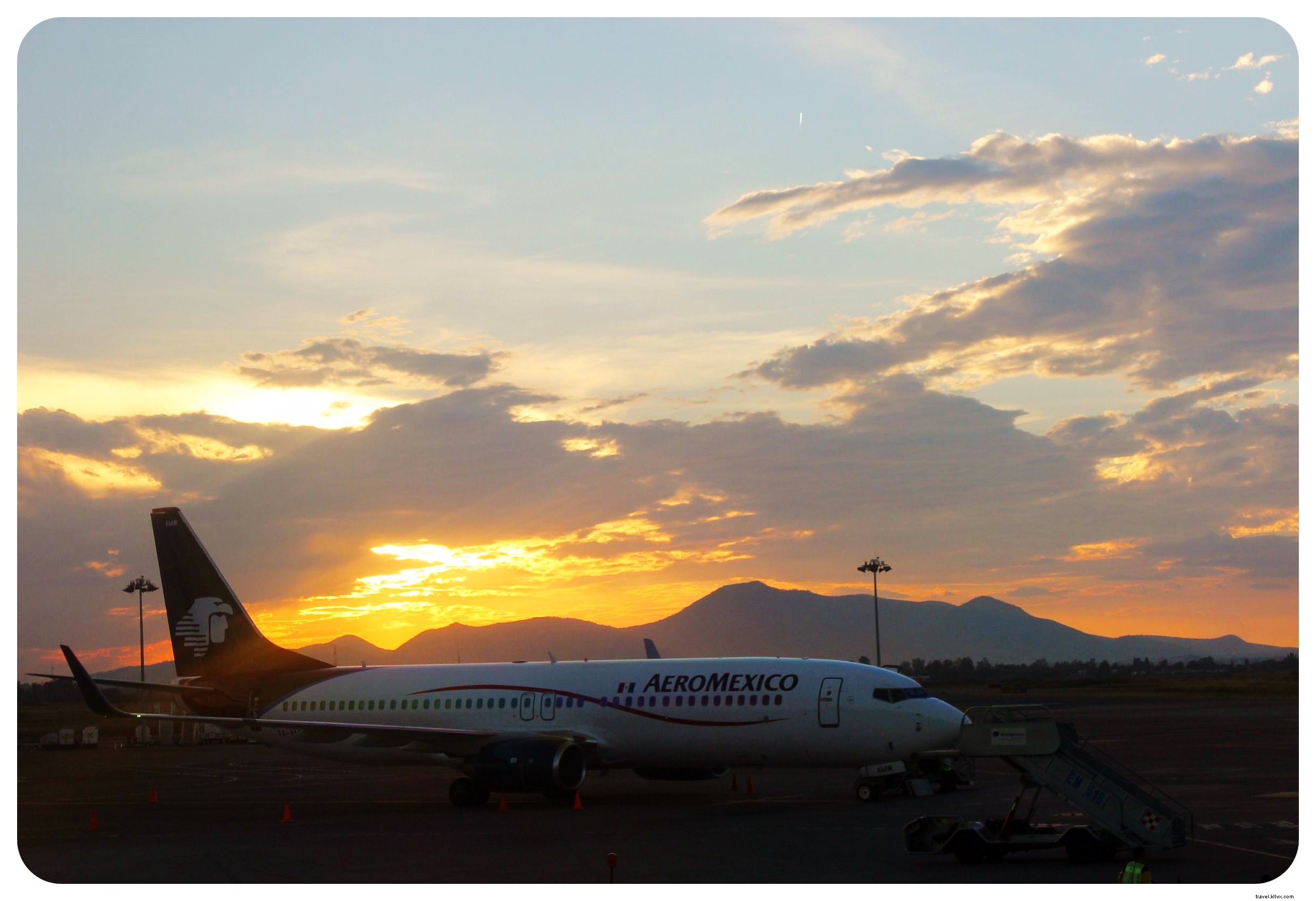 However, Guadalajara's proximity to these beaches made it an ideal base. As Mexico's cultural capital in 2005, a vibrant university city with world-class art museums, a historic center, and murals by the renowned José Clemente Orozco, it promised rich experiences. A last-minute flight deal from Los Angeles ($109, booked three days ahead) confirmed my choice.
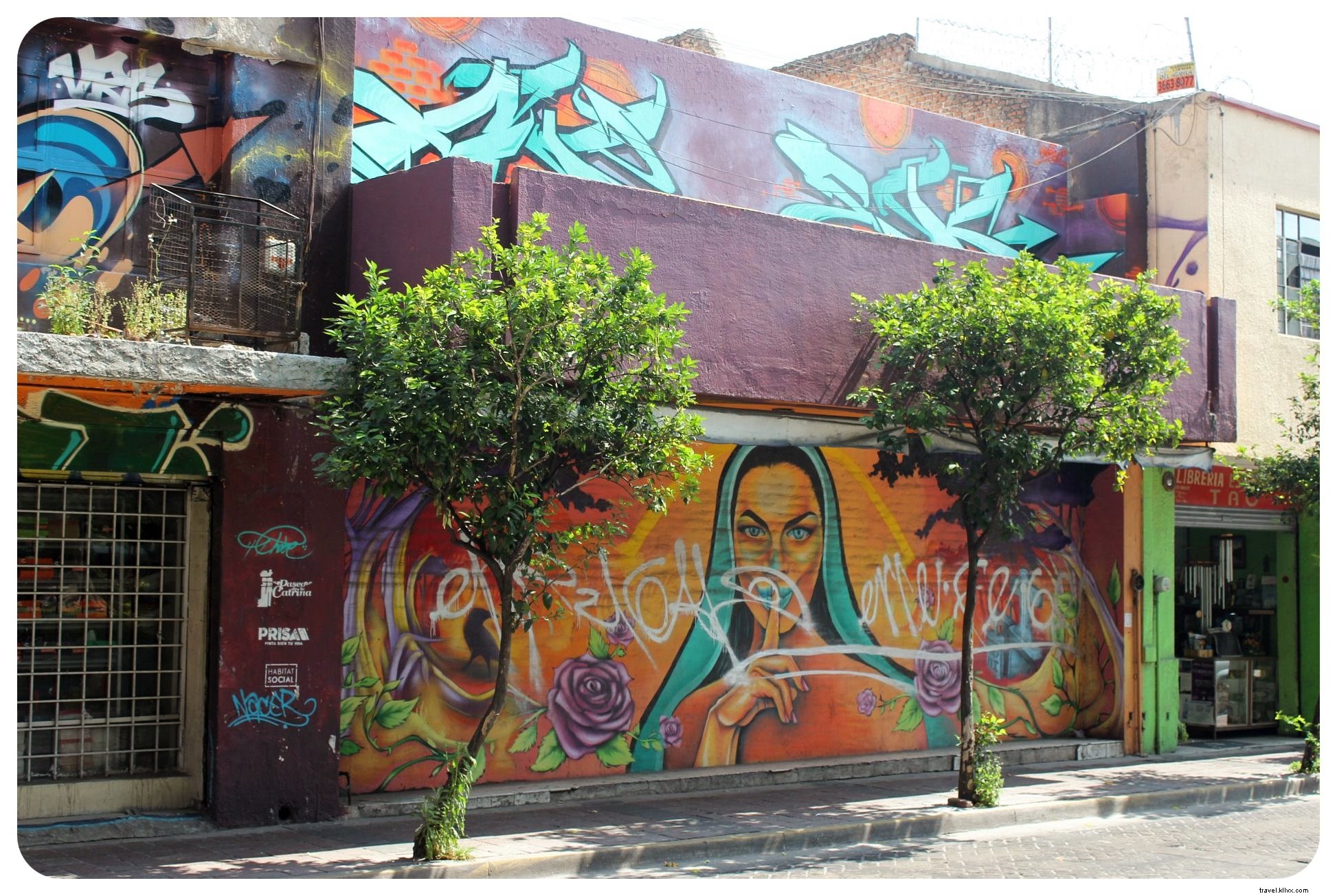
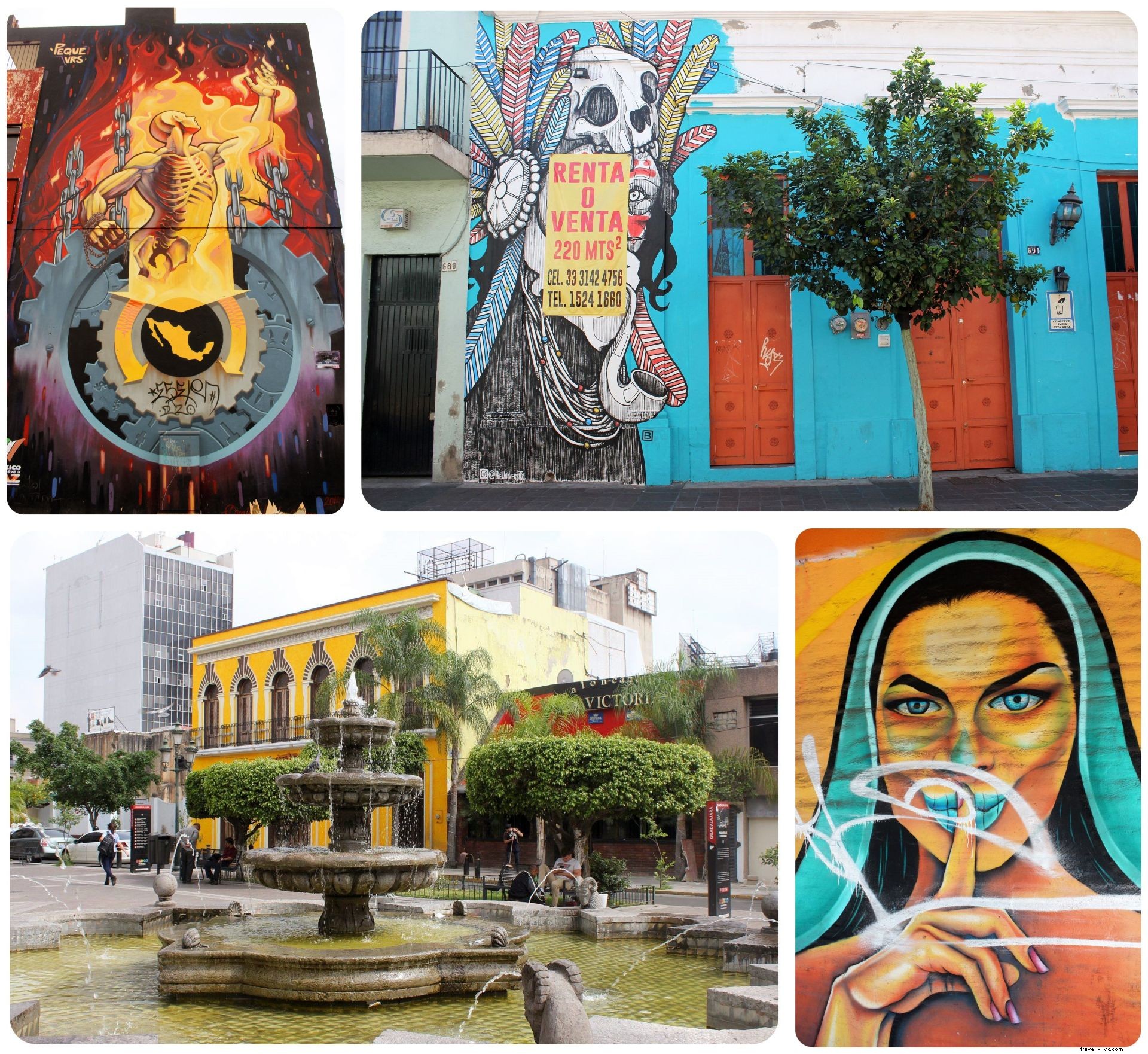
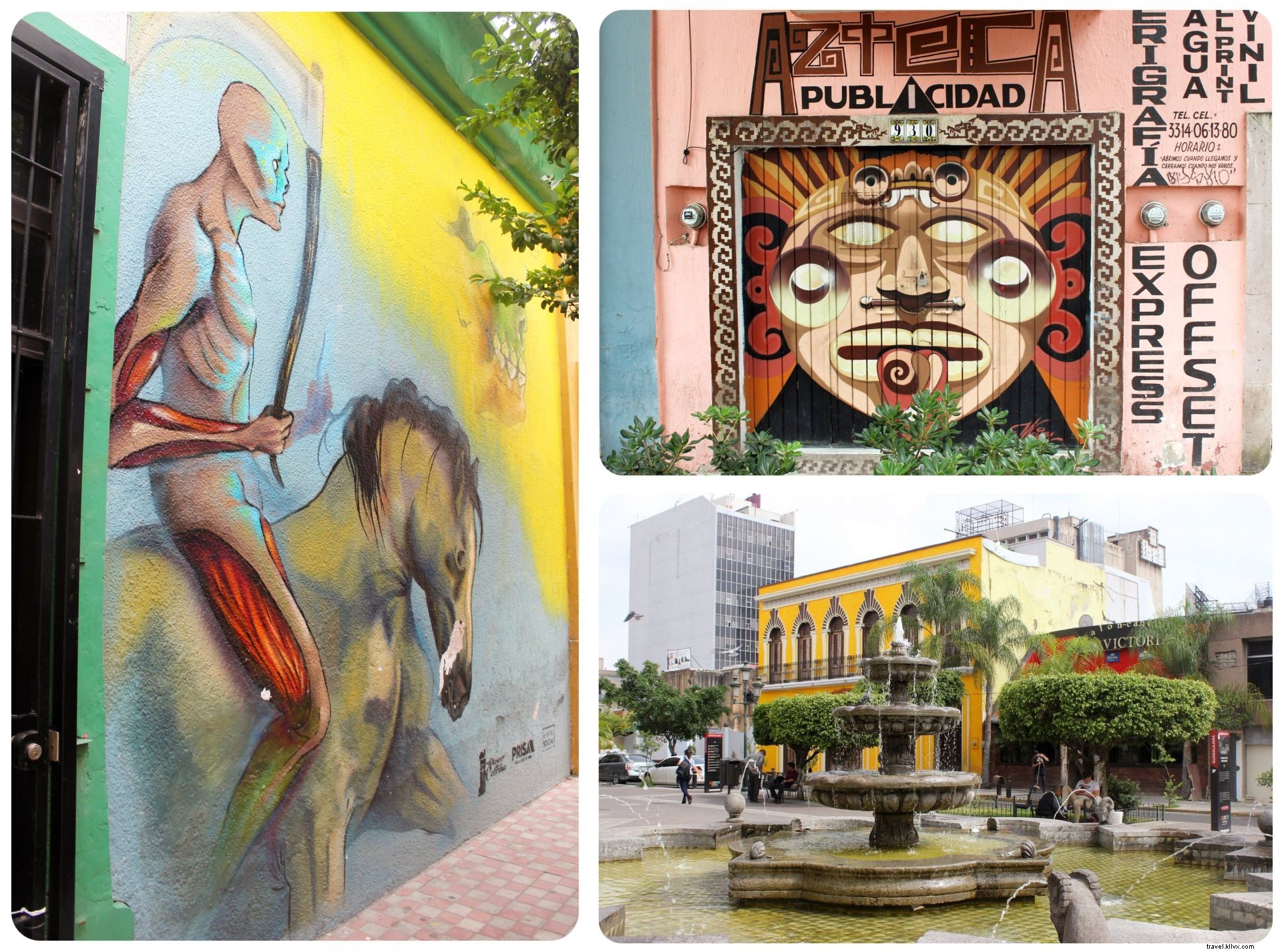
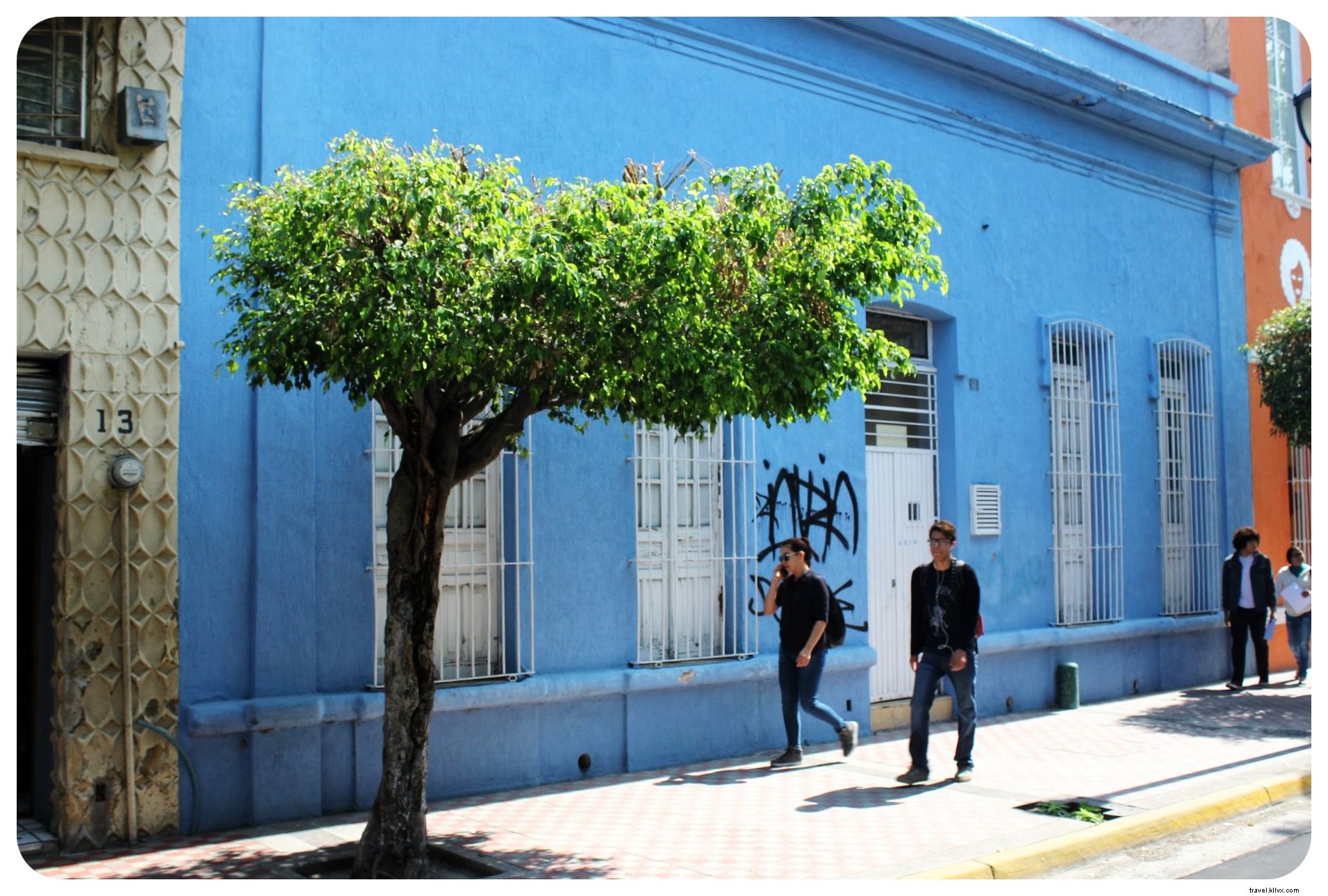
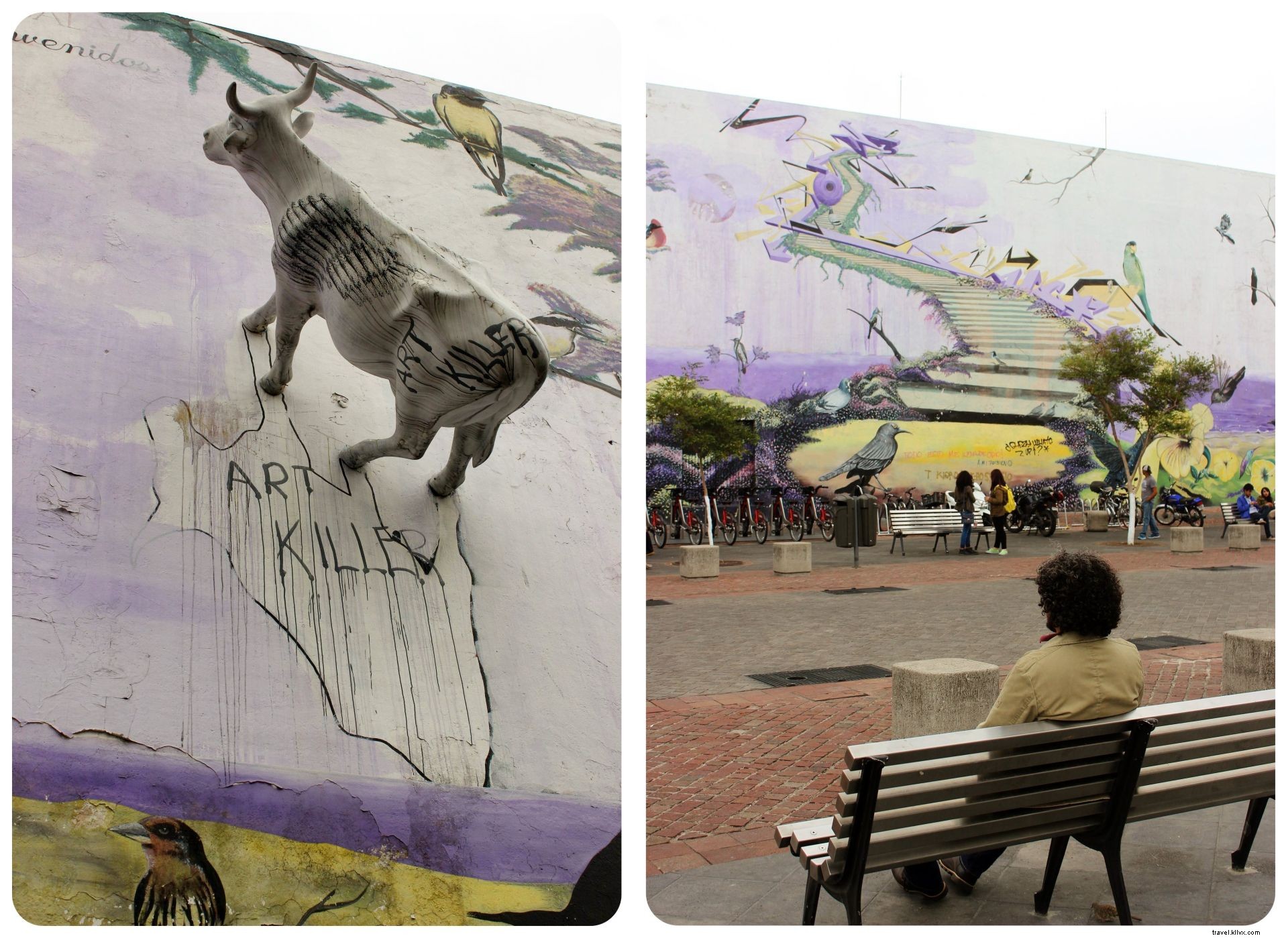
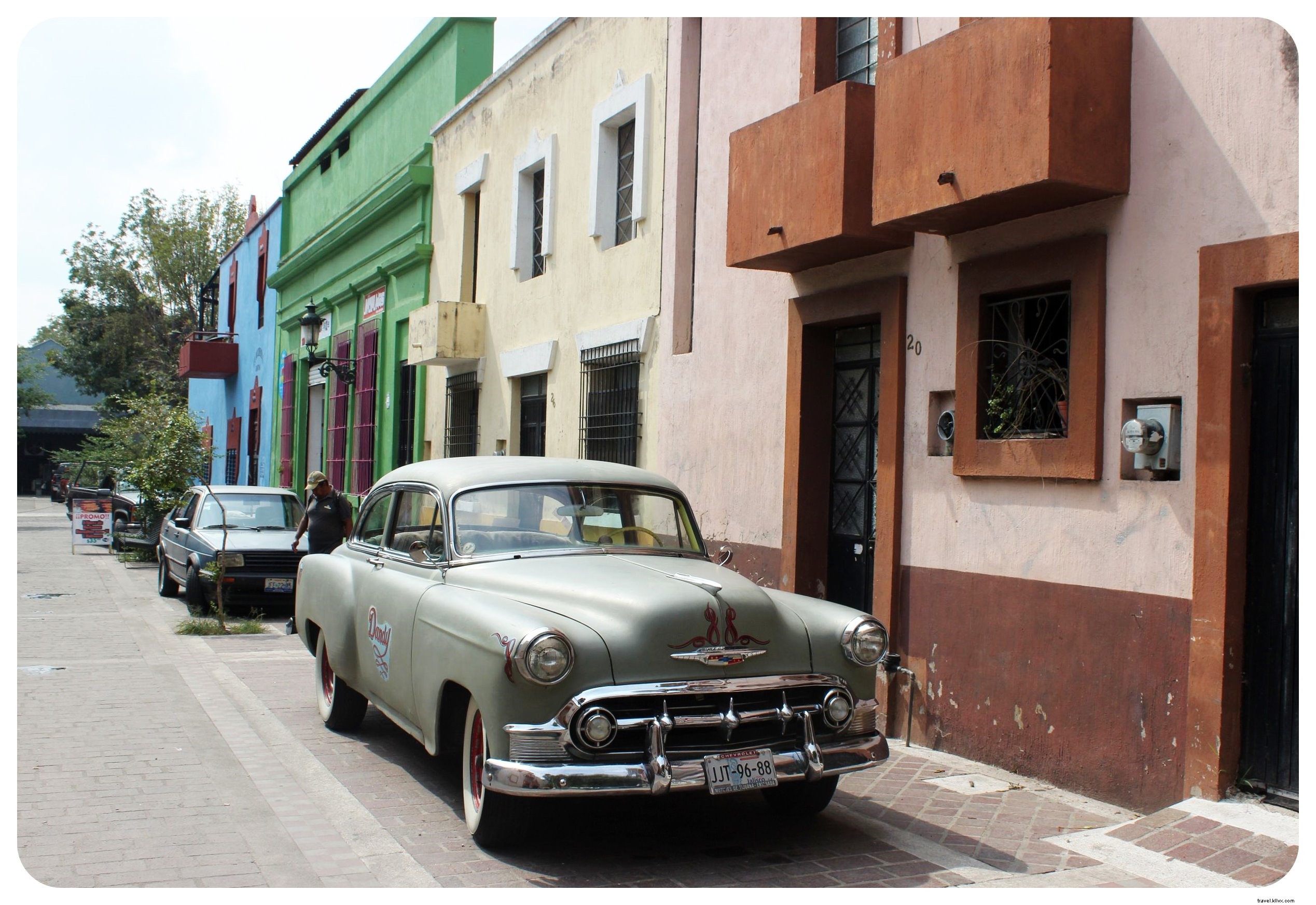
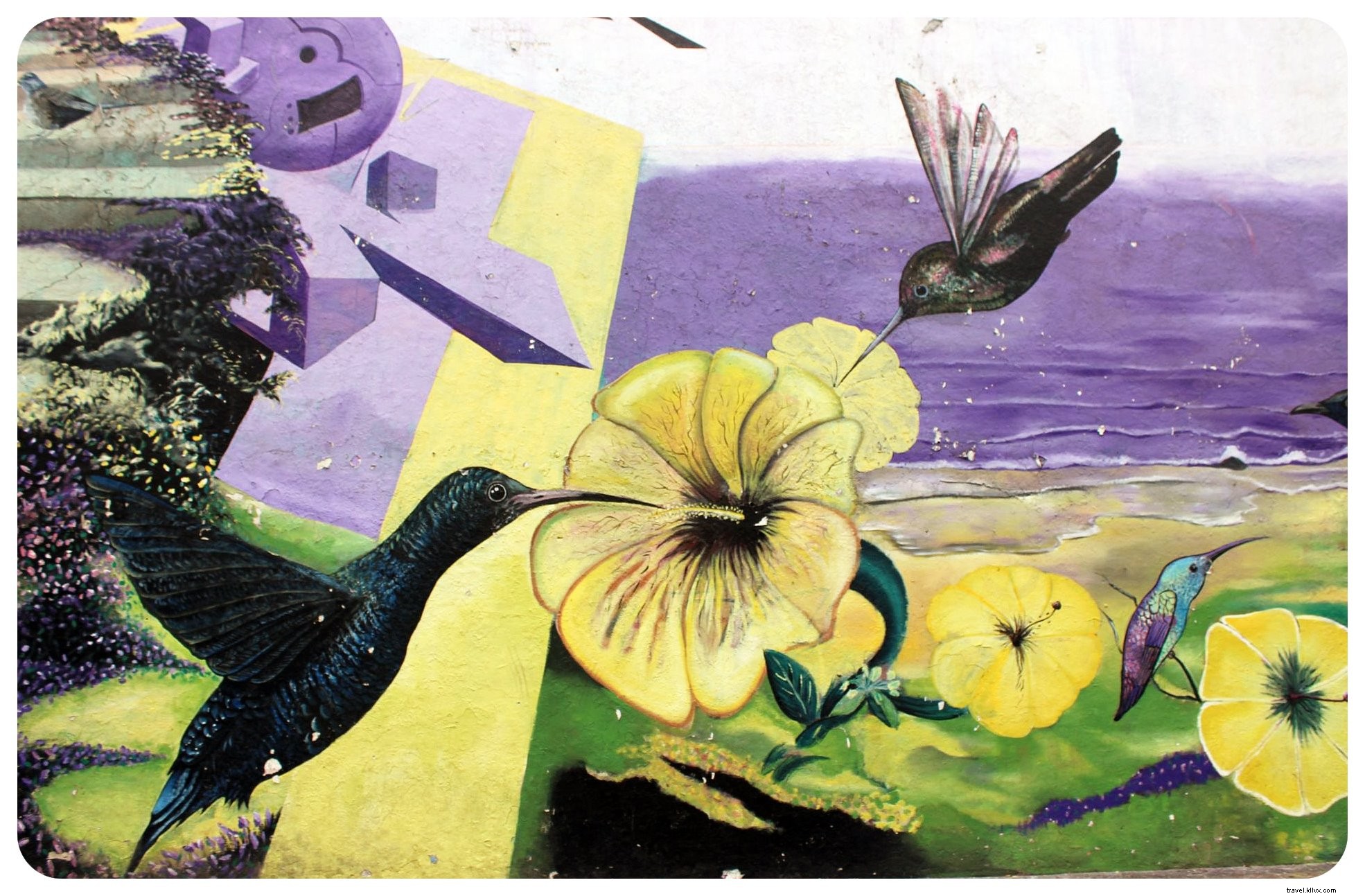 My instincts proved spot-on. Strolling the historic center evoked fond memories of Mexico City, with tree-lined streets of preserved Spanish-colonial architecture, exceptional street art—among Mexico's finest—and top-tier museums.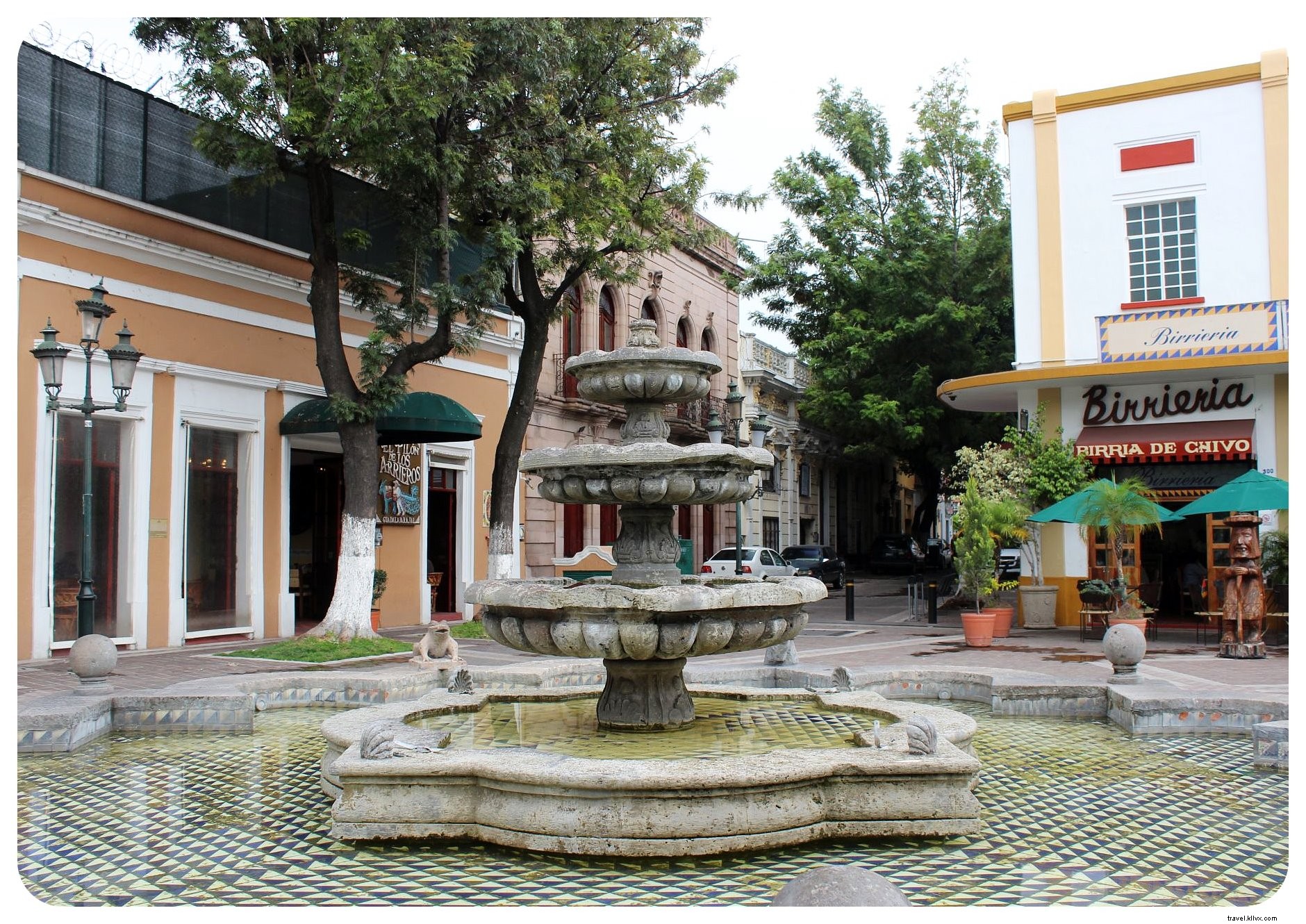
 Initially planning two nights, I extended to a week; three days couldn't capture a metropolis of over four million.
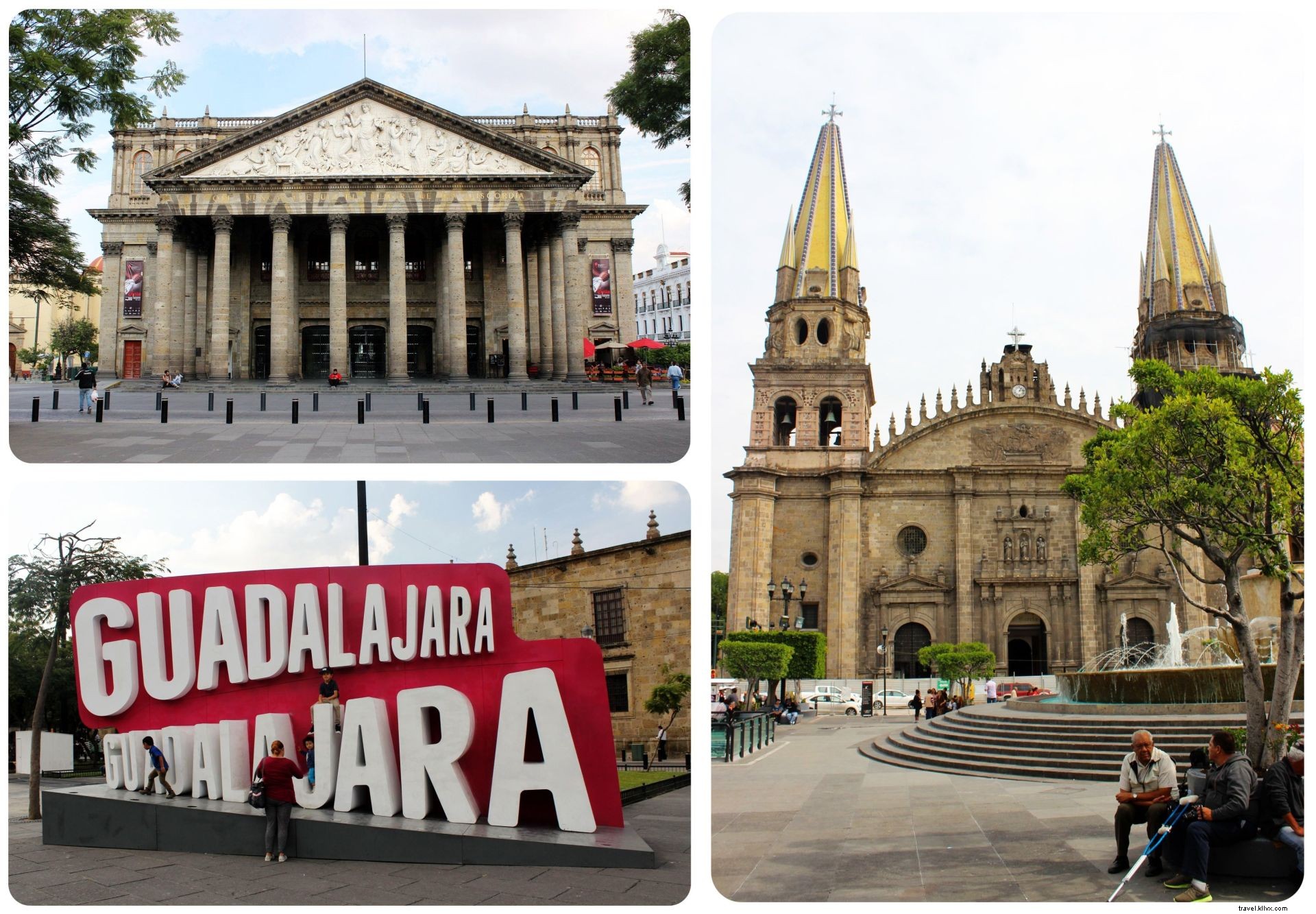
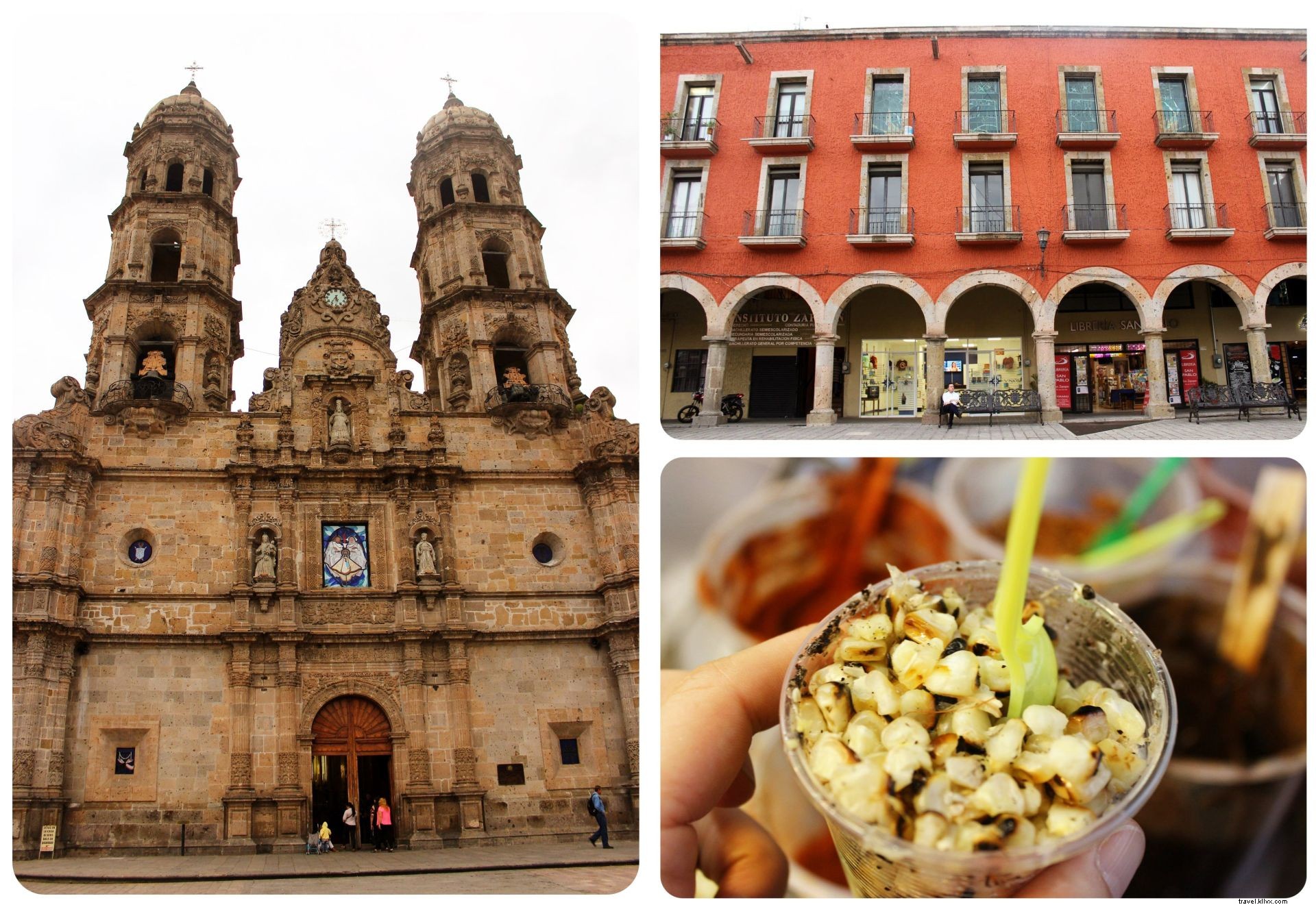
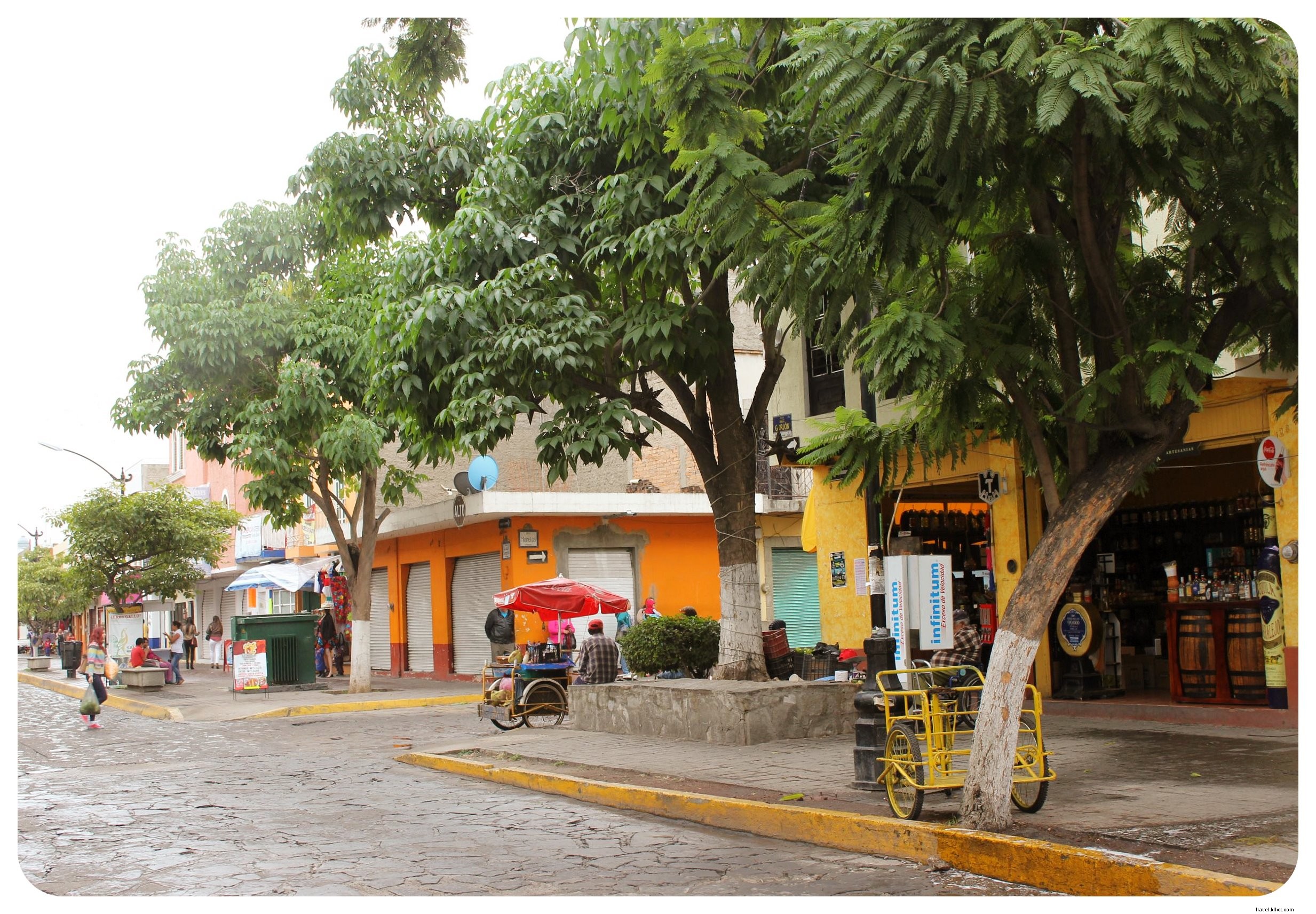
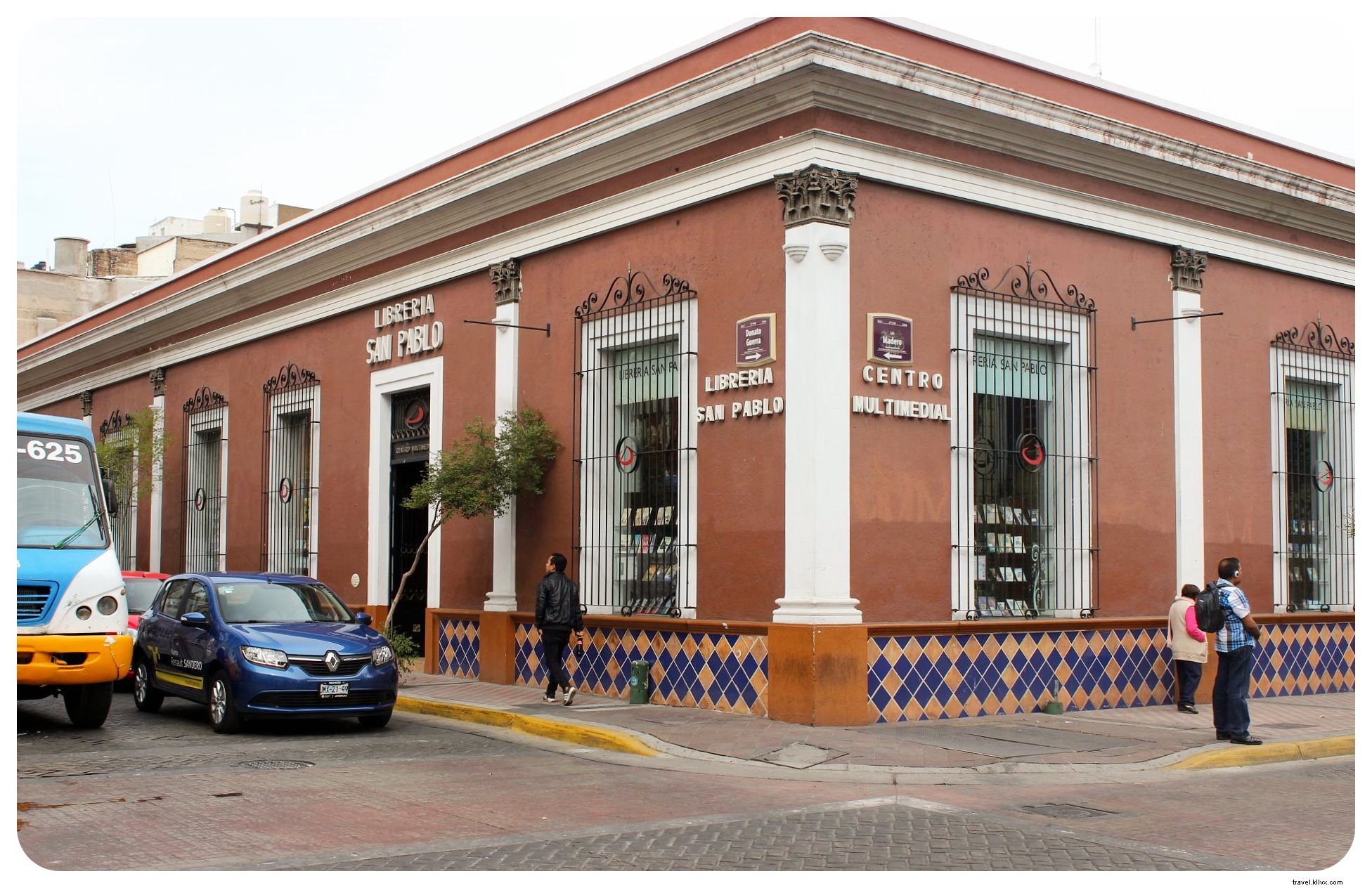 Guadalajara comprises three cities: Guadalajara, Zapopan, and Tlaquepaque. I focused on the historic center, anchored by its grand cathedral and four picturesque plazas forming a cross—one of Mexico's most beautiful urban cores. Evenings bring it alive with food stalls, families dining, and couples on benches.
 The cathedral, built over 50 years from the 1560s, blends Gothic, Neoclassical, and Palladian styles. Its Gothic twin spires, rebuilt after earthquakes, are iconic.
 Walkable neighborhoods benefit from Mi Bici, the shared bike system. For 80 pesos ($3.92 USD), I got a 24-hour pass with 30-minute free rides (a 3-day pass at 160 pesos/$7.84 is even better value).
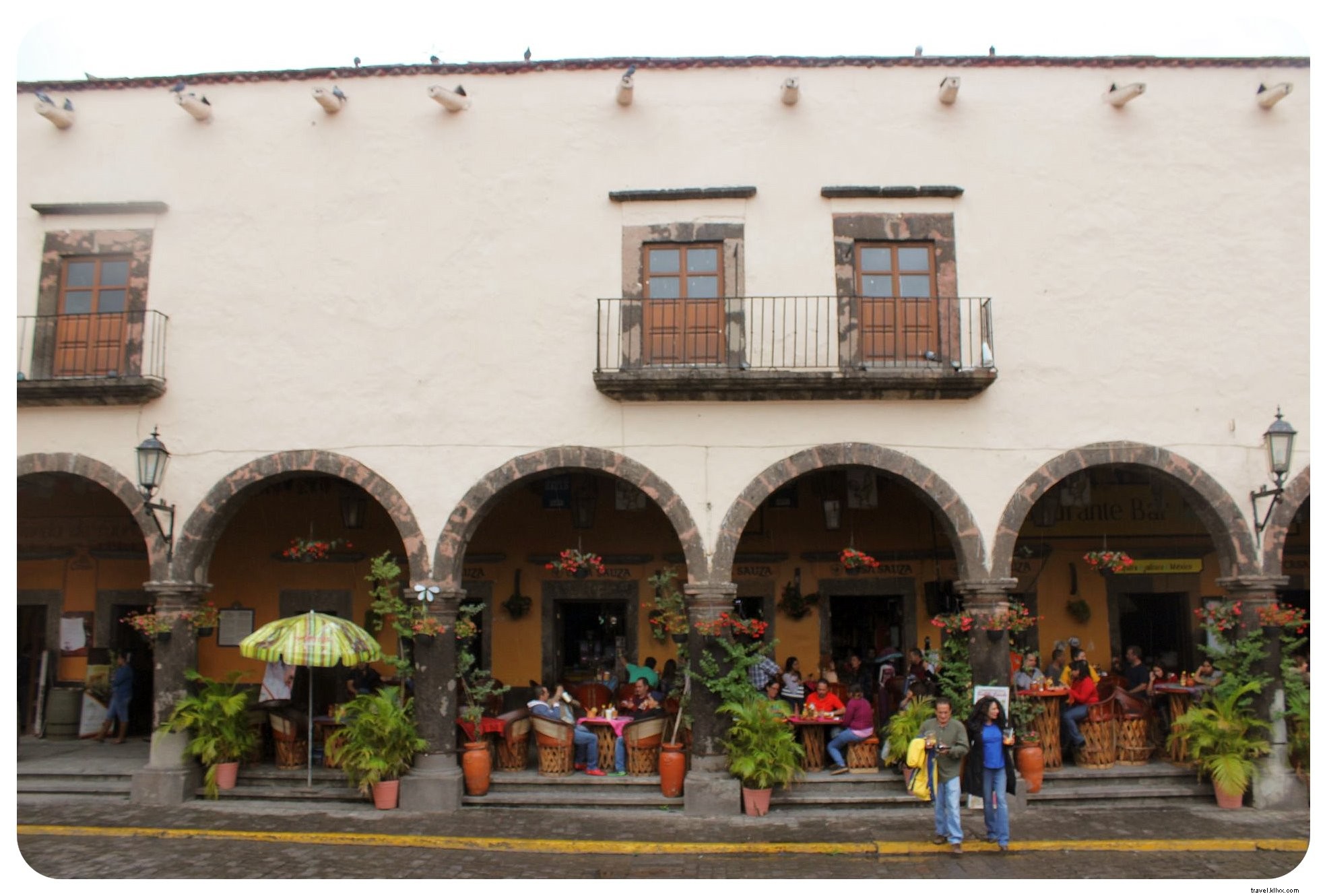
 Biking led me to Plazuela de los Mariachis, birthplace of mariachi music. Like Mexico City's Plaza Garibaldi, bands await gigs or serenade diners for tips.
 Avenida Chapultepec buzzes at night with students in trendy bars and craft beers. I joined hostel friends on a Friday.
 Mi Bici facilitated a visit to Zapopan's Museo de Arte, revealing modern architecture and the 1730 Basilica de Nuestra Señora de Zapopan, offsetting the modest exhibits (free entry).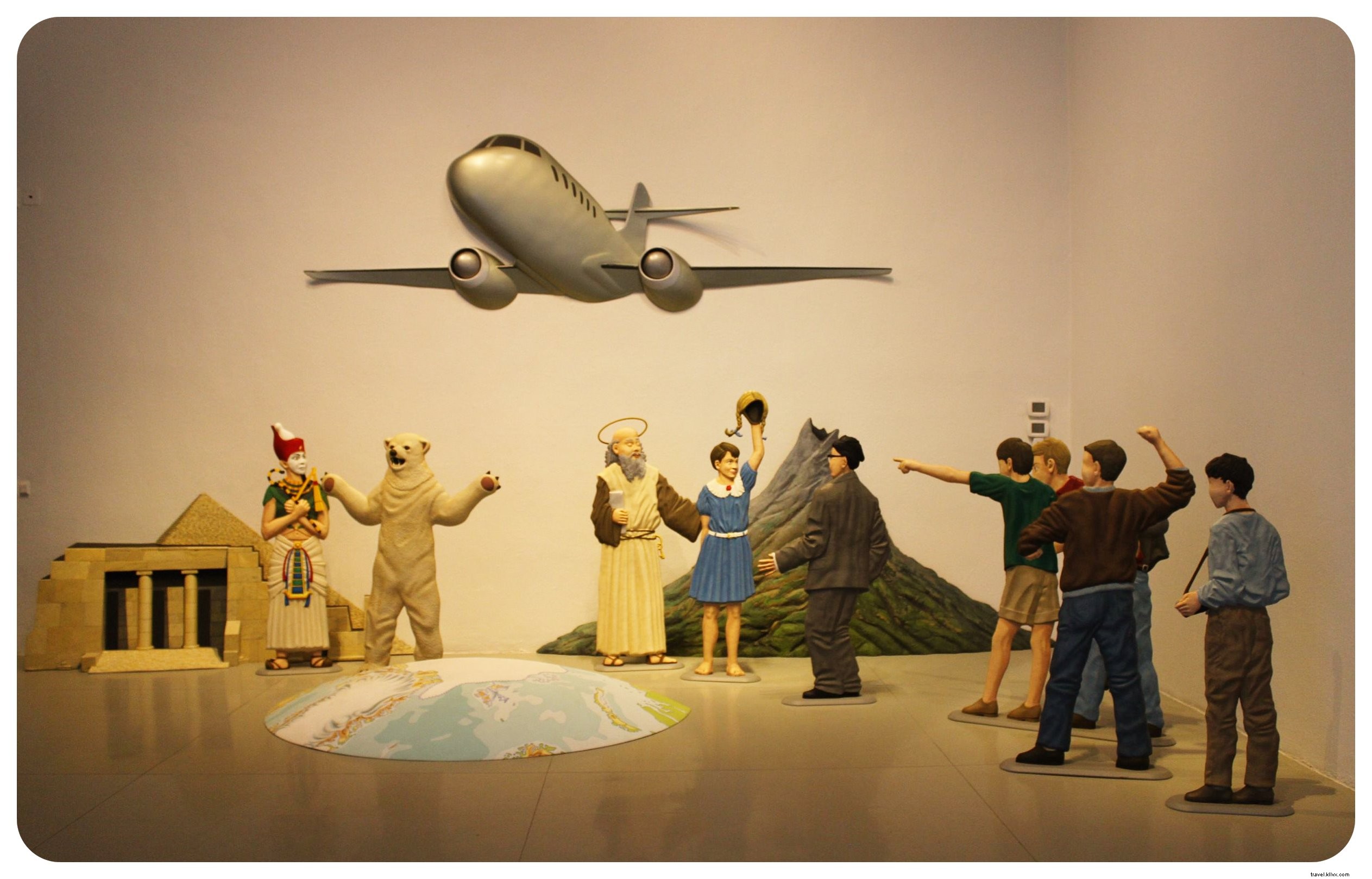
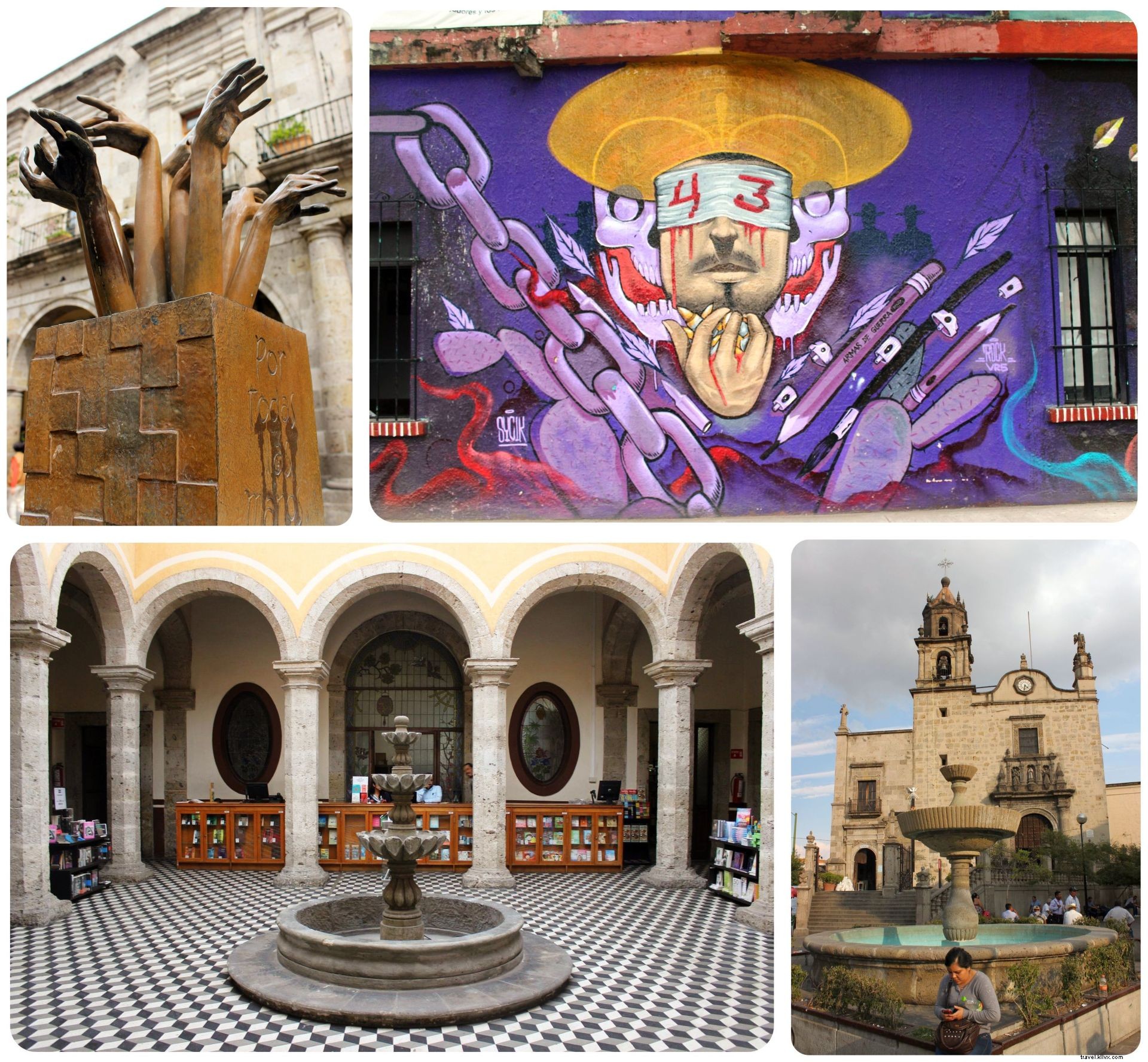
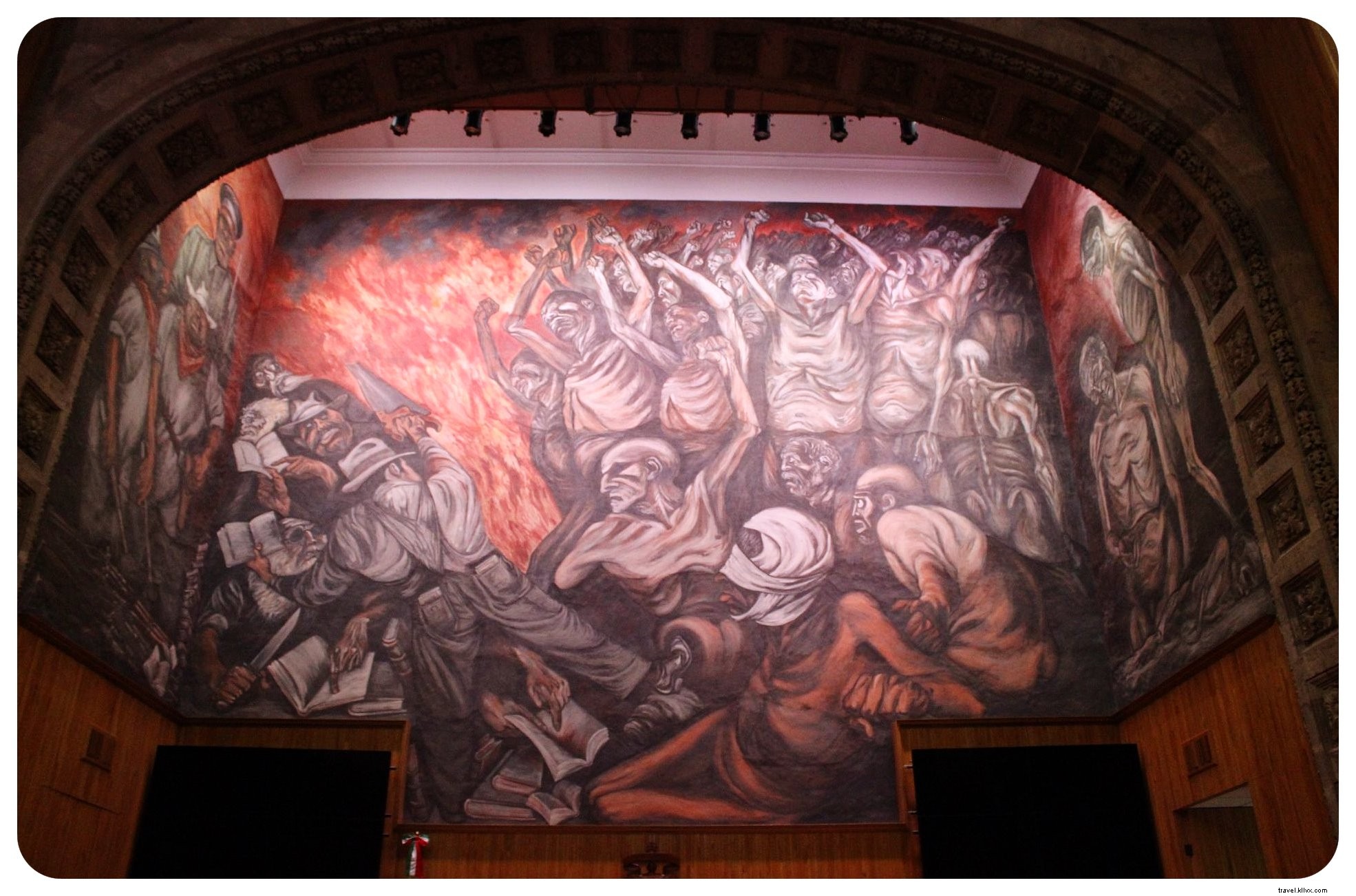
 Superior was the centro's Museo de las Artes de la Universidad (MUSA), boasting Orozco murals on auditorium walls and dome, depicting social themes.
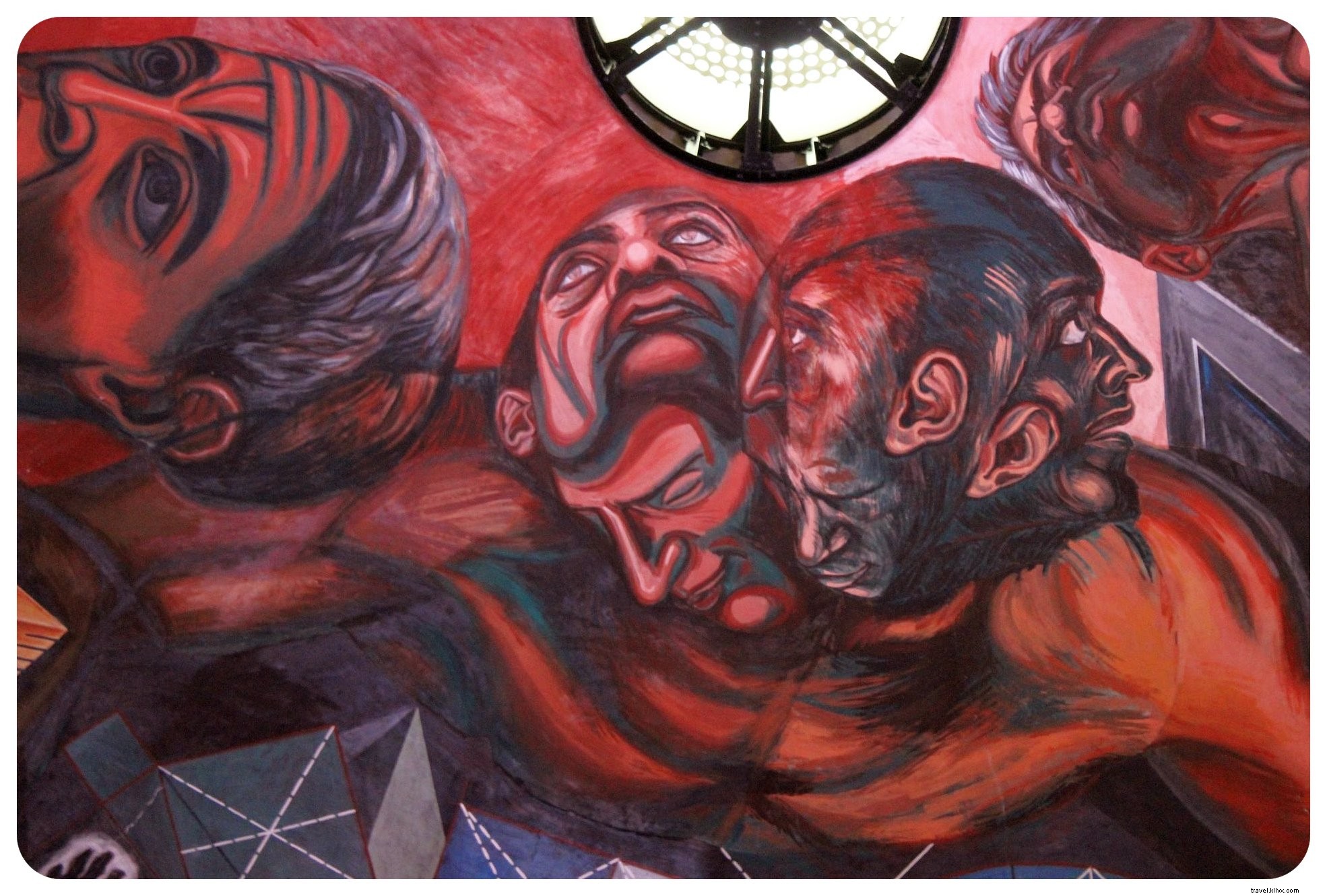
 Don't miss Hospicio Cabañas, a UNESCO site with Orozco's 57 frescoes in its chapel.
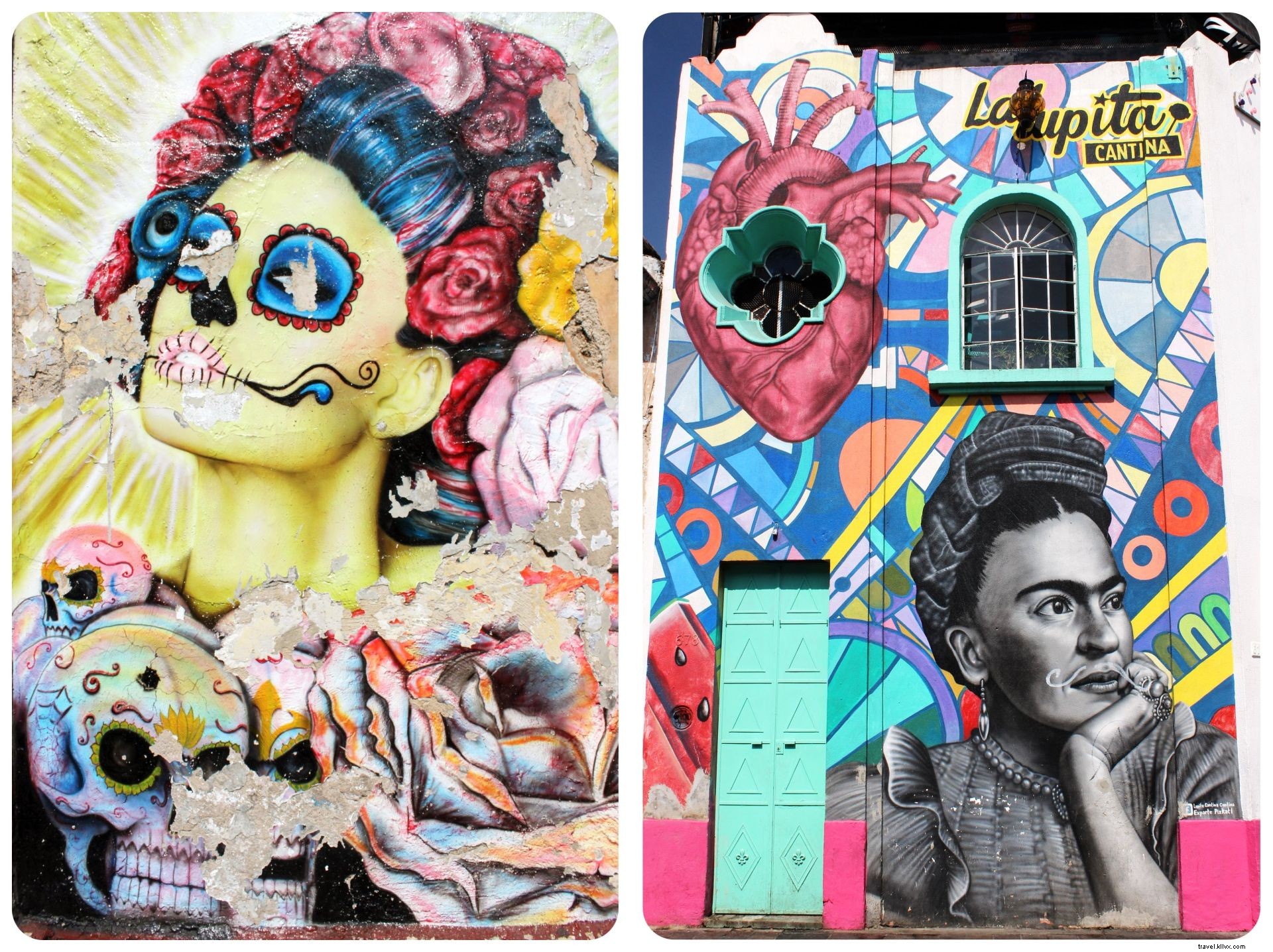
 Guadalajara thrives as an art hub, with galleries, PAOS residencies at Museo Taller José Clemente Orozco, and vibrant street art enhancing colonial facades—like the standout mural near MUSA.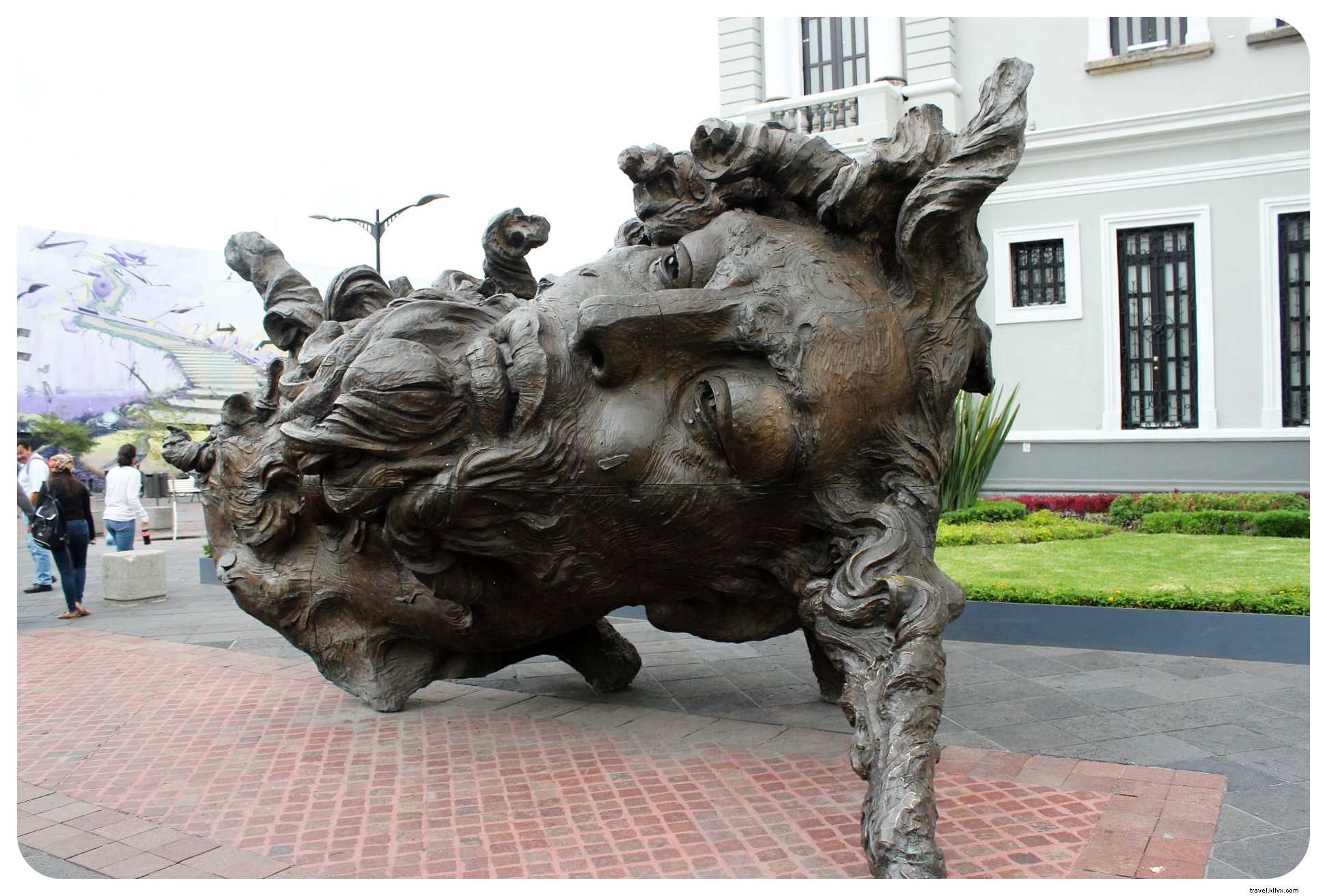
 Food highlights included messy but delicious tortas ahogadas (vegetarian options available) and birria stews at local birrierías.
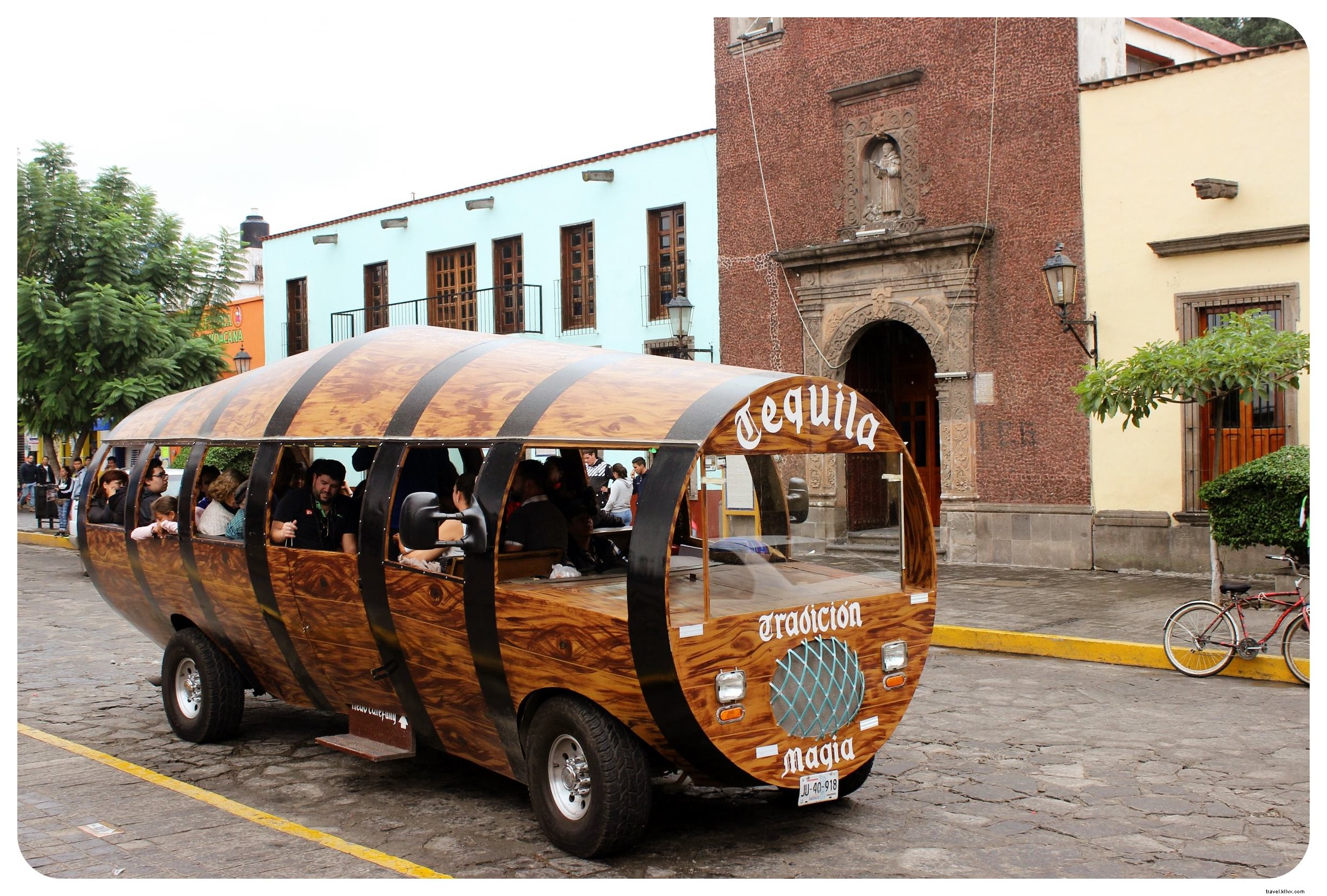
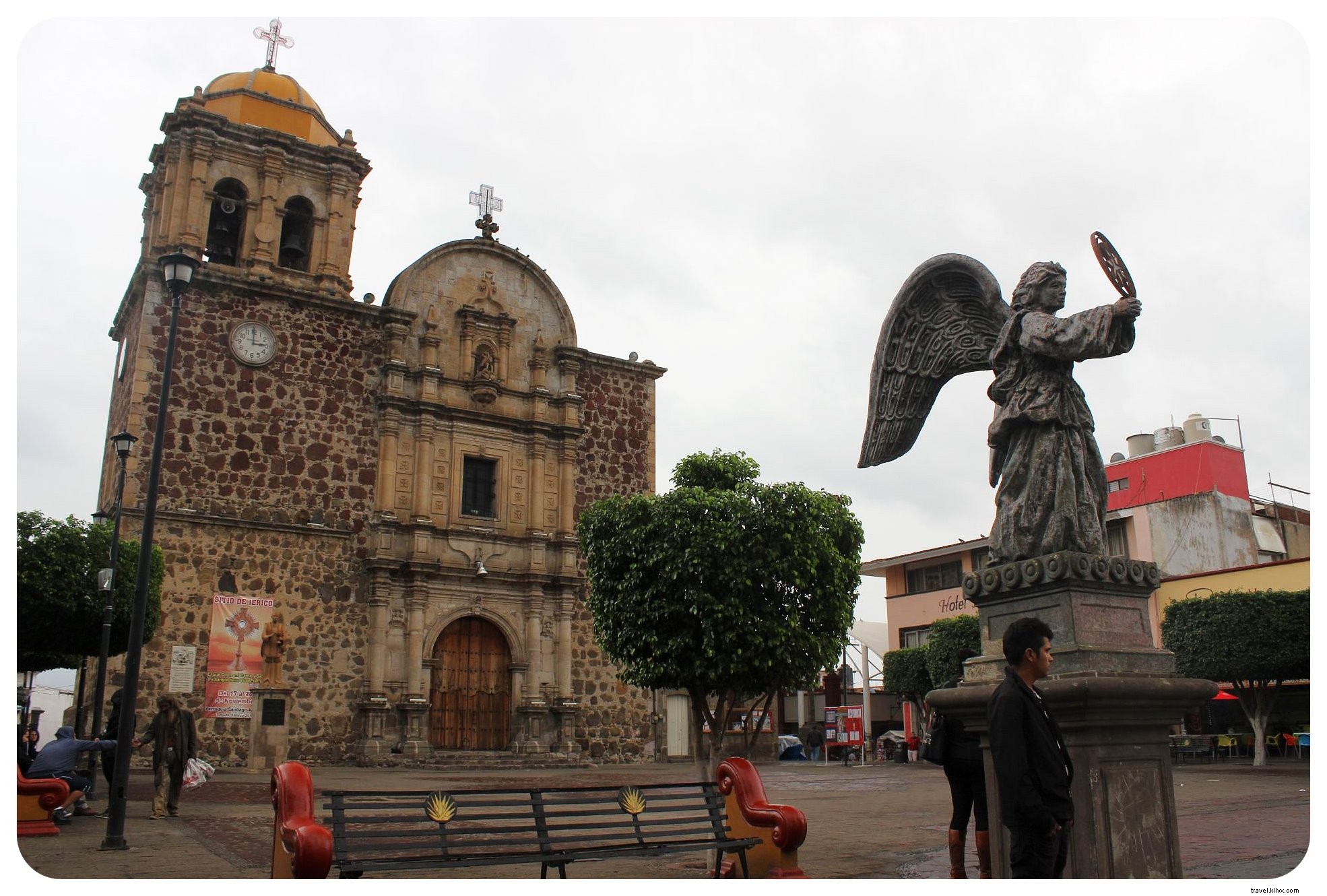
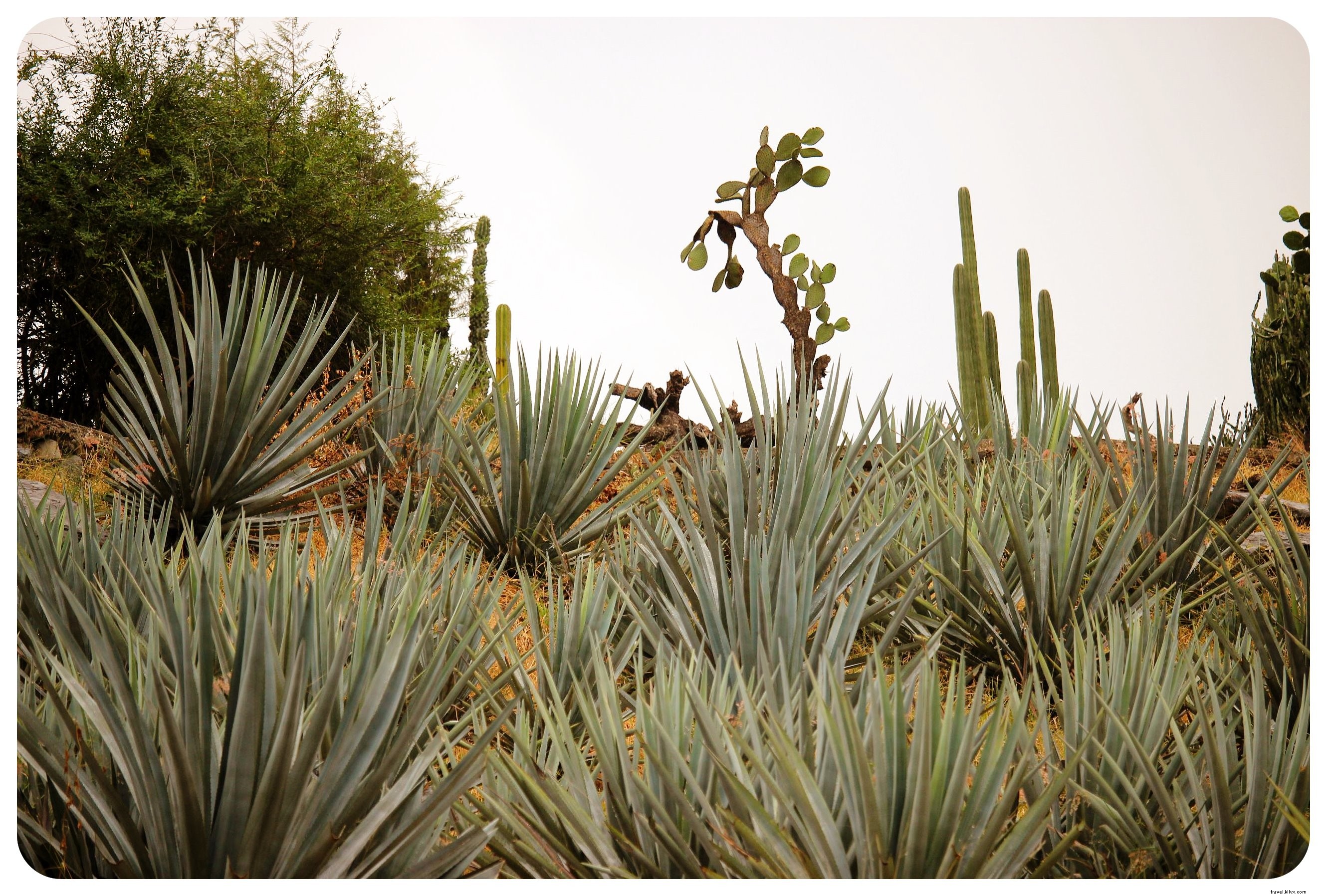
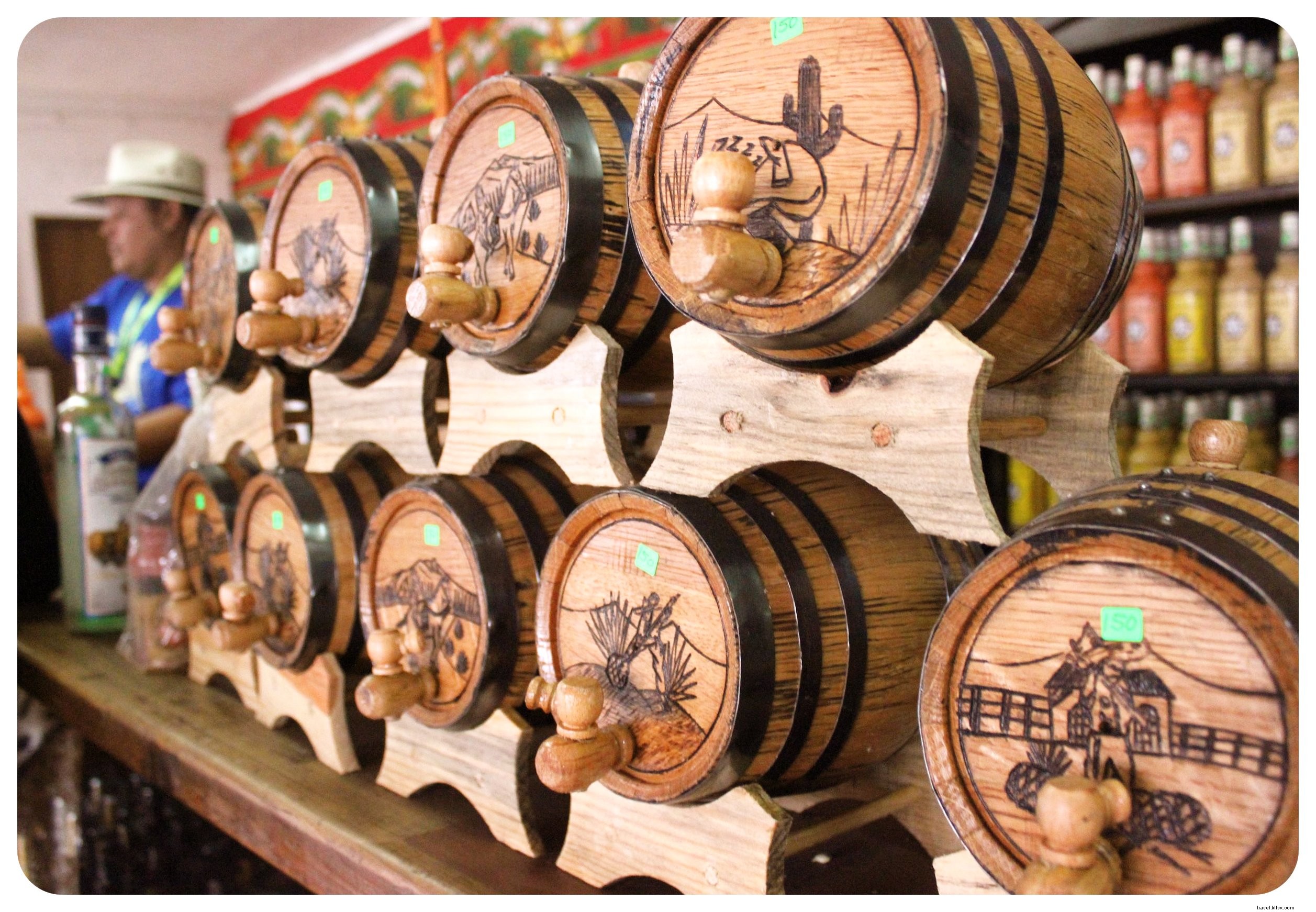
 Tequila town, nearby, demands a visit. Vast blue agave fields lured me for distillery tours, despite past shot traumas.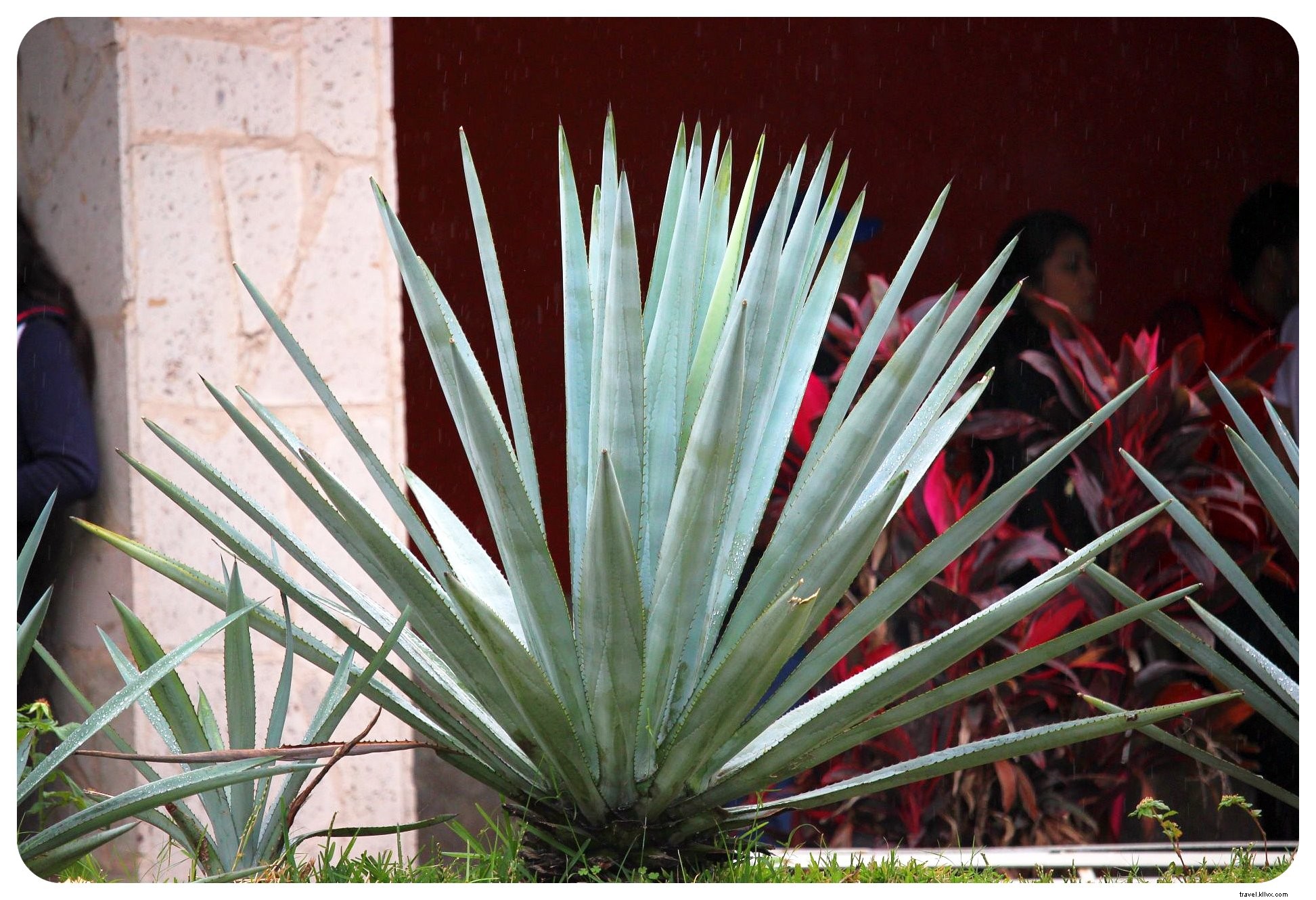
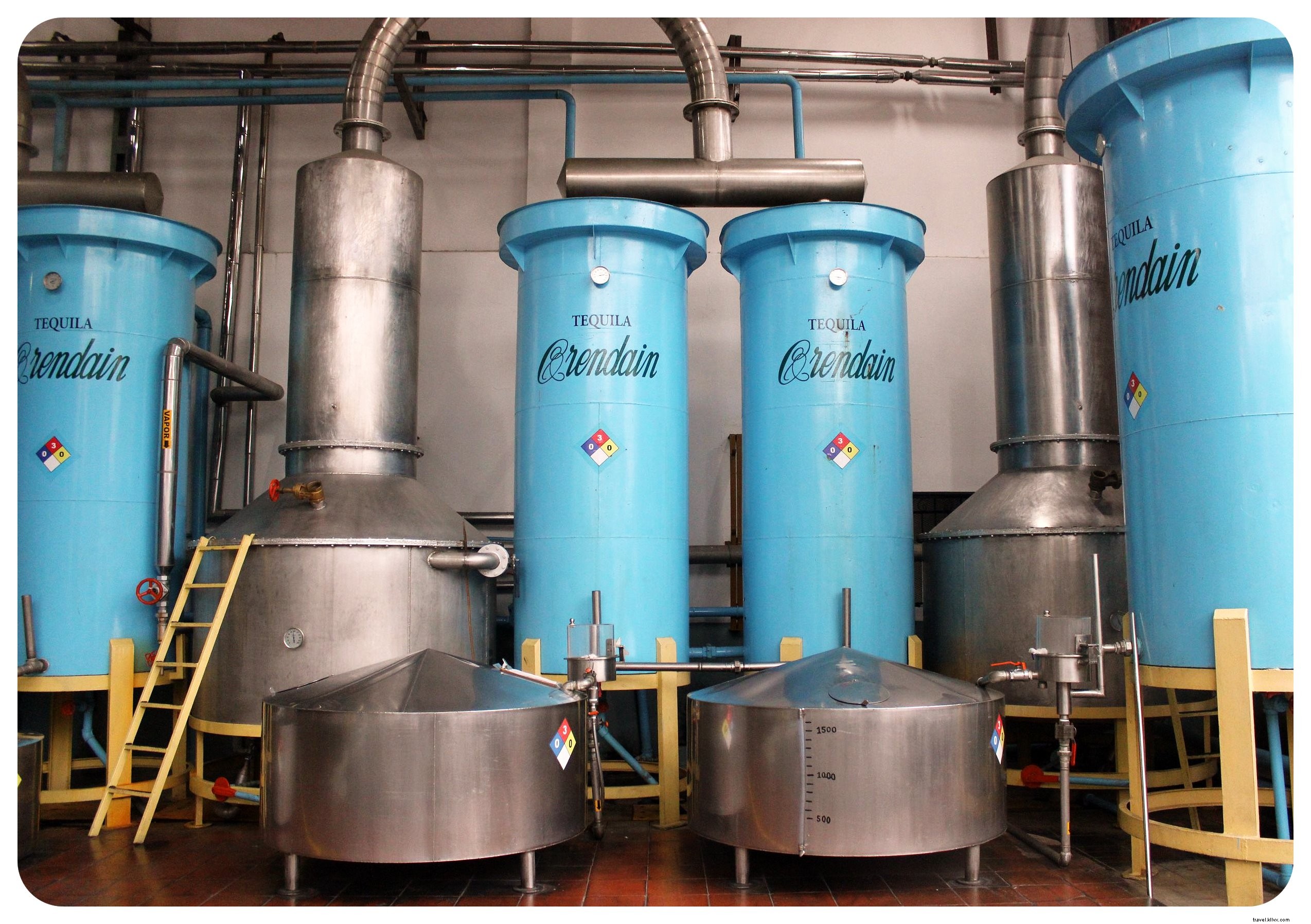
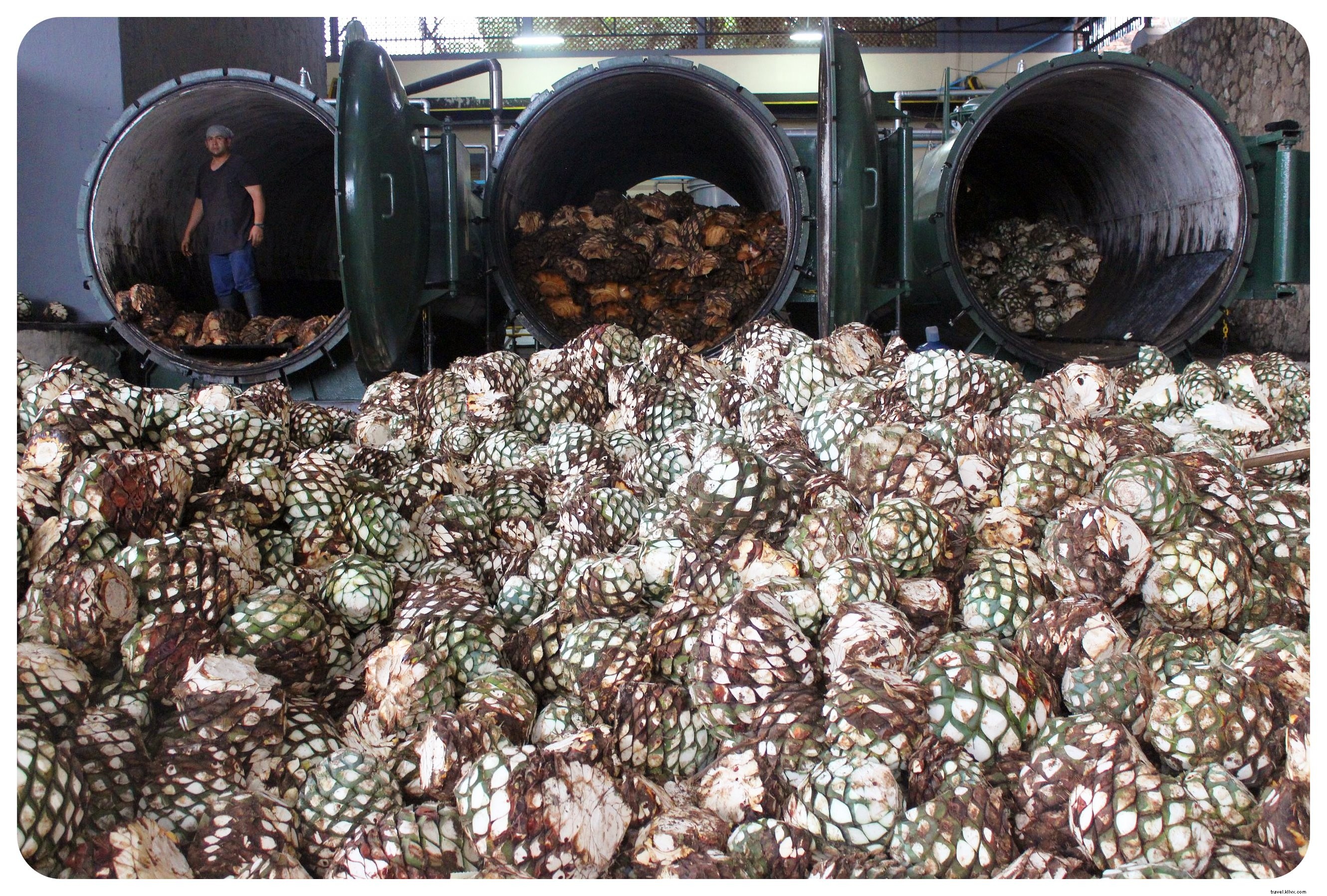
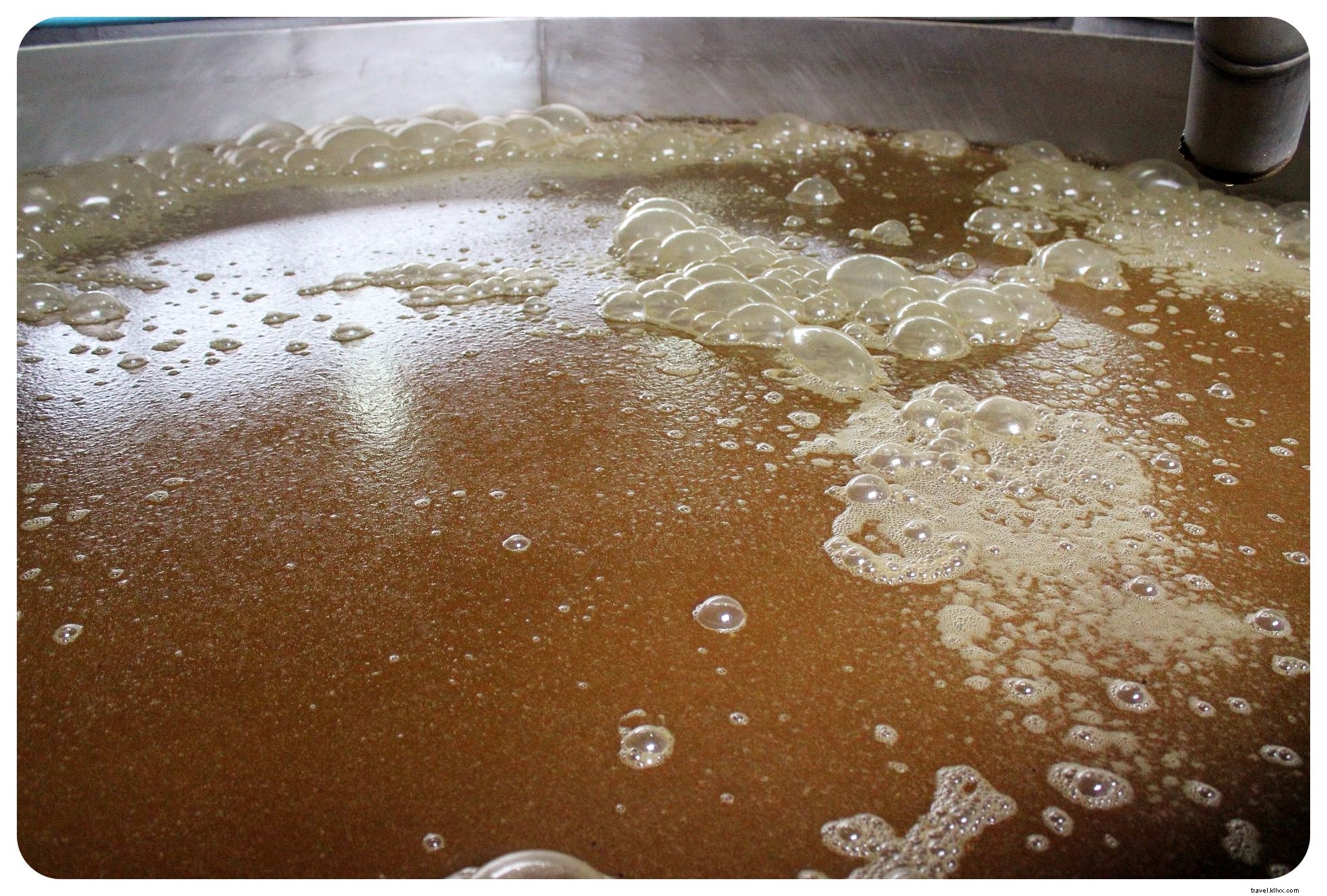
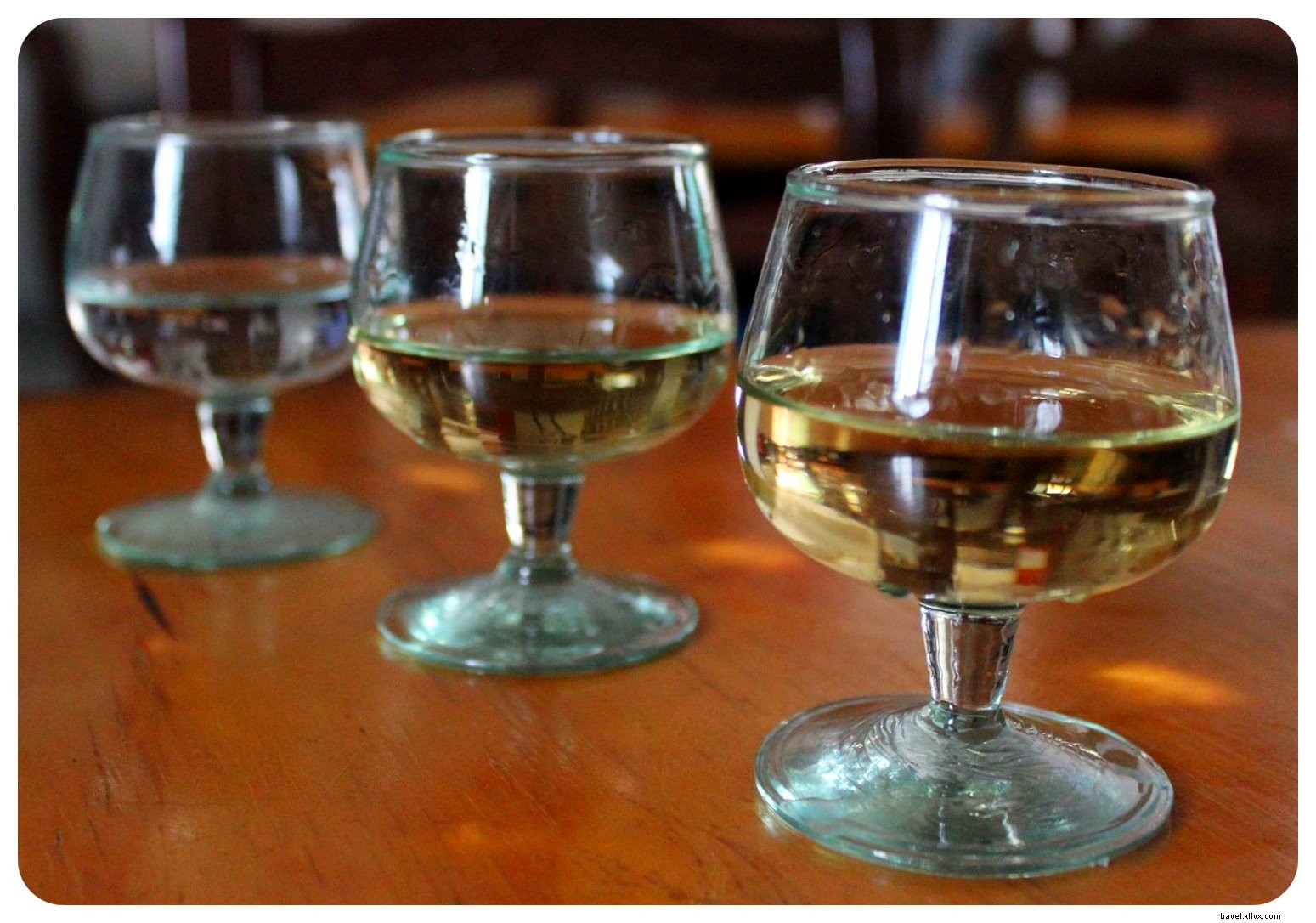
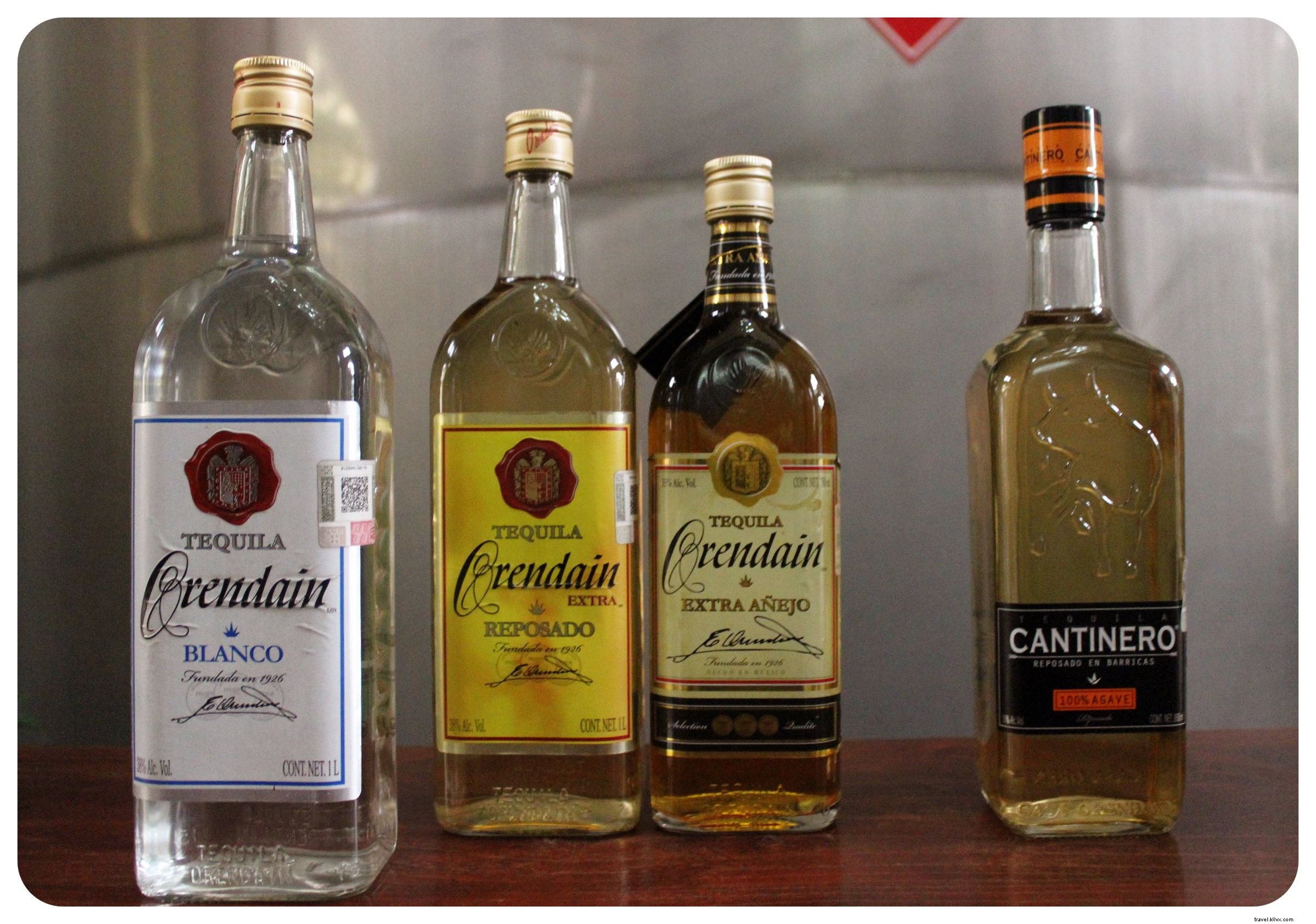
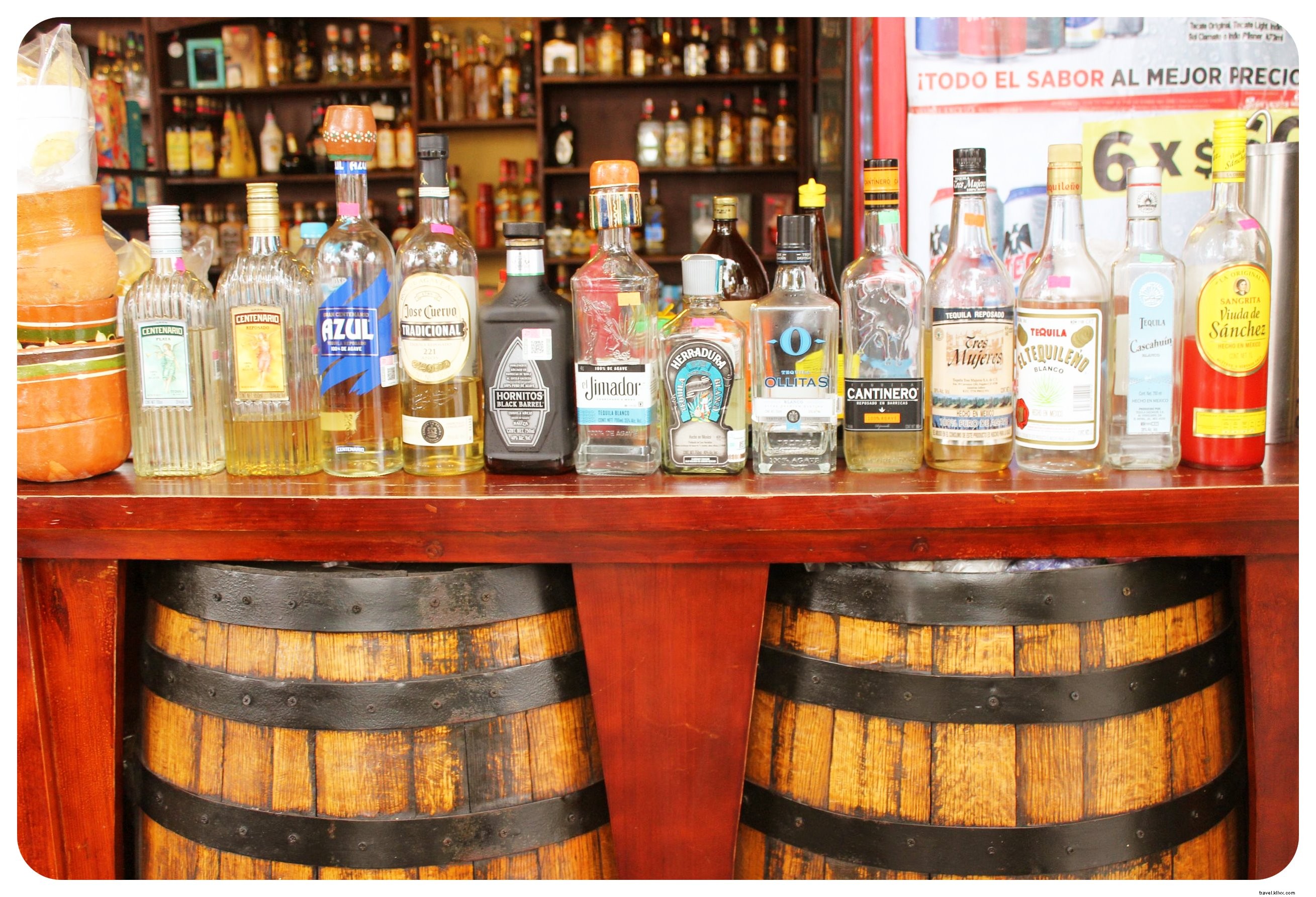 Skipping pricey Tequila Express ($59 USD), we bused there (2 hours on a rainy Saturday). After lunch, a 180-peso ($9 USD) Orendain tour educated us: piñas roasted, fermented 7-12 days, distilled twice. Types: Blanco, Reposado, Añejo, Extra Añejo. 100% agave avoids hangovers. Tastings converted us.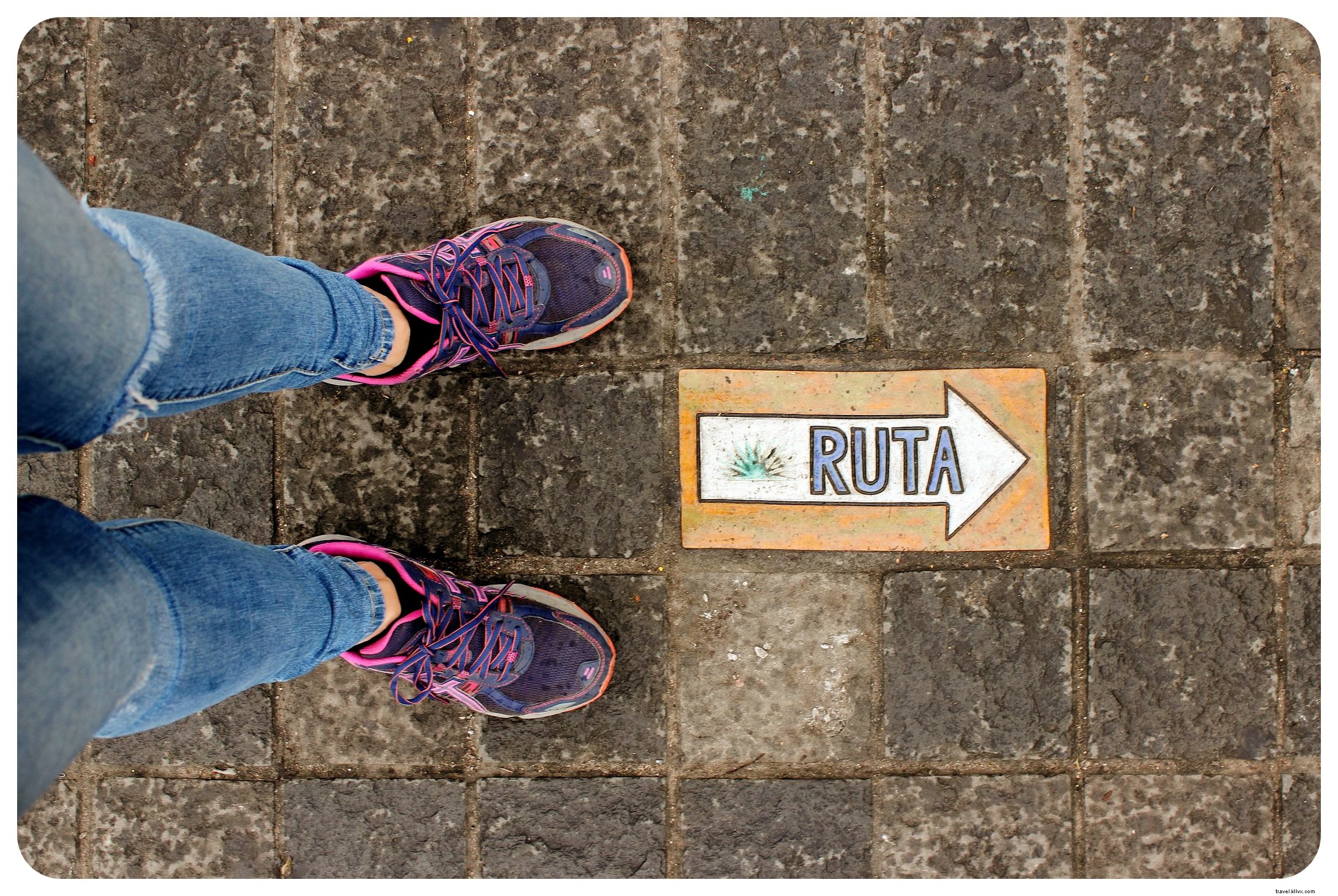
Guadalajara Travel Guide
Where to Stay in Guadalajara
After a meh B&B, I switched to Hostal De Maria in Plaza Colón—a converted mansion with private rooms ($20 USD double), dorms ($9 USD bed), colonial courtyard, colorful vibes, and included breakfast.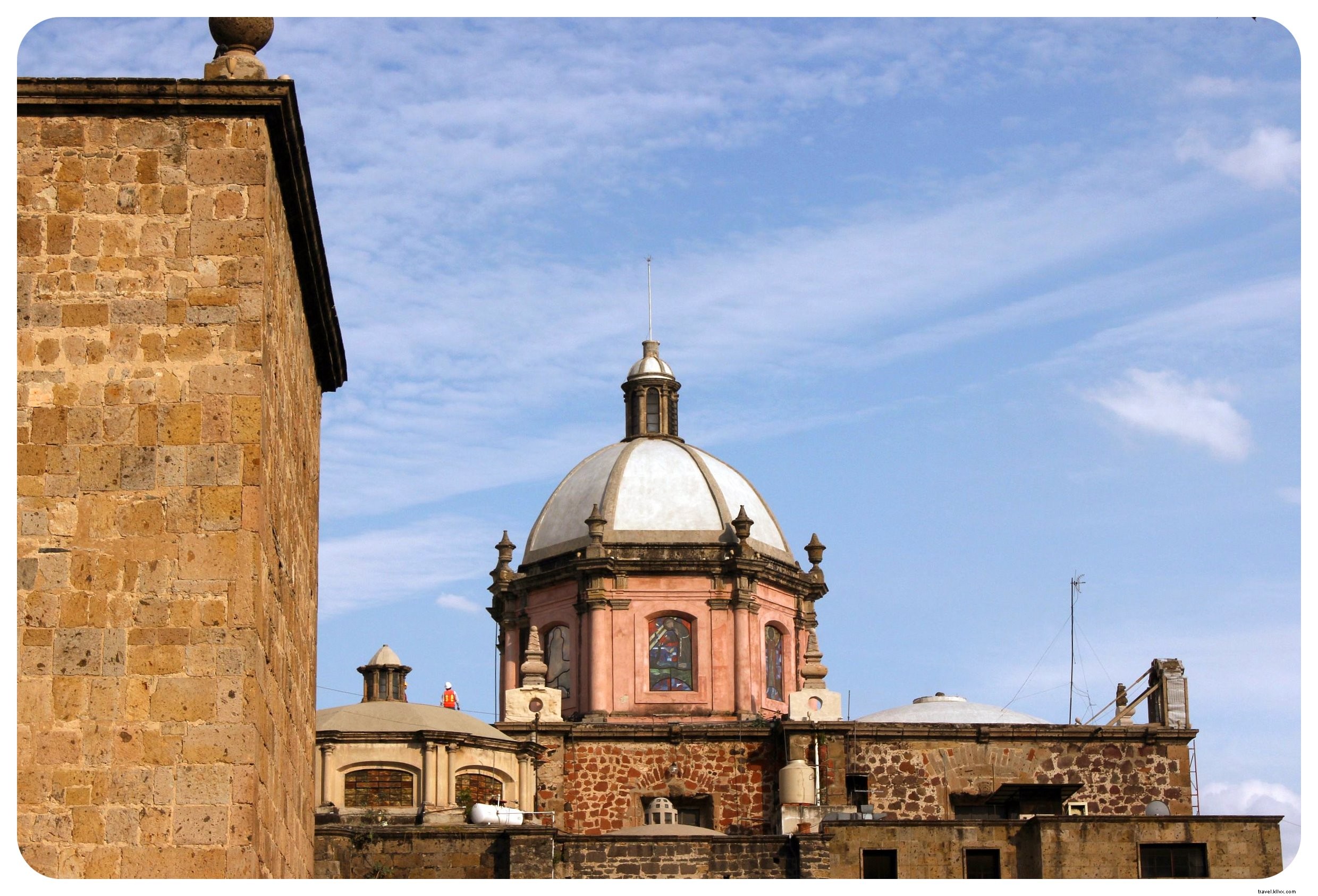
Where to Eat in Guadalajara
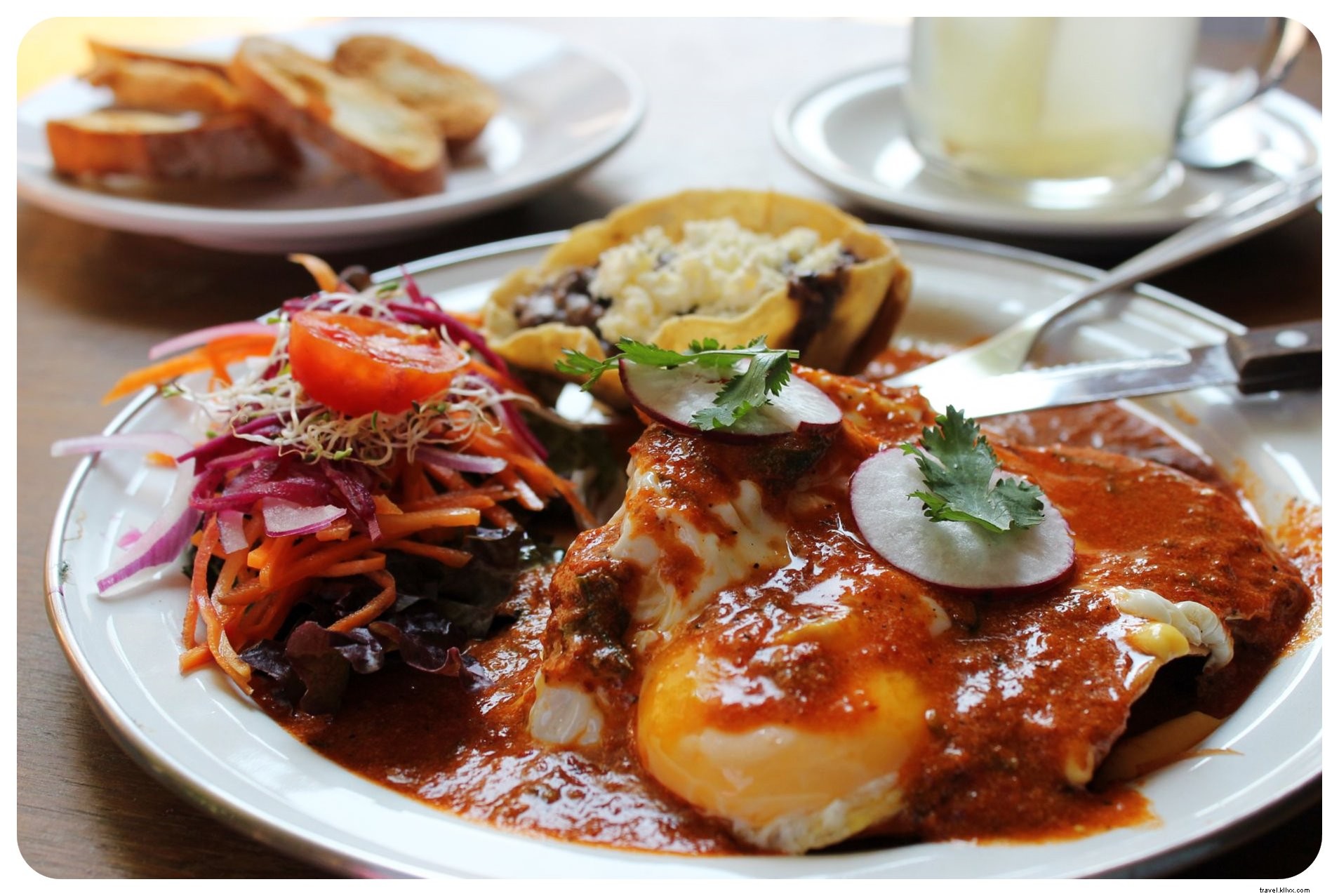
- El Sazon de la Comadre – Extensive Mexican breakfasts.
- Finca Riveroll – Specialty coffee, sandwiches, pastries, breakfast.
- La Lupita Cantina – Authentic Mexican fare; bar vibe evenings.
- Chai – Coffee chain with Western sandwiches and chai specialties.
- Alta Fibra – Vegetarian three-course lunch with drink for 55 pesos ($2.69 USD).
- El Gato Café – Cozy spot near MUSA with cakes and meals.
- La Bottega – Top Mexican bean coffee in an indie shop.
Where to Drink in Guadalajara
The Guadalajara Pub Crawl offers narrated tours, regional drink samples, and bar intros—ideal for Fridays (missed this trip).