Chiloé Island, Chile: A Romantic Blind Date with Penguins, Churches, and Untouched Wilderness
Just weeks into our Patagonian journey from Puerto Varas, Chile, a brief guidebook mention of Chiloé Island—a mystical spot off Chile's Pacific coast—prompted an irresistible detour. Our next planned stop was Bariloche, Argentina, across the Andes, but was doubling back worth the extra day of travel?
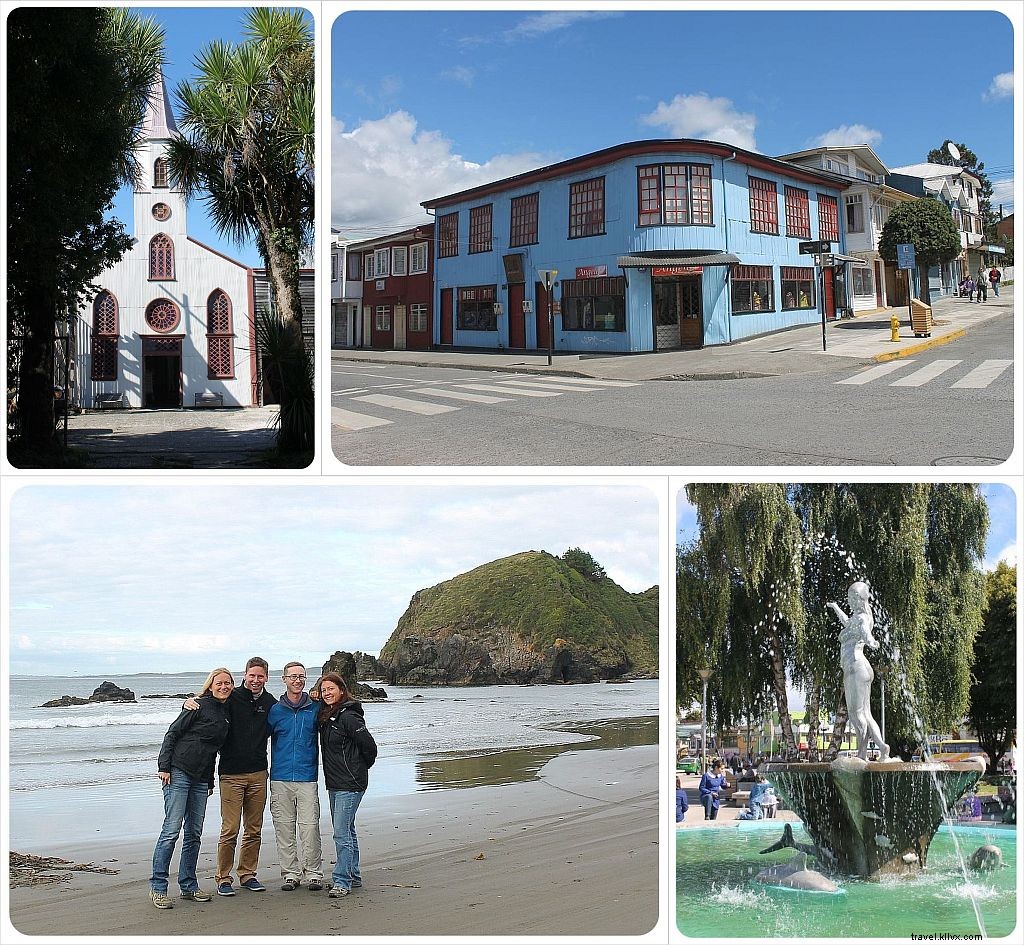
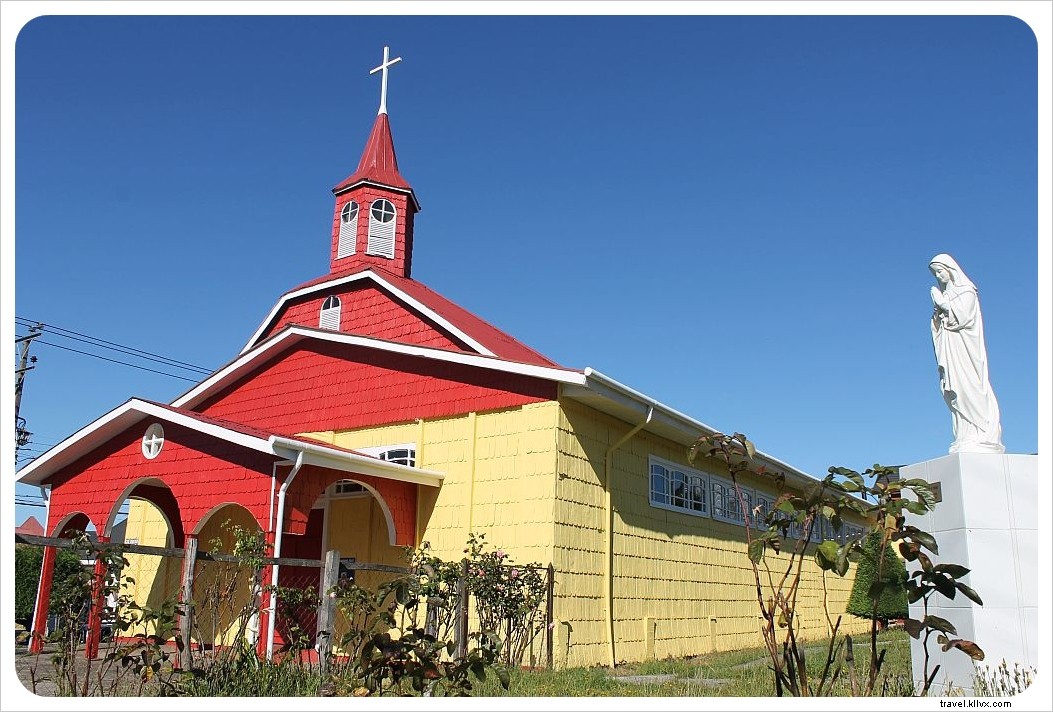
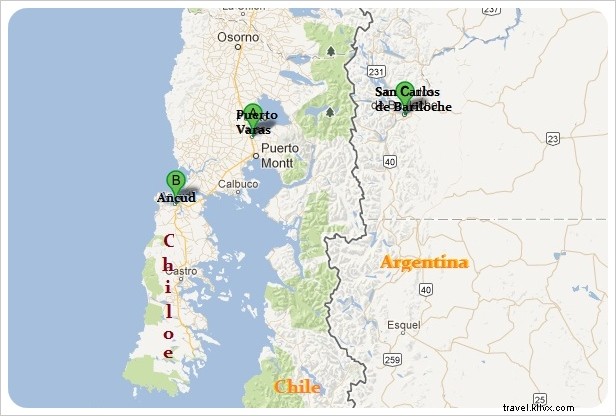 Chiloé stood apart from mainland Chile: one of its most remote regions, featuring 16th-century wooden churches (UNESCO World Heritage sites), traditional fishing villages, pristine nature, and penguin colonies.
 Our indecision vanished when fellow travel bloggers Sam and Zab from Indefinite Adventure—heading north—suggested meeting on Chiloé. This created two blind dates: one with Chile's most indigenous island and another with like-minded digital nomads.
Our Blind Date Begins in Charming Ancud
Measuring 180km (112 miles) long and 50km (31 miles) wide, Chiloé has been home to indigenous Mapuche for millennia and was settled by Spaniards in the 16th century. They attempted to rename it 'Nueva Galicia,' but locals kept the original Huilliche name meaning 'place of seagulls.'
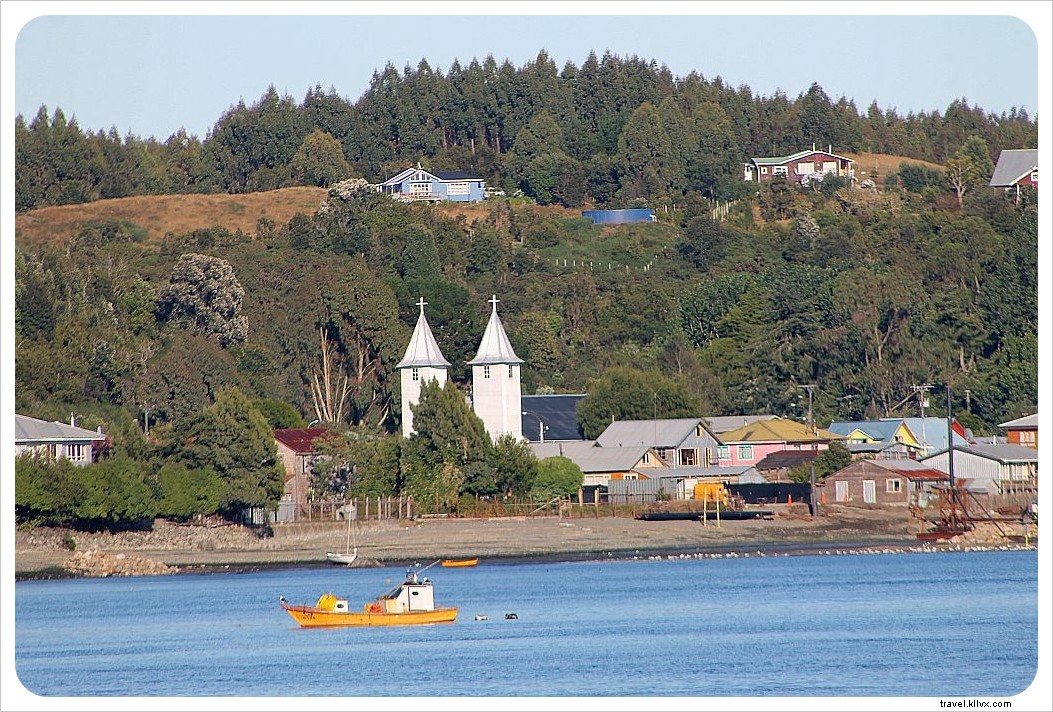 Isolated from the mainland until the 1800s, Chiloé retains a unique vibe despite modern ferries.
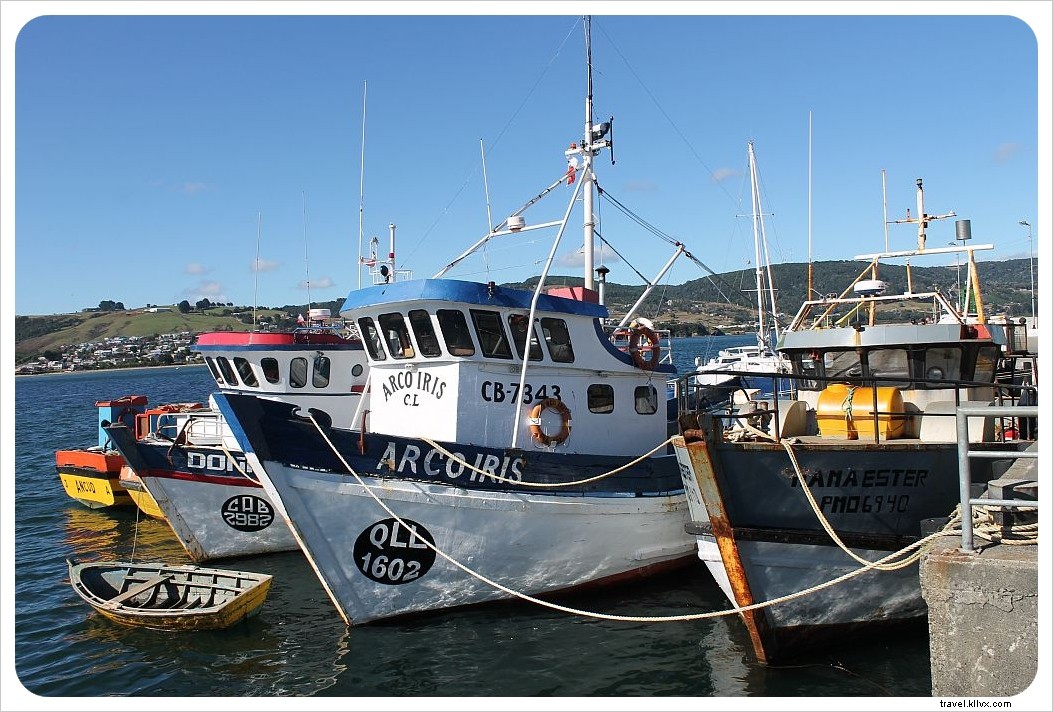
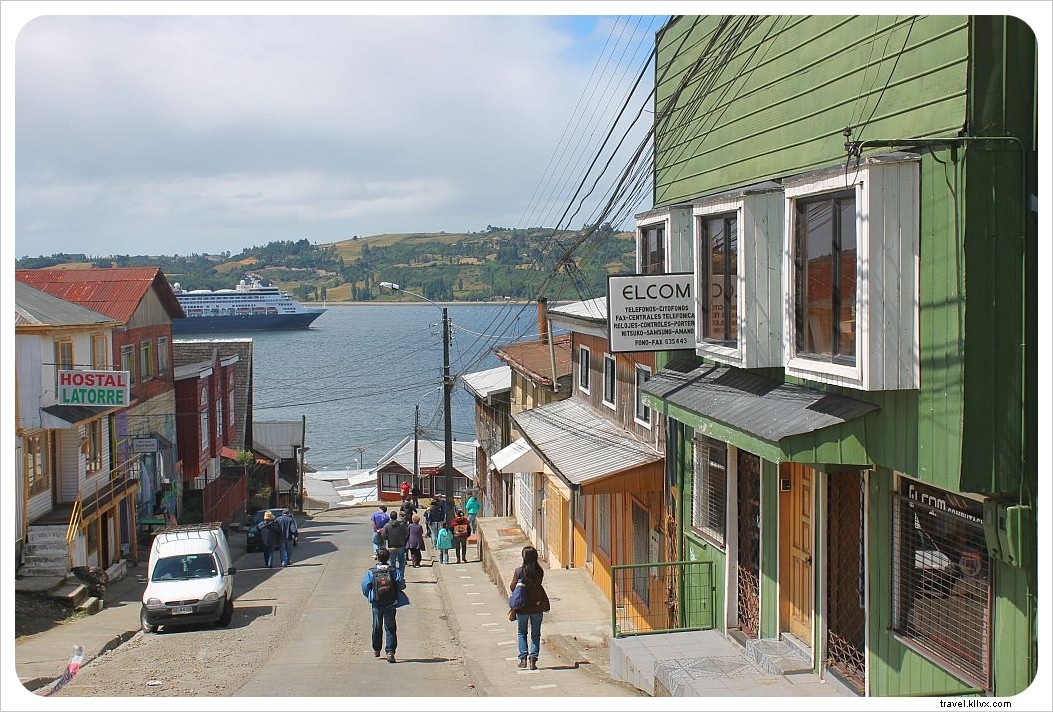
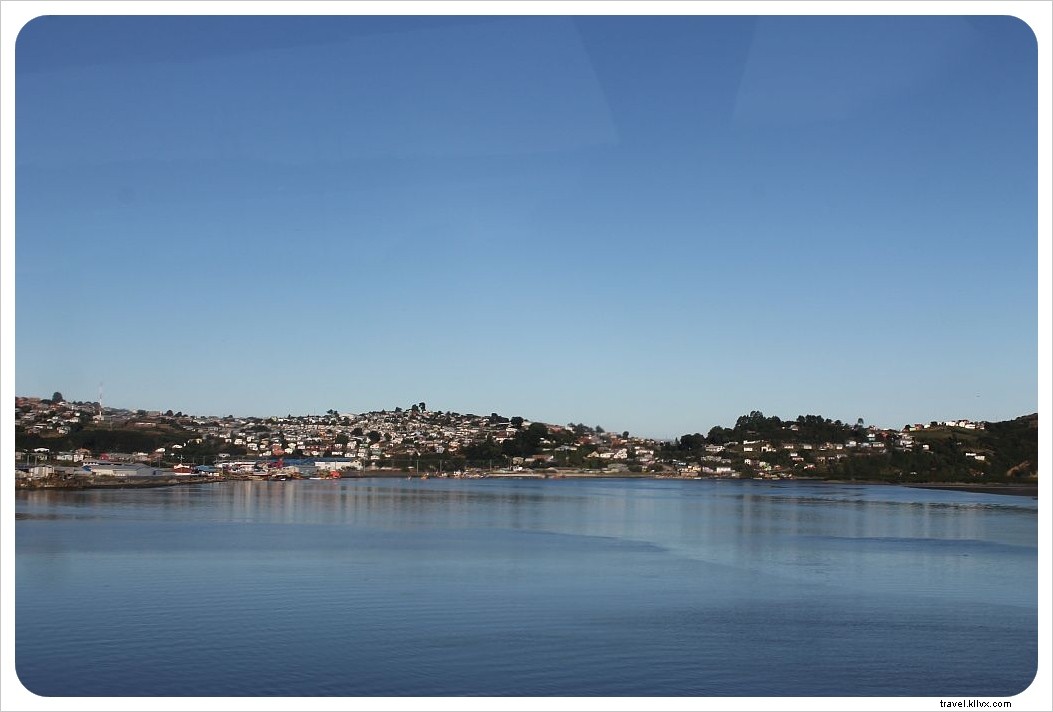 We arrived in Ancud, a sizable fishing town, via bus and ferry across the Chacao Strait. The air felt noticeably cooler, hinting at proximity to Chile's Antarctic claims—and the penguins ahead.
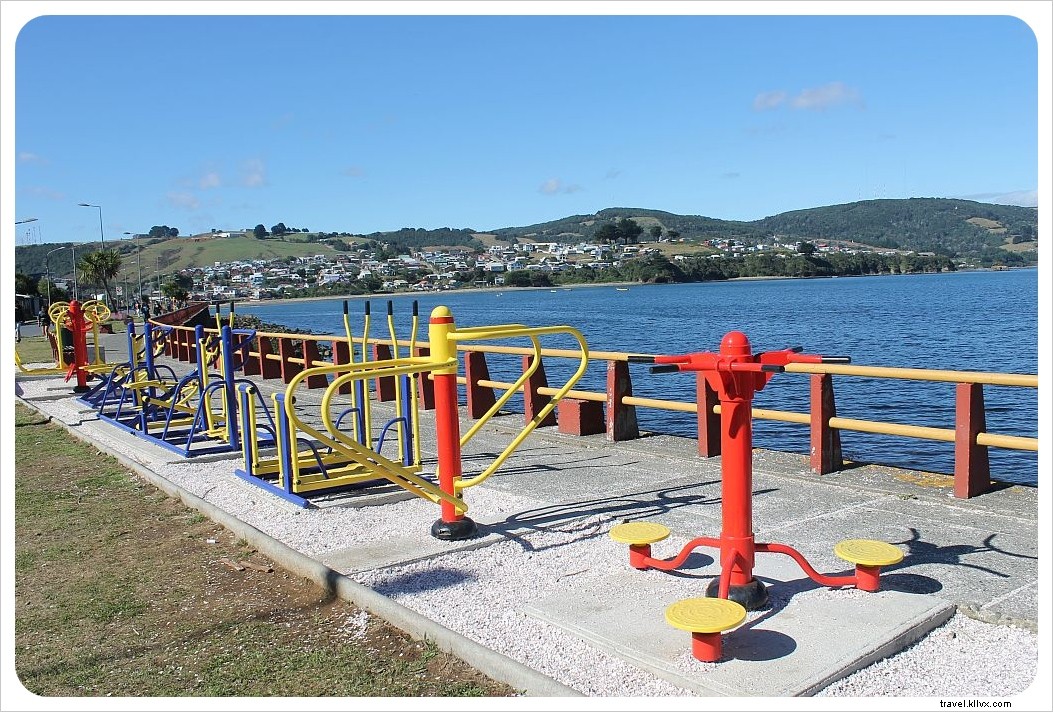
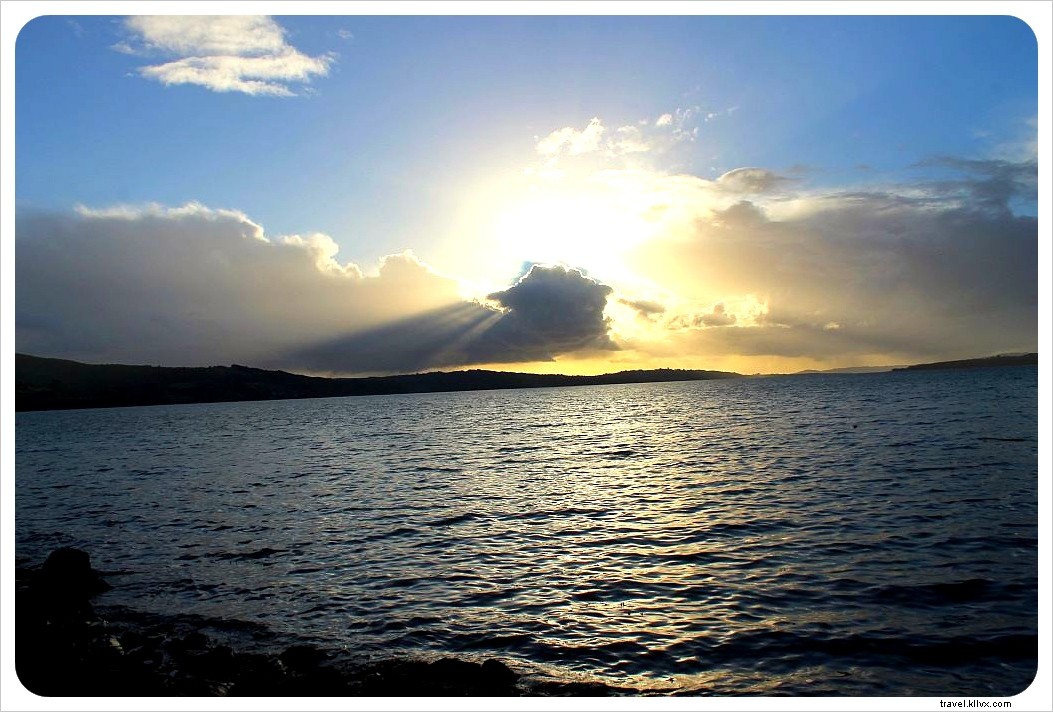
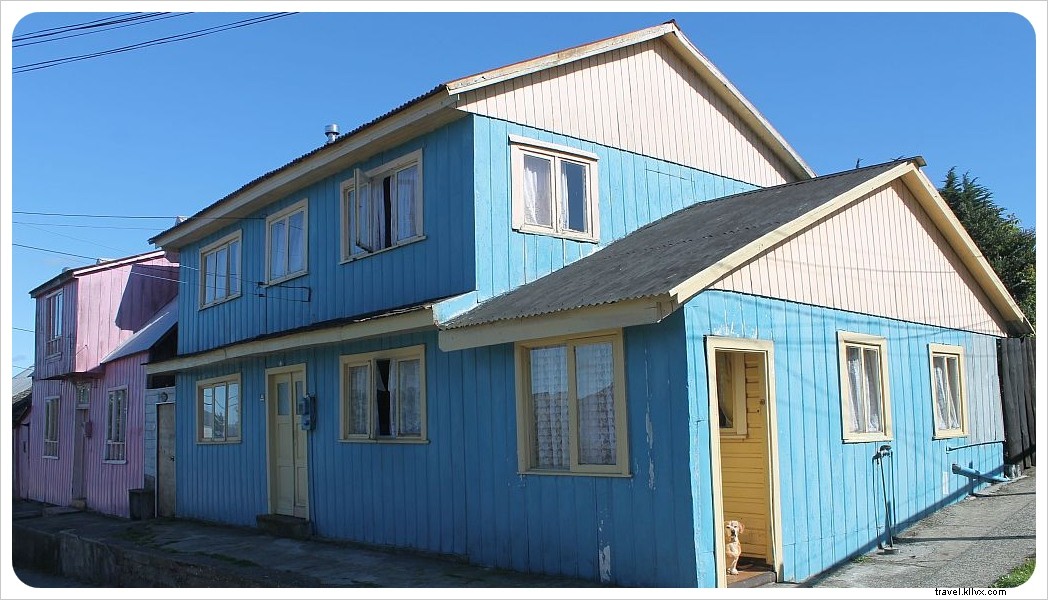 Ancud's waterfront sunsets were stunning, evoking Scandinavia with its colorful fishing houses. Yet Chilean fitness culture shone through, with outdoor workout stations lining the coast, much like in Santiago or Puerto Natales.
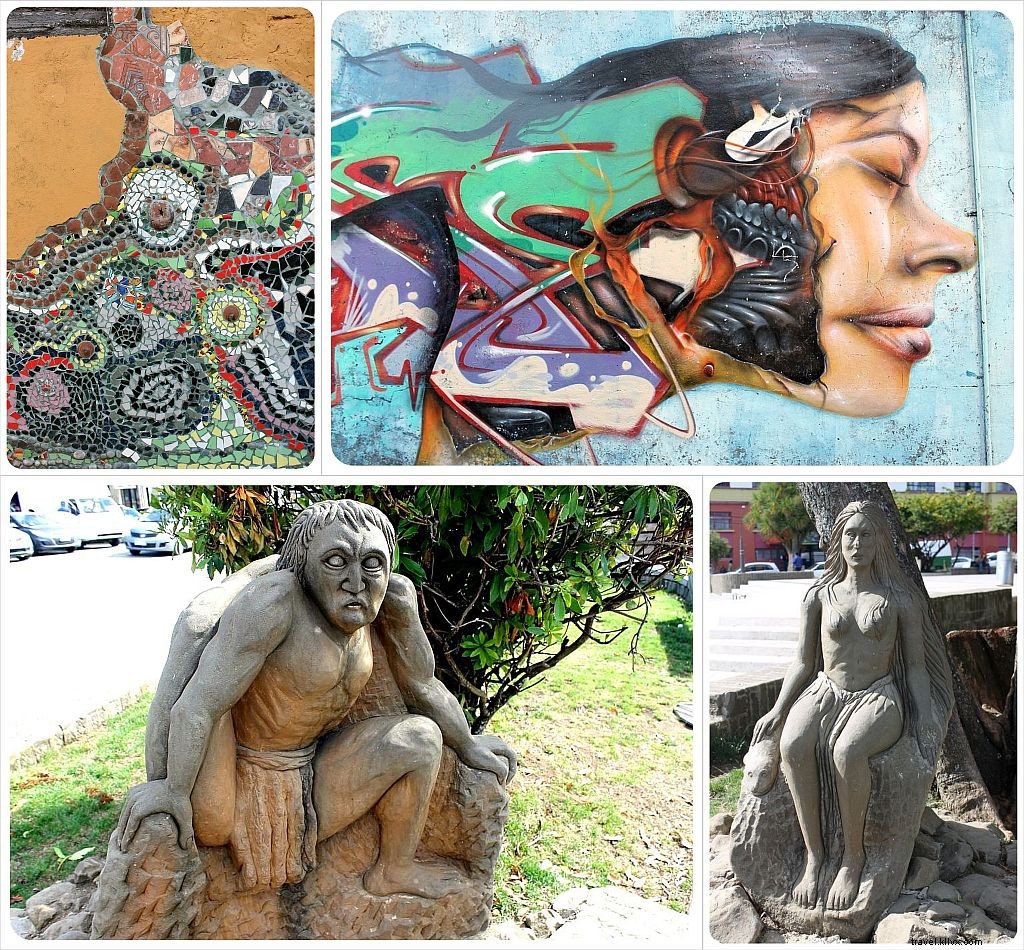
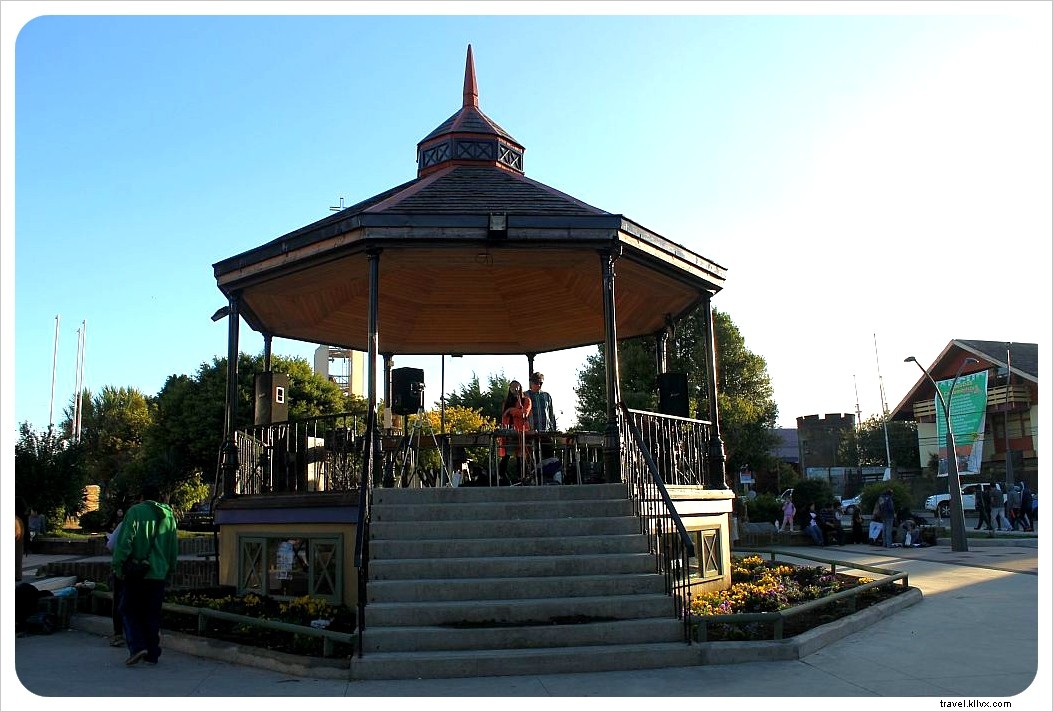
 Despite rugged streets and simple shops, the town center buzzed vibrantly. Teens showcased skate tricks in the square amid electro music, booming cars, intricate street art, mosaics, and wooden sculptures. Families enjoyed cotton candy, elders sipped coffee and kuchen—all wholesome and inviting.
 This blind date was off to a perfect start.
To Castro for Blind Date Number Two
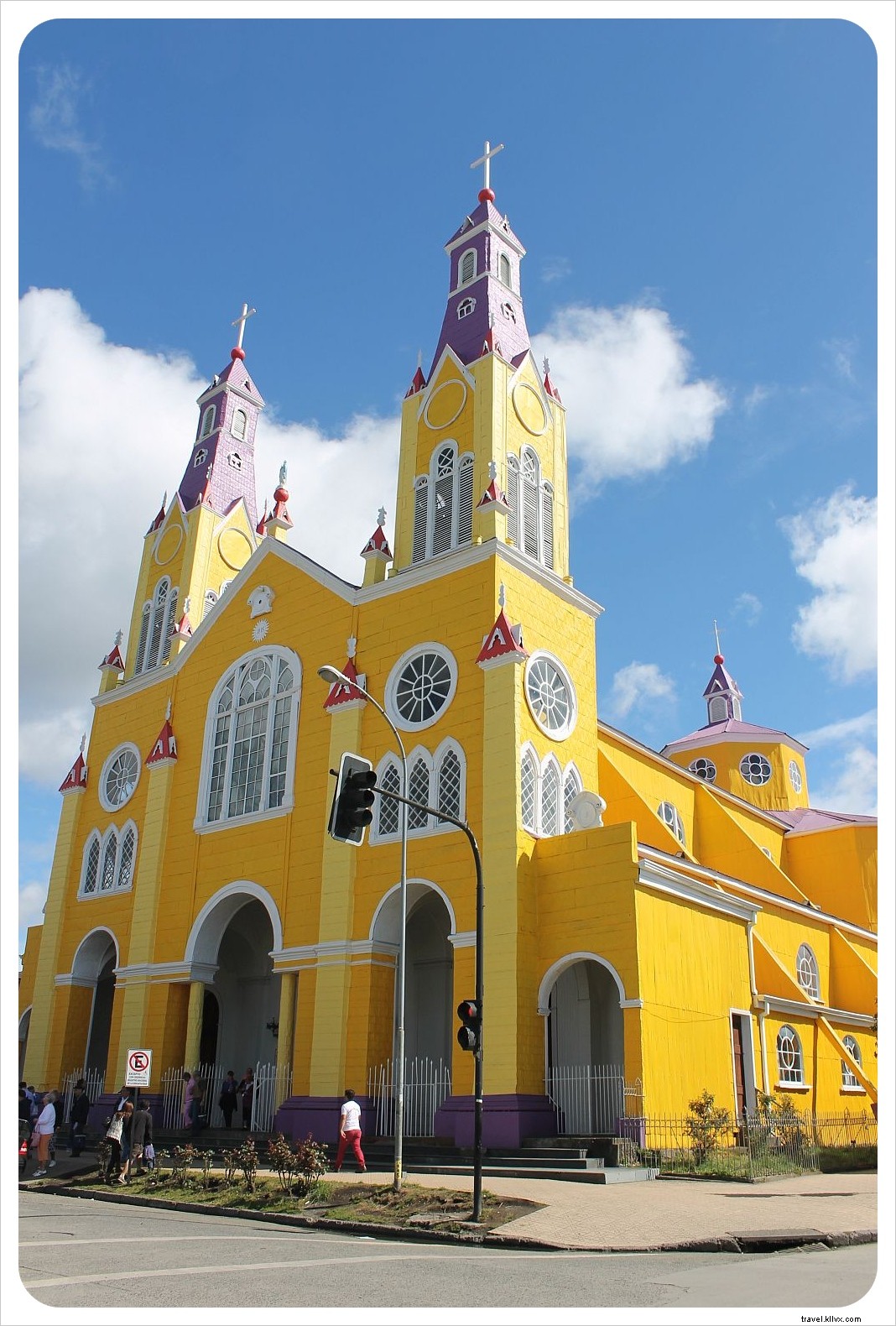
Next, we bused to Castro, Chiloé's capital, to meet Sam and Zab, who had begun their indefinite travels from Buenos Aires. Connecting with nomads online and offline is a highlight of our journeys. We started at the iconic San Francisco wooden church, then followed Zab's itinerary before returning to Ancud.
 At Café Del Puente, we savored tea and scones amid stunning palafitos—unique stilt houses. The café perched on stilts, revealing foundations at low tide and submerged at high.
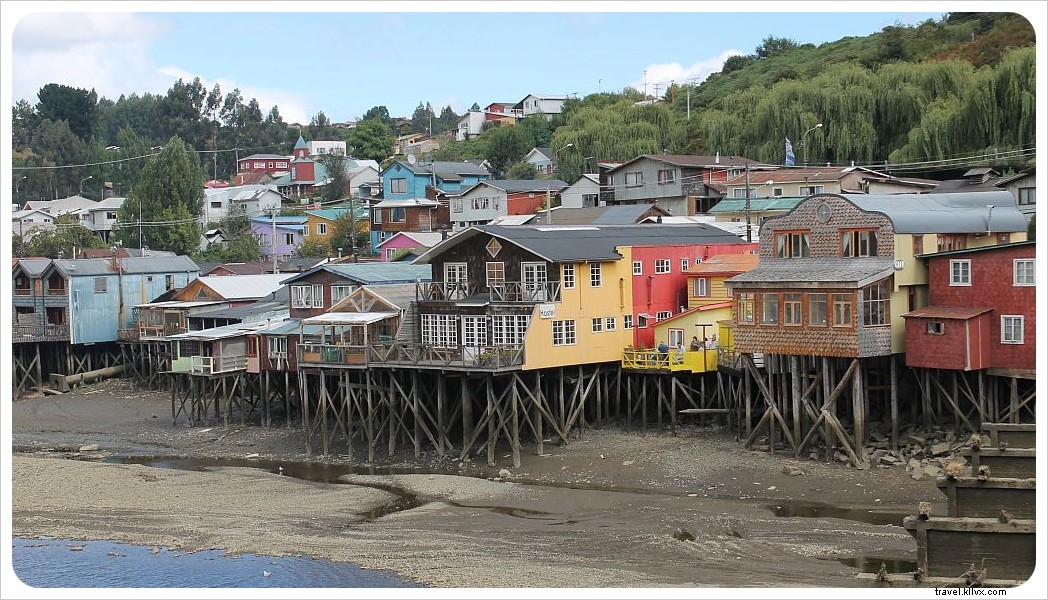 We wandered Castro's quiet Sunday streets, chatting about travel and nomad life, ending at the vibrant Plaza de Armas before the pink-and-yellow church.
Date with Penguins in Tuxedos
Back in Ancud, we booked a tour to Puñihuil Penguin Colony, a rare coexistence of Magellanic and Humboldt penguins.
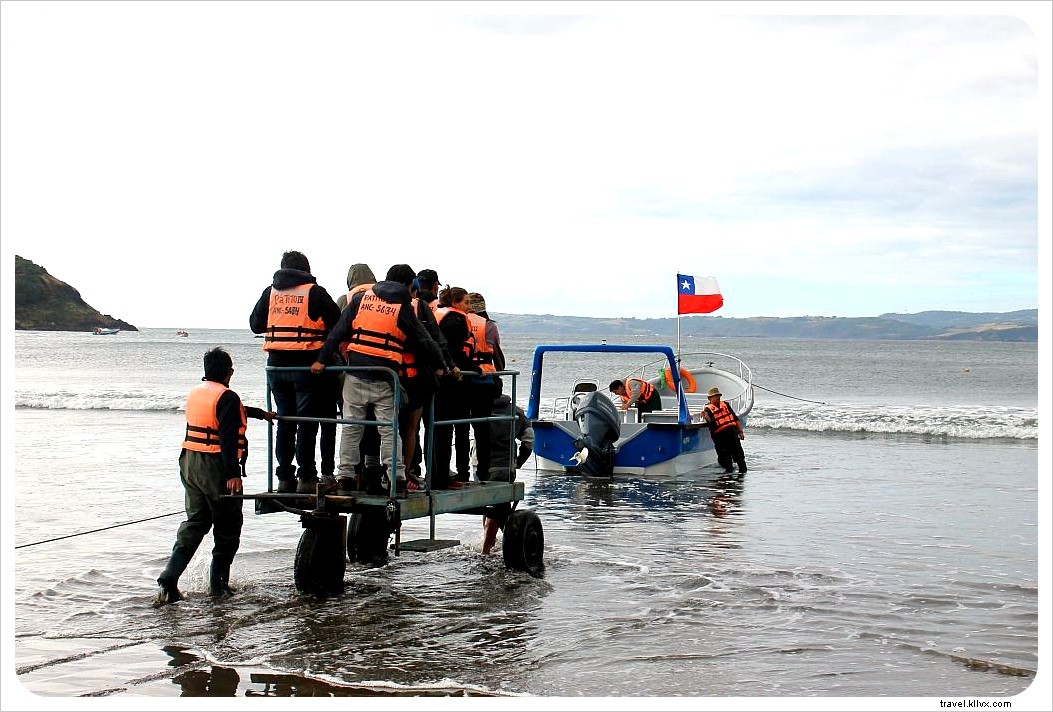
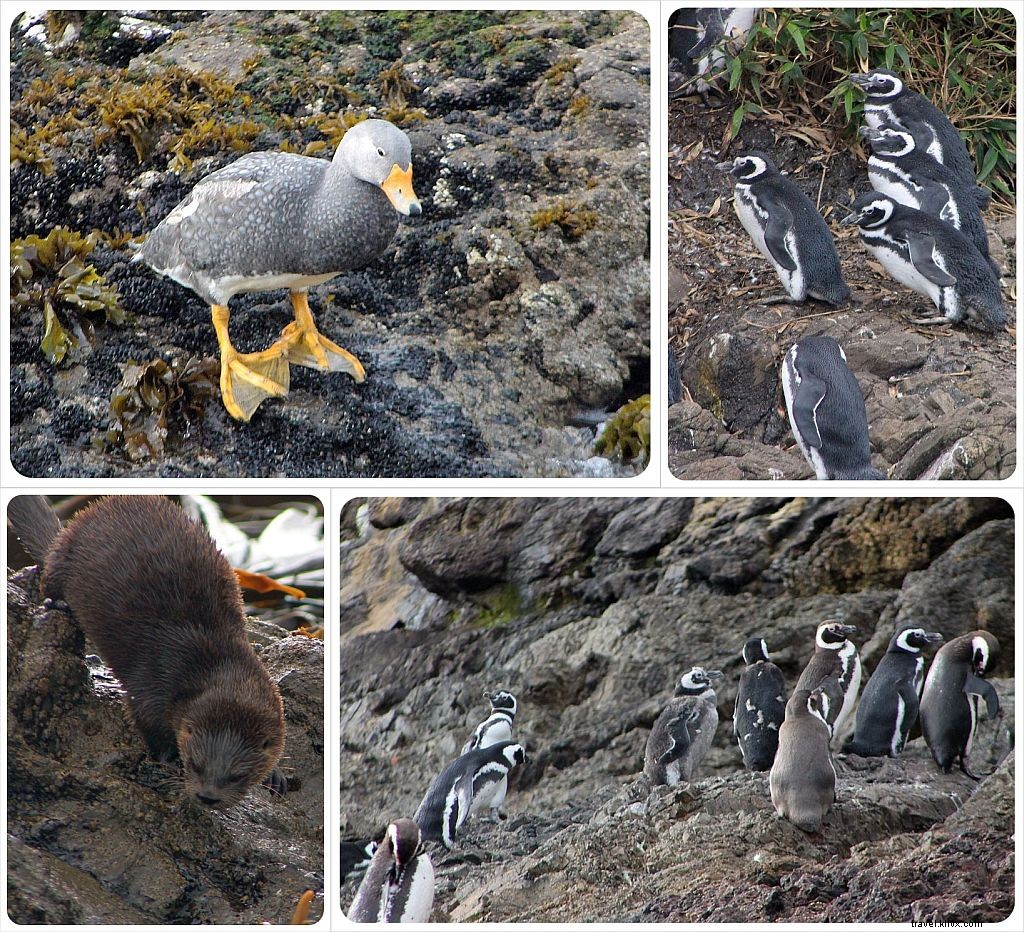
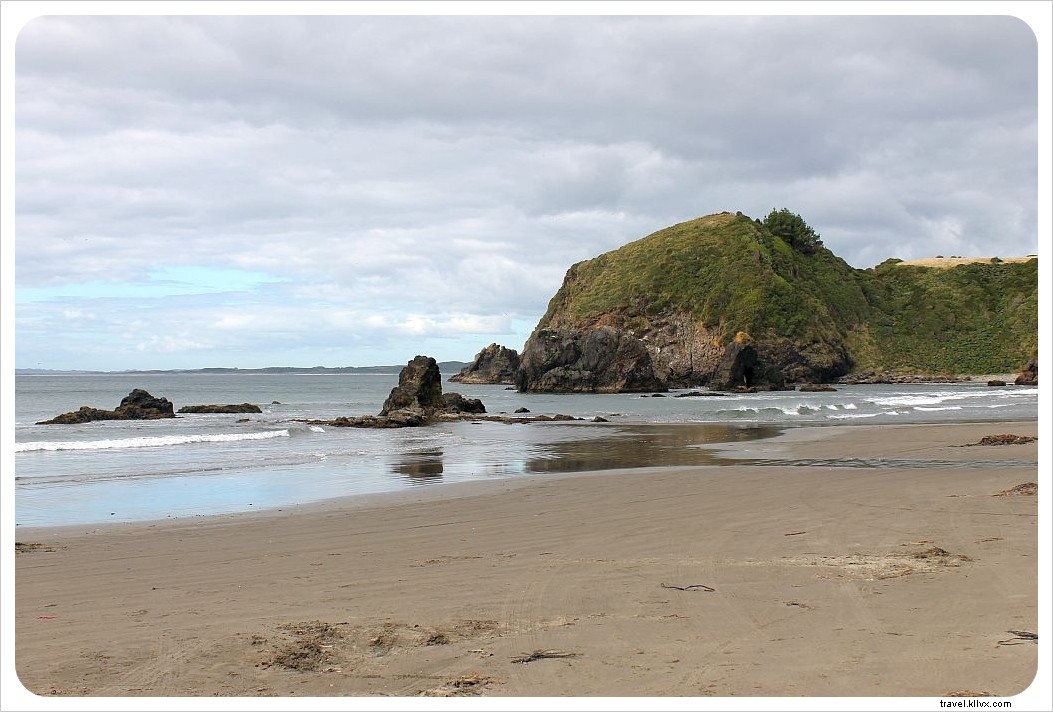 A 20-mile minivan ride through farmlands led to the Pacific. An efficient operation ferried us dry-footed via wheeled carts to boats circling islets teeming with penguins, sea otters, birds, and cormorants.
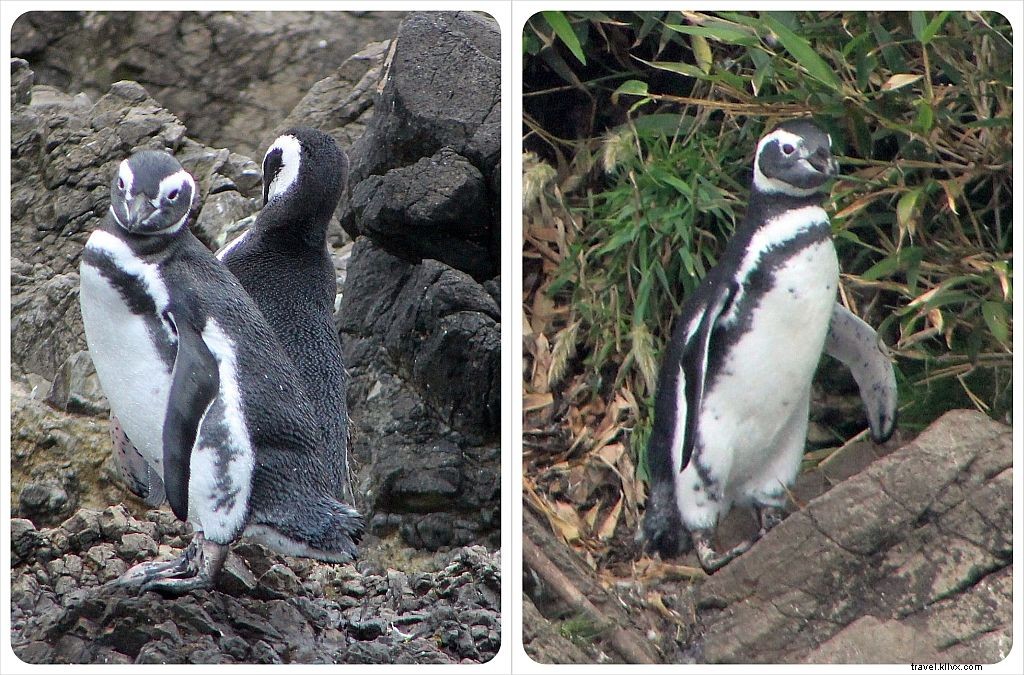
 Magellanic penguins feature black backs, white bellies, and two chest bands; smaller Humboldt have gray tones and one band. This first wild penguin encounter was magical.
 Returning through vast, uninhabited lands, Chiloé's remoteness—no bridge, just ferries—preserves its early-20th-century isolation feel.
Why We Wish We'd Stayed Longer
No regrets on detouring—only that we couldn't explore more empty beaches, national parks, and villages. Bus glimpses teased the untouched countryside and 150+ wooden churches from Jesuit and Franciscan eras.
 Rent a car in Puerto Montt or Puerto Varas ($60/day; economical for groups). Or join full-day tours (10 hours) from there, covering UNESCO churches, Castro, scenery, and penguins.