Salta, Argentina: Colonial Charm Meets Unmet Expectations – An Honest Traveler's Review
Our trip to Salta, Argentina, highlighted the pitfalls of high expectations. Fellow travelers had raved about it, leading us to consider renting an apartment for a month-long stay to recover from exhaustive long-distance journeys. While we cherished Buenos Aires (population 3 million) and Rosario (population 1 million), we anticipated Salta as our ideal haven.
Described as laid-back, colonial, and compact, Salta seemed tailor-made for our love of Latin American gems. Arriving after a 20-hour overnight bus from Puerto Iguazú, our excitement for this northern city was palpable.
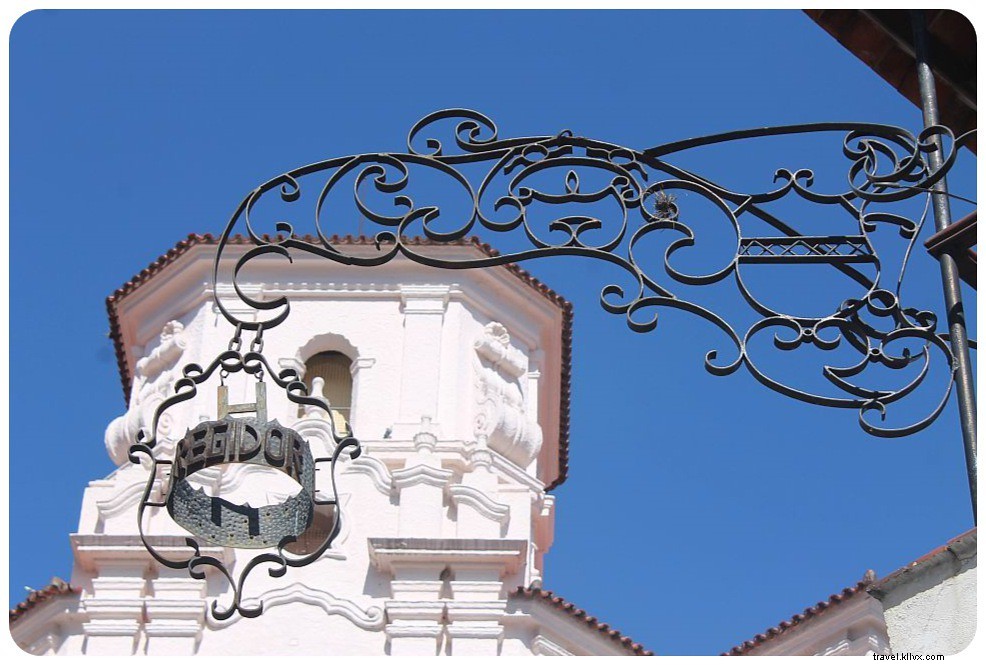
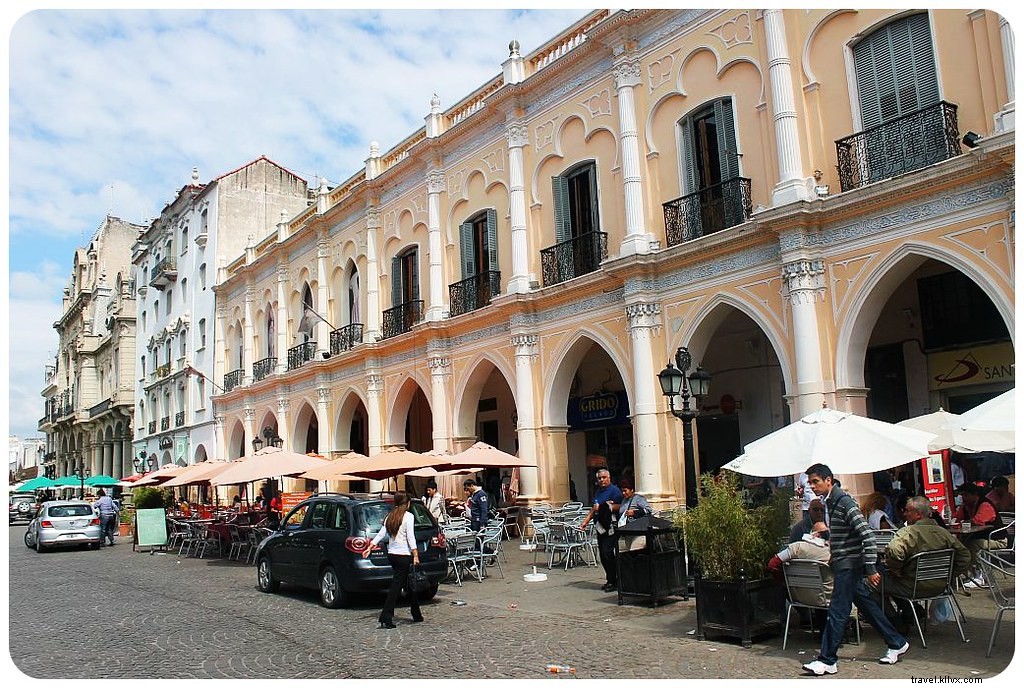 Our guesthouse, Casa de Borgoña, was just blocks from the central Plaza 9 de Julio. We dropped our bags and headed there for coffee and people-watching.
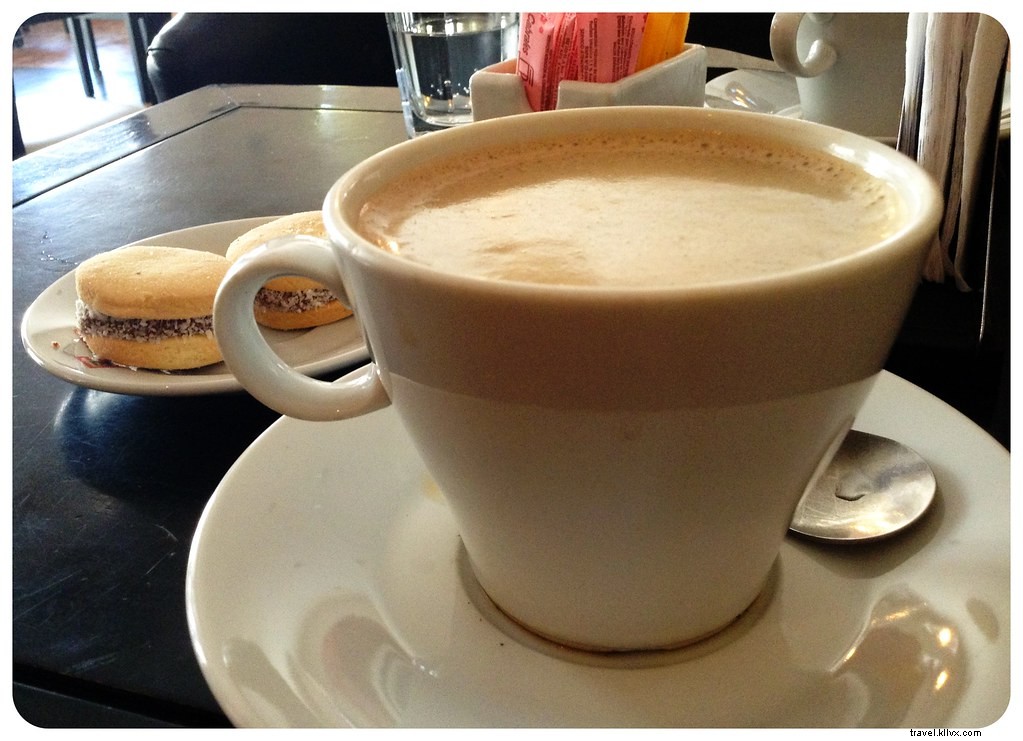 Fond memories include lingering in cafés, working on laptops, and savoring sugary treats with café con leche.
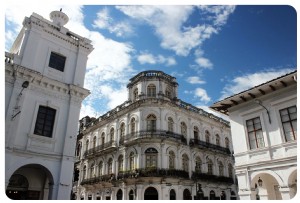
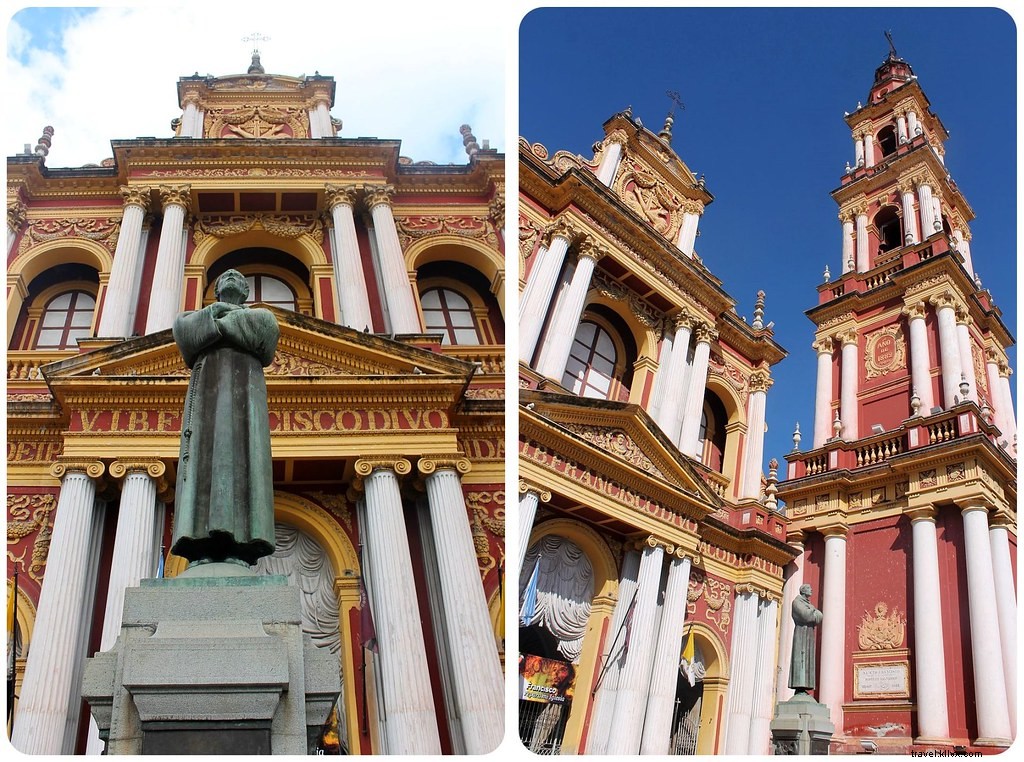
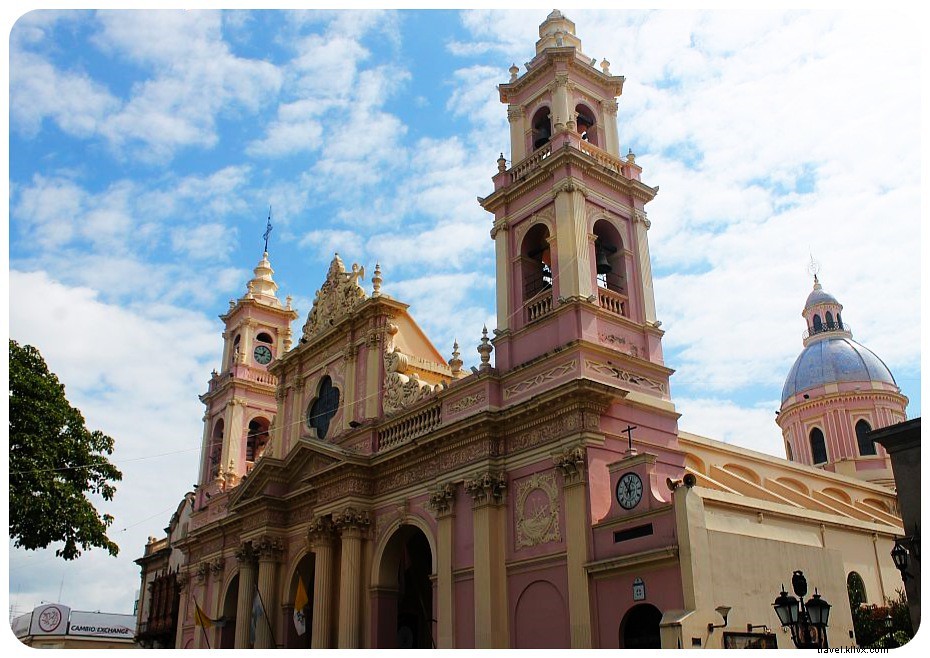
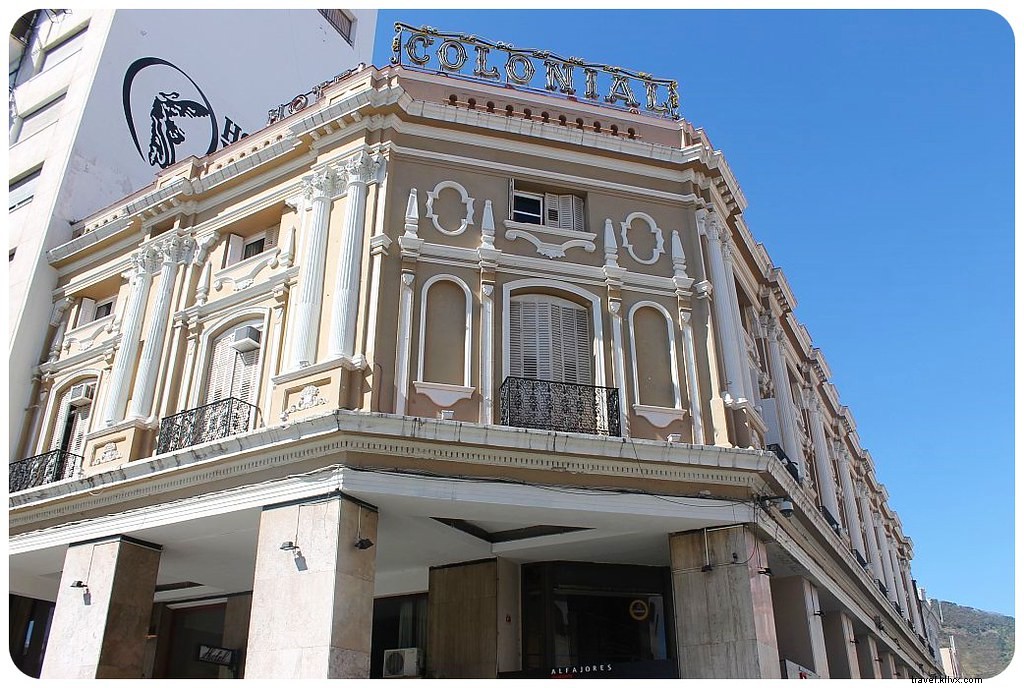 Rejuvenated, we explored Salta's colonial architecture and vibrant neo-classical churches. Yet, neither of us connected deeply, unlike our instant affection for Rosario weeks prior.
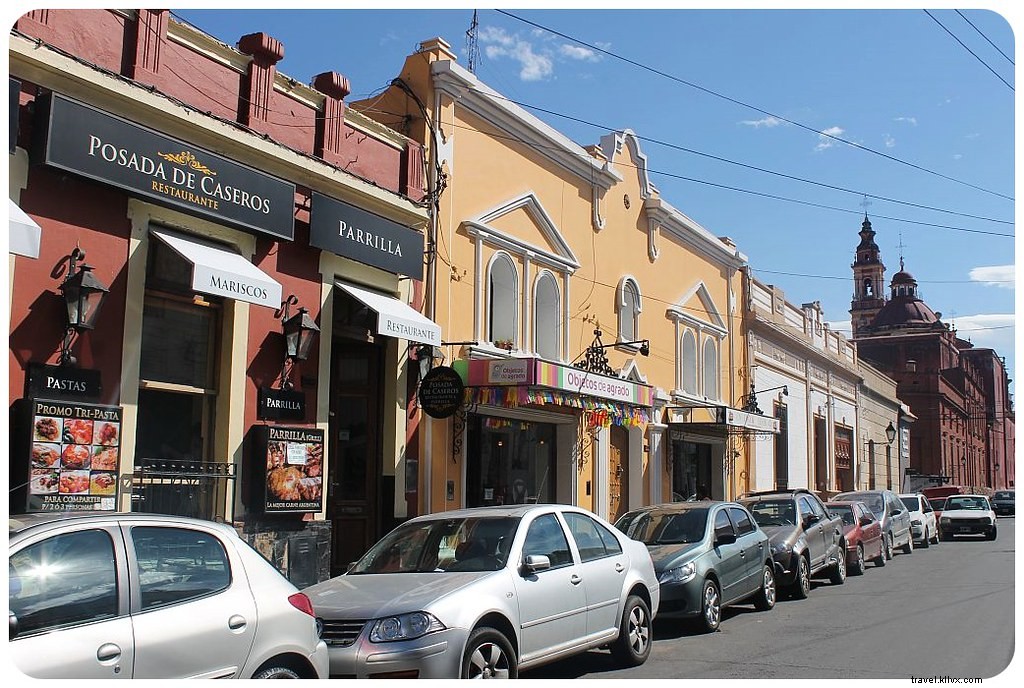
 Smaller than Rosario and far tinier than Buenos Aires, Salta still felt congested in spots, especially during rush hour with sluggish traffic and exhaust fumes amid crowded sidewalks. Paradoxically, quieter times rendered it sleepy.
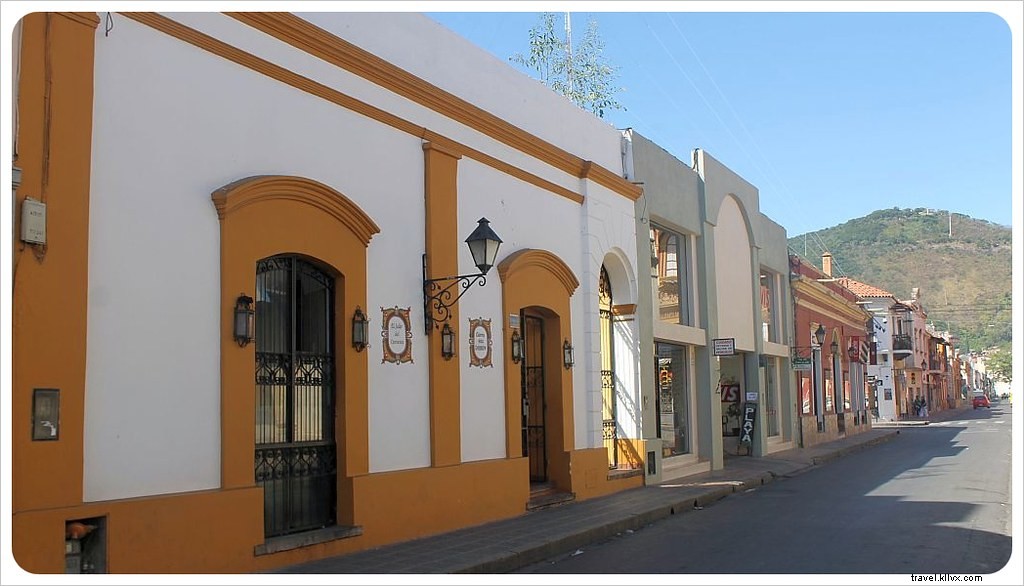
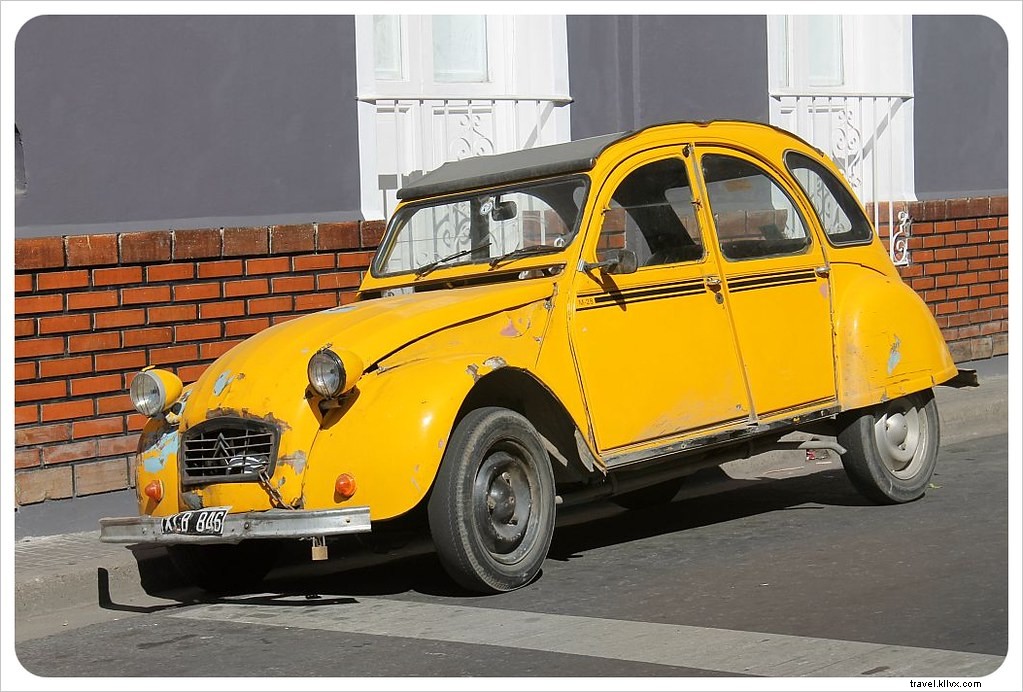 Street art, often a city's pulse, lacked edge despite extensive walks.
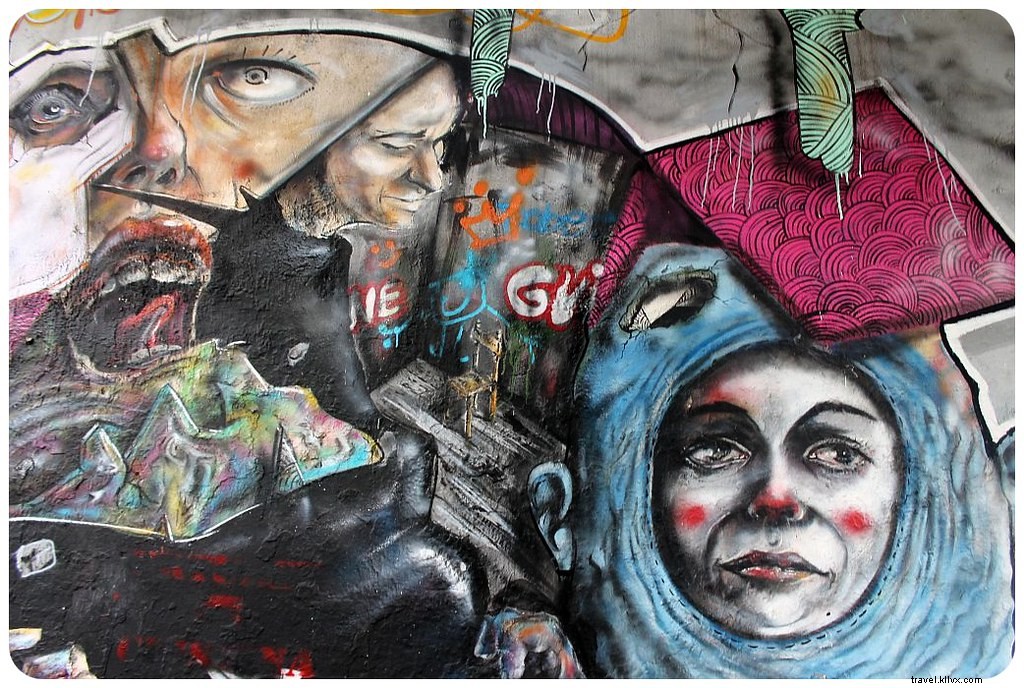
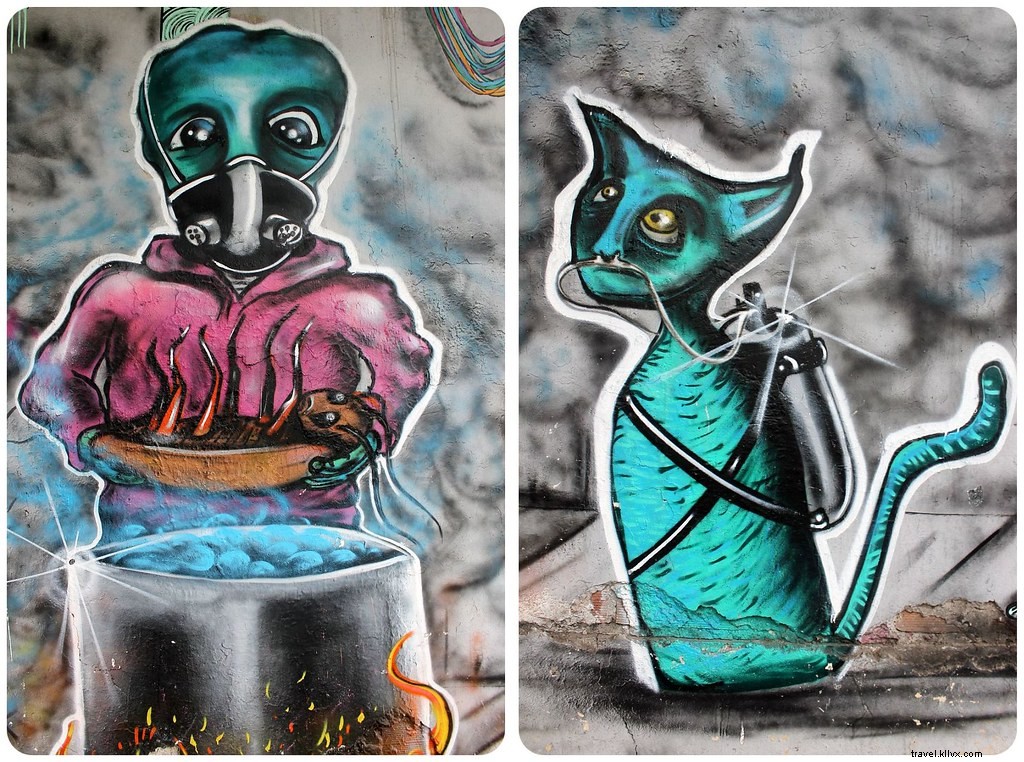
Salta Highlight
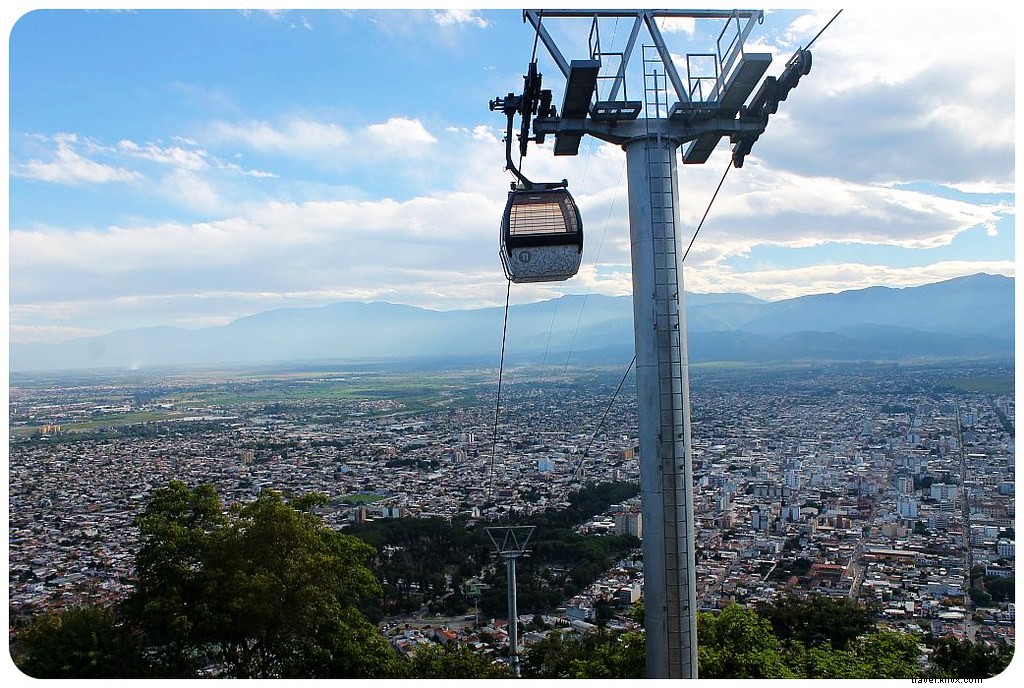
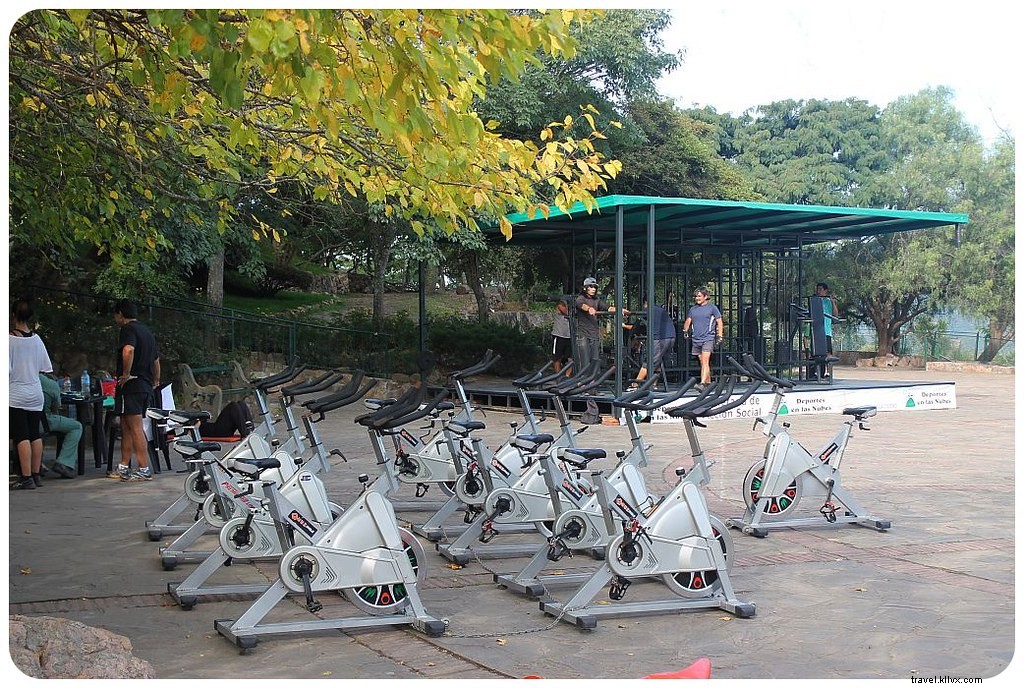
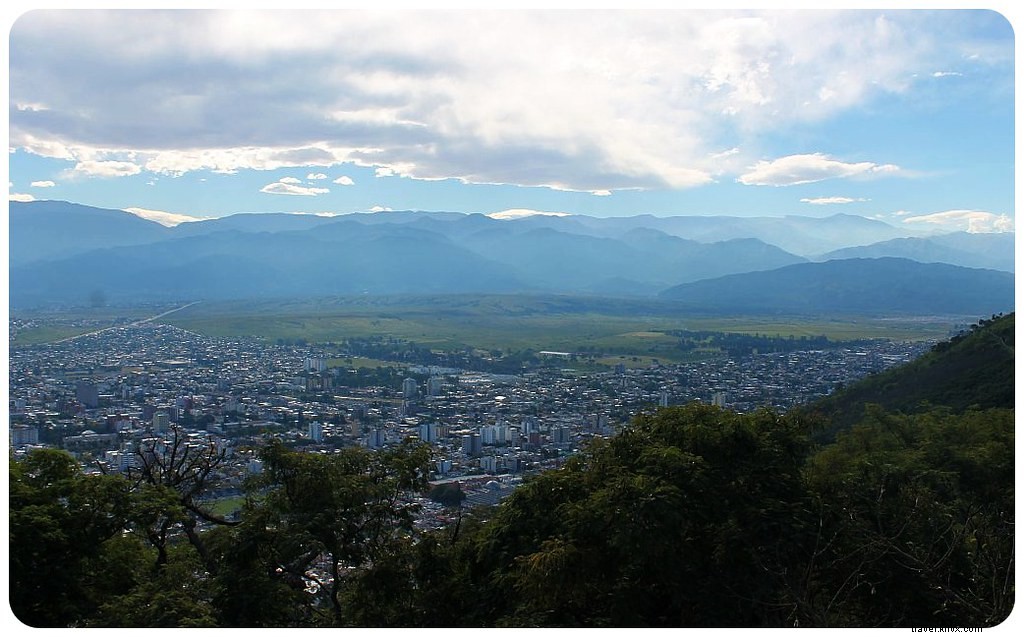
We tackled the 1,000-step hike up Cerro San Bernardo, a surrounding peak with panoramic city views. While most visitors ride the cable car, we embraced the challenge. Locals of all ages use it as a fitness route, some sprinting past us. At the summit, outdoor classes like spinning sessions await. We descended on foot.
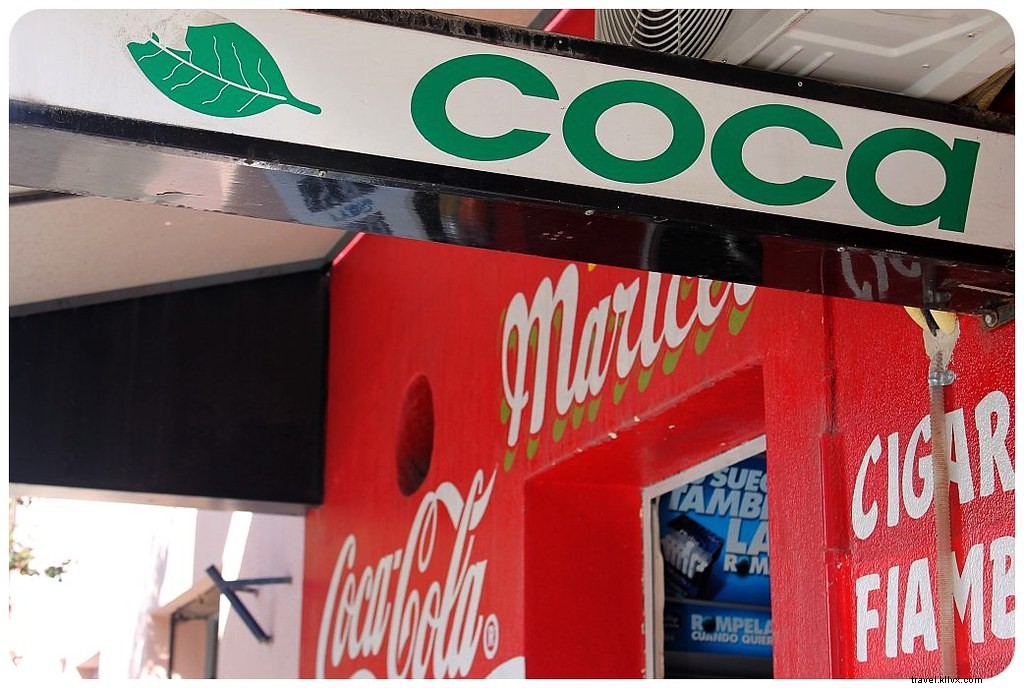
 Salta introduced us to coca leaves, legal in this province and increasingly common northward in the Andes. They combat altitude sickness, boost energy, and curb hunger—milder than cocaine. Shops sell leaves and tea; chewers spit piles at bus stops.
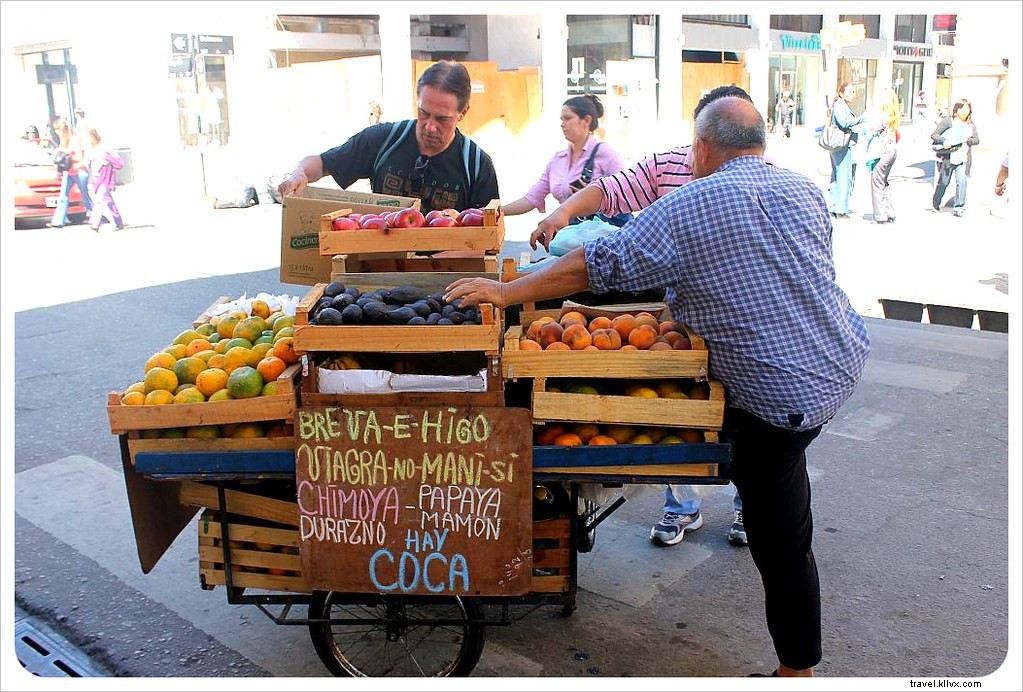
 This daily vendor offered coca alongside chirimoya, peaches, and papaya. His sign teases 'Viagra' but clarifies 'Viagra no, maní (peanuts) sí.'
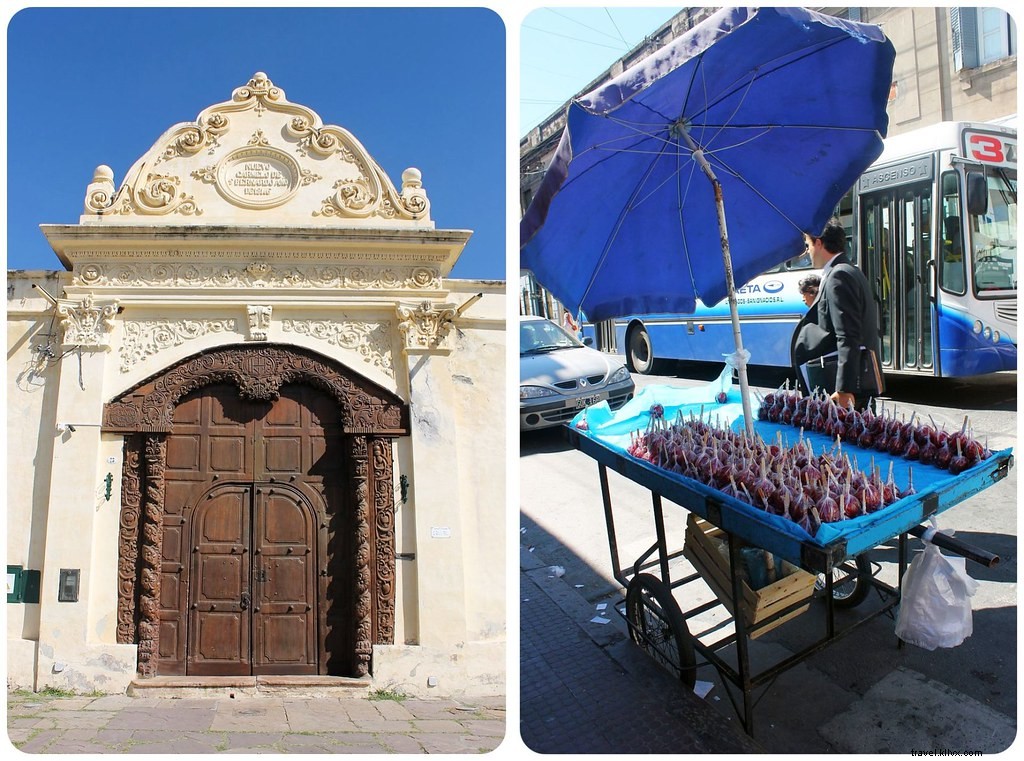
 Founded by Spanish conquerors in the 16th century as a supply hub for Bolivian silver mines, Salta blends colonial heritage with Andean indigenous influences—evident in carved doors, llama wool markets, and quinoa in empanadas, salads, and pasta.
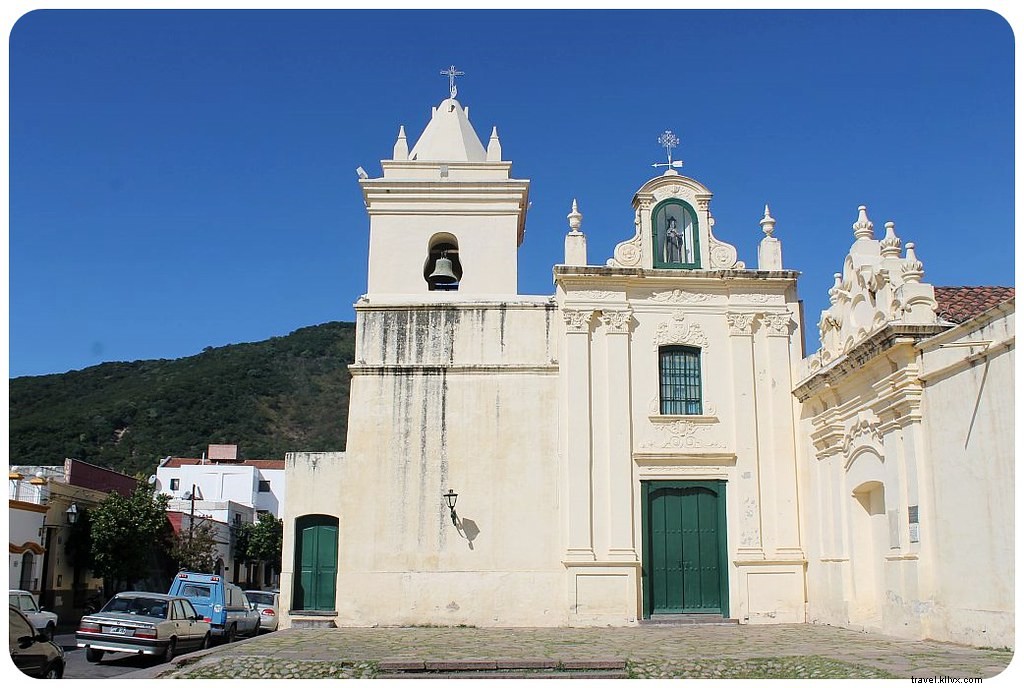
 Plaza 9 de Julio features a majestic cathedral and ringside cafés.
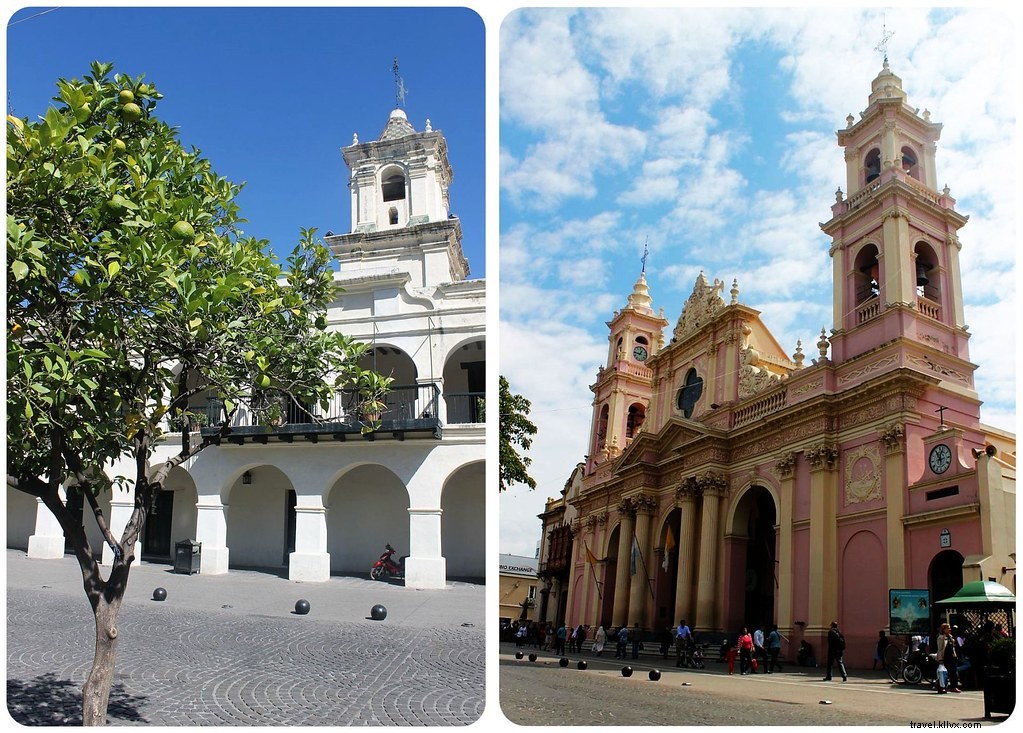
 We dined on the plaza but ventured beyond tourist zones for a fuller sense.
Ultimately, Salta was solid but uninspiring. Restaurants underwhelmed (especially for vegetarians), museums lacked sparkle, and congestion dulled the charm. Our tastes aligned on paper, yet it didn't captivate. High expectations? Perhaps.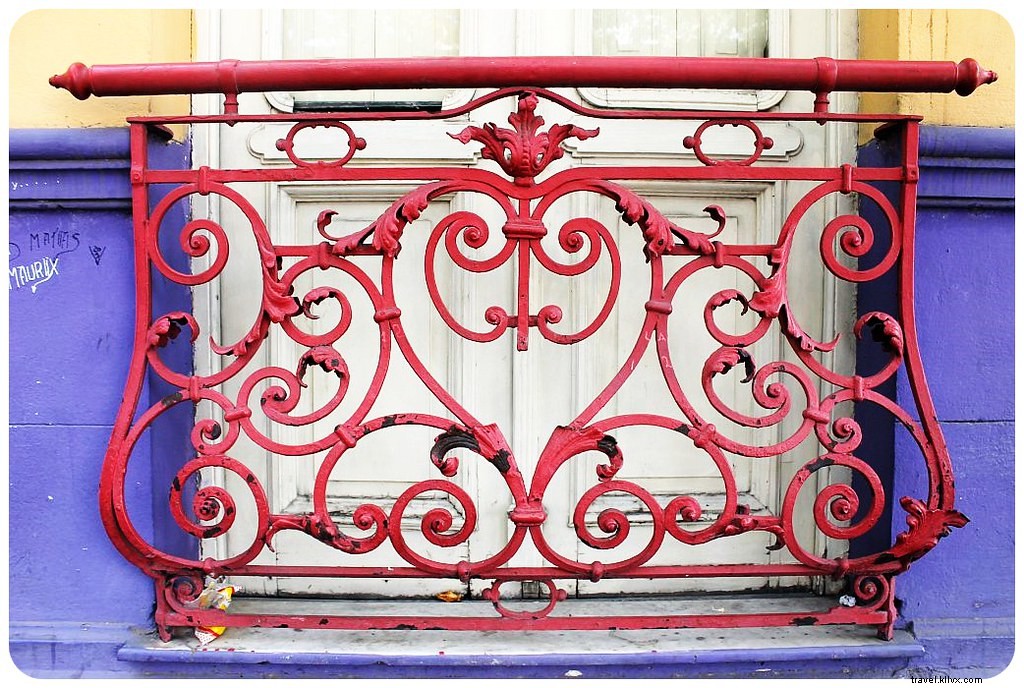 Still, visit as a gateway to enchanting Cafayate's wine country (2 hours south) or Quebrada de Humahuaca villages (north).
Travel Notes on Salta, Argentina:
The cable car to Cerro San Bernardo operates daily 10am-7pm (8 minutes; AR$25 one-way, AR$45 round-trip). The 1,000 steps take ~45 minutes and are free.
Favorites: Café Balcarce (Balcarce 1) and Café Teuco (20 de Febrero & Santiago del Estero) for coffee, alfajores, Wi-Fi; El Patio de Empanadas (San Martín & Las Malvinas) and El Buen Gusto Empanadas (O’Higgins 575).
We recommend Casa de Borgoña (España 916). Read our full review here.
Visited Salta? Share your impressions below.