
Uruguay's Stunning Coastline: Top Beaches from Punta del Este to Punta del Diablo
"Punta del Este or Montevideo?" A sharply dressed shuttle driver pulled up beside us at the airport, pitching a comfortable two-hour ride straight to Uruguay's beaches. After enduring Patagonia's chill and freezing temps down to the world's end, sand between our toes sounded like perfect therapy. But we had booked four nights in the capital and opted for the local bus into Montevideo.
Arriving at Uruguay's upscale Aeropuerto de Carrasco and heading straight to Punta del Este would have felt like entering South America's 'Monaco.' This glamorous peninsula boasts sun, sand, vibrant nightlife, and luxury—at a premium price.
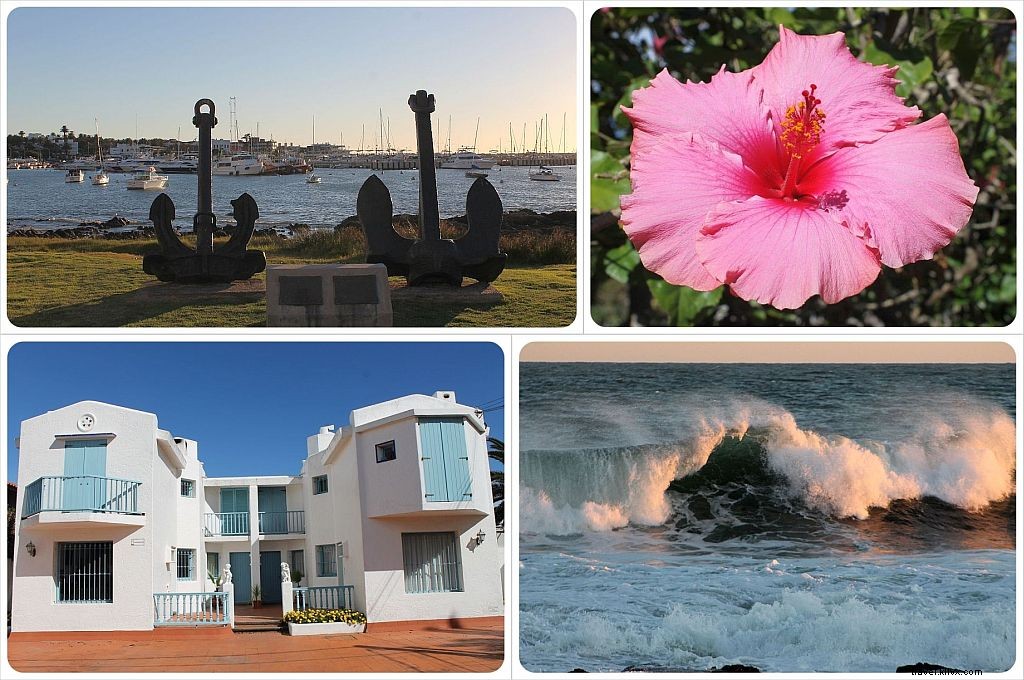
Punta del Este: Luxury for Every Budget
Prices here run about 50% higher than elsewhere in Uruguay. Yet, we snagged a last-minute Booking.com deal for a 3-star central hotel at under $58—breakfast buffet and free bikes included. Compared to Ushuaia's $60 basic hostel with shared baths, it was a steal. These bikes proved ideal for exploring.
With stunning locals, soaring high-rises, and buzzing nightlife amid Uruguay's generally laid-back vibe, Punta del Este welcomes all travelers. Cycling on our hotel's bikes unveiled its accessibility.
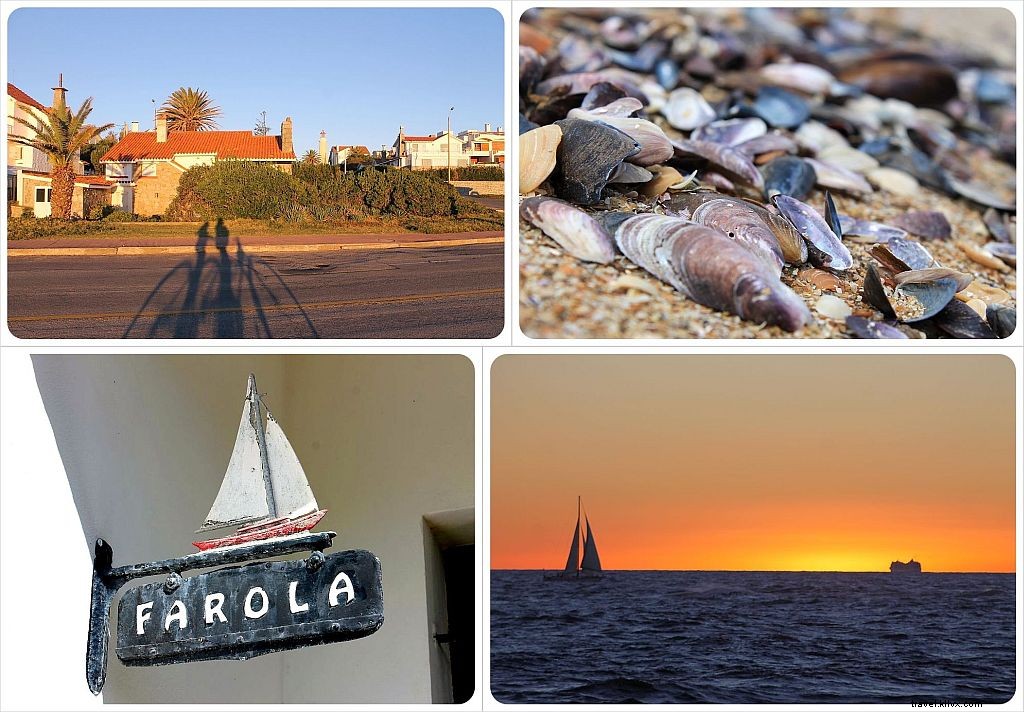
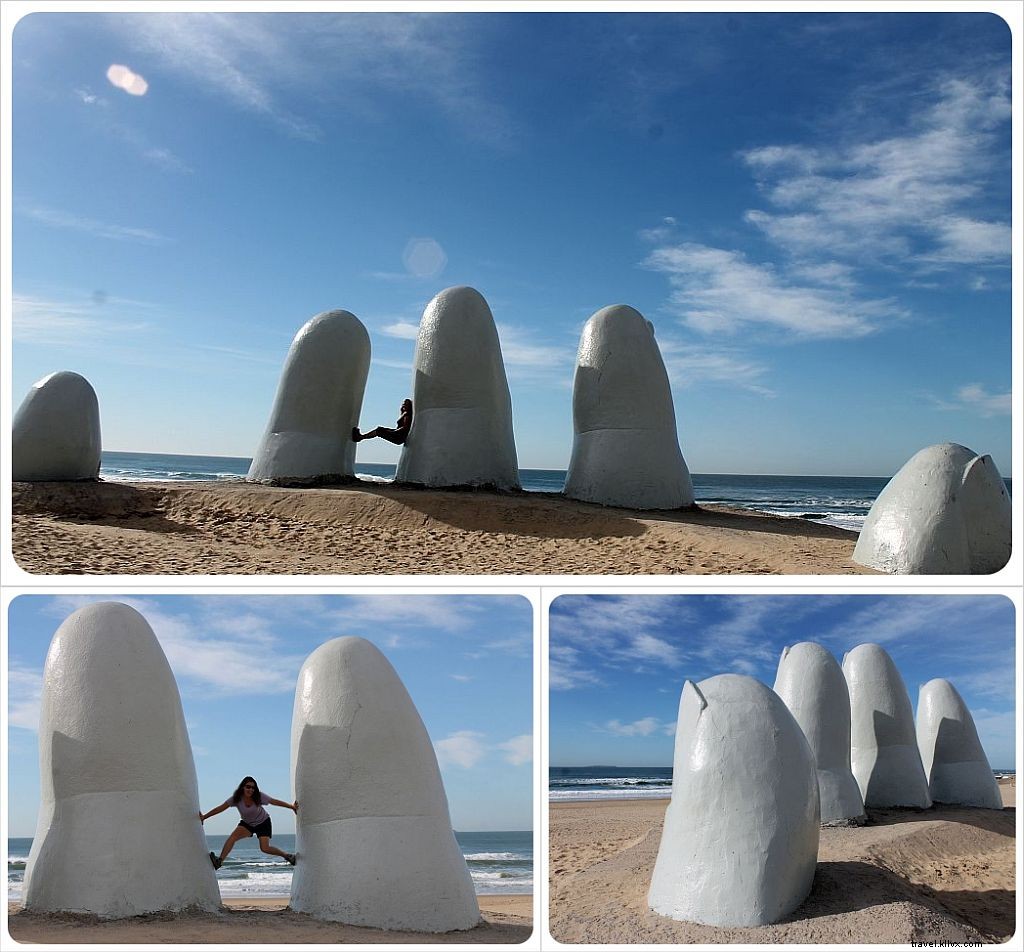
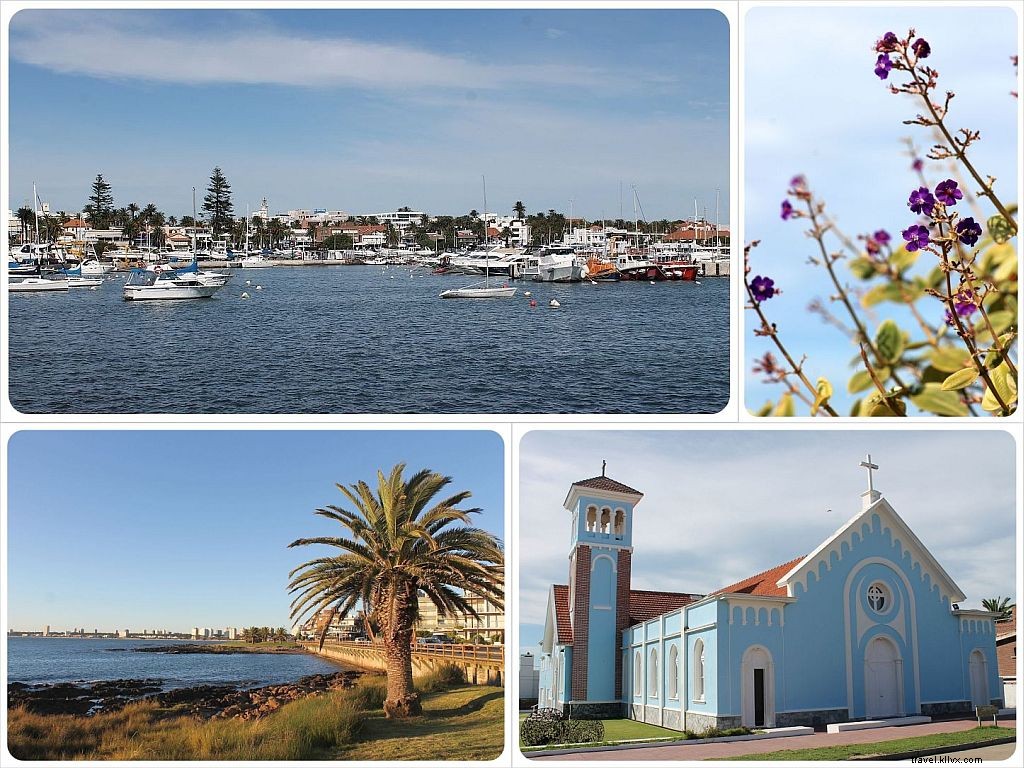
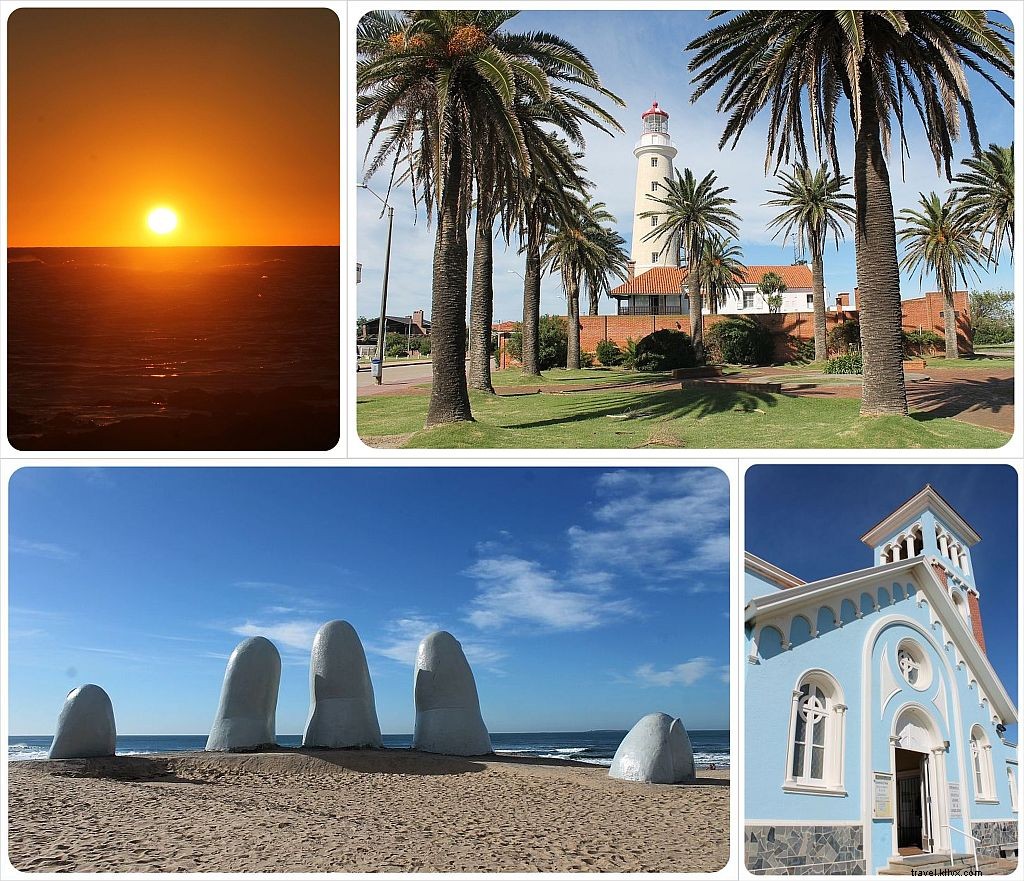 La Mano, the iconic hand sculpture on Brava Beach ('rough' beach), kicked off our adventure. We posed endlessly before biking the promenade to the lighthouse for South America's most mesmerizing sunset.
We looped the cape past lavish beachfront homes—futuristic designs mingling with colonial styles, evoking spots Leonardo DiCaprio might have rented during visits with Gisele Bündchen. The path leads to the yacht harbor and upscale condos on calm Playa Mansa ('calm' beach).
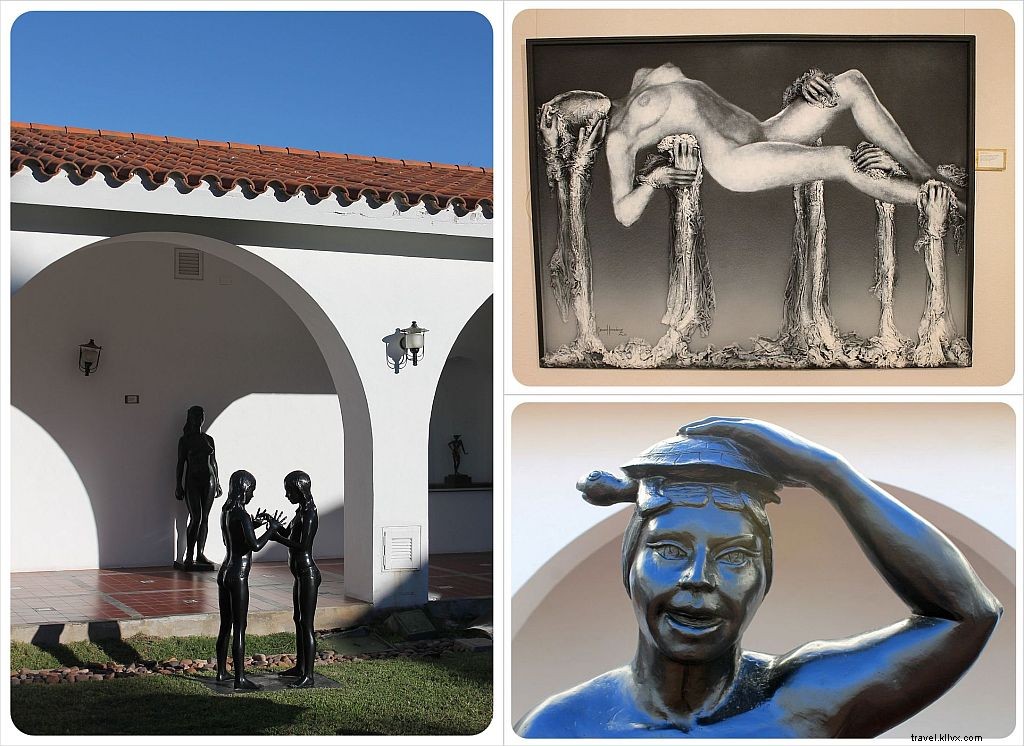
 Inland, the free Ralli Art Museum in Punta's 'Beverly Hills' neighborhood wowed us. Inspired by Santiago's Ralli, we spent two hours amid its 6,000m² showcasing premier Latin American art collections across rooms and gardens.
 Time flew in Punta del Este—we hadn't planned to love it so much. Longer stays could include Casapueblo (artist Carlos Páez Vilaró's masterpiece), or beaches like Portezuelo, Solanas, Punta Ballena, and Isla de Lobos, home to South America's largest sea lion colony and a lighthouse.
Food is pricey—even off-season. Seek affordable gems amid the upscale spots; otherwise, supermarket picnics on the beach balance budgets.
La Paloma: Uruguay's Serene Dove Beach
Uruguay's relaxed pace contrasts Argentina's intensity. Beyond Punta del Este, the Montevideo-to-Brazil coast offers chill alternatives—visit off-peak for deals and sun.
On a compact scale versus South America's vast bus hauls, short coastal hops suit beach lovers perfectly.
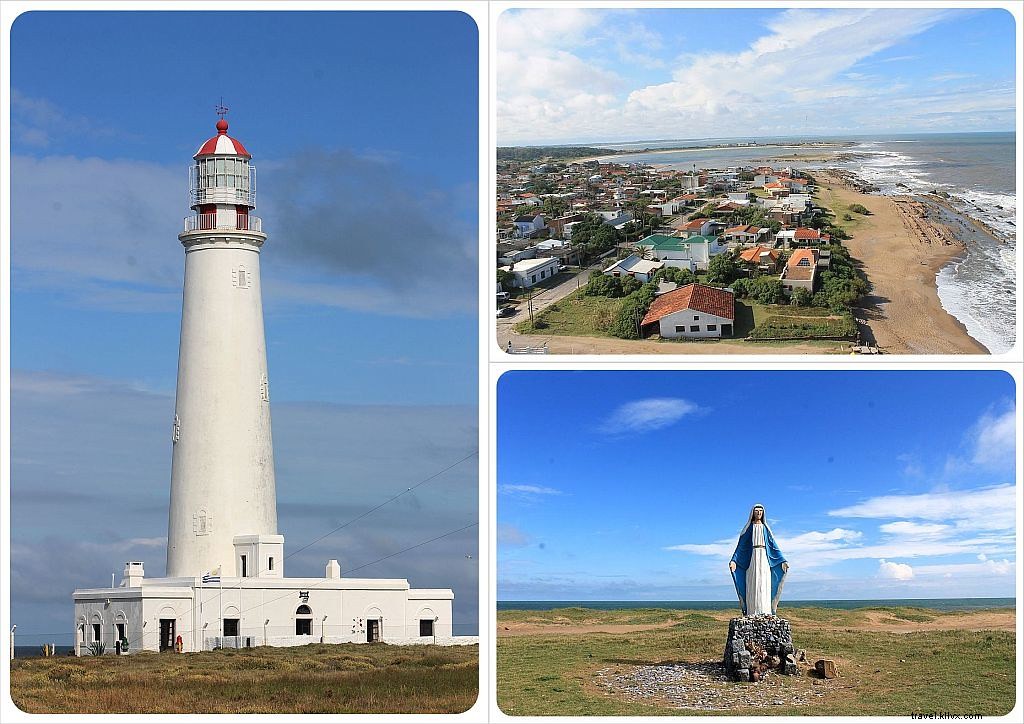
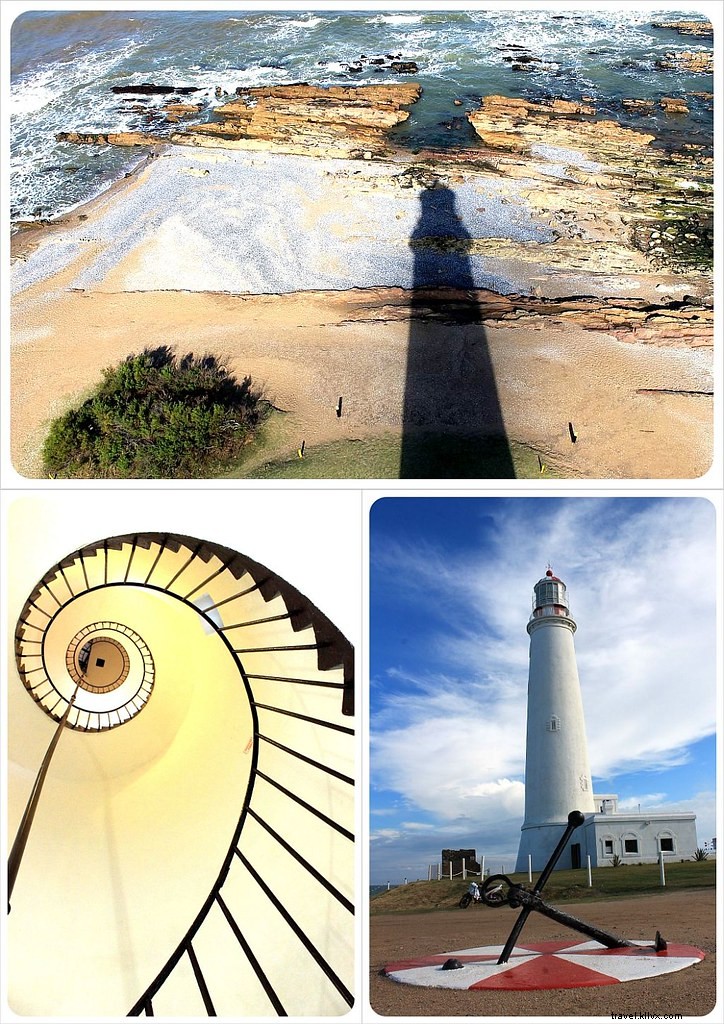
Post-high season, buses reliably served spots like La Paloma. After rains, we climbed the 95-foot lighthouse for sweeping empty-beach views. High season (Dec-Feb, Carnival) brings nightlife; July-Oct offers whale watching. Nearby La Pedrera suits families seeking quiet.
Punta del Diablo: Boho Devil's Point
We could linger months at Punta del Diablo, an hour from Brazil.
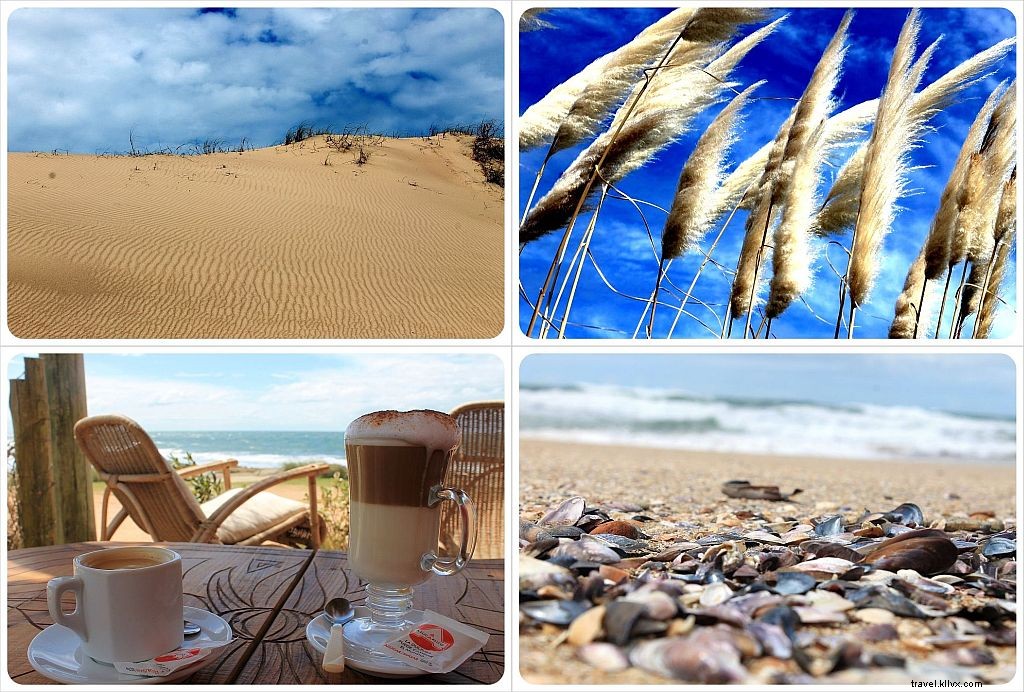
This ex-fishing village turned boho beach paradise contrasts Punta del Este. Towering dunes line unpaved roads hiding 389 locals' homes and 25,000 summer renters' architect-designed gems—not basic shacks.
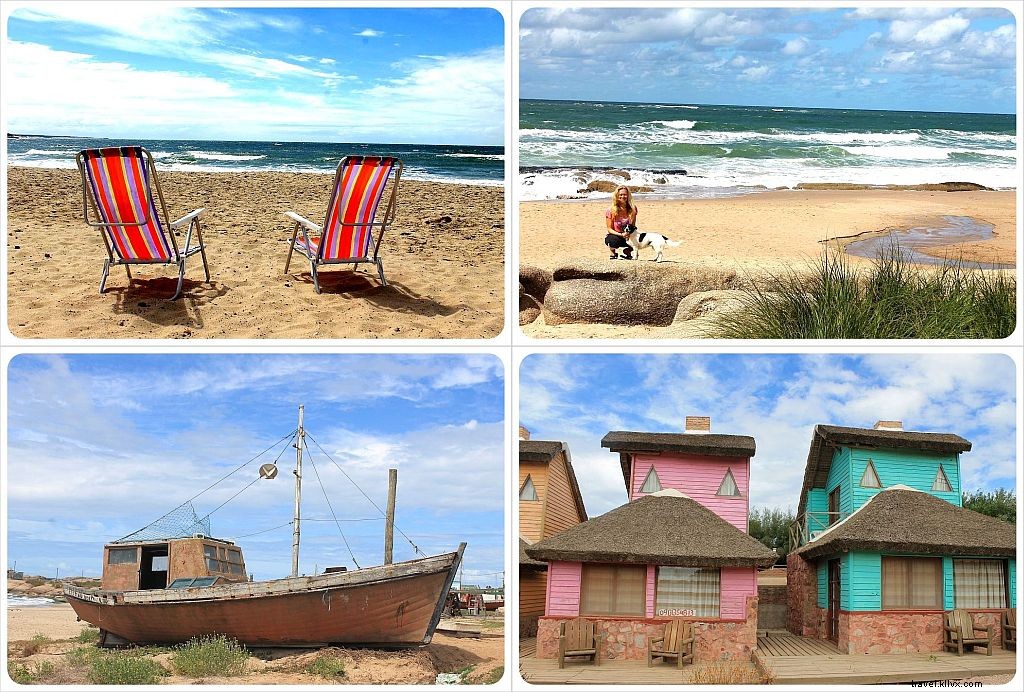 Eclectic builds foster an upscale surfer vibe (dreadlocks abound). Vast yet centered on three blocks with supermarkets, a school, cafés, and beach eateries. Off-season (Mar-Nov), it's blissfully empty; beaches are the draw.
Our top-rated Hostel De La Viuda was a 30-minute dark-night walk from town—initially eerie, then charming amid global architects' creations. A month in one of those houses tempts endlessly.
Punta del Diablo blends wild coastal beauty with modern allure, leaving us yearning for flip-flop footprints beyond our five days.
 Visited Uruguay's beaches? Favorite one? World's top beach town?